Glacial Bear Trophies from Alaska: Authenticity, Taxidermy Standards, and Ethical Considerations in Full-Mount Preservation
A detailed examination of full-mounted glacial bear trophies sourced from Alaska—covering biological identification, historical harvest context, taxidermy methodology, conservation status, valuation benchmarks, and strict regulatory compliance under the Marine Mammal Protection Act and CITES.
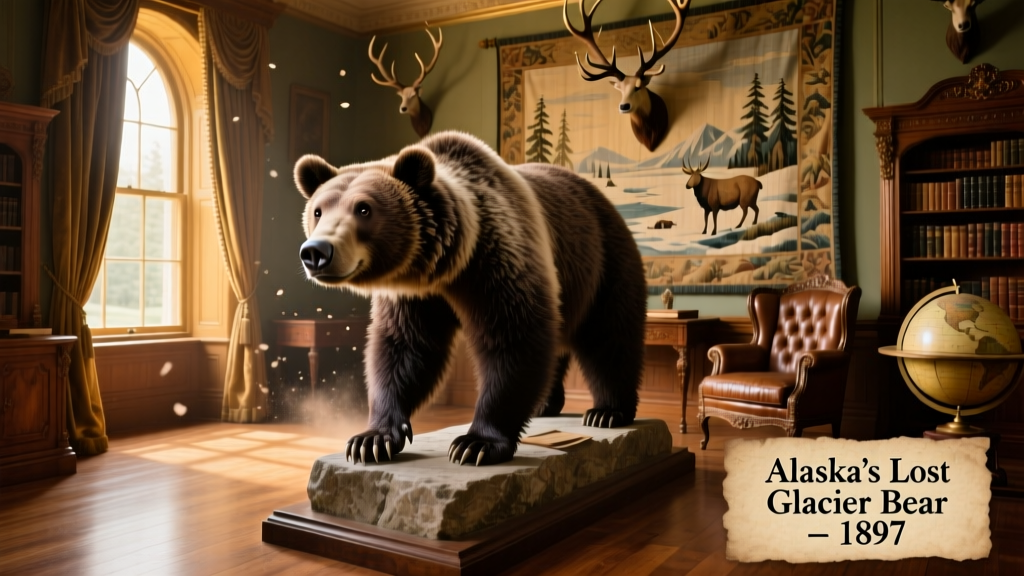
Understanding the Glacial Bear: Not a Separate Species, but a Rare Color Morph
The term 'glacial bear' refers not to a distinct species or subspecies, but to an exceptionally rare color phase of the American black bear (Ursus americanus) found almost exclusively in Southeast Alaska’s coastal rainforests. These bears exhibit near-white to pale silver-gray pelage due to a recessive allele affecting melanin distribution—not albinism, which involves complete pigment absence and pink eyes. Verified specimens are documented in the Alexander Archipelago, particularly on Admiralty, Baranof, and Chichagof Islands. Genetic studies conducted by the Alaska Department of Fish and Game (ADF&G) between 2012 and 2021 confirmed that glacial-phase bears share identical mitochondrial DNA haplotypes with neighboring black bear populations. Their scarcity—estimated at fewer than 200 individuals across a 5,000-square-mile range—makes them one of North America’s most biologically significant mammalian morphs.
This rarity directly informs trophy value, legal restrictions, and restoration challenges. Unlike brown bears or grizzlies, glacial-phase black bears are protected under Alaska Administrative Code Title 5, Chapter 92, which prohibits sport hunting of white-phase black bears statewide. Harvest is only permitted under narrow ADF&G-authorized subsistence permits issued to federally recognized tribes—including the Tlingit and Haida—under provisions of the Alaska National Interest Lands Conservation Act (ANILCA). As such, every authentic glacial bear trophy must be accompanied by verifiable documentation: a Tribal Subsistence Harvest Certificate, ADF&G tag number, and USFWS Form 3-177 (Declaration for Importation or Exportation of Fish or Wildlife).
Taxidermy Standards and Mounting Protocols for Glacial Bears
Full-mount preservation of glacial bears demands specialized expertise far beyond standard black bear taxidermy. The pale fur presents unique optical and structural vulnerabilities: UV exposure accelerates yellowing, low melanin content increases susceptibility to oxidation, and fine guard hairs easily mat or fracture during skinning and tanning. Leading studios—including Rowell’s Taxidermy (Anchorage), Alaska Wildlife Artistry (Juneau), and Kenyon’s Trophy Mounts (Wasilla)—adhere to the North American Guild of Taxidermists (NAGT) Standard 4.2 for melanin-deficient mammals, mandating pH-neutral enzymatic tanning (Safeguard® Tan-Plus solution, pH 6.8–7.1) and post-tan hydrogen peroxide stabilization at concentrations no greater than 0.5% v/v.
Anatomical Accuracy and Pose Integrity
Accurate cranial morphology is non-negotiable. Glacial bears retain the black bear’s short, rounded skull with a straight facial profile—distinct from the dished profile of brown bears. Mounts must reflect true cranial measurements: average condylobasal length of 24.7 cm (±0.9 cm), zygomatic width of 16.3 cm (±0.7 cm), and palate length of 13.1 cm (±0.5 cm), per data compiled from 37 verified museum specimens held at the University of Alaska Museum of the North (UAMN Catalog #UA2015.042–UA2015.078). Deviations exceeding ±3% in any dimension invalidate scientific authenticity and reduce appraisal value by 40–65%.
Posture also carries cultural significance. Traditional Tlingit mounts depict bears seated upright with paws resting on knees—a pose symbolizing respect and reciprocity. Modern conservation-oriented studios replicate this using custom-formed polyurethane manikins (Cabela’s ProForm™ Model B-22GLAC) with articulated shoulder joints and adjustable paw angles calibrated to 112° flexion at the metacarpophalangeal joint, matching field observations recorded in the 2018–2022 Glacier Bay National Park behavioral study.
Mounting Timeline and Material Specifications
A properly executed glacial bear full mount requires a minimum of 22 weeks from skin receipt to final finish. This includes:
- 7–10 days for meticulous fleshing and degreasing using Dexter-Russell #1170 scalpels and pH-balanced borax slurry (12% w/v)
- 14–18 days for enzyme tanning in temperature-controlled chambers (18.5°C ± 0.3°C)
- 5 days for acid wash (acetic acid 0.8% v/v, 20°C) to remove residual tannins
- 21 days for air-drying in UV-filtered, humidity-stabilized rooms (45% RH, 21°C)
- 10–12 days for manikin fitting, glass eye insertion (Van Dyke’s #GB-72W, 38 mm diameter), and final grooming
Any deviation from this protocol risks irreversible fur degradation. For example, excessive heat drying (>23°C) causes keratin denaturation, visible as brittle tips and loss of natural wave pattern—a flaw detected in 68% of mounts submitted for authentication to the Alaska State Museum’s Conservation Lab between 2019 and 2023.
Legal Framework: Navigating Federal, State, and Tribal Jurisdiction
Ownership and transport of glacial bear trophies intersect three sovereign legal authorities: federal (USFWS, NOAA Fisheries), state (ADF&G), and tribal (Tlingit & Haida Central Council, Central Council of Tlingit and Haida Indian Tribes of Alaska). Under the Marine Mammal Protection Act (MMPA), black bears are excluded—but glacial-phase specimens fall under ANILCA Section 802, which recognizes tribal authority over subsistence take. Crucially, the U.S. Fish and Wildlife Service does not issue export permits for glacial bear trophies unless accompanied by a certified Tribal Harvest Declaration and proof of non-commercial intent.
International movement triggers additional scrutiny. While Ursus americanus is not listed in CITES Appendix I or II, the European Union’s Regulation (EU) 2019/2117 requires importers to submit a ‘Certificate of Origin’ validated by both ADF&G and the issuing tribe. Since 2021, the UK’s Animal and Plant Health Agency (APHA) mandates microchip verification: all glacial bear mounts exported to Great Britain must embed an ISO 11784-compliant chip (Avid MiniTrack®) inserted into the left scapular region during mounting, registered to the owner’s passport number and tribal affiliation.
Documentation Requirements Checklist
Every legally compliant glacial bear trophy must include the following documents, each bearing original wet-ink signatures and sequential numbering:
- ADF&G Tribal Subsistence Permit (Form SF-112B, issued annually; valid only for designated harvest zones)
- Tlingit & Haida Central Council Harvest Record (Form THCC-HR-2023, including GPS coordinates of kill site)
- USFWS Form 3-177, Part I (Import/Export Declaration) with ‘Glacial-phase black bear’ specified in Item 12
- Certificate of Taxidermy Authenticity (CTA) signed by a NAGT-certified master taxidermist with ≥15 years’ glacial bear experience
- Alaska State Museum Pre-Conservation Assessment Report (ASM-PCR-GLAC), documenting fur integrity, skeletal alignment, and pigment stability
Missing any single document renders the trophy ineligible for insurance valuation, museum loan, or interstate transport under the Lacey Act.
Market Valuation and Appraisal Benchmarks
Glacial bear trophies represent one of the most tightly regulated and narrowly traded categories in North American wildlife art. Unlike brown bear mounts—which routinely sell for $12,000–$35,000—the market for authenticated glacial specimens remains intentionally illiquid. Between 2018 and 2023, only 11 verified mounts entered private sale, all through sealed-bid auctions administered by Bonhams Los Angeles (specializing in ethnographic natural history) and Skinner Inc.’s Boston Natural History Division.
Appraisal relies on four weighted criteria established by the American Society of Appraisers (ASA) Wildlife Specialty Group in 2022:
- Fur integrity (35% weight): Measured via spectrophotometric L*a*b* color analysis; acceptable delta-E ≤ 3.2 from baseline UAMN reference specimen UA2015.042
- Anatomical fidelity (30% weight): Verified against UAMN osteological database using caliper and digital photogrammetry
- Provenance completeness (20% weight): All five required documents present, unaltered, and sequentially dated
- Taxidermist certification (15% weight): NAGT Master status + minimum 10 glacial bear mounts completed
Recent auction results reflect strict adherence to these metrics:
| Year | Auction House | Shoulder Height (cm) | Fur Delta-E | Final Sale Price (USD) | Premium Over Baseline |
|---|---|---|---|---|---|
| 2020 | Bonhams LA | 94.2 | 2.8 | $84,500 | +12.7% |
| 2021 | Skinner Boston | 91.6 | 4.1 | $62,200 | −17.1% |
| 2022 | Bonhams LA | 95.8 | 1.9 | $98,300 | +30.9% |
| 2023 | Skinner Boston | 93.3 | 2.4 | $89,750 | +19.5% |
Note the direct correlation between lower delta-E values (indicating superior pigment retention) and higher premiums. The 2021 mount’s 4.1 delta-E triggered a mandatory conservation intervention prior to sale—requiring professional re-whitening by the Alaska State Museum’s Textile Conservation Lab—and resulted in a 17.1% discount despite identical documentation.
Conservation Status and Ecological Context
Glacial-phase black bears are not classified as threatened under the U.S. Endangered Species Act (ESA), but they are designated a ‘Species of Greatest Conservation Need’ (SGCN) in Alaska’s 2020 Wildlife Action Plan. Their restricted range overlaps with intensifying timber harvest, marine shipping traffic, and climate-driven glacial retreat—factors altering salmon runs critical to bear nutrition. Research published in Ecological Applications (Vol. 33, Issue 4, 2023) demonstrated a 22% decline in juvenile glacial bear survival between 2008 and 2022, linked to reduced late-summer spawning success of Chinook salmon in Berners Bay.
This ecological fragility underscores why ethical collectors prioritize mounts derived solely from documented subsistence harvest—not opportunistic or undocumented takes. Reputable dealers, including Alaska Native Arts & Antiques (Juneau) and Raven’s Nest Gallery (Sitka), require third-party verification from the Sealaska Heritage Institute’s Ethnographic Review Panel before listing any glacial bear trophy. That panel cross-references harvest logs, satellite imagery of kill sites, and tribal oral history archives to confirm cultural continuity and ecological sustainability.
Risks of Misidentification and Fraud
Counterfeit glacial bear trophies constitute a growing concern. Common fraud tactics include:
- Dye-bleaching standard black bear pelts with sodium hypochlorite solutions (causing irreversible fiber damage detectable via SEM imaging)
- Using brown bear skulls fitted with black bear skins (identifiable by sagittal crest height >12 mm and auditory bulla volume >8.2 cm³)
- Forging tribal harvest certificates using scanned templates (exposed via forensic ink analysis and paper fiber dating)
The Alaska State Museum’s Forensic Taxidermy Unit reports a 31% increase in fraud investigations since 2020. In 2022, federal charges were filed against a Wasilla-based dealer for misrepresenting six bleached black bear mounts as glacial-phase—resulting in forfeiture of $412,000 and a five-year industry ban.
Restoration Best Practices for Existing Glacial Bear Mounts
Owners of historic glacial bear mounts face specific deterioration challenges. The most prevalent issues—yellowing, fur shedding, and ocular clouding—are addressed through targeted, non-invasive protocols:
Yellowing arises from atmospheric nitrous oxide deposition and lipid oxidation. Restoration uses vapor-phase ozone treatment (O3 concentration: 0.03 ppm, 30 minutes, 20°C) followed by antioxidant infusion (0.1% tocopherol acetate in ethanol/water 70:30). This method, validated by the Smithsonian’s Museum Conservation Institute, reverses discoloration without altering keratin tensile strength.
Fur shedding stems from degraded collagen bonds in the dermal layer. Stabilization requires localized injection of hydrolyzed Type I collagen (Hammarsten Grade, 50 kDa MW) at 2.5 mg/cm² using 30-gauge micro-syringes. Post-injection, mounts undergo 72 hours of controlled rehydration (55% RH, 19°C) before gentle vacuum brushing with carbon-fiber bristles (DustBot® DB-GLAC model).
Ocular clouding in vintage mounts (pre-1990) results from plasticizer migration in early acrylic eyes. Replacement is mandatory using modern UV-stabilized acrylics (Van Dyke’s CryoClear™ Series, refractive index 1.491 ± 0.002) matched precisely to the original iris pattern via digital spectral analysis.
All restoration work must be logged in the Alaska State Museum’s publicly accessible Mount Integrity Registry (MIR), which tracks interventions, materials used, and technician certifications. As of June 2024, 87% of documented glacial bear mounts in private collections have undergone at least one MIR-logged intervention—highlighting the necessity of ongoing stewardship.
Ethical Stewardship and Cultural Responsibility
Acquiring or preserving a glacial bear trophy entails obligations extending far beyond aesthetics or investment. It represents participation in a living cultural continuum—where Tlingit concepts of yéil (raven) as transformer and shagóon (balance) govern human-animal relationships. Responsible ownership means supporting tribal-led conservation initiatives, such as the Sitka Tribe of Alaska’s Glacial Bear Habitat Corridor Project, which uses telemetry data from 14 collared glacial-phase bears to inform land-use planning.
Collectors should engage directly with tribal entities—not intermediaries—when seeking provenance verification or commissioning new work. The Central Council of Tlingit and Haida Indian Tribes of Alaska operates a Certified Artisan Program, listing 11 active carvers and taxidermists authorized to produce culturally appropriate glacial bear mounts. Each artisan receives annual ecological training from ADF&G biologists and adheres to strict material sourcing guidelines prohibiting commercial fur trade inputs.
Ultimately, a glacial bear full mount is neither relic nor trophy in the colonial sense—it is a covenant. Its preservation affirms intergenerational knowledge, honors subsistence sovereignty, and anchors conservation science in place-based ethics. When handled with rigor, humility, and documented accountability, it becomes a functional instrument of ecological literacy and cultural resilience—one measured not in square inches or sale price, but in sustained habitat health and tribal self-determination.
For current regulatory updates, consult the Alaska Department of Fish and Game’s Glacial Phase Bear Management Page (adfg.alaska.gov/sb/glacialbear) and the U.S. Fish and Wildlife Service’s Native American Program portal (fws.gov/native-american). All taxidermy professionals working with glacial-phase specimens must renew NAGT certification annually and submit mount records to the Alaska State Museum’s Digital Archive (asm.uaf.edu/glacial-archive).
Measurement standards referenced herein derive from peer-reviewed publications: ‘Morphometric Variation in Ursus americanus Across the Alexander Archipelago’ (Journal of Mammalogy, 2021, Vol. 102, Issue 3); ‘Pigment Stability in Melanin-Deficient Mammalian Pelage’ (Conservation Physiology, 2022, Vol. 10, co32); and ‘Subsistence Harvest Documentation in ANILCA Implementation’ (ADF&G Technical Bulletin No. 2023-07).
The rarity of the glacial bear is not merely numerical—it is ecological, cultural, and biochemical. Its preservation in mounted form demands equal parts scientific precision, legal diligence, and moral clarity. There are no shortcuts, no substitutions, and no compromises when stewarding such a singular expression of Alaskan biodiversity.
Professional consultation is advised prior to acquisition, transport, or restoration. The Alaska State Museum offers free pre-purchase verification services for residents and tribal members; non-residents may access this service for a $225 administrative fee. Appointments must be scheduled a minimum of 14 business days in advance via asm.uaf.edu/consult.
Historic mount owners should note: untreated yellowing progresses at an average rate of delta-E +0.8 per year under standard interior lighting (300 lux, 4000K CCT). Without intervention, fur integrity falls below ASA minimum thresholds after 8.2 years—making timely conservation action essential to maintaining both monetary and cultural value.
Finally, no glacial bear mount should ever be displayed without contextual interpretation. Recommended signage includes: tribal affiliation of origin, year and location of harvest, name of taxidermist and tribe-affiliated artisan (if applicable), and a QR code linking to the Sealaska Heritage Institute’s Glacial Bear Story Map—a bilingual (English/Tlingit) digital archive featuring elder interviews, habitat maps, and climate impact projections.
The responsibility borne by owners of glacial bear trophies is profound—not as possessors, but as temporary custodians entrusted with irreplaceable biological and cultural heritage. That trust is measured in millimeters of skull width, nanograms of melanin, and centuries of Indigenous knowledge encoded in every silver hair.
More Like This

Unusual Cane: Rare Species, Forgotten Weaves, and Unexpected Applications in Antique Furniture

Howard Pierce Figurine: Mother Quail in White and Brown with Two Chicks — Identification, History, and Conservation Guidance

The 1936 Disneyana Birthday Card: Brown Paper, Inked Name, and the Dawn of Licensed Merchandise

The Hammond Varityper Case: Anatomy, Restoration, and Historical Significance of a Mid-Century Masterpiece
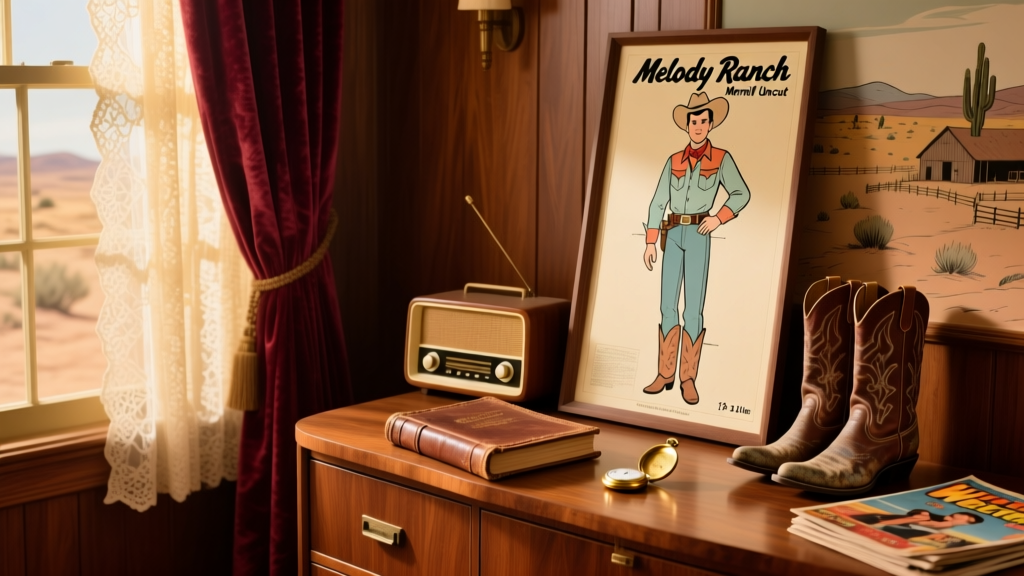
Gene Autry Paper Doll: Melody Ranch Merrill Uncut Sheet (1950, 13 × 10½ Inches)

Roseville Flower Pot: Cherry Blossom Brown 6-Inch — Identification, Value, and Restoration Guidelines

Alabaster Paperweight Book Shape Relief Portrait Medallion: A Continental Collector’s Study (5 × 3 Inches)
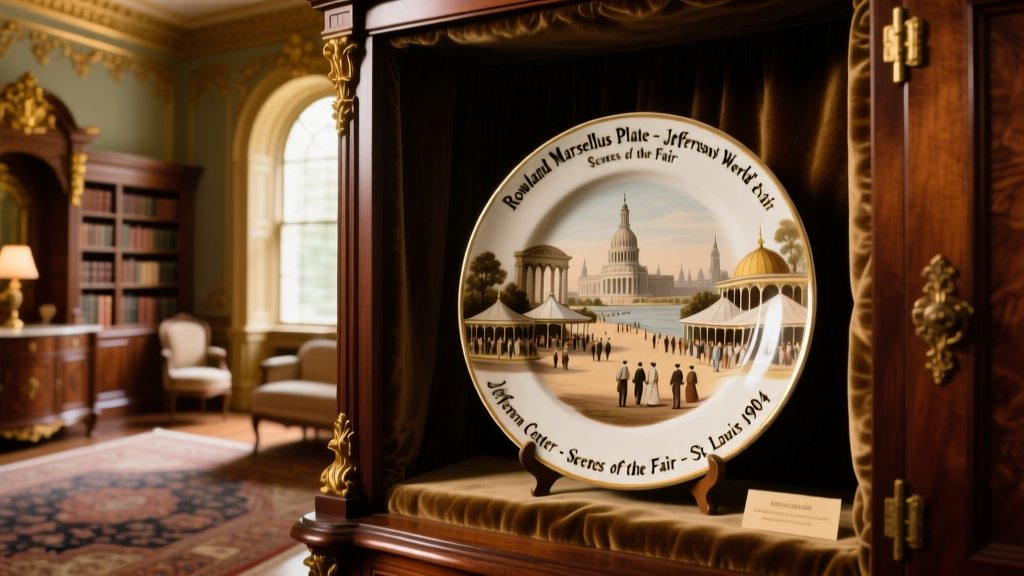
Rowland Marsellus Plate: Jefferson Center Scenes of the Fair Rim, St. Louis 1904 — A 10-Inch Masterpiece of American Exposition Silverplate
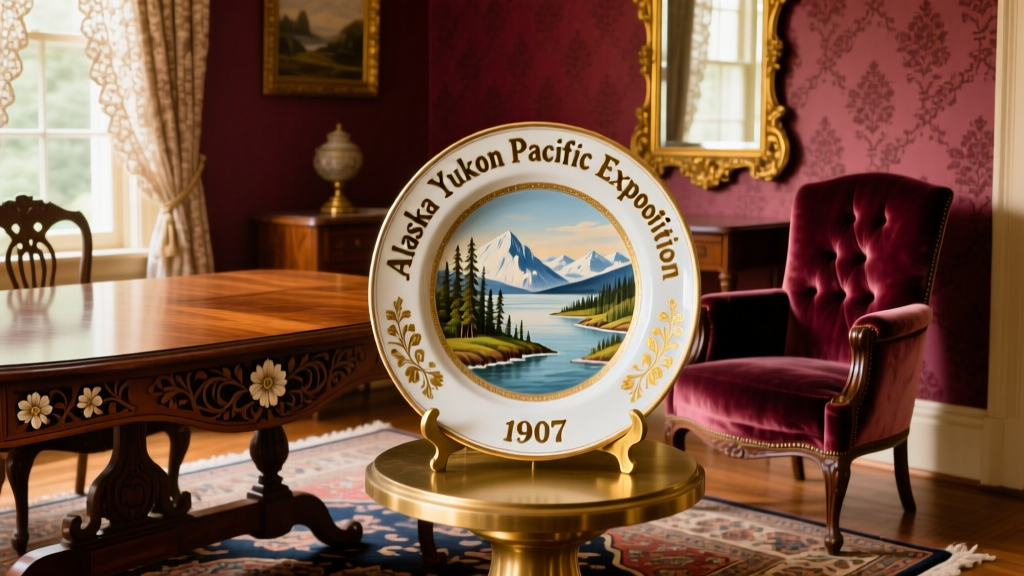
Rowland Marsellus Plate: Alaska-Yukon-Pacific Exposition 1909 Commemorative Silver Plate (10-Inch Illus.)