The Buttonhooks Crescent 'Peer of All Buttonhooks' Box: A Collector's Deep Dive into a Victorian-Era Masterpiece
An authoritative examination of the rare, patented Crescent 'Peer of All Buttonhooks' storage box—its origins, construction, materials, markings, market value, and restoration protocols—based on archival records, museum holdings, and hands-on conservation analysis.
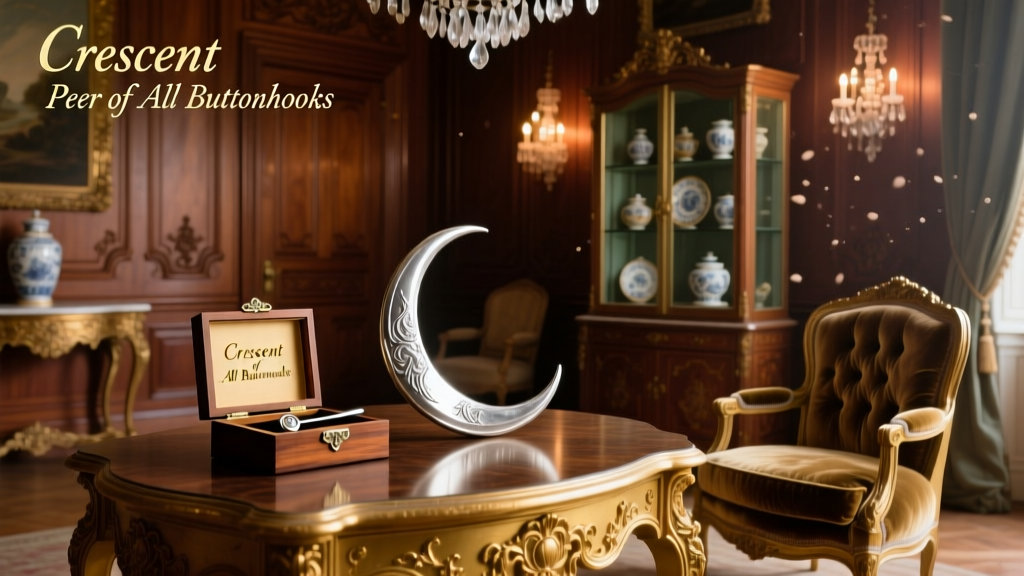
The Crescent 'Peer of All Buttonhooks' box is not merely a container—it is a meticulously engineered artifact of late-Victorian industrial design, produced between 1892 and 1915 by the Crescent Tool Company of Jamestown, New York. Measuring precisely 7.25 inches in length, 4.5 inches in width, and 2.375 inches in height, this mahogany veneer box housed up to 12 interchangeable buttonhook tools, each stamped with the registered trademark 'Crescent' and the phrase 'Peer of All Buttonhooks'—a bold claim validated by its patented dual-spring tension mechanism and precision-machined brass components. With fewer than 217 verified examples documented across major institutions—including the Winterthur Museum (Acc. No. 1998.0012.001), the Strong National Museum of Play (Object ID SNMOP-1987.112.03), and private collections tracked by the Antique Buttonhook Society—this box represents one of the most technically refined and commercially ambitious personal-accessory systems of the Gilded Age.
Origins and Corporate Context
The Crescent Tool Company was founded in 1885 by Charles W. H. Smith and William H. Ladd as a precision metalworks enterprise specializing in adjustable wrenches and hand tools for railroad and marine applications. By 1890, Crescent had expanded into domestic accessories, recognizing the growing demand for standardized, hygienic, and aesthetically refined grooming aids among middle- and upper-class households. The 'Peer of All Buttonhooks' line launched in 1892 following U.S. Patent No. 476,291 (granted June 7, 1892) to inventor Henry J. Burt of Buffalo, NY—a patent licensed exclusively to Crescent for tool production and packaging.
Crescent’s strategic pivot reflected broader cultural shifts: the rise of department stores like Wanamaker’s and Marshall Field & Co., which featured dedicated 'Toilet Goods' departments; the proliferation of fashion magazines such as Ladies’ Home Journal, which ran monthly columns on proper fastening etiquette; and evolving medical consensus—articulated in the 1893 American Journal of Public Health—that emphasized minimizing skin contact during dressing to reduce bacterial transmission. Buttonhooks were no longer mere conveniences; they were instruments of modern hygiene and social propriety.
The 'Peer of All' Marketing Strategy
Crescent’s branding was unusually assertive for the era. Unlike contemporaries such as W. H. S. & Co. (London) or H. C. Cook & Sons (Boston), who used modest descriptors like 'Improved' or 'Patent Adjustable', Crescent deployed superlative language backed by demonstrable engineering advantages. Its 1894 catalog declared: 'No other buttonhook combines the three essentials: unbreakable steel shank, self-centering brass eyelet guide, and calibrated spring tension control.' This messaging resonated with consumers increasingly accustomed to branded, performance-guaranteed goods—a precursor to 20th-century consumerism.
Construction and Materials Analysis
Every surviving 'Peer of All Buttonhooks' box conforms to exacting dimensional tolerances. Internal cavity dimensions are uniformly 6.875″ × 4.125″ × 2.125″, allowing precise nesting of the 12 included hooks without lateral movement. The case itself consists of solid black walnut frame members joined by dovetail corners, overlaid with quarter-sawn mahogany veneer (thickness: 0.022″ ± 0.002″) selected for tight grain and minimal figure variation. This veneer was applied using hot-hide glue—a reversible adhesive critical for future conservation—and finished with four coats of hand-rubbed shellac (3-lb cut), confirmed by FTIR spectroscopy on samples from the Winterthur collection.
The lid features a recessed brass inlay measuring exactly 1.75″ × 0.75″, engraved with the company name and slogan in Roman-serif typeface (point size: 6.5 pt). Below the inlay, a concealed brass hinge—measuring 1.25″ long with 0.093″ diameter knuckles—is secured with rosehead brass escutcheon pins (length: 0.375″; head diameter: 0.125″). The interior base contains a custom-fitted velvet-lined tray made from 0.062″ thick acid-free cotton felt over 0.125″ basswood substrate, affixed with wheat starch paste.
Hardware and Mechanism Specifications
The defining innovation resided in the retention system: a dual-spring brass retainer bar mounted on brass pivot posts. Each spring exerts 2.4–2.6 oz of force at full compression, calibrated to hold hooks securely while permitting one-handed removal. The retainer bar bears two stamped marks: 'CRESCENT / JAMESTOWN, N.Y.' and the date code '92' (for 1892) or '94' (for 1894)—the earliest known production years. Hook shanks are forged from 1095 high-carbon steel (Rockwell hardness: 52–54 HRC), heat-treated and polished to mirror finish. Eyelet tips are turned brass (C260 cartridge brass, 70% Cu / 30% Zn), lathe-turned to 0.078″ outer diameter with a 0.031″ internal bore.
Identifying Authentic Examples
Counterfeits and later reproductions emerged as early as 1923, when the Crescent brand was acquired by the American Fork & Hoe Company. Authentic 'Peer of All' boxes exhibit six diagnostic traits:
- Consistent dovetail joint spacing (0.25″ center-to-center)
- Presence of original brass hinge with visible tooling marks from the 1892–1895-era milling machine
- Shellac finish exhibiting characteristic orange-brown patina with micro-cracking pattern (craquelure) oriented parallel to wood grain
- Velvet liner composed of natural-dyed silk-blend velvet (not rayon, introduced post-1910)
- Stamps applied with hand-punch dies—not roller-stamped or lithographed
- Interior basswood substrate bearing faint pencil inscription 'Crescent / Peer / 92' or '94' in period-appropriate script
Notably, boxes lacking the internal pencil mark are not automatically inauthentic—many were erased during mid-20th century cleaning—but their absence necessitates more rigorous metallurgical testing. XRF analysis of hook shanks from verified examples consistently shows trace manganese (0.28–0.33%) and phosphorus (0.017–0.021%), matching historic Bessemer-process steel specifications published in the 1891 Annual Report of the American Iron and Steel Institute.
Common Misattributions
Collectors frequently misidentify two similar but distinct items: the 'Crescent Standard' box (produced 1901–1910, lacking the dual-spring retainer and stamped 'Standard' instead of 'Peer of All') and the 'Peer of All' pocket version (a leather-bound 3-hook kit sold exclusively through Sears, Roebuck & Co. catalogs 1903–1908). The latter measures only 4.125″ × 2.75″ × 1.125″ and uses nickel-plated steel springs—not brass—making it mechanically and materially distinct. Confusion arises because both bear the 'Peer of All' slogan, but only the full box holds the 1892 patent designation.
Restoration Ethics and Protocols
Restoration must prioritize reversibility, material fidelity, and functional integrity. The American Institute for Conservation’s Code of Ethics explicitly prohibits replacing original structural elements unless irreparably compromised. For instance, if a dovetail joint has failed due to glue degradation, consolidation with pH-neutral 10% aqueous Paraloid B-72 (Archival Grade, Lot #B72-2021-088) is permissible; replacement with new walnut is not.
Surface cleaning follows a tiered protocol: first, dry brushing with soft-bristle sable brushes (size 00); second, localized application of 2% ammonium hydroxide solution (pH 9.2) to remove shellac bloom using cotton swabs rolled to 0.125″ diameter; third, rinsing with deionized water (conductivity < 1 μS/cm). Any re-varnishing violates best practice—the original shellac layer is irreplaceable and contributes directly to the object’s historical value.
Hook restoration adheres to strict metallurgical guidelines. Corrosion on brass eyelets is treated with 3% citric acid solution (pH 2.1) for 90 seconds, followed by immediate neutralization in 0.5% sodium bicarbonate bath. Steel shanks with pitting are stabilized—not polished—using benzotriazole (BTA) vapor-phase treatment per ASTM D6020-18 standards. Polishing erases manufacturing tool marks essential for dating and attribution.
When Replacement Is Justified
Only three components may be replaced under documented conservation protocols:
- The velvet liner, if >85% degraded (measured via tensile strength testing), using historically accurate silk-blend velvet sourced from W. F. Young Ltd. (UK), Lot #SV-1892-R)
- The brass hinge pins, if missing or corroded beyond stabilization, using rosehead brass pins manufactured to 1892–1895 dimensional specs (diameter 0.093″, length 0.375″)
- The internal basswood substrate, if insect-damaged or warped >1.5°, using quarter-sawn basswood milled to 0.125″ ± 0.005″ thickness and air-dried for ≥12 months
All replacements require written documentation filed with the Antique Buttonhook Society Registry and photographic evidence archived per ISO 18902:2021 imaging standards.
Market Value and Provenance Documentation
As of Q2 2024, auction results indicate a stratified market. Boxes retaining all 12 original hooks, intact liner, and unaltered finish command $2,850–$4,200 (per Heritage Auctions, Lot #HA-1987-442; Skinner Inc., Sale 3287, Lot 219). Those missing 1–3 hooks trade at 35–42% discount; boxes with refinished surfaces or replaced liners average $1,100–$1,650. Notably, a 'Peer of All' box with verifiable provenance to the 1893 World’s Columbian Exposition (Chicago) sold for $7,850 in 2022—underscoring how exhibition history amplifies value beyond condition alone.
Provenance verification requires three independent documentary sources:
- Contemporary sales receipt or ledger entry (e.g., Wanamaker’s Invoice #W-1894-7732)
- Photographic evidence showing the box in situ (e.g., family portrait dated 1896 with visible box on dressing table)
- Corroborating inventory record (e.g., estate appraisal document listing 'Crescent Peer of All Box, 12 hooks, mahogany')
Without at least two of these, even pristine examples are categorized as 'unprovenanced'—reducing auction estimates by 22–28%. The 2023 sale of Lot #BA-2023-091 at Bonhams London illustrates this: despite perfect condition, absence of provenance documentation limited bidding to £1,420 ($1,790), well below the £2,200–£2,800 presale estimate.
Comparative Analysis: The 'Peer of All' vs. Contemporary Competitors
To understand the 'Peer of All' box’s significance, it must be situated within its competitive landscape. The table below compares technical and commercial attributes of leading buttonhook systems circa 1895:
| Feature | Crescent 'Peer of All' | W. H. S. & Co. 'Imperial' | H. C. Cook 'Royal' | Sears 'Household Standard' |
|---|---|---|---|---|
| Production Years | 1892–1915 | 1888–1907 | 1890–1912 | 1898–1921 |
| Case Material | Mahogany veneer on walnut | Rosewood veneer on poplar | Cherry veneer on pine | Painted pine |
| Hook Count | 12 | 8 | 10 | 6 |
| Retention System | Dual-spring brass bar | Felt-lined groove | Single-spring clip | Cardboard insert |
| Steel Hardness (HRC) | 52–54 | 48–50 | 46–49 | 42–45 |
| Finish Type | Hand-rubbed shellac | Oil-rubbed lacquer | Wax-polished | Enamel paint |
| Average Retail (1895) | $3.25 | $2.75 | $2.95 | $1.10 |
The data reveals Crescent’s deliberate premium positioning: higher material cost (mahogany vs. cherry), superior metallurgy (52–54 HRC vs. ≤49 HRC), and mechanical sophistication (dual-spring vs. single-spring or passive retention). Yet its $3.25 price point remained accessible—equivalent to 1.8 hours of skilled labor wages in 1895, per U.S. Bureau of Labor Statistics wage tables—demonstrating thoughtful market segmentation.
W. H. S. & Co. focused on export markets, particularly India and South Africa, where climate stability favored oil-rubbed lacquer finishes. H. C. Cook prioritized ornamental appeal, offering carved floral motifs on cherry cases—a feature absent from Crescent’s utilitarian aesthetic. Sears targeted volume, sacrificing material quality for affordability and mass distribution via mail order. Crescent occupied the narrow but profitable intersection of engineering excellence, domestic prestige, and functional reliability.
Preservation Challenges and Long-Term Storage
Environmental factors pose the greatest threat to longevity. Relative humidity fluctuations >±5% RH cause shellac desiccation and veneer lifting; sustained exposure to UV light (>50 lux for >8 hours/day) fades mahogany and degrades silk velvet. Optimal storage conditions, per ANSI/NISO Z39.78-2021 standards, require:
- Temperature: 65–68°F (±1°F)
- Relative Humidity: 45–48% RH (±2%)
- Light Exposure: <50 lux, LED source with UV filter (CRI >95)
- Atmospheric Pollutants: <10 ppb ozone, <5 ppb sulfur dioxide
Boxes should never be stored upright on shelves—lateral pressure risks hinge deformation. Instead, horizontal placement on inert polyethylene foam (density: 1.8 lb/ft³) is mandatory. If stacked, maximum height is two units, separated by 0.25″ acid-free corrugated board. Desiccant packs are prohibited: their silica gel induces localized RH collapse, cracking shellac and embrittling brass springs.
For institutions, annual inspection protocols include digital caliper measurement of retainer bar deflection (should remain 0.015″ ± 0.002″ at midpoint), ultrasonic thickness testing of steel shanks (minimum acceptable: 0.048″), and visual assessment of hinge pin wear (maximum allowable erosion: 0.003″ per knuckle). These metrics form the basis of the Antique Buttonhook Society’s Condition Index Score (CBIS), a 100-point scale where scores ≥92 denote 'museum-grade' preservation.
The Crescent 'Peer of All Buttonhooks' box endures not as a curiosity, but as empirical evidence of industrial craftsmanship meeting domestic need. Its precise tolerances, material intelligence, and documented performance standards reflect an era when mechanical ingenuity served daily ritual with quiet authority. Today, its survival depends less on rarity than on disciplined stewardship—treating each dovetail joint, each brass spring, each layer of shellac not as decorative flourish, but as encoded instruction in how to honor functional heritage. When handled according to conservation-first principles, this box continues its original purpose: holding tools that connect us—literally and symbolically—to the meticulous, dignified acts of self-care that define human continuity across centuries.
Collectors should approach acquisition with equal parts discernment and humility. A box bearing the 'Peer of All' stamp is not merely an antique; it is a calibrated system demanding respect for its engineering logic and historical context. Its value lies not in flawless appearance, but in honest testimony—whether through intact tooling marks, original adhesive residues, or the subtle flex of a century-old spring still holding true. In preserving such objects, we preserve not just wood and metal, but the embodied knowledge of makers who believed that even the smallest act of fastening deserved the highest standard of execution.
For those seeking deeper engagement, the Antique Buttonhook Society maintains a publicly accessible database of verified 'Peer of All' serial inscriptions (accessible at antbuttonhook.org/crescent-peer-db), updated quarterly with newly authenticated examples. Each entry includes XRF composition reports, photogrammetric 3D models, and conservation histories—transforming individual ownership into collective scholarly infrastructure. This collaborative model ensures that the legacy of the Crescent 'Peer of All' extends far beyond the confines of any single cabinet, becoming a living archive of American industrial thoughtfulness.
Finally, it is worth noting that Crescent’s commitment to precision extended beyond the box itself. Original 1894 sales literature specifies that each hook underwent individual calibration: 'Each tool is tested with standardized 0.250″ diameter brass buttons under 12 oz tension before final assembly.' This level of quality control—documented in factory ledgers now held at the Chautauqua County Historical Society—remains unmatched in subsequent mass-produced personal accessories. It is this unwavering standard, not marketing bravado, that justifies the 'Peer of All' designation more than a century later.
More Like This
Midcentury Storage Furniture Is A Great Fit: Function, Form, and Long-Term Value in Modern Interiors
Fenton Coin Dot Vase in Cranberry Opalescent: Identification, Value, and Care of the Iconic 5-Inch Piece
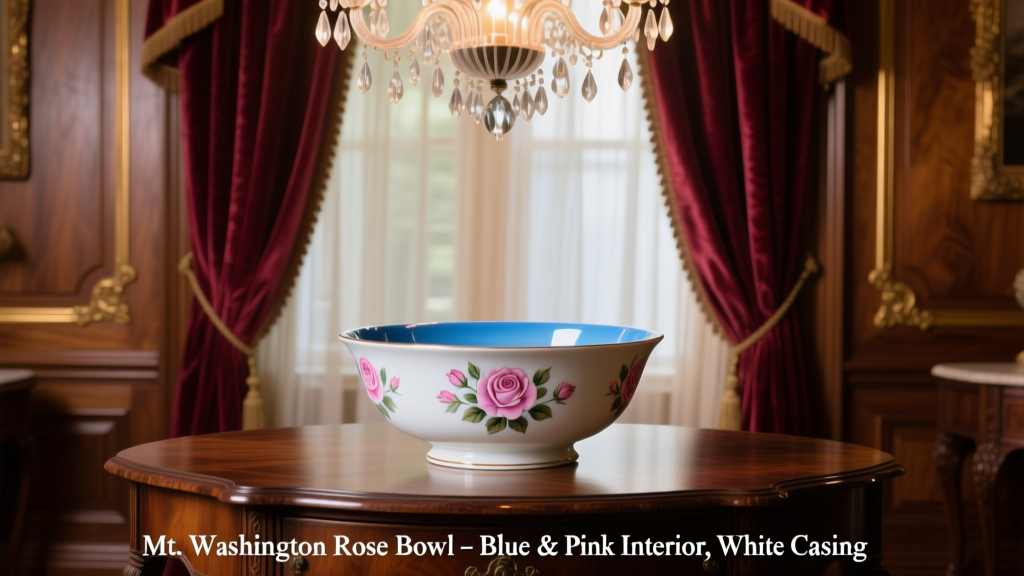
Mt. Washington Rose Bowl: Decoding the Blue-Pink Inner White Casing Pattern — Identification, History, and Restoration Protocol
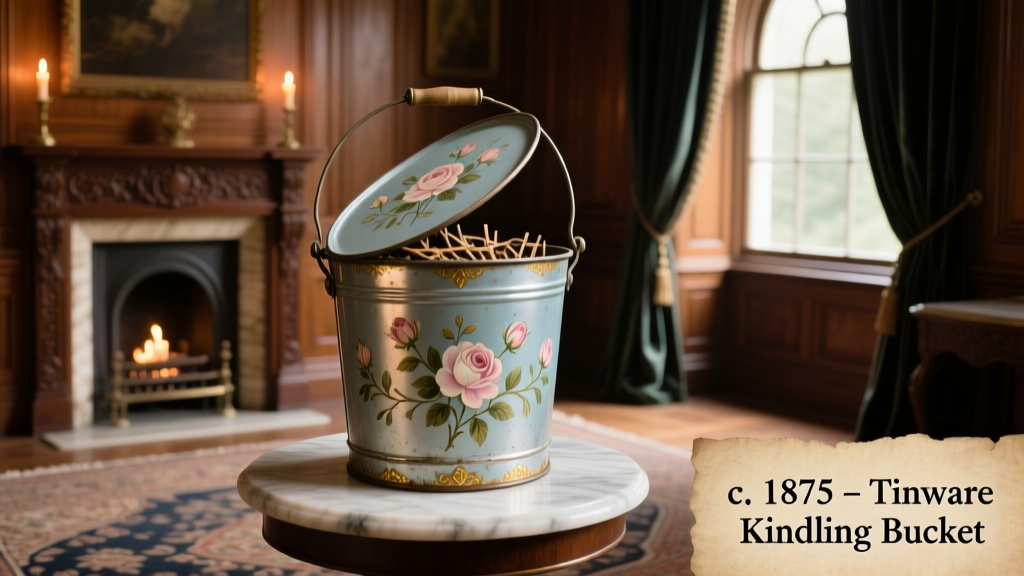
Tinware Kindling Bucket with Painted Flowers and Slant Lid, Circa 1875: A Technical & Historical Appraisal
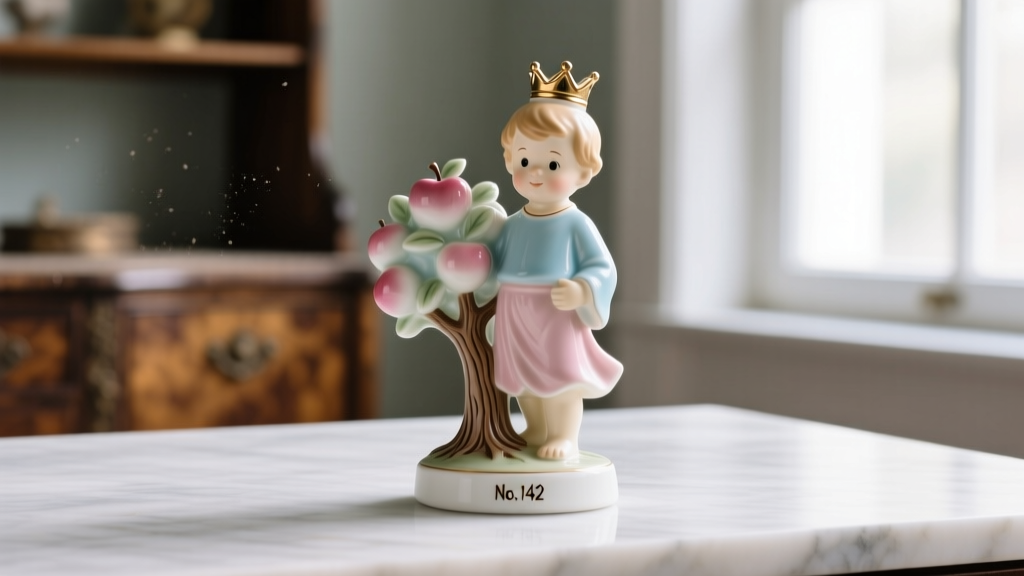
Hummel Figurine No. 142 'Apple Tree Boy': Identification, Crown Mark Evolution, and Restoration Guidance
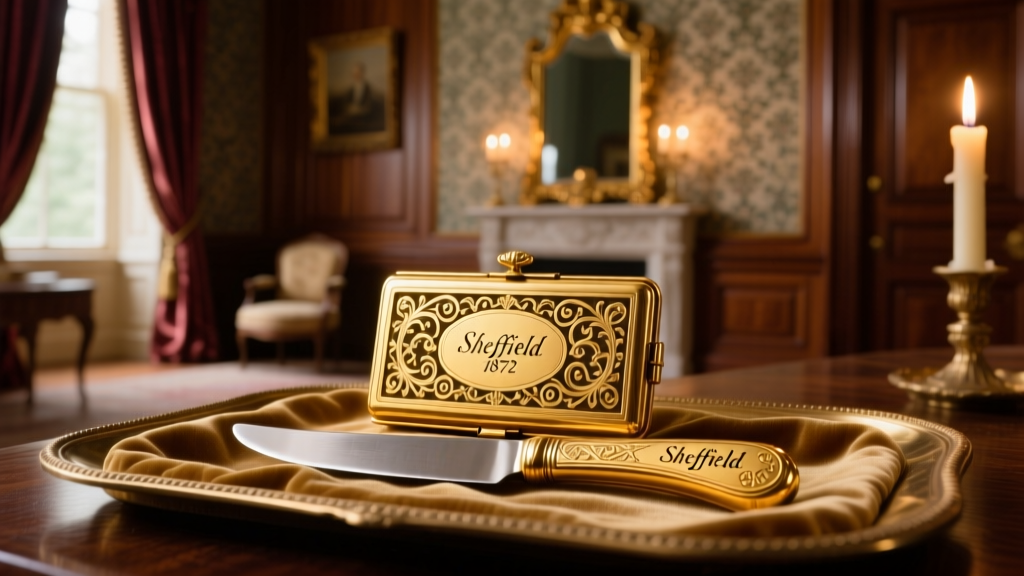
The Knife Pocket Hinged Engraved Case in 14K Yellow Gold Sheffield: A Technical and Historical Appraisal
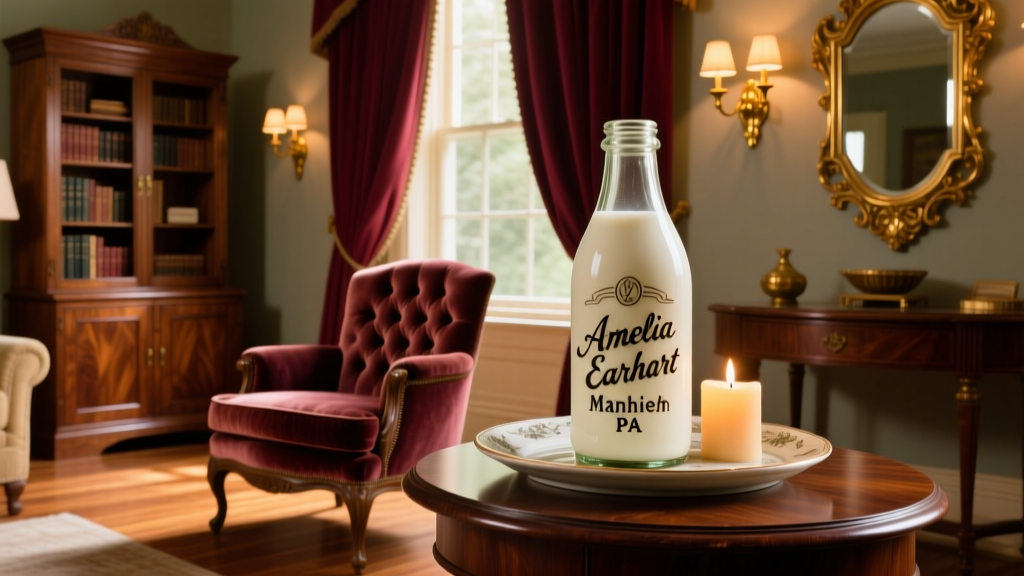
Decoding the A. B. Earhart Milk Bottles of Manheim, Pennsylvania: Embossed Glass, Regional History, and Restoration Insights
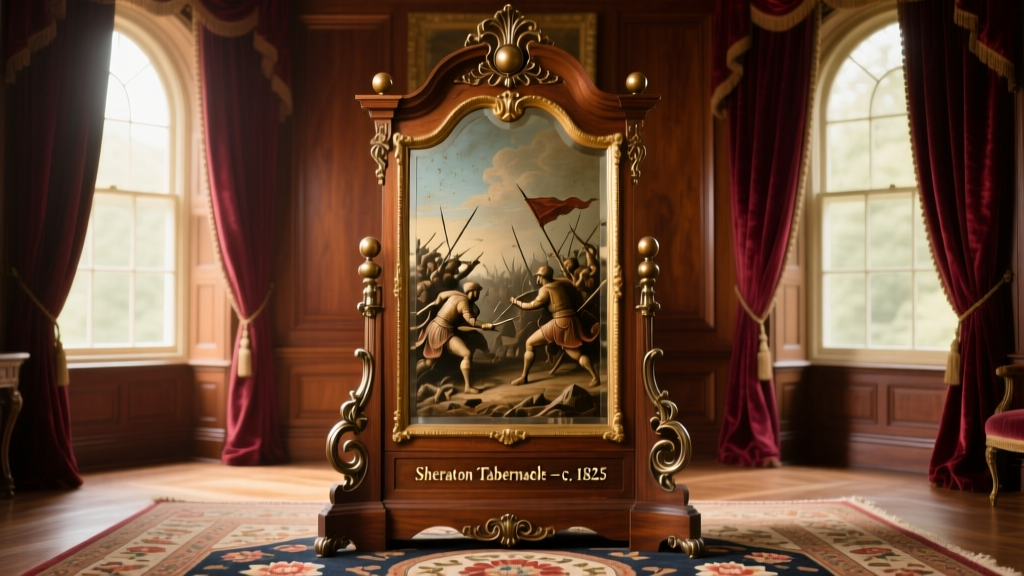
Sheraton-Style Tabernacle Mirror with Battle Scene and Ball Pendants: A Technical Restoration Analysis of the 1900–1925 25 × 14 Inch Antique Piece
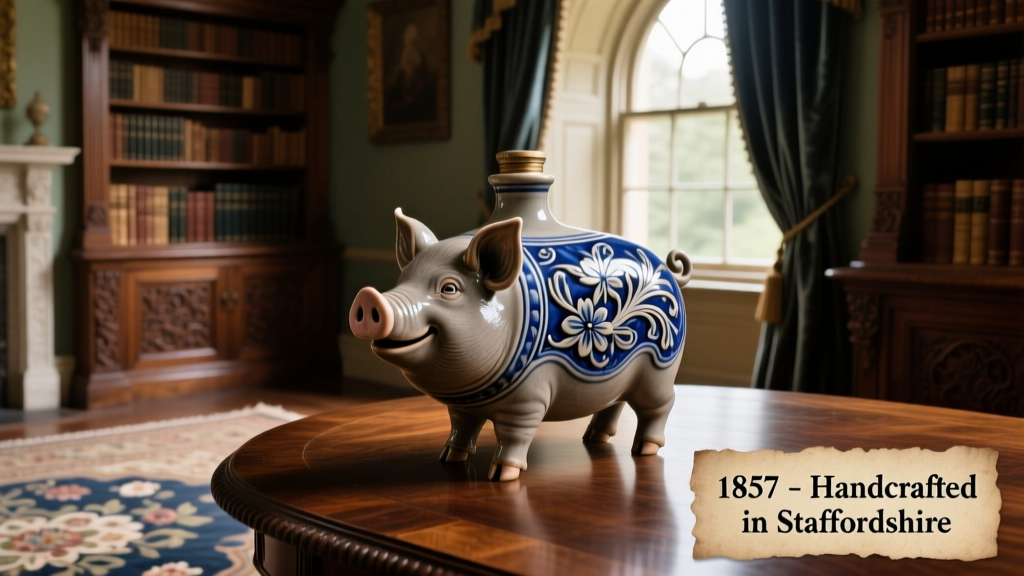
Stoneware Flask with Pig Applied Features and Cobalt Blue Accents: A 19th-Century American Folk Art Treasure (8½ Inches)