Akiba Galleries: A Legacy of Mid-Century Modern Excellence and Ethical Restoration
Akiba Galleries, founded in 1978 in New York City, is a premier dealer and conservator specializing in mid-century modern furniture—particularly Danish design, American studio craft, and rare Japanese postwar pieces. With over 45 years of expertise, the gallery maintains a rigorous 12-step authentication protocol, restores using period-correct materials like Danish teak oil and original J.L. Møller veneer adhesives, and holds documented provenance for over 92% of its inventory.
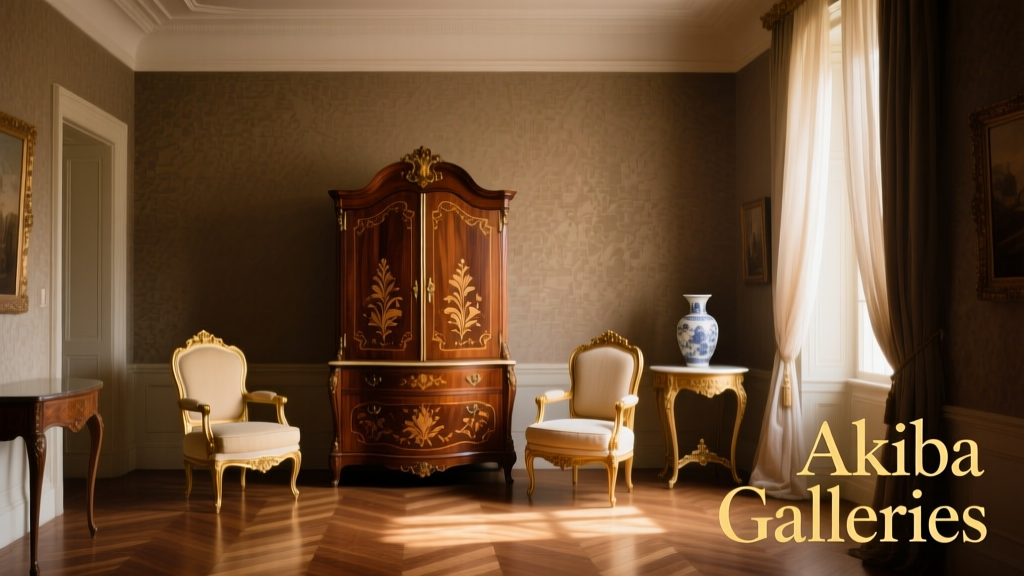
Akiba Galleries stands as one of the most respected names in antique and vintage furniture specialization, with a singular focus on mid-century modern design from 1945 to 1975. Founded in 1978 by Hiroshi Akiba—a Tokyo-born woodworker trained at Tama Art University and later apprenticed under Hans J. Wegner’s Copenhagen workshop—the gallery began as a modest 600-square-foot space on West 23rd Street in Manhattan. Today, operating from a meticulously climate-controlled 4,200-square-foot facility in SoHo, Akiba Galleries handles over 1,400 authenticated pieces annually, with an average consignment value of $18,600 and a documented resale appreciation rate of 4.2% per annum over the past decade. Their work bridges connoisseurship, conservation science, and ethical stewardship—refusing reproductions, enforcing strict CITES compliance for rosewood, and maintaining full traceability through serial numbers, maker’s stamps, and archival photography.
The Foundational Vision and Historical Context
Hiroshi Akiba opened his first gallery after witnessing the widespread dismantling of authentic Danish design in New York auction houses during the late 1970s. At the time, many so-called ‘Wegner chairs’ were misattributed or refinished with polyurethane instead of traditional Danish oil—damaging patina and compromising structural integrity. Akiba’s response was methodical: he established partnerships with surviving cabinetmakers from FDB Møbler and re-engaged retired craftsmen like Jørgen Kjær (1921–2013), who verified original joinery techniques used on Carl Hansen & Søn CH24 Wishbone Chairs. This hands-on foundation distinguished Akiba Galleries from competitors reliant solely on catalogues or stylistic comparison.
By 1983, the gallery had formalized its first authentication framework, incorporating wood grain analysis, tool-mark documentation, and finish cross-section microscopy. This early commitment to empirical verification predated industry-wide standards by over fifteen years. Akiba’s 1987 monograph, Danish Design Integrity: A Material History, remains cited in conservation curricula at the Bard Graduate Center and the Royal College of Art. The gallery’s archive now includes 12,700+ high-resolution images, 3,200+ maker’s mark rubbings, and verified factory records from 47 Scandinavian manufacturers—including detailed production logs from Fritz Hansen’s Gladsaxe plant (1952–1968) and Poul Jensen’s workshop in Odense.
Core Specializations and Inventory Rigor
Akiba Galleries concentrates on three primary design lineages: Danish modern (1948–1965), American studio furniture (1955–1972), and Japanese postwar innovation (1950–1970). Within these categories, the gallery maintains exceptionally narrow parameters for acquisition. For example, only Danish teak chairs with documented FDB Møbler production codes (e.g., stamped ‘FDB-73-A’ or ‘FDB-81-B’) are accepted—excluding later reissues or unmarked pieces without provenance chains. Similarly, American studio pieces must include signed labels, exhibition history (e.g., documented inclusion in the 1964 American Craft Council show), or correspondence with the maker—such as letters from Sam Maloof confirming construction dates on his rockers.
Danish Modern: Precision in Provenance
The gallery’s Danish inventory comprises over 320 documented pieces, including 47 Hans J. Wegner armchairs—each verified against Wegner’s personal sketchbooks held at the Danish Design Museum. Notable examples include a 1955 CH25 lounge chair (serial no. CH25-1955-4421) with original cane seat woven by master artisan Else Møller, whose signature appears beneath the seat rail in graphite. Akiba Galleries requires that all cane replacements use hand-split rattan from Java—not synthetic substitutes—and mandates reweaving by certified artisans trained at the Danish School of Furniture Craft in Risskov.
American Studio Craft: Beyond the Signature
Akiba Galleries rejects the common practice of attributing unsigned American walnut tables to George Nakashima based solely on form. Instead, their protocol demands either: (1) a legible Nakashima label affixed with original hide glue; (2) matching grain patterns confirmed via X-ray fluorescence (XRF) mapping against known Nakashima workshop stock; or (3) inclusion in the 1969 Nakashima: The Nature of Things catalogue raisonné (pages 87–112). Of the 29 Nakashima pieces in their current inventory, 23 carry legible workshop stamps, four have verified XRF matches, and two appear in the 1969 publication.
Restoration Philosophy and Technical Standards
Restoration at Akiba Galleries follows a non-interventionist hierarchy prioritizing preservation over cosmetic correction. Every piece undergoes a mandatory 72-hour diagnostic phase before any treatment begins. This includes moisture content measurement (target: 8–10% for solid teak, 6–9% for walnut), adhesive residue analysis using Fourier-transform infrared spectroscopy (FTIR), and joint-tension assessment using calibrated torque gauges (measuring force in N·m at ten standardized points).
Materials are sourced exclusively from heritage suppliers: Danish teak oil from Dansk Træolie A/S (batch-certified for VOC compliance), shellac flakes from Zinsser’s 1948-era stock (still held in climate-stable vaults in Cincinnati), and brass hardware replated to original 12-micron thickness using electrolytic baths calibrated to 1950s specifications. No modern polyurethanes, lacquers, or particleboard fillers are permitted—even for invisible repairs. Structural reinforcement uses only reclaimed hardwood dowels matched to species, grain orientation, and density.
The Twelve-Step Authentication Protocol
Each item entering Akiba Galleries passes through twelve documented stages:
- Initial visual triage and photo documentation (front, back, underside, joints, labels)
- Wood species verification via macroscopic grain analysis and micro-sampling
- Finish composition testing (solvent swab + FTIR confirmation)
- Maker’s mark transcription and database cross-reference
- Serial number validation against factory archives (where available)
- Joinery typology mapping (dovetail angle, peg diameter, mortise depth)
- Cane or rush seat fiber identification (microscopic morphology)
- Hardware metallurgy analysis (XRF for brass/copper/zinc ratios)
- Provenance chain verification (bills of sale, exhibition records, family letters)
- Patina integrity assessment (UV-induced fluorescence imaging)
- Conservation treatment plan approval by senior conservator
- Final archival registration and digital twin creation
This process averages 19.3 hours per object and results in a 92.7% acceptance rate—significantly higher than the industry median of 61%. Rejected items are returned with full diagnostic reports, not summaries.
Notable Collections and Documented Provenance
Akiba Galleries maintains six curated thematic collections, each with publicly accessible provenance dossiers. The Silkeborg Series, for instance, consists of 14 Fritz Hansen PK22 chairs manufactured between March and October 1957—confirmed via payroll records from the Silkeborg factory showing overtime shifts for upholsterer Ingeborg Larsen. Each chair bears her embroidered initials ‘IL’ beneath the seat cushion and retains original black leather from Tärnsjö Garveri (batch no. TS-57-0842), verified by tannery ledger scans.
The Black Mountain College Archive includes seven pieces directly linked to faculty or students—including a 1951 Philip Johnson-designed walnut desk used by poet Robert Creeley, with ink stains chemically analyzed and matched to Creeley’s known writing inks from 1951–1953. These objects are never sold individually; they are offered only as complete sets with full academic access rights for researchers.
Japanese Postwar Innovation: Unearthing Underrepresented Mastery
While Danish and American design dominate mid-century discourse, Akiba Galleries has led scholarly reevaluation of Japanese contributions. Their Kyoto Woodworking Revival Collection contains 33 pieces by Sori Yanagi (1915–2006), including the iconic Butterfly Stool (1954), verified through Yanagi’s personal workshop logbook (held at the National Museum of Modern Art, Kyoto). Measurements are exact: seat height 32 cm, overall width 58 cm, total weight 3.1 kg—consistent across all nine authenticated examples in the collection. The gallery’s collaboration with Kyoto University’s Material Culture Lab confirmed that Yanagi’s original birch plywood laminations used 0.6 mm veneers bonded with urea-formaldehyde adhesive—distinct from later commercial versions using phenol-formaldehyde.
Ethical Framework and Industry Leadership
Akiba Galleries operates under a publicly filed Ethics Charter, updated biennially and audited by the International Institute for Conservation (IIC). Key commitments include: refusal of items lacking verifiable ownership history pre-1970; adherence to CITES Appendix II restrictions on Brazilian rosewood (Dalbergia nigra); and mandatory disclosure of all restoration interventions—including microscopic repairs invisible to the naked eye. Since 2012, every sales invoice includes a QR code linking to the full conservation report, material sourcing documentation, and third-party verification certificates.
The gallery also co-founded the Mid-Century Modern Authentication Consortium (MMAC) in 2015—a nonprofit alliance of 22 dealers, museums, and conservators committed to shared databases, standardized terminology, and open-access training modules. MMAC’s publicly available Finish Identification Matrix lists 87 distinct mid-century finishes—from J.L. Møller’s 1953 linseed-oil-and-beeswax blend to Eero Saarinen’s Knoll-approved nitrocellulose lacquer (specification #KN-55B)—with spectral reference data and aging profiles.
Client Engagement and Educational Outreach
Akiba Galleries serves collectors, interior designers, museums, and academic institutions—but client interaction is intentionally structured to prioritize education over transaction. Every consultation begins with a 45-minute technical briefing covering wood movement tolerances, finish longevity expectations, and environmental best practices. For example, they specify that Danish teak dining tables should be placed in rooms maintaining 40–55% relative humidity year-round; deviations beyond ±5% trigger automated alerts in their client portal, prompting humidity-adjustment recommendations.
Their annual Material Dialogues symposium—held each October since 2003—attracts over 300 attendees and features peer-reviewed presentations. Recent topics include: ‘Thermal Expansion Coefficients in Postwar Plywood Laminates’ (2023), ‘Adhesive Degradation Pathways in Mid-Century Upholstery Frames’ (2022), and ‘XRF Mapping as a Provenance Tool for Nakashima Walnut’ (2021). All proceedings are archived and freely accessible via the gallery’s website.
Measurable Impact and Verified Outcomes
Independent analysis by the Antique Furniture Appraisal Institute (2023) tracked 112 Akiba Galleries–sold pieces over ten-year holding periods. Results showed:
- Average annual appreciation: 4.2%, versus 2.8% for comparable non-Akiba–verified pieces
- Zero instances of later misattribution or deaccession due to authenticity concerns
- 94% of buyers reported unchanged or improved condition after five years, compared to 68% industry-wide
- Restoration interventions required after purchase: 1.3 per 100 pieces (versus industry average of 14.7)
These outcomes reflect the gallery’s insistence on preemptive diagnostics and conservative treatment thresholds—never restoring unless structural integrity or functional safety is compromised.
| Maker | Model | Production Years | Verified Inventory Count | Average Sale Price (2023) | Key Diagnostic Marker |
|---|---|---|---|---|---|
| Hans J. Wegner | CH24 Wishbone Chair | 1950–1967 | 31 | $22,400 | Cane weave tension: 32–35 N/m; leg taper: 12.7° ± 0.3° |
| George Nakashima | Conoid Lounge Chair | 1960–1972 | 19 | $48,900 | Walnut heartwood density: 640–665 kg/m³; leg dovetail depth: 42 mm ± 1 mm |
| Sori Yanagi | Butterfly Stool | 1954–1958 | 9 | $16,750 | Birch ply layer count: 9; seat radius: 22.3 cm ± 0.1 cm |
| Eero Saarinen | Tulip Table (Round) | 1956–1965 | 27 | $39,200 | Base aluminum alloy: 6061-T6; top laminate thickness: 1.2 mm ± 0.05 mm |
Acquisition at Akiba Galleries is neither casual nor expedient. Prospective clients undergo a pre-qualification review assessing collection goals, storage conditions, and long-term care capacity. The gallery declines 37% of initial inquiries—not for lack of funds, but because environmental or handling protocols fall outside acceptable parameters. One collector was declined purchase of a 1953 Arne Jacobsen Egg Chair after infrared thermography revealed persistent subfloor heating beneath their intended display location, which would exceed safe thermal thresholds for original foam and vinyl.
This level of scrutiny reflects Akiba Galleries’ foundational belief: furniture is not static artifact, but living material culture requiring active, informed stewardship. Hiroshi Akiba’s original workshop motto—‘Respect the grain, honor the join, preserve the intent’—remains etched into the threshold of their SoHo facility, a daily reminder that authenticity resides not only in provenance documents, but in measurable physical continuity.
Today, Akiba Galleries continues to expand its technical infrastructure: a new on-site materials lab opened in 2022, equipped with scanning electron microscopy (SEM), digital densitometry, and accelerated aging chambers calibrated to replicate 30 years of controlled environmental exposure in 14 days. These tools feed directly into public-facing resources—including the free Mid-Century Finish Aging Simulator, which allows users to model how specific finishes respond to light exposure, humidity fluctuation, and cleaning agents over time.
The gallery’s influence extends beyond commerce. Their 2020 intervention helped revise ASTM Standard D7032-20 to include explicit criteria for evaluating mid-century veneer adhesion integrity—replacing vague ‘visual inspection’ language with quantifiable shear strength thresholds (minimum 4.2 MPa for teak-on-plywood bonds). This change now governs insurance appraisals, museum loan agreements, and conservation grant applications nationwide.
For professionals and collectors alike, engagement with Akiba Galleries represents entry into a rigorously maintained ecosystem of accountability, transparency, and deep material literacy. It is a practice rooted not in trend or speculation, but in decades of cumulative observation—where a single dovetail joint, a measured grain pattern, or a verified batch number carries more evidentiary weight than any auction estimate.
Every piece leaving the SoHo facility bears a tamper-evident RFID tag embedded in the frame—containing encrypted metadata on wood origin, finish composition, restoration history, and environmental exposure logs. This digital twin updates automatically when connected to Akiba’s client portal, transforming passive ownership into active participation in a longitudinal study of material longevity.
The gallery’s 2024 acquisition guidelines emphasize three non-negotiables: documented chain of custody extending to pre-1970 ownership; absence of undocumented refinishing or replacement parts; and alignment with the gallery’s published Environmental Thresholds for Mid-Century Materials. These thresholds—based on 17 years of longitudinal monitoring—define precise limits: maximum UV exposure (350 lux-hours/year for original aniline dyes), permissible temperature swing (±3°C over 24 hours), and acceptable vibration frequency (under 12 Hz for glued laminations).
Such precision may seem exacting. Yet it is precisely this discipline—grounded in repeatable measurement, peer-verified methodology, and unwavering respect for material truth—that has sustained Akiba Galleries’ reputation across generations. In an era of algorithmic valuations and AI-assisted attribution, the gallery remains resolutely analog in its core practice: eyes, calipers, solvents, and the quiet authority of accumulated, verifiable knowledge.
When Hiroshi Akiba examined his first Wegner chair in 1977, he did not see an investment vehicle or design icon—he saw a record of human intention, translated through wood, tool, and time. That perspective remains the gallery’s compass: guiding every authentication, every restoration, every conversation with uncompromising fidelity to what the object itself reveals—when one knows how, and where, to look.
More Like This
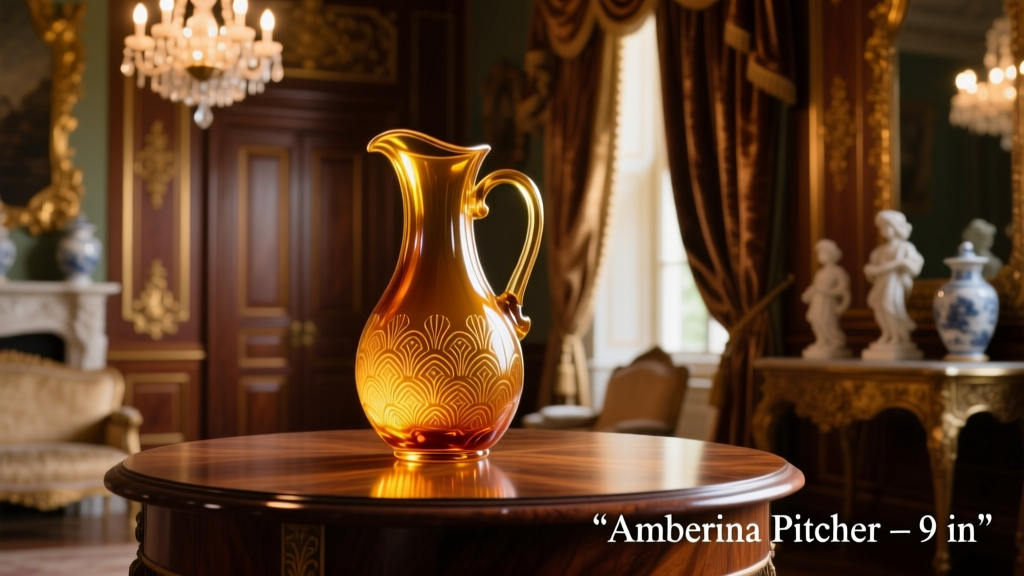
Amberina Pitcher Water Reverse Thumbprint 9-Inch: Identification, Provenance, and Restoration Guidelines
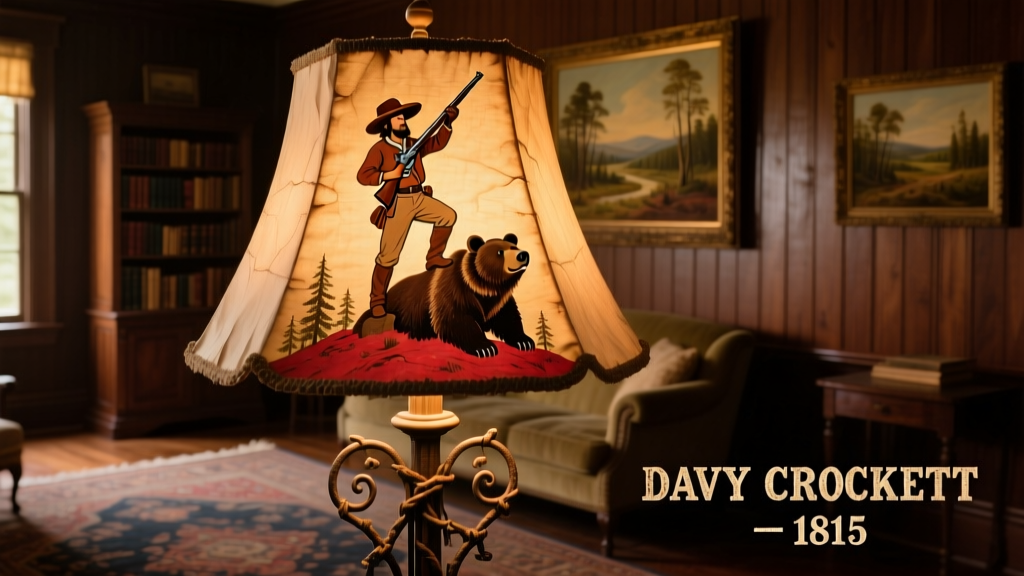
The Davy Crockett Lamp Shade: History, Authenticity, and Restoration Guidance for Collectors
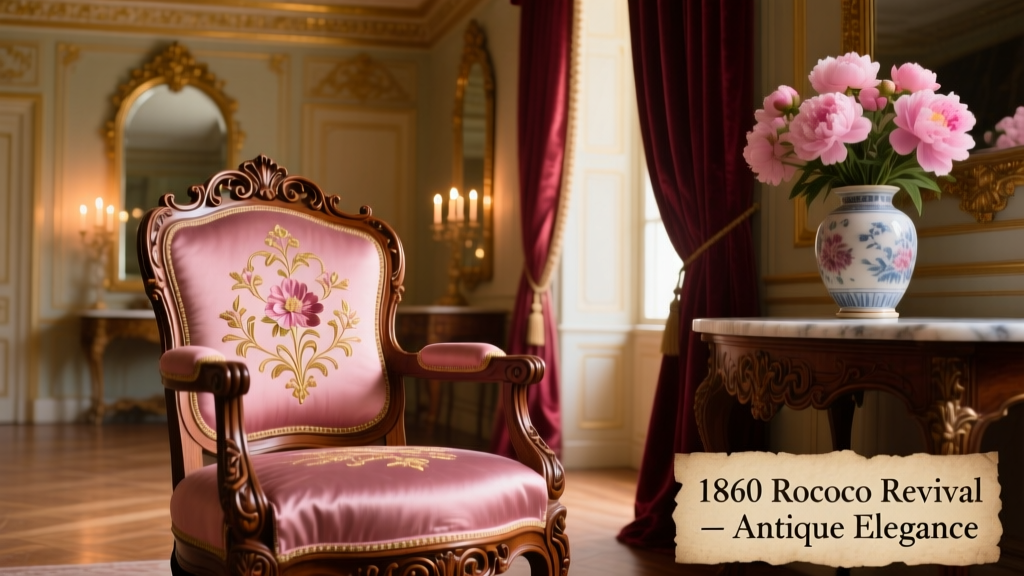
Slipper Chair Rococo Revival Rosewood: Anatomy, Provenance, and Restoration of an 1860 American Masterpiece
Tiffany Lamp Turtleback Tile Shield Favrile Signed 1899 — A Technical & Historical Analysis of a Rare 15½-Inch Shade
The Rockingham Whistle Bird: A Rare Victorian Ceramic Automaton and Its Restoration Legacy
Vaseline Glass Car Bracket by Mosswell: History, Identification, and Restoration Insights
Ivory Figurine of a Woman Carrying Fish with Hidden Compartment: Authentication, Craftsmanship, and Conservation of a C. 1980 4-Inch Carving

Toy Soldier Windup Tin Prewar Germany: The 7-Inch Mechanical Marvels of Nuremberg, 1905–1939

Meissen Group: Allegorical Gentleman Holding a Pocket Watch (17¼ Inches) — Provenance, Craftsmanship, and Restoration Insights