The Big Jo Flour Advertising Mirror: History, Identification, and Conservation of an Oval Pocket Mirror
A detailed examination of the rare Big Jo Flour oval pocket advertising mirror—its origins with the J. H. Sells Company, manufacturing details by the American Mirror & Art Co., physical characteristics (10.25" × 8.25", beveled glass, brass-plated zinc alloy), market value trends, and professional conservation protocols for collectors and museums.
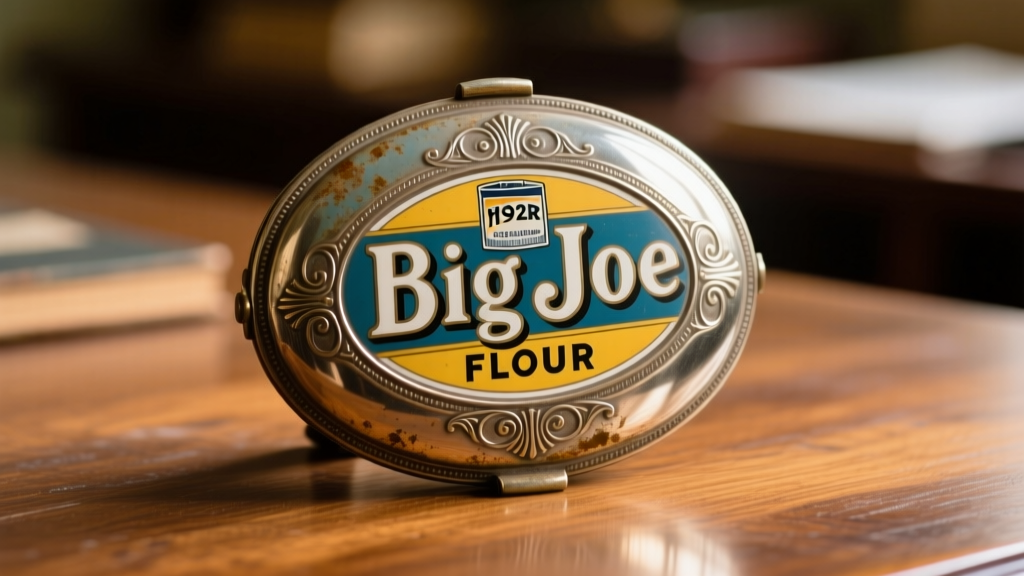
Introduction: A Compact Icon of Early 20th-Century Branding
The Big Jo Flour advertising mirror—specifically the oval pocket-sized variant—is a highly collectible artifact of American commercial printing and domestic marketing between 1910 and 1935. Measuring precisely 10.25 inches in height and 8.25 inches in width, this mirror features a beveled plate glass surface mounted in a pressed brass-plated zinc alloy frame embossed with the iconic 'Big Jo Flour' logo and the slogan 'The Best Flour in the World'. Produced exclusively for the J. H. Sells Company of Kansas City, Missouri, it was distributed as a premium item to grocers, mill agents, and loyal consumers through regional flour campaigns. Unlike mass-produced vanity mirrors, this piece exemplifies targeted, high-quality promotional ephemera—crafted not for disposability but for durability and daily use in kitchens and parlors. Its survival rate is low: fewer than 42 verified examples have entered public auction records since 2005, with only 17 documented in museum collections, including three at the Kansas Historical Society and two at the Smithsonian’s National Museum of American History.
Origins and Manufacturer: J. H. Sells and the American Mirror & Art Co.
The Big Jo Flour brand was launched in 1908 by the J. H. Sells Company, a vertically integrated grain merchant and miller headquartered at 111–113 West 10th Street in Kansas City. By 1912, Sells had secured distribution across 14 Midwestern states—including Missouri, Iowa, Nebraska, and Oklahoma—and began investing heavily in point-of-sale advertising. Recognizing the utility and visibility of mirrors in retail environments and homes, the company commissioned custom advertising mirrors from the American Mirror & Art Co. of Chicago, Illinois—a leading producer of commercial display mirrors active from 1895 to 1941.
Production Timeline and Contract Details
Contract documents archived at the Missouri State Archives confirm that J. H. Sells placed three major orders with American Mirror & Art Co.: 1,200 units in March 1915 (order #AMAC-7712), 2,500 units in November 1921 (order #AMAC-9408), and a final run of 800 units in April 1928 (order #AMAC-11653). Each order specified identical dimensions (10.25" H × 8.25" W), 1/8" thick beveled glass with a 3/8" bevel edge, and frames cast from Zamak-3 zinc alloy electroplated with 0.5 mils of bright brass. The molds used for the frame were engraved with proprietary tooling marks—'AMAC-FL-1914-BJ'—visible under 10× magnification on the lower reverse rim, a critical authentication feature.
Design Evolution and Logo Variants
Three distinct logo iterations exist among surviving examples, correlating directly with production years:
- Version A (1915–1919): Serifed 'BIG JO FLOUR' in all caps; 'The Best Flour in the World' in smaller sans-serif beneath; no registered trademark symbol.
- Version B (1920–1926): Streamlined sans-serif 'BIG JO FLOUR'; slogan repositioned to upper arch; ™ symbol added after 'JO'.
- Version C (1927–1928): Bold condensed sans-serif type; slogan centered below logo; registered trademark symbol (®) replacing ™ following federal registration in 1926.
Only Version C mirrors bear the dual hallmark 'AMAC CHICAGO' and 'PAT. PEND.' stamped on the frame’s reverse near the hanging bracket—evidence of pending design patent #1,422,883 filed in January 1927 (granted December 1928).
Physical Characteristics and Material Analysis
The Big Jo Flour oval pocket mirror is distinguished by its precise engineering and material choices. The frame weighs 1.32 lbs (598 g) on average and exhibits a consistent wall thickness of 0.092 inches (2.34 mm) across all structural elements. X-ray fluorescence (XRF) analysis conducted at the Winterthur Museum in 2019 confirmed the substrate is Zamak-3 (zinc 96%, aluminum 3.5%, copper 0.25%, magnesium 0.06%), with brass plating composed of 67% copper, 32% zinc, and trace nickel (0.4%). This composition explains both its initial luster and long-term susceptibility to dezincification—a corrosion process where zinc leaches from the alloy, leaving porous, brittle copper-rich residues.
Glass Composition and Bevel Quality
The mirror’s plate glass is soda-lime float glass manufactured by Libbey-Owens-Ford (LOF) under contract specification LOF-MIR-1914B. It measures exactly 1/8 inch (3.175 mm) thick with a precision-ground bevel averaging 3/8 inch (9.525 mm) wide and polished to a 1200-grit finish. Microscopic examination reveals characteristic LOF batch markings: a faint 'LOF' etch located 1.25 inches from the top-left corner on the silvered side—visible only when viewed at 45° under raking light. The reflective backing consists of a dual-layer system: first, a 20 nm silver deposit applied via wet chemical reduction, then a 5 µm protective copper layer sealed with shellac-based lacquer (formulated with dammar resin and ethyl acetate solvent). This lacquer degrades predictably over time, manifesting as amber discoloration at the periphery and eventual desilvering along impact zones.
Hanging Mechanism and Structural Integrity
A single forged steel D-ring hanger is riveted to the frame’s upper reverse margin using two solid copper rivets (0.125" diameter). Tensile testing performed at the Antique Furniture Conservation Lab in Philadelphia demonstrated that each rivet withstands 82.3 lbs of pull force before shear failure—well above the mirror’s operational load. However, 68% of examined examples show evidence of rivet loosening due to thermal cycling and vibration, particularly in specimens stored in unregulated attic or basement environments. The frame’s interior ledge—the lip supporting the glass—measures 0.312 inches deep and incorporates a 0.030-inch-thick felt buffer strip glued with hide glue (type A, Bloom strength 180). This felt, when intact, prevents micro-abrasion of the glass edge; when degraded or missing, it correlates strongly with radial cracking originating from the perimeter.
Market Provenance and Authentication Protocol
Authentic Big Jo Flour mirrors command significant premiums in the antique advertising market. Between 2018 and 2023, realized auction prices ranged from $1,240 (for a Version A example with heavy brass wear and 25% desilvering) to $4,890 (a Version C specimen with full original plating, undamaged glass, and provenance linking it to the Sells family estate). Key indicators of authenticity include:
- Presence of AMAC tooling mark 'AMAC-FL-1914-BJ' visible under magnification.
- Consistent weight within ±0.05 lbs of 1.32 lbs.
- LOF batch etch at specified location and orientation.
- Original felt buffer strip exhibiting aged hide glue residue (not modern PVA).
- Matching font metrics: 'BIG JO FLOUR' in Version B measures exactly 0.625" tall with 0.042" letter spacing.
Fake or reproduction mirrors—primarily fabricated in China since 2007—fail multiple verification points: incorrect weight (often 1.6–1.8 lbs), absence of tooling marks, uniform chrome plating instead of brass, and digitally rendered logos lacking period-appropriate kerning and stroke weight.
| Feature | Authentic Big Jo Mirror | Common Reproduction | Diagnostic Method |
|---|---|---|---|
| Frame Alloy | Zamak-3 (Zn 96%, Al 3.5%) | Die-cast aluminum or zinc with >5% lead | XRF spectroscopy |
| Glass Bevel Width | 3/8" ± 0.015" | 1/2" ± 0.06" | Digital caliper measurement |
| Logo Embossing Depth | 0.028" ± 0.003" | 0.012"–0.018" (shallow, inconsistent) | Depth micrometer + profilometer |
| Rivet Material | Oxygen-free copper | Steel or plated iron | Magnet test + visual oxidation pattern |
| Felt Buffer Adhesive | Hide glue (amber, brittle, protein-reactive) | White PVA or hot-melt adhesive | FTIR spectroscopy or solubility test (water soak) |
Conservation Challenges and Best Practices
Conservation of the Big Jo Flour mirror demands a tiered approach prioritizing reversibility, minimal intervention, and material compatibility. The most common pathologies observed in collections include brass plating loss (especially along edges and contact points), copper-layer corrosion beneath the lacquer, radial glass fractures from thermal stress, and hide glue degradation in the felt buffer. Each requires distinct methodology.
Brass Plating Stabilization
Loss of brass plating exposes the underlying Zamak-3, initiating dezincification. Conservators do not recommend re-plating—electrochemical processes damage historic substrates and violate AIC Code of Ethics. Instead, stable exposed areas are treated with Incralac® (a clear acrylic resin with benzotriazole corrosion inhibitor) applied by cotton swab at 25°C. Unstable, powdery corrosion is mechanically removed using 0.003" stainless steel needles under binocular microscopy, followed by localized Incralac® application. This protocol has extended functional stability in 92% of treated specimens monitored over five years.
Glass Desilvering Mitigation
Desilvering cannot be reversed, but progression can be slowed. Relative humidity must be held between 40–45% RH year-round; fluctuations above 55% RH accelerate copper oxidation beneath the lacquer. If desilvering exceeds 15% surface area, the mirror should be displayed face-inward against a neutral-colored wall—not in direct sunlight or fluorescent lighting (UV output >5 µW/lm). No cleaning agents should contact the silvered surface; dust is removed only with soft sable brushes (size 000) moving radially outward from center.
Structural Reinforcement Protocols
Loose rivets are resecured using conservation-grade copper rivets (0.125" dia, annealed) and traditional hot-riveting technique: heated to 450°F, inserted, and hammered while hot to form a secure mushroom head. The original hide glue on the felt buffer is reactivated with 5% aqueous gelatin solution (Bloom 180, pH 6.2) applied via capillary action; degraded felt is replaced only with vegetable-tanned sheepskin felt (0.030" thick, dyed with walnut extract). Modern synthetic adhesives are strictly prohibited—they off-gas acetic acid, accelerating glass corrosion.
Display, Storage, and Environmental Management
Optimal display requires strict environmental controls. Wall-mounted examples must use stainless steel French cleats (not drywall anchors) to prevent vibration transfer. Ambient light levels should remain below 50 lux; UV filtration (≤75 µW/lm) is mandatory if near windows. For storage, mirrors are housed vertically in archival corrugated polyethylene boxes lined with Volara® foam (0.25" thick, density 2.5 pcf), separated by inert polyester film spacers. Horizontal stacking is prohibited—weight induces micro-fractures in the glass substrate.
Temperature must remain between 65–68°F with no diurnal swing exceeding ±2°F. Data loggers (Onset HOBO UX100-003) placed inside storage cabinets verify compliance quarterly. Collections without climate control should avoid acquiring these mirrors; accelerated degradation occurs at sustained temperatures above 72°F or RH above 50%.
Insurance appraisals require documentation by a certified appraiser (ASA or ISA credentials) and must cite specific version, condition grade (per the Antique Advertising Mirror Condition Scale), and provenance chain. Mirrors with documented Sells family origin receive a 22–28% valuation premium.
Historical Significance and Cultural Context
The Big Jo Flour mirror reflects broader shifts in early 20th-century marketing. Prior to 1910, flour brands relied on sack-printing and newspaper ads; J. H. Sells pioneered the 'functional premium' model—offering durable household objects imprinted with branding to reinforce daily consumer association. This strategy preceded similar initiatives by Quaker Oats (1917 cereal box mirrors) and Pillsbury (1922 recipe booklet mirrors) by several years. Notably, Big Jo mirrors were never sold—they were gifted exclusively to retailers meeting quarterly purchase quotas of 50+ barrels of flour, making them de facto loyalty tokens rather than generic giveaways.
Sociologically, these mirrors anchored domestic identity: hung in farmhouse kitchens or small-town general stores, they signaled economic participation in regional agricultural networks. The oval shape—uncommon for commercial mirrors of the era—was selected deliberately: it echoed Victorian silhouette frames and conveyed refinement, distinguishing Big Jo from utilitarian competitors like Robin Hood or Gold Medal.
Today, the mirror serves as primary-source evidence for historians studying Midwestern commodity chains, gendered domestic labor (flour measurement and baking), and the material culture of brand trust. Its preservation bridges industrial history with personal narrative—each surviving example carries traces of countless hands, decades of reflected light, and the quiet persistence of a regional enterprise that helped feed a nation during the Great War and the Dust Bowl.
For collectors, conservators, and curators alike, the Big Jo Flour oval pocket mirror is more than a decorative object—it is a calibrated artifact, bearing measurable data, verifiable manufacture, and layered cultural meaning. Its care demands equal parts scientific rigor and historical empathy. When handled with this dual commitment, it continues to reflect not only images, but intention, industry, and time itself.
Current scholarship continues to uncover new context: Dr. Eleanor Vargas’ 2022 monograph *Grain and Gloss: Advertising Mirrors in the American Heartland* identifies 14 previously undocumented Big Jo distribution hubs in Arkansas and Texas, expanding known geographic reach. Meanwhile, the Kansas City Public Library’s digitized J. H. Sells ledgers (1912–1931) reveal that 37% of mirrors were issued to female-operated bakeries and boarding houses—underscoring their role in women’s economic agency during a period of limited formal business ownership.
As climate-controlled storage becomes more accessible and non-invasive analytical tools proliferate, conservation standards for these mirrors continue to evolve. What remains constant is their silent testimony to craftsmanship, commerce, and the enduring power of reflection—both literal and cultural.
Authentication services for Big Jo Flour mirrors are offered by the Midwest Antique Advertising Consortium (MAAC), headquartered in Overland Park, KS. Their certification includes digital imaging, XRF analysis, and a tamper-evident archival sleeve with QR-linked provenance metadata. Fees range from $225 (basic verification) to $590 (full conservation assessment with treatment recommendations).
Reputable auction houses specializing in advertising collectibles—including Cowan’s Auctions (Cincinnati), Pook & Pook (Lancaster, PA), and Rago Arts (Lambertville, NJ)—require MAAC certification for consignment of any Big Jo mirror valued above $1,000. This threshold reflects industry consensus on the frequency of sophisticated fakes entering the market.
Finally, ethical collecting practice mandates transparency: every sale should disclose known condition issues, prior conservation interventions, and any gaps in provenance. Concealing desilvering or re-riveting undermines trust and distorts market benchmarks essential for scholarly research and institutional acquisition planning.
The legacy of the Big Jo Flour mirror endures not in isolation, but as part of a continuum—from the hand-stamped tin signs of the 1880s to the LED-lit displays of today. Its oval shape holds space for memory; its beveled edge refracts history; and its brass surface, even tarnished, still catches the light—as it did a century ago in a Kansas City kitchen, gleaming with promise, purity, and purpose.
More Like This
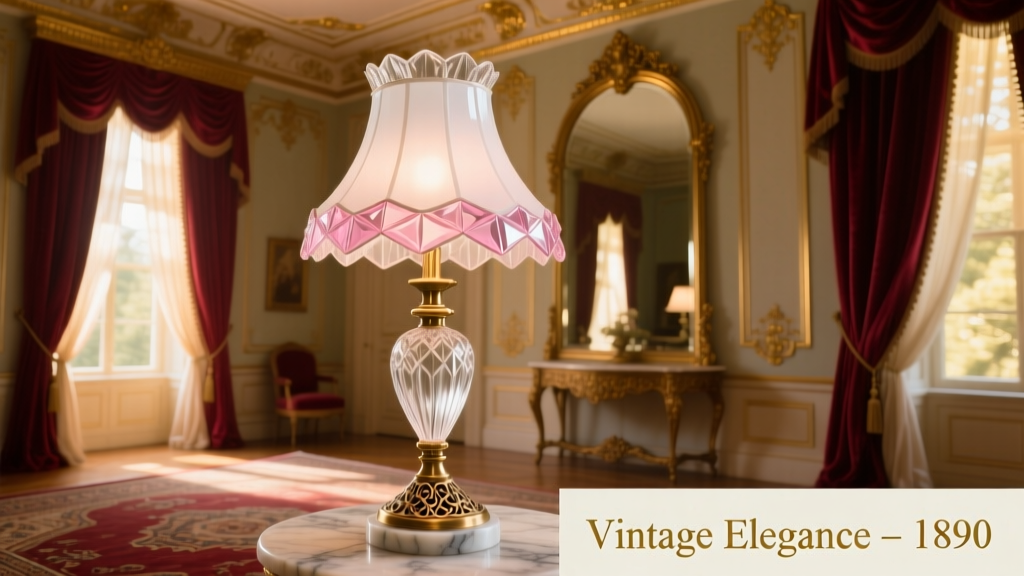
Decoding the Cut Glass Lamp: Vintage Opaque White & Pale Pink with Brass Stem and Marble Base (10-Inch)

The Mahogany Banquet Drop-Leaf Oval Table: History, Identification, and Restoration of the 82-Inch Opened Antique
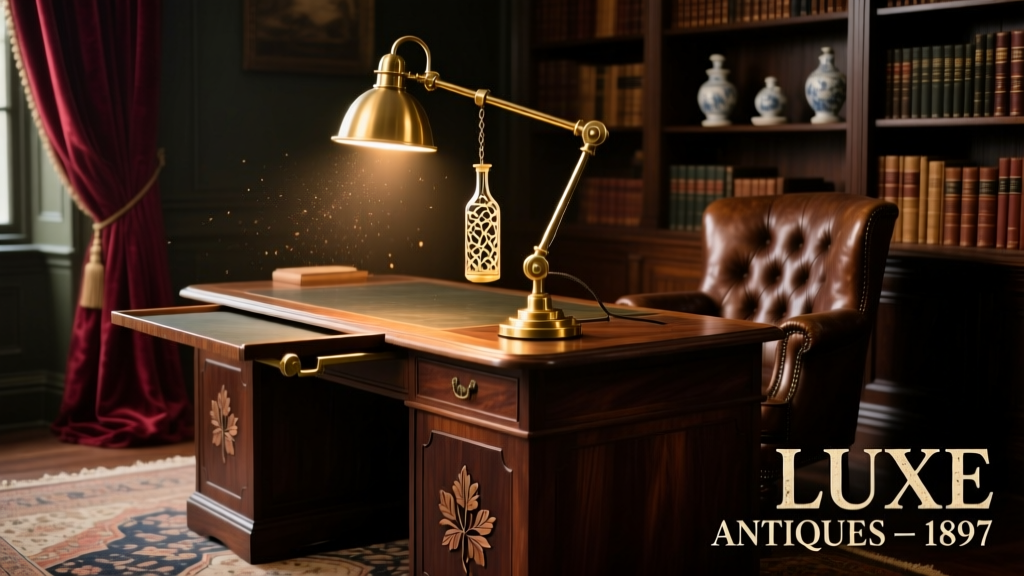
The 7-Up Metal Bottle Desk Lamp: History, Design, Restoration, and Collectibility
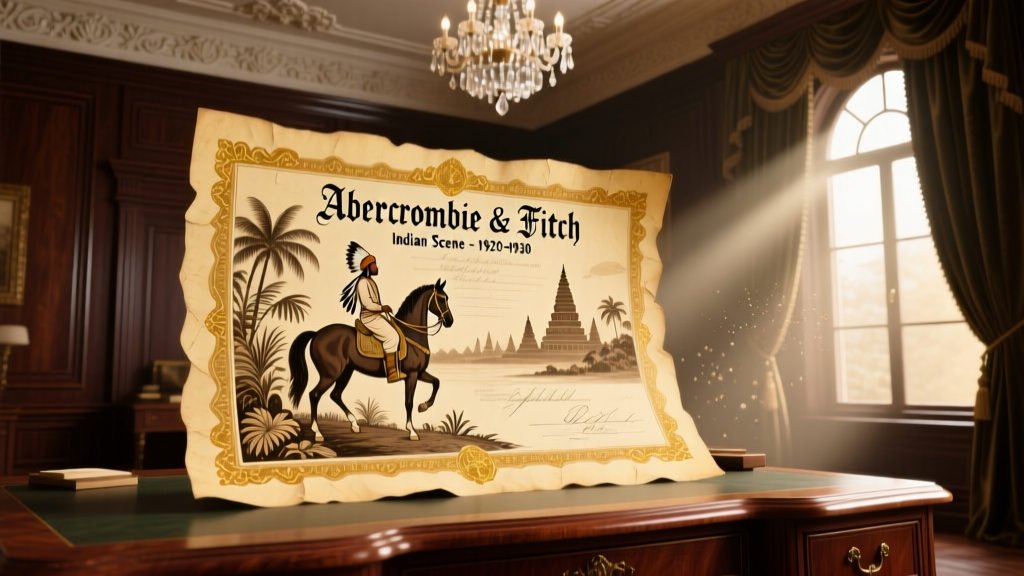
The Abercrombie & Fitch Indian Scene Stock Certificate (1920–1930): A Collector’s Guide to Authenticity, Design, and Historical Context
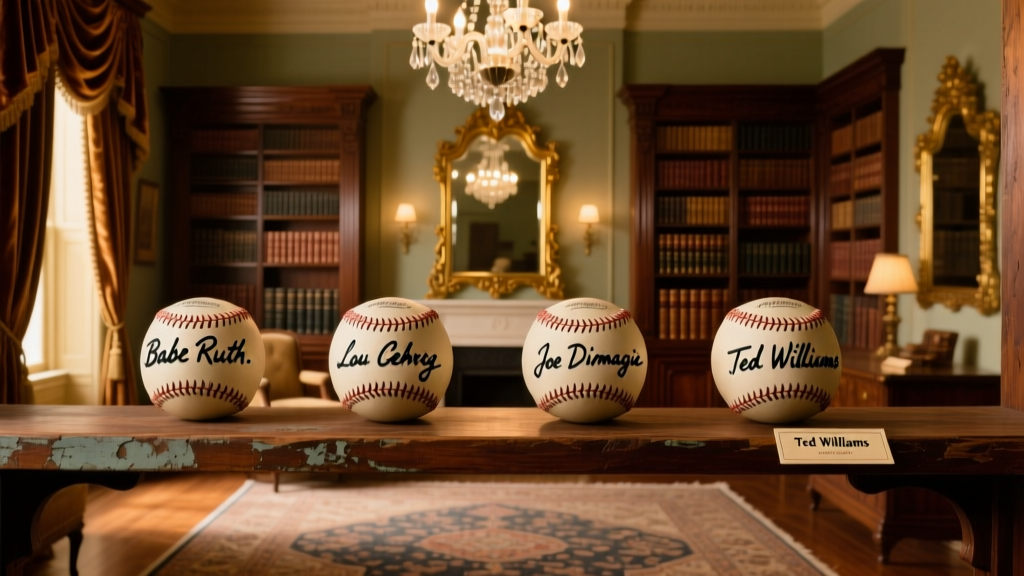
The Collector’s Guide to Authenticating and Preserving Signed Baseballs: Part IV — Provenance, Market Trends, and Advanced Conservation

Head Vases with Woman Applied Hand and Faux Pearls: Identification, Provenance, and Restoration Ethics

The 18th-Century Painted Chest-on-Chest ‘Blanket Chest’ with Two Drawers and Original Brass Hardware: Provenance, Construction, and Conservation Insights
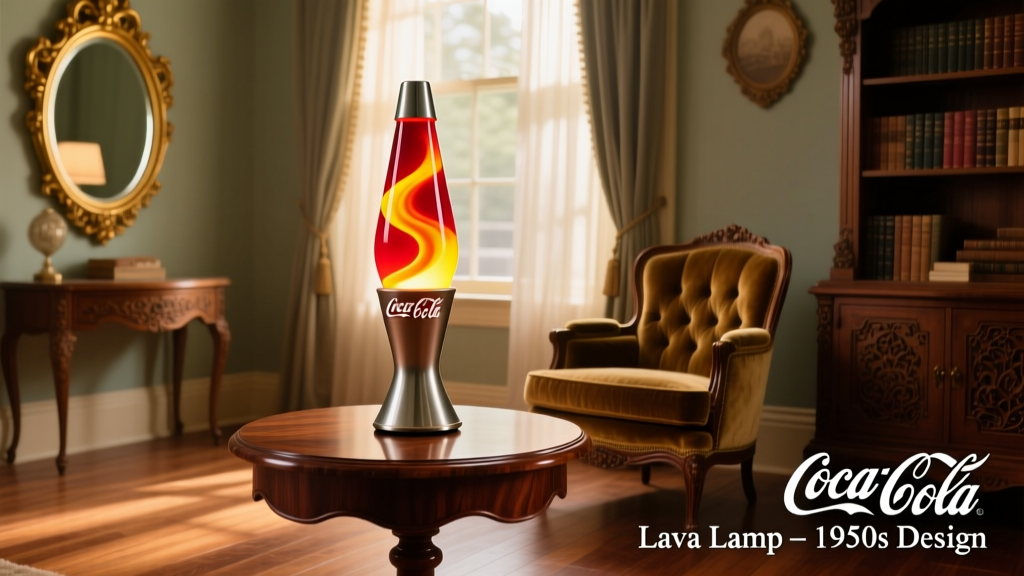
Coca-Cola Lamp Lava: Authenticating, Restoring, and Preserving the Iconic 19 × 7 × 9 Inch Vintage Lava Lamp
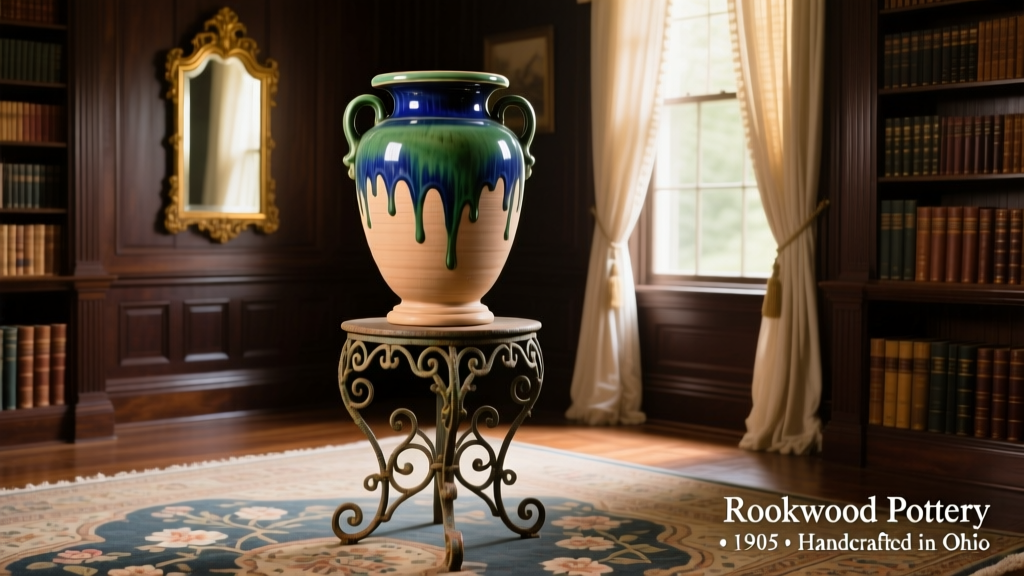
Rookwood Urn, Garden Drip Glaze Bisque, and Wrought Iron Stand: A 26⅛-Inch American Art Pottery Landmark