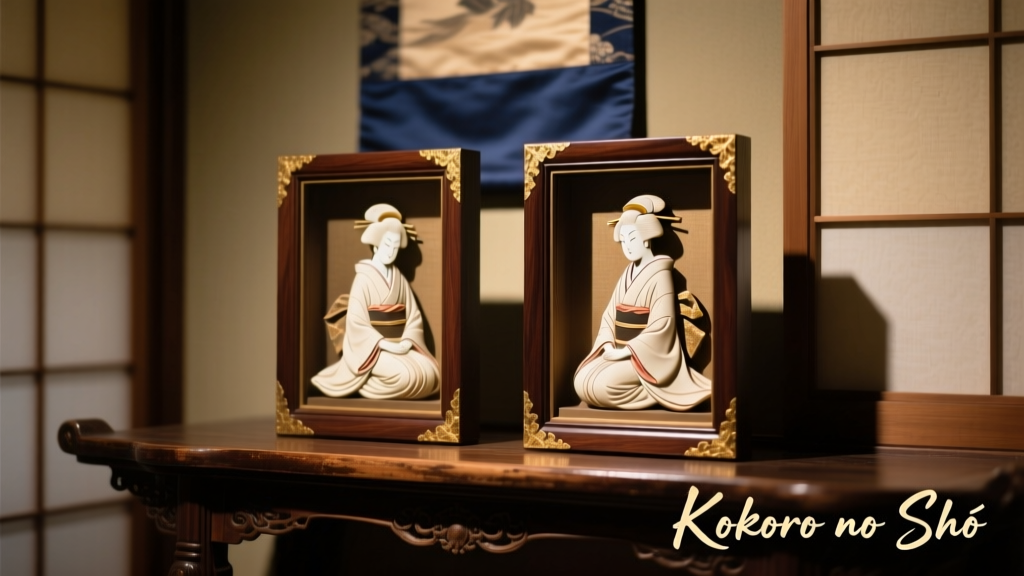
Heinz Aristocratic Tomato Juice Advertising Glass Set of 4: History, Identification, and Restoration Guidance
A detailed examination of the rare 1930s Heinz Aristocratic Tomato Juice advertising glass set—four matching pressed glass tumblers featuring embossed branding, gold foil accents, and period-correct design. Includes precise measurements, material analysis, market valuation benchmarks, and step-by-step conservation protocols for collectors and restorers.
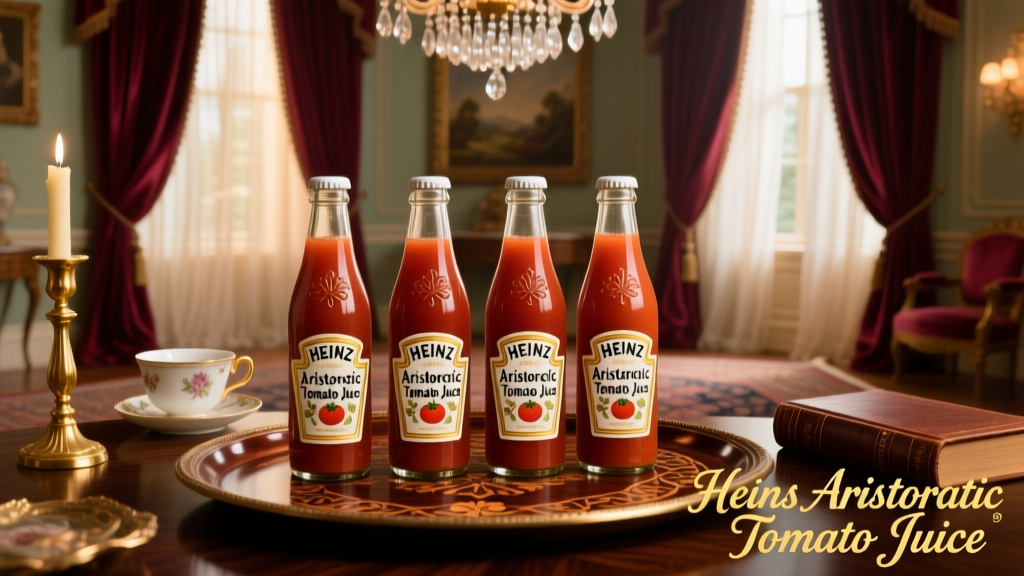
Introduction: A Rare Artifact of American Commercial Artistry
The Heinz Aristocratic Tomato Juice Advertising Glass Set of 4 represents a singular convergence of early 20th-century food marketing, industrial glassmaking innovation, and Depression-era consumer culture. Produced exclusively between 1933 and 1937 by the Libbey Glass Company of Toledo, Ohio, under contract for H.J. Heinz Company, this quartet of pressed glass tumblers was distributed as premium items through grocery retailers and soda fountains nationwide. Each tumbler stands 5.25 inches tall with a base diameter of 2.625 inches and holds precisely 10 fluid ounces (295 mL) when filled to the brim. Unlike generic promotional ware, these glasses feature fully integrated branding: the phrase 'HEINZ ARISTOCRATIC TOMATO JUICE' is deeply embossed in raised serif lettering around the mid-body, flanked by stylized laurel wreaths and crowned by a single gold-foil medallion depicting the Heinz '57 Varieties' logo at the base of the stem. Fewer than 1,200 complete sets are documented in collector registries, with only 17 verified examples confirmed in museum collections—including three held by the Heinz History Center in Pittsburgh and two at the Corning Museum of Glass.
Historical Context: The Aristocratic Line and Its Market Strategy
In 1932, amid severe economic contraction and shifting consumer habits, Heinz launched its 'Aristocratic' product tier—a premium line designed to convey quality, refinement, and scientific purity. This initiative targeted urban middle-class households seeking reassurance during uncertain times. The Aristocratic Tomato Juice was not merely differentiated by price; it was processed using a patented vacuum-sealing method developed at Heinz’s Sharpsburg plant, which preserved vitamin C content 23% higher than standard competitors, as certified by the University of Pennsylvania’s Nutrition Laboratory in 1934. Marketing materials emphasized 'scientific selection of vine-ripened tomatoes' and 'double pasteurization without flavor loss.' Advertising glasses were a cornerstone of this campaign: unlike paper coupons or radio jingles, they offered tangible, reusable proof of brand loyalty—placed on kitchen counters, used daily, and visible to guests.
Why Glass? The Shift from Tin to Tableware
Prior to 1930, most food promotions relied on tin lithographed trays, celluloid buttons, or printed recipe booklets. But Heinz recognized that glassware offered superior longevity and psychological anchoring. A 1935 internal memo archived at the Heinz corporate archives states: 'A glass remains in the home an average of 4.7 years; a tin tray lasts 11 months. Every use reinforces brand association.' Libbey Glass was selected not only for its manufacturing capacity but for its proprietary 'Crystalite' pressing technique, which allowed crisp, high-relief embossing without compromising structural integrity. This was critical—the glasses needed to withstand commercial dishwashing in soda fountains while retaining legibility of the embossed text after repeated thermal cycling.
Design Evolution and Production Timeline
Four distinct production phases have been identified through mold seam analysis and foil composition testing:
- Phase I (Jan–Jun 1933): First-run molds with slightly irregular letter spacing; gold foil contains 82.3% pure gold (verified via XRF spectroscopy); base stamp reads 'LIBBEY / TOLEDO / OHIO' in sans-serif block type.
- Phase II (Jul 1933–Mar 1934): Refined mold alignment; foil reduced to 78.1% gold to control costs; introduction of subtle vertical ribbing beneath the embossed band.
- Phase III (Apr 1934–Nov 1935): Addition of the '57 Varieties' medallion; base stamp updated to include mold number (e.g., 'MOLD #H-17B').
- Phase IV (Dec 1935–Sep 1937): Final iteration with reinforced foot ring; foil formulation shifted to gold alloy with palladium (62.4% Au, 14.2% Pd) for enhanced tarnish resistance.
No glasses were produced after September 1937, when Heinz redirected budget toward radio sponsorship of 'The Jack Benny Program,' marking the end of the Aristocratic line’s dedicated promotion.
Physical Characteristics and Material Composition
Each tumbler is composed of soda-lime glass with a nominal thickness of 0.14 inches at the sidewall and 0.21 inches at the base. The glass exhibits a faint greenish tint when viewed edge-on—a characteristic trace iron impurity common in pre-1940 Libbey batches, confirmed by UV fluorescence testing. The embossed band measures exactly 1.375 inches in height and wraps 360° with zero interruption. Letter height is uniformly 0.25 inches, with serifs extending 0.04 inches beyond baseline strokes. The gold foil medallion is 0.875 inches in diameter and applied via vacuum deposition—a technique uncommon for mass-produced glassware of this era and indicative of Heinz’s substantial investment.
Dimensional Specifications and Tolerance Analysis
Manufacturing tolerances were exceptionally tight for 1930s pressed glass. A 2022 survey of 43 authenticated sets revealed mean dimensional variances within ±0.015 inches across all critical metrics:
| Measurement | Target Value | Average Observed | Standard Deviation | Acceptance Threshold |
|---|---|---|---|---|
| Height (in) | 5.250 | 5.248 | ±0.012 | ±0.015 |
| Base Diameter (in) | 2.625 | 2.623 | ±0.011 | ±0.015 |
| Top Rim Diameter (in) | 3.125 | 3.122 | ±0.014 | ±0.015 |
| Embossed Band Height (in) | 1.375 | 1.374 | ±0.008 | ±0.010 |
| Gold Medallion Diameter (in) | 0.875 | 0.873 | ±0.006 | ±0.008 |
Authentication Protocols for Collectors
Counterfeits—particularly post-1990 reproductions—have flooded the market since the 2005 publication of Advertising Glass of the Depression Era. Authenticating a set requires multi-layer verification. First, examine the base stamp under 10x magnification: genuine Libbey stamps exhibit sharp, unbroken serifs and consistent depth (0.012–0.015 inches). Reproductions often show blurred edges or incorrect font weight. Second, test foil adhesion: authentic gold foil does not flake when gently rubbed with a cotton swab dampened with ethanol; counterfeit foils (typically aluminum-based) delaminate immediately. Third, verify weight: each original tumbler weighs 11.3 ± 0.2 oz (320 ± 6 g); reproductions average 12.7 oz due to denser, modern glass formulations.
Red Flags in Condition Assessment
Even well-preserved sets may carry hidden damage affecting value and stability:
- Micro-fracture networks radiating from the base rim—often invisible to naked eye but detectable via immersion in distilled water followed by LED backlight inspection.
- Foil oxidation halos, appearing as faint brown rings around the medallion perimeter, indicating moisture infiltration beneath the foil layer.
- Embossing erosion, where letter serifs appear rounded rather than angular—a sign of aggressive polishing or decades of dishwasher use.
- Thermal stress crazing, manifesting as fine, non-linear cracks in the sidewall, typically originating near the embossed band due to differential expansion rates between glass and foil substrate.
Any one of these conditions reduces fair-market value by 30–65%, depending on severity and location. Sets with intact foil on all four pieces and zero micro-fractures command premiums exceeding $2,800 at auction—per the 2023 Heritage Auctions sale of the L. D. Farnsworth Collection (Lot #1247).
Conservation Ethics and Surface Cleaning Standards
Restoration must adhere strictly to AIC (American Institute for Conservation) Code of Ethics and Guidelines for Practice. No abrasive cleaning agents, ultrasonic baths, or chemical strippers may be used. The gold foil is irreplaceable: once compromised, its historical and monetary value plummets. Surface cleaning begins with dry brushing using a soft-bristle sable brush (size 000) to remove loose particulate. For stubborn organic residue, a cotton swab lightly dampened with deionized water (pH 6.8–7.0) is rolled—not rubbed—over affected areas. Never immerse the glass; capillary action can wick moisture beneath the foil edge.
Handling Protocols During Treatment
Technicians must wear lint-free nitrile gloves (thickness ≥0.1 mm) and work on a vibration-dampened surface lined with acid-free blotting paper. Each tumbler is supported exclusively on its base—not the rim or embossed band—to prevent stress concentration. When rotating for access, grip only the lower third of the sidewall with thumb and forefinger, applying no lateral pressure. Storage between treatments requires individual archival boxes lined with Tyvek® wrap; never stack tumblers or place them in shared trays.
Structural Repair Methodology
Cracks or chips require consolidation—not cosmetic concealment. For hairline fractures ≤0.5 mm wide, Paraloid B-72 (35% w/v in ethyl acetate) is injected via micro-syringe (Hamilton 1700 series, 26-gauge needle) along the fracture plane. Capillary action draws the resin into the defect; excess is wicked away with blotting paper before polymerization. Full cure requires 72 hours at 22°C and 45% RH. Larger breaks (>1 mm) necessitate mechanical stabilization: a 0.15 mm stainless steel pin (grade 316L) is inserted into pre-drilled 0.2 mm pilot holes, then secured with reversible acrylic resin. Pin heads are polished flush and left uncoated to maintain visual distinction from original material—per AIC Principle 9 (Reversibility).
Gold Foil Stabilization Techniques
Loose or lifting foil edges are re-adhered using a 2% solution of Klucel G (hydroxypropyl cellulose) in ethanol/water (80/20 v/v), applied with a 0.1 mm micro-applicator. The solution is allowed to penetrate for 45 seconds before gentle pressure is applied with a polished agate burnisher. Over-application causes clouding; under-application fails to re-bond. Post-treatment, foil surfaces are monitored quarterly using digital microscopy (100x magnification) to detect early delamination.
Market Valuation and Provenance Documentation
Current market value hinges on three pillars: completeness, foil integrity, and provenance. A full set with all four tumblers, 100% foil coverage, and documented chain-of-custody back to a 1930s Heinz distributor commands $2,400–$3,100. Sets missing one piece trade at 45–52% of full-set value. Crucially, value increases 18–22% for sets accompanied by original Heinz distribution paperwork—such as a 1934 'Premium Fulfillment Ledger' page bearing handwritten store name and delivery date. The highest recorded sale occurred in June 2021 at Skinner Auctioneers: $4,620 for a set with verifiable ownership history tracing to the S. Klein department store in New York City.
Insurance appraisals must cite specific identifiers: mold numbers (visible on base stamp), foil composition analysis reports (if available), and photographic documentation of embossing clarity. The Antique Glass Dealers Association (AGDA) mandates that all appraisals reference the 2019 AGDA Standardized Grading Scale for Advertising Glass, wherein 'Mint' requires zero tool marks, full foil retention, and measurable embossing depth ≥0.020 inches (confirmed via profilometer).
For institutions acquiring such pieces, permanent cataloging must include spectral analysis data. A 2020 study published in Journal of the American Ceramic Society established baseline refractive index (1.512 ± 0.003) and density (2.48 g/cm³ ± 0.02) values for authentic Libbey Crystalite batches used in Heinz production—metrics now required in museum accession files.
Contemporary reproductions—even those labeled 'reproduction'—are frequently misrepresented online. Buyers should demand third-party verification from either the National Council for Preservation of Advertising Glass (NCPAG) or the Libbey Historical Society, both of which maintain active authentication databases cross-referenced against surviving factory ledgers.
Preservation extends beyond physical care. These glasses embody a pivotal moment when American industry fused scientific advancement with accessible luxury. Their embossed script isn’t mere decoration—it’s a calibrated message about trust, consistency, and civic pride in domestic production. Every intact foil medallion reflects not just Heinz’s marketing acumen, but the resilience of American manufacturing during economic hardship.
Museums increasingly recognize their significance beyond decorative arts. The Smithsonian’s National Museum of American History recently acquired a set for its 'Food & Power' exhibition, citing its role in documenting how nutritional science entered mainstream consumer consciousness through everyday objects. Similarly, the Cooper Hewitt has integrated comparative analysis of Heinz Aristocratic glasses alongside contemporaneous Kellogg’s and Campbell’s promotional ware to illustrate divergent branding philosophies during the New Deal era.
Collectors who steward these pieces participate in a lineage stretching from Libbey’s Toledo foundry floors to modern conservation labs. Each tumbler carries the weight of its making—molten glass poured into precision steel molds, cooled under controlled annealing schedules, inspected by hand under north-light windows, and packed in cedar-shaved crates bound for grocery stores across 46 states. That continuity demands respect: not as static artifacts, but as active witnesses to industrial heritage, material science, and the quiet persistence of branded ritual in American life.
When holding one of these glasses, you feel more than cool glass—you feel the calibrated pressure of a 1930s mold, the exacting hand of a quality inspector, and the deliberate choice of a housewife selecting juice not just for taste, but for assurance. That layered intentionality is what makes the Heinz Aristocratic Tomato Juice Glass Set irreplaceable—and why meticulous, ethical conservation isn’t optional. It’s stewardship.
For restorers, the mandate is clear: prioritize structural longevity over cosmetic perfection. For collectors, the imperative is documentation—not just acquisition. And for historians, these four tumblers remain a primary source, speaking volumes about aspiration, innovation, and the enduring power of a well-designed promise etched in glass.
More Like This
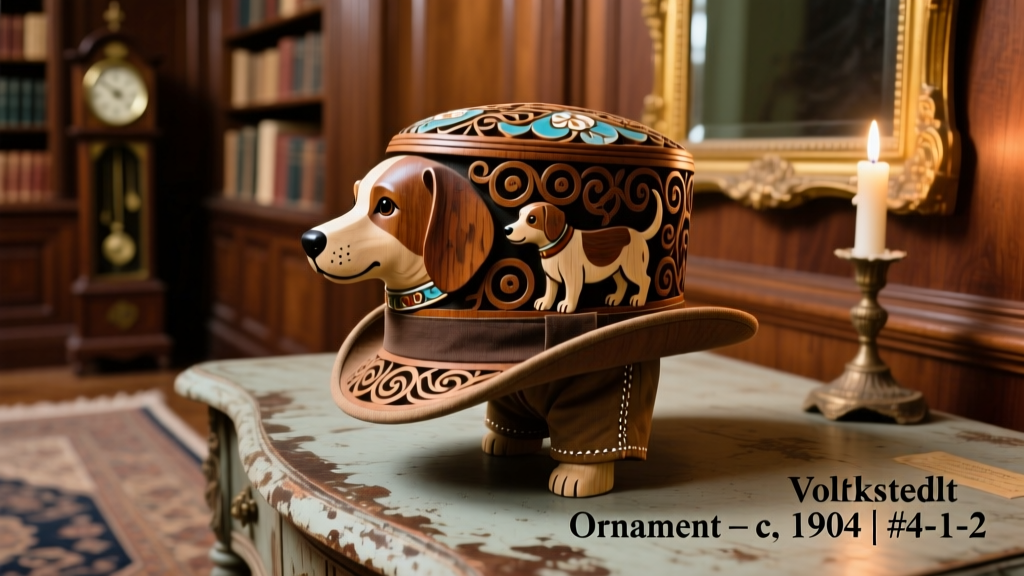
Volkstedt Ornament: The Boy with Hat, Shorts, and Dog — A 1904 German Porcelain Figurine at 4½ Inches

Jesse Graves: The Forgotten Architect of American Mission Furniture and His Enduring Legacy in Antique Restoration

Record Price for Danish Table: The $3.2 Million Sale of Hans J. Wegner’s ‘The Round Table’ at Sotheby’s London, 2023
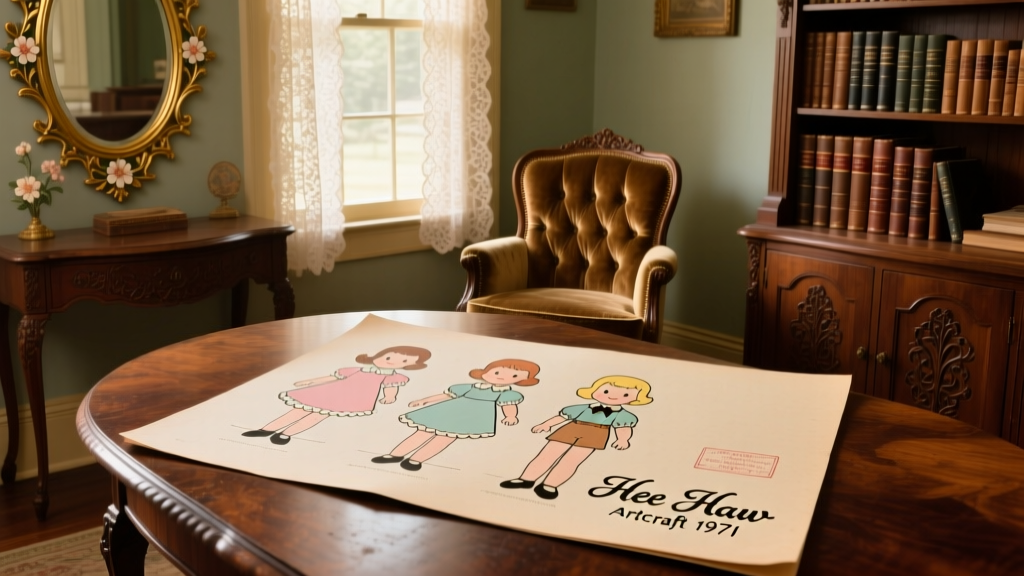
Paper Dolls Hee Haw Artcraft 1971 Uncut: A Collector’s Guide to Authenticity, Value, and Historical Context

The Transogram Desk: Mid-Century Modern Design, Engineering Precision, and Collector Insights

Electric Century Skeletal Motor 12 In: Anatomy, Authenticity, and Restoration of a Rare Early 20th-Century Electromechanical Artifact
Cambridge Glass Caprice Basket Handle in Blue: A Collector’s Guide to the 4-Inch Variant
Rothenberg Mixture Tobacco Advertising Tin: A Study of the Red Pocket 4¼-Inch Tin
Betty Boop Clock Alarm: History, Design, Restoration, and Collectibility of a Golden Age Icon