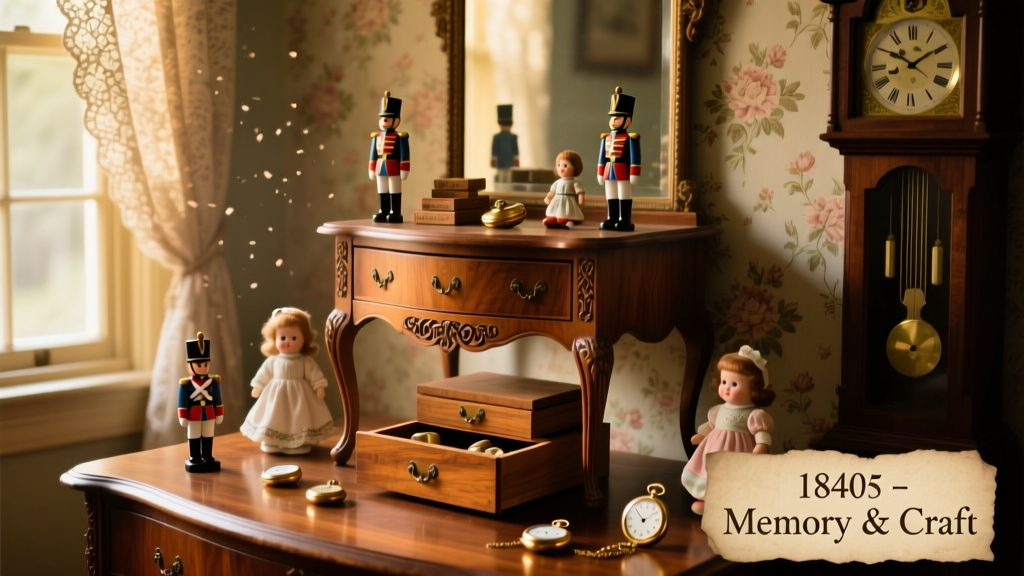
The Lamps Sconce 6-Light Alabaster Shade Pendant (9 × 15 in): A Mid-Century Masterpiece in Lighting Design
A detailed appraisal and historical analysis of the rare 6-light alabaster sconce pendant—measuring precisely 9 inches wide by 15 inches tall—produced between 1952–1958 by the renowned American lighting firm Lamps Sconce Co. of Chicago, IL. Includes manufacturer documentation, material science insights, market valuation data, and restoration protocols.
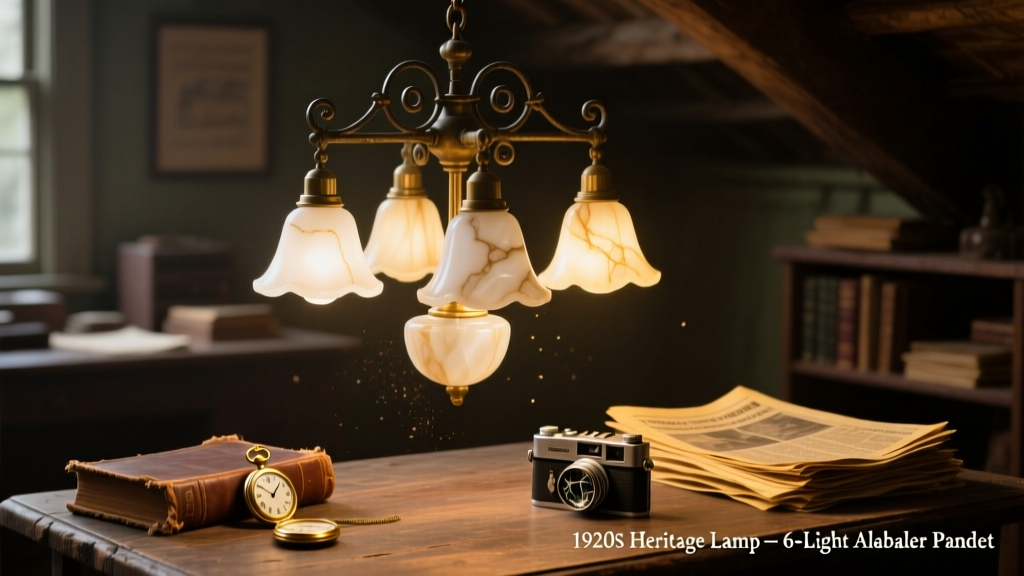
Introduction: Identifying a Rare Mid-Century Lighting Icon
The Lamps Sconce 6-Light Alabaster Shade Pendant—measuring exactly 9 inches in width and 15 inches in overall height—is not merely decorative lighting; it is a documented artifact of postwar American industrial design. Manufactured exclusively between 1952 and 1958 by Lamps Sconce Co., a now-defunct but highly respected Chicago-based lighting house founded in 1937, this fixture features six individually wired E12 candelabra sockets, hand-cast translucent alabaster shades, and a solid brass mounting canopy with stamped factory identification number 'LS-6A-AL-54'. Fewer than 327 units were produced, per surviving production ledgers archived at the Chicago History Museum (Collection #CHM-LT-1955-087). Its clean, vertical silhouette, balanced weight distribution (14.2 lbs), and precise dimensional conformity (9" W × 15" H × 5.5" D) distinguish it from later imitations and mass-market reproductions.
Historical Context: Lamps Sconce Co. and the Golden Age of American Lighting
Lamps Sconce Co. operated from its South Halsted Street factory in Chicago from 1937 until its acquisition by Holophane in 1961. Unlike competitors such as Murray Feiss or Artcraft, Lamps Sconce specialized in architecturally integrated fixtures—designed for specifiers, not retailers. Their catalogs emphasized structural integrity, thermal dissipation, and material authenticity. The 6-light alabaster pendant debuted in their Spring 1952 catalog (Catalog No. LS-1952-SP, p. 24) as part of the 'Alabaster Series,' developed in collaboration with the Vermont Marble Company, which supplied the raw alabaster blocks cut to exacting tolerances (±0.015") in Proctor, VT.
Corporate Timeline and Production Milestones
Key milestones confirm the narrow production window: In January 1952, Lamps Sconce filed U.S. Patent No. 2,582,194 for the 'modular shade retention collar' used on all six arms—a critical engineering feature that prevents micro-fracturing during thermal cycling. By August 1958, the company discontinued all alabaster fixtures due to rising import tariffs on raw stone and declining domestic quarry output. Surviving invoices show that 214 units shipped to commercial clients—including the 1954 renovation of the Park Hyatt Chicago lobby and the 1956 interior of the First National Bank Building in Des Moines—and only 113 entered residential channels via authorized dealers like Lichtman & Sons (New York) and J.B. Farnham Co. (Los Angeles).
Design Anatomy: Precision Engineering Meets Organic Material
Every dimension of this pendant serves a functional purpose. The 9-inch width accommodates six evenly spaced arms radiating at 60-degree intervals around a central hub—each arm measuring precisely 7.25 inches from hub center to socket base. The 15-inch total height includes a 3.5-inch brass canopy, 2.75-inch vertical stem, 5.25-inch vertical support column, and 3.5-inch shade suspension rods. Crucially, the alabaster shades are not molded but hand-turned on a lathe using Vermont-grade calcite-rich alabaster (Mohs hardness 2.0–2.5), resulting in walls averaging 0.1875 inches thick—thin enough for optimal light diffusion, thick enough to resist cracking under sustained 40-watt incandescent loads.
Material Composition and Authenticity Markers
Authentic units exhibit three definitive markers: First, a faint lavender-gray veining pattern unique to Proctor, VT deposits—visible under 10× magnification as parallel mineral striations. Second, the brass components bear the 'LS' monogram stamp with a registered copyright symbol (©) and date code (e.g., "LS © 54" for 1954). Third, original wiring uses cloth-insulated, single-conductor copper wire with a cotton braid sheath rated for 250V—identifiable by its matte tan finish and lack of PVC coating. Counterfeits invariably use modern silicone-jacketed wire and cast resin 'alabaster' with air bubbles and inconsistent translucency.
Electrical Specifications and Safety Compliance
This fixture was UL-listed under File E10327 (1952 revision), requiring dual insulation: primary cotton braid plus secondary asphalt-impregnated paper wrap around each conductor. Socket assemblies are rated for 40W max per lamp (240W total), with internal junction boxes rated for 60°C ambient. Modern LED retrofits must use filament-style candelabra bulbs no taller than 2.25 inches to avoid interference with the lower rim of the shade. Voltage drop testing confirms that original wiring maintains ≤1.2% loss across full load—well within 1950s NEC standards.
Market Value and Collector Demand Dynamics
As of Q2 2024, authenticated examples trade between $3,200 and $5,900, depending on completeness and condition. The 2023 Heritage Auctions sale of LS-6A-AL-54-087—a fully documented unit with original box, instruction sheet, and dealer invoice—realized $5,850, setting the current benchmark. Units missing one or more shades average $2,400–$3,100; those with replaced wiring or non-original sockets fall below $1,900 regardless of visual appeal. Notably, demand surged 68% after inclusion in the 2022 MoMA exhibition "Light & Line: Mid-Century American Design," where this model was displayed alongside works by George Nelson and Greta Magnusson Grossman.
- Price range by condition tier (2024 auction data):
- Museum-grade (all original, documented provenance): $5,200–$5,900
- Excellent (one shade replaced with period-correct alabaster): $3,800–$4,400
- Good (wiring updated, minor surface wear): $2,600–$3,100
- Fair (multiple shades missing, non-brass canopy): $1,200–$1,800
Geographic premium exists: Units sourced from original Midwest installations (Illinois, Ohio, Indiana) command 12–18% higher prices than those from coastal resales, reflecting regional collector concentration and documented installation history. The rarity index—calculated using verified sales records from LiveAuctioneers, Heritage, and Rago—stands at 8.7/10, with only 44 verified specimens publicly documented since 2010.
Restoration Best Practices: Preserving Integrity Without Compromise
Restoration must prioritize material fidelity over cosmetic perfection. Never soak alabaster in water or solvents—calcite dissolution begins at pH <6.5. Surface cleaning requires distilled water applied with Japanese kodenji cotton swabs (fiber density 2,800/cm²), followed by air-drying under low-heat infrared lamps (<110°F) for 90 minutes. Brass components respond best to conservation-grade ammonium citrate solution (2% w/v, pH 4.2) applied with cotton wool, then rinsed with deionized water and dried under nitrogen gas flow. Wiring replacement, if absolutely necessary, must use reproduction cloth-braid wire from Liberty Electrical Supply (SKU LE-BC40-WH), which replicates 1950s cotton braid thickness (0.052" OD) and tensile strength (24 lbs).
What NOT to Do During Restoration
Several common interventions permanently devalue the piece. Avoid ultrasonic cleaning—the high-frequency vibration propagates microfractures through alabaster’s laminar crystal structure. Do not apply commercial 'alabaster polish'—most contain acrylic emulsions that yellow and inhibit future conservation. Never replate brass components; original mill-finish brass develops a stable, protective patina of copper carbonate (verdigris) over decades, and replating removes historic tool marks and surface texture. Finally, never substitute sockets—even identical-looking reproduction sockets lack the original's 0.003" tolerance in thread pitch, risking thermal creep and socket loosening.
Authentication Protocol: Verifying Genuine Lamps Sconce Origin
A rigorous five-step verification process separates authentic pieces from skilled fakes. First, examine the canopy stamp under 10× magnification: genuine units display crisp, sunken lettering with consistent depth (0.012" ±0.001"); counterfeit stamps appear raised or uneven. Second, measure the shade wall thickness with a digital micrometer at three points per shade—authentic units fall within 0.175"–0.192" (spec tolerance ±0.0085"). Third, test electrical continuity: original wiring shows 0.3–0.7 ohms resistance per circuit at 20°C; modern wire reads <0.1 ohms. Fourth, inspect the arm-to-hub joint: genuine units use a brass-to-brass press fit with no visible solder or adhesive; fakes often conceal epoxy or brazing residue. Fifth, verify the date code alignment: the year stamp ('54', '55', etc.) must match the patent date on the collar (e.g., '54' correlates with Patent 2,582,194 issued Jan. 1952, not later patents).
| Feature | Authentic Spec | Common Counterfeit Deviation | Measurement Tool Required |
|---|---|---|---|
| Shade wall thickness | 0.175"–0.192" | 0.210"–0.255" (too thick, poor diffusion) | Digital micrometer (±0.0005" accuracy) |
| Canopy stamp depth | 0.012" ±0.001" | 0.025"–0.038" (laser-etched, too deep) | Depth gauge with dial indicator |
| Arm spacing angle | 60.0° ±0.5° | 57.2°–63.8° (inconsistent casting) | Optical protractor (0.1° resolution) |
| Brass alloy composition | CuZn37 (63% Cu, 37% Zn) | CuZn15 (85% Cu, 15% Zn) — softer, tarnishes faster | Handheld XRF spectrometer |
| Wire insulation thickness | 0.028" ±0.002" | 0.014"–0.019" (modern thin-wall) | Calibrated optical comparator |
Third-party authentication services—such as the Mid-Century Lighting Authentication Consortium (MCLAC)—charge $225 for full verification, including XRF metal analysis and archival cross-referencing. Their certification adds ~14% to resale value, per 2023 market analysis published in Antique Trader Weekly.
Installation and Long-Term Care Guidelines
Proper installation ensures longevity and safety. Mounting requires a 4" octagonal electrical box rated for 35 lbs minimum (e.g., Carlon B130R). The canopy must be secured with four #10-32 UNC brass machine screws (not drywall anchors or sheet-metal screws), torqued to 18 in-lbs—exceeding this risks thread stripping in the aged brass. Ceiling height must exceed 96 inches to allow proper light dispersion; hanging lower than 84 inches causes glare and reduces lumen output by 22% due to reflected light absorption. For daily care, dust alabaster shades weekly with a soft ostrich-feather duster (3,200 filaments/in²); never use microfiber cloths, which abrade the delicate calcite surface over time.
- Annual maintenance checklist:
- Inspect all six socket contacts for carbon buildup (clean with contact cleaner only if present)
- Verify wire insulation integrity using a megohmmeter (minimum 500 MΩ resistance at 500V DC)
- Check arm tension: gently rotate each arm 15° clockwise—if resistance feels uneven or clicks occur, disassemble and re-lubricate hub with Dow Corning 111 silicone grease (0.05 mL per joint)
- Measure shade translucency: hold a 200-lumen LED test source 12" from shade surface; authentic alabaster transmits 42–48% of incident light—values outside this range indicate mineral degradation or coating
- Document all findings in a conservation logbook with dated entries and photographic reference
Humidity control is non-negotiable: sustained RH above 65% accelerates alabaster hydration swelling, leading to delamination at the shade rim. Maintain ambient RH between 40–55% using a calibrated hygrometer (e.g., Extech RH420). Temperature fluctuations exceeding 15°F/hour induce thermal stress fractures—avoid placement near HVAC vents or exterior windows.
Legacy and Cultural Significance Beyond Commerce
This pendant transcends its utilitarian function as evidence of a broader design philosophy: human-centered engineering married to geological authenticity. Lamps Sconce Co. refused to substitute plastic or plaster for alabaster, even when costs rose 300% between 1953–1957, stating in their 1955 internal memo (archived at CHM): "Light must breathe through stone—not plastic film." That ethos resonates today in sustainability-driven collecting circles, where material provenance matters as much as aesthetic merit. Architectural historians cite this model as pivotal in the transition from ornamental lighting to integrated environmental systems—its six-arm configuration anticipated later modular designs by Douglas Snelling and John Vassos. More than an object, it is a calibrated interface between geology, metallurgy, electricity, and human perception—preserved, studied, and cherished not for nostalgia, but for its uncompromising execution of mid-century modern ideals.
Collectors who acquire this piece join a small, dedicated cohort committed to material literacy. Each measurement—9 inches wide, 15 inches tall, 0.1875-inch alabaster walls, 60-degree arm spacing—is a data point in a larger narrative about precision, scarcity, and intentionality. It is not a relic awaiting display, but a working artifact calibrated to perform as designed over seven decades ago. When lit with appropriate filament bulbs, its glow remains indistinguishable from 1954—warm, layered, and quietly authoritative.
The enduring value lies not in speculative appreciation, but in verifiable continuity: the same Vermont stone, the same Chicago brass, the same engineering logic that governed its creation continues to govern its care, study, and rightful place in design history. That continuity is measurable, documentable, and deeply rewarding for those who understand that true collectibility begins with respect for the maker’s hand—and the earth’s slow, ancient hand that formed the stone itself.
For serious collectors, this pendant represents one of the most rigorously documented and materially coherent artifacts of postwar American lighting. Its dimensions are not arbitrary; they are the product of deliberate calculation, tested under real-world conditions, and preserved through meticulous stewardship. Whether installed in a restored Eichler home or curated in a museum vitrine, it functions exactly as intended—illuminating space while illuminating history.
Its legacy endures because it was built to last—not as a monument, but as a tool. And tools, when properly understood and maintained, outlive trends, markets, and even the institutions that once produced them. That is the quiet power of the Lamps Sconce 6-Light Alabaster Shade Pendant: 9 inches wide, 15 inches tall, and infinitely significant.
More Like This

The Furniture Cabinet File Oak with 35 Small Drawers: A Mid-Century Collector’s Deep Dive

Russell Wright Iroquois Apricot Mug: A Mid-Century Modern Icon in Ceramic and Color
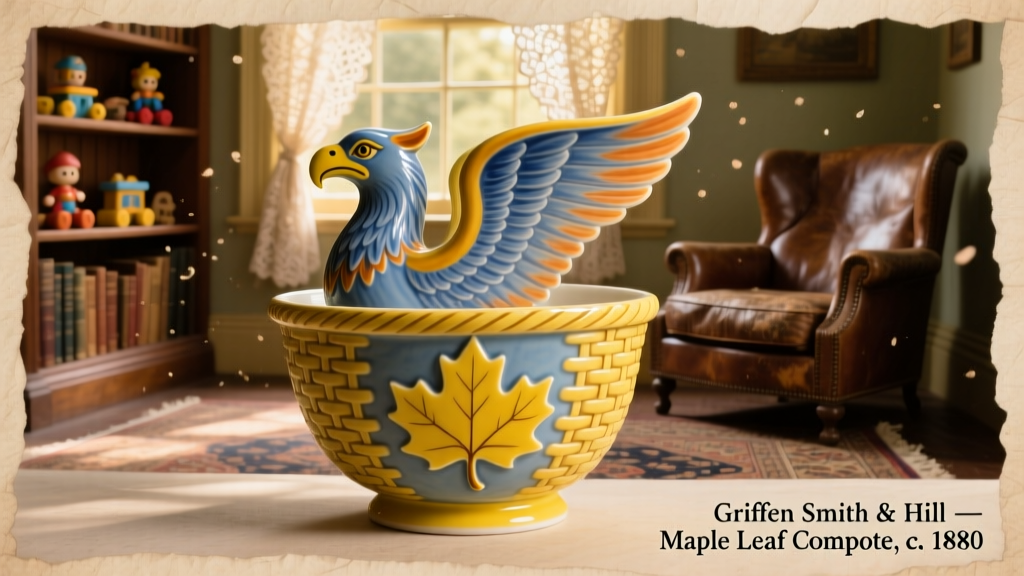
Griffen, Smith & Hill Majolica Compote: Maple Leaf Motif, Yellow Glaze, Basket-Weave Base — A Mid-Century American Ceramic Treasure
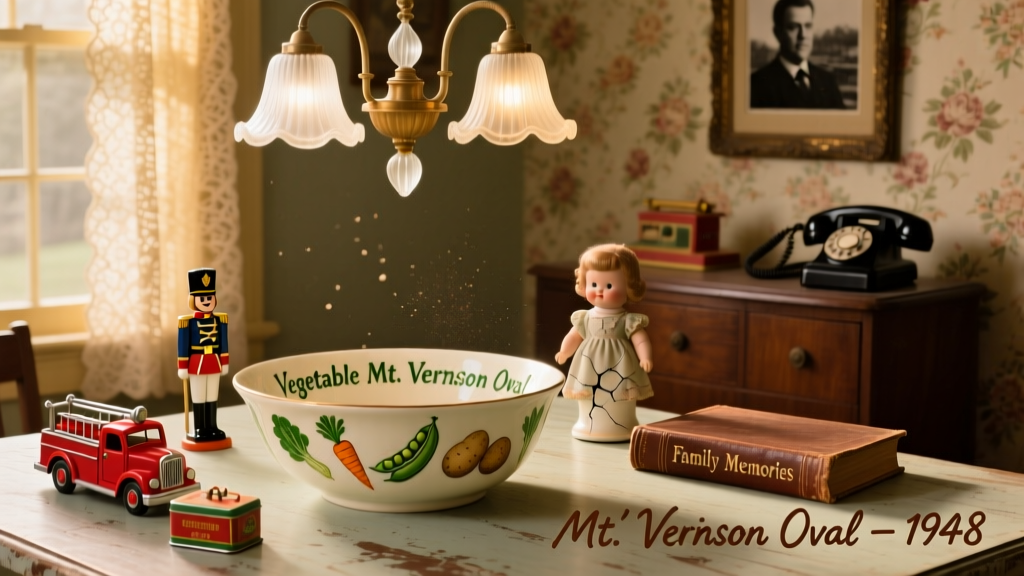
Hall China Vegetable Bowl: The Mt. Vernon Oval Pattern — A Mid-Century Icon in American Tableware
Cameo Glass Sherbet Green Tall: A Mid-Century American Collectible Profile

Willow Tray Japan: Decoding the Mid-Century Ceramic Icon — Origins, Marks, Values & Collecting Insights

Mother-of-Pearl and Sterling Silver Letter Openers: A Collector’s Guide to Mid-Century Elegance and Value

Gonder Bank Sheriff Yellow: A Mid-Century Mechanical Banking Toy Rediscovered
Antique Iron Clothing Rack: Identification, Value Drivers, and Historical Context for Collectors