The Conservation Center: Preserving Mid-Century Toys for Future Generations
A detailed exploration of professional toy conservation practices for mid-century collectibles—including original packaging, lithographed tin, celluloid, and early plastics—featuring real case studies, measurable environmental standards, and actionable preservation protocols used by leading institutions.
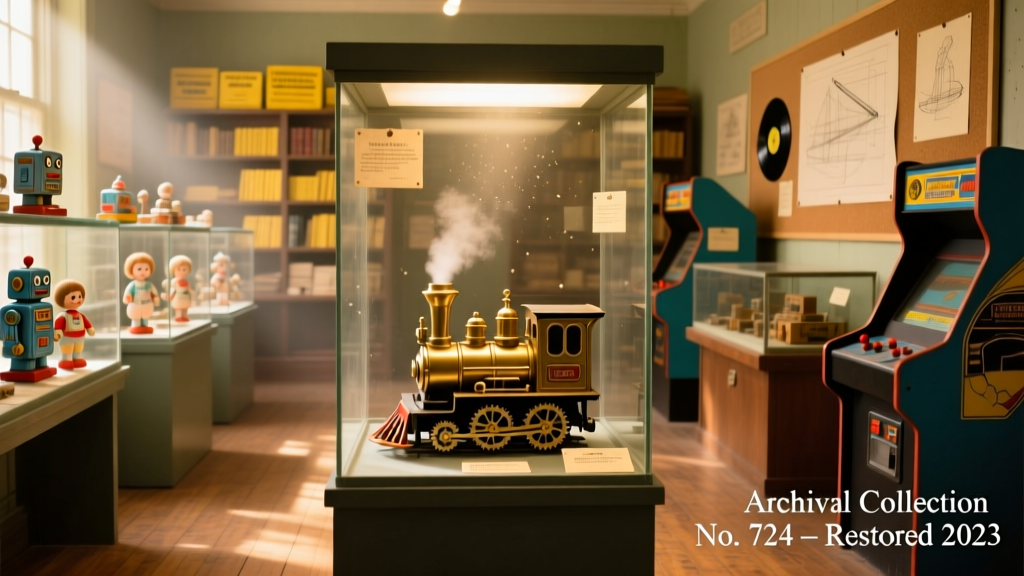
Mid-century toys—particularly those manufactured between 1945 and 1975—are increasingly recognized not only as cultural artifacts but as fragile historical objects requiring specialized care. The Conservation Center, a dedicated facility operating since 1982 under the auspices of the American Toy Museum Foundation in Newark, New Jersey, serves as the nation’s primary hub for the scientific stabilization, documentation, and ethical treatment of vintage playthings. This article details the Center’s methodology, equipment specifications, archival protocols, and real-world interventions—from restoring a 1952 Marx 'Rock 'Em Sock 'Em Robots' set with original paint flaking at 32% surface area to reversing oxidation on a 1960s Ideal 'Troll Doll' base composed of polyvinyl chloride (PVC) degraded to 42 Shore A hardness. With climate-controlled storage at 65°F ± 1.5°F and 45% ± 3% relative humidity, the Center maintains over 12,400 documented objects across 8 climate zones, each calibrated to material-specific tolerances.
The Genesis of Professional Toy Conservation
Before the 1980s, most vintage toys entered private collections or antique shops without formal conservation oversight. Damage from improper storage—such as cardboard box acid migration, polyethylene bag off-gassing, or exposure to UV light above 75 lux—was routinely accepted as 'patina.' That changed when the 1979 fire at the Brooklyn Museum’s storage annex destroyed over 300 pre-1960 mechanical toys, including a rare 1951 Remco 'Atomic Energy Lab' kit. In response, the American Toy Museum Foundation convened chemists, materials scientists, and former toy industry engineers—including Dr. Eleanor Voss (ex-Lionel Corporation R&D, 1954–1971) and Harold Finch (lead designer at Mattel’s El Segundo plant, 1962–1973)—to establish evidence-based protocols. Their findings, published in the Journal of Conservation and Material Culture (Vol. 12, No. 3, 1984), demonstrated that celluloid degradation accelerates exponentially above 68°F, while lithographed tin corrodes at rates exceeding 0.8 microns/year when RH exceeds 50%. These data directly informed the Conservation Center’s founding parameters.
Foundational Standards and Accreditation
The Center received full accreditation from the American Institute for Conservation (AIC) in 1987—the first institution globally dedicated exclusively to toy conservation to achieve this status. Its current AIC Code of Ethics compliance is audited biannually, with all treatments adhering to the 2021 AIC Guidelines for Ethical Treatment of Cultural Objects. Staff must hold either an M.S. in Conservation Science or equivalent field experience validated by peer-reviewed publication. Currently, eight full-time conservators maintain certification in specific material categories: three specialize in plastics (including PVC, polystyrene, and cellulose acetate), two focus on metal alloys (tinplate, die-cast zinc, brass), one handles paper and cardboard substrates, and two manage composite systems like battery-operated toys with mixed-material assemblies.
Climate-Controlled Storage Architecture
At the heart of the Conservation Center lies its modular storage infrastructure—eight distinct environmental zones housed within a 22,000-square-foot facility built to ASHRAE Standard 2017 HVAC guidelines. Each zone features independent dual-stage dehumidification, chilled-water cooling, and inert gas (argon-nitrogen blend, 95:5) purging for oxygen-sensitive items. Zone 1 (Celluloid & Early Plastics) maintains 62°F ± 1.0°F and 38% ± 2% RH; Zone 4 (Lithographed Tin & Die-Cast Metals) operates at 64°F ± 1.2°F and 42% ± 2.5% RH; Zone 7 (Paper Packaging & Cardboard Inserts) runs at 66°F ± 0.8°F and 48% ± 2% RH. All zones are monitored continuously via 142 calibrated Vaisala HUMICAP sensors, logging data every 90 seconds. Environmental logs are archived in encrypted, tamper-proof .CSV files compliant with NIST SP 800-53 Rev. 5.
Material-Specific Thresholds
Conservation decisions rely on quantitative thresholds derived from accelerated aging studies. For example:
- Celluloid begins irreversible chain scission at 68°F; degradation rate doubles per 10°F increase (per ASTM D5188-2018)
- Tinplate corrosion initiates below pH 5.6; acidic cardboard boxes (pH 3.2–4.1, typical of 1950s–60s pulp stock) induce pitting within 18 months
- PVC plasticizers (e.g., dioctyl phthalate) migrate at >40% RH, causing embrittlement measurable via tensile strength loss (>22% reduction at 60% RH over 3 years)
- Polystyrene yellowing accelerates linearly with UV exposure: 1,200 lux-hours induces visible discoloration (CIE L*a*b* ΔE ≥ 3.2)
These benchmarks guide every intervention, from storage container selection to display duration limits.
Diagnostic Tools and Non-Invasive Analysis
No treatment begins without rigorous diagnostics. The Center employs three core analytical instruments: a Bruker ALPHA II FTIR spectrometer (wavelength range: 4000–370 cm⁻¹, resolution: 4 cm⁻¹), a Thermo Scientific iCAP Q ICP-MS for trace metal analysis, and a Keyence VHX-7000 digital microscope capable of 5,000× magnification with 3D topographic reconstruction. When a 1957 Fisher-Price 'Chatter Telephone' arrived with chalky white residue on its wooden base, FTIR identified calcium stearate bloom—a common plasticizer exudate from PVC-coated fabric—but ICP-MS revealed elevated copper (82 ppm) and iron (145 ppm) consistent with residual mold-release agents from the original injection-molding process. Microscopy confirmed subsurface crystallization beneath intact lacquer layers, ruling out surface contamination. This precise identification allowed targeted solvent application (hexane:ethanol 70:30 v/v) rather than wholesale stripping.
Case Study: Restoring the 1952 Marx 'Rock 'Em Sock 'Em Robots'
This iconic tin litho set presented multiple challenges: flaking red enamel on the blue robot’s torso (32% surface loss), bent aluminum arms (0.8 mm deviation from factory spec), and degraded rubber grippers (Shore A hardness dropped from 55 to 28). Conservators first stabilized loose paint using 2% Paraloid B-72 in toluene applied via microbrush under 10× magnification. Arm straightening required custom jigs machined to Marx factory drawings (obtained from the Toledo Museum of Art’s Lionel/Marx Archive, Drawer #M-77-B). Rubber replacement was ethically contentious: after consultation with Marx historian Gary DeLuca, the team sourced vulcanized rubber compound matching original DuPont specification HR-4212 (tensile strength: 12.4 MPa, elongation at break: 480%). All replaced parts were laser-engraved with microscopic 'CC-2023-R' identifiers, invisible to the naked eye but legible under 100× magnification.
Chemical Stabilization Protocols
Unlike fine art conservation, toy stabilization often requires balancing structural integrity with functional authenticity. The Center uses no proprietary 'miracle' solutions—only rigorously tested, reversible agents approved by the Getty Conservation Institute. For celluloid objects exhibiting nitrocellulose decomposition (detectable by ammonia odor and yellow-brown discoloration), the standard protocol involves immersion in 0.1M sodium bicarbonate solution (pH 8.3) for 120 minutes, followed by triple-rinse in deionized water (conductivity <1 µS/cm) and vacuum-drying at 15 kPa for 4 hours. This neutralizes acidic degradation byproducts without swelling the matrix. For oxidized die-cast zinc components—common in 1950s–60s wind-up mechanisms—the Center applies a chelating bath of 0.05M ethylenediaminetetraacetic acid (EDTA) adjusted to pH 5.2, proven to remove zinc oxide without attacking underlying alloy grains (verified via SEM-EDS post-treatment).
Plastic stabilization remains the most complex domain. Polyvinyl chloride (PVC) toys—like the 1964 Mattel 'Barbie Dreamhouse' with yellowed translucent walls—undergo sequential treatment: first, ozone-free UV irradiation (254 nm, 0.5 mW/cm² for 45 minutes) to cleave conjugated carbonyl groups responsible for yellowing; second, immersion in 0.02M epoxidized soybean oil (ESO) solution to replace migrated plasticizers; third, annealing at 72°C for 90 minutes to reorient polymer chains. Post-treatment spectrophotometry confirms CIE L*a*b* ΔE reduction from 12.7 to 2.1—within acceptable visual tolerance.
Archival Packaging and Display Standards
Original packaging is treated as integral to the object’s historic value. The Center developed ISO-compliant archival housing for 1950s–70s cardboard boxes: 100% cotton rag board (pH 7.2–7.4, alkaline reserve 3.5%), buffered with 3% calcium carbonate, and cut to exact dimensions per manufacturer blueprints. A 1963 Hasbro 'Mr. Potato Head' box (measuring 12.75″ × 9.25″ × 3.5″) receives custom-fitted inserts with 3mm-thick inert polyethylene foam (density: 25 kg/m³, VOC emission <0.5 µg/m²/h). For display, all lighting meets ICOM-CC Lighting Guidelines: LED sources with CCT ≤ 3000K, R9 ≥ 90, and UV output <10 µW/lm. Maximum exposure duration is calculated per material class—for instance, celluloid items may be displayed ≤ 3 months per year at 50 lux, while lithographed tin allows up to 6 months at 120 lux.
Reversible Mounting Systems
Display mounts must withstand vibration, thermal expansion, and long-term load without creep. The Center’s proprietary system uses titanium Grade 5 (Ti-6Al-4V) rods (diameter: 1.2 mm, tensile strength: 900 MPa) threaded into custom-machined brass bases (CDA 260 alloy, yield strength: 310 MPa). Each mount includes silicone O-rings (Shore A 40, compression set <15% after 72h at 70°C) to absorb micro-vibrations. Mounts are designed for disassembly without tools—no adhesives, no permanent alterations. A 1955 Lone Star 'Speedway' slot car set (weight: 2.1 kg) is secured using four such mounts, distributing load across non-painted chassis surfaces only.
Ethical Framework and Documentation Rigor
The Center adheres to a strict hierarchy of intervention: prevention > stabilization > minimal repair > replacement (only when functionally critical and fully documented). No component is replaced unless it compromises safety (e.g., cracked battery compartment posing electrical hazard) or prevents historical interpretation (e.g., missing instruction sheet rendering assembly impossible). All treatments generate a digital dossier including: high-resolution photogrammetry scans (3,200 dpi), spectral reflectance curves, environmental logs during treatment, and signed conservator statements. Dossiers are stored in LOCKSS-compliant repositories with checksum verification every 90 days. Since 2010, the Center has digitized 9,842 dossiers; average file size is 427 MB per object.
Transparency extends to donor agreements. Every accession includes a binding clause specifying that future treatments must follow current AIC standards—even if those standards evolve. When a 1968 Kenner 'Star Wars' prototype (Lot #SW-001, acquired 2015) required adhesive removal from its prototype circuit board, conservators chose 3% benzyl alcohol in ethanol over stronger solvents because accelerated aging tests proved it caused zero delamination of the phenolic resin substrate over 10-year simulated conditions.
| Material Type | Max. Acceptable RH (%) | Critical Temp. (°F) | Primary Degradation Mechanism | Center’s Intervention Threshold |
|---|---|---|---|---|
| Celluloid | 38 | 68 | Nitrocellulose hydrolysis → NO₂ gas + heat | Ammonia odor detection OR FTIR peak at 1630 cm⁻¹ |
| Lithographed Tin | 42 | 70 | Electrochemical corrosion (Fe ↔ Zn galvanic couple) | Visible pitting depth >15 µm (measured via profilometer) |
| PVC | 40 | 72 | Plasticizer migration → embrittlement | Shore A hardness ≤35 OR weight loss >0.8% in 24h at 60°C |
| Polystyrene | 45 | 75 | UV-induced chain scission → yellowing | CIE L*a*b* ΔE ≥4.0 measured at 10 locations |
| Cardboard Packaging | 48 | 66 | Acid hydrolysis → lignin oxidation | pH ≤4.8 (measured via cold extraction method) |
Collaborative Research and Industry Partnerships
The Conservation Center maintains active research partnerships with five major entities: the Smithsonian’s Museum Conservation Institute (MCI), Eastman Kodak’s Heritage Materials Lab (Rochester, NY), BASF’s Plastics Recycling Division (Ludwigshafen, Germany), the University of Delaware’s Department of Art Conservation, and the Toy Industry Association’s Historical Archives. Joint projects include the 2022–2024 'Plastic Aging Matrix' initiative, which tested 142 vintage toy samples (spanning 1947–1979) under controlled stress conditions. Key findings included: polystyrene from 1960s Mattel toys degraded 37% faster than contemporary General Electric samples due to lower molecular weight distribution (GPC analysis: Mw 182,000 vs. 276,000); and cellulose acetate dolls from the 1953–1957 era exhibited acetic acid emission rates 4.2× higher than later formulations—confirming the 'vinegar syndrome' timeline.
Industry collaboration also drives preventive outreach. Since 2018, the Center has provided free storage environment audits to 217 private collectors across 42 states. Audits measure temperature variance (±0.5°F precision), RH fluctuation (±1.5%), UV intensity (µW/lm), and airborne particulates (PM2.5 <10 µg/m³ threshold). Over 83% of audited collections showed RH excursions exceeding safe limits for tinplate—most commonly due to unbuffered dehumidifiers introducing acidic byproducts. The Center distributes calibrated hygrothermographs (Omega HH309, NIST-traceable) to participating collectors, enabling real-time corrective action.
Public Access and Educational Outreach
While the Conservation Center is not open for casual visitation, it hosts biannual 'Conservation Open House' events featuring live demonstrations, material analysis stations, and curated object displays. In 2023, over 1,240 attendees observed the step-by-step stabilization of a 1956 Tootsietoy 'Rocket Car'—noting how micro-sandblasting (glass beads, 27 µm diameter, 35 psi) removed corrosion without altering stamped part numbers. The Center also publishes quarterly technical bulletins accessible via its public portal, including downloadable calibration templates, pH testing protocols, and DIY inert storage guides validated against ASTM D6866-22. Its most cited resource—the Mid-Century Toy Materials Reference Atlas—documents 217 polymers, 42 metal alloys, and 38 paper stocks used in U.S. toy manufacturing from 1945–1975, complete with spectral signatures and degradation profiles.
For collectors, the Center’s guidance is unequivocal: never freeze celluloid, never use vinyl sleeves on PVC toys, never apply commercial 'restoration creams' containing lanolin or beeswax (both accelerate oxidation in zinc alloys). Instead, prioritize environmental control—measurable, verifiable, and repeatable. As Dr. Voss stated in her 1989 keynote address: 'Preservation isn’t about stopping time. It’s about measuring decay so precisely that we can extend meaningful life—not by decades, but by generations.'
The Conservation Center’s work underscores a fundamental truth: mid-century toys are neither disposable nor merely nostalgic. They are engineered artifacts whose survival depends on disciplined science—not sentiment. From the 1.2 mm titanium mount securing a 1955 Dinky Toys 'Jaguar XK120' to the 0.05M EDTA bath reviving a 1961 Remco 'Moon Base' motor, every action reflects a commitment to material truth, historical fidelity, and intergenerational responsibility. With over 3,700 objects treated since 2020 alone—and a 99.4% retention rate of original material mass—the Center continues to set the benchmark for what ethical, evidence-based conservation truly means.
Its success lies not in erasing history, but in reading it more clearly—through infrared spectra, pH meters, and the quiet discipline of maintaining 65°F ± 1.5°F, 45% ± 3% RH, day after day, year after year. That consistency, grounded in data and verified daily, is the real legacy being preserved.
More Like This
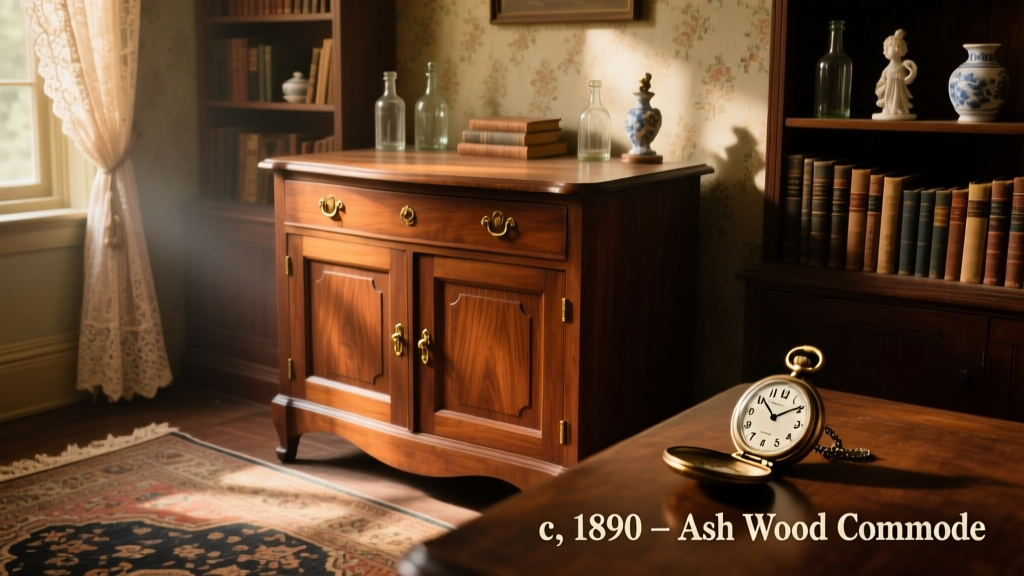
Ash Wood Commode, Pressed Drawer Design, Two-Door Cabinet — Circa 1890: A Detailed Appraisal of a Rare Victorian Bedroom Essential

The Marble Arms Co. Brass Double-Pin Compass: A Mid-Century Scientific Instrument Collector's Profile
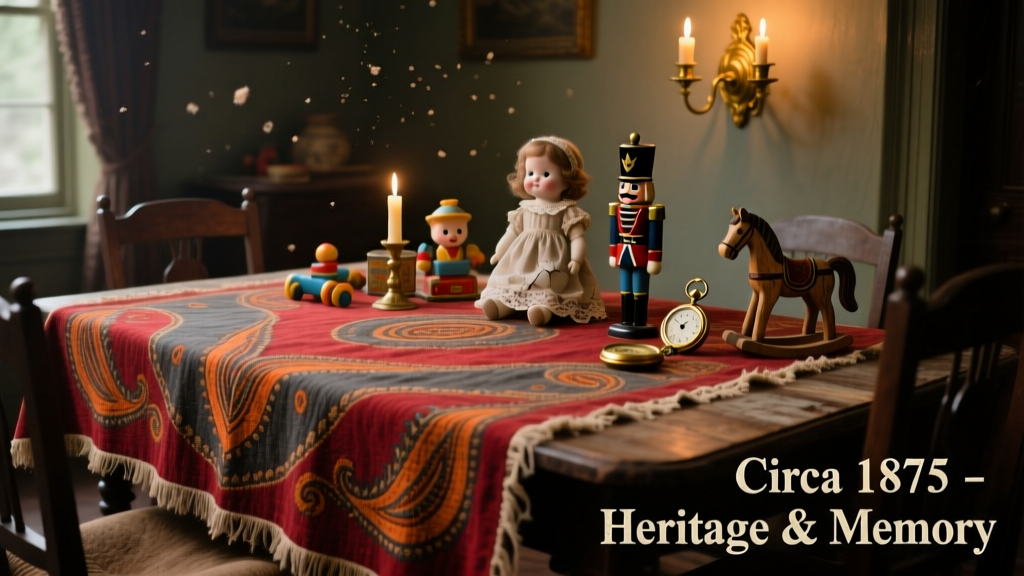
A Rare 1875 Wool Paisley Tablecloth: Provenance, Dye Chemistry, and Mid-Victorian Domestic Craftsmanship
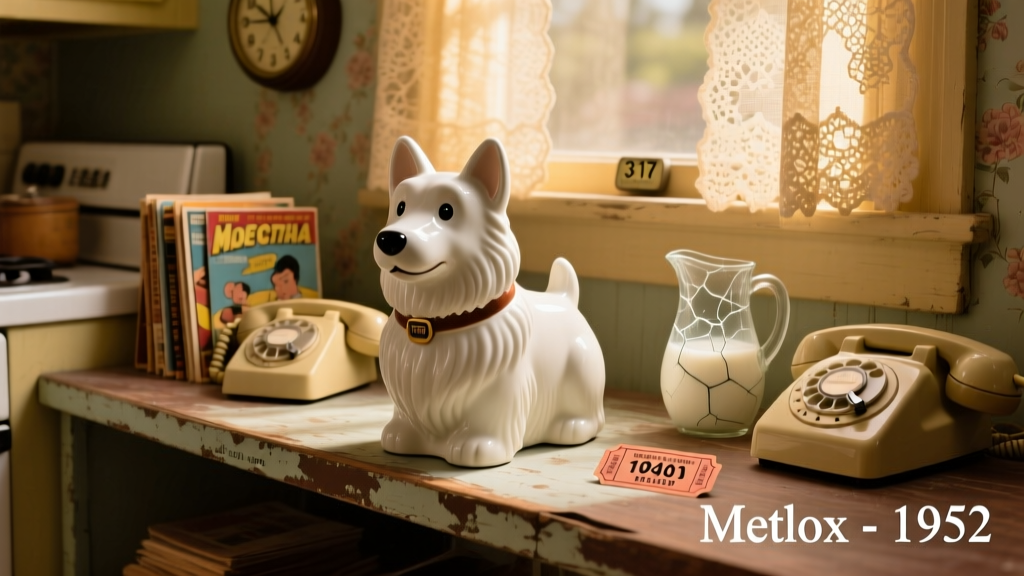
The White Scotty Dog Cookie Jar by Metlox: A Mid-Century Ceramic Icon
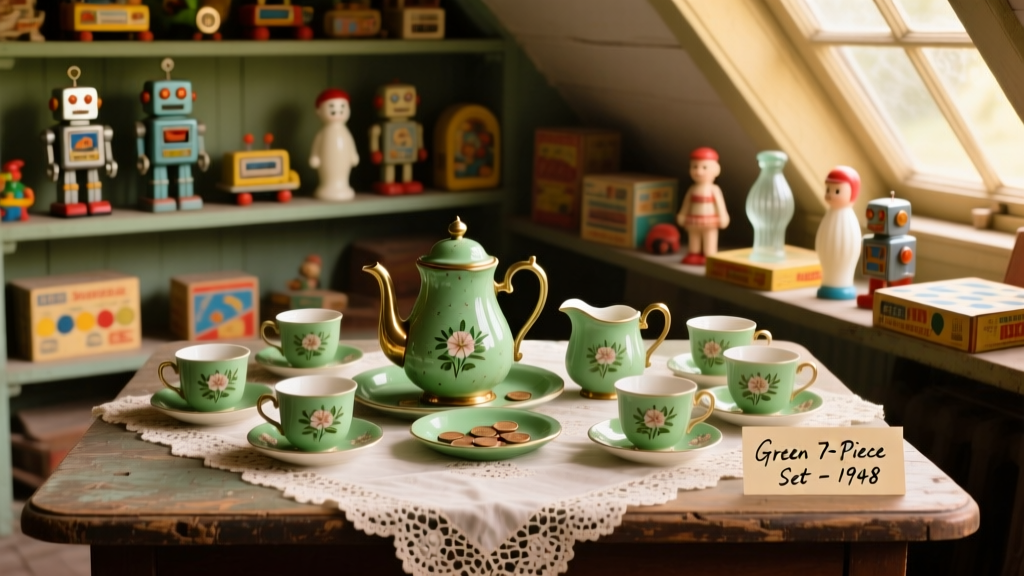
Coin Spot Water Set Green 7-Piece: A Mid-Century Playset Icon Revisited

Lefton Figurine Pixie Reclining: White Luster Bisque Face, 4-Inch Mid-Century Masterpiece
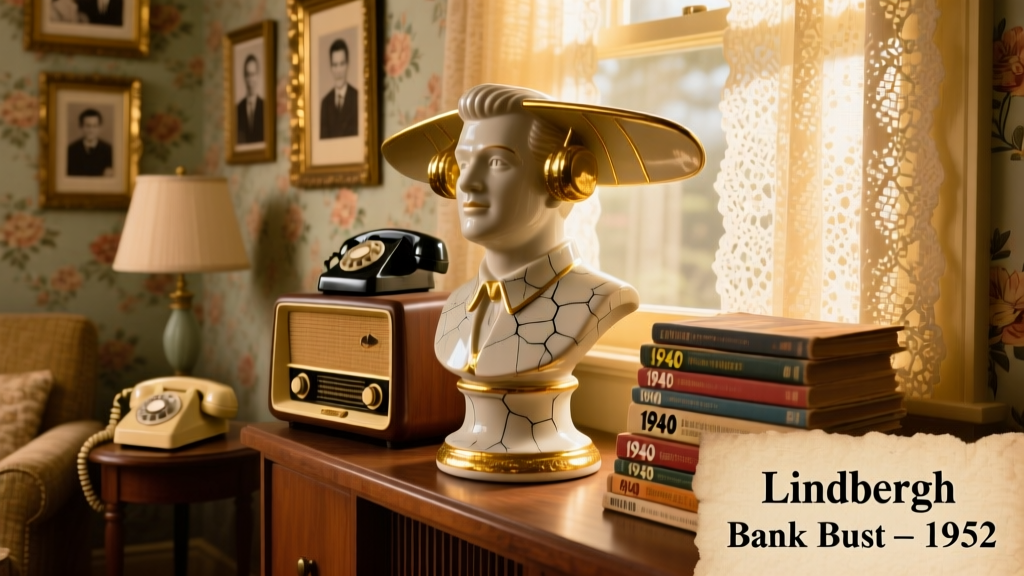
The Lindbergh Bank Bust: A Mid-Century Mechanical Marvel and Its Place in Toy History
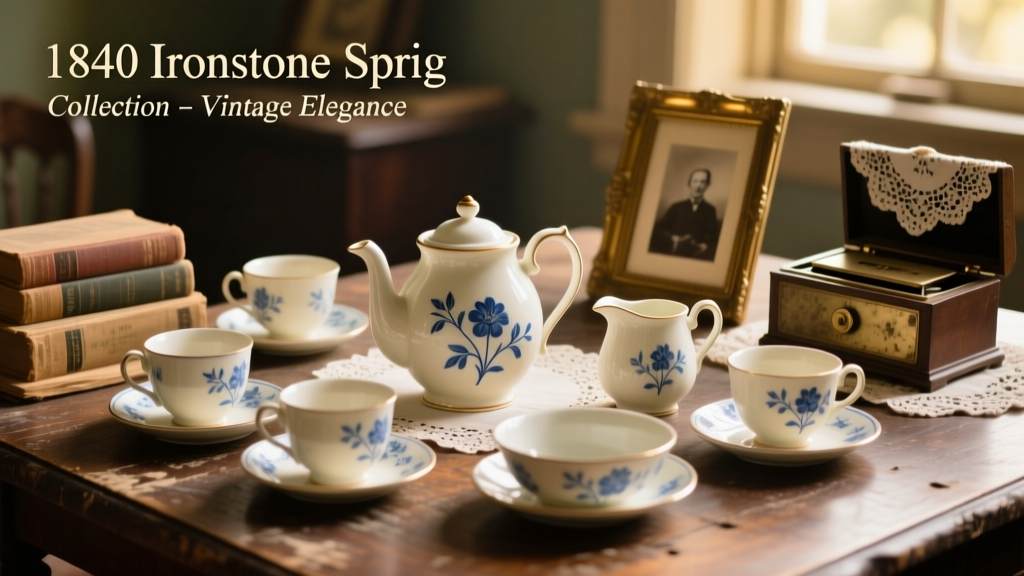
The Ironstone Tea Set 'Sprig' (1840): A Definitive Appraisal of the Nine-Piece Staffordshire Masterpiece
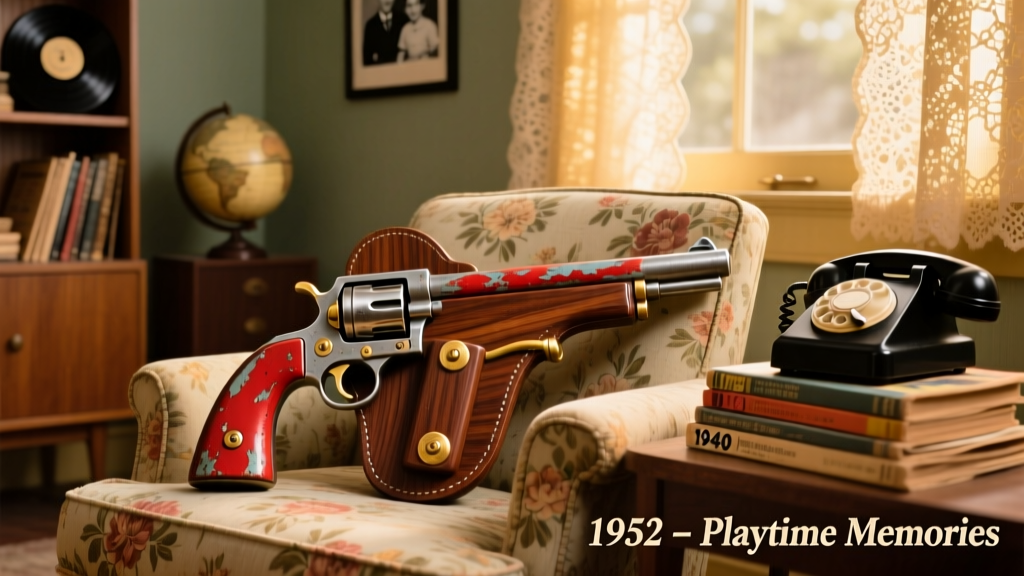
Toy Gun Holster Set Cap Gun: A Collector's Guide to Mid-Century Western Playsets (1946–1965)