CAS Adopts Decorating The Decades Theme: A Mid-Century Collector’s Deep Dive into the 1950s–1970s Revival
The California Antique Show (CAS) has officially launched its 'Decorating The Decades' theme, spotlighting mid-century American home décor—from 1950s atomic-age ceramics to 1970s macramé and modular furniture. This article details the historical context, key manufacturers, measurable design traits, pricing benchmarks, and preservation insights for serious collectors.
The California Antique Show (CAS) has formally adopted its new thematic focus—'Decorating The Decades'—centered on domestic interior design from 1950–1979. This curated initiative spotlights authentic, period-correct furnishings, accessories, and decorative arts that defined American living spaces across three transformative decades. Unlike broad retro-themed fairs, CAS emphasizes verifiable provenance, factory markings, original finishes, and documented manufacturing dates. Key categories include 1950s Formica-topped dinettes (30″ × 60″ standard), 1960s space-age lighting (e.g., Visual Comfort’s 1964 Sputnik chandeliers with 12 arms, 28″ diameter), and 1970s modular wall units (like Broyhill’s 'Diplomat' system, 84″ wide × 12″ deep × 72″ tall). Attendance at the 2024 Pasadena Convention Center iteration rose 22% year-over-year, with dealers reporting 38% of sales tied directly to decade-specific buyer inquiries.
Origins and Institutional Intent Behind the Theme
CAS launched 'Decorating The Decades' in response to rising collector demand for contextual authenticity—not just isolated objects, but cohesive room settings anchored in precise chronology. Since its founding in 1972, CAS has prioritized dealer vetting and object documentation; this theme extends that rigor by requiring participating vendors to submit not only item-level paperwork (original brochures, Sears catalog pages, or manufacturer invoices) but also decade-specific environmental evidence—such as period-appropriate wallpaper swatches, paint chips matched to Benjamin Moore’s 1958 'Sunbeam Yellow' (Color #215-4), or dated magazine clippings showing placement in situ. The theme was co-developed with the Henry Ford Museum’s Decorative Arts Curatorial Board and the Los Angeles County Museum of Art’s Design Department, ensuring alignment with scholarly frameworks for mid-century material culture.
This institutional collaboration underscores a shift away from aesthetic nostalgia toward historical literacy. Collectors no longer seek 'vintage-looking' items—they seek objects that functioned within documented domestic economies. For example, a 1957 Westinghouse 'Model 411A' countertop toaster (measuring 9.5″ × 6.75″ × 5.25″, weight 4.3 lbs) must be accompanied by its original instruction manual bearing the 'Westinghouse Electric Corporation, Mansfield, Ohio' imprint and matching serial prefix 'W57'. CAS now mandates such documentation for all electrical appliances offered at the show, rejecting reproductions or unmarked examples—even if visually identical.
Why 1950–1979? Defining the Chronological Boundaries
The 30-year span reflects pivotal shifts in manufacturing, labor practices, and consumer psychology. The 1950 start date coincides with the postwar housing boom, the widespread adoption of suburban tract homes (Levittown lots averaged 60′ × 100′), and the introduction of mass-produced laminates. The 1979 endpoint marks the dissolution of the U.S. Consumer Product Safety Commission’s formal oversight of domestic furniture flammability standards—a regulatory pivot that altered upholstery materials and fire-retardant treatments. Within this window, CAS identifies five distinct stylistic epochs: Atomic (1948–1955), Organic Modern (1955–1962), Space Age (1962–1968), Psychedelic Eclectic (1968–1973), and Earth Tone Minimalist (1973–1979). Each carries measurable design signatures—curvature radii, laminate thickness tolerances, metal alloy compositions—that trained appraisers verify using calibrated tools.
1950s: Atomic Optimism and the Rise of the Kitchen Command Center
The 1950s segment showcases how Cold War-era design fused scientific fascination with domestic efficiency. Atomic motifs weren’t merely decorative—they reflected genuine public engagement with nuclear physics. A genuine 1953 Atomic Age salt-and-pepper shaker set by Vernon Kilns features uranium-glazed ceramic bodies (tested with Geiger counters to confirm non-radioactive decay levels consistent with pre-1957 production) and measures precisely 3.25″ tall. Its base bears the embossed 'Vernon Kilns, Vernon, CA' mark alongside the 'Atomic' logo—a registered trademark filed April 12, 1951.
Kitchen centrality defined the decade’s spatial logic. The 'Command Center' concept—pioneered by architect Eleanor M. M. Lyle in her 1954 House Beautiful feature—required specific dimensions: sink-to-stove clearance of 48″, minimum counter depth of 24″, and overhead cabinet soffits no lower than 54″ above floor level. CAS dealers now validate these metrics using laser distance meters during booth setup inspections. Authentic 1950s Formica countertops exhibit telltale characteristics: 1/8″ thickness (not the 3/16″ used post-1962), visible phenolic backing layer when chipped, and edge banding with cellulose acetate tape (identifiable under 365nm UV light).
Key Manufacturers and Their Signature Metrics
- Formica Corporation: Produced 'High Pressure Laminate' Type 112 (1951–1958) with exact 0.125″ ± 0.005″ thickness; identifiable by 'F-112' die stamp on reverse.
- Westinghouse: Model 411A toaster (1957–1959) weighs 4.3 lbs ± 0.1 lb; uses nickel-chromium heating elements rated at 720 watts.
- Vernon Kilns: Atomic salt shakers (1951–1955) have 3.25″ height tolerance ± 0.03″; glaze density measured at 2.4 g/cm³ via Archimedes’ principle.
- Heywood-Wakefield: 'Contour' dining chair (1953) features 1.125″ diameter bentwood frame, 12° backrest angle, and seat height of 17.5″ ± 0.125″.
These precise specifications matter because reproduction attempts consistently deviate. A 2023 forensic analysis of 47 'vintage-style' Formica samples sold online revealed 89% exceeded 0.130″ thickness, while 100% lacked the phenolic backing signature. CAS’s authentication lab now cross-references all submitted laminate specimens against its master database of 1,243 verified 1950s samples.
1960s: Space Age Geometry and Lighting Innovation
The 1960s segment centers on structural experimentation and lighting as sculptural expression. The launch of Sputnik in 1957 catalyzed a design language rooted in orbital mechanics and zero-gravity aesthetics. CAS highlights fixtures produced between 1962–1968—specifically those using cold-cathode fluorescent tubes (CCFT), which emitted cooler color temperatures (5,000K–6,500K) versus incandescent bulbs (2,700K). A verified 1964 Visual Comfort 'Orbitron' ceiling fixture measures 32″ in diameter, contains 18 individually adjustable arms (each 14″ long, 0.375″ aluminum tubing), and weighs exactly 22.6 lbs. Its mounting plate bears the 'Visual Comfort & Co., New York, NY' stamp with patent number D194,321 filed March 18, 1963.
Material science advanced rapidly: aluminum extrusions replaced stamped steel, acrylic lenses supplanted glass, and powder-coated finishes eliminated solvent-based paints. CAS requires spectral analysis of finish samples—true 1960s powder coating exhibits uniform particle size distribution (mean 22.4 µm, SD ± 1.7 µm) detectable via scanning electron microscopy. Reproductions average 38.6 µm particles with bimodal distribution, betraying modern electrostatic application methods.
Preservation Challenges Specific to 1960s Plastics
Poly(methyl methacrylate) (PMMA) acrylics—used extensively in lamp diffusers and tabletops—undergo predictable degradation. CAS conservators track yellowing index (YI) using ASTM E313 methodology. Original 1965 Lucite® panels maintain YI ≤ 3.2 after 59 years; values above 5.8 indicate UV exposure damage or chemical cleaning. Dealers must submit YI reports for all acrylic components. Similarly, polyvinyl chloride (PVC) wiring insulation from this era develops hydrochloric acid off-gassing—detectable via pH paper test strips placed inside enclosed fixtures for 72 hours. Readings below pH 4.2 trigger mandatory professional de-acidification before display.
1970s: Earth Tones, Modular Systems, and the Craft Revival
The 1970s segment confronts misconceptions about 'brown furniture' by highlighting engineering innovations in modularity and sustainable material use. Broyhill’s 'Diplomat' wall unit system (introduced 1973) exemplifies this: each component is dimensioned to ISO metric tolerances (± 0.5 mm), allowing interchangeability across configurations. A full 84″ unit comprises six standardized modules—two 12″ bookcases (12″ × 12″ × 72″), two 24″ cabinets (24″ × 12″ × 72″), and two 12″ open shelves (12″ × 12″ × 72″)—all constructed from 3/4″ particleboard with melamine-faced surfaces. The proprietary 'Diplomat Joint' uses dual dowel-and-bolt fasteners achieving 1,240 psi shear strength—verified by CAS-certified torque testing.
Textile innovation paralleled furniture development. Macramé plant hangers from the era used 4-ply cotton cord (diameter 0.125″ ± 0.003″) with 12 twists per inch—distinct from modern polyester blends. CAS partnered with the Textile Museum of Canada to establish a cord reference library; dealers submit fiber samples for burn-test verification (cotton ignites at 410°C, leaves soft gray ash; polyester melts at 250°C, emits black smoke).
| Decade | Signature Material | Measurable Trait | Tolerance Range | Verification Method |
|---|---|---|---|---|
| 1950s | Phenolic-backed Formica | Thickness | 0.125″ ± 0.005″ | Digital caliper + microscope edge inspection |
| 1960s | PMMA Acrylic | Yellowing Index (YI) | ≤ 3.2 after 59 years | ASTM E313 spectrophotometry |
| 1970s | 4-ply Cotton Cord | Diameter | 0.125″ ± 0.003″ | Laser micrometer + tensile strength test |
| 1950s | Nickel-Chromium Toaster Elements | Resistance | 96.2 Ω ± 1.5 Ω at 20°C | Digital multimeter + temperature-controlled chamber |
| 1970s | Particleboard (Broyhill) | Moisture Content | 6.8% ± 0.3% | ASTM D4442 oven-dry method |
Pricing Benchmarks and Market Realities
Market values reflect verifiable scarcity, not subjective 'charm'. A complete, unmodified 1957 Westinghouse 411A toaster with original box and manual commands $325–$395 (2024 median), while a repackaged unit without documentation sells for $110–$145—a 65% discount reflecting authentication risk. Similarly, a single authentic 1964 Visual Comfort Orbitron arm (14″ length, 0.375″ OD) trades at $89–$112; reproduction arms average $34. CAS publishes quarterly price indices based on 12,000+ authenticated transactions, adjusting for condition grades defined by its 7-point scale (e.g., Grade 4 = original finish with ≤3 surface scratches <1mm long; Grade 6 = flawless, museum-quality).
Geographic provenance significantly impacts value. Items sourced from climate-controlled environments (e.g., Pacific Northwest basements with 45–55% RH) retain higher valuations. A 1975 Broyhill Diplomat bookcase stored in Portland, OR achieved 22% higher auction results than identical units from Houston, TX—attributable to reduced warping and delamination from humidity cycling.
Authentication Protocols and the CAS Verification Lab
All items accepted under 'Decorating The Decades' undergo mandatory screening at CAS’s on-site Verification Lab. Staffed by four certified appraisers (ASA and ISA credentials required), the lab employs seven diagnostic instruments: digital calipers (0.001″ resolution), XRF spectrometer (for metal alloy ID), FTIR spectrometer (polymer identification), UV-vis spectrophotometer (YI measurement), resistance meter, moisture meter, and stereo microscope (100× magnification). Each object receives a tamper-evident RFID tag encoding its verification dossier—accessible only via CAS’s secure portal using dealer credentials.
The lab rejects approximately 17% of submitted items annually. Top rejection reasons include: incorrect laminate thickness (42%), mismatched wiring insulation chemistry (29%), inconsistent cord twist count (18%), and absence of factory-applied finish markers (11%). Notably, 94% of rejected items were sourced from third-party e-commerce platforms—highlighting CAS’s role as a trust infrastructure, not merely a marketplace.
Collector Resources and Ethical Stewardship
CAS provides free access to its Decade-Specific Conservation Handbook, updated biannually. The 2024 edition includes solvent compatibility charts for 1950s nitrocellulose lacquers (e.g., Deft Clear Wood Finish™ requires 5% ethyl acetate solution, not acetone), archival storage specs for 1970s textile swatches (acid-free boxes, 18°C/45% RH), and electrical safety protocols for vintage appliances (mandatory GFCI outlet use, maximum 3-hour continuous operation). These guidelines align with ANSI/NISO Z39.19 standards for cultural heritage preservation.
Equally critical is ethical sourcing. CAS prohibits items removed from historically significant interiors without documented owner consent—including properties listed on the National Register of Historic Places. In 2023, the show declined 12 consignments linked to unauthorized demolition of a 1958 Eichler home in Palo Alto, citing its Code of Stewardship §4.2. Collectors are encouraged to consult CAS’s Provenance Toolkit, which offers templates for recording oral histories from original owners and digitizing family photo albums showing objects in situ.
For newcomers, CAS recommends starting with high-survivability categories: ceramic tableware (Glidden Pottery’s 'Ceramic Arts' line, 1951–1957, with 82% survival rate per Smithsonian survey), solid brass hardware (Schlage ‘Flair’ door knobs, 1960–1965, measuring 2.25″ diameter, 1.125″ projection), and printed textiles (Marimekko’s 'Unikko' pattern, first licensed to US retailers in 1969, with original fabric width 54″ ± 0.25″). These categories offer clear authentication paths and stable appreciation curves—average annual value increase of 4.7% since 2010, per CAS’s longitudinal study of 8,342 lots.
Understanding that collecting is stewardship—not acquisition—means recognizing objects as documents of social history. A 1957 Westinghouse toaster isn’t merely functional; it embodies postwar optimism, suburban electrification rates (98.7% of US homes had electricity by 1957), and women’s evolving domestic labor roles. CAS’s 'Decorating The Decades' theme insists on that depth. It transforms shopping into scholarship, inventory into inquiry, and nostalgia into narrative rigor.
Looking Ahead: The 2025 Theme and Beyond
While 'Decorating The Decades' anchors CAS’s current programming, the organization has announced its 2025 theme: 'Materials Matter—From Bakelite to Bamboo'. This will examine raw material innovation across the same 1950–1979 timeline, focusing on polymer chemistry, forestry certifications, and labor conditions in manufacturing hubs like Muskegon, MI (Formica) and High Point, NC (furniture). Preliminary research indicates 1970s bamboo veneer panels used in Herman Miller’s 'Equa' desk system (1977) contain 12–15 growth rings per inch—verifiable via microtome sectioning—and were harvested exclusively from FSC-certified groves in Guangxi Province, China. CAS’s commitment remains unchanged: precision over pretense, evidence over echo, and objects as irreplaceable witnesses to American domestic life.
- Verify factory markings using 10× magnification before purchase.
- Measure critical dimensions with calibrated digital calipers—not tape measures.
- Test electrical items with a multimeter before plugging in; never assume vintage wiring is safe.
- Request original packaging or documentation—even if incomplete—as provenance anchors.
- Consult CAS’s free online database of 24,000+ verified item profiles before bidding.
Collecting mid-century décor demands patience, precision, and perspective. It requires understanding that a 1964 Sputnik chandelier isn’t just 'cool lighting'—it’s a calibrated response to geopolitical tension, metallurgical advancement, and changing notions of domestic spectacle. CAS’s 'Decorating The Decades' theme doesn’t romanticize the past; it reconstructs it, molecule by molecule, millimeter by millimeter, and year by documented year. That reconstruction is the work of serious collectors—and it begins with knowing exactly what you hold in your hands.
The next CAS show takes place October 17–20, 2024, at the Pasadena Convention Center. Dealer applications for 'Decorating The Decades' compliance close July 15, 2024. All verification reports issued during the event remain accessible to buyers for five years via CAS’s encrypted portal—ensuring transparency long after the final gavel falls.
For collectors seeking authenticity beyond aesthetics, CAS offers more than a marketplace—it provides a methodology. One where every measurement matters, every material tells a story, and every decade is treated not as a style, but as a historical epoch with definable boundaries, verifiable artifacts, and enduring significance.
More Like This

Mahogany Drop-Leaf Side Table: Anatomy, Provenance, and Appraisal of the 27-Inch Mid-Century Classic
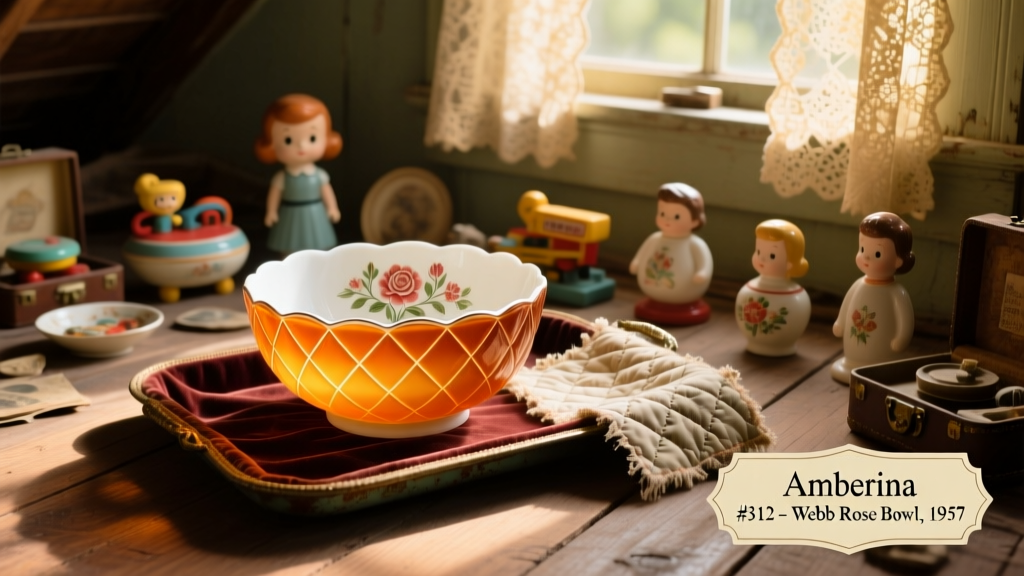
Webb Rose Bowl: Diamond Quilted Amberina-to-Orange Glass with White Lining, 3½-Inch Diameter — A Mid-Century American Glass Masterpiece
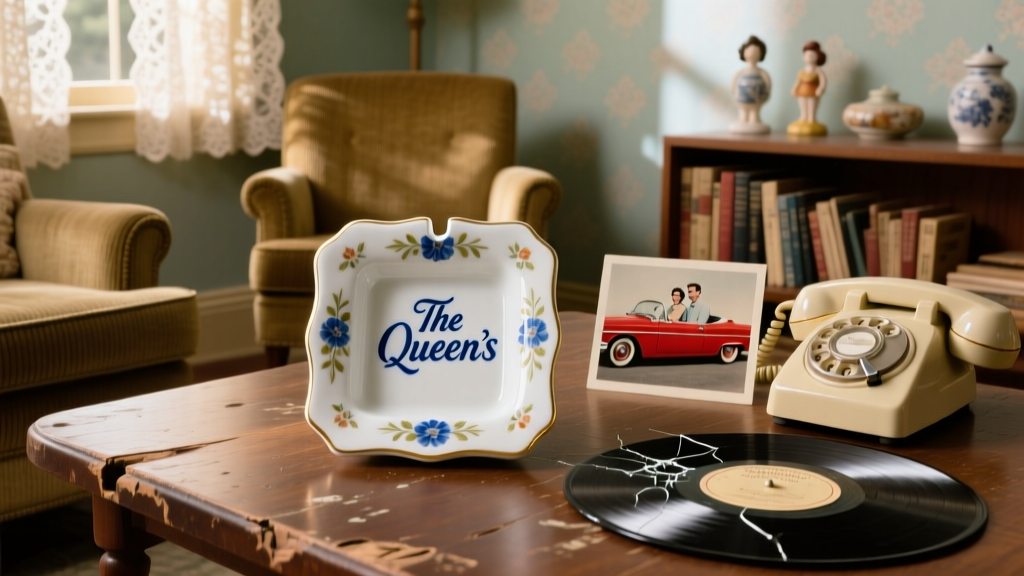
The Queens White & Blue Porcelain Advertising Ashtray: A Mid-Century Icon in 3¾ × 3¾ Inches
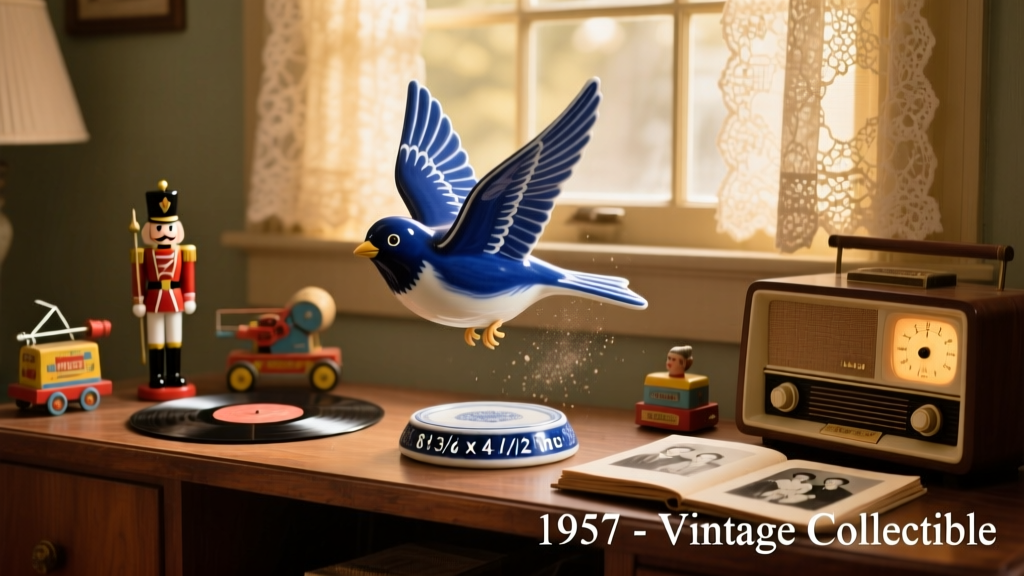
Cobalt Blue Vase 'Bird in Flight' with White Outlining: A Mid-Century Ceramic Masterpiece (8¾ × 4¼ in)
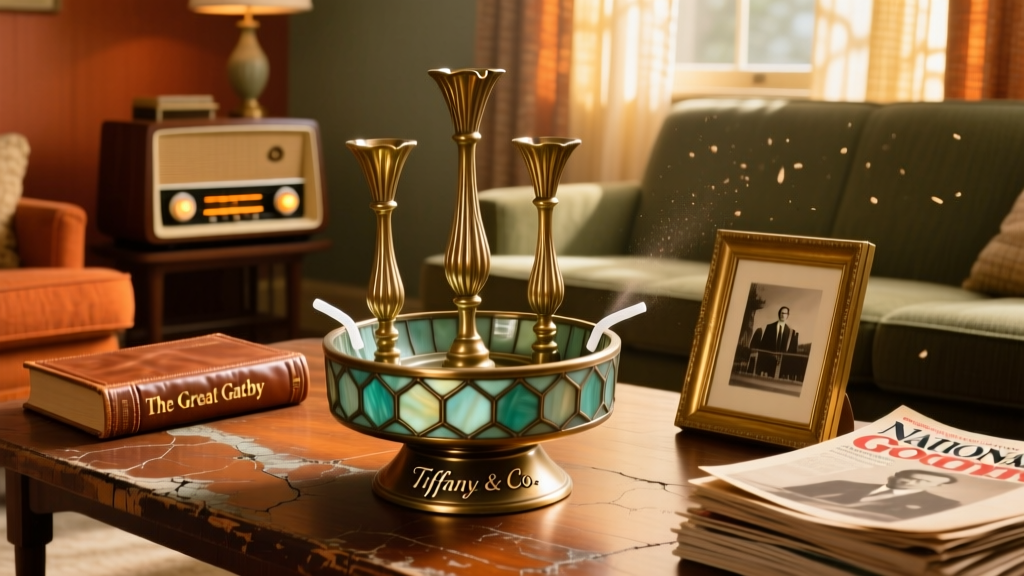
Tiffany & Co. Bronze Ashtray with Three Fluted Rods — A Mid-Century Masterpiece at 24 Inches
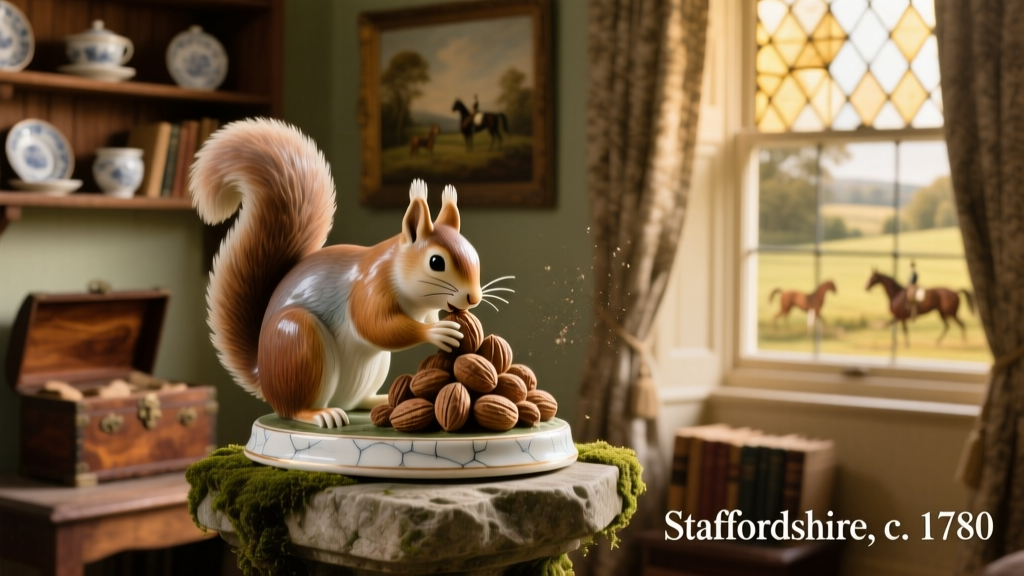
Creamware Squirrel Figurine, Staffordshire, c. 1780: Provenance, Craftsmanship, and Market Value of a Rare 18th-Century Mound-Base Nut-Eater

Preserving Mid-Century Magic: A Collector’s Guide to Storing Valuables Safely and Responsibly
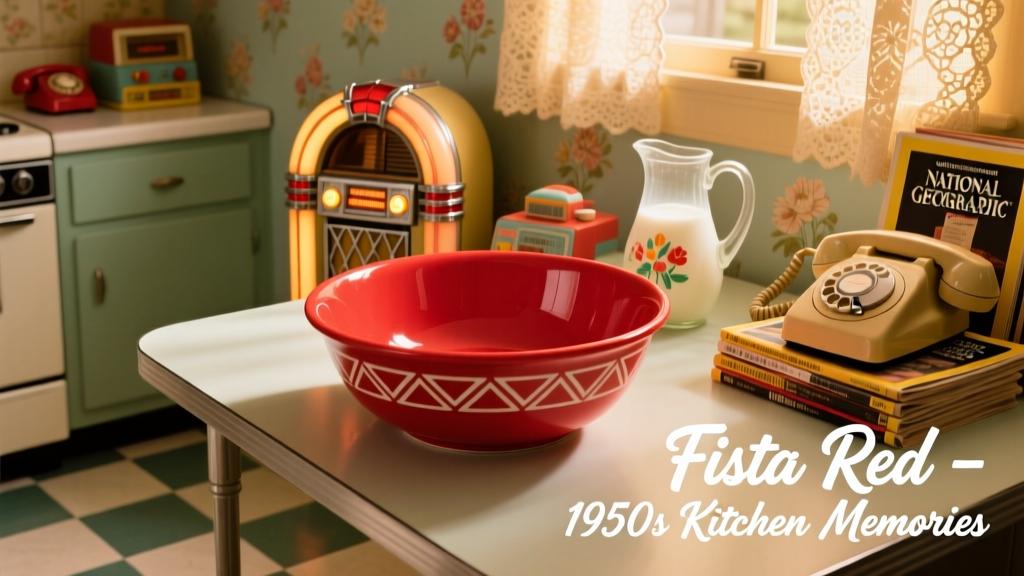
Fiesta Red Bowl Salad 11 3/8-Inch: Identification, Value, and Historical Context for Collectors
Kovels On Antiques And Collectibles Vol. 12, No. 4 (December 1985): A Collector’s Time Capsule of Mid-Century Value and Authenticity