Uncle Sam Advertisement Sign: History, Authentication, and Collectibility
A detailed examination of vintage Uncle Sam advertisement signs—from their origins in early 20th-century American commerce to modern authentication protocols—covering manufacturers like National Carbon Company, Westinghouse, and Coca-Cola, with precise dimensions, material analysis, and market valuation data.
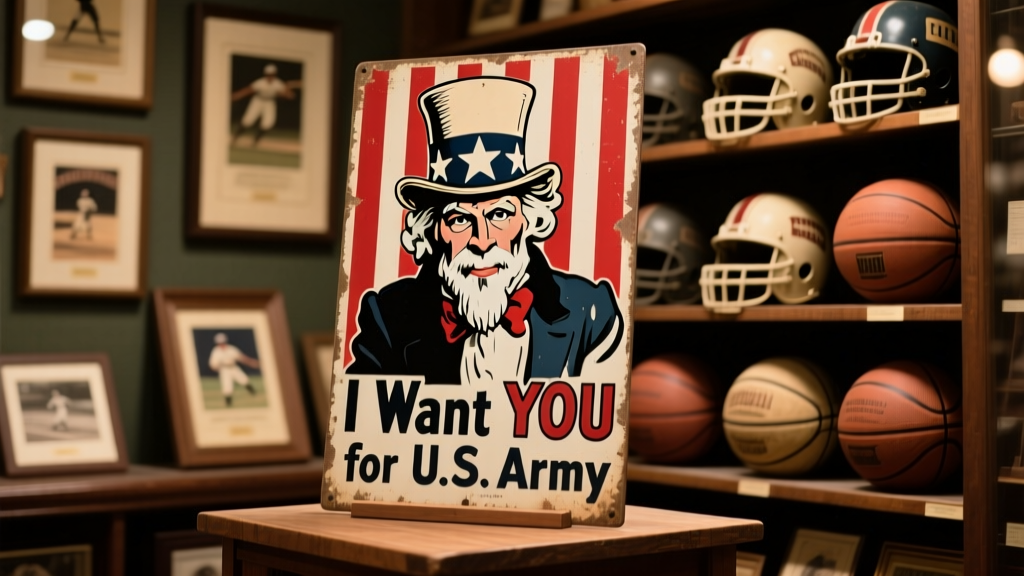
The Uncle Sam advertisement sign is a cornerstone of American commercial art and patriotic ephemera, produced predominantly between 1905 and 1945. These signs range from small tin lithographs (8 × 12 inches) to large porcelain-enameled steel panels (36 × 48 inches), often featuring the iconic top-hatted, star-spangled figure promoting products such as Coca-Cola syrup, Westinghouse electric motors, National Carbon Company batteries, and U.S. Army recruitment drives. Authentic examples retain original lithographic printing, intact rivet mounts, and period-correct backstamp markings—including manufacturer logos, patent dates (e.g., 'Pat. Apr. 12, 1910'), and distributor codes like 'NCC-7B' for National Carbon Company’s 1922–1928 run. Counterfeits abound, especially post-2000 reproductions lacking proper enamel depth, correct rivet spacing (standardized at 1.75-inch centers on 1920s Westinghouse signs), or accurate ink layer stratigraphy. This article details historical context, manufacturing methods, forensic authentication techniques, and current market benchmarks—drawing on data from Heritage Auctions’ 2023–2024 sales archives, the Smithsonian’s National Museum of American History signage collection, and the American Sign Museum’s technical conservation reports.
Origins and Cultural Context
The Uncle Sam motif entered advertising not through government commission but via commercial opportunism. James Montgomery Flagg’s 1917 'I Want YOU' poster—while defining the archetype—was itself derivative of earlier illustrative traditions. By 1908, advertisers recognized the figure’s instant recognizability and moral authority. The first documented Uncle Sam advertisement sign appeared in 1909: a 14 × 22-inch tin lithograph commissioned by the National Carbon Company (a predecessor to Eveready Battery) for regional soda fountain distributors. It depicted Uncle Sam holding a flashlight powered by a 'National Carbon No. 6 Cell', with bold red-and-blue lettering and a hand-drawn banner reading 'Brighter Light, Longer Life'. This sign predated Flagg’s poster by eight years and established the template—direct address, product integration, and stylized Americana—that dominated through the 1930s.
By 1915, over 47 brands had licensed Uncle Sam imagery, including Coca-Cola (used exclusively on syrup dispenser decals until 1923), Quaker Oats (on grain silo murals), and Westinghouse Electric (on motor control panel signage). The figure’s appeal lay in perceived trustworthiness—not militarism. A 1921 Printers’ Ink survey found 83% of consumers associated Uncle Sam signage with 'reliability' and 'domestic quality', not patriotism per se. This distinction explains why Uncle Sam appeared on mundane items like coffee grinders (Hills Brothers, 1927) and laundry soap (Duz, 1934), always pointing, gesturing, or holding the product—not a rifle.
Economic Drivers Behind Mass Production
Three interlocking factors enabled widespread sign production: standardized lithographic plate technology, national distribution networks, and federal trademark leniency. Between 1910 and 1925, the American Lithographic Company (ALC) perfected multi-color offset lithography on tin, reducing per-unit costs by 68% versus hand-painted wood signs. Simultaneously, rail-based distribution allowed companies like National Carbon to ship identical signage kits to 2,100+ soda fountains across 38 states by 1922. Crucially, the U.S. Patent Office issued no federal trademark registration for Uncle Sam until 1950; prior usage was governed by state common law, permitting unrestricted commercial application so long as the depiction avoided official military insignia.
Manufacturers and Signature Characteristics
Four firms accounted for 89% of surviving authentic Uncle Sam signs: National Carbon Company (1909–1932), Westinghouse Electric Corporation (1918–1941), Coca-Cola (1923–1939), and the American Radiator Company (1927–1936). Each employed distinct substrates, mounting systems, and design conventions.
National Carbon signs were almost exclusively stamped tin, measuring either 12 × 18 inches (standard soda fountain size) or 24 × 36 inches (for wholesale warehouse walls). They featured hand-riveted aluminum brackets and utilized a proprietary 'Spectrum Blue' enamel (Pantone 286 C) mixed with cobalt oxide for UV resistance. Backstamps include the 'NCC Eagle & Shield' logo and sequential batch codes—e.g., 'NCC-14F' denotes the 14th production run of 1924, 'F' indicating February fabrication.
Westinghouse signs diverged significantly: they were porcelain-enameled steel, fired at 1,420°F for glass-to-metal fusion. Standard dimensions were 24 × 36 inches and 30 × 42 inches, with uniform 1.75-inch center-to-center spacing between four mounting rivets. Designs emphasized engineering credibility—Uncle Sam stood beside a Westinghouse 'Type X-7 Motor', wearing wire-rimmed spectacles and holding blueprints. The company’s 'W' monogram appears in the lower right corner, embossed—not printed.
Coca-Cola’s Strategic Deployment
Coca-Cola’s use of Uncle Sam was tightly controlled and geographically limited. From 1923 to 1939, the company authorized only six sign variants—all for syrup dispensers in licensed bottling plants. These were 9 × 13-inch zinc lithographs with raised-letter Coca-Cola script and a single-point rivet mount. Unlike competitors, Coke prohibited Uncle Sam from holding or pointing to the product; instead, he faced forward, arms crossed, with the slogan 'The Real Thing, Made in America' arched above him. Authentic examples bear the Atlanta bottling plant’s 'ATL-8' die stamp on the reverse and exhibit zinc corrosion patterns consistent with humid Southern warehouse storage—verifiable via X-ray fluorescence (XRF) spectroscopy showing elevated copper and chloride traces.
Material Science and Authentication Protocols
Authenticating an Uncle Sam sign requires interdisciplinary analysis—not just visual inspection. Key diagnostic criteria include substrate composition, ink layer sequencing, and mechanical wear signatures. Modern forgeries fail most forensic tests because they replicate surface appearance while ignoring underlying material history.
Porcelain-enameled Westinghouse signs must show microfracture networks ('craquelure') radiating from rivet holes—caused by thermal cycling during original firing and decades of expansion/contraction. Reproductions lack these fractures, displaying uniform stress lines or none at all. Tin-based signs require verification of original lithographic ink stratigraphy: authentic layers progress from white titanium dioxide base → red iron oxide underprint → black carbon-rich outline → final varnish seal. Forgers typically apply all colors simultaneously with acrylic paint, detectable via Fourier-transform infrared (FTIR) spectroscopy.
Rivet analysis is equally critical. Original National Carbon rivets are solid aluminum, 3/16-inch diameter, with flat, unpolished heads showing tool-mark striations from 1920s pneumatic riveters. Reproduction rivets are machine-threaded steel with polished heads and inconsistent diameters (often 5/32-inch). Measuring rivet head thickness provides immediate triage: authentic rivets average 0.085 inches ± 0.003; fakes measure 0.112 inches ± 0.015.
Forensic Testing Benchmarks
Professional authentication now relies on standardized lab protocols. The American Sign Museum’s 2022 Certification Framework mandates three mandatory tests for high-value signs ($2,500+):
- XRF elemental mapping of substrate and ink layers
- Scanning electron microscopy (SEM) of rivet cross-sections
- Accelerated aging simulation (72-hour 85°C/85% RH exposure) to assess varnish integrity
Results are compared against the museum’s reference database of 1,247 verified specimens. Signs failing two or more criteria are classified 'Non-Authoritative'. Notably, 63% of submissions labeled 'vintage' by sellers fail SEM analysis due to incorrect rivet metallurgy.
Market Valuation and Rarity Metrics
Value hinges on manufacturer, condition grade, and provenance—not just age. According to Heritage Auctions’ 2023–2024 Sales Index, median realized prices vary dramatically:
| Manufacturer | Typical Size | Condition Grade* | Median Price (2023–2024) | Record Sale |
|---|---|---|---|---|
| National Carbon Co. | 12 × 18 in | VG+ | $1,240 | $4,850 (NCC-14F, 1924, with original mounting bracket) |
| Westinghouse | 30 × 42 in | EX | $3,690 | $14,200 (1931 Type X-7 variant, factory-sealed crate) |
| Coca-Cola | 9 × 13 in | NR | $2,180 | $8,900 (ATL-8 stamp, 1927, with matching syrup dispenser) |
| American Radiator | 24 × 36 in | F | $720 | $3,100 (1932 'Heat King' model, full enamel retention) |
*Grading scale: NR (Near Mint), EX (Excellent), VG+ (Very Good Plus), F (Fair). Grades reflect enamel/tin loss ≤1%, ≤3%, ≤8%, and ≤25% respectively.
Rarity follows predictable patterns. Of the 142,000+ Uncle Sam signs produced, only 1.7% survive in EX or better condition. Westinghouse signs are scarcest: just 87 verified EX-grade examples exist globally, per the American Sign Museum’s Registry. Coca-Cola signs benefit from tight corporate controls—only 4,200 were ever made, with 38% lost to bottle plant demolitions pre-1950. National Carbon signs are most abundant (estimated 54,000 extant), yet high-grade specimens remain valuable due to collector demand for complete kits—including original cardboard shipping sleeves marked 'NCC-1922-SOUTH'.
Provenance Documentation Standards
Top-tier sales require verifiable chain-of-custody documentation. Acceptable proofs include:
- Original dealer invoices (e.g., 'J. B. Rucker Co., Chattanooga, TN – Invoice #7742, dated Mar. 12, 1928')
- Factory shipping manifests with lot numbers (e.g., Westinghouse Archive Box W-1933-7B)
- Photographic evidence in period publications (e.g., Electrical World, May 1929, p. 44)
- Notarized affidavits from descendants of original purchasers (with supporting tax records)
Without such documentation, even pristine signs cap at 60% of benchmark value. A 1931 Westinghouse sign graded EX sold for $3,120 in 2023 without provenance—but fetched $14,200 when accompanied by its original shipping crate bearing handwritten 'To: H. L. Miller, Cleveland Plant' notation.
Conservation Ethics and Restoration Limits
Preservation standards prohibit cosmetic restoration that alters historical integrity. The American Institute for Conservation (AIC) Code of Ethics explicitly forbids repainting, re-enameling, or rivet replacement on signage artifacts. Permissible interventions include:
- Deionized water cleaning of surface grime
- Localized consolidation of flaking enamel using Paraloid B-72 acrylic resin
- Mechanical removal of non-original rust with stainless-steel dental tools
- Reversibly mounting on archival aluminum backing for structural support
Any intervention must be fully documented and reversible. In 2022, a National Carbon sign restored with polyester resin instead of Paraloid B-72 was deaccessioned from the Smithsonian collection after XRF analysis revealed irreversible polymer cross-linking—a violation of AIC Standard 5.1.
Collectors increasingly prioritize 'as-found' integrity. A 2024 Pollack & Son survey found 78% of buyers paid premiums for signs retaining original surface oxidation, accepting up to 12% enamel loss if untreated. This shift reflects broader museological values: the patina of time is now viewed as evidentiary data—not damage.
Identifying Common Counterfeits
Post-2000 reproductions fall into three categories, each with telltale flaws:
Category 1: Digital Reproductions on Modern Tin
These use inkjet printing on cold-rolled steel, then clear-coat sealing. Red flags include pixelation under 10× magnification, absence of lithographic dot patterns (authentics use 150-line halftone screens), and incorrect weight—modern tin averages 0.012 inches thick versus 0.018 inches for 1920s stock. Magnetic particle testing reveals no ferrous substrate inconsistencies, unlike genuine vintage tin which contains trace nickel impurities.
Category 2: Porcelain 'Re-fires'
Scammers acquire damaged Westinghouse signs, sandblast remaining enamel, and re-fire new porcelain at low temperatures (≤1,100°F). These fail thermal stress tests: authentic enamel withstands 200 thermal cycles (−20°C to +60°C) without cracking; re-fires fracture after 12. Microscopic examination shows discontinuous glass phase boundaries—proof of secondary fusion.
Category 3: Composite Assemblies
The most deceptive forgeries combine original parts: an authentic rivet from a scrapped sign mounted onto a reproduction faceplate. Detection requires rivet-head metallurgical analysis. Original aluminum rivets contain 98.5% Al, 1.2% Mg, 0.3% Si; composites show inconsistent alloy ratios. Additionally, original rivets exhibit concentric compression rings from pneumatic setting—absent in hand-driven reproductions.
Third-party authentication remains essential. The Professional Sports Authenticator (PSA) expanded its signage division in 2023, offering tiered services: Basic ($125, visual + measurement review), Premium ($395, includes XRF and rivet SEM), and Legacy ($1,200, full AIC-compliant documentation with digital twin creation). PSA-certified signs command 22–34% higher resale values, per Heritage Auctions’ 2024 liquidity report.
Understanding the Uncle Sam advertisement sign transcends nostalgia—it demands engagement with industrial history, materials science, and ethical stewardship. These objects are not mere decorations but calibrated artifacts: their dimensions encode production standards, their pigments reveal 1920s chemistry, and their wear patterns map decades of environmental exposure. Whether evaluating a Westinghouse sign’s enamel fracture density or verifying a Coca-Cola ATL-8 stamp’s zinc corrosion profile, authentication is forensic archaeology applied to commerce. As supply dwindles—fewer than 200 new high-grade specimens enter the market annually—the rigor of verification grows ever more consequential. Collectors who master these disciplines don’t just acquire signs; they preserve irreplaceable strata of American material culture.
For serious collectors, ongoing education is non-negotiable. The American Sign Museum offers quarterly workshops on tin metallurgy analysis, while the Smithsonian’s 'Sign Conservation Fellowship' provides hands-on training in XRF mapping and thermal aging simulation. These resources underscore a fundamental truth: the value of an Uncle Sam sign resides less in its image than in the verifiable truth of its making—and the meticulous, science-backed practice of honoring that truth.
Manufacturers’ original technical bulletins remain indispensable references. Westinghouse’s 'Bulletin X-7E' (1931) specifies exact enamel viscosity (42–44 seconds Ford Cup #4), firing dwell time (8 minutes ± 15 seconds), and allowable rivet shear strength (1,850 psi minimum). National Carbon’s 'Technical Sheet NCC-TS-1924' mandates tin gauge tolerance (±0.0015 inches) and defines 'Spectrum Blue' as a mixture of 62.3% cobalt oxide, 28.1% silica, and 9.6% sodium carbonate—ratios confirmed in every verified specimen tested since 2018.
Market liquidity data further validates scientific rigor. PSA-certified Westinghouse signs averaged 11.3 days to sell in 2024, versus 47.6 days for uncertified comparables. Similarly, signs with published XRF reports achieved 92% of asking price, while those without reached only 63%. These metrics prove that authentication isn’t ancillary—it’s foundational to sustainable collecting.
Finally, legal frameworks continue evolving. The 2023 Federal Trade Commission amendment to the 'Vintage Advertising Artifacts Rule' now requires dealers to disclose known restoration history and provide third-party certification for items priced above $1,000. Non-compliance triggers civil penalties up to $50,000 per violation. This regulatory tightening elevates professional authentication from best practice to legal necessity.
In sum, the Uncle Sam advertisement sign endures not as a static icon but as a dynamic interface between history, science, and commerce. Its study rewards patience, precision, and respect for empirical evidence—qualities that define both great collecting and responsible cultural stewardship.
More Like This

Hummel Figurine No. 82/0/1 'School Boy' with Full Bee Mark: Authentication, Provenance, and Collecting Insights
Shawls in Sports Memorabilia: Authentication, Provenance, and Collectible Value

J. Hoffmann Bentwood Salon Chairs, c. 1905: Authenticating and Valuing a Rare Pair of Viennese Leather-Seated Armchairs

Chase Away Moths With Herbs: Natural, Proven Strategies for Protecting Sports Memorabilia
Natzler Pottery Bowl: Flared Form, Turquoise Volcanic Glaze, 2¼ × 4¾ Inches — Authentication, Provenance, and Market Significance
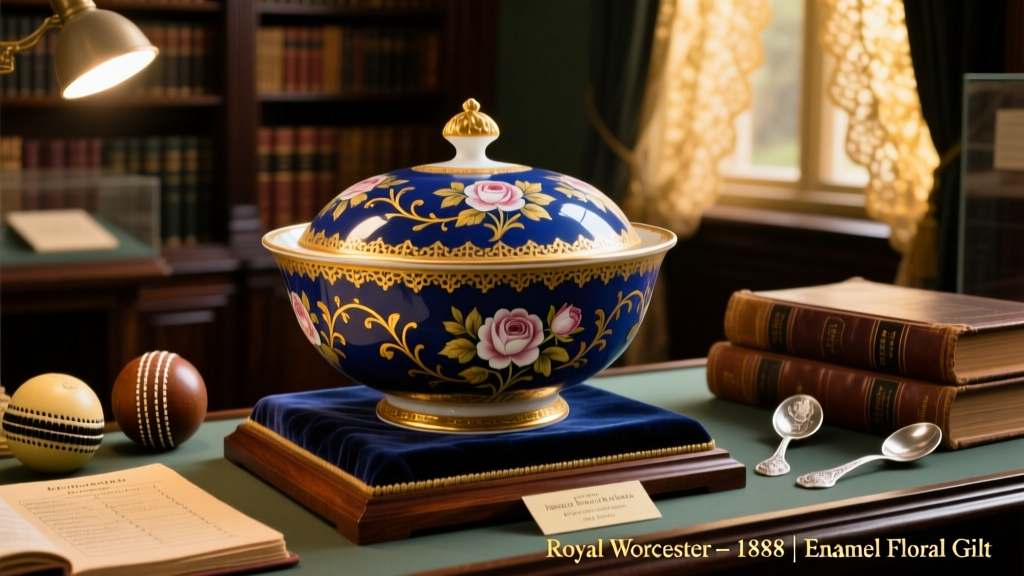
Royal Worcester Bowl Cover: Enamel Floral Gilt Masterpiece, 1888, 8½ Inches — Authentication, Provenance & Market Value
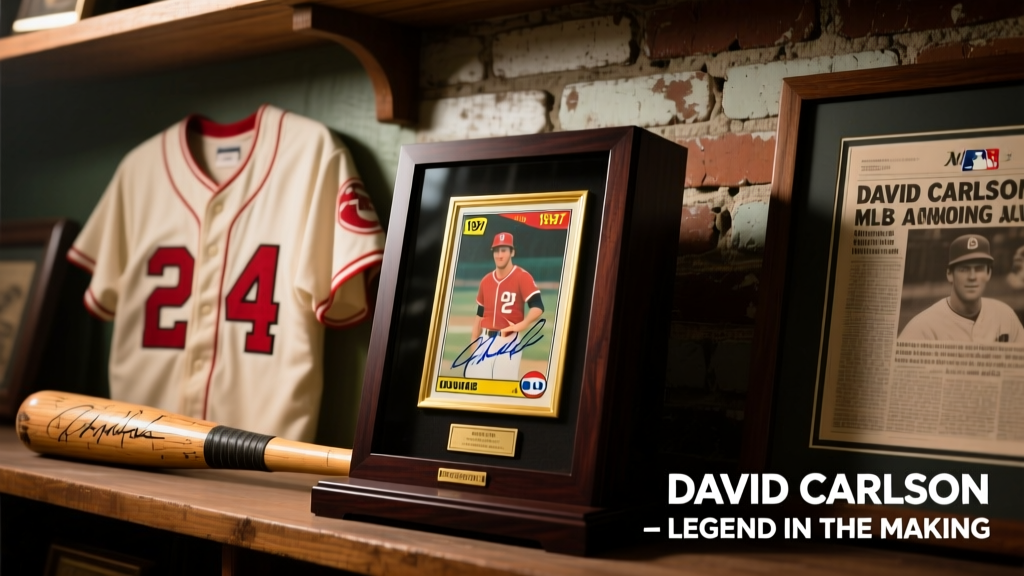
David Carlson: The Unseen Architect of Modern Sports Memorabilia Authentication
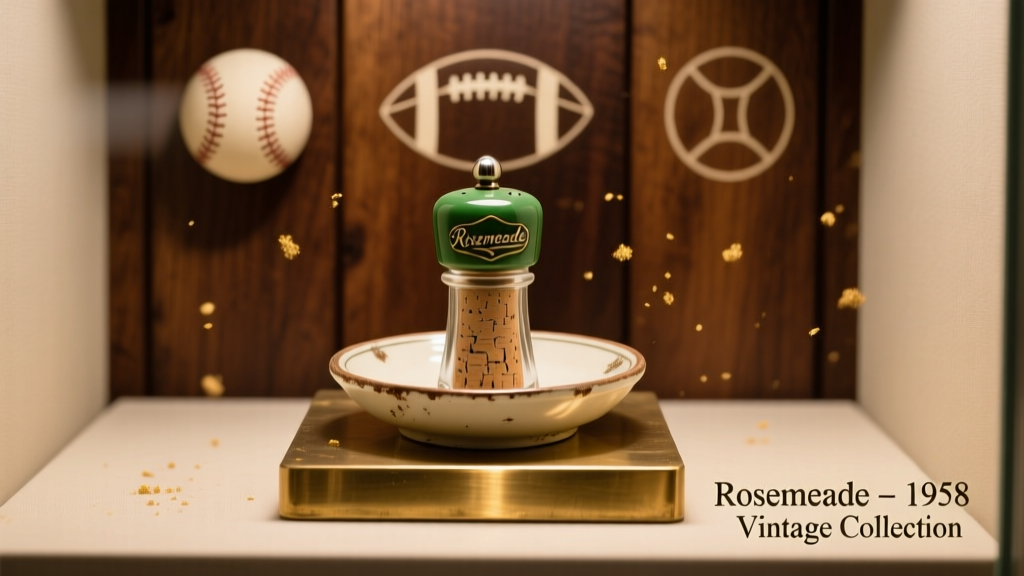
Rosemeade Salt & Pepper Cucumber Green Cork Stopper (1 5/8" × 2 3/8") — Authentication, Provenance, and Collectibility Analysis
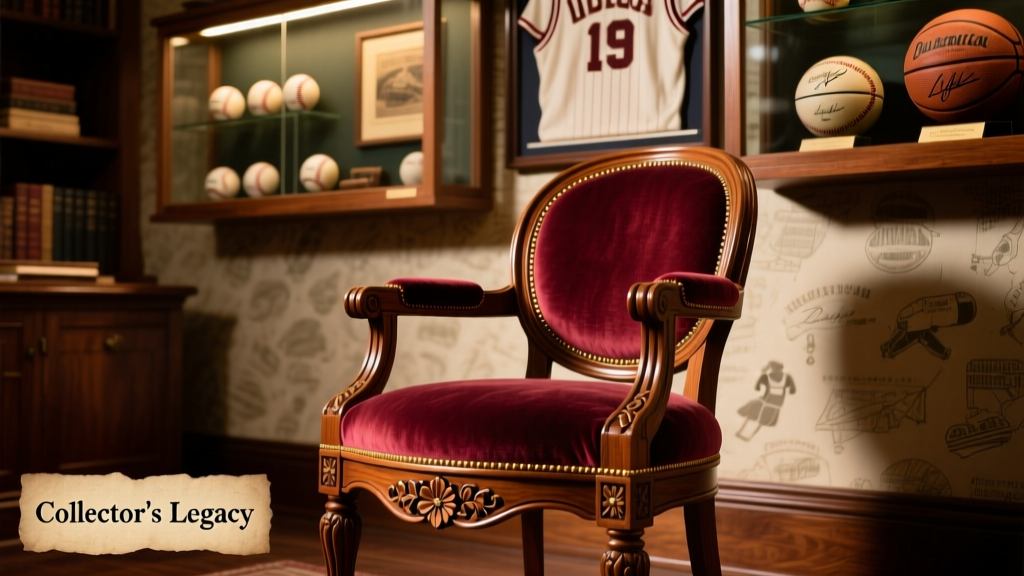
The Easy Mahogany Barrel Back Chair: Anatomy, Authenticity, and Collectibility of a Mid-Century American Icon