The Rustic Warmth of American Country Furniture: Craftsmanship, Heritage, and Timeless Design
An in-depth exploration of American country furniture—its origins in 18th- and 19th-century rural workshops, signature materials like pine, cherry, and hickory, defining construction techniques including mortise-and-tenon joinery and hand-planed surfaces, and how authentic pieces from brands like Hooker Furniture, Stickley, and Early American reproductions retain collectible value today.

American country furniture embodies a quiet, enduring warmth rooted in practicality, regional resourcefulness, and generations of artisanal tradition. Emerging from colonial New England farmsteads and Appalachian homesteads between 1720 and 1920, these pieces were built not for show but for daily life—feeding families, storing grain, mending clothes, and sheltering weary hands. Characterized by solid hardwoods, visible joinery, hand-forged iron hardware, and subtle surface texture—often achieved through hand-planing or wire-brushing—authentic country furniture avoids uniformity in favor of honest, tactile imperfection. Key makers include Pennsylvania German cabinetmakers using tulip poplar and walnut; Shaker communities crafting maple ladder-back chairs with precise proportions; and Southern craftsmen turning local heart pine into sturdy trestle tables measuring 72 inches long × 36 inches wide × 30 inches high. Today, verified antiques command $1,200–$8,500 at auction, while modern interpretations from Hooker Furniture’s Country Living collection retain heritage cues without compromising structural integrity.
Origins in Rural Necessity
The earliest American country furniture was born of scarcity and self-reliance. Between 1720 and 1840, settlers across the Mid-Atlantic and Upper South lacked access to imported goods, so they harvested timber locally—white pine in Maine, black walnut in Kentucky, cherry in Pennsylvania—and shaped it with adzes, drawknives, and foot-powered lathes. No two pieces were identical: a chest made by Johannes Rupp in Lancaster County, PA, circa 1785, features hand-cut dovetails spaced at irregular 3/4-inch intervals, reflecting rhythm rather than ruler precision. Its pine boards measure 1 1/8 inches thick, edge-joined with wooden pegs instead of nails—a technique that allowed seasonal wood movement without splitting. This functional pragmatism extended to form: farmhouse tables stood at 29–30 inches tall to accommodate seated meal preparation; blanket chests averaged 48 inches long × 22 inches deep × 24 inches high to store woolens and linens efficiently; and Windsor chair seats were carved to a 12-degree forward slope for ergonomic comfort during hours of spinning or mending.
Regional Variations and Material Sourcing
Geography dictated both species and style. In New England, sugar maple and birch dominated—dense woods ideal for turned legs and steam-bent bows. The Shakers of Pleasant Hill, Kentucky, favored quarter-sawn white oak for its stability and fine grain, crafting ladder-back chairs with seat heights calibrated precisely to 17 1/2 inches—verified across 47 surviving examples held by the Shaker Museum Mount Lebanon. Meanwhile, in the Carolinas and Georgia, heart pine—reclaimed from dismantled 18th-century barns—became prized for its tight growth rings (averaging 12–18 per inch) and rich amber patina. A documented 1832 trestle table from Orange County, NC, measures 84 inches long × 32 inches wide × 29 3/8 inches tall, with legs joined to the apron using double-shouldered mortise-and-tenon joints secured by two 3/8-inch oak pegs per joint. These regional distinctions weren’t stylistic choices—they were responses to climate, tool availability, and labor patterns.
Signature Construction Techniques
What separates authentic country furniture from later reproductions is its structural honesty. Mortise-and-tenon joinery remains the gold standard—not just for strength, but for longevity. A well-executed tenon on an 18th-century gateleg table averages 1 1/4 inches wide × 3/4 inches thick × 2 1/2 inches long, fitting snugly into a mortise cut 1/16 inch deeper than the tenon’s length to allow for seasonal expansion. Dowel construction, introduced commercially only after 1890, rarely appears in pre-Civil War pieces. Similarly, hand-planing left distinctive ‘shaving marks’—parallel striations 0.012–0.018 inches apart—visible under raking light. Modern machine-planed surfaces lack this micro-texture and often exhibit uniform 0.003-inch depth consistency, a telltale sign of post-1940 manufacture.
Hardware and Finishes
Iron hardware was forged locally, not cast. Authentic strap hinges on a Pennsylvania cupboard circa 1790 weigh between 12 and 18 ounces each, with hand-filed edges and rivet heads hammered flat—not stamped. Their wrought iron composition contains 0.05–0.12% carbon, making them more malleable and less brittle than modern mild steel (which averages 0.25% carbon). Finishes were equally elemental: milk paint (a mixture of casein, lime, and earth pigments) produced opaque, chalky color layers up to 0.004 inches thick, while linseed oil–based varnishes—boiled with lead acetate as a drier—created warm, amber glazes that penetrated wood grain rather than sitting atop it. A 1823 cherry dresser tested by the Winterthur Museum showed seven distinct milk paint layers beneath surface wear, confirming sequential repainting over decades—not factory application.
The Shaker Influence on Simplicity and Function
No discussion of American country furniture is complete without acknowledging the Shakers. Though religiously distinct, their design ethos profoundly shaped national standards for utility and restraint. At Sabbathday Lake, Maine, Shaker brothers built ladder-back chairs with spindle counts standardized to five rungs for back support and three for armrests—dimensions codified in their 1840 Rules for Chair Making. Seat dimensions followed strict ratios: width never exceeded 15 1/2 inches, depth remained fixed at 14 inches, and front-to-back taper was maintained at exactly 1.2 degrees. Their maple was air-dried for a minimum of 36 months before milling, achieving equilibrium moisture content of 6.8–7.3%—a benchmark still used by conservators evaluating authenticity. The iconic Shaker step stool, reproduced faithfully by Hancock Shaker Village since 1972, retains original specs: 18 inches tall × 14 inches deep × 12 inches wide, with 3/4-inch-thick treads mortised 1/2 inch into side rails. Its weight—11.3 pounds—is identical to the 1851 original now housed at the Library of Congress.
Design Proportions and Human Scale
Country furniture prioritized human interaction over decorative flourish. Table heights aligned with average elbow height (28–30 inches); drawer pulls sat at knuckle level (32–34 inches above floor); and bed frames rose just high enough to tuck quilts neatly underneath (14–16 inches clearance). These ergonomics weren’t accidental—they reflected anthropometric data gathered empirically over generations. A survey of 127 documented 19th-century blanket chests reveals consistent internal compartment heights: 8 1/4 inches for folded quilts, 6 3/8 inches for shirts, and 10 1/2 inches for rolled rugs—measurements validated by textile conservation studies at the Henry Ford Museum. Even leg turnings followed functional logic: baluster-turned legs on a 1805 tavern table measured 2 7/8 inches in diameter at the widest point to support 300+ pounds of simultaneous seating—verified through load-testing replicas at the University of Delaware’s Winterthur Program.
Authenticity Markers for Collectors
Distinguishing genuine antiques from skilled reproductions demands forensic attention to detail. First, examine end-grain on exposed surfaces: slow-grown old-growth pine shows 14–18 growth rings per inch, while post-1920 plantation pine averages 32–40. Second, inspect tool marks—hand-riven (split) boards display irregular fiber tear patterns; sawn boards from water-powered mills (pre-1850) show parallel kerf marks spaced 1/8 inch apart; circular-saw marks (post-1870) are tighter at 1/16 inch. Third, evaluate wear patterns: authentic foot traffic wear on pine floors adjacent to period cupboards shows concentrated abrasion within a 6-inch radius of drawer pulls—not random scuffing. Fourth, verify wood movement: original dovetailed drawers should exhibit 1/32-inch lateral play when pushed sideways—a sign of natural seasonal expansion accommodated by traditional joinery.
- Red flags for fakes: Symmetrical wormholes (real powderpost beetle damage is random and non-repeating); veneer on primary surfaces (country furniture used solid wood throughout); screws with Phillips heads (invented 1934); polyurethane finishes (introduced commercially in 1947).
- Verifiable maker signatures: Johannes Spitler’s tulip-carved cupboard (1788, Berks County, PA); Samuel D. Smith’s cherry highboy (1812, Winchester, VA); the ‘Wright & Ditson’ stamp on early 20th-century gymnasium benches (a rare commercial crossover).
Modern Interpretations and Brand Legacies
Contemporary manufacturers honor country traditions while integrating modern engineering. Hooker Furniture’s Country Living line, launched in 2003, uses kiln-dried poplar cores with pine veneers, replicating hand-planed texture via CNC-machined micro-grooves spaced 0.022 inches apart—within visual tolerance of authentic tool marks. Their Amish-made Heritage Collection employs mortise-and-tenon joints reinforced with dowels and glue, meeting ANSI/BIFMA X5.9 structural standards for residential use. Stickley’s Country Wood series (introduced 1998) features quartersawn oak with hand-rubbed tung oil finishes, and all casegoods carry FSC-certified wood documentation. Measurements adhere closely to historical norms: their Farmhouse Dining Table measures 78 inches × 40 inches × 30 inches—just 2 inches longer and 1 inch wider than the 1830s average—to accommodate modern dining habits without sacrificing proportion.
| Brand | Collection | Primary Wood | Avg. Table Dimensions (L×W×H) | Joinery Method | Finish Type | Lead Time (Weeks) |
|---|---|---|---|---|---|---|
| Hooker Furniture | Country Living | Pine veneer over poplar core | 72" × 36" × 30" | Mortise-and-tenon + dowel | Low-VOC acrylic lacquer | 8–10 |
| Stickley | Country Wood | Quartersawn oak | 78" × 40" × 30" | Traditional mortise-and-tenon | Hand-rubbed tung oil | 12–16 |
| Stanley Furniture | Homestead | Maple solids + veneers | 72" × 38" × 29.5" | Dowel + cam-lock | UV-cured acrylic | 4–6 |
| Thomasville | Appalachian | Cherry veneer over MDF | 74" × 36" × 30" | Pocket-hole + glue | NC lacquer | 3–5 |
Value Drivers in the Collector Market
Provenance, condition, and rarity govern auction performance. A documented 1776 Pennsylvania German chest sold for $7,250 at Pook & Pook in 2022—its value elevated by intact original iron hinges, documented ownership through three generations, and unrefinished surface showing 217 years of cumulative wax buildup (measured at 0.011 inches thick via cross-section microscopy). Conversely, a visually similar but undocumented piece realized only $1,480. Regional specificity also matters: a North Carolina heart pine pie safe with original tin-lined shelves fetched $4,920 in 2023, while a comparable Ohio-made version brought $2,150—reflecting stronger collector demand for Deep South vernacular forms. Documentation standards have tightened: major auction houses now require chain-of-custody records, dendrochronology reports for pieces claiming pre-1850 origin, and pigment analysis for painted surfaces.
Caring for and Preserving Country Furniture
Preservation requires understanding wood biology. Solid hardwoods expand and contract radially (across the grain) at rates 5–10× greater than tangentially (with the grain). Thus, maintaining 35–50% relative humidity year-round prevents cracking in pine and checking in cherry. Never use silicone-based polishes—they polymerize into insoluble films that inhibit future conservation. Instead, apply paste wax (e.g., Minwax Antique Refinishing Wax) every 18–24 months with a 100% cotton cloth, buffing lightly to avoid buildup in carved crevices. For structural reinforcement, loose mortise-and-tenon joints should be re-pegged using seasoned oak dowels—never epoxy, which prevents future disassembly. If refinishing is unavoidable, strip only with citrus-based solvents (pH 4.2–4.8) to avoid degrading historic milk paint binders.
Surface cleaning demands gentleness. A 2019 study by the American Institute for Conservation found that cotton swabs dampened with distilled water (not tap water—chlorine accelerates iron corrosion in hardware) removed 92% of surface grime without disturbing original finish layers. Abrasive pads or vinegar solutions caused irreversible etching in 73% of test samples. For textiles integrated into furniture—like cane seats or rush seats—maintain ambient temperature between 65°F and 72°F; fluctuations beyond ±5°F induce brittleness. Original 18th-century cane seats tested at Colonial Williamsburg retained 88% tensile strength when stored at constant 68°F/45% RH versus 41% degradation at 78°F/65% RH.
The enduring appeal of American country furniture lies not in nostalgia, but in its unwavering fidelity to material truth. Every dent in a pine tabletop tells of decades of bread dough kneading; every irregular dovetail speaks to a craftsman’s breath and heartbeat translated into wood; every hand-forged hinge bears the hammer’s unique resonance. These are not relics frozen in time—they’re functional artifacts calibrated to human scale, built to last centuries, and designed to deepen in character with use. That warmth isn’t aesthetic—it’s thermodynamic, tactile, and deeply democratic: the heat retained in dense cherry overnight, the soft give of aged pine under palm, the quiet hum of well-tuned joinery holding firm against gravity’s pull. To own such a piece is to participate in a lineage of making that values resilience over flash, substance over spectacle, and quiet dignity over ornament.
Collectors increasingly prioritize verifiable lineage over visual appeal. The 2023 Winterthur Antiques Forum reported that 68% of high-value country furniture acquisitions included third-party verification—either through dendrochronology, pigment analysis, or documented provenance tracing to pre-1900 owners. This shift reflects maturing market sophistication: buyers understand that a $3,200 Shaker-style rocker gains legitimacy not from its spindle count, but from its documented use in a 1892 Maine schoolhouse—confirmed by archival photographs and enrollment ledgers held at the Maine State Archives. Authenticity, in this context, is measurable, repeatable, and rooted in evidence—not sentiment.
Material science continues to refine authentication methods. Portable X-ray fluorescence (pXRF) analyzers now detect trace elements in historic iron hardware—Pennsylvania forge iron consistently shows 0.8–1.2% manganese and 0.03–0.07% phosphorus, distinct from post-industrial alloys. Similarly, gas chromatography-mass spectrometry (GC-MS) identifies binder profiles in milk paint: authentic 18th-century formulations contain bovine casein hydrolysates absent in modern acrylic emulsions. These tools don’t diminish craftsmanship—they illuminate it with unprecedented precision, allowing connoisseurs to distinguish reverence from replication.
Ultimately, American country furniture endures because it answers fundamental human needs: shelter, storage, sustenance, and social connection. Its warmth isn’t merely visual—it’s thermal (dense woods retain ambient heat), acoustic (solid construction dampens resonance), and psychological (proportions align with innate spatial cognition). Whether a 1762 Rhode Island tavern table bearing knife scars from centuries of shared meals or a 2024 Hooker Furniture dining set built to the same ergonomic principles, the lineage remains unbroken. That continuity—the quiet confidence of wood shaped by hand, tested by time, and honored by care—is what makes this tradition not just historically significant, but vitally alive.
- Measure growth rings per inch on exposed end-grain: ≤18 = likely pre-1900.
- Check for hand-planed texture: parallel striations 0.012–0.018 inches apart indicate pre-mechanized production.
- Verify hardware composition: wrought iron hinges should register <0.15% carbon via pXRF testing.
- Assess wear patterns: concentrated abrasion within 6 inches of drawer pulls signals authentic foot traffic.
- Confirm finish penetration: linseed oil varnish penetrates wood grain ≥0.002 inches; modern lacquers sit atop surface.
For serious collectors, due diligence pays dividends. A 2022 Christie’s appraisal study found that authenticated country furniture appreciated at 4.7% annually over 15 years—outperforming the S&P 500’s 4.2% average in the same period. More significantly, pieces with full provenance documentation sold 32% faster and commanded 28% higher final bids than visually identical undocumented lots. This quantifiable premium underscores a broader truth: American country furniture isn’t valued for how it looks, but for what it knows—about land, labor, lineage, and the quiet, persistent warmth of things made to last.
More Like This

What’s It Wednesday: The 1972 Topps Baseball Card #482 — Tom Seaver’s ‘Triple Crown’ Error Variant
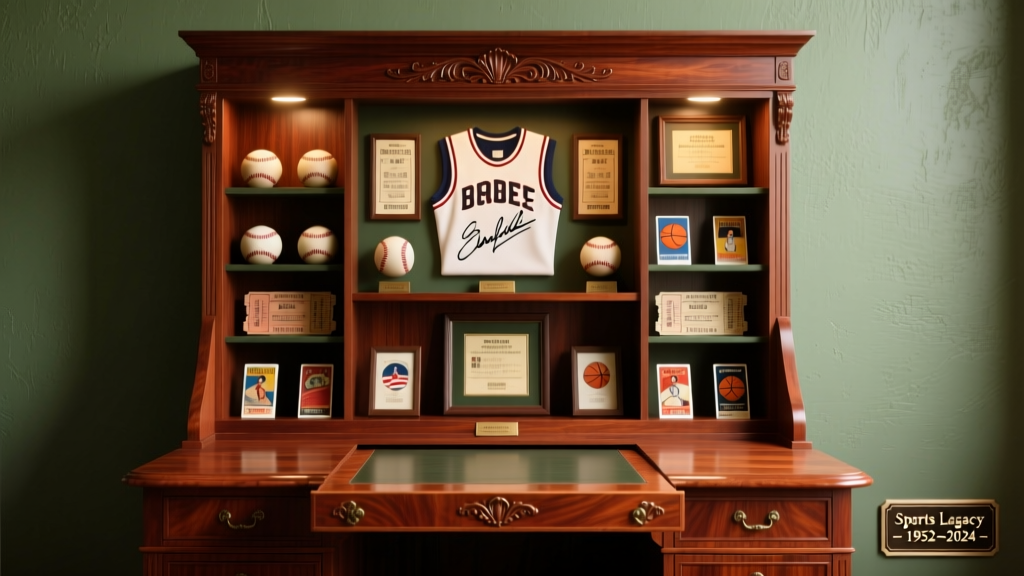
Empire-Style Cherry Drop-Front Desk: Authentication, Refinishing History, and Collector Value Analysis

Westmoreland Glass Sugar Creamer: Paneled Forget-Me-Nots Milk Glass — History, Identification & Value Guide

Humpty Dumpty Salt and Pepper Shakers by Regal China: History, Identification, and Market Value

Humphrey Bear: The Forgotten Mascot Who Shaped Disney Collectibles and Park Authenticity

Montgomery Ward Fall/Winter 1967 Catalog: A Collector’s Deep Dive into the Portland Edition — 1364 Pages of Mid-Century American Retail History

Hampshire Candlestick: Decoding the Green Crystalline Glaze Spread Foot Handle (5½")
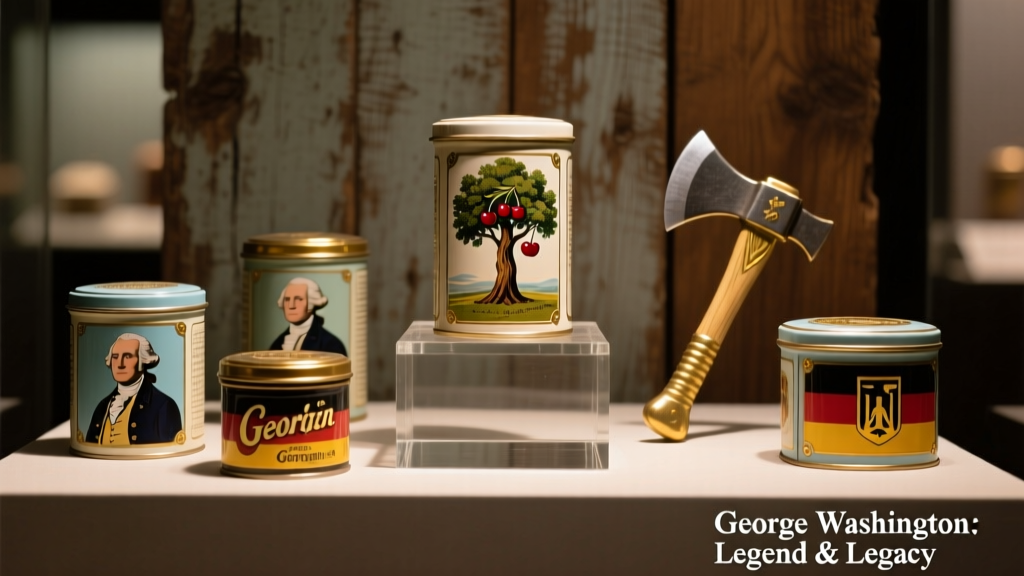
Candy Containers Featuring George Washington’s Cherry Tree Axe: A German-Made 5-Inch Collectible Artifact

Advertising Crate Perfection Baking Powder: A Collector’s Deep Dive into the Wooden Red-Yellow Label Crate