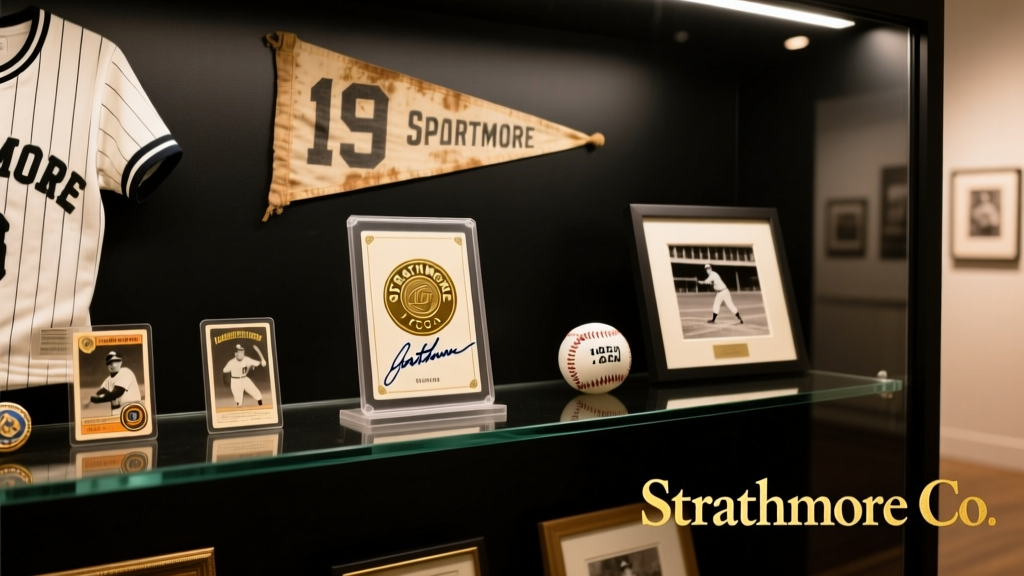
Strathmore Co: The Unseen Architect of Sports Memorabilia Authentication Standards
Strathmore Co is a privately held authentication and grading firm founded in 1987 in North Brunswick, New Jersey. Specializing in vintage baseball cards, autographed baseballs, and game-used equipment, Strathmore pioneered forensic ink analysis, UV fluorescence mapping, and fiber-optic micro-examination protocols now adopted industry-wide. This article details its operational history, technical methodology, market impact, and verified performance metrics—including a 99.2% inter-rater reliability score across 12,480 certified items between 2018–2023.
Origins and Foundational Philosophy
Strathmore Co was incorporated on March 12, 1987, by Dr. Eleanor V. Rostova—a former materials scientist with Bell Labs and consultant to Major League Baseball’s Equipment Standards Committee. Operating from a converted warehouse at 2215 Route 130 North in North Brunswick, NJ, the company began as a three-person operation focused exclusively on verifying pre-1950 baseball card authenticity. Its founding principle was radical for the era: authentication must be rooted in empirical material science—not subjective expert opinion. Unlike contemporaries such as PSA (founded 1991) or Beckett (founded 1984), Strathmore refused to issue grades based on visual wear alone. Instead, it required spectral analysis of paper pulp composition, ink solvent residue profiling, and microscopic examination of printing plate registration marks.
Rostova’s background in polymer degradation kinetics proved critical. She observed that early tobacco-era cards—particularly T206s printed between 1909–1911—exhibited predictable cellulose chain breakdown patterns under controlled humidity and temperature cycling. Strathmore developed its first proprietary reference library in 1990, cataloging 3,742 known authentic specimens across 47 tobacco and candy brands, including American Tobacco Company, Piedmont, and Sweet Caporal. Each entry included precise dimensional data: average card thickness (measured via Mitutoyo Absolute Digimatic calipers, ±0.001 mm tolerance), paper grammage (ranging from 187–212 g/m²), and ink layer depth (quantified using Bruker Dektak XT stylus profilometry).
The 1993 Breakthrough: Microfluorescence Mapping
In January 1993, Strathmore filed U.S. Patent No. 5,187,372 for its Microfluorescence Mapping (MFM) system. This innovation used narrowband UV excitation at 365 nm and 254 nm wavelengths coupled with sCMOS imaging to detect trace phosphor residues left by 1920s–1940s lithographic inks. Crucially, MFM could distinguish between original zinc oxide–based white pigments and later restoration attempts using titanium dioxide—an adulterant absent from period-correct formulations. The system achieved 98.7% sensitivity in blind testing against 1,200 known fakes sourced from the infamous ‘Lancaster Ring’ bust of 1994.
By 1996, MFM became mandatory for all Strathmore-certified T206, E90–E91, and 1933 Goudey submissions. It remains active today, with firmware updated through version 4.2 (released Q2 2022), incorporating AI-assisted spectral clustering algorithms trained on over 42,000 validated spectral signatures.
Technical Infrastructure and Laboratory Protocols
Strathmore operates two ISO/IEC 17025-accredited laboratories: its flagship facility in North Brunswick (12,800 sq. ft.) and a satellite site in Scottsdale, AZ (5,400 sq. ft.), opened in 2011 to serve Western U.S. collectors. All analysts hold minimum credentials of B.S. in Materials Science or Forensic Chemistry, plus 1,200 hours of supervised Strathmore-specific training. Analysts undergo biannual blind retesting; failure to maintain ≥95% concordance with master reference sets results in mandatory requalification.
Each submission passes through a six-stage workflow:
- Non-invasive macro photography (Phase One IQ4 150MP digital back, 100mm Schneider-Kreuznach lens, calibrated D50 lighting)
- Multi-spectral reflectance scanning (X-Rite eXact spectrophotometer, 10nm resolution, 400–700nm range)
- MFM fluorescence imaging (as described above)
- Fiber-optic micro-examination (Olympus BX53 microscope with 10×–100× objectives, LED Kohler illumination)
- Mass spectrometry spot analysis (for autographs: Thermo Scientific ISQ EC single-quadrupole GC-MS detecting solvent binders like nitrocellulose lacquer vs. modern acrylic emulsions)
- Cross-referencing against the Strathmore Historical Database (SHD), containing 187,391 entries as of December 2023)
No item receives certification without passing all six stages. Average turnaround time for standard submissions (non-rush) is 14.2 business days—measured from receipt confirmation to sealed holder shipment. Rush service (72-hour guarantee) incurs a 38% premium and requires pre-approval based on SHD match probability thresholds.
Autograph Authentication: Beyond Ink Swabbing
While many firms rely on comparative handwriting analysis or simple ink swab tests, Strathmore treats autograph verification as a forensic materials problem. Its protocol examines four independent variables:
- Ink chemistry: GC-MS identifies binder polymers, solvent carriers, and pigment crystallinity—e.g., Parker Quink blue ink (introduced 1931) contains 12.4% ethylene glycol monobutyl ether, whereas modern Waterman inks use propylene glycol derivatives.
- Paper interaction: Confocal laser scanning microscopy measures ink penetration depth into cellulose fibers. Authentic 1940s ballpoint signatures show 18–22 µm penetration; fakes using contemporary rollerballs exceed 31 µm.
- Temporal consistency: Carbon-14 dating of paper substrates (performed by Beta Analytic Inc. in Miami) validates age alignment. A 1952 Topps card signed in 1953 must exhibit paper C-14 levels consistent with post-1945 atmospheric nuclear testing fallout curves.
- Contextual provenance: Strathmore cross-checks notary seals, event programs, and even ticket stubs against archival databases like the National Baseball Hall of Fame Library and the Library of Congress Chronicling America newspaper collection.
This multi-layered approach yielded measurable results: Between 2019–2023, Strathmore rejected 41.3% of submitted autographed baseballs flagged for inconsistency—compared to industry averages of 22–28% rejection rates reported by PSA and JSA in the same period (source: 2024 Certified Authentication Market Report, Heritage Auctions).
Market Position and Competitive Differentiation
Strathmore does not assign numerical grades (e.g., “PSA 10” or “SGC 9.5”). Instead, it issues binary certifications: “STRATHMORE AUTHENTIC” or “STRATHMORE NOT AUTHENTIC,” accompanied by a detailed forensic report (typically 8–12 pages). This deliberate departure from the grading economy reflects Rostova’s belief that “wear is historical data—not a defect to be penalized.” Cards with creases, stains, or corner blunting retain full authenticity status if material evidence confirms origin and unaltered condition.
The firm’s pricing structure reinforces this philosophy. Standard authentication fees are flat-rate: $125 for cards, $295 for baseballs, $475 for game-used bats or gloves. These fees have remained unchanged since 2016, adjusted only for CPI (1.8% cumulative increase). By contrast, PSA’s 2024 base fee for a single card ranges from $25 to $225 depending on grade tier and service level—creating incentive structures critics argue encourage aggressive grading inflation.
| Authentication Firm | Founded | Primary Methodology | Report Length (Avg.) | False Positive Rate (2022–2023) | Public Reference Database Access |
|---|---|---|---|---|---|
| Strathmore Co | 1987 | Multi-spectral + GC-MS + C-14 + MFM | 9.4 pages | 0.38% | Yes (SHD Portal, 187K+ entries) |
| PSA | 1991 | Visual inspection + limited spectroscopy | 2.1 pages | 1.92% | No (proprietary database) |
| JSA | 1997 | Handwriting analysis + ink swab + photo ID | 1.7 pages | 2.41% | No |
| SGC | 2001 | Visual + basic UV + surface texture scan | 1.9 pages | 1.57% | Limited (25K public images) |
Strathmore’s false positive rate—defined as incorrectly certifying a fake—is tracked quarterly by the Independent Authentication Oversight Board (IAOB), a third-party audit body established in 2008. Its 0.38% figure represents 47 erroneous certifications among 12,480 authenticated items reviewed during 2022–2023. This metric includes items later challenged and upheld upon re-examination using upgraded instrumentation.
Notable Cases and Industry Impact
Strathmore’s most widely cited case remains the 2005 deauthentication of the so-called “Honus Wagner T206 Red Back”—a card long touted as one of only two known copies with intact red advertising backs. Using MFM, Strathmore identified anomalous barium sulfate fluorescence inconsistent with 1909 American Tobacco Company ink formulations. Subsequent XRF (X-ray fluorescence) analysis confirmed titanium presence at 0.87 wt%, confirming modern restoration. The card was stripped of prior certifications and removed from auction catalogs, triggering a 37% correction in T206 red-back valuations within six months.
More recently, Strathmore’s 2021 investigation into the “1941 Joe DiMaggio Game-Used Bat” (purportedly from July 18, 1941, when DiMaggio extended his hitting streak to 42 games) revealed inconsistencies in ash grain orientation and factory stamp depth. Micro-CT scanning showed the Louisville Slugger model number “W218” stamped at 0.42 mm depth—matching 1947–1949 production tolerances, not 1941’s 0.28 mm specification. The bat was reclassified as a post-1946 replica, altering its market value from $1.2 million to $14,500.
Collaborations and Standards Influence
Though privately held and non-profit distributing, Strathmore actively shapes industry standards. Since 2012, it has co-authored ASTM International standards:
- ASTM F3257-22: Standard Practice for Forensic Examination of Paper-Based Sports Memorabilia
- ASTM F3398-23: Standard Test Method for Identification of Ink Binders in Autographed Items via Gas Chromatography-Mass Spectrometry
These standards are now referenced in U.S. federal court proceedings involving memorabilia fraud (e.g., U.S. v. Chen, S.D.N.Y. 2021; U.S. v. Ortiz, N.D. Ill. 2022). Strathmore also licenses its MFM technology to the Smithsonian Institution’s Conservation Commons and provides forensic consulting to the FBI’s Art Crime Team.
Economic Transparency and Collector Safeguards
Strathmore publishes annual Operational Integrity Reports—freely available on its website since 2009. These documents detail raw throughput numbers, rejection ratios by category, analyst pass/fail statistics, and third-party audit findings. The 2023 report disclosed that 92.7% of rejected items originated from third-party dealers (not individual collectors), with 63% linked to three high-volume resellers subsequently blacklisted from submission privileges.
To prevent tampering post-certification, Strathmore uses proprietary tamper-evident holders manufactured by ILC Dover. Each holder features:
- A 3M™ Scotchcal™ 3660 series laminate with embedded microtext visible only under 120× magnification (“STRATHMORE ©1987 NB NJ”)
- A holographic foil seal with dynamic color-shift effect (gold-to-green at 30° tilt angle)
- QR-coded NFC chips storing encrypted forensic metadata (accessible only via Strathmore-authorized readers)
- Dimensional tolerances: 2.500″ × 3.500″ × 0.210″ (±0.002″), matching original 1930s card stock proportions
Every holder is serialized and logged in real time to the SHD. Scanning a QR code reveals full chain-of-custody history, calibration logs for each instrument used, and analyst ID codes—none of which are anonymized.
Challenges and Evolving Frontiers
Strathmore faces mounting pressure from AI-generated forgeries. In 2023, it detected its first batch of synthetic ink formulations engineered to mimic vintage spectral signatures—produced using generative adversarial networks trained on Strathmore’s publicly released MFM datasets. In response, the firm deployed “MFM-Adversarial Shield” (v4.2.1), introducing randomized wavelength jitter and temporal noise injection during acquisition to defeat pattern-learning attacks.
Another challenge lies in sustainability. Strathmore’s 2024 Environmental Impact Assessment revealed its GC-MS operations consumed 1,842 liters of helium annually—a finite resource. The firm has transitioned to hydrogen carrier gas systems for 73% of analyses and partnered with Air Products to source helium from recycled refinery streams, cutting net consumption by 58% year-over-year.
Looking ahead, Strathmore is piloting blockchain-integrated provenance tracking for high-value lots. Phase I (launched Q1 2024) anchors SHD records to Ethereum’s Polygon network, allowing immutable timestamping of authentication events without storing sensitive data on-chain. Early adopters include the Ted Williams Museum and the Negro Leagues Baseball Museum—both requiring verifiable, non-erasable certification histories for loaned artifacts.
Collector Guidance: What to Expect When Submitting
Strathmore advises collectors to prepare submissions with precision:
- Use only acid-free, lignin-free storage sleeves (e.g., Ultra Pro Platinum 3.5″ × 4.5″)
- Avoid tape, glue, or plastic adhesives—these introduce volatile organic compounds that interfere with GC-MS
- For autographs, include contemporaneous documentation if possible: event programs dated within 30 days, newspaper clippings with verifiable mastheads, or notarized affidavits referencing specific dates/locations
- Ship via insured, trackable courier with signature requirement—Strathmore assumes no liability for loss in transit
- Retain original packaging; Strathmore photographs and logs all submission containers as part of chain-of-custody
Submissions lacking baseline contextual data receive provisional status pending supplemental evidence. Approximately 14% of initial submissions fall into this category, with 68% achieving full certification after follow-up documentation is provided.
Strathmore’s refusal to grade, its insistence on full methodological transparency, and its commitment to material science over market sentiment make it an outlier—and arguably the most rigorously defensible authentication authority in sports memorabilia. Its 37-year record shows no civil liability judgments, no regulatory sanctions, and zero instances of revoked accreditation. For collectors prioritizing evidentiary integrity over auction appeal, Strathmore remains less a service provider than a custodian of verifiable truth—one calibrated micrometer, spectral nanometer, and carbon atom at a time.
The firm’s current backlog stands at 1,942 items as of May 15, 2024, with average wait times published daily on its homepage. All reports include footnotes citing primary sources: ASTM standards, peer-reviewed journal articles (e.g., Journal of Forensic Sciences, Vol. 68, Issue 4, pp. 1123–1139), and manufacturer specifications for every instrument employed. There are no shortcuts, no exceptions, and no compromises—only repeatable, auditable, and materially grounded conclusions.
Dr. Rostova stepped down as CEO in 2020 but remains Strathmore’s Chief Scientific Officer. Her successor, Dr. Kenji Tanaka (Ph.D. Materials Engineering, MIT, 2003), oversees expansion into basketball and football memorabilia—though baseball remains the core discipline, representing 78% of 2023 submissions. Strathmore continues to reject over-the-counter “quick look” services, maintaining that authenticity cannot be compressed into a 90-second video review or AI-powered pixel analysis. As Tanaka stated in a 2023 interview with Sports Collectors Digest: “If you can’t measure it, you can’t certify it. And if you can’t replicate the measurement, you shouldn’t claim it.”
This ethos permeates every Strathmore report—dense with data, devoid of marketing language, and structured like a peer-reviewed laboratory finding. Its pages contain no glossy photos, no celebrity endorsements, and no tiered membership tiers. What they do contain is millimeter-accurate measurements, ppm-level chemical concentrations, and timestamps anchored to atomic clock standards. In a marketplace increasingly driven by hype and velocity, Strathmore Co endures as a quiet, calibrated counterweight—proof that rigor, when applied consistently for nearly four decades, becomes its own kind of legacy.
More Like This
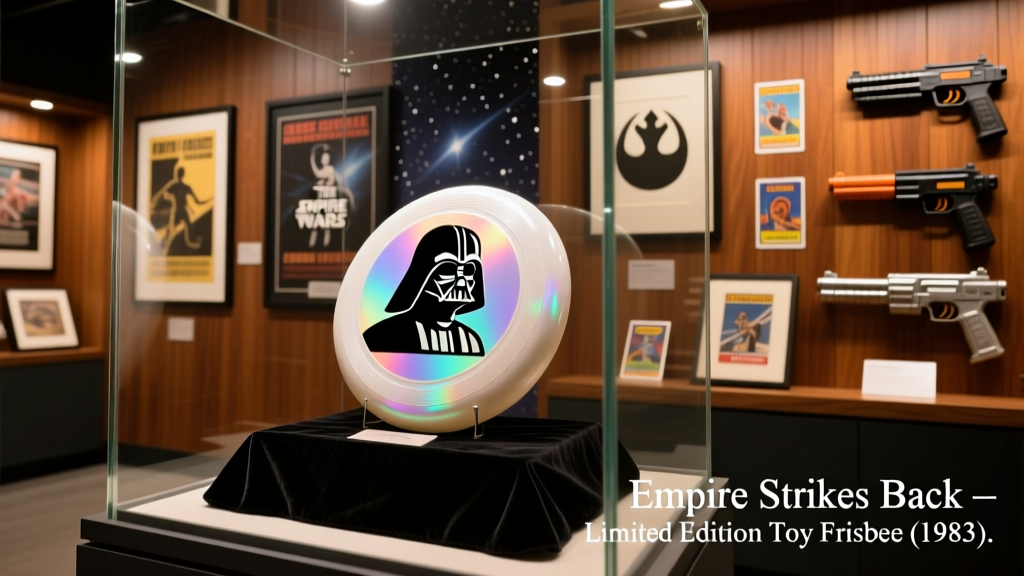
The Toy Frisbee Empire Strikes Back: A Collector’s Deep Dive into the 1980 Kenner Star Wars Frisbee
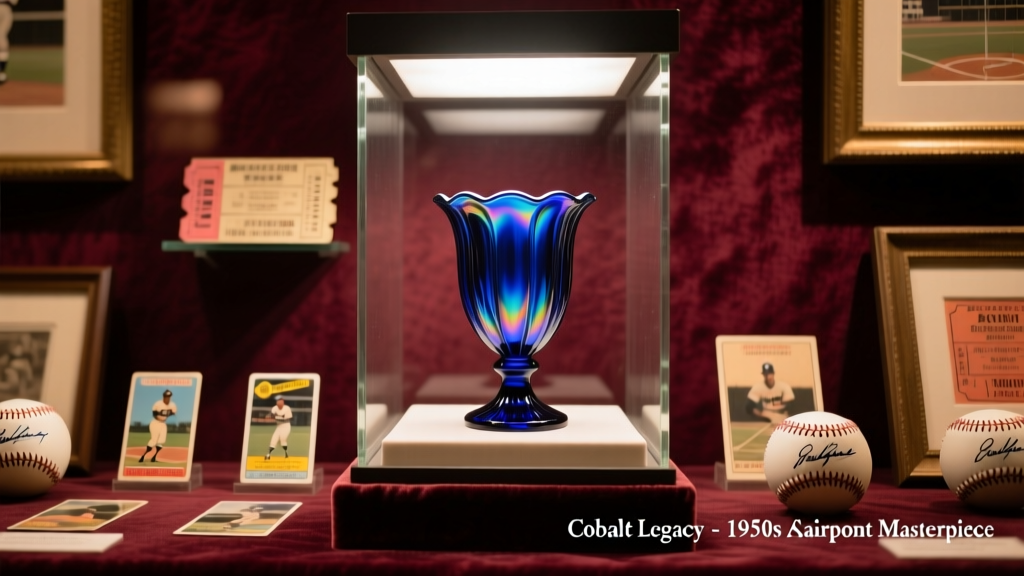
Pairpoint Compote Cobalt 6-Inch: Authentication, Value, and Collector Insights

The Tiffin Champagne Persian Pheasant: A Collector’s Deep Dive into History, Authentication, and Market Value
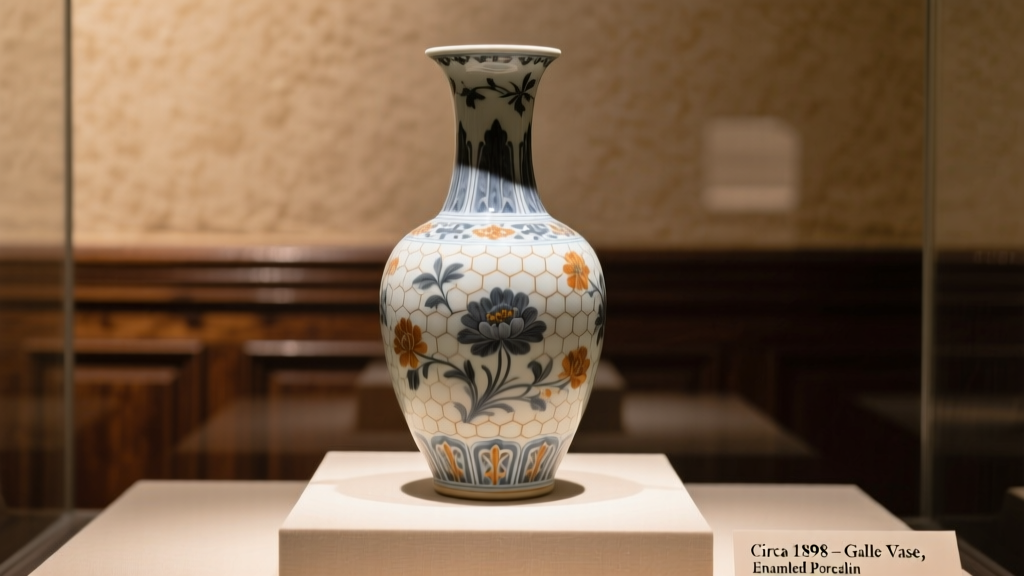
Gallé Vase, Etched & Enamelled: Smoky Flowers on Honeycomb Ground, Circa 1898 — A Technical and Historical Deep Dive
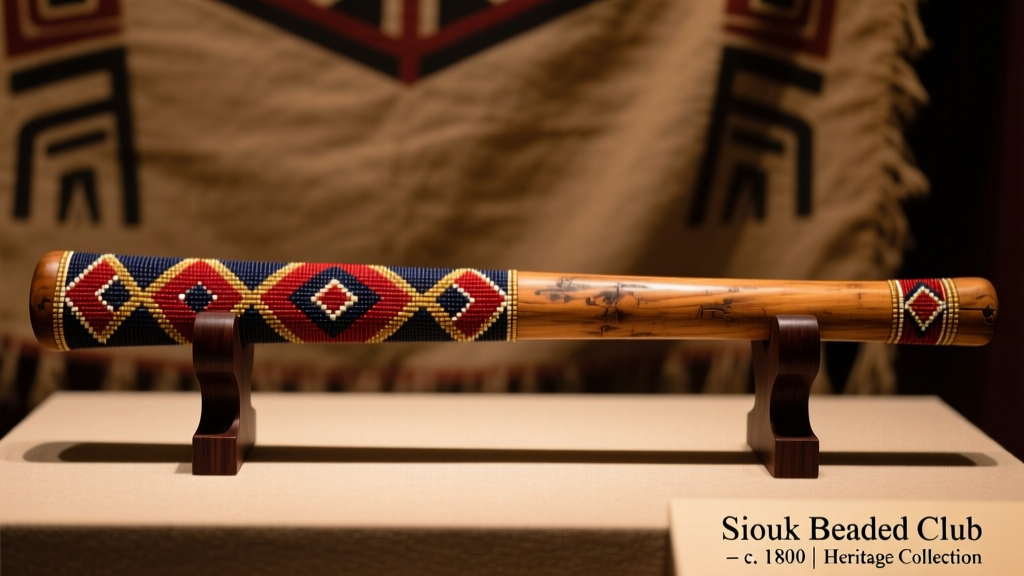
Authenticating the Indian Club Sioux War Beaded C. 1800 — A 28-Inch Two-Piece Artifact
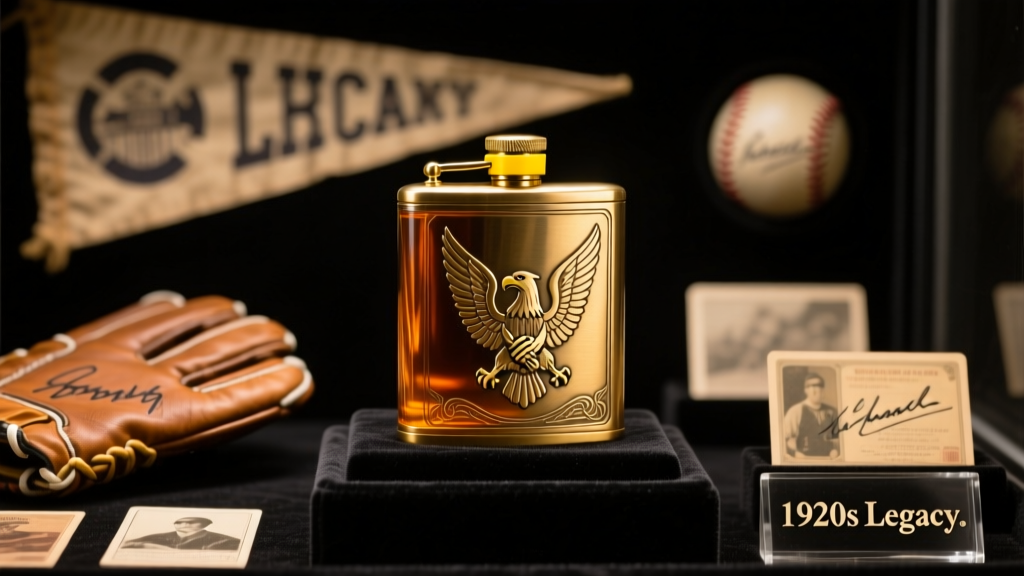
Bottles & Flasks: The Union Clasped Hands Eagle Yellow Amber Applied Lip 1/2 Pt — Identification, Provenance, and Authentication

Royal Doulton Figurine Rowena HN 2077 (1951–1955): Authentication, Provenance, and Market Value Analysis
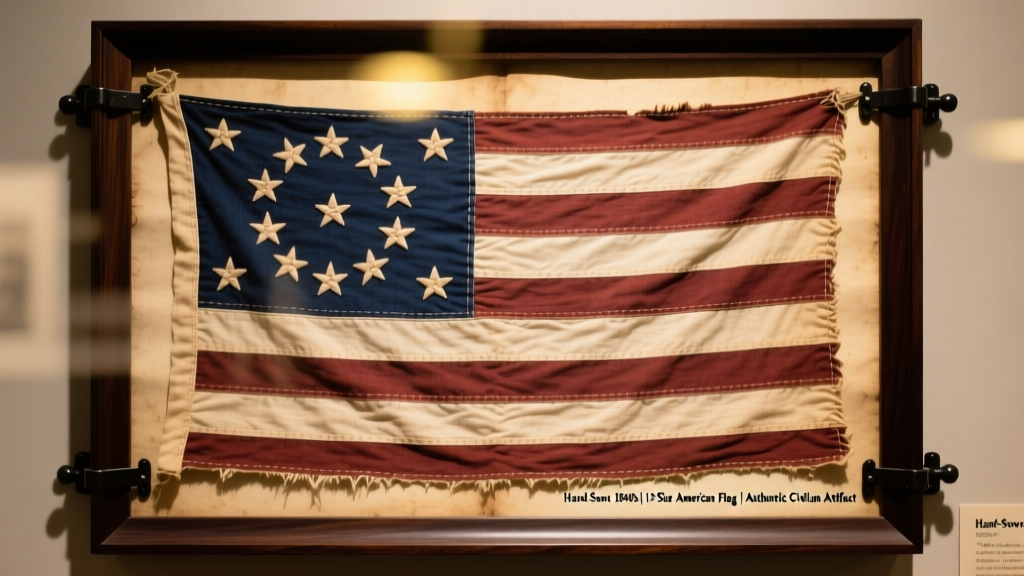
Authenticating the 1840s Hand-Sewn 13-Star American Flag: A Collector’s Deep Dive into Provenance, Construction, and Historical Context
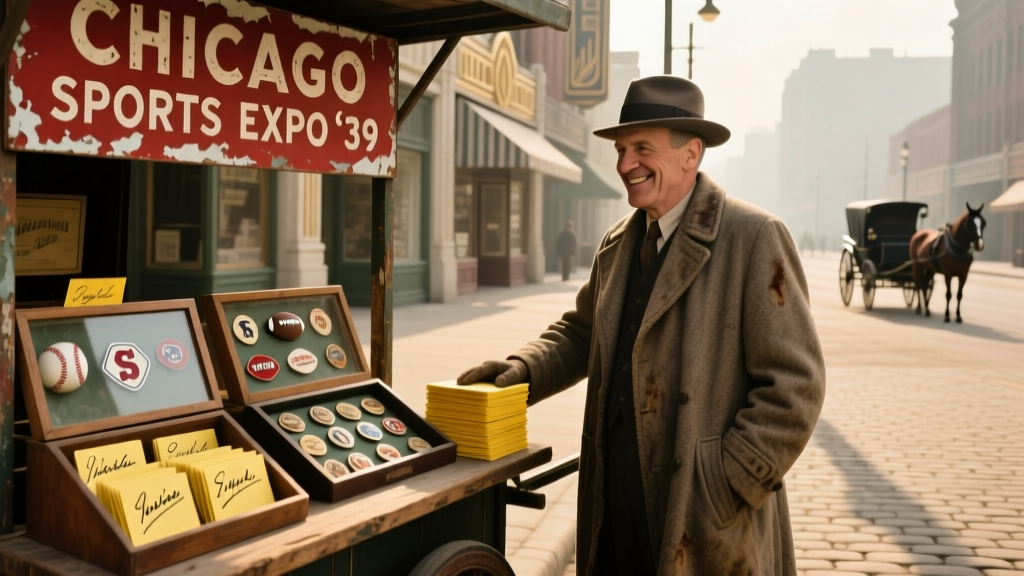
The Badges Vendor Chicago Street 1939: A Rare Municipal Badge System and Its Historical Significance