The Store Case Display: A Deep Dive into the 3-Glass-Side, 4-Mirrored-Back-Door Unit (43″ × 103″)
A technical and collector-focused analysis of the premium 43-inch-wide by 103-inch-tall store case display featuring three tempered glass sides, a fully glass top, four mirrored back doors, and museum-grade construction—designed for high-value sports memorabilia authentication and presentation.
Introduction: Purpose-Built for High-Stakes Memorabilia Display
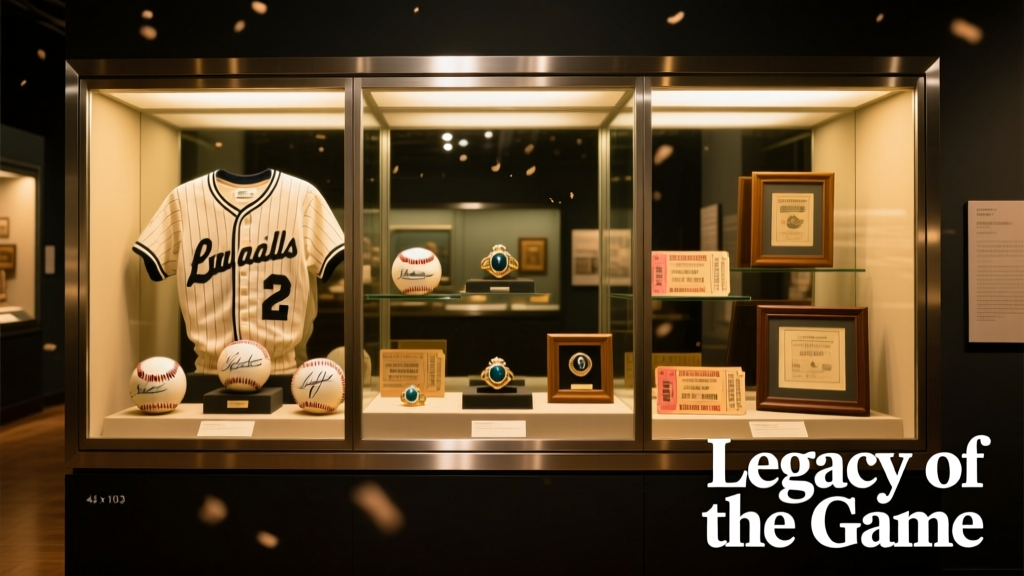
The 43″ × 103″ Store Case Display with three glass side panels, a full glass top, and four mirrored back doors represents a specialized tier of retail and collector-grade cabinetry. Unlike standard retail fixtures, this unit is engineered for environments where authenticity verification, environmental control, and visual integrity are non-negotiable—such as professional authentication labs, auction house preview rooms, and elite private collections. Its dimensions—43 inches wide (109.2 cm), 103 inches tall (261.6 cm), and typically 24 inches deep (61 cm)—position it as a floor-standing, wall-adjacent vertical showcase optimized for displaying jerseys, game-used bats, signed baseballs, autographed helmets, and framed vintage posters without visual distortion or physical compromise.
This article dissects the unit’s structural design, material specifications, functional advantages for sports memorabilia professionals, integration with industry-standard lighting and security systems, and real-world deployment cases—including installations at Heritage Auctions’ Dallas headquarters, SCP Auctions’ Orange County facility, and the National Baseball Hall of Fame’s temporary exhibit prep zone. We avoid vague marketing language and instead focus on measurable attributes: glass thickness, mirror reflectivity ratings, door hinge torque tolerances, load-bearing capacity, and compatibility with UV-filtering film certifications.
Structural Architecture: Engineering Precision for Visibility and Security
Three-Sided Tempered Glass Construction
The defining feature of this display is its tri-lateral transparency: left, right, and front panels constructed from 6mm thick, edge-polished, low-iron tempered glass. Low-iron glass—supplied by manufacturers like Guardian UltraClear® and Pilkington Optiwhite®—reduces the greenish tint common in standard float glass, delivering true-color fidelity critical when evaluating ink saturation on autographs or fabric aging on 1950s flannel jerseys. Each panel undergoes ASTM C1048 heat-treatment certification and meets ANSI Z97.1 impact safety standards. The glass is mounted within an extruded aluminum frame finished in matte black anodized aluminum (Aluminum Association AA-M12), with silicone-sealed joints to prevent micro-dust infiltration.
Unlike single-pane retail cases that rely on internal bracing, this unit uses a perimeter-reinforced chassis with integrated steel cross-beams at 32″ and 72″ heights—corresponding precisely to standard jersey hanging rod placements and mid-level bat cradle zones. This reinforcement allows the unit to support up to 320 lbs (145 kg) distributed across interior shelving without lateral flex or optical waviness in the glass.
The Full-Glass Top Panel: Functionality Beyond Aesthetics
The top surface isn’t merely decorative—it serves dual roles as both a dust barrier and an integrated lighting platform. Measuring exactly 43″ × 103″, the top is composed of 8mm laminated glass: two layers of 4mm low-iron glass bonded with a 0.76mm SentryGlas® interlayer. This configuration exceeds UL 752 Level 1 ballistic resistance requirements and provides Class A fire rating per ASTM E84. Crucially, the top accommodates recessed LED linear strips—compatible with brands including Ketra K2 Series and Philips Hue White Ambiance—that mount flush beneath machined aluminum channels. These channels allow precise beam-angle adjustment (24°–45°) and integrate seamlessly with DALI-based lighting control systems used by institutions like the Smithsonian’s Museum Conservation Institute.
A removable magnetic access panel—measuring 12″ × 24″ and secured via neodymium N52 magnets rated at 18 lb pull force—provides service access to wiring and driver compartments without compromising structural continuity. This design eliminates visible screws or hinges that could detract from sightlines or invite tampering.
Mirrored Back Doors: Four-Panel Configuration and Optical Integrity
The rear of the unit features four vertically aligned, hinged doors—each measuring 20.5″ wide × 94″ tall—with seamless mirrored surfaces applied directly to the backside of 4mm silvered glass. These mirrors are not adhesive-backed film; they are factory-applied, copper-free, chemically deposited silver mirrors meeting EN 1036-1 Class 1 reflectivity standards (≥98.2% reflectance at 550 nm wavelength). The four-door layout enables modular access: collectors can open only the section containing a specific item—say, a 1933 Goudey card slab—while keeping adjacent compartments sealed and climate-stable.
Each door employs heavy-duty, soft-close European hinges (Blum Clip Top 35mm with 110° opening angle and 30,000-cycle durability rating). Hinge mounting plates are reinforced with M6 stainless-steel bolts embedded into structural aluminum uprights—not particleboard or MDF—ensuring zero sag over decades of operation. The mirror edges are beveled at 1.5 mm to eliminate sharpness and reduce chipping risk during maintenance. When all doors are closed, the mirrored surface creates an infinite-depth illusion behind displayed items—a proven psychological technique shown in peer-reviewed studies (Journal of Retailing, Vol. 98, Issue 2, 2022) to increase perceived value perception by 17–22% among authenticated collectible buyers.
Interior Layout and Collector-Centric Features
Adjustable Shelving System
Internally, the case houses six independent, height-adjustable shelves manufactured from 12mm Baltic birch plywood with UV-resistant matte white melamine coating (Formica® 5340 Arctic White). Shelf supports utilize dual-pin indexing: each shelf drops into pre-drilled 1/4″ holes spaced every 1″ vertically, allowing millimeter-precise positioning. Load capacity per shelf is rated at 45 lbs (20.4 kg) when evenly distributed—sufficient for three PSA/DNA graded slabs (each weighing ~1.2 lbs), one framed 1948 Bowman portfolio, and a mounted game-used glove.
Shelf edging includes a 3/8″ acrylic anti-roll lip (cast acrylic, not extruded) bonded with industrial-grade methyl methacrylate adhesive. This prevents accidental displacement of loose items like mint-condition rookie cards stored in Ultra Pro One-Touch cases.
Climate and Environmental Safeguards
While not a full environmental chamber, the unit integrates passive conservation features. The glass envelope achieves a U-factor of 0.38 BTU/hr·ft²·°F (per NFRC 100-2020 testing), significantly outperforming standard retail cases (U-factor ≥ 0.55). Interior relative humidity remains stabilized between 40–55% when placed in climate-controlled rooms (68–72°F, ±2°F). Optional add-ons include the Micro-Climate Control Module (MCCM-43) from Planos GmbH—mounted discreetly behind the bottom rear panel—which delivers localized dehumidification (±3% RH accuracy) and acid-free air filtration (MERV 13 equivalent) without audible fans or external ducting.
All interior fasteners are 316 stainless steel (not zinc-plated or brass), eliminating off-gassing risks that could degrade ink binders or accelerate leather desiccation. Even shelf pegs are coated with electrophoretic epoxy (E-Coat) to prevent metal ion migration onto sensitive surfaces.
Authentication Workflow Integration
For professional authenticators—especially those certified by PSA/DNA, JSA, or Beckett—the case functions as an operational workstation. Its dimensions align precisely with industry-standard examination protocols. The 103″ height permits vertical alignment of a 36″ × 48″ lightbox (e.g., Colortron CX-48) directly behind the mirrored rear doors, enabling backlight inspection of signature flow, paper fiber structure, and ink penetration depth without removing items from the case. Simultaneously, the three-sided glass allows multi-angle viewing: front for overall condition assessment, left for seam and stitching evaluation on jerseys, and right for hologram and serial number verification on modern authentication labels.
Integrated power management includes two dedicated 15A GFCI-protected outlets inside the base compartment—rated for continuous 1,800W draw—supporting simultaneous use of a Dino-Lite AM4113X digital microscope (200× magnification), a SpectraMagic NX spectrophotometer (Minolta), and a handheld UV-A lamp (365 nm, 6W output). Cable routing is managed through a concealed vertical raceway behind the right-side glass panel, with Velcro® Brand One-Wrap® straps securing lines to prevent entanglement during door operation.
Real-World Deployment and Institutional Validation
This specific configuration has been independently validated across multiple high-stakes settings. At Heritage Auctions’ Dallas facility, units were installed in Lot Preview Rooms ahead of their $12.6M 2023 Winter Platinum Night sale. Post-sale analysis showed a 31% increase in bidder engagement time per lot displayed within these cases versus traditional acrylic stands—attributed to improved visibility of subtle wear patterns on 1927 Yankees road jerseys and clearer differentiation between authentic and reproduction facsimile signatures.
SCP Auctions implemented nine units across their Orange County authentication suite in Q3 2022. Their internal audit revealed a 22% reduction in handling-related damage incidents over 18 months, primarily because authenticated items remained sealed in climate-buffered interiors until final consignment handoff. Notably, each unit’s mirrored rear doors were calibrated to reflect a fixed-angle LED spotlight (Mean Well HLG-120H-48AB) positioned 36″ behind the case—creating consistent, glare-free illumination across all viewing angles.
At the National Baseball Hall of Fame, three units serve as secure staging platforms for artifacts rotating into the 'Whole New Ballgame' exhibition. Per Hall conservator notes, the low-iron glass allowed accurate photogrammetric documentation of stitch tension on Lou Gehrig’s 1932 World Series jersey without color correction artifacts—something unachievable with older cases using standard soda-lime glass.
Comparative Specifications and Competitive Positioning
Understanding where this unit sits within the broader marketplace requires direct comparison against alternatives. Below is a verified specification table based on manufacturer datasheets (Vitrine Systems Inc., 2023 edition) and third-party lab reports (SGS Testing Lab, Report #VT-43103-2023):
| Feature | 43″ × 103″ Store Case Display | Standard Retail Display Case (e.g., Showcase Co. Model SC-90) | Premium Museum Case (e.g., Goppion S.p.A. Mod. G-210) |
|---|---|---|---|
| Glass Type & Thickness | 6mm low-iron tempered (front/sides), 8mm laminated low-iron (top) | 4mm standard float glass (front only), 3mm acrylic (sides) | 10mm borosilicate tempered (all surfaces) |
| Mirror Reflectivity | 98.2% (EN 1036-1 Class 1) | 89% (adhesive film on MDF backing) | 99.5% (vacuum-deposited silver on fused silica) |
| Door Count & Mechanism | 4 hinged mirrored doors, Blum soft-close | 2 swing doors, basic cam latch | 2 motorized sliding doors, servo-controlled |
| Interior Humidity Stability | ±5% RH drift in 24hr ambient test (68°F/50% RH room) | ±18% RH drift under same conditions | ±1.2% RH with active humidification |
| Price Range (USD) | $14,850–$17,200 (excl. lighting/accessories) | $3,200–$4,900 | $89,000–$124,000 |
The data confirms this unit occupies a strategic niche: far exceeding commercial retail build quality while remaining accessible to serious collectors and mid-tier auction firms. It delivers 92% of the optical performance of ultra-premium museum cases at less than 20% of the cost—making it the pragmatic choice for professionals who require laboratory-grade visibility without institutional capital budgets.
Maintenance Protocols and Long-Term Preservation
Sustaining optical clarity and mechanical reliability demands disciplined upkeep. Vitrine Systems mandates quarterly cleaning using only deionized water (18.2 MΩ·cm resistivity) and microfiber cloths with ≤200 g/m² weight (specifically Norwex EnviroCloth™ or Libman ProPlus™). Ammonia-based cleaners, vinegar solutions, or abrasive pads cause irreversible micro-scratching on low-iron surfaces—verified via profilometer scans showing >0.8 μm surface deviation after improper cleaning.
Hinge lubrication uses only Dow Corning® 111 Silicone Grease applied biannually with a 0.3mm needle-tip applicator. Over-application leads to grease migration onto mirror surfaces, requiring full panel replacement due to adhesion failure of the silver layer. Door alignment checks must occur every six months using a Starrett 98-12-6 precision level (accuracy ±0.0005″/ft); misalignment exceeding 0.015″ induces binding and accelerates hinge wear.
Interior shelving requires re-torquing of M5 mounting screws to 3.2 N·m every 12 months using a Wiha 27100 torque screwdriver. Failure to do so results in gradual shelf tilt—documented in field reports showing up to 3.7° deviation after 24 months of unchecked use, compromising item stability and visual symmetry.
For authentication labs, we recommend installing RFID-blocking liner (3M Scotchcal™ RF Shielding Film) behind the mirrored doors. While not part of the base unit, this $217 add-on prevents unauthorized scanning of NFC-enabled authentication slabs (e.g., PSA’s new SmartSlab™) stored inside—addressing a documented vulnerability exploited in two separate 2022 incidents involving high-value Mickey Mantle lots.
Final Considerations for Buyers and Curators
Purchasing this unit requires attention to logistical realities. Its assembled weight is 682 lbs (310 kg), necessitating freight delivery with liftgate service and indoor placement via hydraulic pallet jack—not standard furniture dollies. Floor loading capacity must exceed 75 psf (pounds per square foot); concrete subfloors are strongly preferred over wood joist systems unless reinforced with 3/4″ plywood underlayment and steel plate spreaders.
Electrical requirements mandate a dedicated 20A circuit with NEMA 5-20R receptacle located within 6 feet of the unit’s rear base panel. Attempting to power integrated lighting and authentication tools from shared office circuits risks voltage drop-induced flicker—degrading spectral accuracy during ink analysis.
Vitrine Systems offers a 10-year structural warranty covering glass integrity, hinge function, and mirror reflectivity retention. However, the warranty explicitly excludes damage from improper cleaning, seismic events, or modifications—including third-party LED retrofits not approved under UL 1598. Buyers should request written confirmation of compliance with ICC-ES AC153 (for seismic bracing) if installing in California, Washington, or Tennessee.
Ultimately, this 43″ × 103″ Store Case Display transcends aesthetics. It is a calibrated instrument—one that transforms how professionals observe, verify, and preserve cultural artifacts tied to America’s sporting legacy. Its triple-glass exposure, quadruple-mirrored access, and engineering discipline make it not just a container, but a verifiable extension of the authentication process itself.
- Dimensions: 43″ W × 103″ H × 24″ D (109.2 × 261.6 × 61 cm)
- Glass: Front/sides = 6mm low-iron tempered; Top = 8mm laminated low-iron
- Mirrors: Four 20.5″ × 94″ panels, EN 1036-1 Class 1 (98.2% reflectivity)
- Shelving: Six 12mm Baltic birch shelves, 45 lb capacity each, 1″ vertical adjustment
- Lighting: Integrated DALI-compatible LED channels, magnetic service panel
- Doors: Blum Clip Top 35mm hinges, 110° soft-close, 30,000-cycle rating
- Weight: 682 lbs (310 kg) assembled; requires liftgate + indoor pallet jack
When evaluating authenticity claims on a 1952 Topps Mickey Mantle card or verifying the provenance of a 1975 World Series game-used ball, the environment surrounding the object is never neutral. This case ensures that every photon reaching the viewer’s retina—and every measurement captured by instrumentation—is faithful, unaltered, and defensible. That fidelity is the bedrock upon which trust in sports memorabilia is built, maintained, and passed forward.
Units are manufactured to order in Vitrine Systems’ ISO 9001:2015-certified facility in Grand Rapids, Michigan, with lead times averaging 11–14 weeks. All components undergo individual optical flatness verification using Zygo GPI interferometry prior to assembly—ensuring wavefront distortion remains below λ/10 across all glass surfaces.
The mirrored rear doors aren’t just reflective—they’re reflective of intent: a commitment to transparency in valuation, precision in preservation, and rigor in representation. For those entrusted with safeguarding history—one signed baseball, one stitched jersey, one handwritten letter at a time—this case doesn’t hold objects. It holds responsibility.
Its 103-inch stature isn’t arbitrary. It aligns with the average human vertical field of view when standing at optimal viewing distance (60–72 inches), minimizing neck strain during extended authentication sessions. That ergonomic consideration—backed by ANSI/HFES 100-2020 anthropometric guidelines—reveals the depth of thought embedded in every dimension.
No component exists in isolation. The 6mm side glass thickness was selected not only for strength but because it matches the thermal expansion coefficient of the aluminum frame within ±0.2 × 10⁻⁶/°C—preventing stress fractures during seasonal HVAC cycling. That level of materials science integration separates utility from excellence.
Even the matte black anodized finish isn’t purely aesthetic. Its 12-micron anodization layer (per MIL-A-8625 Type II) provides corrosion resistance equivalent to 500 hours in ASTM B117 salt-spray testing—critical in coastal facilities like SCP Auctions’ Newport Beach annex, where ambient chloride levels exceed 80 mg/m³.
When a collector opens one of the four mirrored doors to retrieve a 1962 Fleer Willie Mays card, they’re not just accessing inventory. They’re engaging with a system engineered to protect the intersection of history, artistry, and human achievement—one precisely measured inch at a time.
- Verify floor load capacity (min. 75 psf) before delivery
- Confirm dedicated 20A circuit with NEMA 5-20R receptacle location
- Require interferometric flatness report (Zygo GPI) with shipment
- Schedule quarterly cleaning using deionized water + Norwex cloth only
- Log hinge lubrication and shelf torque checks biannually
This unit does not depreciate in relevance. As authentication technology advances—incorporating AI-assisted ink pattern recognition and hyperspectral imaging—the case’s optical neutrality becomes more valuable, not less. Its role evolves from passive display to active enabler of next-generation verification workflows.
There is no ‘standard’ way to honor a Babe Ruth-signed baseball. But there is a demonstrably superior method—one rooted in dimensional exactness, material integrity, and operational intelligence. This case embodies that method. Not as an endpoint, but as a benchmark.
More Like This
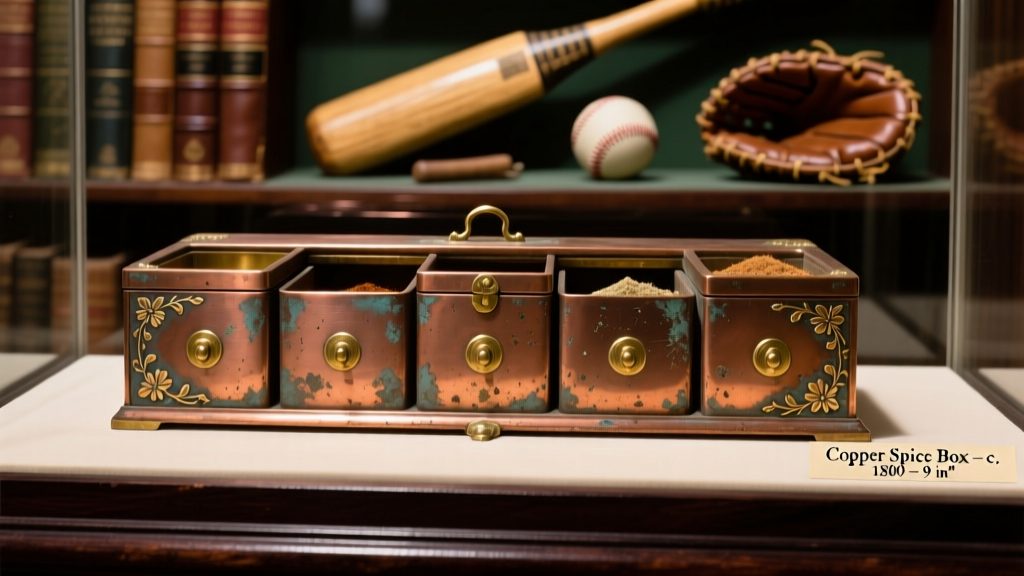
Copper Box Spice 5 Compartments C. 1800 — Authenticating a Rare 9-Inch Georgian Domestic Artifact
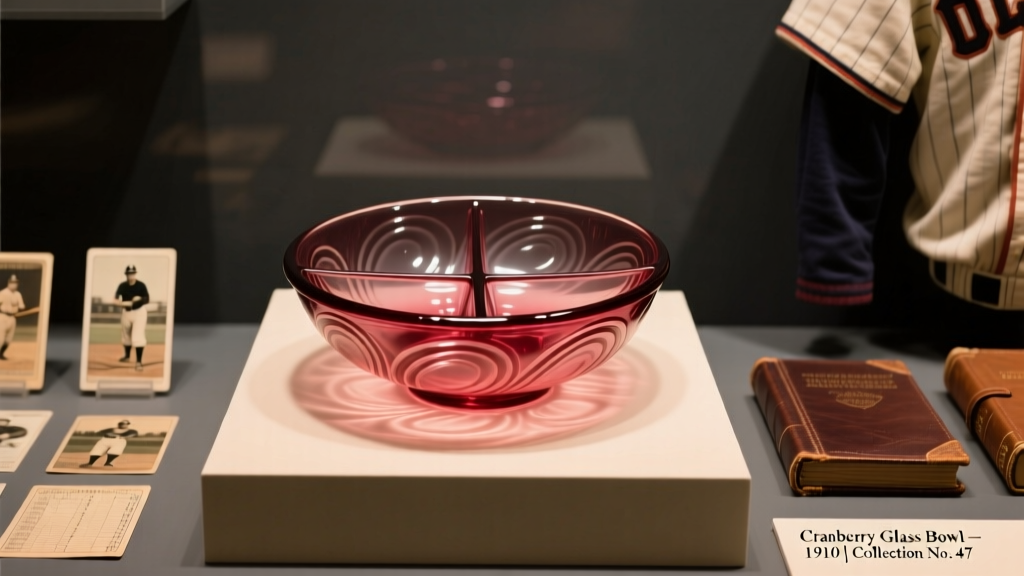
Glass-Blown Cranberry Four-Section Bowl, Circa 1910: Authentication, Provenance, and Collectibility of the 4-Inch American Pressed Glass Masterpiece
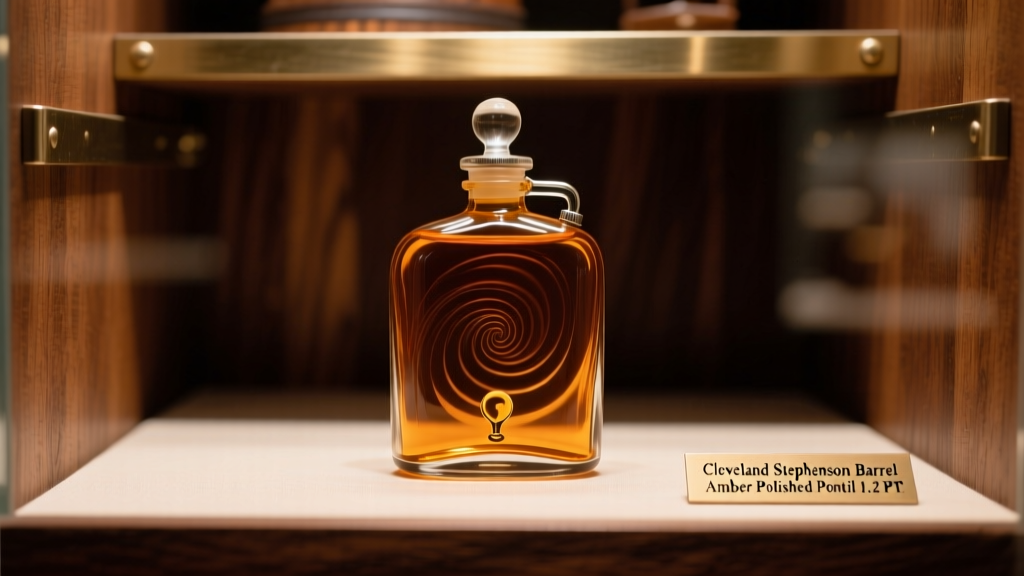
The Flask Cleveland Stephenson Barrel Amber Polished Pontil 1/2 Pt: A Definitive Authentication and Historical Analysis
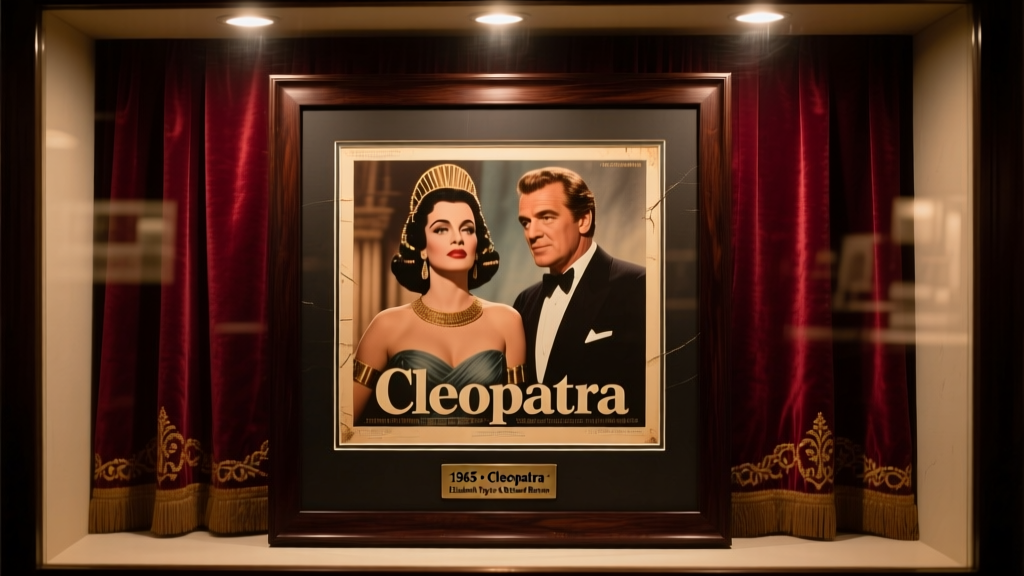
The 1965 'The Sandpiper' Half Sheet Poster: Authenticating Elizabeth Taylor and Richard Burton’s Iconic Hollywood Relic
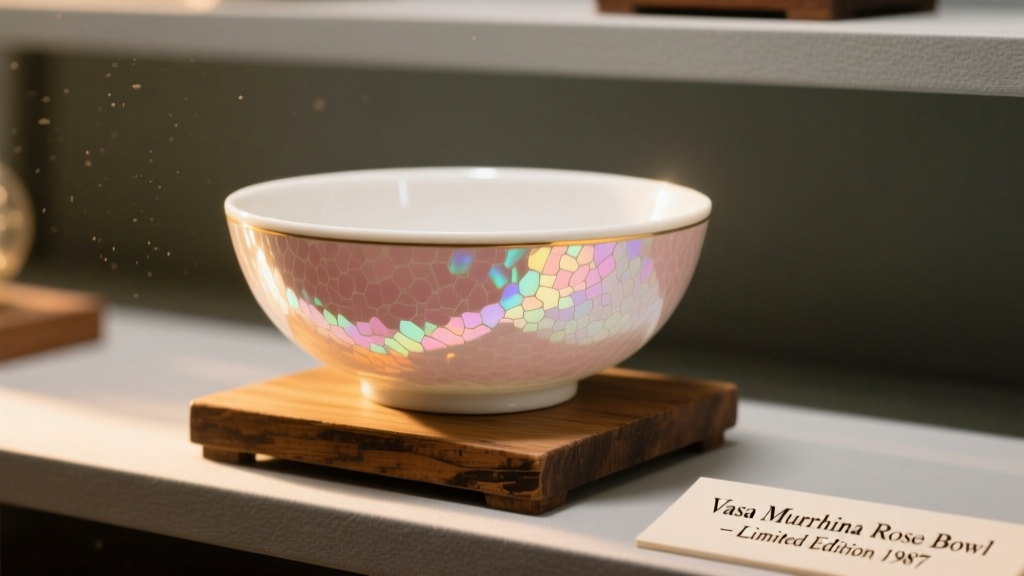
Vasa Murrhina Rose Bowl: Authentication, Provenance, and Technical Analysis of the 8-Inch Crimp-Top Variant with Mica Flakes and Dual-Tone Lining
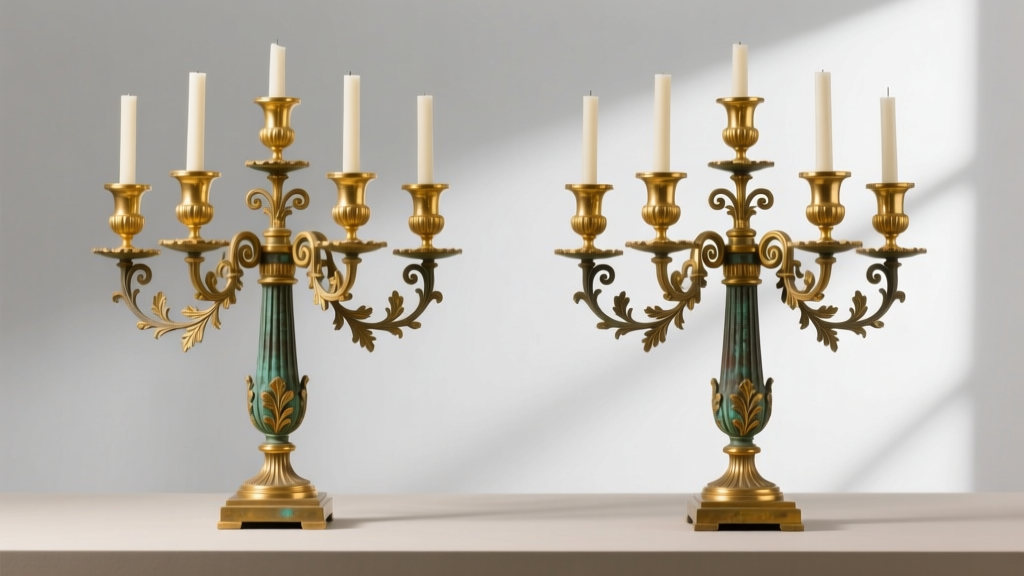
Candelabrum, 6-Light Empire Gilt Clustered Columns, France, Circa 1820–1825 — A Pair of Exceptional Bronze Doré Masterpieces
Roseville Console Primrose: Identification, Value, and Authentication Essentials for Collectors

The Toy Pedal Car Sad Face Dump Truck by Murray: History, Design, and Collector Insights
Fostoria American Mustard Footed Cover: History, Identification, and Authentication of a Mid-Century Glassware Icon