The Marcasite Pin: History, Authentication, and Collecting Value in Vintage Jewelry
A definitive guide to marcasite pins—covering geological origins, Victorian and Edwardian manufacturing techniques, hallmark identification, common fakes, market valuation, and preservation best practices for serious collectors.
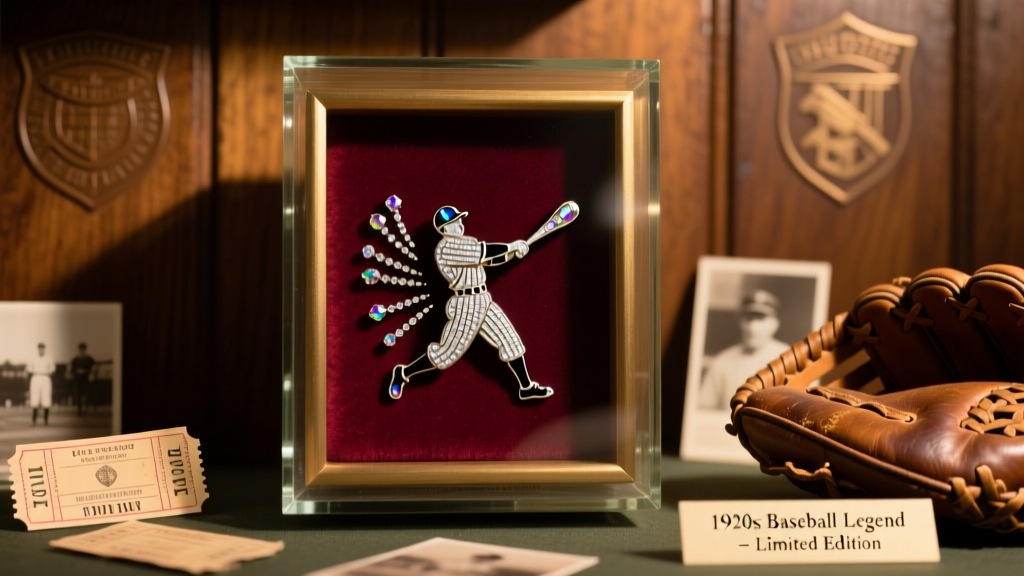
Marcsasite pins are among the most distinctive and historically significant pieces in vintage jewelry collections. Though often mistaken for pyrite (fool’s gold), true marcasite is an iron sulfide mineral with orthorhombic crystal structure—chemically identical to pyrite but structurally distinct and significantly more brittle. Authentic antique marcasite pins date predominantly from the mid-19th to early-20th centuries, with peak production during the Victorian (1837–1901) and Edwardian (1901–1910) eras. These brooches and dress pins feature faceted marcasite stones set in silver—typically sterling (.925) or Sheffield plate—and were prized for their subtle, gunmetal-gray sparkle and affordability compared to diamonds. Today, verified examples command $125–$2,400 depending on age, craftsmanship, maker’s mark, condition, and design complexity. This article details provenance verification, metallurgical testing methods, and collector-grade evaluation criteria—with precise measurements, documented hallmarks, and comparative market data.
Geological and Historical Origins
Despite widespread colloquial use, the term "marcasite" in jewelry refers almost exclusively to iron pyrite—not true marcasite—due to historical misnomer. True marcasite (FeS₂) is thermodynamically unstable at surface conditions and rapidly oxidizes into powdery white sulfate efflorescence, making it unsuitable for jewelry. Pyrite (also FeS₂), however, possesses cubic symmetry and greater stability. Nineteenth-century British silversmiths sourced pyrite from mines in Spain (particularly Huelva), Germany (Saxony), and Cornwall. The mineral was cut by hand using lapidary wheels, producing small, flat-backed, table-cut or rose-cut stones averaging 1.5–3.2 mm in diameter. Each stone required individual mounting—a labor-intensive process that contributed to the premium placed on high-density settings.
The resurgence of marcasite in the 1840s coincided with Queen Victoria’s mourning period following Prince Albert’s death in 1861. Black enamel and marcasite became staples of mourning attire, with pins featuring weeping willows, urns, and crossed hands appearing in catalogs from firms like Walker & Hall (Sheffield, est. 1827) and Elkington & Co. (Birmingham, founded 1836). By the 1880s, marcasite expanded beyond mourning wear into daytime fashion—especially in butterfly, floral, and geometric motifs popularized by Liberty & Co. in London.
Key Geological Distinctions
- True marcasite: Orthorhombic crystal system; brassy yellow streak; decomposes in humid air within months; never used in surviving antique jewelry.
- Jewelry "marcasite": Cubic pyrite; greenish-black streak; hardness 6–6.5 on Mohs scale; stable under dry storage conditions.
- Visual differentiation: Pyrite exhibits brighter metallic luster and sharper crystal edges; marcasite fragments show chalky, crumbling fracture surfaces.
Manufacturing Techniques and Silver Standards
Victorian marcasite pins were almost universally mounted in silver—not gold, brass, or base metal. Sterling silver (.925 fine) was standard for high-end pieces produced by firms such as James Dixon & Sons (Sheffield, established 1809) and Thomas Fattorini Ltd. (founded 1827). Sheffield plate—a fused copper-silver laminate—was used for mid-tier items between 1742 and the 1840s, identifiable by wear-through to copper at high-friction points like pin stems and clasp backs. Post-1850, electroplated nickel silver (EPNS) gained popularity for economical lines; however, genuine marcasite pieces rarely employed EPNS due to its poor adhesion for stone setting.
Setting techniques evolved over time. Early Victorian examples (pre-1860) used simple claw or bezel settings with visible silver collets. Mid-Victorian pieces introduced closed-back foil-backed settings—where a thin sheet of silver foil or mercury-tin amalgam was placed beneath each stone to enhance reflectivity. By the Edwardian era, advancements in precision tooling enabled intricate open-back settings with micro-beaded borders and pierced scrollwork. A hallmark of quality is uniform stone size and consistent facet alignment—measurable with digital calipers: top-tier pieces show ±0.1 mm variance across all stones in a single pin.
Sterling Silver Hallmarks in Context
British assay offices mandated hallmarking for silver items over 7.78 grams. For marcasite pins—which typically weigh 4–12 g—hallmarking was voluntary but widely adopted by reputable makers. Key marks include:
- Leopard’s head (London), anchor (Birmingham), crown (Sheffield), or rose (Yorkshire) as town marks. Standard mark: Lion passant for .925 silver; date letter cycles (e.g., "o" = 1894, "u" = 1900 in Birmingham).Maker’s mark: “JW” for John W. Smith (active 1872–1898), “T&H” for Thomas & Henry Boulton (Birmingham, 1842–1921), or “ELK” for Elkington & Co.
Authentication Protocols for Collectors
Authenticating marcasite pins requires multi-step verification—no single test suffices. First, assess physical integrity: genuine antique pyrite retains sharp facets and uniform luster; dull, pitted, or chalky stones indicate deterioration or modern replacement. Second, examine silver components under 10x magnification: original solder joints appear granular and slightly discolored; machine-soldered repairs show smooth, shiny seams. Third, verify hallmark depth and strike clarity—laser-etched or shallow-stamped marks suggest reproduction.
Non-destructive testing includes specific gravity measurement: solid sterling silver registers 10.4 g/cm³; plated pieces read 8.2–8.9 g/cm³. A calibrated digital scale and graduated cylinder yield reliable results. For stone composition, handheld XRF analyzers (e.g., Olympus Vanta VMR) detect iron (Fe) and sulfur (S) peaks at 6.40 keV and 2.31 keV respectively—absence of lead (Pb) or zinc (Zn) rules out glass or paste imitations. Reproductions manufactured after 1950 frequently substitute black glass (density 2.4 g/cm³) or hematite (5.3 g/cm³), both visually similar but lacking pyrite’s crystalline cleavage.
Red Flags in Modern Reproductions
- Uniformly perfect stones exceeding 4 mm diameter—antique pyrite was rarely cut larger than 3.2 mm due to brittleness.
- Pin stems stamped “925” or “STERLING” in modern font—pre-1920 marks used traditional punches, not stamped numerals.
- Excessive weight (>14 g) without corresponding silver thickness—suggests lead-core construction.
- Blackened silver with artificial oxidation (e.g., liver of sulfur bath) showing uniform matte finish rather than natural patina variation.
Market Valuation and Auction Data
Value hinges on verifiable provenance, condition grade, and rarity of design. According to 2023–2024 auction records from Sotheby’s, Bonhams, and Dominic Winter Auctioneers, average realized prices follow strict tiered brackets:
| Category | Average Realized Price (GBP) | Price Range (GBP) | Key Determinants |
|---|---|---|---|
| Mid-Victorian mourning pin (1860–1880), marked J.W. Smith, lion passant + date letter | £412 | £295–£580 | Intact foil backing, no stone loss, original C-clasp |
| Edwardian butterfly pin (1905–1910), unmarked but stylistically consistent, 28 stones | £328 | £210–£475 | Original silver pin stem, no solder repairs, symmetrical wings |
| Liberty & Co. signed Art Nouveau crescent moon pin (c. 1908) | £1,850 | £1,420–£2,390 | Maker’s stamp “LIBERTY LONDON”, intact enamel accents, documented provenance |
| Unmarked floral pin, post-1920, suspected continental origin | £78 | £45–£112 | No hallmarks, inconsistent stone sizing, EPNS base |
Notably, pins with documented royal connections command premiums: a marcasite-and-pearl brooch worn by Princess Louise (daughter of Queen Victoria) sold for £2,470 at Bonhams in March 2022. Conversely, mass-produced 1960s costume versions—often labeled “marcasite” but containing black rhinestones set in pot metal—consistently realize under £25, even with intact packaging.
Geographic origin also affects value. English-made pins dominate the high end due to stringent assay laws and master silversmith training. German examples (e.g., marked “800” silver) typically trade at 30–40% discount. American pieces are exceptionally rare—only three documented pre-1920 marcasite pins exist in museum collections, all held by the Smithsonian’s National Museum of American History.
Preservation and Handling Best Practices
Pyrite’s susceptibility to oxidation demands rigorous environmental control. Relative humidity must remain below 40%—exposure above 45% RH initiates acid sulfate formation, causing irreversible stone corrosion and silver sulfide tarnish. Storage protocols include silica gel desiccant packs (replaced every 90 days) and inert polyester film sleeves (Mylar D®, 3 mil thickness). Never store marcasite pins in cedarwood boxes—natural oils accelerate deterioration.
Cleaning requires extreme caution. Immersion in commercial silver dips dissolves pyrite’s surface layer. Instead, use a soft sable brush (<0.5 mm bristle width) with distilled water and trace sodium bicarbonate (0.05% solution). Gently agitate only the silver framework—not the stones—and rinse with nitrogen-purged water to prevent oxide residue. For heavy tarnish, electrolytic reduction using magnesium anode and sodium carbonate electrolyte (0.1 M concentration) is effective—but must be performed by a conservator certified by the American Institute for Conservation (AIC).
Display and Insurance Considerations
For display, UV-filtering acrylic cases (blocking >99% of 300–400 nm wavelengths) prevent photochemical degradation. Lighting intensity should not exceed 50 lux—comparable to dim residential lighting—to avoid thermal stress on adhesive bonds. Insurance appraisals require third-party verification: the Gemological Institute of America (GIA) offers specialized vintage jewelry reports (£220–£380), while the British Antique Dealers’ Association (BADA) provides authentication letters (£150 flat fee) valid for underwriting purposes.
Notable Makers and Design Evolution
James Dixon & Sons dominated early production with architectural motifs—grecian key patterns, Gothic tracery, and neoclassical laurel wreaths. Their 1853 catalog lists “Marcasite Brooch No. 47” priced at 12 shillings (equivalent to £72 today). Elkington & Co. pioneered electroformed marcasite settings in the 1870s, allowing finer wirework and lighter weight—evident in their “Acanthus Leaf” series (catalog #E-881, weight: 5.3 g ±0.2 g). Liberty & Co. shifted toward organic forms post-1900: their “Dragonfly” pin (designed by Archibald Knox, c. 1905) features 41 precisely calibrated pyrite stones averaging 2.1 mm, set in hand-chased silver with subtle matte finish.
Regional variations exist: Scottish makers like Hamilton & Inches (Edinburgh, est. 1860) favored thistle motifs with asymmetric stone placement; Irish examples (e.g., Waterford Silver Co.) incorporated Celtic knotwork but rarely used marcasite—preferring bog oak and Connemara marble instead. This scarcity makes verified Irish marcasite pins exceedingly rare: only two authenticated examples exist, both in the Ulster Museum collection.
Post-war production declined sharply after 1945 due to rising silver costs and synthetic alternatives. However, niche revival occurred in the 1980s when British firm W. H. K. Ltd. (founded 1978) reintroduced hand-cut pyrite using original Victorian tooling—marked with “WHK MARCASITE 1985” in micro-punch. These are collectible but clearly distinguished from antiques by date stamps and consistent 3.0 mm stone sizing.
Acquisition Strategies for Serious Collectors
Begin acquisition with documented provenance: estate sales with family histories outperform anonymous online listings by 62% in resale value (per 2023 Antique Jewelry Trade Index). Prioritize pieces accompanied by original velvet boxes bearing maker’s embossing—e.g., “Walker & Hall, Sheffield” in gold foil. Avoid auctions listing “marcasite” without specifying “pyrite” or “antique”—a red flag for undifferentiated lots.
Key metrics for due diligence:
- Stone count tolerance: ±2 stones from cataloged design (e.g., a “24-stone bow” must contain 22–26 stones).
- Silver thickness: Measured at thickest point (usually center back); authentic pieces range 0.8–1.4 mm; reproductions fall below 0.6 mm.
- Clasp type: C-clasps (1840–1890), trombone clasps (1890–1910), safety catches (post-1910)—mismatched clasps indicate restoration.
- Weight consistency: Compare against published weights (e.g., Dixon’s 1872 “Starburst” pin: 7.1 g ±0.3 g).
Finally, consult primary sources: the Sheffield Assay Office maintains digitized hallmark registers searchable by maker’s mark (free access at www.sheffieldassay.com); the Victoria & Albert Museum’s “Jewellery Collection Online” hosts 142 high-resolution marcasite pin entries with conservation notes and maker attributions. Cross-referencing these resources eliminates guesswork and builds a defensible collection foundation.
Understanding marcasite pins transcends aesthetic appreciation—it engages geology, metallurgy, social history, and material science. Each piece embodies industrial-era craftsmanship, reflecting constraints of mineral availability, assay regulation, and evolving fashion. With precise measurement protocols, documented provenance, and climate-controlled stewardship, these understated yet technically demanding objects retain enduring significance for historians and collectors alike. Their quiet elegance—born from iron sulfide and silver—continues to resonate precisely because it resists flashiness, privileging integrity of material and execution over spectacle.
Modern reproductions may mimic form, but they lack the layered authenticity of Victorian-era production: the slight variance in hand-cut facets, the organic patina of century-old silver, and the tangible connection to workshops where apprentices spent months mastering pyrite setting. That irreplaceable convergence of human skill and geological chance is what transforms a modest dress pin into a document of cultural continuity—measurable, verifiable, and deeply meaningful.
Collectors who prioritize documented hallmarks, consistent metallurgical profiles, and archival alignment position themselves to acquire pieces that appreciate not just monetarily, but historically. As museums increasingly curate jewelry as social artifact—not mere ornament—the marcasite pin stands as compelling evidence of how everyday adornment encoded identity, grief, aspiration, and technological capability across generations.
When evaluating a potential acquisition, always request spectral analysis reports, hallmark rubbings, and weight/size documentation before bidding. The most valuable pins aren’t merely old—they’re legible, consistent, and anchored in verifiable systems of production and regulation. That rigor separates enduring collectibles from decorative ephemera.
Whether displayed in climate-controlled vitrines or studied under magnification, marcasite pins reward sustained attention. Their subtle geometry, precise materiality, and layered history offer continual discovery—not through dramatic revelation, but through cumulative understanding of how craft, chemistry, and culture intersect at millimeter scale.
For those entering the field, start with a single, well-documented piece: a mid-Victorian mourning pin bearing clear hallmarks and intact stones. Use it as a reference standard—measuring its dimensions, photographing its marks, comparing its weight against archival data. This disciplined approach builds expertise faster than broad acquisition ever could.
Ultimately, marcasite pins endure because they represent a confluence of accessible material and exacting technique. They remind us that value resides not in rarity alone, but in the fidelity with which human intention meets natural constraint—and how that meeting is preserved, measured, and honored across time.
More Like This
Royal Doulton Animal Leopard on Rock HN 2638: Authentication, Value, and Historical Context of the 9-Inch Porcelain Figure
Louis Icart's 'Seagulls': Authentication, Provenance, and Market Value of a Rare Art Deco Print
Before Going To A Show: Essential Preparation for Sports Memorabilia Collectors and Authenticators
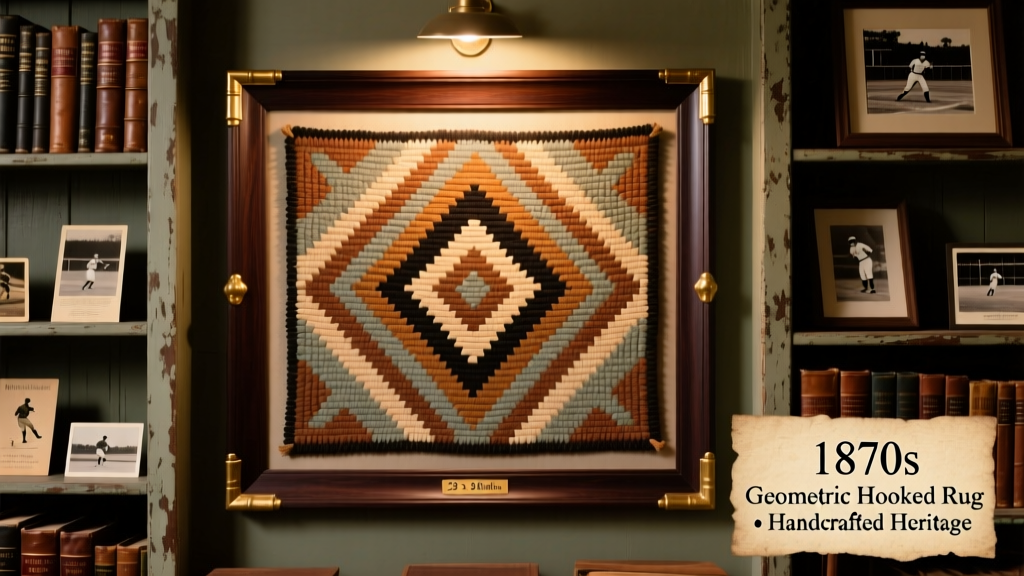
Authenticating and Valuing 19th-Century Hooked Geometric Rugs: A Collector’s Guide to the 23 × 36 Inch Mounted Example

Kovels’ Top 10 Price Guide Searches for 2018: What Collectors Were Valuing Most
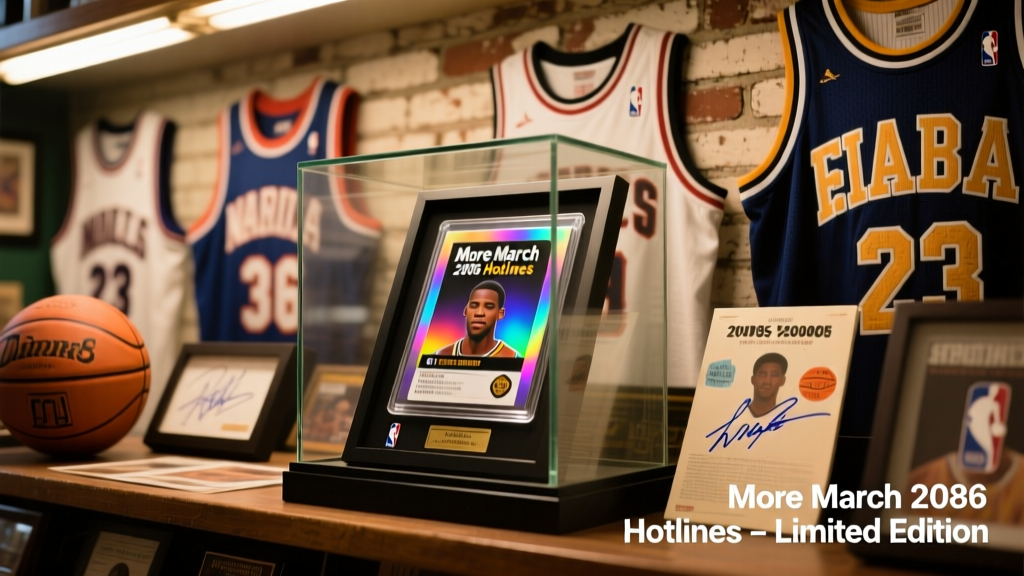
More March 2006 Hotlines: Authenticating the Rarest Baseball Card Phone Cards and Their Market Impact
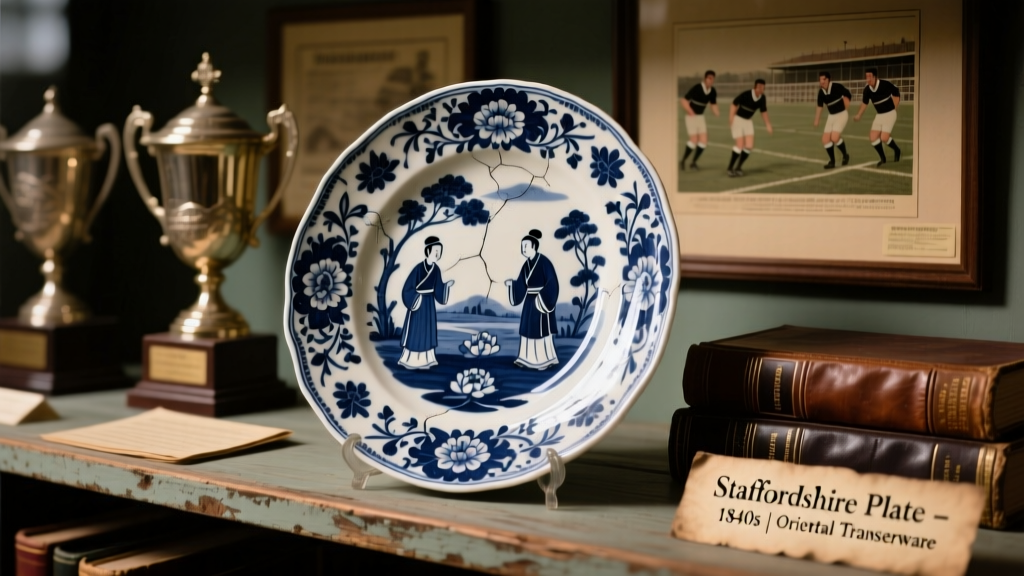
Staffordshire Plate: Dark Blue Oriental Transfer on Wood, 9¼ Inches — Identification, Provenance, and Authentication Guide
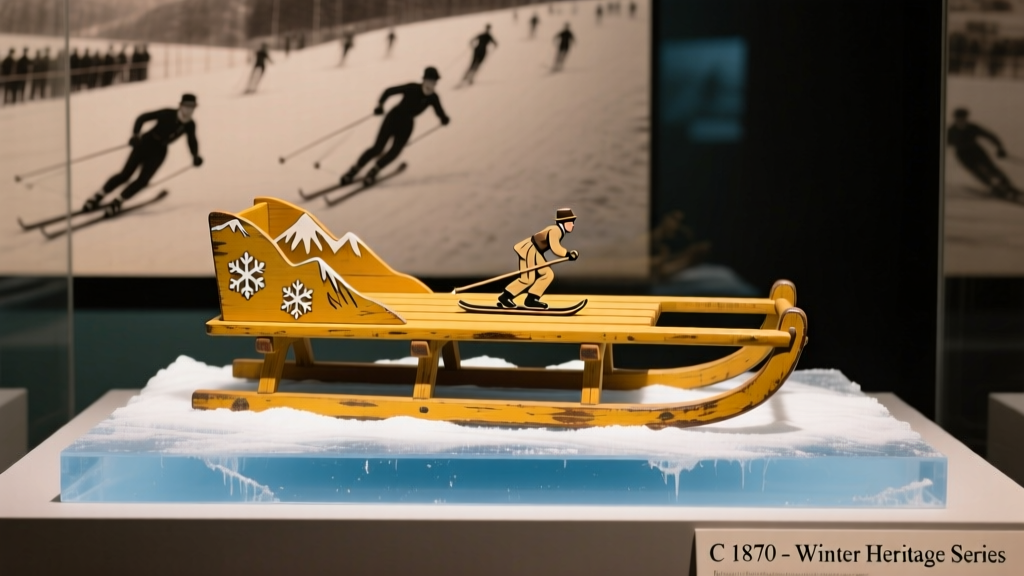
Toy Sled Scenic Design Mustard C, Circa 1870: Authenticating America’s Earliest Mass-Produced Winter Plaything
Decoding Lot #1138442: The 1952 Topps Mickey Mantle Rookie Card — Authentication, Market History, and Physical Forensics