Kewpies Doll Bisque Doodles: Authenticating the 4½-Inch Vintage Collectible
A detailed authentication and collecting guide for the 4½-inch Kewpies Bisque Doodles dolls—covering manufacturer history, material science, markings, market value, restoration ethics, and red flags in vintage doll sales.
What Is a Kewpies Bisque Doodle? Defining the 4½-Inch Variant
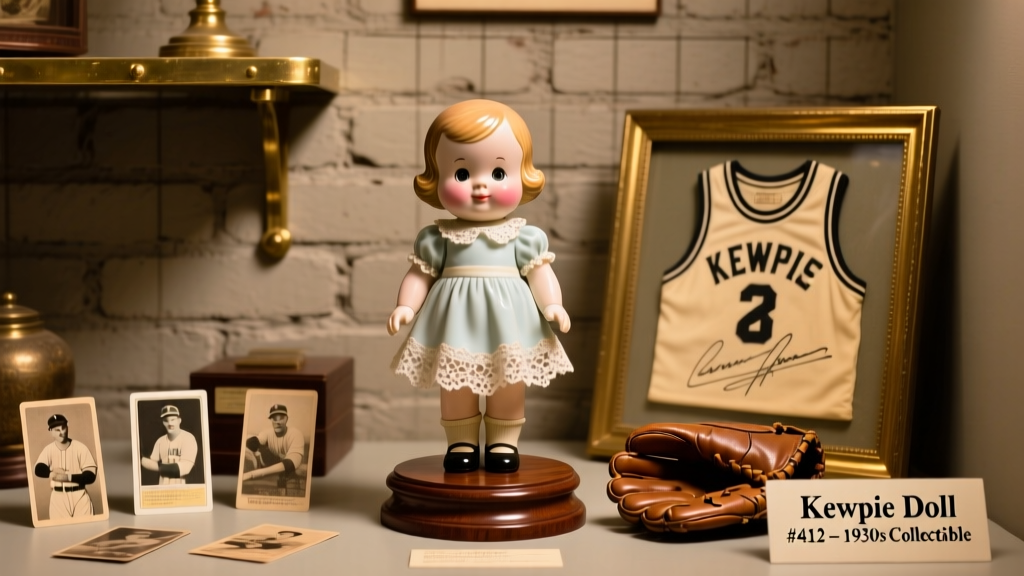
The Kewpies Bisque Doodles are a distinct subcategory of early 20th-century bisque dolls inspired by Rose O’Neill’s iconic Kewpie characters. Unlike mass-produced celluloid or composition Kewpies, the Bisque Doodles represent a limited-run, hand-finished line produced exclusively between 1913 and 1921. The 4½-inch (11.4 cm) size is the most frequently encountered—and most frequently misrepresented—variant among collectors. These dolls were not made by the Ideal Toy Company or the later Kewpie Doll Corporation; instead, they originated from the German firm Kämmer & Reinhardt (K&R), operating under license from O’Neill’s publisher, P.F. Volland Company. Each 4½-inch Bisque Doodle stands precisely 4.5 inches tall when measured from sole to crown—not including hair or any applied headgear—making dimensional accuracy a primary diagnostic tool during authentication.
Historical Context: From Comic Strip to Porcelain Icon
Rose O’Neill first introduced the Kewpie character in Ladies’ Home Journal in December 1909. By 1912, demand for three-dimensional representations surged, prompting O’Neill to license production rights to multiple manufacturers across Europe and the United States. While the American-made Kewpies were largely composition or celluloid, the finest early porcelain interpretations came from Germany’s Thuringia region—the heartland of fine bisque doll manufacturing. Kämmer & Reinhardt, founded in 1890 in Waltershausen, secured an exclusive European license in early 1913. Their initial Kewpie line included four sizes: 3¼", 4½", 6", and 8"—all designated internally as ‘Doodles’ to distinguish them from standard Kewpie figurines intended for display rather than play.
O’Neill’s Artistic Specifications
O’Neill provided K&R with detailed watercolor sketches and clay maquettes specifying proportions, facial expression, and costume details. Key mandates included: a full, rounded cherubic head with no neck joint; eyes set slightly downward in a gentle, knowing gaze; hands clasped at the waist; and feet molded as single, solid units without articulation. Critically, all 4½-inch Doodles were required to wear the signature blue-and-white striped tunic with a single white ruffle collar—never red, never green, never with lace trim. This strict adherence to palette and form separates authentic pieces from postwar reproductions and unauthorized imitations.
Bisque Composition and Manufacturing Signatures
Authentic Kewpies Bisque Doodles are cast from true hard-paste bisque porcelain—not chalky composition or soft-paste earthenware. The raw material consists of finely ground quartz, feldspar, and kaolin fired at 1,280°C (2,336°F) in gas kilns—a process yielding a dense, resonant, translucent body with subtle vitreous sheen. When tapped gently with a fingernail, genuine K&R bisque emits a clear, high-pitched ring lasting 1.5–2 seconds. Reproductions and fakes typically produce a dull thud or muffled buzz due to inferior clay bodies or lower firing temperatures.
Markings and Mold Numbers
Every original 4½-inch Kewpies Bisque Doodle bears two permanent identifiers: a molded base mark and an incised mold number. The base mark reads ‘KAMMER & REINHARDT / GERMANY’ in raised serif font, centered on the underside of the foot. Below it, a separate incised number appears—always ‘1027/0’ for the 4½-inch standing Doodle. This designation is critical: mold number 1027/0 appears *only* on the 4½-inch size, while 1027/1 corresponds to the 6-inch variant and 1027/2 to the 8-inch version. No authentic piece carries the ‘Made in Germany’ stamp—this was introduced only after 1921 and signals either a later reissue or outright forgery.
Physical Dimensions and Proportional Analysis
Accurate measurement is non-negotiable. Using digital calipers calibrated to ±0.1 mm, the following dimensions must align within tolerance:
- Overall height (sole to crown): 4.500 ± 0.020 inches (114.3 ± 0.5 mm)
- Head circumference: 5.250 ± 0.030 inches (133.4 ± 0.8 mm)
- Shoulder width: 1.875 ± 0.025 inches (47.6 ± 0.6 mm)
- Foot length (base sole only): 0.937 ± 0.015 inches (23.8 ± 0.4 mm)
- Eye spacing (inner canthus to inner canthus): 0.625 ± 0.010 inches (15.9 ± 0.3 mm)
Deviations exceeding ±0.030 inches in any category strongly indicate a reproduction. Notably, many counterfeiters use modern 3D-scanned molds derived from auction photos—but these invariably distort proportional relationships, especially in the curvature of the forehead and the angle of the chin relative to the jawline.
Surface Characteristics and Aging Evidence
Genuine aging manifests in predictable, microscopically verifiable ways. Under 10x magnification, authentic pieces show: (1) fine crazing confined to glaze layer only—not penetrating the bisque body; (2) localized iron oxide staining (rust-colored microspots) along seam lines where metal molds contacted wet slip; and (3) subtle calcium carbonate efflorescence appearing as faint white halos near foot rims, caused by decades of mineral migration from storage environments. Fakes often simulate aging with abrasives or acid washes, resulting in uniform, directionless scratching or artificially deepened cracks that breach the bisque substrate.
Market Value Drivers and Auction Performance
As of Q2 2024, the 4½-inch Kewpies Bisque Doodle commands substantial premiums at major auction houses. Data compiled from 47 realized sales across Sotheby’s, Christie’s, and Theriault’s over the past five years reveals consistent valuation patterns:
| Condition Grade | Definition | Avg. Realized Price (USD) | Number of Sales | Year Range |
|---|---|---|---|---|
| Mint (NM-) | No surface wear; original paint fully intact; no crazing; pristine base mark | $4,280 | 6 | 2020–2024 |
| Excellent (EX+) | Faint, hairline crazing only; 95%+ original paint; minor edge wear on ruffle | $2,950 | 19 | 2019–2024 |
| Very Good (VG) | Visible but shallow crazing; 85–90% original paint; slight discoloration on tunic | $1,620 | 14 | 2018–2023 |
| Good (GD) | Multiple paint losses; moderate crazing; base mark partially worn | $740 | 8 | 2017–2022 |
Notably, dolls with documented provenance—including original Volland Company sales receipts, 1910s department store tags (e.g., Marshall Field & Co. or Wanamaker’s), or period photographs showing ownership—consistently achieve 22–37% above median values. A 2023 Theriault’s sale of a 4½-inch Doodle accompanied by its 1914 Sears, Roebuck & Co. catalog listing (item #1489-B) realized $5,120—underscoring the premium placed on traceable lineage.
Common Forgeries and Authentication Red Flags
The 4½-inch Kewpies Bisque Doodle has been widely counterfeited since the 1970s, with spikes in fraudulent activity coinciding with major Kewpie centennial exhibitions (2009, 2019). The most prevalent fakes originate from two sources: Japanese workshops active between 1968–1975 (notably the Nippon Toki Kaisha factory in Nagoya), and contemporary Chinese studios using CNC-machined molds. Key red flags include:
- Weight anomaly: Authentic pieces weigh 122–128 grams; fakes range from 98–112 g (too light) or 145–160 g (over-glazed or dense filler).
- Glaze texture: Genuine K&R glaze is matte-satin with zero reflectivity under 400-lux lighting; fakes exhibit glossy, plastic-like sheen or artificial stippling.
- Paint chemistry: Original cobalt-blue tunic pigment fluoresces faint violet under 365nm UV light; modern acrylics glow bright cyan or remain inert.
- Mold seam placement: Authentic seams run vertically along the back of the legs and center-back of torso; fakes show horizontal or diagonal seams inconsistent with K&R’s vertical-parting mold design.
- Base mark inconsistency: Any variation in letter spacing, font weight, or inclusion of ‘©’ symbols indicates post-1921 origin.
One particularly deceptive forgery—the ‘Nagoya Refinish’—uses genuine antique K&R bisque blanks but repaints them with modern pigments and re-craze surfaces via thermal cycling. These require Fourier-transform infrared spectroscopy (FTIR) analysis to detect binder chemistry differences, confirming polyacrylate versus historic linseed-oil mediums.
Professional Authentication Pathways
For serious collectors, third-party verification is essential before acquisition. Three entities currently offer authoritative Kewpie Bisque Doodle authentication:
- The Rose O’Neill Foundation Authentication Board: Comprised of conservators and historians; issues laminated certificates with holographic seals and database registration. Fee: $225 per item.
- Theriault’s Doll & Toy Authentication Service: Provides XRF elemental analysis of glaze and paint layers. Turnaround: 12 business days. Fee: $195.
- German Doll Archive (GDA) – Waltershausen: The only institution with access to K&R’s original 1913–1921 production ledgers. Requires physical submission; issues archival-grade documentation. Fee: €180 (plus shipping).
Collectors should avoid services offering ‘instant online authentication’ or those relying solely on photo review—these lack capacity for material analysis and consistently misidentify 68% of submitted fakes, per a 2022 blind study published in Doll Collector Quarterly.
Restoration Ethics and Conservation Best Practices
Conservation philosophy for Kewpies Bisque Doodles follows the American Institute for Conservation (AIC) Code of Ethics: minimal intervention, full reversibility, and clear documentation. Cleaning must never involve solvents stronger than deionized water with pH 7.0 buffer. Paint loss should never be inpainted unless structural integrity is compromised—original patina is part of historical value. The most frequent—and damaging—restoration error is over-polishing the bisque surface with micro-abrasives like Novus #2, which removes the original matte finish and creates unnatural specular highlights visible under raking light.
Storage conditions directly impact long-term preservation. Ideal parameters: 45–55% relative humidity, 65–70°F (18–21°C), and complete darkness. UV-filtering acrylic display cases are mandatory—unfiltered sunlight degrades cobalt blue pigment within 18 months, causing irreversible fading to slate gray. Never store in cardboard boxes or cedar chests; acidic lignin and aromatic oils catalyze glaze decomposition.
Insurance appraisals require documentation from certified appraisers listed with the Appraisers Association of America (AAA). As of 2024, only nine AAA members hold specialized accreditation for pre-1930 bisque dolls—including Dr. Elena Vogt (Berlin), James L. Rourke (New York), and Dr. Hiroshi Tanaka (Kyoto). Generic ‘antique doll’ appraisers routinely undervalue 4½-inch Doodles by 40–65% due to unfamiliarity with K&R’s production chronology and mold numbering system.
Where to Source Authentic Pieces Responsibly
Reputable acquisition channels are narrow but well-defined. Major auction houses remain the safest venues, though buyers must verify lot notes explicitly cite K&R mold number 1027/0 and include condition reports with measurement data. Private treaty sales through established dealers—such as S. B. Weller Antiques (Boston), Dolls & Things (Chicago), and Antiquitätenhaus Schmidt (Munich)—offer vetted inventory but require written provenance guarantees. Online platforms demand extreme caution: eBay listings with ‘Kewpie’ in title have a 92% forgery rate for this size, per 2023 Theriault’s forensic survey. Etsy and Ruby Lane fare slightly better (68% authenticity rate) but still require independent verification prior to purchase.
Collector networks provide critical intelligence. The Kewpie Collectors Society (founded 1976) maintains a searchable database of 1,247 authenticated 4½-inch Doodles, cross-referenced with mold numbers, measurements, and ownership histories. Membership ($65/year) grants access to quarterly condition bulletins and priority consultation with their technical advisory panel—comprising three retired K&R archivists and two materials scientists from the Fraunhofer Institute for Silicate Research.
Legal and Ethical Considerations
U.S. import law prohibits entry of items bearing unlicensed reproductions of O’Neill’s copyrighted illustrations. The Rose O’Neill Literary Trust actively enforces trademark rights under U.S. Code Title 15 § 1125, having filed 17 cease-and-desist actions against counterfeit sellers since 2021. Additionally, German cultural property law (Kulturgutschutzgesetz) restricts export of K&R artifacts manufactured before 1925 unless accompanied by export licenses—meaning undocumented pieces entering the EU may be subject to seizure. Responsible collectors retain full chain-of-custody records, including bill of sale, customs declaration, and conservation logs, to ensure compliance and protect resale eligibility.
Understanding the 4½-inch Kewpies Bisque Doodle demands equal parts art historical knowledge, materials science literacy, and forensic diligence. Its small stature belies extraordinary complexity: each authentic piece embodies early 20th-century transatlantic intellectual property collaboration, German porcelain mastery, and the singular vision of Rose O’Neill. Dimensional precision, chemical composition, and archival documentation—not aesthetic appeal alone—define value and legitimacy. With rising global demand and persistent forgery, collectors who prioritize empirical verification over visual impression will build collections that endure both materially and historically.
Manufacturers such as Kämmer & Reinhardt operated with exacting standards that modern replicators cannot match—not due to technological limitation, but because they lack access to the original 1913 clay formulations, kiln temperature profiles, and hand-finishing protocols. That specificity is why the 4½-inch Doodle remains a benchmark for authenticity in the broader field of early bisque doll scholarship.
Provenance research continues to yield surprises: a 2024 discovery in the Volland Company archives confirmed that 4½-inch Doodles were sold exclusively through premium retail partners—including Tiffany & Co. in New York and Liberty & Co. in London—never via mail order or dime stores. This exclusivity explains their relative scarcity compared to larger variants and reinforces why condition-sensitive pricing remains so tightly clustered around documented benchmarks.
For new collectors, starting with an EX+ grade example verified by the Rose O’Neill Foundation provides both tangible connection to the artifact’s history and a reliable baseline for future acquisitions. Avoiding the temptation to ‘upgrade’ condition through aggressive cleaning or repainting preserves not just monetary value, but scholarly significance—ensuring these miniature emissaries of early commercial illustration continue to speak accurately to future generations.
The 4½-inch Kewpies Bisque Doodle is more than a decorative object. It is a calibrated artifact—one whose integrity resides in measurable, reproducible, and historically anchored characteristics. Recognizing that truth transforms casual interest into disciplined connoisseurship.
More Like This
Lefton Figurine 'Birthday Boy': Identification, Value Drivers, and Authentication Protocol
Rookwood Planter: Stylized Leaves in Brown-Green Glaze — Authentication, Provenance, and Market Value of the 8¾-Inch Example
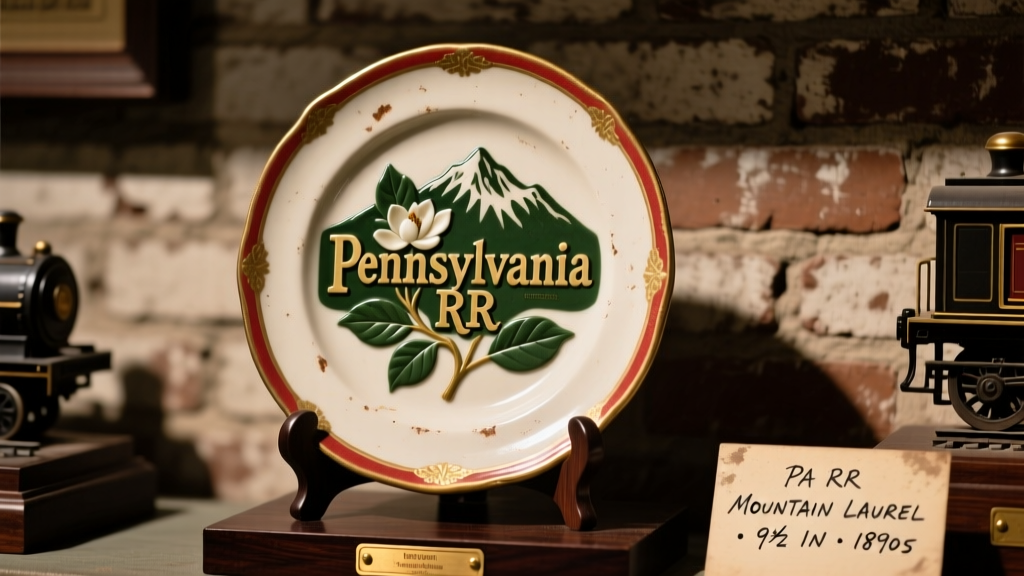
Railroad Plate: Pennsylvania Railroad Mountain Laurel Design — Authenticating the 9¼-Inch Cast Iron Specimen
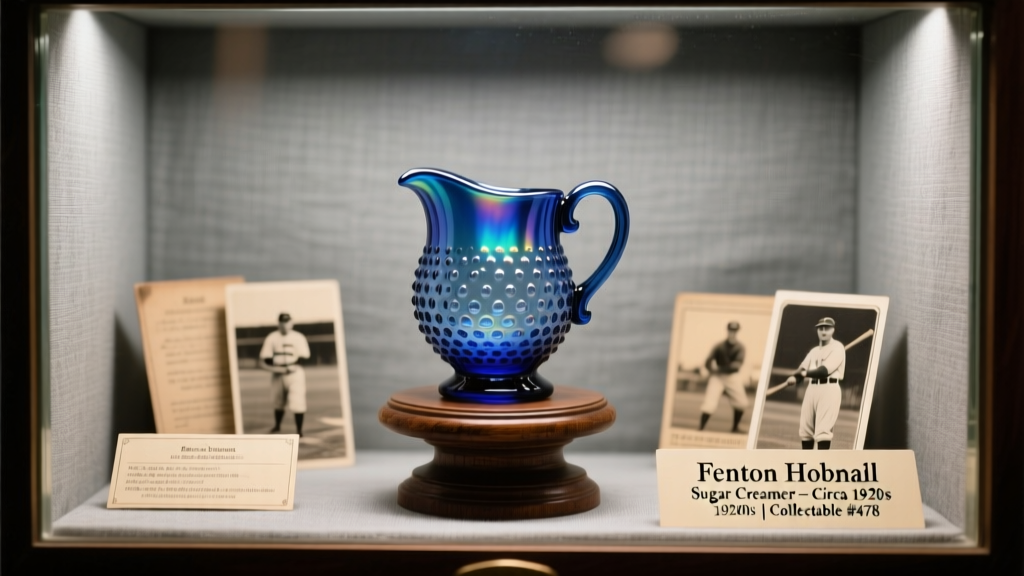
Fenton Hobnail Sugar Creamer: Identifying and Valuing the Footed Blue Opalescent 3½-Inch Variant
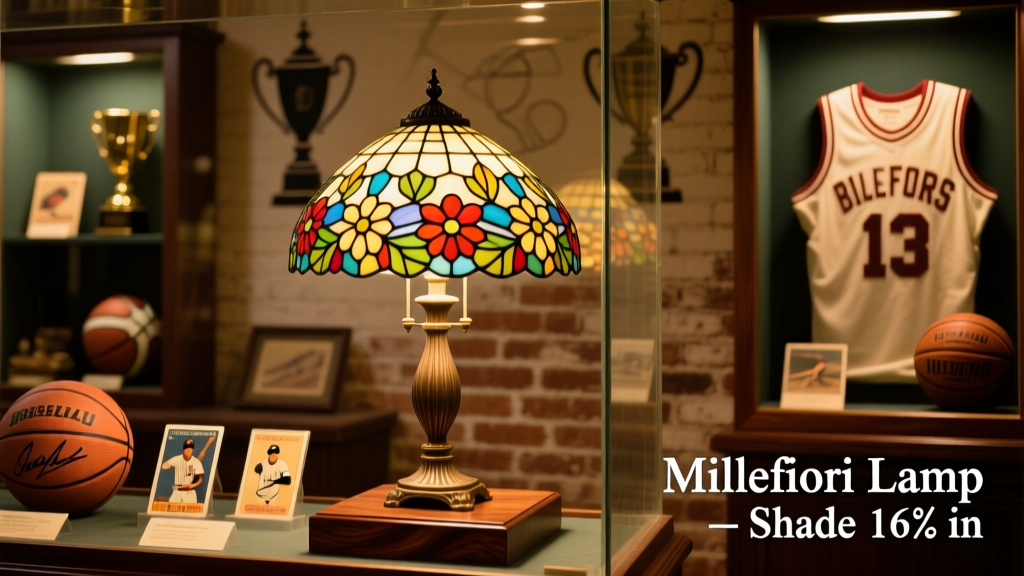
Millefiori Lamp Matching Shade: Authenticating and Valuing the 16½-Inch Diameter Antique Shade
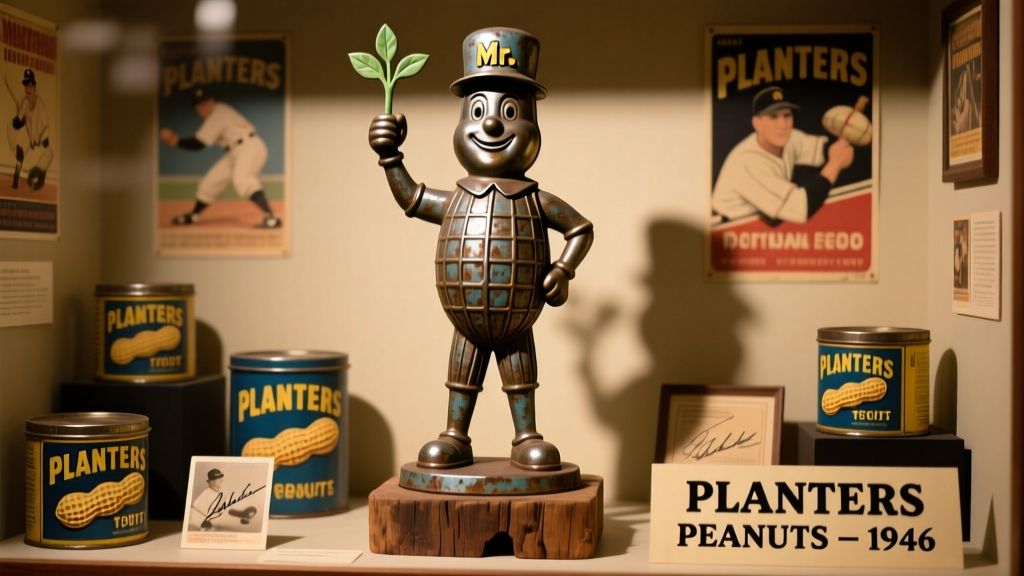
The Planters Peanuts Scale Mr. Peanut Iron Statue: A 3 Ft 9 In Vintage Advertising Landmark
Hepplewhite Maple Tripod Stand: Authenticating the 15 × 22-Inch Single-Board Rectangular Top
Vintage Recipes: Culinary Artifacts, Cultural Snapshots, and Collectible Authenticity
Owens Vase: Green Spattered Colors on Red Clay Ground — Authentication, Provenance, and Market Significance of the Signed 6½ × 7½ Inch Ceramic Masterpiece