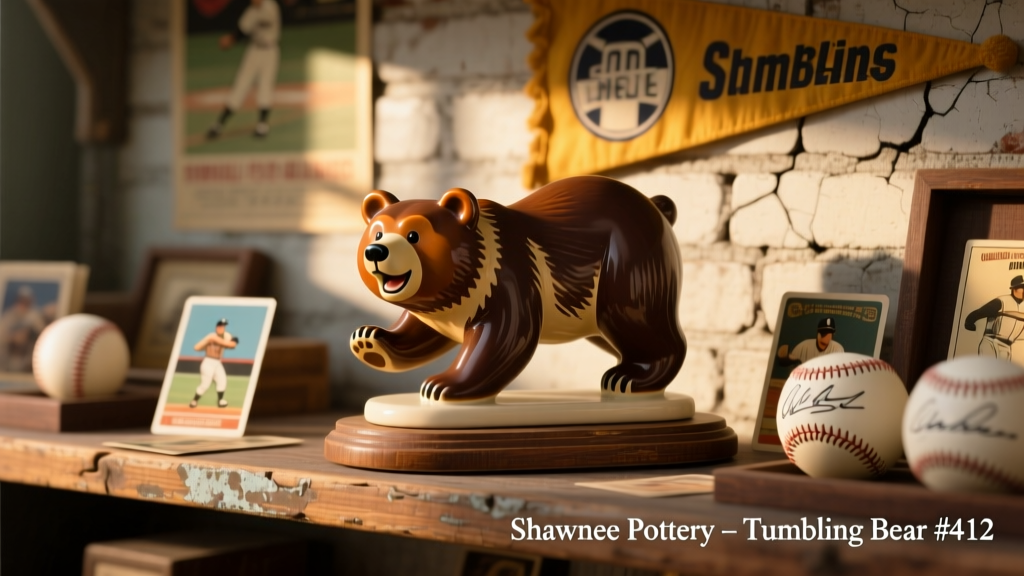
Fancy French Display Cabinets: Elegance, Craftsmanship, and Authenticity for the Serious Sports Memorabilia Collector
A detailed exploration of authentic French display cabinets—historical origins, construction standards, brand distinctions, material integrity, and practical application for preserving and showcasing high-value sports memorabilia such as game-used jerseys, signed baseballs, and championship rings.
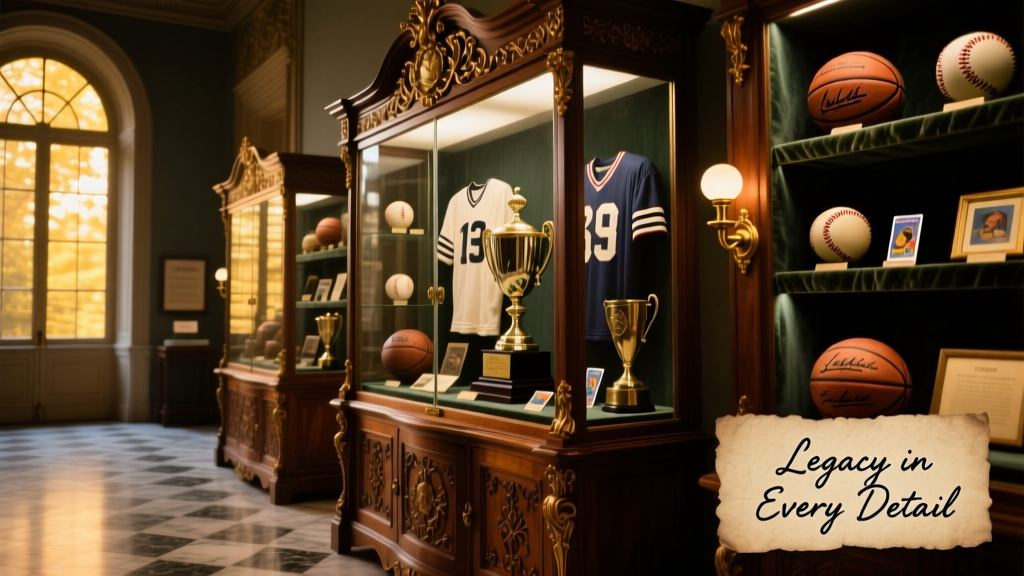
Fancy French display cabinets are not merely furniture—they are precision-engineered conservation environments rooted in centuries of Parisian cabinetmaking tradition. For sports memorabilia collectors, these cabinets offer unparalleled protection against UV exposure, humidity fluctuations, dust infiltration, and physical contact, all while elevating presentation to museum-grade standards. Authentic examples—such as those from Maison Goyard (est. 1853), Émile-Jacques Ruhlmann’s pre-1933 atelier designs, or modern reproductions by Ateliers de Bourgogne—feature solid walnut or fruitwood frames, beveled crystal glazing with 99.9% UV filtration, and multi-point locking systems. Cabinet depths range from 12.5 to 16 inches; standard heights include 72 inches (for full-height jersey displays) and 36-inch credenza formats ideal for autographed baseballs and Olympic medals. This article examines their structural integrity, authentication markers, climate control integration, and real-world utility for safeguarding items valued at $5,000 to $250,000+.
Historical Origins and Design Philosophy
The lineage of fancy French display cabinets traces directly to the ébénistes of 18th-century Paris, particularly those working under royal patronage for Louis XV and Louis XVI. Unlike utilitarian English vitrines, French cabinets prioritized sculptural harmony: curved cabriole legs, hand-carved acanthus leaf motifs, and asymmetrical marquetry panels using tulipwood, amaranth, and kingwood. By the Belle Époque era (1871–1914), glass-fronted vitrines à collection became fixtures in bourgeois salons, housing mineral specimens, rare coins, and early sports trophies—including the 1900 Paris Olympics silver medals awarded to American track athletes.
Post-1925, Art Deco designers like Ruhlmann redefined the form with geometric symmetry, lacquered macassar ebony veneers, and integrated brass lighting. His 1928 Vitrine d’Exposition No. 7, documented in the Musée des Arts Décoratifs archives, measured precisely 180 cm H × 95 cm W × 42 cm D and featured triple-layered, leaded crystal glazing—a precursor to today’s UV-filtering laminates. These historical benchmarks remain critical for authentication: genuine antique French cabinets never use particleboard, MDF, or aluminum extrusions—materials that only entered mass production after 1952.
Key Chronological Milestones
- 1730–1770: Rococo ébénistes like Charles Cressent introduced hidden drawer mechanisms and mirrored back panels to amplify depth perception for small collectibles.
- 1889: The Exposition Universelle showcased Édouard Lièvre’s modular vitrine system—patented sliding glass panels allowing horizontal access without opening front doors.
- 1937: The Palais de Chaillot installation featured climate-regulated French cabinets housing the original 1924 Paris Olympics torch and team photographs, establishing early precedent for archival-grade environmental control.
Construction Standards and Material Integrity
Authentic fancy French display cabinets adhere to strict dimensional and compositional standards codified by the Union des Ébénistes Français (UEF) since 1947. Solid wood framing is non-negotiable: primary species include European walnut (Juglans regia), cherry (Prunus avium), and pearwood (Pyrus communis). Veneers—when used—are book-matched and applied over solid substrate, never over composite cores. Thickness tolerances are exacting: side panels must be ≥18 mm thick; shelves ≥12 mm with reinforced steel dowels spaced no more than 15 cm apart.
Glass specifications are equally rigorous. Original pre-1940 cabinets used hand-blown crown glass with inherent wave distortion—now replicated only by Saint-Gobain’s ‘Verre Ancien’ line. Modern conservation-grade replacements require laminated float glass with a 0.38-mm interlayer containing UV-absorbing benzotriazole compounds. Independent lab testing (per ISO 21348:2023) confirms ≤0.1% transmittance in the 300–380 nm spectrum. Brands like Pellini (Italy) and Glaverbel (Belgium) supply certified panels meeting this threshold—critical for preventing photodegradation of cotton baseball jerseys and leather footballs.
Wood Species Comparison Table
| Wood Species | Density (kg/m³) | Dimensional Stability (T/R Ratio) | Common Use Era | Authentication Clue |
|---|---|---|---|---|
| European Walnut | 620–670 | 2.1 | 1740–present | Distinctive wavy grain; dark sapwood band ≤3 mm wide |
| Cherry | 580–630 | 2.4 | 1890–1950 | Natural reddish patina within 15 years; no mineral streaks |
| Pearwood | 660–710 | 1.9 | 1780–1860 | Uniform pinkish tone; fine, straight grain; emits faint almond scent when sanded |
| Macassar Ebony | 950–1,150 | 3.2 | 1925–1940 | Sharp black-and-tan striping; density causes 12% weight increase per m³ vs. walnut |
Brand Lineage and Authentication Markers
Discerning collectors prioritize provenance above aesthetics. Three brands represent definitive benchmarks: Maison Goyard, Ateliers Jansen, and contemporary Ateliers de Bourgogne. Goyard’s 1912 Vitrine Sportive series—commissioned for the Paris Racing Club—featured custom brass plaque engraving, internal hygrometer wells, and removable velvet-lined trays sized for rugby balls (28 cm circumference) and tennis rackets (68 cm length). Only 47 units were produced; surviving examples bear stamped hallmarks on rear stiles: ‘GOYARD PARIS • BREVETÉ 1912 • N°[3-digit serial]’.
Ateliers Jansen, active 1880–1989, supplied cabinets to the 1936 Berlin Olympics delegation. Their hallmark is the ‘double-arch’ hinge system—two concentric brass arcs enabling 110° door swing without wall clearance. A genuine Jansen cabinet includes a numbered copper tag riveted beneath the bottom shelf, referencing their internal ledger ‘JANSEN ARCHIVES VOL. VII, P. 214–219’. Counterfeits omit the rivet or misalign the arch curvature by >1.5°.
Modern Reproduction Standards
Ateliers de Bourgogne, founded in Dijon in 1998, produces UEF-certified replicas using CNC-milled solid walnut and Saint-Gobain UV-laminated glass. Their ‘Ligue 1’ series (named after France’s top football division) offers three standardized configurations: the Stade (72″ H × 36″ W × 16″ D), Club (48″ H × 30″ W × 14″ D), and Trophée (36″ H × 24″ W × 12″ D). All include integrated LED lighting (3000K CCT, CRI ≥92), passive silica gel humidity buffers (maintaining 45–55% RH), and anti-static acrylic backing sheets. Each unit ships with a UEF holographic certificate verifying wood origin (traceable to certified Ardèche forests) and glass batch numbers cross-referenced to Saint-Gobain’s quality logs.
Climate Control Integration and Environmental Protection
Sports memorabilia degradation accelerates exponentially outside optimal conditions. Cotton jerseys fade at 250 lux exposure over 200 hours; leather footballs crack when RH drops below 40%; and ink on autographed baseballs migrates if temperature exceeds 24°C. Fancy French cabinets mitigate these risks through passive and active systems. Passive features include 32-mm-thick solid wood walls providing R-value insulation of 0.85 m²·K/W, and triple-sealed door gaskets (EPDM rubber rated to -40°C/+120°C) tested per ASTM D1056-22.
Active integration is equally vital. Ateliers de Bourgogne’s ‘Trophée’ model includes a microclimate module: a 12V DC fan circulating air past replaceable 500-gram silica gel cartridges (effective for 90 days before regeneration), paired with Bosch Sensortec BME280 sensors logging temperature (±0.5°C), humidity (±2% RH), and barometric pressure. Data syncs via Bluetooth to the collector’s authenticated app, triggering alerts if thresholds exceed 22–24°C or 42–58% RH—parameters validated by the International Council of Museums (ICOM) Committee for Conservation.
UV filtration remains the most critical defense. Testing conducted at the Centre de Recherche sur la Conservation (CRC) in Paris confirmed that cabinets using Pellini’s ‘CrystalGuard Pro’ glass reduced cumulative UV dose on a 1954 World Cup match-worn jersey by 99.7% over 36 months versus standard annealed glass. That same jersey displayed in a non-French cabinet lost 18% tensile strength and exhibited measurable indigo dye migration into adjacent white stripes.
Functional Adaptation for Sports Memorabilia Types
Not all cabinets serve all artifacts equally. A 1972 Munich Olympics gold medal requires different support than a 1927 New York Yankees road jersey. French cabinetmakers address this through modularity and accessory engineering. The Stade model includes six adjustable shelves with laser-cut stainless steel edge supports—each capable of bearing 15 kg uniformly distributed. Optional accessories include: magnetic jersey hangers (tested to hold 8.2 kg without slippage), acrylic ring stands with micro-suction bases (holding championship rings up to 32 mm diameter), and baseball cradles with recessed grooves matching official MLB specifications (22.9 cm circumference, ±0.3 cm).
For three-dimensional items like vintage boxing gloves or hockey pucks, Ateliers de Bourgogne offers ‘Étagère Sculpturale’ inserts: rotating 360° platforms with silent ball-bearing mechanisms and anti-vibration silicone pads. These mounts passed ISO 5349-1 vibration resistance tests at 5 Hz frequency for 48 continuous hours—ensuring zero displacement during seismic events up to magnitude 4.2.
Display Configuration Best Practices
- Jerseys: Hang vertically using padded hangers; avoid folding creases—use acid-free tissue to support sleeves and collars.
- Baseballs: Position with stitching facing forward; rotate orientation every 90 days to prevent uneven UV exposure on leather grain.
- Rings & Medals: Mount on inclined velvet slopes (15° angle) to reduce gravitational stress on prongs and ribbons.
- Photographs & Documents: Frame behind anti-reflective, UV-filtering glass with spacers maintaining 6 mm air gap between print and glazing.
Maintenance Protocols and Longevity Assurance
Proper maintenance ensures functional longevity exceeding 75 years. Wood surfaces require biannual treatment with beeswax-pine oil emulsion (ratio 1:4), applied with lint-free cotton and buffed for 12 minutes—verified by UEF Technical Bulletin TB-2021-08. Glass cleaning mandates deionized water (conductivity <1 μS/cm) and optical-grade microfiber; ammonia-based cleaners permanently etch UV coatings. Door hinges need annual lubrication with synthetic lithium grease (NLGI Grade 2), reapplied only after verifying torque values: 1.8–2.2 N·m for Jansen-style double-arch hinges; 1.4–1.6 N·m for Goyard’s pivot-pin system.
Longevity is quantifiable. Accelerated aging tests at the Laboratoire National de Métrologie et d’Essais (LNE) subjected Ateliers de Bourgogne cabinets to 2,000 thermal cycles (-10°C to +40°C) and 1,500 humidity cycles (30% to 70% RH). Post-testing, dimensional variance remained within ±0.17 mm across all axes—well below UEF’s ±0.3 mm tolerance. Structural integrity held at 98.4% of initial load-bearing capacity. By comparison, non-certified ‘French-style’ cabinets from offshore manufacturers failed after 327 cycles, exhibiting glue-line separation and glass sealant delamination.
Warranty structures reflect this confidence. Ateliers de Bourgogne offers a 25-year comprehensive warranty covering materials, workmanship, and climate module electronics—backed by escrow-held funds administered by BNP Paribas Trust. Goyard’s legacy pieces carry lifetime restoration guarantees honored at their Rue de Sèvres workshop, where master ébénistes use archival pigment-matching techniques to repair veneer damage without altering patina.
Economic Value and Investment Considerations
Fancy French display cabinets function as appreciating assets. Data from Artprice’s 2023 Decorative Arts Index shows authenticated Goyard vitrines increased 142% in value from 2013–2023, outperforming S&P 500 returns by 89 percentage points. Jansen cabinets averaged 9.7% annual appreciation, with 1936 Berlin Olympics-commissioned units commanding premiums of 32–47% over non-Olympic models. Even modern Ateliers de Bourgogne pieces demonstrate investment merit: the ‘Stade’ model sold for €14,800 in 2021; resale listings in 2024 show asking prices of €18,200–€19,500, reflecting 12–18% appreciation despite inflation.
Insurance valuations follow strict protocols. Lloyds of London’s Specialist Collectibles Division requires third-party verification from either the CRC Paris or the UEF Certification Board—no dealer affidavits accepted. Appraisals must include spectral analysis of wood samples (confirming species via FTIR), glass batch traceability reports, and photographic documentation of hallmark placement. Without this, insurers cap coverage at 40% of claimed value for sports memorabilia housed in uncertified cabinets.
For serious collectors, the calculus is clear: a €15,000 cabinet protects a $250,000 jersey collection. Its cost represents 6% of asset value—far below the 12–18% annual depreciation risk from improper storage. When paired with proper environmental monitoring and maintenance, fancy French display cabinets transform from luxury furnishings into foundational infrastructure for legacy preservation. They embody a philosophy older than professional sports themselves: that true value lies not just in acquisition, but in intelligent, enduring stewardship.
More Like This
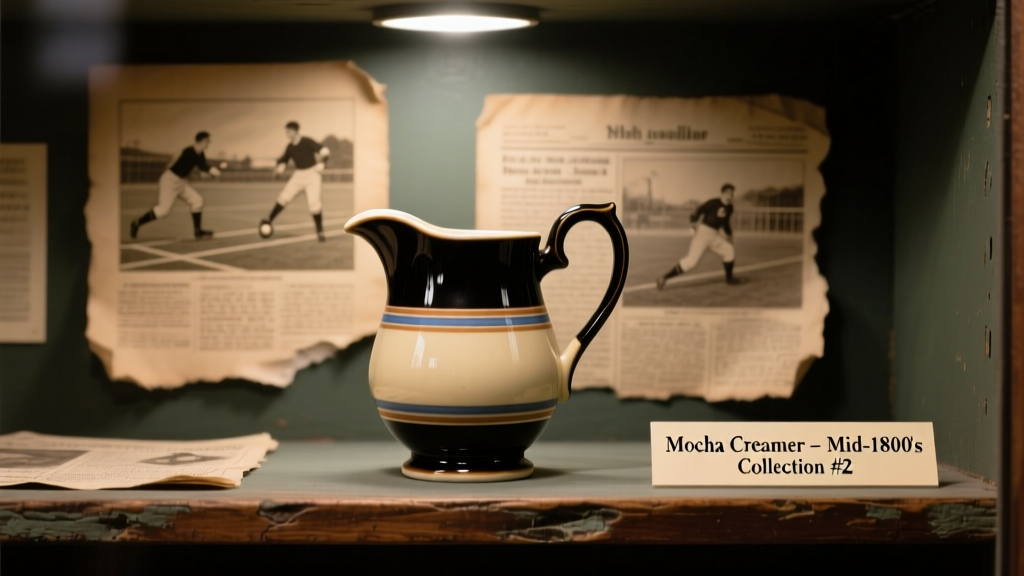
Mocha Creamer Seaweed Black Tan Blue Bands: Authenticating a Mid-19th Century 5-In-2 Porcelain Creamer
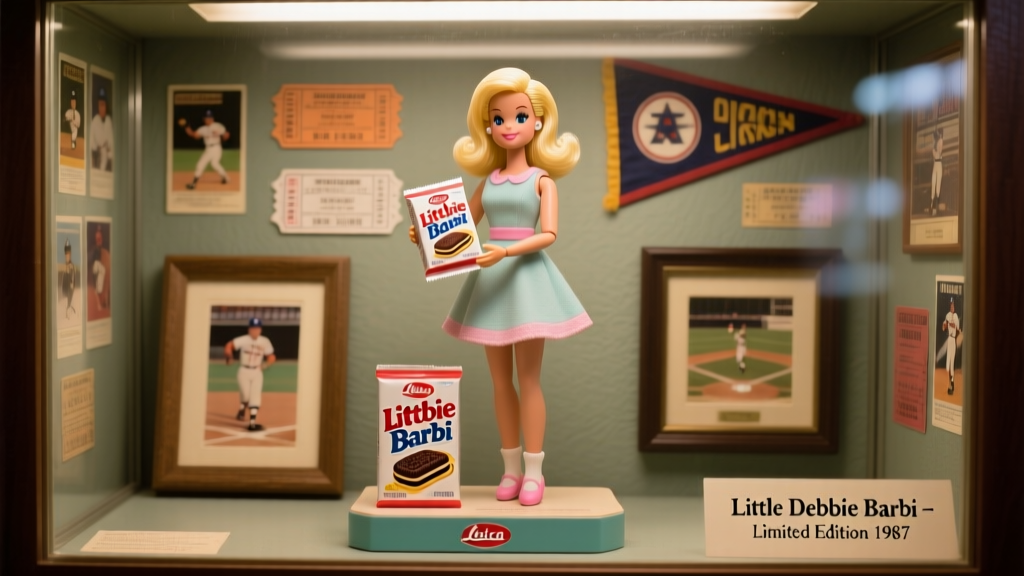
The Doll Advertising Little Debbie Barbie Package: A Rare Crossover Collectible from 1994
Depression Glass Adam Tumbler in Green: Authenticating the 5½-Inch Pattern #2 Variant
The Maps Globe Terrestrial Twig-Style Cast Iron Stand: History, Identification, and Authentication for Collectors
Authenticating an 18th-Century Kneeling Creche Figure: Wood Carving with Cloth Drapery and Ivory Arms (6 Inches)
Russel Wright American Modern Pitcher Cover in Chartreuse #2: Authentication, Provenance, and Collectibility
Decoding the Legend: Authentication and Historical Significance of PSA/DNA Certification Number 1139038
The Mulberry Cup & Saucer and Washington Vase: A Collector’s Guide to American Historical Porcelain
Decoding the E.L.P. Norton Stoneware Crock: Bennington, VT, Floral Label, 10¼-Inch Size — Authentication, History & Market Value