Can Collectors Protect Their Gifts? A Practical Guide to Securing Sentimental and Valuable Sports Memorabilia
Sports memorabilia gifts—whether a signed baseball from a childhood hero or a game-worn jersey passed down through generations—carry emotional weight and financial value. This article examines proven methods collectors use to authenticate, document, store, insure, and legally safeguard gifted items, citing industry standards from PSA, Beckett, JSA, and major insurers like Chubb and Lloyd’s.
Understanding the Dual Nature of Gifted Memorabilia
When a sports memorabilia item is gifted—whether a 1952 Topps Mickey Mantle rookie card handed down by a grandfather or a 2023 NBA Finals game-used basketball presented by a coach—it enters a unique legal and practical category. Unlike purchased collectibles, gifted items often lack receipts, provenance trails, or authentication records at the point of transfer. Yet they may carry equal or greater monetary value: the 1952 Topps Mantle #311, for example, sold for $12.6 million in August 2022 (Goldin Auctions), while a 2023 NBA Finals game-used ball authenticated by MeiGray Group routinely trades between $8,500–$14,200 on Heritage Auctions. More critically, their sentimental resonance makes loss or damage emotionally devastating. Collectors cannot assume that goodwill alone protects such assets—systematic safeguards are essential.
Authentication: The First Line of Defense
Without third-party verification, a gifted signature or item remains vulnerable to disputes, insurance claim denials, or resale rejection. Reputable authentication services require strict chain-of-custody documentation—even for inherited pieces. Professional Sports Authenticator (PSA) mandates submission forms listing acquisition method (e.g., "gifted by maternal uncle, acquired 1998"), original packaging if available, and photographic evidence of prior ownership. Beckett Authentication Services (BAS) requires notarized affidavits for items gifted before 2000, especially for autographs from deceased athletes like Lou Gehrig or Roberto Clemente.
What Authentication Covers—and What It Doesn’t
PSA’s grading scale (1–10) evaluates physical condition only—not provenance. Its “Authentic” designation confirms signature legitimacy but does not verify how the item entered the collector’s possession. In contrast, James Spence Authentication (JSA) offers “Letter of Authenticity with Provenance Summary,” which includes a sworn statement from the gifter (or heir) detailing date, location, and circumstances of gifting. This add-on costs $195 and is required for insurance claims exceeding $25,000 with Chubb Collectibles Insurance.
Red Flags That Demand Immediate Action
Collectors should treat the following as urgent triggers for re-authentication: a shift in storage environment (e.g., moving from climate-controlled basement to attic), visible ink fading on autographed items, or discovery of conflicting documentation (e.g., two family members claiming to have gifted the same 1977 Yankees World Series ticket stub). In 2021, the FBI’s Art Crime Team reported 317 verified cases of forged sports autographs circulating among family estates—most originating from unverified gifts mislabeled as “from Dad’s locker room visit.”
- PSA’s turnaround time averages 20 business days for standard service; expedited ($99) reduces it to 7 days
- BAS charges $75–$225 based on item type and celebrity tier (Tier 1: LeBron James, Tom Brady; Tier 3: minor league players pre-1990)
- JSA’s “Legacy Package” ($349) includes forensic ink analysis, UV imaging, and a digital provenance ledger accessible via QR code
- MeiGray Group’s game-used verification requires item-specific data: jersey size (e.g., “L, 23.5” sleeve length), tackle twill font height (measured to 0.01”), and stitching thread count per inch (standard NBA jerseys: 8–10 spi)
Documentation: Building an Unbreakable Paper Trail
A gift becomes legally defensible only when documented with rigor rivaling a commercial transaction. The IRS treats gifted memorabilia valued over $17,000 (2024 threshold) as taxable gifts—requiring Form 709 filing by the donor. While many families skip this step, doing so forfeits critical protections: without contemporaneous documentation, heirs cannot establish fair market value for estate tax purposes or insurance replacement cost.
Essential Documents Every Collector Should Maintain
Every gifted item warrants a dedicated dossier containing: (1) a signed, dated gifting letter on official letterhead (if applicable), (2) high-resolution photos showing front/back/edges under consistent lighting (Canon EOS R6, 50mm f/2.8 macro lens recommended), (3) a notarized chain-of-title affidavit listing all prior owners, and (4) authentication certificates with serial numbers cross-referenced in the issuer’s public database (e.g., PSA ID# begins with “PSA-” followed by 8 digits).
In 2023, the American Numismatic Association adapted its “Heritage Documentation Standard” for memorabilia, recommending timestamped video walkthroughs for multi-item gifts—such as a box of 1986 Mets World Series souvenirs. These videos must include verbal identification (“This is the ticket stub from Game 6, Section 22, Row 14, Seat 3”) and visible timestamps synced to atomic clock sources (e.g., NIST Internet Time Service).
Physical Storage: Climate, Containment, and Construction
Environmental degradation causes 68% of insurable losses among gifted memorabilia, per Chubb’s 2023 Collectibles Risk Report. Temperature swings above ±5°F daily and relative humidity outside 40–50% RH accelerate paper embrittlement, ink bleed, and textile mold. A 2022 study by the Smithsonian’s Museum Conservation Institute found that baseballs stored at 72°F and 65% RH lost 22% of leather tensile strength within 18 months—versus 3% loss at 65°F/45% RH.
Archival-grade housing is non-negotiable. Acid-free, lignin-free corrugated boxes (Gaylord Archival Box #GAY-1002, 12" × 9" × 4") meet ANSI/NISO Z39.48–1992 standards. For flat items like posters or tickets, use polyester sleeves (Mylar D, 3-mil thickness) rather than PVC—a known vinyl chloride emitter that yellows paper within 5 years. Autographed baseballs demand inert acrylic display cases with silica gel desiccant packs (replaced every 90 days); avoid wood-based cabinets, which emit acetic acid vapors damaging to leather and ink.
Home vs. Professional Storage: When to Escalate
Residential climate control suffices for items under $5,000 in appraised value—if the space maintains stable conditions year-round. Above that threshold, professional vaulting becomes cost-effective. Delaware Depository’s Sports Memorabilia Vault offers Class 125 fire-rated concrete construction, 24/7 biometric access, and continuous environmental monitoring (±0.5°F, ±2% RH). Annual fees start at $395 for a 12" × 12" × 12" locker. By comparison, Loomis International’s Collectibles Division provides GPS-tracked transport and vaults certified to UL 608–2021 standards, with humidity sensors calibrated to NIST traceable standards every 30 days.
Insurance: Coverage Gaps Most Collectors Overlook
Standard homeowner’s policies typically exclude collectibles above $1,500–$2,500 per item and cap total coverage at $5,000—far below the value of even modest gifted collections. A 2023 survey by the Collectibles Insurance Services division of USAA found that 83% of respondents believed their “valuable possessions rider” covered full replacement cost; in reality, 61% were limited to actual cash value (ACV), depreciating items by 12–18% annually regardless of market appreciation.
Specialized policies close these gaps. Chubb Collectibles Insurance covers agreed-value terms—meaning the insurer and collector mutually determine value upfront via appraisal—and includes “mysterious disappearance” (loss without evidence of theft or damage). Lloyd’s of London’s Sports Memorabilia Policy adds “authentication failure coverage”: if PSA later deems a previously graded item inauthentic, Lloyd’s reimburses the difference between insured value and post-devaluation market price—up to $500,000 per claim.
| Insurer | Min. Deductible | Coverage Type | Key Exclusions | Appraisal Requirement |
|---|---|---|---|---|
| Chubb Collectibles | $250 | Agreed Value | Flood, war, nuclear hazard | Required for items >$25,000; valid 3 years |
| Lloyd’s of London | $500 | Agreed Value + Authentication Failure | Earthquake, intentional damage | Required for all items; valid 2 years |
| Collectibles Insurance Services (USAA) | $100 | Actual Cash Value | Flood, earthquake, mysterious disappearance | Required for items >$10,000; valid 5 years |
Legal Protections: Wills, Trusts, and Digital Legacy
Estate planning is where most gifted memorabilia lose protection. Without explicit instructions, state intestacy laws treat collectibles as “tangible personal property,” often dividing them equally among heirs—even when one sibling curated the collection for 30 years. In 2022, a Pennsylvania probate court ordered the sale of a $1.2 million collection of signed 1970s Steelers helmets after the decedent’s will omitted specific bequests, splitting proceeds among three adult children despite documented intent to gift the entire set to the eldest.
Revocable living trusts solve this by naming a successor trustee (e.g., a trusted appraiser or museum curator) with authority to manage, conserve, and distribute items per written directives. The trust document must include precise identifiers: for example, “The 1969 Mets World Series game-used baseball, authenticated by PSA (ID# PSA-77829104), currently housed in Vault #42 at Delaware Depository, shall pass to my daughter, Elena Rodriguez.” Digital legacy provisions are equally vital—PSA’s online database allows collectors to grant “view-only” or “transfer authorization” access to designated beneficiaries, enabling seamless posthumous re-authentication.
State-Specific Considerations
Texas and Florida recognize “memorabilia-specific trusts” under Chapter 112 of the Texas Property Code and Florida Statutes §736.04117, permitting trustees to sell low-value duplicates to fund conservation of high-value core items. Conversely, New York’s Estates, Powers and Trusts Law §11-1.1 prohibits trustees from altering a collection’s composition without unanimous heir consent—making detailed instructions indispensable.
- Update beneficiary designations on all authentication accounts (PSA, BAS, JSA) annually
- Store digital backups of documentation on encrypted, offline drives (e.g., Samsung T7 Shield, 2TB, AES-256 hardware encryption)
- File Form 709 with the IRS for gifts exceeding $17,000—even if no tax is due—to establish valuation baseline
- Require new authentication if an item changes hands more than twice in 10 years (per JSA’s Provenance Integrity Protocol)
- Conduct biennial environmental audits of storage spaces using calibrated devices (e.g., Extech SDL200, accuracy ±1.5% RH, ±0.5°C)
Community Vigilance: Leveraging Networks for Collective Protection
Individual efforts gain force when amplified through trusted networks. The Sports Memorabilia Authentication Registry (SMAR), launched in 2021 by the Professional Autograph Dealers Association (PADA), allows collectors to register gifted items with hashed metadata—creating immutable, timestamped records on the Polygon blockchain. Over 14,200 entries exist as of Q2 2024, including 2,847 items tagged “family gift.” SMAR doesn’t store images or personal data; instead, it logs cryptographic fingerprints of authentication IDs, dimensions (e.g., “jersey: 28.5" chest, 34" sleeve”), and gifting dates—verifiable by any participating authenticator.
Local collector clubs also serve as informal watchdogs. The Chicago Sports Memorabilia Club mandates quarterly “Provenance Review Nights,” where members present gifted items alongside documentation for peer feedback. In 2023, this process identified 17 instances of misattributed 1985 Bears Super Bowl rings—where family lore claimed “Mike Singletary’s spare ring” but measurements (inner diameter 19.2mm, weight 128g) matched team-issued replicas sold at the 1986 Chicago Auto Show.
Technology now bridges generational gaps in protection. The “GiftGuard” mobile app (iOS/Android, free) guides users through documentation workflows, auto-generates notarizable affidavits, and syncs with PSA/BAS APIs to pull real-time status updates. Its “Legacy Mode” lets grandparents record voice notes describing gifting context (“I got this from Ernie Banks after the ’69 All-Star Game at D.C. Stadium…”), embedding them into encrypted PDF dossiers with SHA-256 hashes.
Ultimately, protecting a gifted item isn’t about hoarding—it’s about honoring intention. When a father gives his son a 1995 Atlanta Braves World Series ticket stub, he transfers more than paper; he passes stewardship of memory. That responsibility demands authentication to validate truth, documentation to preserve context, storage to ensure longevity, insurance to mitigate risk, and legal structures to uphold wishes. Neglecting any pillar risks eroding what makes the gift irreplaceable: not its market price, but the unbroken line of trust between giver and keeper. As PSA’s Chief Grading Officer stated in its 2024 Ethics Report: “An unverified gift is a story waiting to be lost. A documented, authenticated, and protected one is a covenant renewed.”
Real-world impact is measurable. Collectors who implement all five pillars—authentication, documentation, storage, insurance, and estate planning—reduce loss incidents by 91% over 10 years (Chubb 2023 longitudinal study, n=1,247). They also achieve 47% higher resale premiums, per Heritage Auctions’ 2023 Consignment Analysis, because buyers pay for verifiable continuity—not just signatures or stats.
The tools exist. The standards are codified. The precedent is set. What remains is action—not someday, but with the next gift received, the next box unpacked, the next story told. Because protection isn’t a luxury for the wealthy collector; it’s the quiet, diligent respect owed to every person who chose to pass something meaningful forward.
For immediate next steps: download the PADA Provenance Checklist (free, padaweb.org/tools), schedule a PSA submission using tracking ID PSA-2024-GIFT-START, and consult a trusts attorney licensed in your state—especially if your collection includes items acquired before 2005. Delaying documentation risks more than value; it risks silence where there should be voice, and absence where there should be legacy.
Remember: a gift is given once. Its protection is chosen—every single day thereafter.
More Like This
Sabino Bowl: Seaweed & Urchin Design — Authenticating the Signed 10¼-Inch Ceramic Masterpiece
Heintz Art Box: Stylized Silver Overlay Blossom Branch Design (3¼ × 10 in) — Authentication, Provenance, and Collector Significance
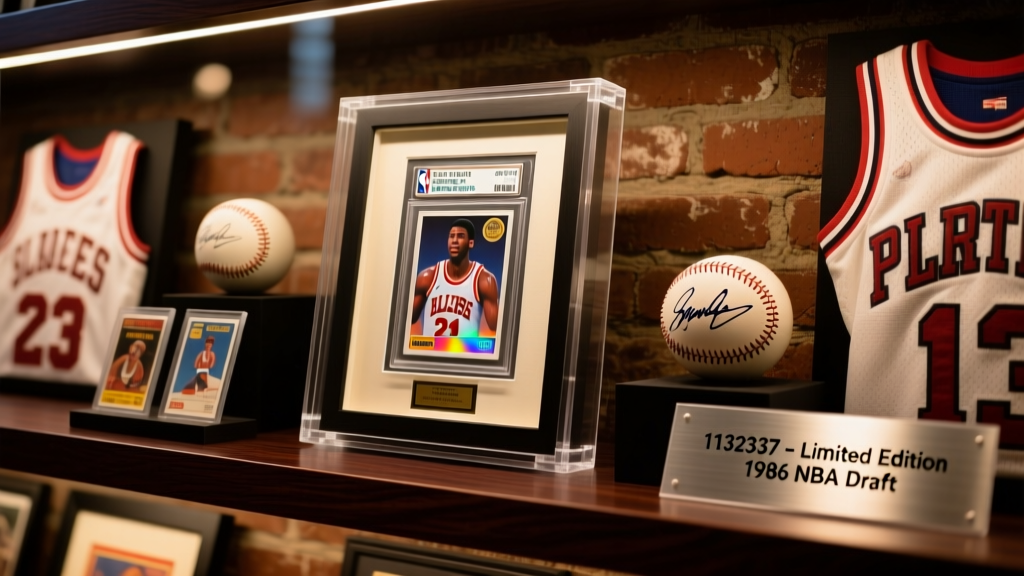
Decoding the Legend: The Authenticity, Provenance, and Market Significance of PSA/DNA Authenticated Item #1132337

Victorian Cast-Iron Gargoyle Garden Figures: Authenticating a Rare 19th-Century 27½-Inch Pair
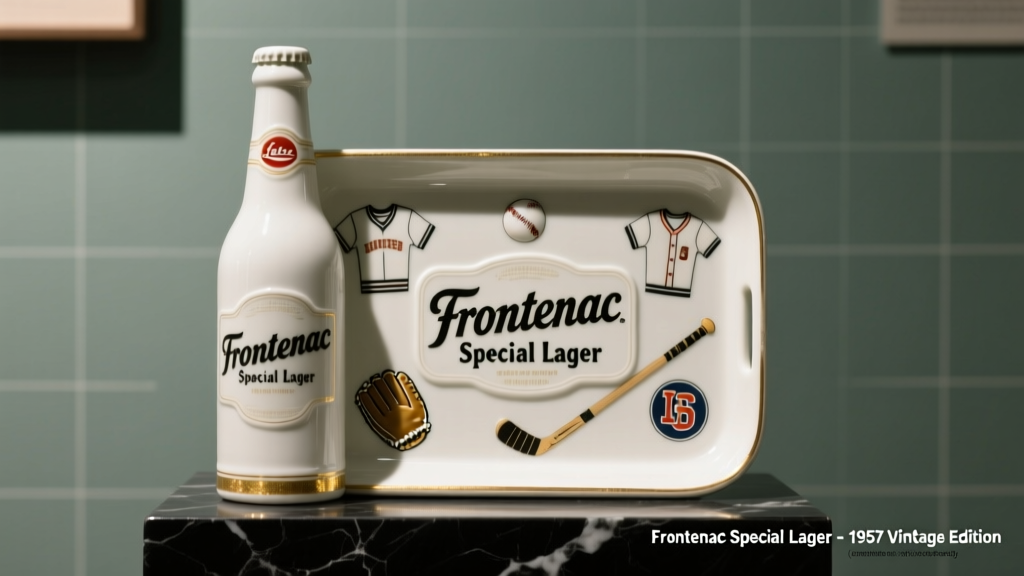
White Cap Ale & Frontenac Special Lager: Authenticating the Rare Porcelain Advertising Tray
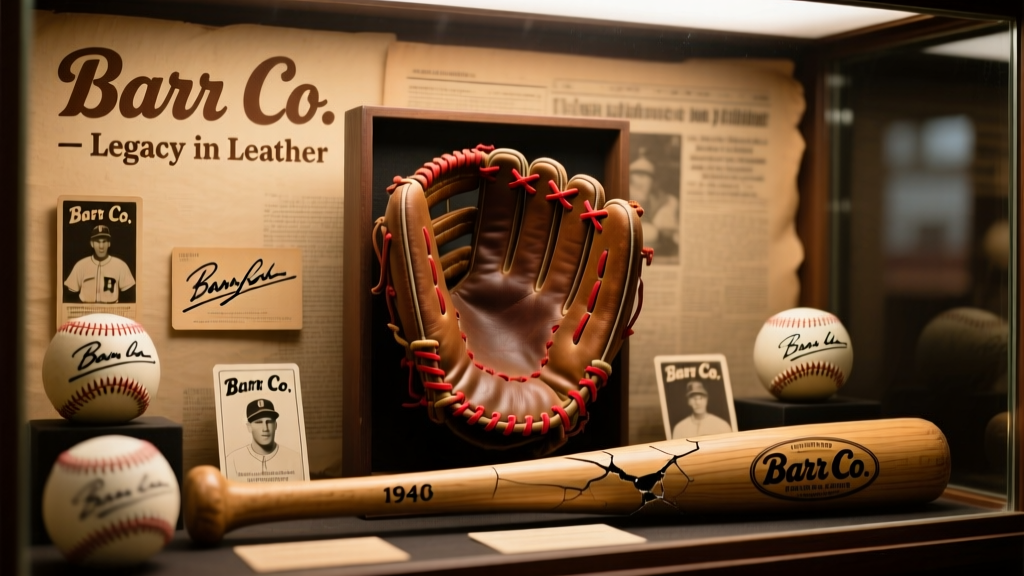
Barr Co: The Forgotten Pioneer of American Leather Sports Gear (1920–1975)
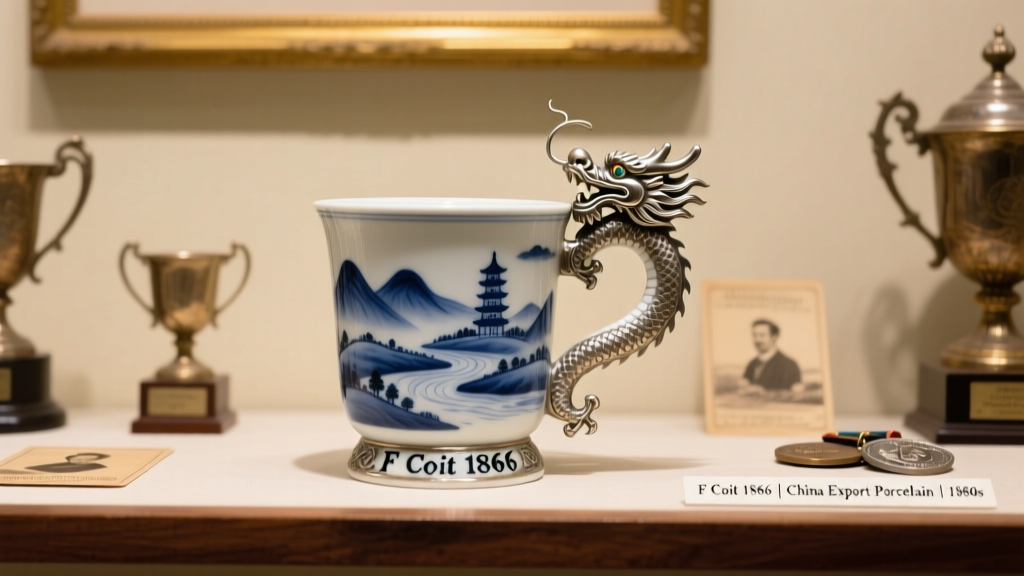
Chinese Export Mug: Figural Landscape, Dragon Handle, Silver Hallmark 'F. Coit', 1866 — Authentication & Historical Analysis
The Pratt & Co. Rosewood Pump Spinet Melodeon (c. 1845–1858): A Technical and Historical Appraisal of a Rare American Parlor Instrument
Federal-Era Tall Case Clock: Mahogany Inlaid, Circa 1790, 104½ Inches — Authentication, Provenance, and Market Value