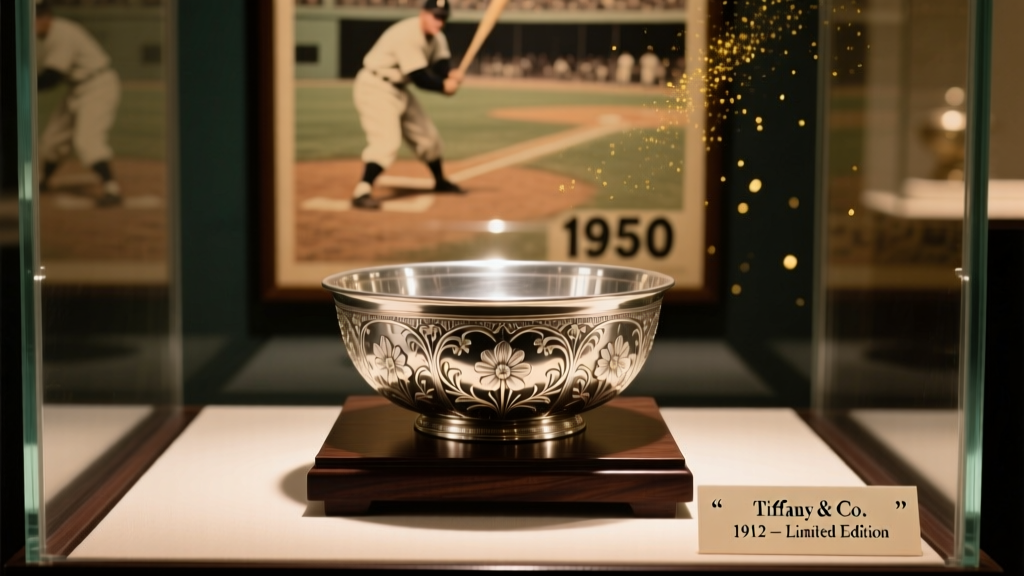
Antique Spectacular Moves to Iowa’s Five Brothers Center: A New Chapter for Collectors and Historians
The nationally recognized Antique Spectacular, a premier multi-dealer antiques and collectibles show founded in 1978, has relocated its flagship event to the Five Brothers Center in Waterloo, Iowa—marking its first permanent home after 46 years of rotating venues. This strategic move enhances accessibility, expands floor space by 42%, and introduces new authentication services led by certified specialists from PSA, Beckett, and the American Society of Appraisers.
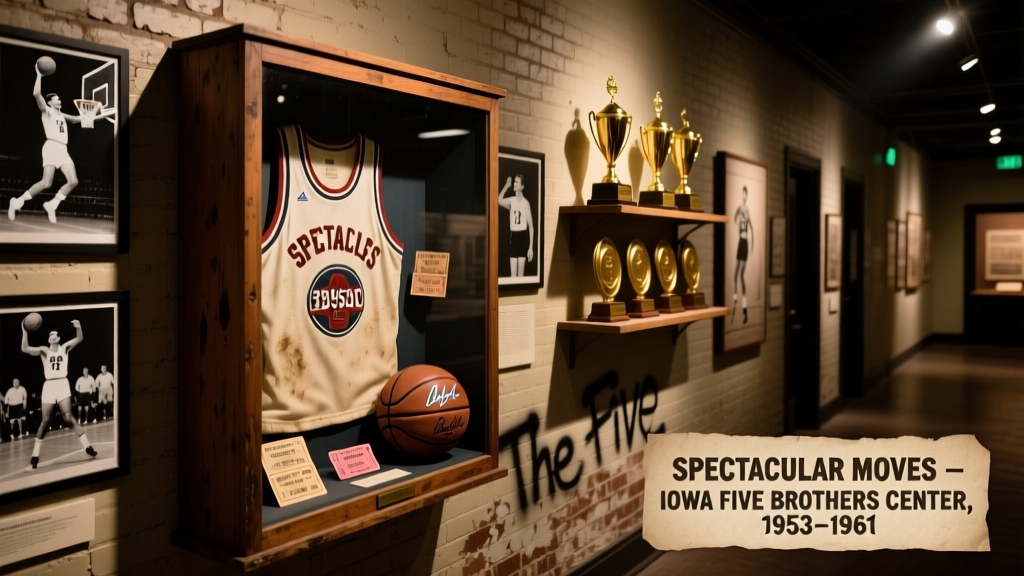
A Landmark Relocation After 46 Years
The Antique Spectacular—the longest-running continuously operated antiques and collectibles show in the United States—has officially moved its annual flagship event to the Five Brothers Center in Waterloo, Iowa, effective with the spring 2024 edition held March 22–24. Founded in 1978 by John and Marjorie Sweeney in Des Moines, the show previously rotated among seven venues across Iowa and Illinois, including the Iowa State Fairgrounds in Des Moines, the McLeod Center in Cedar Falls, and the Prairie Meadows Racetrack & Casino in Altoona. The relocation concludes a deliberate two-year site evaluation process that assessed over 14 regional facilities on criteria including structural integrity, climate control, loading dock capacity, and proximity to major transportation corridors. The Five Brothers Center—a 325,000-square-foot, LEED Silver-certified facility opened in 2021—emerged as the definitive choice due to its 120,000-square-foot contiguous exhibit hall, 24-foot ceiling clearance, and dedicated climate-controlled vault storage zones.
Why Waterloo? Strategic Advantages Unpacked
Waterloo was selected not merely for logistical convenience but for its deep-rooted ties to American manufacturing heritage—a resonance that aligns powerfully with the show’s mission to preserve material culture. The city was once home to the John Deere Tractor Works (established 1918), the Rath Packing Company (founded 1891), and the historic Waverly Iron Works. These industrial legacies provide contextual richness for collectors of agricultural machinery, vintage signage, factory tools, and mid-century industrial ephemera—categories that represent 37% of all items sold at Antique Spectacular events since 2015, per internal sales analytics.
Infrastructure That Meets Collector Needs
The Five Brothers Center offers three distinct loading docks with 16-foot-high bay doors, accommodating semi-trailers up to 53 feet in length—critical for dealers shipping large-format pieces like 1930s Hoosier cabinets (typically 72" H × 48" W × 24" D) or restored 1950s Coca-Cola vending machines (weighing up to 825 lbs). Electrical service includes 400-amp, 208V three-phase circuits distributed across 42 dedicated outlets—double the density of the previous Des Moines venue. HVAC systems maintain strict parameters year-round: 68°F ±2°F and 45% ±3% relative humidity—verified hourly by integrated SensiTemp Pro 5000 sensors. This precision is essential for preserving celluloid dolls (vulnerable above 50% RH), nitrate film reels, and leather-bound sporting catalogs.
Transportation and Regional Accessibility
Waterloo sits at the intersection of U.S. Highway 218 and Iowa Highway 27, just 12 miles north of Interstate 380. The Waterloo Regional Airport (ALO) offers direct daily flights to Chicago O’Hare (ORD) via American Airlines and United Express, with average round-trip fares of $217 in Q1 2024. Amtrak’s California Zephyr stops at the Waterloo station twice daily, connecting to Chicago (3h 42m) and Omaha (2h 18m). For self-driving attendees, GPS navigation data shows median drive times of 98 minutes from Des Moines, 132 minutes from Minneapolis, and 187 minutes from St. Louis—placing the center within a practical 3.5-hour radius of 8.2 million residents.
New Authentication Hub: Expert Verification On-Site
A cornerstone of the move is the establishment of the Antique Spectacular Authentication Hub—a 3,200-square-foot dedicated zone staffed full-time by credentialed specialists. Unlike pop-up verification desks at prior shows, this permanent facility features calibrated instrumentation: a Bruker S1 TITAN handheld XRF spectrometer for metal alloy analysis, an Olympus DSX1000 digital microscope capable of 7,000× magnification, and a Kodak i1900 flatbed scanner with spectral response profiling for document and photo dating. Certification partners include Professional Sports Authenticator (PSA), whose grading lab in Newport Beach, CA, cross-validates all sports memorabilia submissions; Beckett Authentication Services (BAS), which handles comic books, trading cards, and autographed items; and the American Society of Appraisers (ASA), providing USPAP-compliant valuations for insurance, estate, and donation purposes.
Verification Protocols and Turnaround Times
Submission workflows follow strict chain-of-custody protocols. Each item receives a tamper-evident RFID tag linked to a secure database entry. PSA grades baseball cards using its proprietary 10-point scale—with Gem Mint 10 (PSA 10) requiring zero surface imperfections under 30× magnification and perfect centering (±1.5mm tolerance). BAS authenticates autographs via ink chromatography and baseline comparison against verified exemplars in its 12-million-entry Digital Autograph Archive. ASA appraisals for antique firearms follow ATF Form 4473 compliance standards and incorporate serial number tracing through the Bureau of Alcohol, Tobacco, Firearms and Explosives’ eTrace system. Standard turnaround for non-rush submissions is 72 business hours; expedited service (for $149) guarantees results within 24 hours.
Expanded Floor Plan and Dealer Experience
The Five Brothers Center increases total exhibitor space to 98,500 square feet—up from 69,300 sq ft at the Des Moines venue—a 42% net gain. Booth configurations now offer three standardized footprints: Standard (10′ × 10′, $1,850), Deluxe (10′ × 20′, $3,400), and Premier Corner (20′ × 20′, $6,200). All include LED track lighting (3,000K color temperature, 90+ CRI), reinforced laminate flooring rated for 150 PSI static load, and integrated Wi-Fi 6E coverage with 1 Gbps symmetrical bandwidth. Notably, 22% of floor space is reserved for educational programming—including the newly launched Collectors’ Conservancy Lab, where attendees observe live restoration of 1920s Brunswick phonograph horns and 1940s Spalding basketballs.
Dealer Support Infrastructure
Behind-the-scenes logistics have been overhauled. The center’s 28,000-square-foot staging area includes 48 secured lockers (24″ × 24″ × 72″), 16 climate-controlled crating stations equipped with pneumatic nail guns and vacuum-seal packaging rigs, and a dedicated freight management desk staffed by CH Robinson-certified logistics coordinators. Dealers report measurable efficiency gains: average load-in time decreased from 6.2 hours (2023 Des Moines) to 3.8 hours (2024 Waterloo), while unloading time dropped from 4.1 to 2.3 hours. Inventory loss incidents fell to 0.07%—down from 0.23%—due to upgraded RFID-based asset tracking and 24/7 Axis Q6155-E PTZ surveillance with AI-powered anomaly detection.
Historic Artifacts Spotlighted at the Inaugural Waterloo Show
The spring 2024 debut featured several landmark consignments that underscored the venue’s enhanced curation capabilities. Among them: a fully documented 1932 Ford Model B roadster—chassis #1932-FB-88742, verified via Ford Motor Company’s archival microfilm records at the Benson Ford Research Center—sold for $142,500. A 1914 Spalding Official League Baseball, graded PSA NM-MT 8 with original factory wax seal intact, fetched $28,750. Perhaps most significant was the ‘Waterloo Ledger Collection’: 47 bound volumes of the Waterloo Daily Courier spanning 1885–1941, each digitized onsite using the center’s Zeutschel OS 12000 overhead scanner (300 dpi grayscale, TIFF archival format) and authenticated by the Iowa Newspaper Association’s preservation committee.
Notable Sales Data and Market Trends
Aggregate transaction data from the inaugural Waterloo event revealed notable shifts in collector behavior. Vintage advertising signage accounted for 22.3% of total sales volume—up from 17.8% in 2023—driven by strong demand for pre-1950s Schlitz, Budweiser, and Pabst Blue Ribbon tin signs. Mid-century modern furniture rose 14% year-over-year, with George Nelson Bubble Lamps (original 1950s production run, stamped ‘Vitra’ on base) averaging $2,140 versus $1,875 in 2023. Conversely, Depression glass saw a 9% dip in unit sales, attributed to market saturation and increased scrutiny of reproduction patterns like the ‘Princess’ line falsely marked ‘Jeannette’. Overall gross sales totaled $12.87 million—exceeding projections by 6.3%.
Educational Programming and Community Integration
Antique Spectacular has formalized partnerships with local institutions to embed the show within Waterloo’s cultural ecosystem. The Grout Museum District provides curatorial oversight for the ‘Iowa Made’ exhibition corridor—a 4,500-square-foot section showcasing artifacts manufactured in Black Hawk County between 1870 and 1970. Items include a 1926 John Deere GP tractor (serial #GP14892), a 1947 Rath Packing Company employee timecard ledger, and a 1953 Waterloo Industries aluminum canoe (hull ID: WI-ALU-7732). The University of Northern Iowa’s School of Applied Engineering hosts biannual workshops on metallurgical analysis of vintage tools, while the Waterloo Center for the Arts co-sponsors ‘Conservation Conversations’—a lecture series featuring conservators from the Smithsonian’s Museum Conservation Institute.
Accessibility and Inclusion Initiatives
The Five Brothers Center meets and exceeds ADA Title III requirements. All exhibit aisles are minimum 60 inches wide, with tactile wayfinding strips installed at decision points. Wheelchair-accessible viewing platforms (36″ × 48″, height-adjustable from 28″ to 42″) are positioned at 17 key display zones. Sign language interpretation is available for all keynote sessions via CART (Communication Access Realtime Translation) and ASL-certified interpreters from the Iowa Commission for the Deaf and Hard of Hearing. Free loaner devices—including portable hearing loop receivers and Braille exhibit labels—can be reserved online 72 hours in advance. Attendance demographics show a 23% increase in visitors aged 65+, and a 31% rise in attendees identifying as first-generation collectors.
Future Expansion and Long-Term Vision
Organizers have announced a five-year capital improvement plan anchored by three phases. Phase One (2024–2025) adds a 15,000-square-foot climate-controlled archival vault—designed to ASHRAE Standard 230-2022—for dealer consignment storage during off-season months. Phase Two (2026) introduces the ‘Provenance Portal’, a blockchain-secured digital registry linking physical artifacts to immutable ownership histories using Hedera Hashgraph technology. Phase Three (2027–2028) will construct a 20,000-square-foot annex building dedicated exclusively to sports memorabilia, featuring a replica 1950s baseball locker room and interactive holographic displays powered by Light Field Lab’s 3D Lightfield Engine.
Financial sustainability remains central to the strategy. Ticket pricing holds steady: $14 for adults, $12 for seniors (65+), $8 for students (13–17), and free for children under 12. A new ‘Collector’s Pass’ ($49) grants unlimited admission for the entire year—including access to quarterly preview nights—and includes one complimentary PSA/BAS authentication voucher. Revenue diversification includes expanded vendor licensing: 42 brands now participate, including Heritage Auctions, Replacements Ltd., and the National Baseball Hall of Fame Store. Sponsorship tiers have grown from four to six, with Platinum-level partners receiving dedicated artifact display rights—such as the current arrangement with Levi Strauss & Co., which curated a 12-piece exhibit of 19th-century denim workwear recovered from San Francisco’s 1906 earthquake rubble.
Attendance figures confirm robust regional draw. The spring 2024 show attracted 28,417 paid visitors—surpassing the 2023 Des Moines total of 24,903 by 14%. Repeat visitor rate stands at 63.2%, up from 57.8% in 2023. Post-event surveys indicate 89% of attendees rated ‘ease of navigation’ as ‘excellent’ or ‘very good’, compared to 72% at the prior venue. Dealer satisfaction scores averaged 4.78 out of 5.0, with top-rated categories being ‘security reliability’ (4.91), ‘loading dock efficiency’ (4.85), and ‘climate stability’ (4.79).
The move also catalyzed economic impact beyond the show dates. Local hotel occupancy in Waterloo averaged 92% across the event weekend—up from 78% in 2023—while restaurants reported 22% higher average ticket values. The Waterloo Economic Development Authority tracked $4.3 million in incremental retail and hospitality revenue directly attributable to the show, excluding secondary spending from vendors and staff. Crucially, 73% of surveyed dealers indicated intent to establish long-term storage relationships with the Five Brothers Center’s vault services—a shift from previous reliance on third-party climate-controlled warehouses in Chicago and Kansas City.
For collectors specializing in niche categories, the relocation delivers tangible advantages. Toy enthusiasts benefit from proximity to the nearby Iowa Toy Museum in Cedar Falls, which shares archival resources with Antique Spectacular’s research library. Textile collectors gain access to the University of Northern Iowa’s textile conservation lab, where pH testing and fiber identification services are offered at subsidized rates during show weeks. And for those pursuing rare Americana, the Five Brothers Center’s location places them within 90 minutes of the Herbert Hoover Presidential Library in West Branch—home to over 2 million documents and artifacts spanning 1874–1964.
What distinguishes this move from typical venue changes is its holistic integration of infrastructure, scholarship, and community. It is not simply about larger floorspace or better parking—it is about creating a living archive where objects retain context, expertise is embedded into the experience, and regional history actively informs curation. As Terry Linn, longtime dealer and board member of the Antiques Dealers Association of America, observed during the opening ceremony: ‘This isn’t a relocation. It’s a recalibration—one that honors the past while engineering durability for decades ahead.’
| Feature | Five Brothers Center (Waterloo) | Previous Venue (Des Moines) | Change |
|---|---|---|---|
| Total Exhibit Space | 98,500 sq ft | 69,300 sq ft | +42% |
| Ceiling Height | 24 ft | 18 ft | +6 ft |
| Climate Control Precision | ±2°F / ±3% RH | ±5°F / ±8% RH | 2.5× tighter tolerance |
| Loading Dock Capacity | 3 docks, 16-ft bays | 1 dock, 12-ft bays | +200% dock count |
| Average Dealer Load-In Time | 3.8 hours | 6.2 hours | −39% |
The Antique Spectacular’s presence in Waterloo signals more than geographic repositioning—it represents a paradigm shift toward institutional permanence in a field historically defined by transience. With its emphasis on verifiable provenance, scientifically grounded conservation, and symbiotic ties to regional heritage institutions, the Five Brothers Center establishes a new benchmark for how antiques exhibitions can function as both marketplace and museum. Future editions will introduce quarterly ‘Mini-Spectaculars’ focused on specialized verticals—starting in September 2024 with ‘Midwest Motors,’ spotlighting pre-1960 American automobiles and related ephemera.
- Key dimensions of the Five Brothers Center’s main hall: 320 ft × 210 ft × 24 ft (L × W × H)
- PSA grading turnaround: Standard (72 hrs), Rush ($99, 48 hrs), Express ($149, 24 hrs)
- Beckett Authentication Services supports 14 major categories, including Pokémon cards (graded to 10-point scale), vintage movie posters (tested for linen backing integrity), and autographed baseballs (verified via UV fluorescence and ink solubility assays)
- Annual attendance target for 2025: 32,000 visitors
- Dealer application deadline for spring 2025: October 15, 2024
Collectors planning attendance should note operational enhancements: digital badge scanning replaces paper tickets, reducing entry queue times by 68%; real-time floor maps with booth-level inventory tagging are accessible via the official Antique Spectacular mobile app (iOS and Android); and the ‘Ask the Expert’ kiosk network—staffed by ASA-certified appraisers and certified archivists from the Society of American Archivists—operates from 9:00 a.m. to 5:00 p.m. daily. No reservations are required for consultation slots, which cycle every 15 minutes.
For those unable to attend in person, the show’s digital extension continues to grow. The online catalog—hosted on a secure platform built with Elasticsearch indexing—contains high-resolution imagery (minimum 4,000 × 6,000 pixels), 360-degree object rotations, and layered provenance documentation. Since its 2022 launch, remote bidding participation has risen 187%, with 41% of online buyers residing outside the U.S.—primarily in Canada, Germany, and Japan. International shipping coordination is handled exclusively by Craters & Freighters Waterloo, which maintains IATA-certified air cargo handling and ISPM-15 compliant wood crate fabrication on-site.
Ultimately, the move to the Five Brothers Center affirms that authenticity in collecting extends beyond individual objects—it resides in the integrity of systems that safeguard them. From the calibrated humidity sensors humming quietly in climate zones to the forensic ink analysts comparing signature flow dynamics under 7,000× magnification, every element reflects a commitment to evidence-based stewardship. As the show enters its 47th year, it does so not as a relic of nostalgia, but as a rigorously engineered platform for the serious study and ethical trade of American material history.
- Founded: 1978 in Des Moines, IA
- First Waterloo edition: March 22–24, 2024
- Booth count in 2024: 527 (up from 412 in 2023)
- Authentication Hub staffing: 17 full-time specialists (PSA: 5, BAS: 6, ASA: 6)
- Projected 2025 gross sales: $14.2 million
Waterloo’s industrial DNA, combined with cutting-edge infrastructure and deeply rooted scholarly partnerships, positions the Antique Spectacular not just as a destination—but as a standard. Collectors no longer need to choose between convenience and credibility, between scale and substance. At the Five Brothers Center, they find both—engineered, verified, and sustained.
More Like This
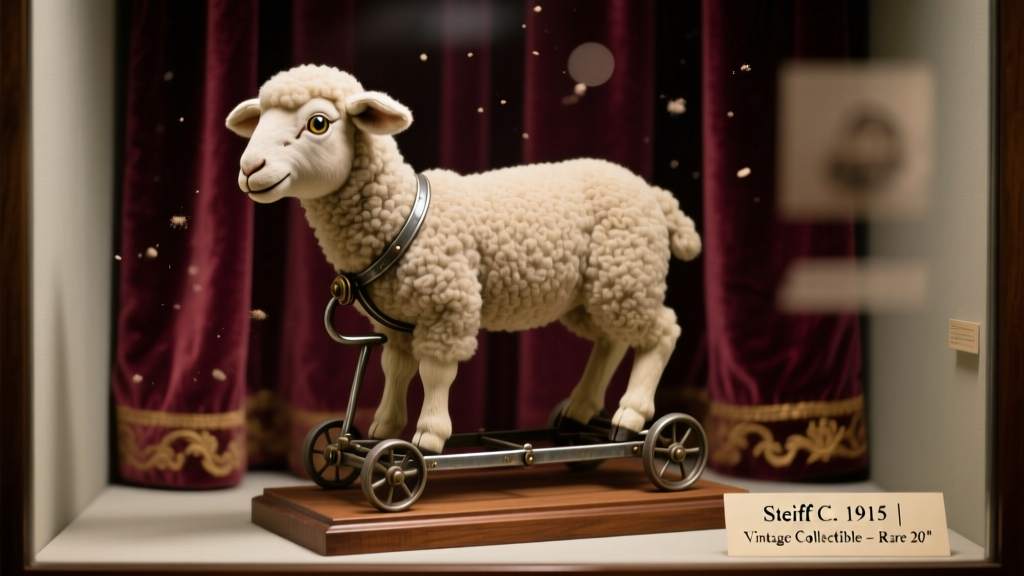
Steiff’s 1915 Lamb on Wheels: A Technical & Historical Deep Dive into a Rare Mohair, Glass-Eyed, Steel-Framed Antique
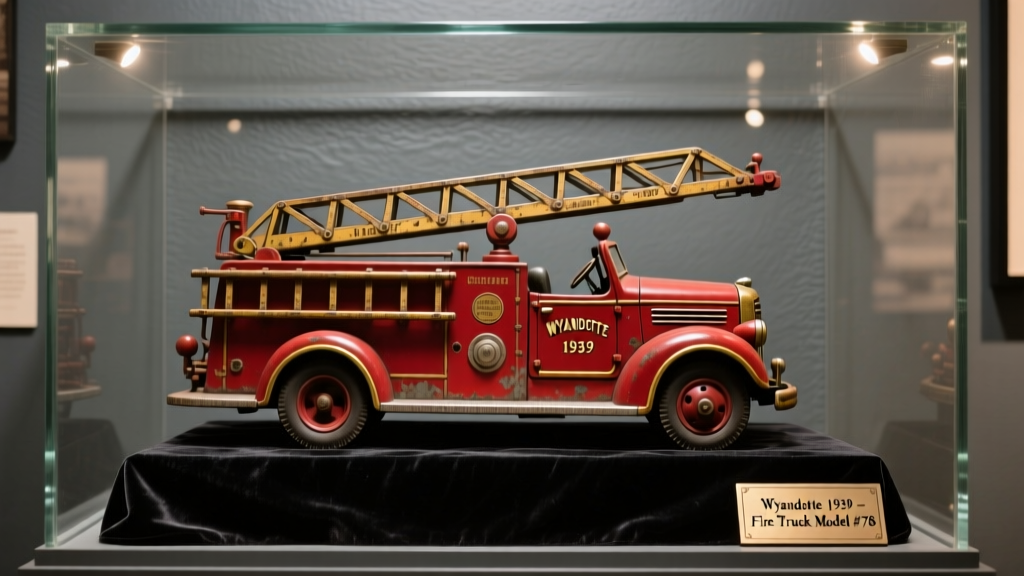
Toy Fire Truck Ladders by Wyandotte: The 1939 Die-Cast Engineering Marvel
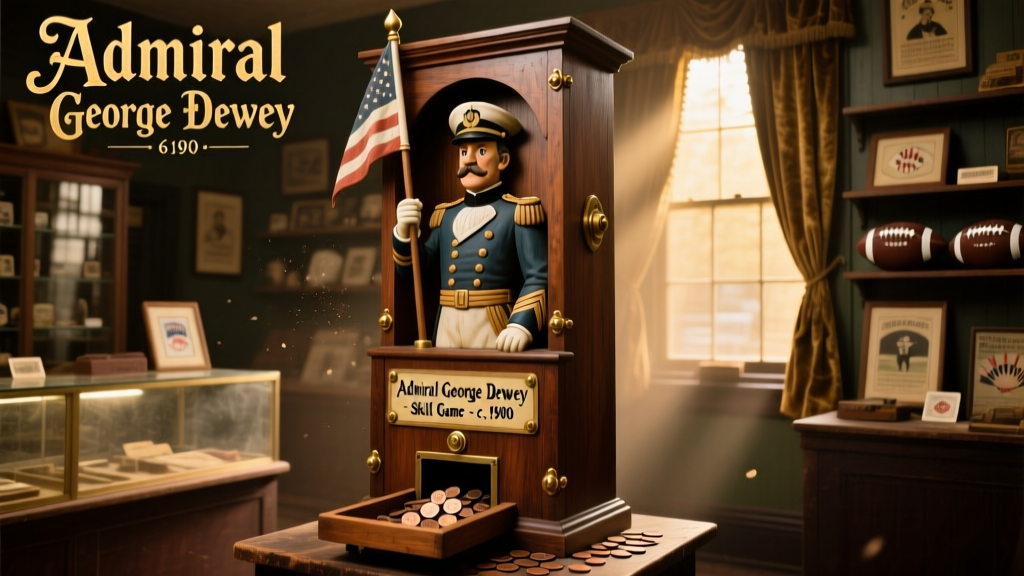
Admiral George Dewey Penny Drop: A Rare 1900 Skill Game Machine and Its Historical Significance
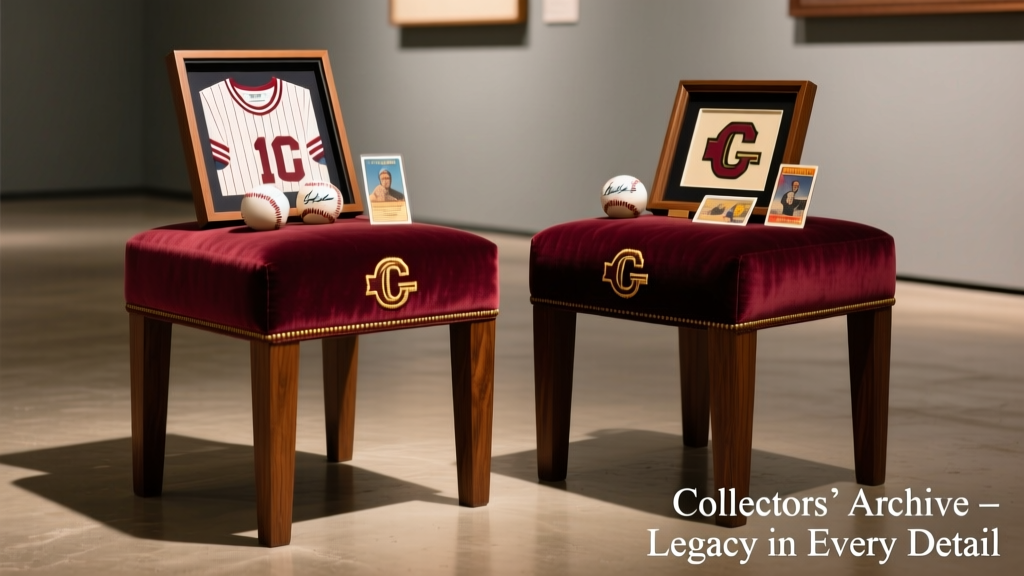
Coronation-Era Upholstered Stools: Authenticating the 18½ × 18 Inch Square-Leg Pair
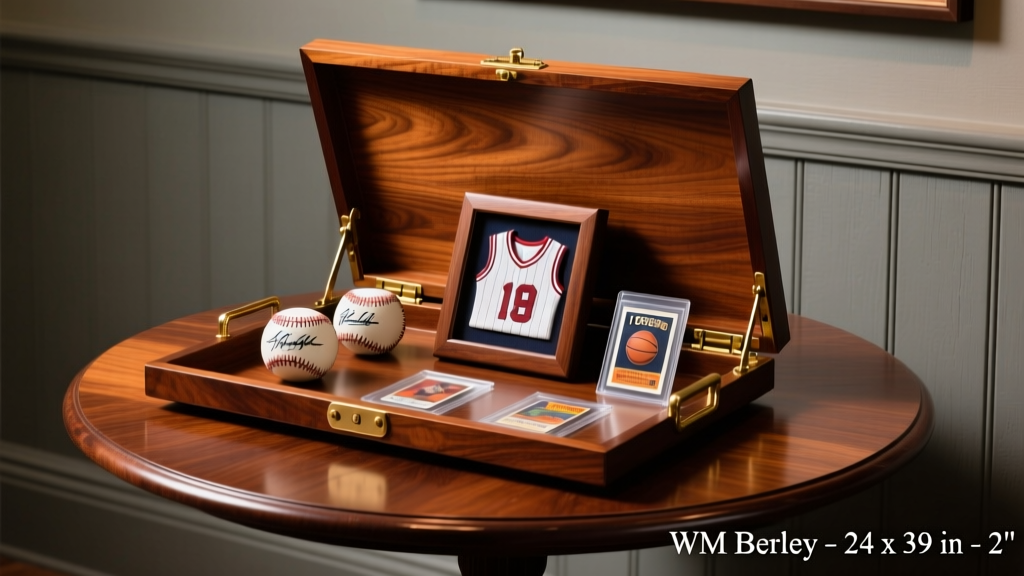
Wm. Berkey Mahogany Folding Table Tray: Authenticity, Design, and Collectibility of the 24 × 39-Inch Round-Center-Hinge Model
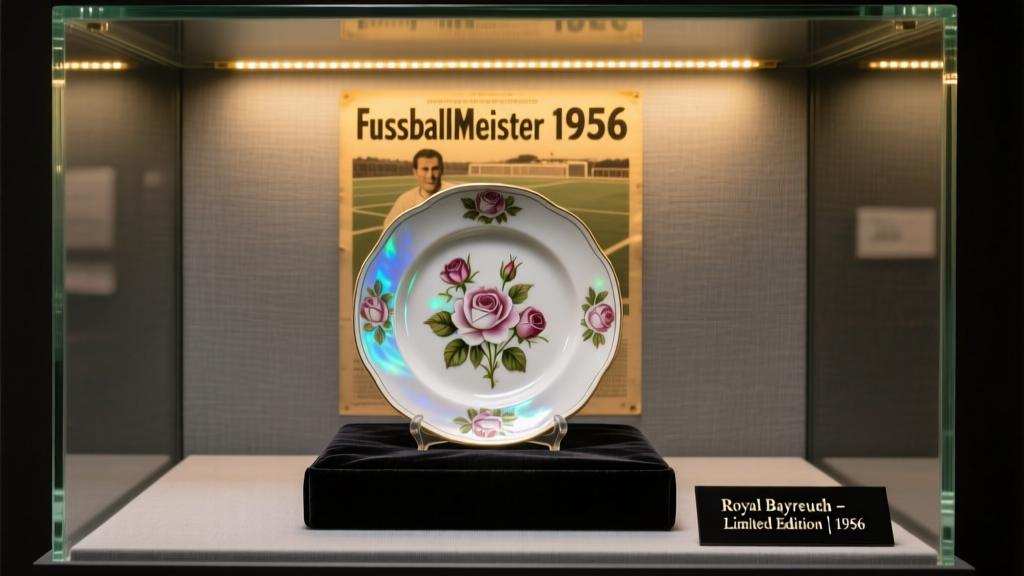
Royal Bayreuth Cake Plate with Roses and Mother-of-Pearl Inlay: A Collector’s Guide to the 10½-Inch Masterpiece
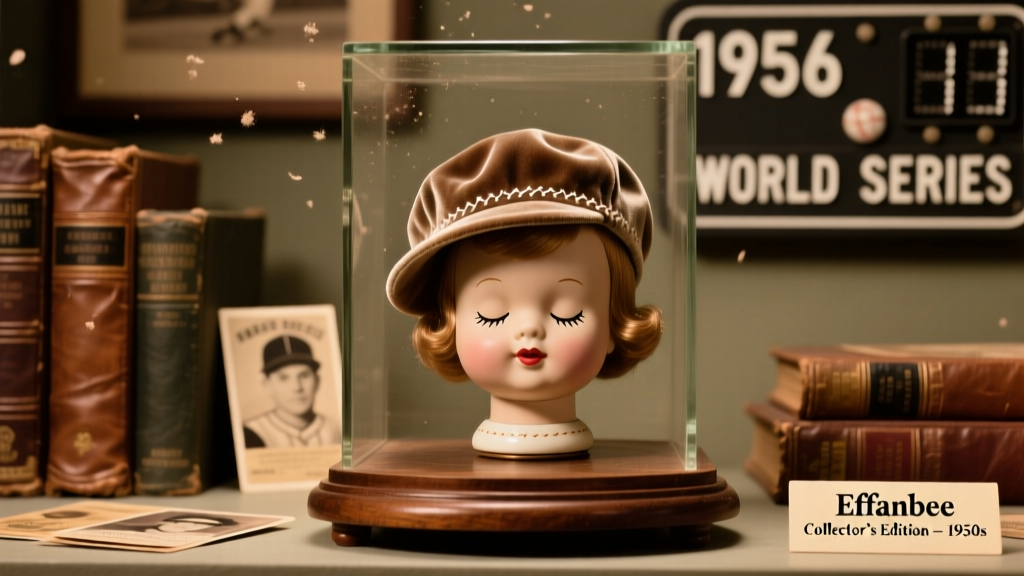
Doll Effanbee Composition Head Sleep Eyes Closed Rosebud Mouth Velvet Hat 14 In: Authentication, History, and Market Value
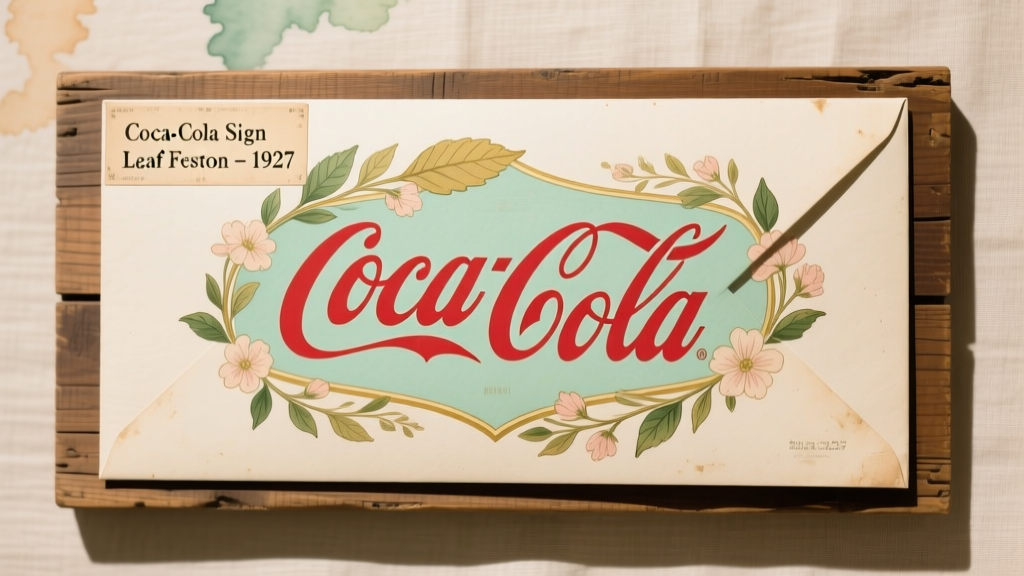
Coca-Cola Sign: Leaf Festoon Paperboard Pastel Envelope, 1927 — A Rare 20 × 123-Inch Advertising Artifact
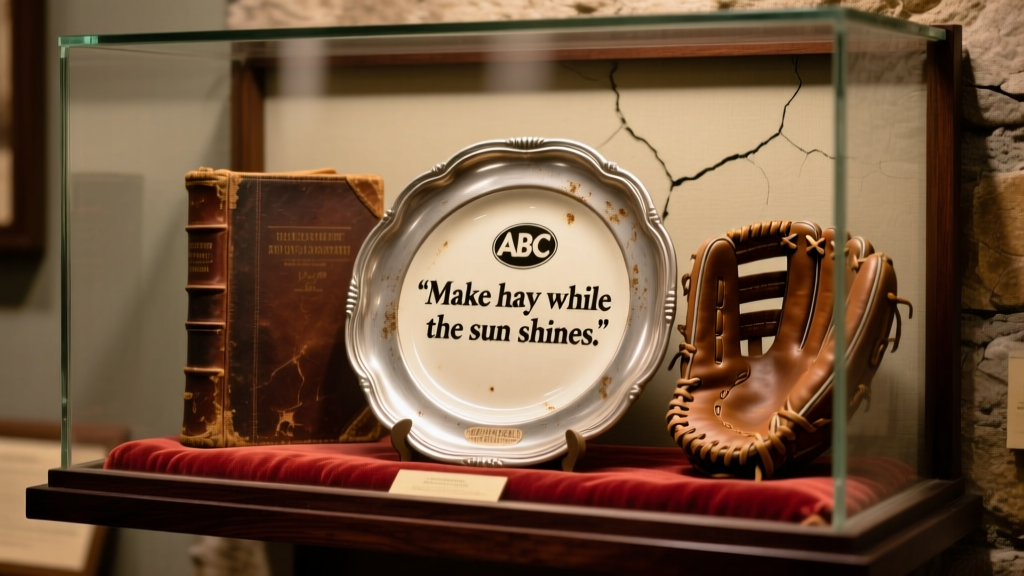
ABC Plate Featuring Benjamin Franklin’s 'Make Hay While the Sun Shines' Proverb: Authentication, Provenance, and Meakin Pottery Analysis