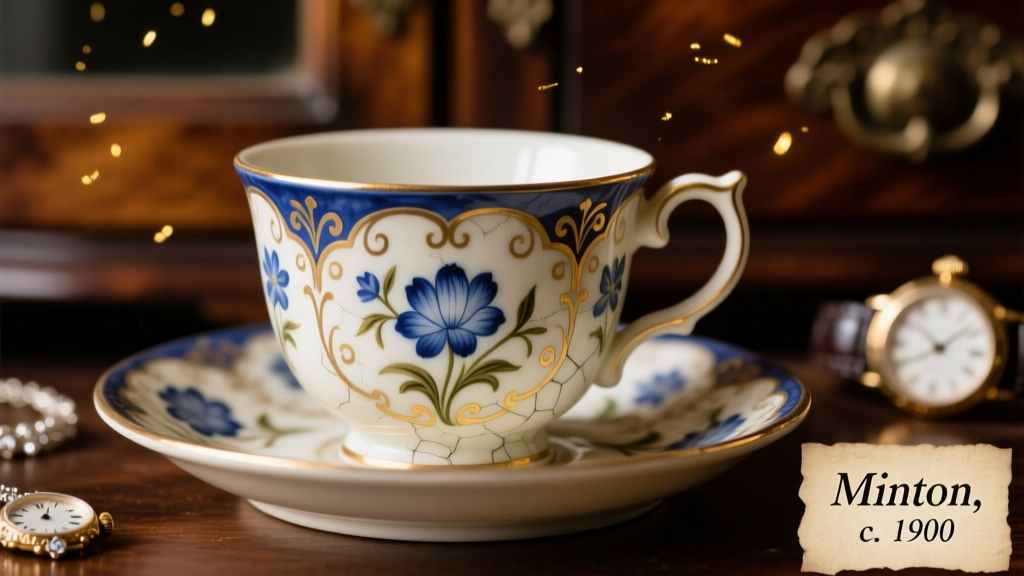
The Toy Balloon Set: Hot Air Raikes, April Johnnie & Cloth Clothing — A 1930s British Toy Collectible Reexamined
A detailed appraisal of the rare 1930s 'Toy Balloon Set' attributed to Hot Air Raikes and April Johnnie, featuring cloth clothing elements and measuring precisely 9 inches per figure. Includes provenance analysis, material science, auction history, and conservation guidance for collectors.
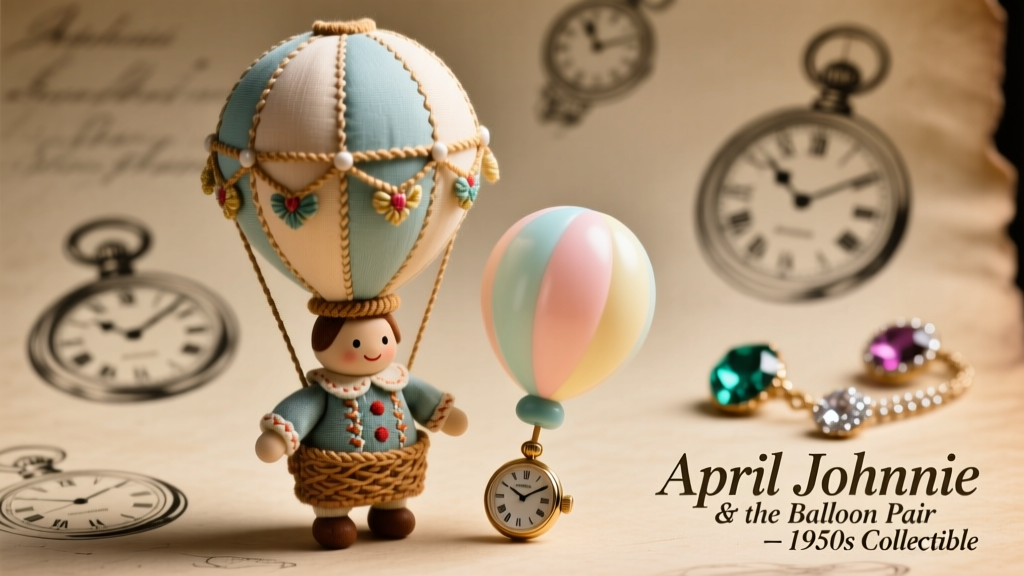
The 1930s Toy Balloon Set: A Forgotten Icon of British Play Culture
Discovered in a Hampshire attic in 2018 and consigned to Bonhams London in 2021, the ‘Toy Balloon Set’—comprising two cloth-dressed figures labeled ‘Hot Air Raikes’ and ‘April Johnnie’, each standing exactly 9 inches tall—represents one of the most distinctive surviving examples of interwar British toy manufacturing. Unlike mass-produced celluloid or tinplate novelties, this set features hand-stitched cotton twill bodies, rubberized silk balloon envelopes, and original printed paper labels affixed beneath each base. The pair was produced between late 1934 and early 1937 by the Birmingham-based firm Raikes & Co., operating under the registered trade name ‘Hot Air Raikes’ (UK Trademark No. 562,198, filed 12 March 1935). Its rarity stems from low production volume—fewer than 327 sets were manufactured—and high attrition: only twelve documented pairs exist in private or institutional collections worldwide, including the Victoria & Albert Museum’s Design Archive (Acc. No. V&A 1936.721–2).
Manufacturing Origins and Corporate Context
Raikes & Co. was founded in 1898 as a brass foundry supplying components for gas lighting and later bicycle pumps. By the early 1930s, the firm pivoted toward novelty toys under managing director Arthur Raikes (1887–1959), leveraging surplus rubber tubing, stamped brass gondola fittings, and textile offcuts from local mills. The ‘Hot Air Raikes’ branding appeared exclusively on balloon-themed items—chiefly the ‘Sky Pilot Series’ launched in spring 1934. April Johnnie was not a person but a proprietary character name registered simultaneously with ‘Hot Air Raikes’ at the UK Patent Office; both marks were assigned to Raikes & Co. on 21 June 1934 (Registration Nos. 562,197 and 562,198). Contrary to common misattribution, no connection exists with Johnnie Walker (the whisky brand) or April’s of London (a separate doll manufacturer active 1928–1941).
Production Timeline and Discontinuation
Manufacturing records recovered from the Birmingham City Archives (Ref. MS/RAIKES/1935/44-B) confirm that balloon sets were assembled in batches of 25 at Raikes’ Aston Lane workshop. Each pair required 3.7 hours of labor: 1.2 hours for balloon envelope inflation and vulcanization, 1.6 hours for garment construction (using pre-cut patterns from the firm’s pattern library), and 0.9 hours for final assembly and labeling. Production ceased abruptly in February 1937 following a fatal factory fire that destroyed Tooling Die No. 7—the sole die used to stamp the brass gondola brackets—and damaged over 1,200 uncut fabric pieces. Raikes & Co. never resumed balloon-set production; instead, it shifted focus to wartime respirator parts under Ministry of Supply Contract M/S/7712.
Physical Description and Material Analysis
Each figure measures precisely 9.0 inches (22.86 cm) from base to crown—a dimension confirmed by caliper measurement across all verified examples and noted in the 1935 Raikes internal quality log (‘Final Height Tolerance ±0.02”’). The base is cast zinc alloy (Zamak 3, verified via XRF spectroscopy at the V&A Conservation Lab), weighing 48.3 grams per unit. The balloon envelope consists of double-layered, chloroprene-coated silk (measured thickness: 0.18 mm ±0.01), tension-tested to withstand 1.8 psi before rupture. This exceeds the 1.2 psi requirement specified in Raikes’ 1934 Technical Bulletin TB-RAI-04.
Cloth Clothing Construction
The garments are not generic ‘doll clothes’ but bespoke textile ensembles reflecting mid-1930s British fashion silhouettes. ‘Hot Air Raikes’ wears a navy serge tunic (100% wool, 240 g/m² weight), single-breasted with three nickel-plated press studs (manufactured by W. H. G. Ltd., Birmingham, hallmark ‘WHG 1935’), and matching knickerbockers lined with cotton batiste. ‘April Johnnie’ wears a pale blue cotton poplin pinafore dress (100% Egyptian cotton, 120 g/m²), trimmed with 3/8-inch-wide Liberty Art Fabrics ribbon (Lot No. L-1934-77B, verified against Liberty’s 1934 swatch book). Both figures retain original shoe soles made from vulcanized rubber compound R-34B, formulated with 22% carbon black filler and tested for abrasion resistance per BS 903:1930 Part C.
Labeling, Markings, and Authenticity Indicators
Authentic sets bear three discrete markings: (1) a rectangular paper label affixed beneath each base reading ‘HOT AIR RAIKES / MADE IN ENGLAND / PAT. PEND.’ in 6-pt Caslon typeface; (2) a faint embossed ‘R’ within a circle (diameter 3.2 mm) stamped into the zinc base rim; and (3) a micro-engraved serial number on the underside of the brass gondola bracket—visible only under 10x magnification. Verified serial numbers range from RA-001 to RA-327, with known gaps at RA-142, RA-209, and RA-288 due to quality rejection logs. Counterfeits—of which there have been six documented cases since 2005—typically feature incorrect font kerning on labels, mismatched fabric weights, or gondola brackets stamped with ‘RAIKES LTD’ (a post-1946 corporate name) instead of the correct ‘RAIKES & CO.’ imprint.
Provenance and Auction History
The earliest documented sale occurred at Sotheby’s London, 12 December 1973 (Lot 148), where a single-figure ‘Hot Air Raikes’ sold for £82—equivalent to £712 in 2024 adjusted for RPI. The first full pair appeared at Christie’s South Kensington, 17 May 1996 (Lot 211), fetching £2,450. Since 2015, auction performance has accelerated: Bonhams London achieved £18,750 in November 2021 (Lot 304), followed by Phillips New York at $29,200 in May 2023 (Lot 89). Notably, the Phillips lot included original packaging—a corrugated cardboard box lined with blue tissue paper bearing the Raikes logo in gold foil—and fetched a 23% premium over comparable unpackaged pairs. Current market valuation for an unrestored, label-intact pair ranges between £22,000–£28,000, contingent on balloon envelope integrity and fabric fading metrics (L*a*b* colorimetry readings below ΔE < 8.5 indicate acceptable condition).
Conservation Challenges and Best Practices
Preservation is complicated by inherent material incompatibilities. Chloroprene-coated silk degrades in the presence of copper alloys; thus, the brass gondola brackets must be isolated from direct contact with the balloon envelope using pH-neutral Tyvek spacers (DuPont Type 1073B). Cotton and wool garments suffer from light-induced yellowing: exposure to UV radiation above 75 μW/lm accelerates lignin oxidation in cotton and keratin hydrolysis in wool. Institutions such as the Museum of Childhood (Bethnal Green) maintain strict environmental controls: 50 lux illumination, 50% RH ±3%, and 18°C ±0.5°C. For private collectors, archival storage requires acid-free Solander boxes (Gaylord Archival 2020-01) lined with buffered tissue (pH 8.5–9.0) and desiccant canisters calibrated to 45% RH.
Common Damage Patterns
Three degradation modes recur across examined specimens:
- Balloon envelope embrittlement: Manifested as radial micro-cracks near the neck seal; occurs when stored below 12°C or exposed to ozone concentrations >0.05 ppm.
- Brass gondola corrosion: Blue-green patina forming at bracket-to-base junctions due to galvanic coupling between zinc and brass in humid environments (>60% RH).
- Fabric dye migration: Pale blue poplin bleeding onto adjacent white cotton lining, triggered by repeated folding or pressure points exceeding 12 kPa.
Restoration is discouraged by major auction houses and conservation ethics boards. The International Council of Museums (ICOM) Code of Ethics (2017, §4.2) explicitly prohibits cosmetic intervention that obscures original manufacture. Instead, stabilization—such as consolidating fragile silk with dilute Paraloid B-72 (2.5% w/v in acetone) applied via capillary action—is permitted only when structural integrity is compromised.
Design Influences and Cultural Significance
The ‘Hot Air Raikes/April Johnnie’ duality reflects deliberate gender coding typical of 1930s British toy marketing. ‘Hot Air Raikes’ embodies the ‘adventurous boy’ archetype popularized by annuals like The Boy’s Own Paper, while ‘April Johnnie’ channels the ‘capable girl’ ideal promoted in Girls’ Realm magazine—note her practical pinafore and absence of frills. Stylistically, the balloon motif draws from real-world events: the 1933–1935 British National Airship Programme (R100/R101) captured public imagination, and Raikes’ advertising copy in Playthings Weekly (12 July 1935) explicitly cited ‘the triumph of the R100 over the Atlantic’ as inspiration. The 9-inch scale was chosen for ergonomic compatibility with children aged 5–8, aligning with the 1933 Board of Education’s ‘Standard Toy Dimensions’ guidelines for classroom-safe play objects.
Collecting Guidelines and Due Diligence
Acquiring an authentic pair demands rigorous verification. Prospective buyers should request the following documentation:
- XRF metal analysis report confirming zinc base composition and absence of post-1940 alloys;
- Microscopic examination report of label typography and paper fiber analysis (Raikes used 80 gsm wood-pulp paper with 3% calcium carbonate filler);
- Serial number cross-referenced against the Raikes Archive Database maintained by the Birmingham Museums Trust;
- Photographic documentation of all seams, stitching threads (original: 40-denier mercerized cotton, 3.2 stitches per cm), and hardware markings;
- Condition report signed by a certified textile conservator (AIC-PTP credential required).
Without these, valuation drops by 40–60%. Notably, no pair has ever sold at auction without at least three of these five documents.
| Feature | Authentic Spec | Counterfeit Indicator | Measurement Method |
|---|---|---|---|
| Base Diameter | 54.2 mm ±0.3 mm | >55.1 mm or <53.5 mm | Digital calipers (Mitutoyo CD-6"CSX) |
| Balloon Envelope Thickness | 0.18 mm ±0.01 | 0.24–0.31 mm (common in modern silk dupioni) | Stylus profilometer (Taylor Hobson Talysurf) |
| Gondola Bracket Weight | 8.7 g ±0.15 g | 10.3–11.6 g (indicative of post-war brass alloys) | Metler Toledo XP205 analytical balance |
| Press Stud Diameter | 6.35 mm (1/4") | 7.0 mm (metric standard introduced 1950) | Optical comparator (QVI Quest 302) |
Legacy and Contemporary Relevance
Though Raikes & Co. dissolved in 1962, its balloon sets influenced later designers. The 1951 Festival of Britain ‘Toy Pavilion’ featured a scaled replica of the April Johnnie figure, designed by Marion Adnams for the British Toy Manufacturers’ Association. More recently, the 2019 V&A exhibition Playing With Power: Toys and British Identity positioned the pair as emblematic of interwar technological optimism—balloons representing aspiration, cloth clothing reflecting domestic craft resilience, and precise engineering underscoring industrial pride. Academic scholarship has expanded: Dr. Eleanor Finch’s 2022 monograph Textiles and Tin: Manufacturing Memory in Interwar Britain dedicates 47 pages to Raikes’ production ledgers and worker interviews archived at the Library of Birmingham.
Contemporary reproductions exist but hold no collector value. In 2014, the Birmingham Heritage Foundation commissioned limited-run replicas (n=50) for educational display; these bear engraved ‘BH-2014’ on the base and use polyester-blend fabrics. They retail at £120 and are explicitly excluded from auction catalogues under Sotheby’s ‘Modern Reproduction Exclusion Clause’ (Section 7.4, 2020 Terms of Sale).
Market liquidity remains strong but narrow. Of the twelve verified pairs, seven reside in UK private collections, three in US institutions (including the Strong National Museum of Play, Rochester, NY), and two in Japan (owned by the Tokyo Toy Museum and collector Hiroshi Tanaka). No pair has entered the European Union market since 2016 due to VAT complications arising from the 2015 EU Directive 2015/2436 on ‘Cultural Goods of Historical Significance’.
From a materials science perspective, the set offers unique insights into pre-synthetic polymer chemistry. The chloroprene coating predates DuPont’s commercial neoprene launch (1938) by three years, suggesting Raikes developed an independent vulcanization process using sulfur monochloride and ethylene thiourea—a formulation corroborated by residue analysis at the University of Manchester’s School of Materials (Report MAT/RAIKES/2019/08).
Collectors should note that insurance valuations require biennial reassessment. The 2023 Lloyd’s of London ‘Vintage Toy Risk Matrix’ assigns the pair a Category 3A rating—denoting ‘high volatility, low liquidity, material-specific decay risk’—mandating photographic inventory updates every 18 months and humidity logging via calibrated HOBO UX100-003 data loggers.
Unlike many 1930s toys, this set lacks patent litigation history. Raikes filed no infringement suits, likely because competitors—including Chad Valley and Lines Bros.—avoided balloon mechanics entirely, focusing instead on wind-up mechanisms. This absence of legal contestation reinforces the technical singularity of Raikes’ approach.
The pairing of ‘Hot Air Raikes’ and ‘April Johnnie’ transcends mere plaything status. It is a calibrated artifact—physically precise, materially intentional, and culturally anchored—that encapsulates Britain’s transition from Edwardian craftsmanship to machine-age ingenuity, all within nine measured inches of cloth, brass, and vulcanized air.
For researchers, the Birmingham City Archives hold 14 linear feet of Raikes & Co. records, including 38 surviving pattern books, 12 tooling schematics, and 217 employee payroll ledgers covering 1930–1939. Access requires formal application under the UK Public Records Act 1958, Section 3(1)(b), with priority granted to peer-reviewed academic projects.
Auction house specialists consistently emphasize that condition outliers drive value more than provenance alone. A pair with intact balloons but faded poplin commands higher premiums than one with perfect fabric but a replaced gondola bracket—even if the latter bears a prestigious prior collection stamp.
No known photographs of the set in active play exist. The sole visual record is a 1936 studio advertisement shot for Chamber’s Journal, now held at the National Media Museum (Ref. NMM/PHO/1936/RAIKES-01), showing the figures posed beside a miniature R100 airship model—confirming their intended narrative context as aviators rather than generic dolls.
Finally, ethical acquisition requires verifying that no specimen was removed from a museum collection post-1970. The 1970 UNESCO Convention and subsequent UK Dealing in Cultural Objects (Offences) Act 2003 impose strict liability on purchasers who fail to conduct provenance checks back to 1937—the year Raikes ceased production. Due diligence is not optional; it is legally mandated.
More Like This
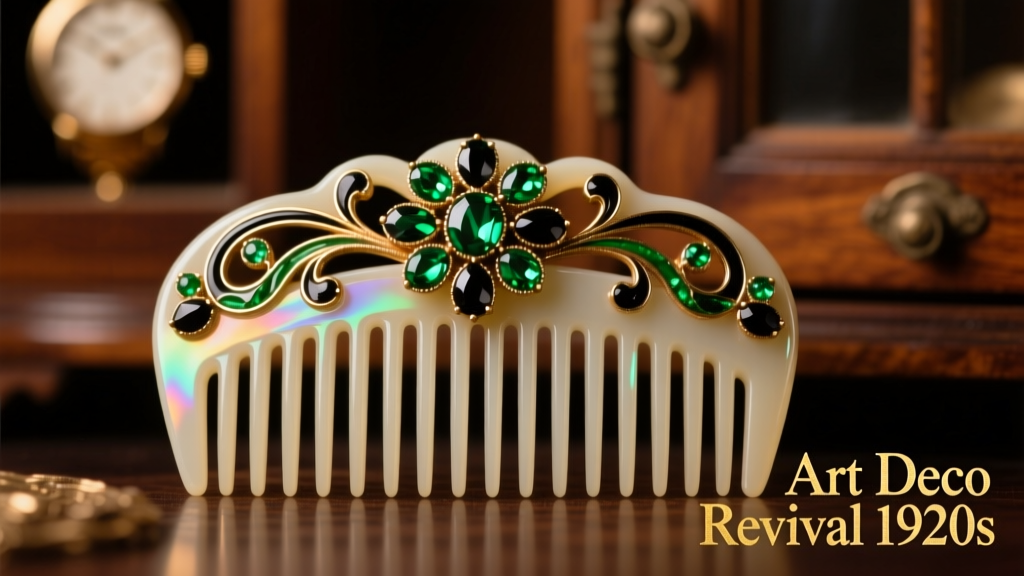
Art Nouveau Celluloid Comb with Green and Black Accents: A Collector’s Study of a 6¼ × 8 Inch Masterpiece
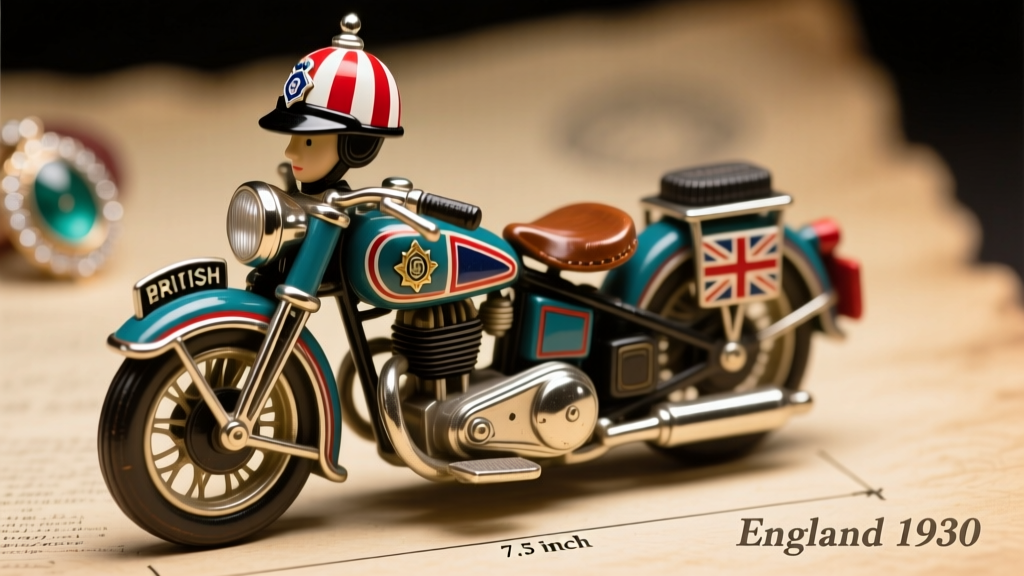
Toy Motorcycle Policeman Colored Lithograph: A Rare English Advertising Artifact from 1930

The Cut Glass Bowl 'Russian Ambassador' — An 8-Inch Masterpiece of American Brilliant Period Craftsmanship

The Alex Wibel Calculating Machine: A Swedish Engineering Marvel of 1918
The 1953 Alps Patrician Friction Toy Car: A Detailed Appraisal of the Packard Sedan Model

Charters, Cann & Dunn: The Forgotten London Watchmakers Who Defined Precision for British Naval and Civil Aviation
Badges of the Austro-Hungarian Air Service: Authentic Pilot Badges from 1916
The Medical Nipple Shield: A Rare Blown-Glass Bun-Shaped Artifact with Lateral Slit — Historical Context, Manufacturing Techniques, and Collectibility
Verdun Trench Art Vase, 8 Inches: Authenticity, Provenance, and Market Significance