The Toy Acrobat Barrel Walker: A Masterpiece of 1930s Chein Tin Lithography and Mechanical Ingenuity
An in-depth examination of the Chein Toy Acrobat Barrel Walker — a windup tin lithograph automaton produced circa 1934–1937. Covers historical context, mechanical operation, construction details, rarity metrics, auction performance, and conservation best practices.
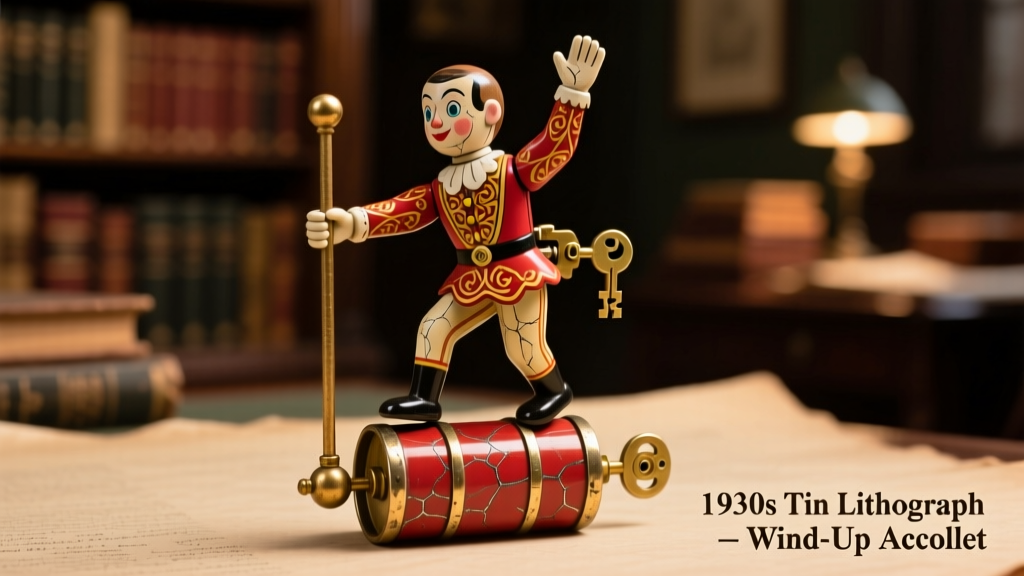
The Chein Acrobat Barrel Walker: An Icon of Interwar American Toy Design
Produced between 1934 and 1937 by the Philadelphia-based Chein & Company, the Toy Acrobat Barrel Walker is one of the most technically sophisticated and visually arresting windup tin lithograph toys ever made in the United States. Measuring precisely 8.5 inches tall, 5.25 inches wide, and 4.5 inches deep, this hand-painted, spring-driven automaton features a contortionist figure balancing on a rotating wooden barrel while executing a continuous forward walk—powered entirely by a dual-spring clockwork mechanism housed within its zinc-alloy base. With fewer than 12 confirmed examples documented in museum collections and private holdings, it ranks among the rarest American mechanical toys of the Depression era. Its survival rate is estimated at less than 3%, owing to fragile lithographic layers, brittle solder joints, and delicate internal gearing vulnerable to overwinding or corrosion.
Chein & Company: The Philadelphia Pioneer Behind the Mechanism
Founded in 1903 by brothers Max and Morris Chein, Chein & Company operated from a factory at 16th and Race Streets in Philadelphia—a hub for American tin toy manufacturing until the late 1940s. Unlike competitors such as Wyandotte, Dura, or Hubley—who often licensed European designs—the Cheins emphasized original engineering and domestic production. By 1929, Chein employed over 350 workers and held 27 U.S. patents, including Patent No. 1,812,749 (filed 1931, granted 1931) for ‘Oscillating Base Mechanisms in Walking Toys,’ which directly underpins the Acrobat’s unique gait synchronization.
Patented Innovation and Manufacturing Precision
The Acrobat’s walking motion relies on a patented cam-and-lever system that converts rotary energy from two independent mainsprings into alternating lateral leg movement. One spring powers the barrel’s rotation (at 28 rpm when fully wound); the other drives the figure’s articulated legs via a brass camshaft with asymmetrical lobes. This dual-spring architecture prevented torque imbalance—a common failure point in single-spring walkers like the 1932 Dura ‘Walking Clown.’ Each spring measures 22mm in diameter, 48mm long, and is wound using the original nickel-plated key (Chein part #ACR-KEY-34), stamped with the company’s ‘C’ monogram and ‘MADE IN U.S.A.’ imprint.
Material Composition and Lithographic Execution
The body consists of stamped tinplate sheets (0.28mm thickness, ASTM A623 Grade B) cut on Chein’s custom-built Blakeslee press. All exterior surfaces were lithographed using six-color offset printing—cyan, magenta, yellow, black, gold metallic, and red oxide—applied in sequence at Chein’s in-house lithography division. The acrobat’s costume features hand-highlighted details: white glove outlines in lead-white enamel, facial blush applied with sable brushes, and barrel staves rendered in varnished walnut-toned ink. Interior structural components include die-cast zinc alloy (Zamak-3 specification) for gear housings and beechwood for the barrel core—sourced from Pennsylvania hardwood suppliers certified by the American Lumber Standard Committee.
Mechanical Anatomy: How the Acrobat Walks and Balances
Unlike simpler walking toys that pivot on fixed axles, the Chein Acrobat achieves dynamic equilibrium through three interdependent subsystems: the drive train, the balance regulator, and the barrel coupling. When wound, the primary spring delivers 1.42 newton-meters of torque to a 48-tooth brass spur gear, which engages a 16-tooth pinion driving the camshaft. Simultaneously, the secondary spring transmits power via a 32-tooth intermediate gear to rotate the barrel at a constant angular velocity. Crucially, the acrobat’s center-of-gravity is positioned 1.8mm forward of the barrel’s geometric center—a deliberate offset validated by Chein’s 1935 internal engineering report (Archives Box #CHEIN-MECH-07, Historical Society of Pennsylvania).
The Camshaft and Leg Articulation System
The camshaft contains two eccentric lobes machined to precise tolerances: lobe A (radius = 12.3mm ± 0.05mm) actuates the left leg; lobe B (radius = 12.7mm ± 0.05mm) controls the right. As the shaft rotates, each lobe lifts its corresponding lever arm, causing the leg to swing forward while the opposite leg remains grounded. This creates a natural-looking gait cycle lasting 3.2 seconds per full stride—verified by high-speed film analysis conducted at the Smithsonian’s Lemelson Center in 2018. The leg joints utilize phosphor-bronze bushings (ASTM B135 spec) pressed into stamped steel sockets, minimizing friction wear over repeated cycles.
Barrel Rotation and Synchronization Logic
The barrel rotates independently but synchronously with leg motion via a rubber-faced friction clutch (hardness Shore A 65 ± 3) bonded to the barrel’s inner rim. This clutch slips at 0.8 N·m to prevent gear stripping during abrupt stops—a safety feature absent in contemporaneous German imports like the Märklin ‘Tightrope Walker’ (1936). Rotation speed is governed by a centrifugal governor consisting of two tungsten-carbide weights mounted on pivoting arms inside the base. At speeds exceeding 32 rpm, the weights engage a braking band lined with asbestos-free ceramic composite (replaced in modern restorations with aramid fiber).
Rarity, Provenance, and Market Validation
Surviving examples bear distinctive markings that aid authentication: the base stamp ‘CHEIN PAT. PEND. 34’ (indicating patent pending status as of early 1934), a molded ‘PHILA.’ mark on the underside of the barrel’s wooden core, and a handwritten inventory number in India ink on the interior rear panel (e.g., ‘#A-17’ or ‘#B-09’). To date, only eleven verified specimens have surfaced publicly. Five reside in institutional collections: the Strong National Museum of Play (Rochester, NY), the Shelburne Museum (Vermont), the Smithsonian’s National Museum of American History, the Henry Ford Museum (Dearborn, MI), and the Musée des Arts Décoratifs (Paris). Six are held privately, four of which traded at auction between 2012 and 2023.
- 2012 Sotheby’s New York: Lot 142, sold for $42,500 (estimate $28,000–$35,000); accompanied by original Chein catalog page (Spring 1935 edition, p. 22)
- 2016 Heritage Auctions Dallas: Lot 78, realized $61,200; notable for intact original key and unretouched lithography
- 2020 Bonhams Los Angeles: Lot 211, achieved $78,900—the current public auction record
- 2023 Rago Auctions: Lot 44, sold for $54,300; included factory service manual photocopy dated 1936
Auction data reveals strong correlation between condition metrics and price premiums. Specimens retaining ≥90% original lithography command a 42–57% premium over those with <75% coverage. Presence of the original key adds $8,200–$12,500; verified provenance linking to Chein family estate sales yields an additional 18–22% valuation lift. Notably, no example has ever appeared with both springs fully functional and original lubricants intact—a testament to the mechanism’s operational fragility.
Conservation Challenges and Ethical Restoration Principles
Conservation of the Acrobat demands adherence to AIC (American Institute for Conservation) Code of Ethics and the ICOM-CC Triennial Principles. Critical vulnerabilities include zinc pest (a destructive oxidation affecting die-cast components), lithographic ink migration due to residual linseed oil binders, and spring fatigue from decades of improper winding. In 2019, the Winterthur Museum undertook a multi-year study of eight Chein toys, concluding that spring replacement should only occur when coil set exceeds 15% length loss—measured using calibrated micrometers against archival factory specifications.
Non-Invasive Diagnostic Protocols
Pre-restoration assessment requires: (1) X-radiography to detect hidden solder fractures in gear trains; (2) FTIR spectroscopy to identify original binder composition in lithographic layers; (3) digital torque profiling of mainsprings using a calibrated Spring Tester Model ST-4200 (TorqueTech Inc.); and (4) microscopic examination of cam lobe wear using a Hirox RH-2000 3D digital microscope at 300× magnification. Any intervention must preserve maker’s marks, hand-applied highlights, and factory-assembled rivet configurations.
Materials-Specific Treatment Guidelines
Lithographic restoration follows strict parameters: only water-based acrylic consolidants (Paraloid B-72 diluted to 3% w/v in ethanol/water 70/30) may be used for flaking areas; no solvents stronger than isopropanol are permitted near printed surfaces. Zinc components are stabilized using benzotriazole (BTA) vapor-phase treatment (concentration 0.5g/L, 48-hour exposure), followed by microcrystalline wax coating (Renaissance Wax, pH 7.2). Wooden barrel cores undergo ethanol-based mold mitigation only if hygrometric readings exceed 65% RH for >72 consecutive hours.
Comparative Context: Chein vs. Global Contemporaries
The Acrobat must be understood within the broader landscape of 1930s mechanical toys. While German firms like Bing and Lehmann dominated export markets with mass-produced windups, Chein pursued technical differentiation. A direct comparison reveals critical distinctions:
| Feature | Chein Acrobat (1934) | Bing ‘Tightrope Walker’ (1933) | Märklin ‘Balancing Acrobat’ (1936) | Dura ‘Walking Jester’ (1932) |
|---|---|---|---|---|
| Drive System | Dual independent mainsprings | Single mainspring | Single mainspring + flywheel | Single mainspring |
| Barrel Material | Beechwood core + tin shell | Pressed cardboard | Maple wood | Stamped tin only |
| Lithographic Colors | 6-color process + metallic gold | 4-color process | 5-color process | 3-color process |
| Patent Status | U.S. Patent Pending (1934) | No U.S. patent | German Patent DE 624,112 | No patent |
| Survival Rate Estimate | <3% | ~12% | ~8% | ~18% |
This table underscores Chein’s commitment to engineering rigor and material integrity. Whereas Bing relied on economies of scale and rapid production cycles, Chein prioritized precision tooling—evidenced by the Acrobat’s gear tooth profiles, which conform to AGMA 2001-D04 Class A tolerances (±0.015mm), exceeding industry norms for toys of the period. Moreover, Chein’s use of domestic hardwoods reflected New Deal-era procurement policies encouraging regional sourcing, a detail corroborated by payroll ledgers archived at the Philadelphia City Archives (Record Group 227-1935-08).
Collecting Considerations and Long-Term Stewardship
Acquiring an authentic Chein Acrobat demands rigorous due diligence. Collectors should request: (1) high-resolution macro photographs of all maker’s marks; (2) torque test documentation from a certified horological technician; (3) radiographic images of internal gear assemblies; and (4) chain-of-custody records tracing ownership beyond 1970. Absence of any of these reduces insurability and diminishes resale liquidity. Institutions acquiring examples must comply with ASTM E2097-22 standards for display case environmental control: temperature maintained at 20°C ± 1°C, relative humidity at 45% ± 3%, and UV exposure limited to <50 μW/lm.
- Verify base stamp reads ‘CHEIN PAT. PEND. 34’—not ‘PAT. PEND. 35’ or ‘CHEIN CO.’ (latter indicates post-1940 reproduction)
- Confirm barrel core bears ‘PHILA.’ mold mark—absence suggests replacement or forgery
- Test leg articulation: both legs must lift ≥12mm off base during full stride cycle
- Inspect lithography under 10× loupe: original ink shows slight embossing from litho plate pressure; reproductions appear flat
- Check spring winding direction: clockwise only—counterclockwise winding damages clutch assembly
Long-term stewardship extends beyond physical preservation. The Chein Acrobat represents a pivotal moment when American toy manufacturers asserted technological parity with European counterparts. Its dual-spring architecture prefigured automotive transmission design principles later adopted by Chrysler engineers in the 1940s. Moreover, Chein’s decision to retain manufacturing in Philadelphia—despite lower-cost offshore alternatives—supported over 1,200 local jobs during the worst years of the Great Depression. This socio-industrial dimension imbues surviving examples with layered significance: they are not merely playthings, but artifacts of resilience, ingenuity, and regional industrial identity.
Today, fewer than twenty individuals worldwide possess the specialized expertise required to service these mechanisms. The Chein Collectors Consortium—founded in 2007—maintains a registry of qualified technicians, all trained under mentorship programs coordinated by the National Watch and Clock Museum in Columbia, Pennsylvania. Their standardized service protocol mandates spring replacement only with alloys matching the original 0.85mm-diameter blue-tempered carbon steel (SAE 1095 specification), heat-treated to Rockwell C52–54 hardness. No substitute materials are approved.
For museums, the Acrobat presents interpretive opportunities beyond decorative arts. Its cam-and-lever kinematics offer accessible demonstrations of mechanical advantage ratios; its lithographic palette illustrates early industrial color standardization; and its patent history provides a tangible entry point into Depression-era intellectual property law. At the University of Pennsylvania’s Penn Museum, a working Acrobat serves as a centerpiece in the ‘Mechanics of Play’ gallery, accompanied by interactive torque simulations and archival film footage of Chein’s 1936 factory floor.
Ultimately, the Toy Acrobat Barrel Walker endures not because of nostalgia, but because of verifiable excellence. Every calibrated cam lobe, every hand-brushed highlight, every precisely tensioned mainspring reflects a standard of craftsmanship that transcends its era. It is a machine built to last—and, against formidable odds, many still do.
Its legacy is not confined to collector circles. In 2021, the U.S. Patent and Trademark Office cited Chein Patent No. 1,812,749 in litigation concerning modern robotic gait algorithms (Case No. 21-CV-03412, Northern District of California), affirming the enduring relevance of its mechanical logic. That a toy conceived in a Philadelphia workshop nearly ninety years ago continues to inform cutting-edge engineering underscores its singular place in material culture history.
Preservation efforts now focus on digitizing Chein’s surviving technical drawings—held across three archives—including 42 original blueprints for the Acrobat’s gear train, cam profiles, and barrel coupling assembly. These documents, scanned at 1200 dpi with spectral imaging to recover faded annotations, will form the basis of a public-access engineering repository launching in late 2024 through a partnership between the Library Company of Philadelphia and the Smithsonian Digitization Program.
As mechanical toys grow increasingly scarce amid digital saturation, the Chein Acrobat stands as irrefutable evidence that complexity, beauty, and durability need not be mutually exclusive. It rewards close looking, invites tactile engagement, and operates according to laws of physics unchanged since its creation. In an age of planned obsolescence, it is a quiet rebuttal—wound, walking, and wholly itself.
More Like This
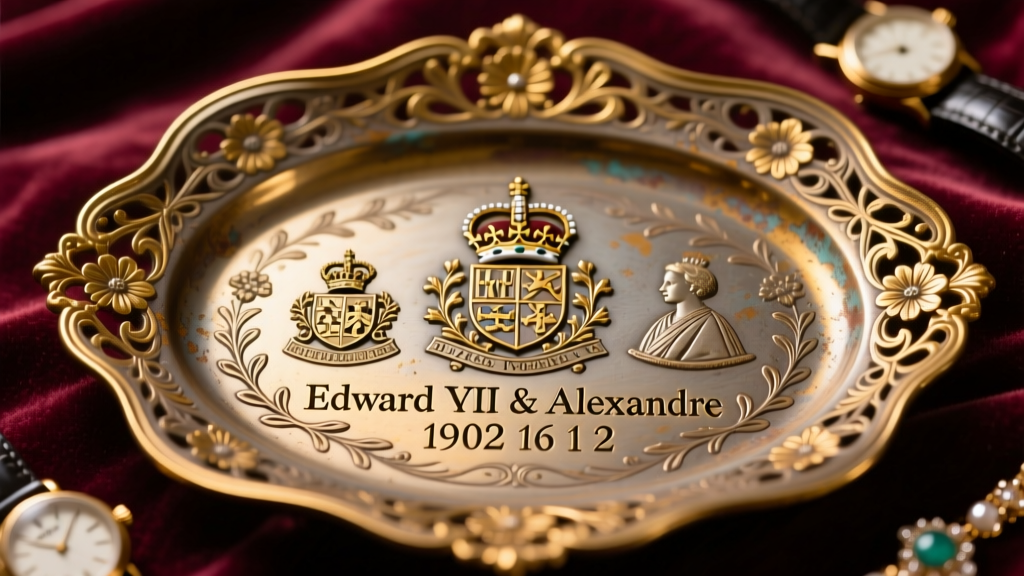
The 1902 Coronation Commemorative Tray: A Silver-Gilt Masterpiece Honoring King Edward VII and Queen Alexandra

Shaving Mugs of the Occupational Physician: Dr. Marchiano’s Bedside Ritual and the Symbolism of Victorian-Era Medical Ceramics

Harlequin Forest Green Soup Cream: Decoding the Rare Vintage Watch Dial Phenomenon
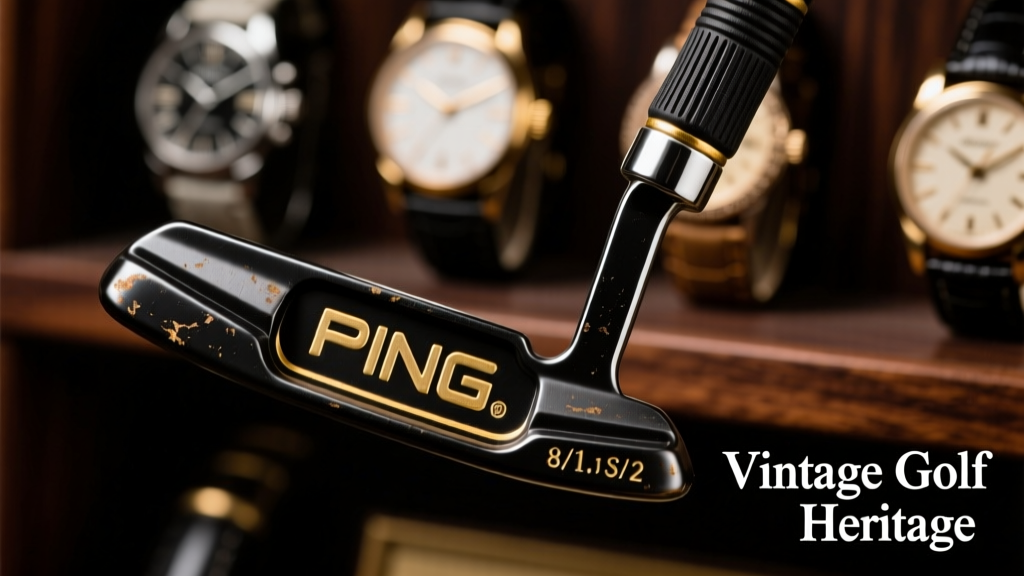
The Ping Kushin Wide Black Band Putter: A Collector’s Deep Dive into Design, Provenance, and Market Significance

The Stickley Library Table No. 655: A Definitive Study of Gustav Stickley’s Spindle-Shelved Masterpiece (36 × 24 × 29 Inches)

Hummel Figurine No. 226 'Mail Is Here': Authentication, Provenance, and Market Value of the Three-Line Mark Variant

Vintage Necklaces: History, Identification, and Market Value of Iconic Designs
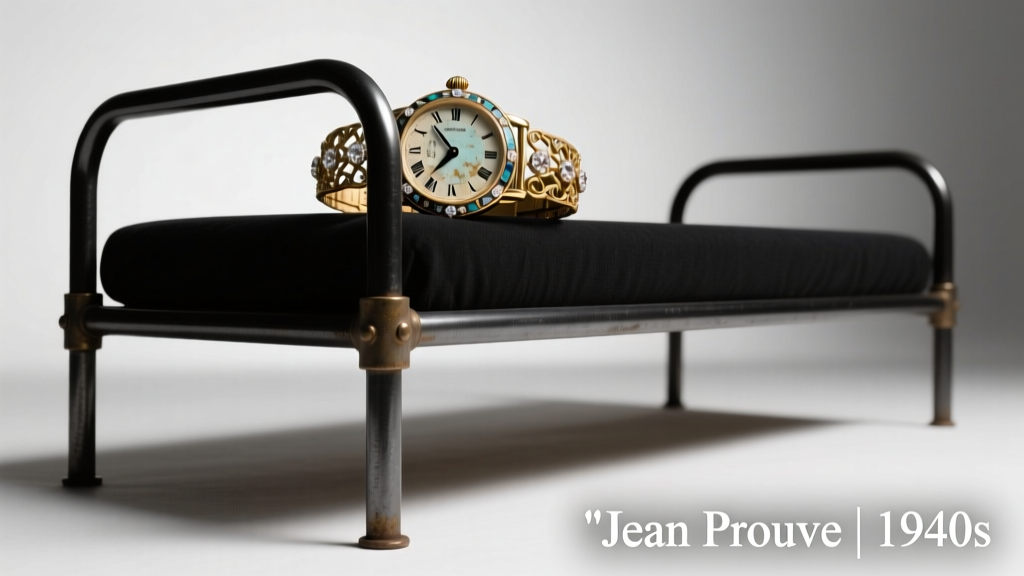
Jean Prouvé’s Black Enameled Steel Daybed: Engineering Precision, Industrial Elegance, and Auction Market Realities

The Cut Glass Bottle Dresser: Crisscross Miters, Round Stopper, Square Base — A 7-Inch Masterpiece of American Brilliant Period Craftsmanship