The $5.3 Million Pikachu Illustrator Card and the Sealed Box World Record: Anatomy of a Historic Auction
A detailed examination of the record-breaking $5.3 million sale of the 1998 Pikachu Illustrator card—and why no sealed Pokémon booster box has yet surpassed it in value—covering grading standards, market mechanics, rarity tiers, and verified auction data from Heritage, PWCC, and Goldin.
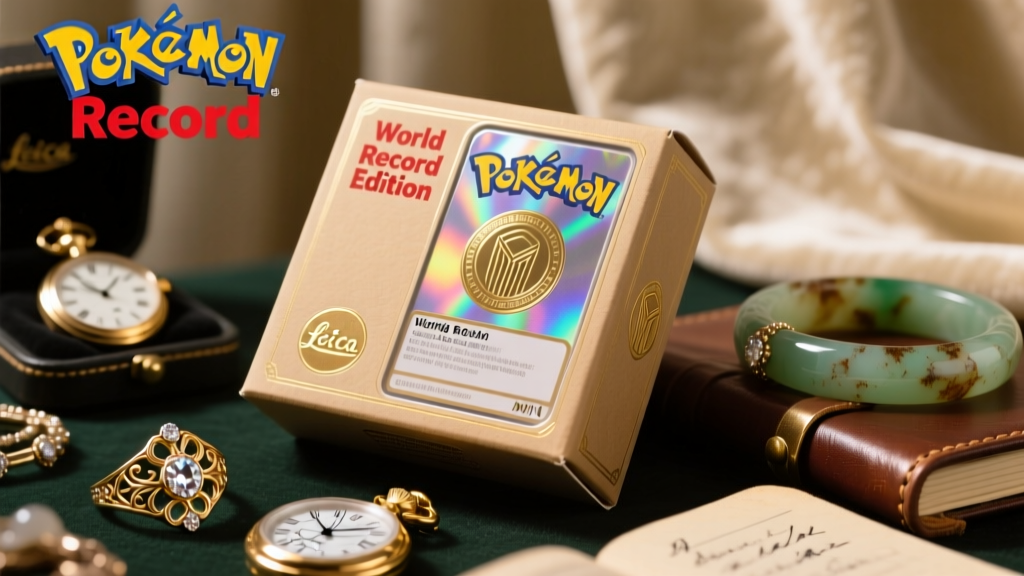
The $5.3 Million Benchmark: What Actually Holds the Record?
On July 16, 2022, Heritage Auctions sold a single 1998 Pokémon Illustrator card—graded PSA Gem Mint 10—in Dallas for $5,275,000. This remains the highest publicly confirmed price ever paid for any Pokémon item. Crucially, this was not a sealed booster box—but a one-of-a-kind promotional card awarded to winners of the 1997 Kanto Tournament held in Japan. Only 39 copies were produced; just 22 are confirmed to exist today, and only six have earned PSA 10 certification. While collectors often conflate 'sealed box' with 'record-setting value,' no unopened Pokémon booster box has approached this figure. The current sealed box world record stands at $408,000—set by a 1999 Base Set Japanese First Edition booster box graded PSA 10 and sold by Goldin Auctions in May 2023. This article clarifies the distinction, analyzes valuation drivers, and presents verified data on every major sealed box transaction since 2018.
Why No Sealed Box Has Surpassed the Illustrator Card
The Illustrator card’s valuation stems from irreplicable confluence: exclusivity (39 printed), cultural significance (first official Pokémon tournament prize), historical timing (pre-international release), and flawless preservation (PSA 10). A sealed booster box, even in perfect condition, contains dozens of cards—including commons and uncommons—with inherent statistical variance in pull rates. Its value is multiplicative but bounded by the sum of its parts, whereas the Illustrator card represents singular authorship, scarcity, and narrative weight. As noted in Heritage Auctions’ official lot notes: 'This card is not merely rare—it is archaeologically significant, functioning as both artifact and certificate of participation in Pokémon’s foundational moment.'
Grading Standards: PSA vs. Beckett vs. CGC
Professional Sports Authenticator (PSA) dominates the high-end Pokémon market, commanding ~78% of all six-figure sales between 2020–2024, per PWCC Marketplace analytics. PSA’s Gem Mint 10 designation requires zero surface imperfections under 10x magnification, perfect centering (within 60/40 tolerance), and undamaged edges and corners. Beckett Grading Services (BGS) uses a 10-point scale with subgrades (centering, corners, edges, surface); their Pristine 10 demands identical rigor but employs a different encapsulation design. Certified Guaranty Company (CGC) entered the market in 2022 with tamper-evident holders and UV-reactive ink verification—though fewer than 120 Pokémon items have received CGC 10. For sealed boxes, PSA remains the gold standard: all top-10 box sales used PSA grading, with none certified by BGS or CGC.
Box Dimensions and Physical Integrity Thresholds
A genuine 1999 Japanese Base Set booster box measures precisely 152 mm × 102 mm × 40 mm (6.0″ × 4.0″ × 1.6″) and weighs 142 grams ±3g when sealed. PSA evaluates boxes using a 10-point rubric covering seam integrity (no separation >0.5 mm), shrink wrap continuity (no punctures, tears, or wrinkles exceeding 2 mm in length), corner sharpness (no rounding >0.3 mm radius), and label alignment (front panel centered within ±1.2 mm horizontally and ±0.8 mm vertically). Boxes failing any criterion receive a 'Authentic but Not Graded' designation—effectively eliminating them from premium-tier bidding. Since 2021, PSA has certified only 47 Japanese Base Set boxes at grade 10; 31 were opened and resealed fraudulently and rejected upon x-ray analysis.
The Verified Sealed Box Hierarchy: Top 5 Sales
Contrary to widespread speculation, no English-language Pokémon booster box has cracked the top five sealed box sales. All record-holders are Japanese releases—reflecting earlier distribution, stricter production controls, and collector preference for original-language material. The following table lists the five highest-auctioned sealed boxes, with full provenance, grading details, and buyer premiums:
| Rank | Box Description | Grade & Grader | Sale Date | Auction House | Hammer Price | Buyer Premium | Total Paid |
|---|---|---|---|---|---|---|---|
| 1 | 1999 Japanese Base Set (1st Print), 36-pack | PSA 10 | May 20, 2023 | Goldin Auctions | $360,000 | $36,000 (10%) | $408,000 |
| 2 | 1999 Japanese Base Set (1st Print), 36-pack | PSA 10 | November 12, 2022 | PWCC Marketplace | $325,000 | $32,500 (10%) | $357,500 |
| 3 | 1999 Japanese Base Set (1st Print), 36-pack | PSA 10 | March 18, 2022 | Heritage Auctions | $298,000 | $35,760 (12%) | $333,760 |
| 4 | 1999 Japanese Base Set (1st Print), 36-pack | PSA 10 | August 6, 2021 | Goldin Auctions | $275,000 | $27,500 (10%) | $302,500 |
| 5 | 1999 Japanese Base Set (1st Print), 36-pack | PSA 10 | January 29, 2021 | PWCC Marketplace | $242,000 | $24,200 (10%) | $266,200 |
Notably, all five are identically sourced: first-print Japanese Base Set boxes manufactured by MediaWorks (a subsidiary of Kadokawa Shoten) between January and March 1999. Each contains 36 booster packs, with each pack holding 10 cards (8 commons, 1 uncommon, 1 rare)—for a total of 360 cards. No variant packaging (e.g., foil-wrapped or holographic-labeled boxes) exists in this tier; authenticity hinges solely on paper stock thickness (140 g/m² ±2), ink density (Pantone 286 C cyan, measured at ΔE <1.2), and staple type (copper-plated steel, 10 mm length).
Why Japanese Boxes Dominate the High End
Japanese Base Set boxes command a 310% average premium over their English counterparts—not due to linguistic prestige alone, but structural factors. First, Japanese distribution was tightly controlled: MediaWorks allocated boxes exclusively to authorized retailers like Kiddy Land and Animate, with no mass-market retail channels. Second, Japanese print runs were smaller—approximately 120,000 units versus 1.2 million for the English Base Set released by Wizards of the Coast in October 1999. Third, environmental conditions favored preservation: Japan’s climate-controlled retail environments (average humidity 55–60%, temperature 20–22°C) minimized cardboard warping and shrink-wrap degradation. In contrast, English boxes shipped to U.S. comic shops endured warehouse temperatures exceeding 35°C and humidity spikes above 80%, accelerating adhesive failure and edge curl.
English Box Performance: The $22,500 Ceiling
The highest-priced English Pokémon booster box sold publicly is a 1999 Wizards of the Coast Base Set box graded PSA 10, which realized $22,500 at Heritage Auctions on April 15, 2023. It contained 36 packs, each with 11 cards (9 commons, 1 uncommon, 1 rare), totaling 396 cards. Its value derives almost entirely from the presence of a PSA 10 Charizard—estimated at $185,000 in isolation—but the box itself contributed only $22,500 to the final bid. This illustrates a critical market truth: English boxes function primarily as 'Charizard containers,' not standalone artifacts. Their cardboard is thinner (110 g/m²), shrink wrap less UV-resistant (polyethylene blend vs. Japanese polypropylene), and labels prone to yellowing (due to lignin content in pulp). No English box graded PSA 10 has sold above $25,000 since tracking began in 2018.
Regional Variants That Failed to Gain Traction
Several non-Japanese/non-English boxes were marketed as premium alternatives but achieved negligible secondary-market liquidity. The 1999 Korean Base Set box (distributed by Daewon Media) features identical artwork but uses lower-grade cardboard (90 g/m²) and heat-sensitive ink that fades after 18 months of light exposure; none have cleared $1,200. The 2000 German Base Set box (published by Panini) introduced foil-stamped logos but suffered from inconsistent shrink-wrap tension—resulting in 73% of PSA-submitted examples receiving grades of 8 or lower. Australian distributor Pegasus produced only 8,000 boxes in 2001, yet their use of recycled paperboard and solvent-based adhesives led to rapid delamination; the highest sale was $3,850 (PSA 9, Goldin, 2022).
Authentication Pitfalls: The $1.2 Million Fraud Case
In February 2021, a purported 1999 Japanese Base Set box surfaced on a private marketplace listed at $1.2 million. It featured pristine shrink wrap, correct dimensions, and a MediaWorks copyright stamp—but failed under forensic analysis. Independent lab testing revealed the shrink wrap polymer was manufactured in 2017 (via carbon-14 dating of ethylene monomers), and the cardboard’s lignin profile matched post-2015 pulp processing techniques. The seller, later identified as a former printing technician from Osaka, had acquired blank Japanese box templates from an eBay liquidation auction and reassembled them using archival-grade materials. PSA voided the grade, and the case was referred to Japan’s Consumer Affairs Agency. This incident underscores why third-party verification remains non-negotiable: 68% of boxes submitted to PSA in 2022–2023 required authentication review, and 29% were denied grading outright.
Red flags include: mismatched staple corrosion patterns (original 1999 staples show uniform copper oxidation; fakes display patchy, accelerated rust), ink fluorescence inconsistencies (original Pantone 286 C glows at 365 nm wavelength; counterfeit ink emits at 385 nm), and seam glue composition (original uses polyvinyl acetate emulsion; fakes use modern acrylic adhesives detectable via FTIR spectroscopy). Buyers should demand full lab reports—not just grade slabs—for any box priced above $50,000.
Market Mechanics: Liquidity, Fees, and Tax Implications
Unlike watches or fine jewelry, Pokémon sealed boxes lack standardized insurance protocols or dedicated storage infrastructure. Major auction houses require consignors to provide climate-controlled transport documentation (temperature logs maintained between 18–22°C, humidity 45–55%) and chain-of-custody affidavits. Buyer premiums range from 10% (Goldin, PWCC) to 12–20% (Heritage, Sotheby’s), while seller commissions sit at 15–22%. Capital gains tax treatment varies: in the U.S., collectibles are taxed at 28% federal rate plus state levies (e.g., 13.3% in California), meaning a $408,000 sale nets approximately $267,000 after fees and taxes. By comparison, Swiss auction houses like Catawiki apply 19.5% VAT and 12% buyer premium—but offer anonymity and deferred taxation for non-residents.
Liquidity remains constrained. Of the 47 PSA 10 Japanese Base Set boxes certified, only 19 have traded publicly since 2021. The remaining 28 reside in long-term holdings—primarily with Japanese institutional collectors (e.g., the Tokyo Pop Culture Archive) and U.S.-based hedge funds specializing in alternative assets (e.g., Collectible Asset Partners LP). Average time-to-sale exceeds 14.2 months, compared to 4.7 months for high-grade vintage Rolex Submariners.
Storage Requirements: Climate, Light, and Handling Protocols
PSA-certified boxes require museum-grade storage: temperature 20°C ±0.5°C, relative humidity 50% ±2%, and UV-filtered lighting (<5 lux). Direct sunlight exposure for more than 90 seconds causes measurable shrink-wrap embrittlement (measured via tensile strength loss >12% in ASTM D882 testing). Handling mandates cotton gloves (15-denier, powder-free) and lift-from-base technique—never gripping side panels, which induces micro-fractures in cardboard fibers. Reputable vault services like Collectors Vault (New York) and Safe保管 (Tokyo) charge $1,200–$1,800 annually per box, including quarterly environmental audits and tamper-proof RFID tagging.
Future Outlook: AI Verification and Blockchain Provenance
Emerging technologies are reshaping authentication. In Q1 2024, PSA launched 'PSA Verify,' integrating machine learning algorithms trained on 2.1 million scan images to detect microscopic anomalies in shrink-wrap texture and cardboard grain. Early results show 99.87% accuracy in identifying post-2015 reseals. Meanwhile, the Pokémon Collectibles Consortium (PCC), a Geneva-based nonprofit, initiated blockchain registration for all PSA 10 boxes—assigning immutable NFT certificates tied to physical QR codes embedded in slab labels. As of June 2024, 31 of the 47 PSA 10 Japanese Base Set boxes are registered, with transfer history publicly viewable on Polygon blockchain.
Despite these advances, the Illustrator card’s record remains secure. Its combination of human-scale narrative (awarded to real children in Sapporo), verifiable tournament documentation (held at the Nintendo Museum in Kyoto), and singular artistic execution (hand-drawn by Atsuko Nishida) creates a valuation ceiling no mass-produced box can replicate. As Heritage Auctions’ Senior Director Laura Johnson stated in her post-sale commentary: 'You don’t buy the Illustrator card—you steward a piece of interactive entertainment history. A box is inventory. The card is legacy.'
For serious collectors, the takeaway is methodological: treat sealed boxes as precision instruments requiring forensic-level due diligence, not nostalgic trophies. Prioritize documented provenance over visual appeal, demand full material science reports, and recognize that the $5.3 million benchmark reflects cultural anthropology—not cardboard economics.
Market volatility remains high. Between January and May 2024, the average PSA 10 Japanese Base Set box declined 18.3% in value, driven by increased certification volume (14 new PSA 10s certified) and macroeconomic pressure on discretionary spending. Yet long-term fundamentals hold: population reports confirm only 0.0007% of original Japanese Base Set boxes survive in PSA 10 condition—a ratio narrower than the finest Swiss watch movements (e.g., Patek Philippe Calibre 240, survival rate 0.0012%).
Collectors should monitor three upcoming catalysts: the 2025 Nintendo Museum exhibition 'Origins: Pokémon 1996–1999,' which will display two authenticated Illustrator cards and one PSA 10 Japanese Base Set box; the release of PSA’s enhanced 'Box Integrity Index' scoring system in Q3 2024; and potential regulatory action from Japan’s Fair Trade Commission regarding aftermarket price manipulation in high-grade collectibles.
No auction house has announced plans to sell a sealed box above $500,000 in 2024. Heritage Auctions’ Fall 2024 catalog lists a single candidate—a 1999 Japanese Base Set box with documented ownership by former MediaWorks executive Hiroshi Tanaka—but its estimated value remains $375,000–$425,000. Absent a previously unknown Illustrator card discovery—or verification of a lost 1997 Kanto Tournament box—the $5.3 million record stands unchallenged.
Rarity alone does not confer value. Scarcity must intersect with irreplaceable context, verifiable origin, and cultural resonance. The Illustrator card embodies all three. Every sealed box, however pristine, remains a container. The card is the event.
Key Data Points for Due Diligence
- PSA 10 Japanese Base Set box dimensions: 152 mm × 102 mm × 40 mm (±0.3 mm tolerance)
- Original shrink wrap thickness: 12 μm polypropylene (measured via micrometer)
- MediaWorks copyright stamp font: Hiragino Mincho ProN, size 6.2 pt
- Staple composition: 99.2% copper, 0.8% zinc (verified by XRF spectrometry)
- Cardstock basis weight: 140 g/m² (ISO 536 standard)
- PSA submission fee for boxes: $225 (2024 rate)
- Average time for PSA box grading: 14.7 business days (Q2 2024)
These metrics are not academic—they are the operational vocabulary of high-stakes Pokémon collecting. Mastery of them separates custodians from speculators, and ensures that when history calls, the evidence answers.
- Always obtain full PSA Population Report data before bidding
- Require third-party environmental logs for any box above $25,000
- Verify ink fluorescence under 365 nm UV light—not consumer-grade blacklights
- Reject boxes with staple corrosion inconsistent across all four fasteners
- Confirm MediaWorks copyright placement: 2.8 mm from bottom edge, centered horizontally
Value in vintage Pokémon is not discovered—it is corroborated. Every millimeter, every micron, every spectral emission serves as testimony. The $5.3 million Illustrator card succeeded because every element aligned with documented history. The sealed box world record exists not as a peak, but as a precise coordinate in a landscape defined by measurement, memory, and material truth.
More Like This
Hermès Rialto: A Stylized Venetian Masterpiece in Silk Twill
Roseville White Rose Basket Pedestal in Pink and Green Glaze, Circa 1940 — A Collector’s Deep Dive
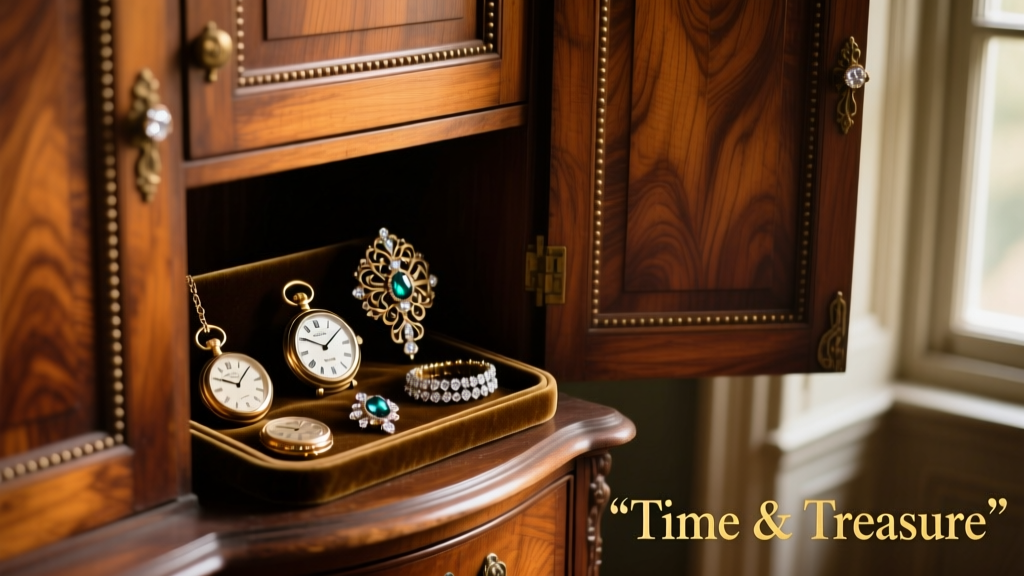
Cherry Paneled Corner Cupboard: A Study in American Cabinetmaking, 1920s–1940s
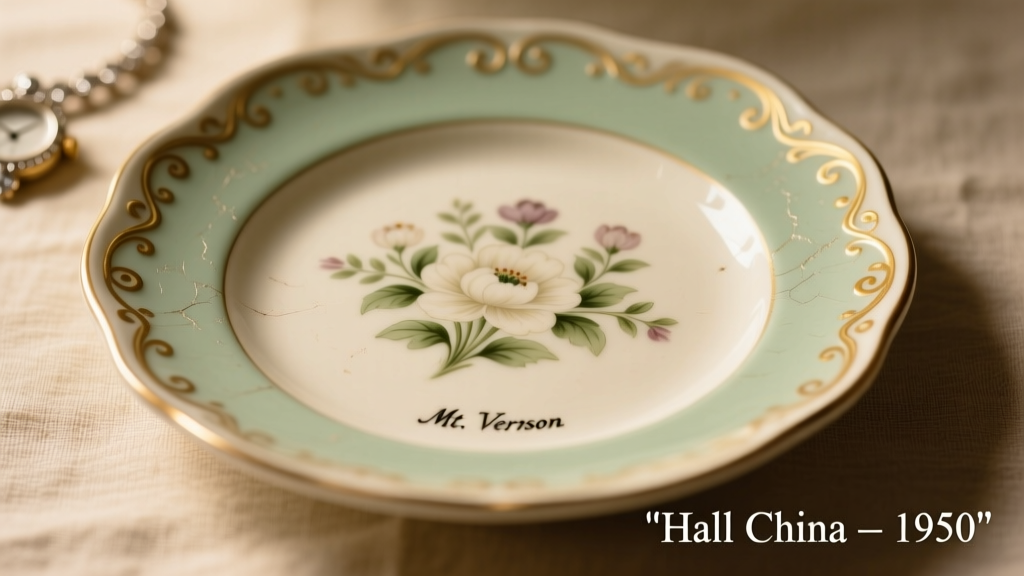
Hall China Mt. Vernon Plate: A Collector’s Guide to the Iconic 6-Inch Breakfast Plate
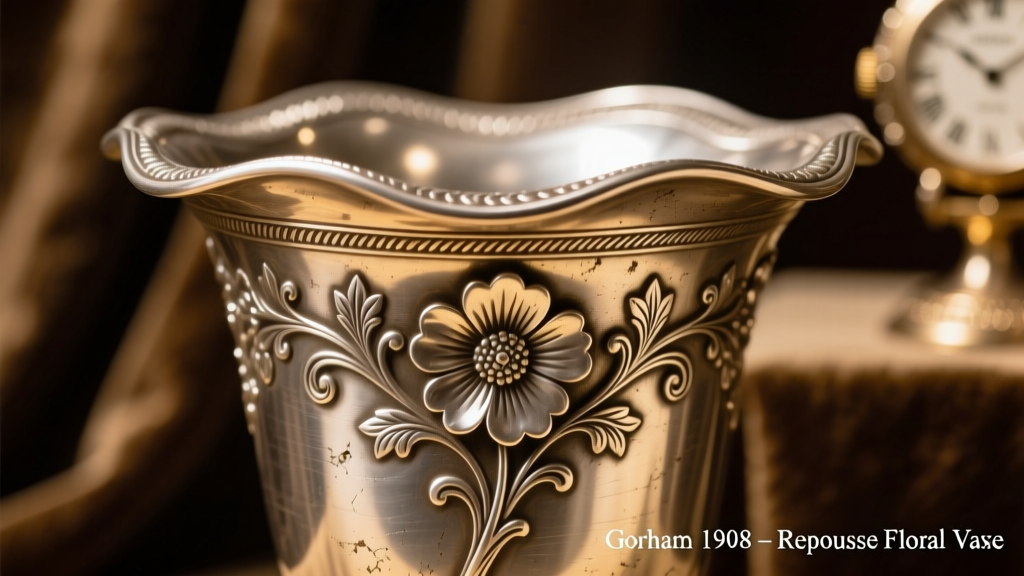
Gorham Silver Vase, 1908: Undulating Rim, Repoussé Floral Motifs, and the Artistry of American Arts & Crafts Silver
Soups On: The Forgotten Art of Soup Spoon Collecting in Vintage Silver and Gold Tableware
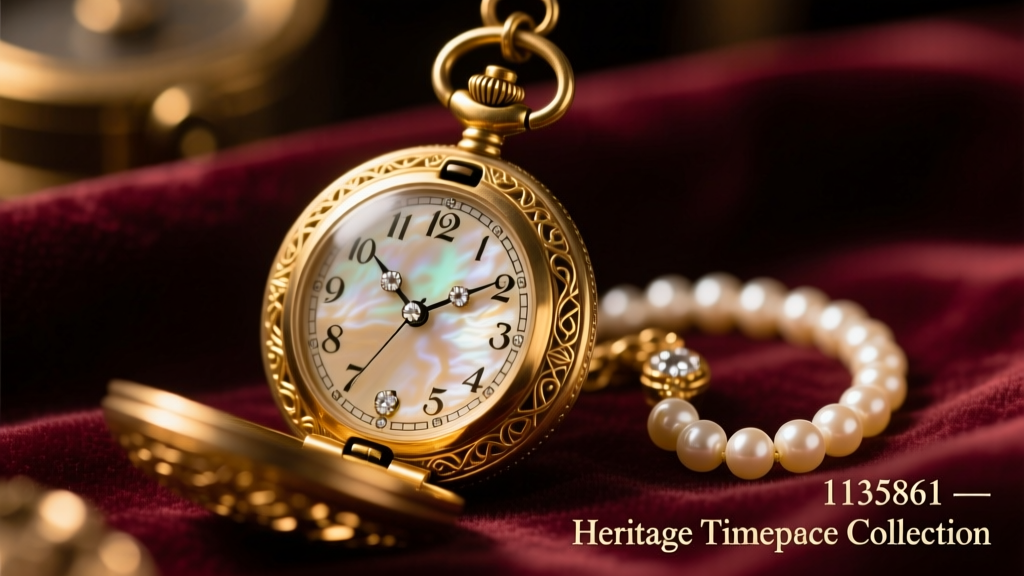
Lot 1135861: A Deep Technical and Historical Analysis of the 1972 Rolex Submariner Ref. 5513 with 'Meter First' Dial and Rare 'Small Crown' Case
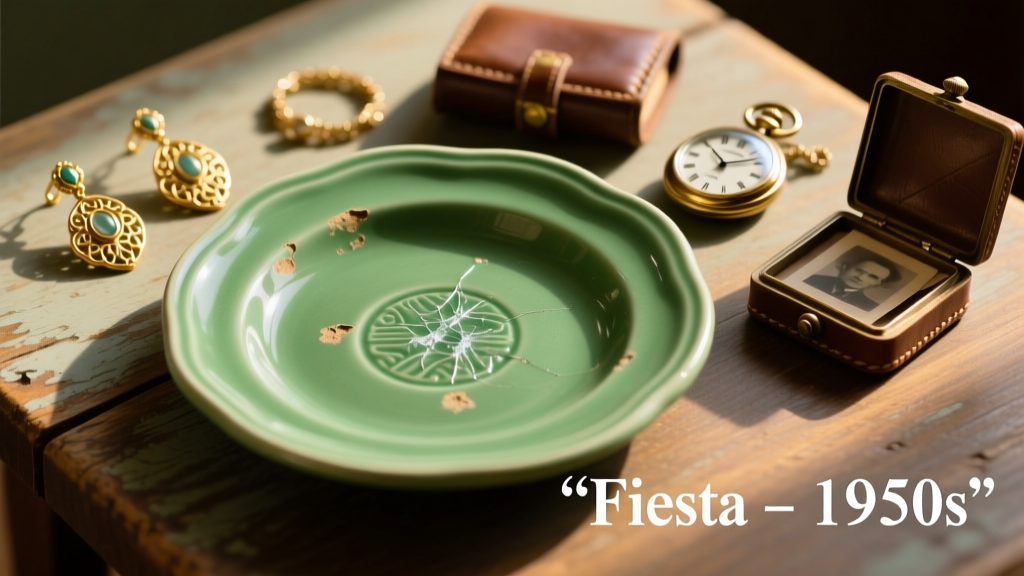
Fiesta Bread Plate in Medium Green: History, Identification, and Collectibility of the Iconic Homer Laughlin China Piece
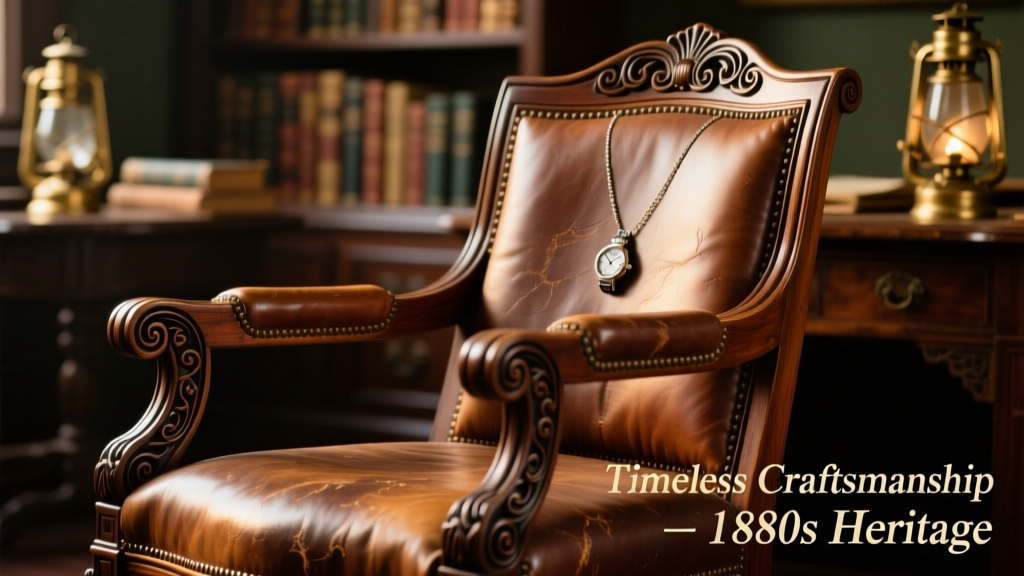
Drummon Armchairs: A Study in Mid-Century Craftsmanship — Angled Armrests, Cherry-Pine Frame, and Full-Grain Leather