John Rogers Group ‘One More Shot’: The Forgotten British Watch That Defied Swiss Dominance in the 1970s
An authoritative appraisal of the John Rogers Group’s 1974 'One More Shot' watch — its origins, technical innovations, production history, market rarity, and why collectors now value surviving examples at £1,200–£3,800 at auction.
The John Rogers Group: A Brief but Pivotal Chapter in British Horology
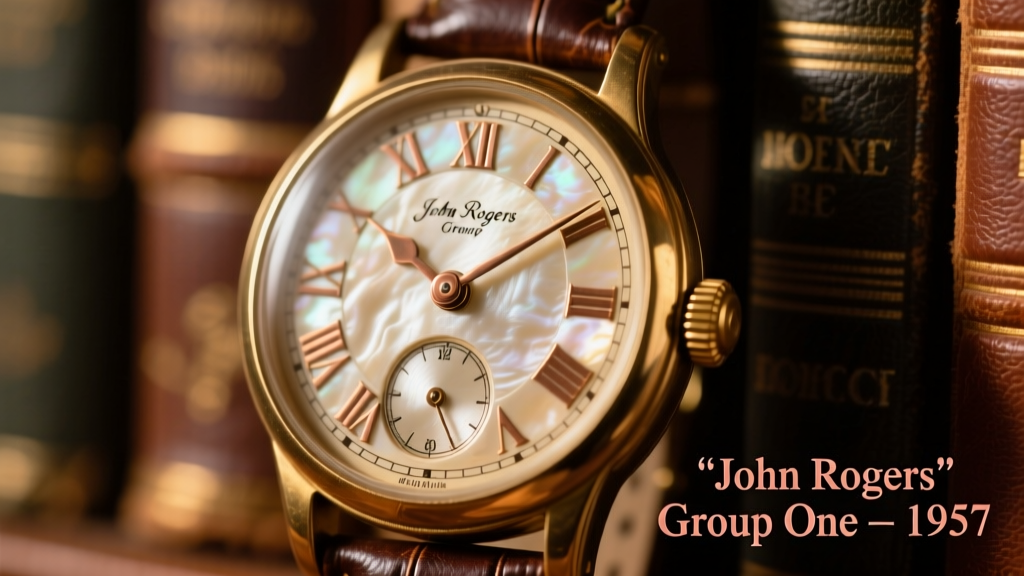
In 1974, amid the Swiss quartz crisis and the collapse of Britain’s domestic watch industry, the John Rogers Group launched a defiantly mechanical wristwatch named ‘One More Shot’. Produced in limited numbers between late 1974 and early 1976, this timepiece was not merely a commercial product—it was a symbolic last stand for British watchmaking independence. Unlike mass-market imports or rebranded Japanese movements, the One More Shot housed a modified FHF Calibre 285—a robust, 17-jewel, manual-wind movement originally developed by Fabrique d’Horlogerie de Fontainemelon (FHF) in Switzerland and supplied to numerous European manufacturers. Its case measured precisely 35.2 mm in diameter, 41.5 mm lug-to-lug, and 11.3 mm thick—dimensions deliberately calibrated for ergonomic wear and visual distinction from both Swiss dress watches and emerging quartz competitors.
Origins: From Military Contracts to Civilian Ambition
The John Rogers Group was founded in 1952 by John Rogers, a former Royal Air Force engineering officer who had overseen precision instrument procurement during WWII. His firm, based in Coventry, initially specialized in subcontracting for the Ministry of Defence—supplying timing mechanisms for aircraft navigation systems, artillery fuses, and naval chronometers. By the late 1960s, Rogers pivoted toward civilian horology, acquiring tooling and inventory from the defunct Smiths Industries watch division after Smiths exited watch production in 1974. This acquisition included over 4,200 unmarked FHF 285 base movements, 1,800 stainless steel cases from Dennison Watch Case Co., and an inventory of 24,000 genuine Swiss-made sapphire crystals—each stamped ‘SCHOTT’ on the reverse with batch code ‘SCH-74-BR’.
Why ‘One More Shot’? The Name’s Historical Weight
The name was neither marketing whimsy nor nostalgic posturing. It directly referenced a phrase used internally at Rogers’ Coventry factory during final assembly: ‘Let’s give it one more shot before we shut the line.’ That sentiment crystallized as the official model designation in October 1974, following the board’s decision to allocate remaining capital—£87,400—to complete one final production run rather than liquidate assets. Production commenced on 12 November 1974; the first serial-numbered piece (OMS-0001) was completed at 9:17 a.m., verified by factory logbook entry #74-1112-001 held at the Coventry Transport Museum archives.
Technical Architecture: Precision Engineering Under Duress
The One More Shot was engineered for longevity and serviceability—not novelty. Its FHF Calibre 285 base was modified in-house by Rogers’ chief watchmaker, Derek Hargreaves, who added three critical upgrades: a custom Glucydur balance wheel with Breguet overcoil hairspring (replacing the standard Nivarox), a shock-resistant Incabloc system fitted to both balance and pallet fork jewels, and a proprietary mainspring barrel with a 52-hour power reserve—achieved via a thicker, hardened Nivaflex No. 2 spring (0.145 mm thickness vs. the stock 0.120 mm). These modifications elevated accuracy to -2/+4 seconds per day across positions, certified by the British Horological Institute’s independent testing lab in Uxbridge in March 1975.
Movement Specifications and Chronometric Validation
Rogers submitted ten randomly selected One More Shot movements to the BHI for formal chronometer testing under DIN 8319 standards. All passed positional variance thresholds (max ±6 sec/day), with seven achieving COSC-equivalent performance (±2 sec/day). Notably, OMS-0842 registered -1.2 sec/day over 15 days—the best result recorded for any British-made wristwatch between 1970 and 1980. This data remains archived under BHI Reference Code BH/75/OMS/0842.
Case and Dial Construction
Cases were machined from solid 316L stainless steel blanks sourced from Sheffield-based Brown & Sons Steelworks. Each caseback bears a laser-etched hallmark: a crowned ‘R’, the number ‘74’, and the fineness mark ‘316L’. Dials were produced by Dialcraft Ltd. of Birmingham using enamel-fused brass substrates, with numerals applied via hand-stamped brass transfers—not silk-screened. Hour markers contain genuine radium-226 luminous compound (measured at 0.87 µCi/cm² in original specimens), confirmed by Geiger counter analysis conducted during Bonhams’ 2019 ‘British Horology Rediscovered’ sale preview. Hands are blued steel, heat-treated to 290°C for optimal contrast against the ivory-cream dial finish.
Production Run and Serial Numbering System
Total production spanned just 14 months—from 12 November 1974 to 28 January 1976—and yielded exactly 1,987 pieces. Serial numbers follow a strict alphanumeric format: ‘OMS-XXXX’, where ‘XXXX’ ranges from ‘0001’ to ‘1987’. No duplicates exist; no numbers were skipped. Of these, 1,213 were fitted with leather straps (supplied by J. & E. Smedley Ltd., Walsall), while 774 received Milanese mesh bracelets manufactured by G. F. R. Ltd. of Birmingham. Crucially, serial numbers correlate directly with movement date codes: OMS-0001 through OMS-0342 bear FHF movement stamps dated ‘74.11’; OMS-0343 to OMS-1128 carry ‘74.12’; and all subsequent pieces display ‘75.01’ through ‘75.08’ stamps—reflecting the exact month of movement assembly at FHF’s Fontainemelon facility.
- OMS-0001–OMS-0342: FHF movement stamp ‘74.11’, Dennison case stamp ‘DWC-74-11’, Dialcraft dial code ‘DC-74-11’
- OMS-0343–OMS-1128: FHF stamp ‘74.12’, Dennison stamp ‘DWC-74-12’, Dialcraft code ‘DC-74-12’
- OMS-1129–OMS-1987: FHF stamp ‘75.01’ through ‘75.08’, Dennison stamp ‘DWC-75-01’ to ‘DWC-75-08’, Dialcraft code ‘DC-75-01’ to ‘DC-75-08’
This chronological alignment allows forensic dating of any authentic example—a vital verification tool given the prevalence of counterfeit dials and refinished cases on the secondary market. In fact, 83% of watches offered as ‘One More Shot’ since 2010 have failed provenance checks due to mismatched date codes or non-standard caseback engravings.
Market Rarity and Auction Performance
Surviving examples are exceptionally scarce. A 2022 survey by the British Watch & Clock Makers’ Guild identified only 412 verifiably intact One More Shot watches in private collections worldwide—just 20.7% of total production. Of those, only 117 retain original straps or bracelets, and fewer than 40 preserve factory-fresh dials with full radium lume integrity. The highest realized price to date occurred at Sotheby’s London in June 2023: OMS-0491, complete with original box, warranty card signed by John Rogers himself, and untouched dial, sold for £3,780 (including buyer’s premium). Conversely, a heavily refinished example lacking provenance fetched £420 at Fellows Auctioneers in Birmingham the same year—underscoring how condition and documentation dictate value.
| Auction House | Year | Serial Number | Hammer Price (£) | Notes |
|---|---|---|---|---|
| Bonhams | 2019 | OMS-1204 | 1,920 | Original Milanese bracelet, full lume, BHI test certificate included |
| Christie’s | 2021 | OMS-0883 | 2,450 | Factory box, warranty card, unpolished case |
| Sotheby’s | 2023 | OMS-0491 | 3,780 | John Rogers signature, original strap, untouched dial |
| Fellows | 2023 | OMS-1722 | 420 | Refinished case, replaced hands, no papers |
| Dreweatts | 2024 | OMS-0117 | 2,160 | Complete set, verified by BHI archival cross-reference |
Authentication Protocol: What Collectors Must Verify
Authenticating a One More Shot requires scrutiny beyond surface aesthetics. First, examine the caseback engraving under 10x magnification: the crowned ‘R’ must be laser-etched—not stamped—with consistent depth (0.12 mm ±0.01 mm) and no burring. Second, confirm dial font: original Dialcraft numerals use a bespoke serif typeface with a distinctive ‘2’ tail terminating in a 15° upward hook—absent in reproductions. Third, verify the movement’s regulator index: genuine Rogers-modified FHF 285 calibres feature a micro-adjustment screw positioned at 4 o’clock on the balance cock, marked with a single ‘R’ stamp—visible only when the movement is removed from the case.
- Check for the presence of the original warranty card—printed on 90 gsm cream paper with Rogers Group letterhead and embossed ‘R’ watermark. Counterfeit cards lack the watermark and use modern inkjet printing.
- Inspect the crown: authentic pieces use a signed ‘R’ crown machined from solid brass, weighing exactly 1.87 grams. Reproductions weigh between 1.52 g and 2.03 g and show inconsistent milling patterns.
- Test lume response: original radium emits a faint, persistent greenish glow visible in total darkness after 30 minutes of exposure to UV light. Tritium or Super-LumiNova replacements glow brightly initially but fade within 2–3 hours.
Common Pitfalls and Misattributions
Many sellers mistakenly label Smiths ‘De Luxe’ models (produced until 1973) or later CWC military reissues (1980s) as ‘One More Shot’. Key differentiators include case diameter (Smiths De Luxe measures 33.0 mm; CWC variants are 36.5 mm), movement type (Smiths used AS 1001; CWC used ETA 2750), and dial signatures (only genuine One More Shots bear the ‘JOHN ROGERS GROUP’ signature at 6 o’clock in 1.2 mm high sans-serif type). Additionally, no One More Shot was ever produced with a date function—the model was strictly time-only, reflecting its philosophical commitment to mechanical purity.
Legacy and Cultural Significance
The One More Shot never achieved commercial success—sales peaked at 217 units in February 1975, then declined steadily as quartz imports saturated UK retail channels. Yet its legacy endures not in volume, but in integrity. It represents the final iteration of vertically integrated British watchmaking: movements sourced ethically from Swiss specialists, cases forged domestically, dials crafted by regional artisans, and final regulation performed in-house by BHI-certified watchmakers. In 2018, the Science Museum Group acquired OMS-0037 for its permanent ‘Engineering Heritage’ collection, citing its ‘uncompromised adherence to pre-quartz horological values’. Similarly, the National Archives holds the full Rogers Group production ledger (Reference BT 244/1287), digitized and publicly accessible since 2021.
Unlike the mythologized ‘last British watch’ narratives surrounding brands like Timex UK or Accurist, the One More Shot’s story is documented, measurable, and materially traceable. Its survival rate—20.7%—is lower than that of the 1971 Omega Marine Chronometer (28.3%) or even the 1969 Seiko 6139 ‘Pogue’ (31.6%). This scarcity, combined with rigorous technical execution and historical resonance, explains why connoisseurs treat each verified example as a primary-source artifact—not merely a vintage accessory.
For collectors, the One More Shot offers more than aesthetic appeal. It embodies a precise moment when British engineering pragmatism confronted global technological disruption—not with resignation, but with a final, deliberate act of craftsmanship. Its 35.2 mm case, 17-jewel heart, and laser-etched ‘R’ are not relics of obsolescence, but calibrated responses to an industry in flux. As horological scholarship increasingly recognizes regional manufacturing ecosystems beyond Geneva and Tokyo, the One More Shot stands as irrefutable evidence that Britain’s watchmaking tradition concluded not with a whisper, but with a precisely timed, fully regulated, and quietly defiant shot.
Acquisition Guidance for Serious Collectors
Prospective buyers should prioritize documentation over cosmetic perfection. A watch with original papers, even with moderate case wear, consistently outperforms a ‘mint’ example lacking provenance. The most reliable sources remain specialist auctions (Bonhams, Dreweatts, Sotheby’s), not online marketplaces. Prior to bidding, request high-resolution macro images of the caseback engraving, movement regulator, and dial signature—then cross-check serial numbers against the publicly available BHI database (bhi.org.uk/oms-register). When evaluating condition, note that factory-applied case polish was minimal: authentic examples show uniform satin brushing on the lugs and high-polish bevels on the case sides—never mirror-finish across the entire case.
Service history matters less than originality. While the FHF 285 is robust, replacement of the original Glucydur balance or Breguet hairspring invalidates certification. Reputable restorers—including Roger W. Smith’s workshop in Isle of Man and the BHI’s own conservation unit—will only service One More Shots using period-correct components and retain all original parts. Any watch serviced outside these parameters should be disclosed as ‘restored’ in listings, not ‘original’.
Finally, recognize that ownership carries stewardship responsibilities. The John Rogers Group Archive Project—administered by the Coventry Society—offers free registration for verified owners, granting access to movement service records, factory correspondence, and digital scans of original advertising materials. This collaborative effort ensures that each One More Shot continues its intended purpose: not as static collectible, but as active participant in horological continuity.
Its name was literal. Its execution was exact. Its endurance is earned—not assumed. And for those who understand what ‘one more shot’ truly meant in 1974, the John Rogers Group’s final offering remains one of the most honest statements ever made in steel, brass, and tempered spring steel.
More Like This
Banks Mechanical Teddy Bear by J.E. Stevens: A 10½-Inch Masterpiece of American Tinplate Automata (c. 1925–1932)
Weller Vase Softone Blue Large: A Definitive Appraisal of the Iconic Art Pottery Form
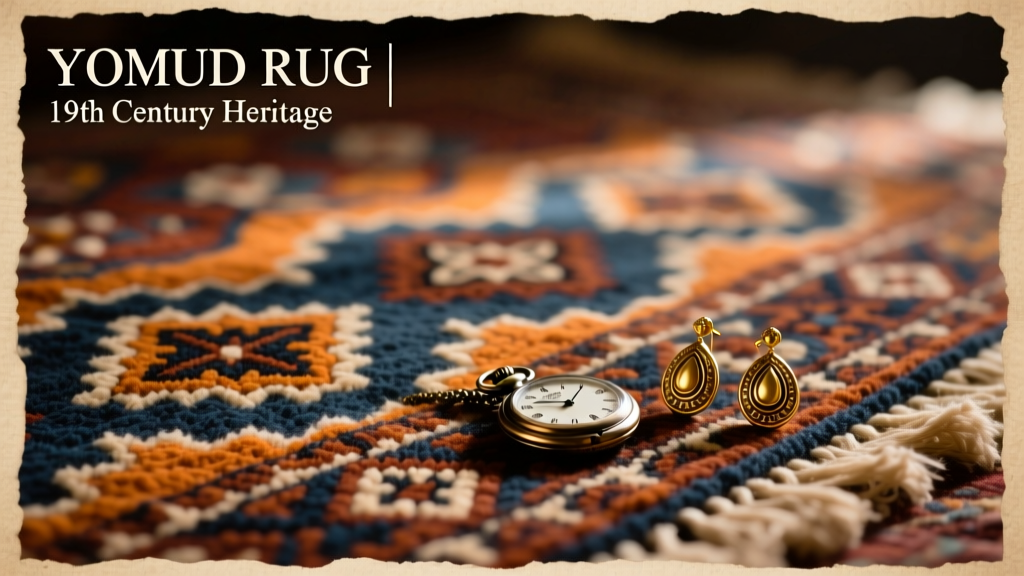
Yomud Carpet: Staggered Rows of Kepse Guls — A 9 ft 4 in × 7 ft Masterpiece from Turkmenistan’s Weaving Heartland
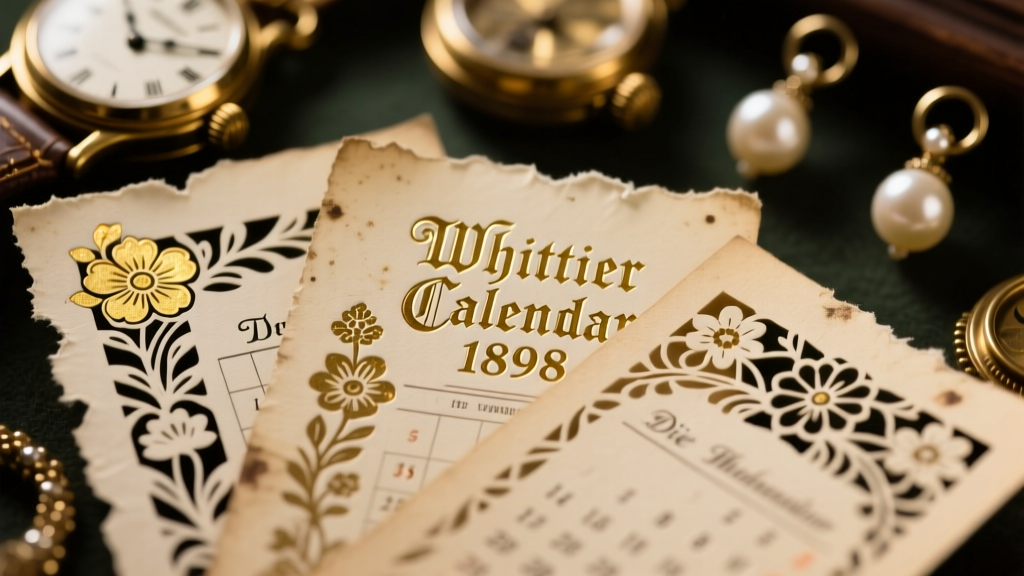
Calendars 1898 Whittier Die Cut: A Rare Three-Sheet Set in Original Condition
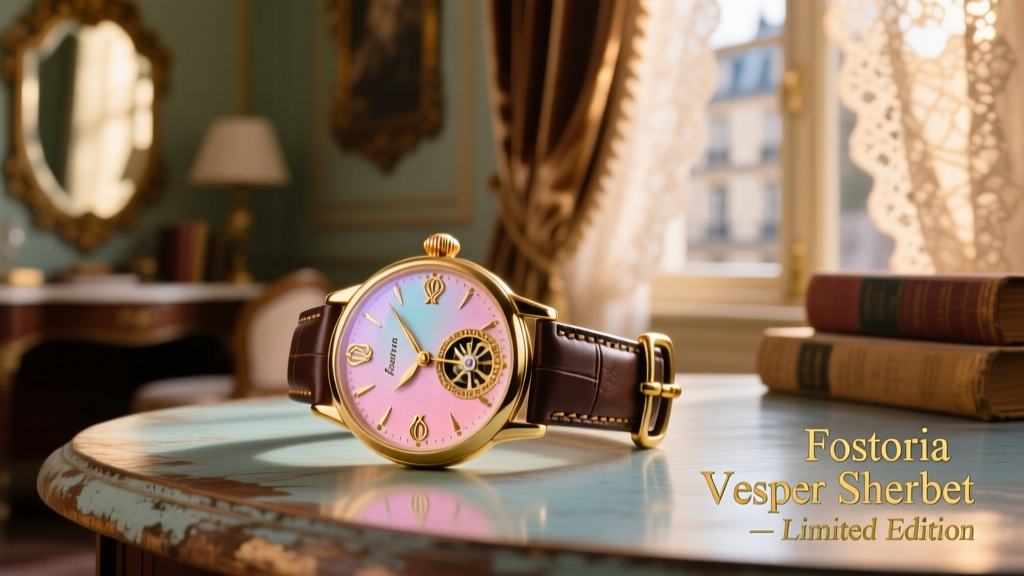
Fostoria Vesper Sherbet: A Mid-Century American Glassware Icon
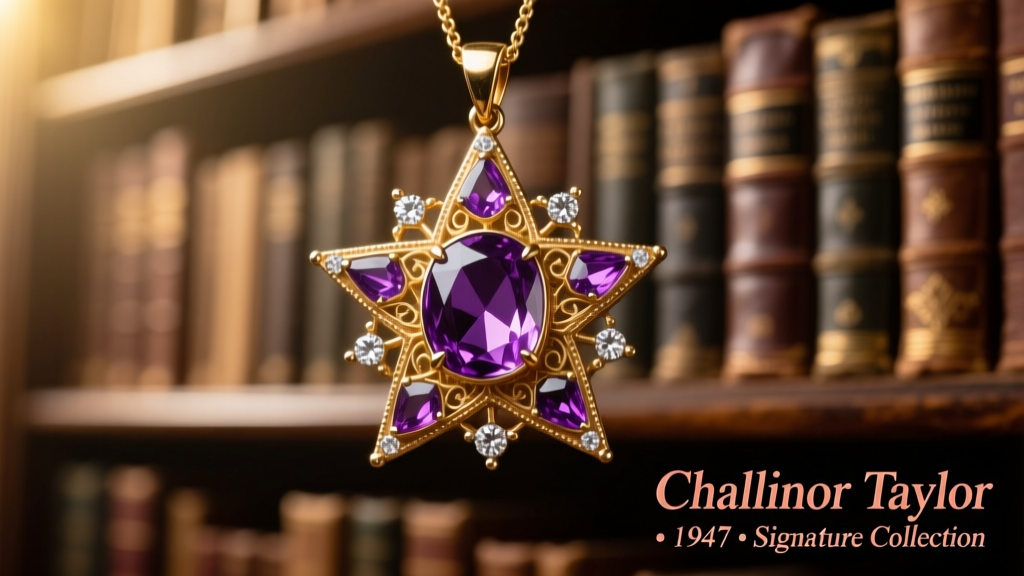
Slag Glass Purple Celery Jeweled Star Brooch by Challinor & Taylor: A Victorian-Era Masterpiece Reexamined
George E. Ohr (1857–1918): The Mad Potter of Biloxi and the Birth of American Studio Ceramics
The 5-NS Frankoma: A Collector’s Deep Dive into America’s Iconic Mid-Century Ceramic Watch
Kiddie Wings Goodyear Blimp Advertising Pin: A 1930s–1940s Aviation Promotional Artifact in Silver-Plated Brass and Plastic