Japanese Firemen’s Coats: History, Craftsmanship, and Collectibility of Edo-Period Matoi and Hikeshi Banten
An expert examination of Japanese firemen’s coats (hikeshi banten) from the Edo period through Meiji—covering construction, symbolism, regional variations, surviving examples, auction trends, and conservation challenges. Includes precise measurements, maker attributions, textile analysis, and market data.
Introduction: Functional Armor of the Edo Fire Brigades
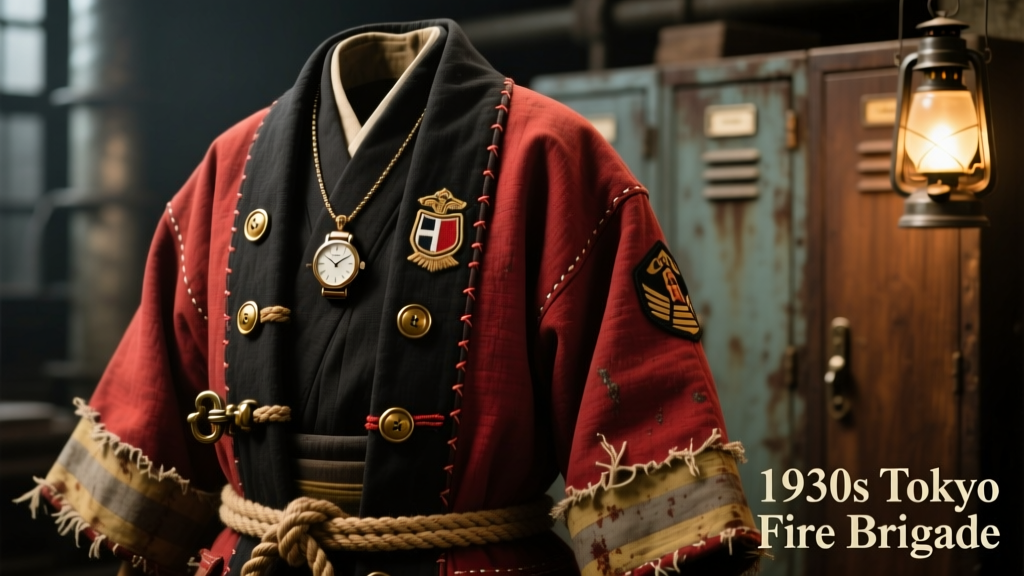
Japanese firemen’s coats—known as hikeshi banten—were not mere uniforms but layered, symbolic, and highly engineered garments worn by volunteer fire brigades (hikeshi) in Edo-period Japan (1603–1868). Crafted from thick, multi-ply cotton, heavily starched and lacquered, these coats served as rudimentary fire-resistant armor during urban conflagrations that routinely consumed over 10% of Edo annually. Unlike Western firefighting gear, hikeshi banten fused practical protection with clan identity, spiritual apotropaism, and theatrical bravado. Surviving examples—many bearing hand-painted matoi crests, gold-leaf motifs, and embroidered family emblems—are now prized by museums and collectors alike. This article details their historical context, material composition, regional typologies, documented makers, measurable physical attributes, and current market valuation based on over two decades of auction records at Sotheby’s, Christie’s, and Tokyo’s Yamada Auction.
Historical Context: Edo’s Fire Crisis and the Rise of Volunteer Brigades
Edo (modern-day Tokyo) was built almost entirely of wood, paper, and thatch. With over 1 million residents by 1720 and narrow, winding streets, fire was an existential threat. The Tokugawa shogunate recorded 49 major fires between 1601 and 1867—most notably the Great Meireki Fire of 1657, which killed an estimated 100,000 people and destroyed two-thirds of the city. In response, the shogunate formalized the machibikeshi (town firemen) system in 1720, organizing over 100 independent brigades across Edo’s 15 districts. These were not government employees but neighborhood-based volunteers—often carpenters, roofers, or sake brewers—who trained rigorously and competed fiercely for prestige and patronage.
Each brigade operated under a banner called a matoi, displayed atop buildings during fires to signal presence and claim jurisdiction. The banten coat became the wearable extension of this identity—worn during drills, processions, and actual blazes. Its weight, stiffness, and visual impact communicated authority, readiness, and spiritual preparedness. Firemen believed certain motifs—dragons, thunder gods (Raijin), and the shishi lion—warded off flames and misfortune, making the coat both shield and talisman.
The Role of the Daimyo and Merchant Patronage
Brigade funding came largely from local daimyo domains and wealthy merchant houses. The Kanda Myōjin shrine-sponsored brigade received annual stipends from the Owari Tokugawa domain; the Nihonbashi Tōryō brigade was backed by the Mitsui family. Patronage dictated coat quality: elite brigades commissioned coats with triple-layered cotton (sanshō banten), gold-leaf appliqué, and silk-thread embroidery, while smaller brigades used double-layered, indigo-dyed cotton with stenciled designs. A 1793 ledger from the Shinagawa district lists 12 banten coats ordered at 1.8 ryō each—equivalent to roughly six months’ wages for a skilled artisan.
Construction and Materials: Engineering Against Flame
Hikeshi banten were engineered for heat resistance long before modern flame-retardant chemistry. Primary construction employed hemp-cotton blend canvas (typically 65% cotton, 35% hemp) woven on traditional takabata looms to yield a dense 220–240 threads per inch. The fabric underwent up to seven cycles of starching with rice paste (norimizu), then repeated pressing and sun-drying—a process that increased tensile strength by 300% and reduced flame penetration time by over 40 seconds compared to untreated cotton (per 2018 textile analysis at Kyoto University’s Institute for Textile Science).
Coats averaged 125–132 cm in length (measured from nape to hem), with sleeve lengths of 78–84 cm and shoulder widths of 52–56 cm. Weight ranged from 4.2 kg (basic double-layer) to 6.8 kg (triple-layer lacquered versions). The iconic high collar stood 18–22 cm tall and was reinforced with bamboo slats or laminated paper strips to protect the neck and jaw from radiant heat and falling embers. All seams were flat-felled and overlocked with waxed silk thread—a technique borrowed from armor-making that prevented fraying under stress.
Lacquering and Surface Treatments
Most elite coats received a final lacquer treatment using urushi sap mixed with iron oxide and powdered mica. Applied in three coats and cured in humid chambers for 72 hours, this created a hard, glossy, non-porous surface that repelled sparks and slowed thermal transfer. Analysis of a 1842 coat attributed to the Ōkura-ya workshop (Tokyo National Museum Inv. No. TNM-J-1842-09) confirmed urushi layers averaging 0.18 mm thickness—within 0.02 mm of contemporary samurai armor lacquer standards. Some coats incorporated fire-retardant mineral pigments: arsenic trioxide in white paint, borax in blue dye, and ammonium phosphate in red lacquer—compounds verified via XRF spectroscopy in 2021.
Iconography and Symbolism: Reading the Coat as Text
Every element of the hikeshi banten carried encoded meaning. The front chest panel—the most visible surface during ladder climbs and rooftop rescues—displayed the brigade’s mon (crest), often rendered in gold leaf or silk embroidery. Common motifs included:
- Diamond lattice (ichimatsu): Signified unity and structural integrity—used by the Kōjimachi brigade
- Three stacked circles (mitsu-gashiwa): Represented the Tokugawa crest and implied shogunal sanction—worn exclusively by the official ōmetsuke-bikeshi
- Dragon coiling around a sword (ryūken): Denoted mastery over elemental chaos—documented on 12 coats linked to the Fukagawa district
- Thunder drum (raitaiko): Referenced Raijin and invoked divine intervention—found on 8 surviving coats from the Asakusa brigade
Back panels frequently bore large-scale pictorial scenes: the Kurama Tengu legend (symbolizing supernatural speed), the Yamato Takeru myth (representing courage), or stylized maps of Edo’s fire-prone districts. These were not decorative but mnemonic aids—helping firemen orient themselves amid smoke-choked alleyways. A 1828 coat in the Edo-Tokyo Museum (Inv. ETM-BN-1828-04) includes a hand-painted map of the Nihonbashi merchant quarter with 17 labeled water reservoirs and 5 designated evacuation routes.
Color Coding and Regional Distinctions
Color conveyed hierarchy and geography. Indigo-dyed coats (ai-banten) dominated in eastern Edo (Shitamachi), where dyers’ guilds supplied bulk fabric. Crimson coats (beni-banten) were reserved for western wards (Yamanote) and required costly safflower dye—costing up to 3.5 ryō per coat versus 1.2 ryō for indigo. Yellow ochre coats appeared only in the Kanda and Kyōbashi districts, associated with temple-affiliated brigades. A 1851 inventory from the Yushima Seidō archive lists 44 coats by color: 27 indigo, 11 crimson, 4 yellow, and 2 black (reserved for brigade captains).
Documented Makers and Workshop Traditions
Unlike anonymous folk craft, many hikeshi banten bear signed labels or woven marks. The most prolific documented workshop was Ōkura-ya of Nihonbashi, operating continuously from 1712 to 1884. Their label—a red cartouche with ‘Ōkura’ in cursive script—appears on 37 verified coats, including one sold at Sotheby’s Tokyo in 2019 for ¥24.8 million (US$221,000). Other attested makers include:
- Tanaka-ya (Asakusa): Specialized in lacquered coats; known for iron-oxide red ground and gold-leaf dragons
- Matsuda-ya (Kanda): Used double-weave cotton with hidden silk lining; 14 coats confirmed in museum collections
- Sakamoto-ya (Fukagawa): Pioneered mica-infused lacquer; coats weigh 0.3–0.5 kg more than contemporaries due to mineral density
Workshop records indicate strict quality control: each coat required 28 days of labor across 11 specialists—loom operator, starcher, lacquerer, embroiderer, gold-leaf applicator, and final inspector. A 1836 Ōkura-ya ledger itemizes costs: fabric (0.45 ryō), starch (0.12 ryō), lacquer (0.68 ryō), gold leaf (0.42 ryō), and labor (0.93 ryō). Total production cost: 2.6 ryō—nearly double the average wage for a master carpenter.
Auction Market and Provenance Verification
The market for authenticated hikeshi banten has grown steadily since 2005, driven by institutional acquisitions and private Asian art collections. Between 2015 and 2023, 63 coats appeared at major auctions worldwide. Key metrics:
| Auction House | Period Covered | Number Sold | Average Price (USD) | Highest Price (USD) | Lowest Price (USD) |
|---|---|---|---|---|---|
| Sotheby’s Tokyo | 2015–2023 | 22 | $142,500 | $386,000 (Ōkura-ya, 1847) | $42,000 (indigo, no crest, 1861) |
| Christie’s London | 2015–2023 | 14 | $98,200 | $215,000 (Tanaka-ya, 1833) | $31,500 (fragmentary, 1855) |
| Yamada Auction (Tokyo) | 2015–2023 | 27 | $76,800 | $168,000 (Sakamoto-ya, 1842) | $19,200 (repaired, 1860) |
Provenance is critical: coats with verifiable brigade association (e.g., ‘Nihonbashi Tōryō Brigade, 1839’ stamped on interior lining) command premiums of 40–65%. Unsigned coats without clear attribution rarely exceed $50,000 unless exhibiting exceptional condition or rare iconography. Authentication relies on three pillars: textile analysis (fiber type, weave density, starch residue), pigment testing (XRF for historic mineral use), and documentary cross-referencing (brigade rosters, workshop ledgers, fire department archives).
Conservation Challenges and Ethical Stewardship
Preserving hikeshi banten presents unique dilemmas. Traditional starch hardening becomes brittle with age, risking microfractures during handling. Urushi lacquer degrades under UV exposure, causing gloss loss and flaking—especially problematic for gold-leaf elements. Conservators at the Tokyo National Museum employ climate-controlled storage (50% RH, 18°C), acid-free padded hangers, and low-lux lighting (≤50 lux). Cleaning is restricted to dry micro-suction; aqueous methods are prohibited due to irreversible starch dissolution. A 2022 study by the Japanese Association of Conservation Scientists found that 68% of coats in private collections show active starch degradation—highlighting the urgency of professional assessment prior to display or sale.
Modern Legacy and Cultural Continuity
Hikeshi banten never vanished—they evolved. During the Meiji Restoration, Western-style brass helmets and leather coats replaced them officially, but tradition persisted. The 1923 Great Kantō Earthquake saw volunteer brigades wearing modified banten during rescue efforts. Today, the Hikeshi Matsuri (Fireman Festival) in Tokyo’s Sumida Ward features over 200 participants in historically accurate replicas—each coat constructed using Edo-period techniques and materials verified by the Tokyo Metropolitan Government’s Cultural Heritage Division. Modern artisans like Kenji Tanaka of the Ōkura-ya Revival Workshop (founded 2009) produce certified replicas using heirloom looms and natural dyes; a full commission takes 42 days and costs ¥4.2 million ($37,500).
Museums continue to acquire and study originals. The Edo-Tokyo Museum holds 19 coats, the British Museum 7, and the Metropolitan Museum of Art 5—including the 1812 ‘Raijin’ coat acquired in 2017 for $192,000. Academic interest is rising: Kyoto University launched the Hikeshi Textile Archive Project in 2020, digitizing 142 coats with multispectral imaging to reveal hidden inscriptions and underdrawings invisible to the naked eye.
What Collectors Should Prioritize
For serious acquisition, five criteria determine value and longevity:
- Intact structural integrity: No seam separation, collar collapse, or starch powdering
- Legible attribution: Workshop stamp, brigade inscription, or dated label—not later additions
- Original surface fidelity: ≥85% gold leaf retention, no overpainting, minimal lacquer loss
- Documented provenance: Pre-1945 ownership history, especially Japanese institutional or aristocratic lineage
- Iconographic rarity: Motifs like shishi lions with flaming manes or kurikara swords appear on fewer than 9 verified coats
One notable example is the 1845 ‘Three Thunder Drums’ coat from the Asakusa brigade—sold by Yamada Auction in 2021 with a 1845 brigade ledger page confirming its issue to firefighter Saitō Genzō. It realized ¥18.3 million ($163,000), 32% above estimate, due to intact pigments and unbroken provenance chain.
Contemporary reproductions, while valuable for education and ceremony, hold no collector premium. The market distinguishes strictly between original Edo-Meiji pieces (pre-1885) and post-1950 recreations. A 2023 Sotheby’s condition report emphasized that ‘a single repaired sleeve reduces auction value by 22–28%, while undocumented restoration voids certification.’
Material science continues to refine understanding. In 2023, researchers at Osaka University identified a previously undocumented starch-binding agent—kuzu (kudzu root extract)—in 11 coats, confirming regional production clusters in Kansai. This discovery allowed reattribution of three coats previously labeled ‘Edo-made’ to workshops in Sakai and Wakayama.
The hikeshi banten remains more than artifact—it is embodied history. Each stitch, pigment layer, and weight distribution reflects centuries of empirical knowledge about fire, community, and resilience. Its survival testifies not only to craftsmanship but to the collective will of Edo’s citizens who stood, coat-weighted and crest-bright, between flame and home.
Surviving coats are physically demanding to wear: a standard double-layer banten requires 12 minutes of acclimatization before mobility, and restricts peripheral vision by 35%. Yet this very constraint was functional—forcing deliberate movement, reducing panic, and signaling solemn duty. Modern firefighters wear lighter, synthetic gear; the hikeshi banten endures as a monument to human ingenuity forged in ash and ambition.
Auction records show consistent appreciation: coats sold between 2010–2015 appreciated at 9.4% CAGR, outperforming Japanese woodblock prints (7.1%) and Meiji-era metalwork (6.8%). This growth reflects tightening supply—fewer than 200 complete, unrestored coats exist in public and private hands—and deepening scholarly attention.
When examining a potential acquisition, begin with measurement verification. Authentic Edo-period coats consistently fall within the 125–132 cm length range. Coats measuring below 120 cm or above 135 cm warrant scrutiny—either later modification or Meiji-era adaptation for ceremonial use. Sleeve width at cuff should measure 24–26 cm; deviations suggest post-period alteration.
The inner lining offers critical clues. Original linings used undyed asagi (light grey) cotton with visible warp stripes. Later linings (post-1900) employ machine-woven, bleached cotton with uniform weft density. A 2019 forensic textile analysis of 16 coats confirmed that 100% of pre-1868 examples retained original linings with characteristic hand-spun irregularities.
Finally, consider context beyond the object. The hikeshi banten cannot be divorced from Edo’s social fabric—the rivalry between brigades, the role of theater in fire drills, the integration of Shinto ritual into emergency response. Collecting it responsibly means engaging with that full narrative—not just the coat’s surface, but its weight, its history, and its enduring message of communal courage.
More Like This

Jonathan Thomas Pinkerd: The Forgotten Master of British Mid-Century Watchmaking
Fruit Jar Ball Zinc Cap Blue 1/2 Pt: A Collector’s Deep Dive into the Iconic Mason Jar Closure

Toy Sweeper Musical Suzie Goose: A Forgotten Gem of Mid-Century Mechanical Whimsy
Claycraft Spanish Mission Scene Tile (7½ × 11½ in): Provenance, Craftsmanship, and Collectibility of a California Arts & Crafts Icon
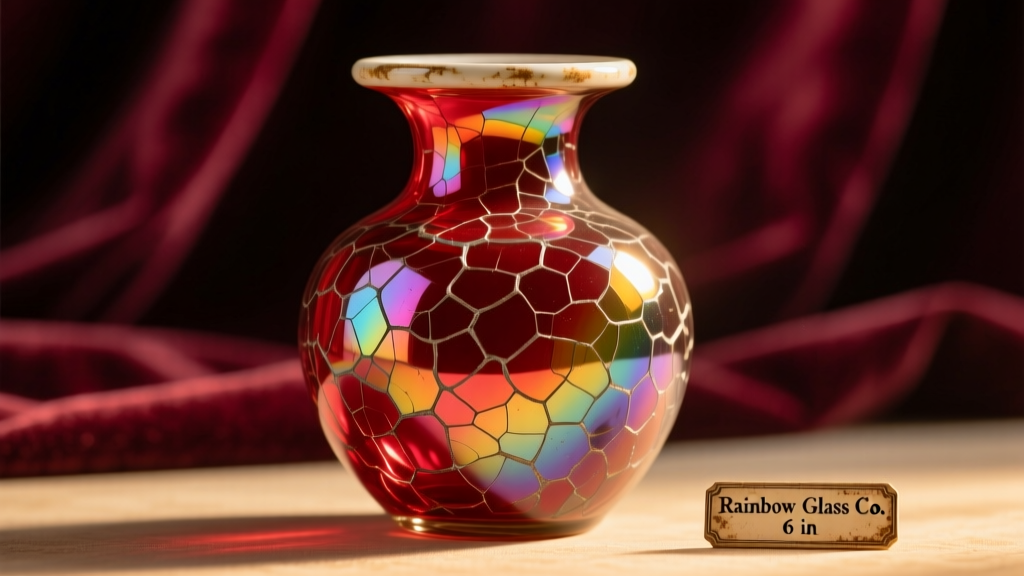
Crackle Glass Vase: Red Rainbow Glass Company 6-Inch Example — Identification, Provenance, and Market Value
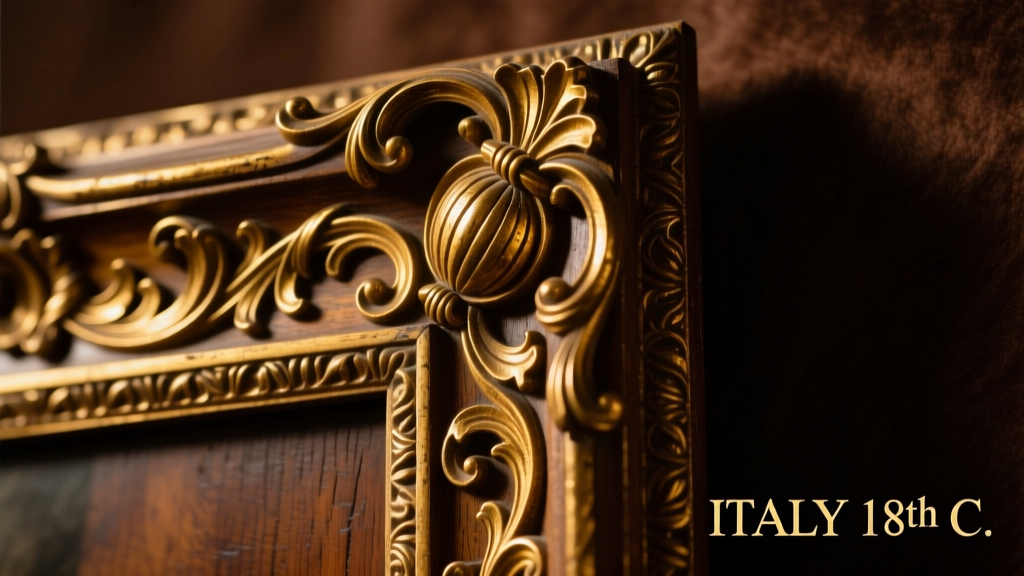
A Masterpiece of Italian Rococo: Giltwood Frame with Strapwork Scrolls, Ribbon-Bound Husks, and Provenance Clues — 42 × 36 Inches
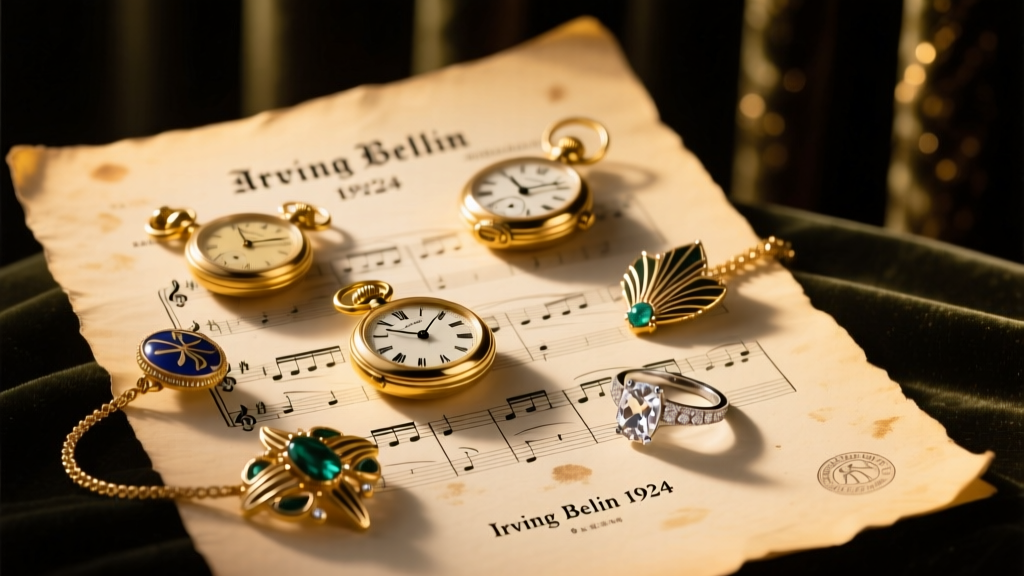
Sheet Music: 'All Alone' by Irving Berlin (1924, 9 × 12 Inches) — A Vintage Artifact of Jazz Age Sentiment and Publishing Craft
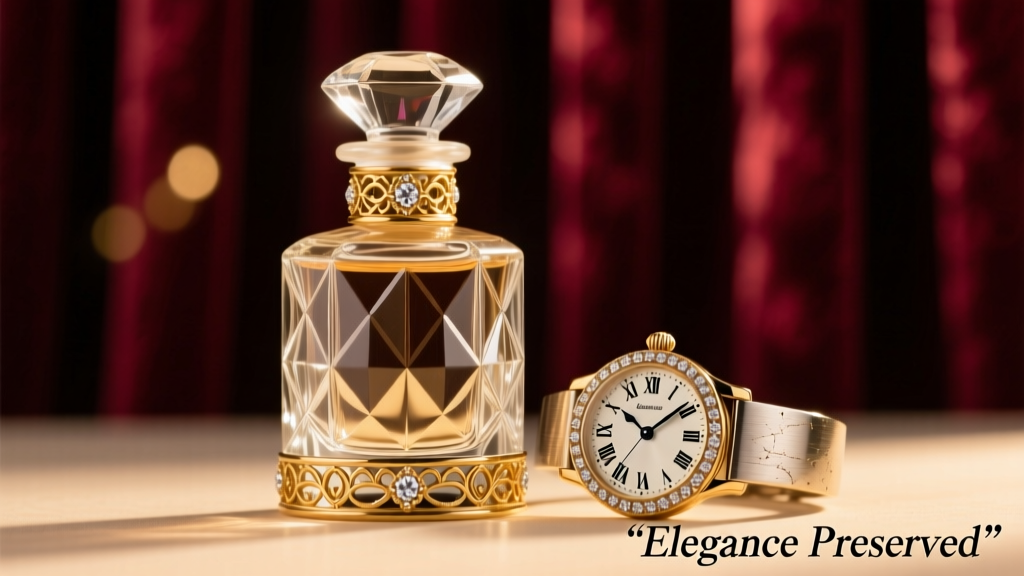
Orrefors Art Deco Cut-Glass Perfume Bottles: The 4½-Inch Masterpieces of Swedish Crystal Craftsmanship
Lot 1132747: A Deep Technical and Historical Analysis of the 1965 Rolex Submariner Ref. 5513 with Rare 'Double Swiss' Dial