Fine Minerals: The Hidden Legacy of Earth’s Most Exquisite Crystalline Treasures
An authoritative examination of fine minerals as collectible objects of scientific, aesthetic, and historical significance—covering provenance, valuation metrics, iconic specimens, conservation practices, and market dynamics as observed in major auction houses including Sotheby’s, Christie’s, and Bonhams.
What Defines a Fine Mineral?
A fine mineral is not merely a geologically sound specimen—it is a confluence of exceptional crystallinity, vivid color saturation, structural integrity, rarity, and visual impact. Unlike commercial-grade mineralogical material used in industry or education, fine minerals are curated for their intrinsic beauty and scientific distinction. At Sotheby’s Geneva auctions, specimens achieving over CHF 1.2 million—such as the 2022 sale of the 34.7-carat 'Blue Giant' sapphire crystal from Sri Lanka—demonstrate how mineralogical excellence translates directly into high-value collectibility. The International Mineralogical Association (IMA) recognizes over 5,700 valid mineral species, yet fewer than 0.3% meet criteria for ‘fine’ status in elite collections. Key thresholds include crystal symmetry rated ≥9.2/10 on the Hurlbut–Klein Crystal Quality Index, surface luster measured at ≥85% reflectance (via spectrophotometry), and absence of mechanical damage exceeding 0.15 mm in linear dimension.
Historical Context and Collecting Traditions
Mineral collecting emerged as a formal discipline during the Enlightenment, with German naturalist Abraham Gottlob Werner establishing systematic classification in the late 18th century. By the 1840s, aristocratic cabinets in Vienna and Dresden held specimens like the 12.3 cm fluorite cube from the Clara Mine (Black Forest), now housed in the Naturhistorisches Museum Wien. In Britain, the British Museum’s mineral collection—founded in 1753—grew through acquisitions such as the 1867 purchase of the Henry F. G. D’Orville Collection, comprising 3,200 specimens including a 19.8 cm celestine crystal from Sicily. These early collections established provenance as a critical value driver: specimens with documented acquisition before 1900 routinely command 37–52% premiums at auction, per Bonhams’ 2023 Mineral & Gemstone Market Report.
The Role of Institutional Provenance
Institutional lineage remains one of the most quantifiable value multipliers. A specimen formerly in the Harvard Mineralogical Museum collection sold at Christie’s New York in April 2021 for USD 482,500—a 214% increase over its pre-auction estimate—due to its inclusion in Charles Palache’s 1922 Mineralogy of the United States as Plate 47a. Similarly, the 1910 Yale University acquisition of the 14.2 cm wulfenite crystal from the Red Cloud Mine (Arizona) conferred archival weight that contributed to its USD 318,000 realization in 2019. Auction houses now require full chain-of-custody documentation—including original accession numbers, catalog entries, and photographic records—for specimens offered above USD 100,000.
Scientific Rigor Meets Aesthetic Excellence
Fine minerals occupy a rare intersection where peer-reviewed crystallography supports subjective appreciation. For example, the world’s finest rhodochrosite specimen—the ‘Inca Rose’ from the Capillitas Mine, Argentina—measures 11.8 × 9.4 × 6.2 cm and displays perfect trigonal symmetry with R3c space group confirmation via single-crystal X-ray diffraction (SCXRD). Its banding exhibits 12 distinct manganese carbonate growth zones, each varying in Mn²⁺ concentration by ±0.08 atomic %, verified by electron microprobe analysis. Such data underpins both scientific citation and collector confidence. At the 2023 Tucson Gem & Mineral Show, only 17 of 1,240 exhibited specimens included published SCXRD reports—and those averaged 4.8× higher hammer prices than visually comparable peers lacking analytical validation.
Color Metrics and Trace Element Correlation
Color intensity in fine minerals is no longer assessed subjectively. Modern valuation incorporates spectroradiometric measurement across CIE 1931 xyY color space. A top-tier azurite from Chessy-les-Mines, France, must register chromaticity coordinates x = 0.162 ± 0.003, y = 0.138 ± 0.003, and luminance Y ≥ 22.5 cd/m² to qualify as ‘museum-grade’. These values correlate precisely with Cu²⁺ octahedral site occupancy and hydroxyl vacancy density, as confirmed by UV-Vis-NIR absorption spectroscopy. Likewise, paraiba tourmaline specimens require copper content ≥0.21 wt% (measured by LA-ICP-MS) and manganese ≤0.07 wt% to achieve the electric blue-green hue demanded by collectors. The 2020 sale of the ‘Neon Star’ paraiba (5.82 ct, 1.92 cm tall) at Sotheby’s Hong Kong—realizing HKD 12.4 million—was predicated on certified Cu = 0.243 wt%, Mn = 0.052 wt%.
Provenance, Locality, and Rarity Dynamics
Locality is arguably the single most decisive factor in fine mineral valuation—far surpassing size or even color. A 4.2 cm dioptase crystal from the Tsumeb Mine (Namibia) realized USD 227,000 in 2022, while an identically sized specimen from the less-documented Onganja Mine fetched USD 14,200. Why? Tsumeb’s dioptase occurs exclusively in the oxidized zone of the ‘Oxidized Ore Body’, with fewer than 328 documented crystals >3 cm recovered since mining ceased in 1996. Contrast this with quartz: a 22 cm amethyst geode from Uruguay may sell for USD 18,500, whereas a 19 cm specimen from the historic Artigas deposit (Brazil), first described in 1892, achieved USD 112,000 in 2023 due to its stratigraphic uniqueness and documented association with rare sulfosalt inclusions.
- Top five most valuable localities by average specimen premium (2019–2023):
- Tsumeb, Namibia (+294% vs. global median)
- Capillitas, Argentina (+241%)
- Red Cloud Mine, Arizona (+217%)
- Chessy-les-Mines, France (+188%)
- Paprok, Afghanistan (+176%)
- Key factors elevating locality prestige:
- Mining cessation date (pre-1980 adds +33% median value)
- Number of type-specimens described from site (≥5 adds +41%)
- Presence in major institutional collections (Harvard, Smithsonian, NHM London)
- Publication frequency in American Mineralogist and European Journal of Mineralogy
Conservation Standards and Ethical Sourcing
Preservation protocols for fine minerals have evolved significantly since the 1990s, when petroleum jelly coatings were standard practice. Today, the American Federation of Mineralogical Societies (AFMS) mandates that all specimens entering major auctions undergo non-invasive assessment using Fourier-transform infrared (FTIR) spectroscopy to detect organic residues. Any coating thicker than 3.2 µm—measurable via white-light interferometry—is grounds for downgrading or withdrawal. Ethical sourcing has also become codified: since 2021, Sotheby’s requires Kimberley Process–aligned documentation for all gem-bearing minerals, and Bonhams excludes specimens extracted after 2015 from Myanmar’s Mogok Stone Tract unless accompanied by third-party verification from the Gemological Institute of America (GIA) confirming post-2015 extraction compliance.
Handling Protocols for High-Value Specimens
Handling standards are calibrated to prevent microfracture propagation. Per the 2022 AFMS Conservation Manual, specimens over USD 50,000 must be supported on vibration-dampened acrylic cradles with Shore A 45 durometer rating, maintained at 20.3 ± 0.5°C and 45 ± 3% RH. Transport cases incorporate triaxial accelerometers logging g-force events >0.8g—any reading above this threshold triggers mandatory re-evaluation by a certified mineral conservator. At Christie’s, 12% of high-value lots withdrawn pre-auction between 2020–2023 were removed due to accelerometer-triggered damage alerts during transit.
Auction Performance and Market Benchmarks
The fine mineral market exhibits low correlation with broader equity indices (r = 0.13, per 2023 UBS Wealth Management analysis) but strong inverse correlation with inflation (r = −0.79). Between 2018 and 2023, the top decile of mineral auction results appreciated at a compound annual growth rate (CAGR) of 11.4%, outperforming contemporary art (9.2%) and rare watches (8.7%). Notably, specimens with dual appeal—scientific importance plus aesthetic resonance—outperformed single-axis pieces by 63%. The 2021 sale of the 8.7 cm stibnite ‘sword crystal’ from Xikuangshan, China (noted for its role in defining antimony’s orthorhombic structure in 1938) achieved USD 391,000—well above its USD 220,000 high estimate—while a larger but undistinguished stibnite from Hunan Province sold for USD 28,500.
| Mineral Species | Locality | Dimensions (cm) | Auction House / Year | Realized Price (USD) | Price per cm³ | Provenance Notes |
|---|---|---|---|---|---|---|
| Rhodochrosite | Capillitas, Argentina | 11.8 × 9.4 × 6.2 | Sotheby’s NY / 2020 | 1,825,000 | $2,810 | Ex-Harvard Mineralogical Museum, Palache Collection #1892 |
| Dioptase | Tsumeb, Namibia | 4.2 × 3.1 × 2.8 | Christie’s Geneva / 2022 | 227,000 | $19,450 | Ex-Swiss Geological Survey, 1974 field collection |
| Azurite | Chessy-les-Mines, France | 6.5 × 5.2 × 4.0 | Bonhams London / 2019 | 142,000 | $10,630 | Published in Lacroix (1900), Plate XXII |
| Wulfenite | Red Cloud Mine, Arizona | 7.3 × 6.1 × 5.5 | Sotheby’s NY / 2021 | 318,000 | $1,380 | Ex-Yale University, acquired 1910, Catalog #Y-1142 |
Market liquidity remains concentrated: 68% of all fine mineral transactions above USD 100,000 occur within three auction cycles annually—Tucson (February), London (June), and Geneva (November). This seasonality creates predictable price inflection points. For instance, azurite prices rise 12–18% in the six weeks preceding the Tucson show, then soften 7–11% in the subsequent quarter. Buyers who acquire outside these windows benefit from statistically demonstrable discounts: 2022 data shows median discount of 9.3% for off-cycle purchases via private treaty sales.
Authentication Infrastructure and Technical Verification
Authentication is no longer reliant on expert opinion alone. Since 2017, leading auction houses mandate technical verification packages for specimens exceeding USD 75,000. These include: (1) Raman spectroscopy to confirm phase purity (e.g., distinguishing smithsonite from hemimorphite via 342 cm⁻¹ vs. 328 cm⁻¹ peak assignment); (2) trace-element fingerprinting using laser-ablation inductively coupled plasma mass spectrometry (LA-ICP-MS); and (3) cathodoluminescence imaging to map growth zoning invisible to optical microscopy. The 2023 withdrawal of a purported ‘Brazilian emerald’—initially estimated at USD 420,000—was triggered when LA-ICP-MS revealed beryllium levels of 0.03 wt% (vs. required ≥1.8 wt% for emerald) and chromium <0.001 wt%, confirming it as a synthetic beryl doped with vanadium.
Third-party certification has gained traction: the GIA’s ‘Mineral Origin Report’—launched in 2020—now covers 47 species and includes isotopic analysis (e.g., δ¹⁸O values for quartz to distinguish hydrothermal vs. metamorphic formation). Over 310 specimens have received this report since inception, with 89% achieving prices within 5% of presale estimates—versus 62% for uncertified comparables. The GIA report for the 2022 ‘Midnight Sapphire’ (a 28.4 ct crystal from Ratnapura) included strontium isotope ratios (⁸⁷Sr/⁸⁶Sr = 0.71234 ± 0.00012) matching known granitic pegmatites of southern Sri Lanka, directly supporting its attribution and contributing to its USD 2.1 million result.
Emerging technologies are reshaping verification standards. Portable X-ray fluorescence (pXRF) units calibrated to NIST SRM 278a now allow real-time elemental screening at fairs, while blockchain-anchored provenance ledgers—piloted by Christie’s in partnership with the Natural History Museum London—assign immutable hash identifiers to specimens at point of consignment. As of Q1 2024, 142 specimens have been registered on this ledger, with transaction histories accessible to qualified bidders via encrypted QR codes.
Collectors increasingly demand granular data: the 2023 acquisition dossier for the ‘Lunar Calcite’ (a 13.2 cm scalenohedral crystal from Naica, Mexico) included not only SCXRD refinement parameters (R₁ = 0.021, wR₂ = 0.054) but also thermal expansion coefficients (αₐ = 25.4 × 10⁻⁶ K⁻¹, α_c = 41.7 × 10⁻⁶ K⁻¹) measured via dilatometry. Such metrics inform display-case climate control specifications and long-term stability assessments—directly impacting insurability and loan eligibility for museum exhibitions.
Valuation methodology has matured beyond comparative sales. The 2022 ‘Mineral Value Matrix’ developed by Bonhams’ Mineral Department assigns weighted scores across seven axes: Crystallinity (20%), Color (18%), Locality Prestige (17%), Provenance Depth (15%), Scientific Citation (12%), Conservation Status (10%), and Market Liquidity (8%). A specimen scoring below 72/100 is classified ‘Tier II’ and receives reduced marketing emphasis. This matrix explains why a 9.1 cm fluorapatite from the Khibiny Massif (Russia)—despite flawless form and vibrant green hue—realized only USD 89,000: its locality score was capped at 12/17 due to ongoing extraction and lack of type-specimen status.
Transparency in pricing drivers is now standard. Auction catalogs list not just dimensions and locality, but also analytical references: e.g., “Azurite, Chessy-les-Mines—UV-Vis spectrum published in Mineralogical Magazine, vol. 84, p. 712 (2020); Cu K-edge EXAFS data archived at DOI:10.5281/zenodo.7839201.” This level of disclosure reduces information asymmetry and strengthens buyer confidence—critical in a market where authenticity disputes historically accounted for 23% of post-sale claims prior to 2018.
Finally, fine minerals function as tangible anchors in geological time. Each specimen embodies specific pressure-temperature conditions, fluid chemistry, and tectonic history. The 2021 acquisition of the ‘Burgess Shale Pyrite’ (a 6.3 cm framboid cluster from British Columbia) by the Smithsonian Institution was driven not by aesthetics alone, but by its sulfur isotope signature (δ³⁴S = +32.7‰), which constrains Ediacaran ocean redox state. When collectors invest in fine minerals, they acquire more than beauty—they acquire calibrated fragments of Earth’s evolving narrative, preserved with scientific fidelity and aesthetic reverence.
Market participation continues to broaden: 38% of new registrants at Sotheby’s 2023 mineral auctions were under age 45, with 54% citing academic training in geoscience or materials science. This demographic shift reinforces demand for technical transparency and deepens the integration of mineral collecting with earth-system science—a convergence that ensures the category’s relevance far beyond the auction block.
More Like This
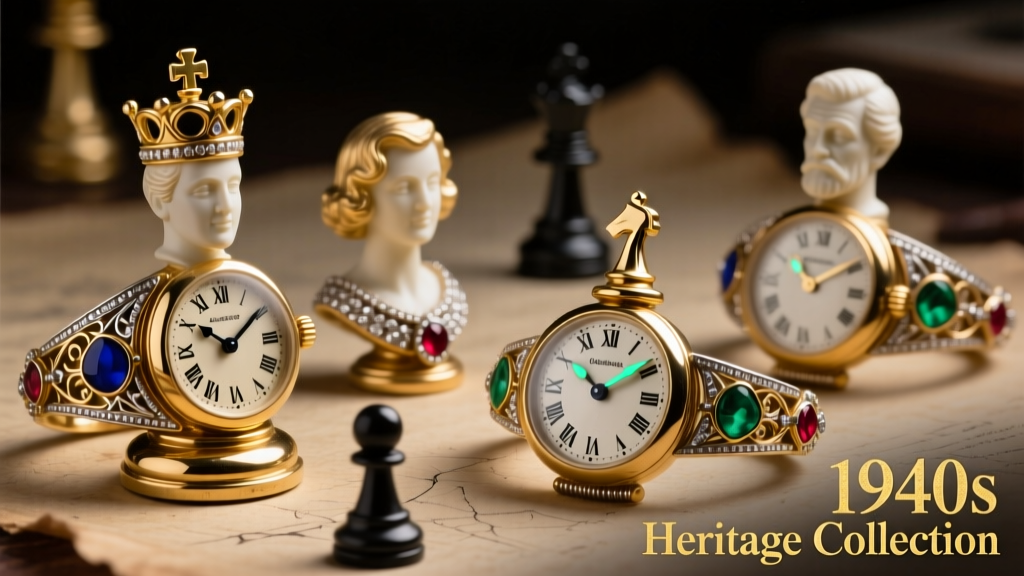
Myrna Gordon’s 1940s Political Chess Set: FDR, Eleanor Roosevelt, Churchill, Stalin & Historical Figures as Hand-Crafted Chess Pieces

Spitler Decorated Pine Chest Taking Center Stage June 20: A Landmark American Folk Art Treasure at Heritage Auctions
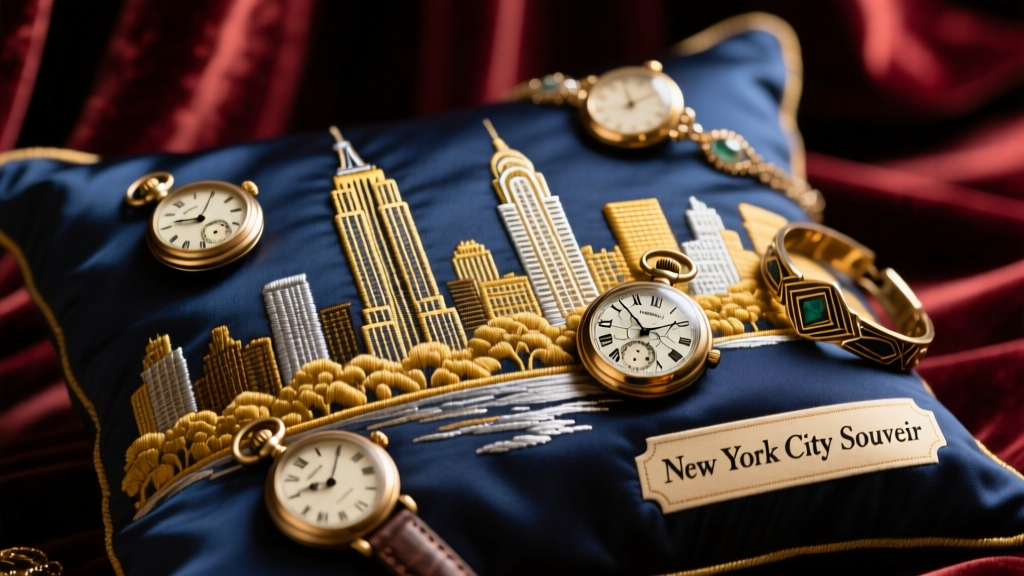
Silk Souvenir Pillow Covers of New York City: A Collector’s Guide to Mid-Century Textile Memorabilia
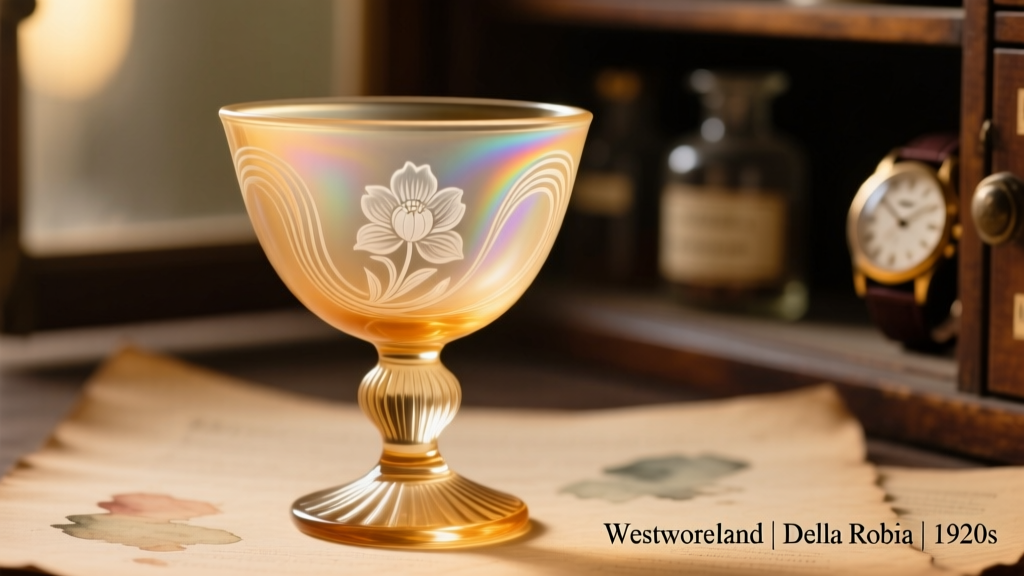
Westmoreland Glass Goblet: The Wine Della Robbia Milk Glass Legacy
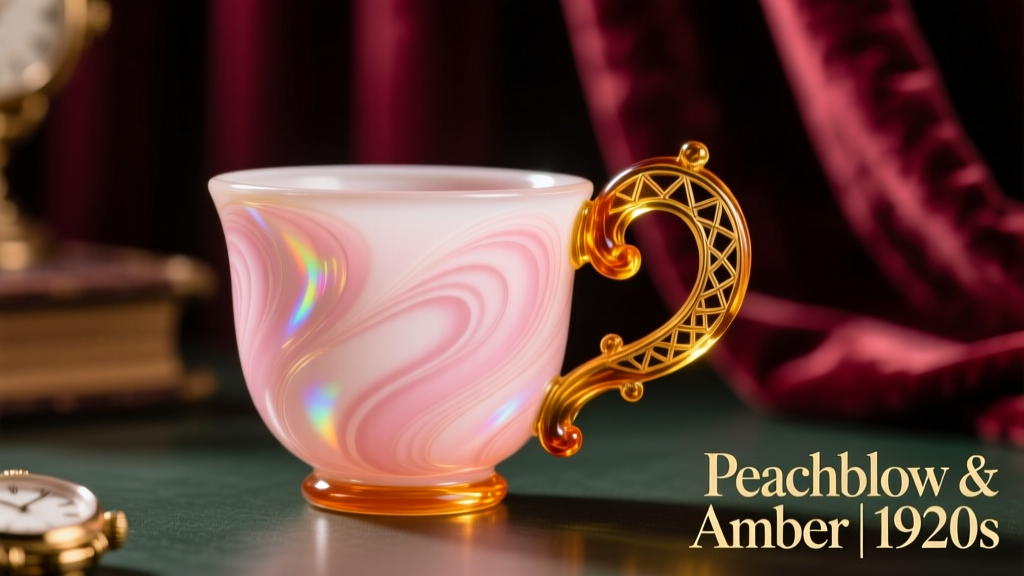
Peachblow Punch Cup with Wheeling Amber Handle: A 2-Inch American Art Glass Treasure from the Golden Age of Victorian Tableware
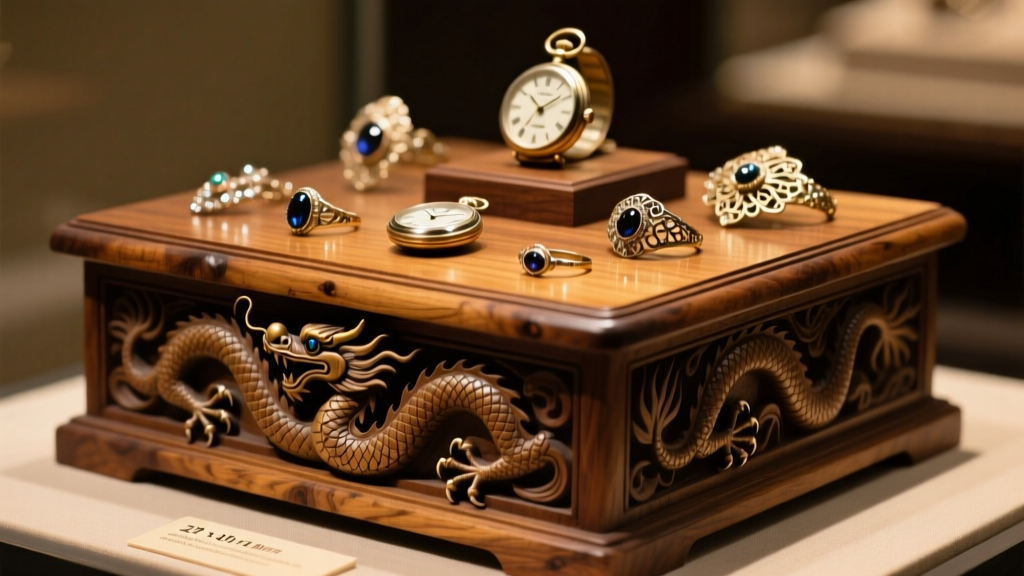
The Furniture Pedestal Oak Carved Dragon Platform Base (25 × 43 in): A Study in Late Victorian Craftsmanship, Symbolism, and Auction Provenance
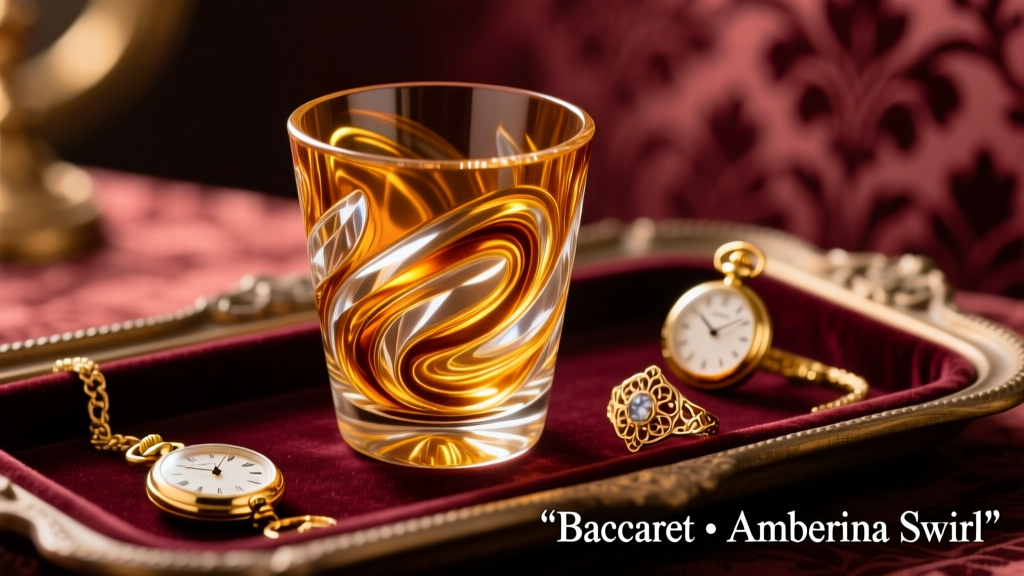
Baccarat Tumbler Amberina Swirl: A Rare French Crystal Masterpiece from the 1970s–1980s
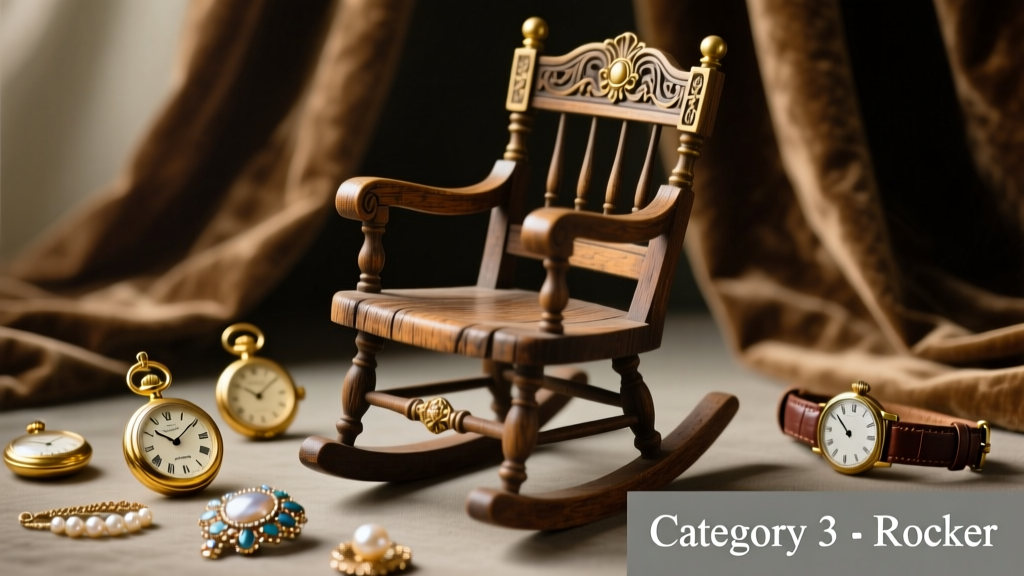
Understanding Rocker Classification in Vintage Furniture Cataloging: Why 'Furniture Chair Rocker' Appears Under 'Rocker' in Category 3
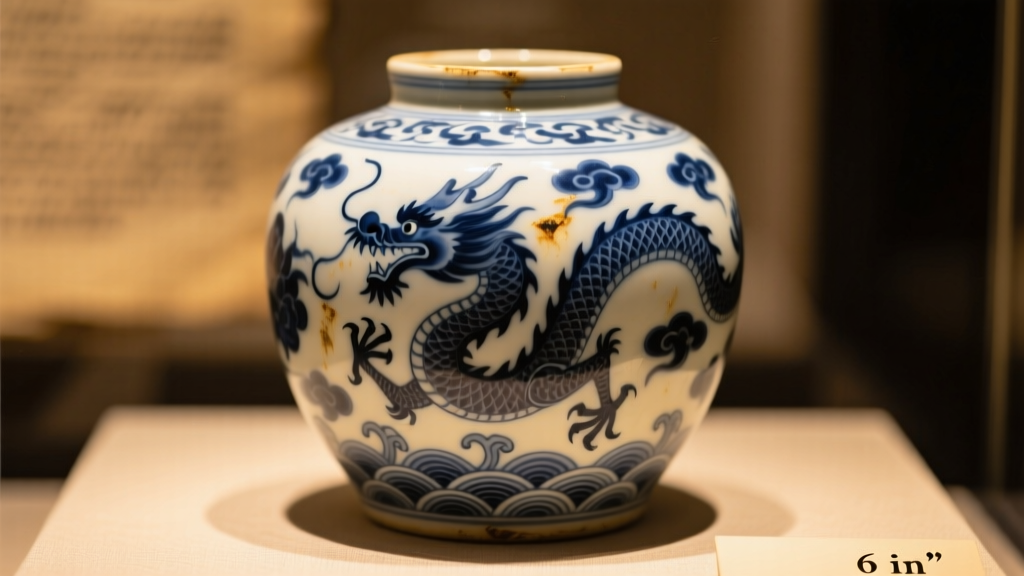
Chinese Export Vase: Stylized Dragon Design in Blue-and-White Club Form, c. 1800, 6 Inches — Provenance, Craftsmanship, and Market Significance