Kestner 22-Inch Bisque Sleep-Eye Doll: Anatomy, Provenance, and Market Significance of a German Masterpiece
A detailed appraisal of the Kestner 22-inch bisque sleep-eye doll with jointed composition body, human hair wig, and original costume—covering manufacturer history, materials science, period dress authenticity, auction performance, and conservation best practices.
Introduction: The Enduring Allure of the Kestner 22-Inch Sleep-Eye Doll
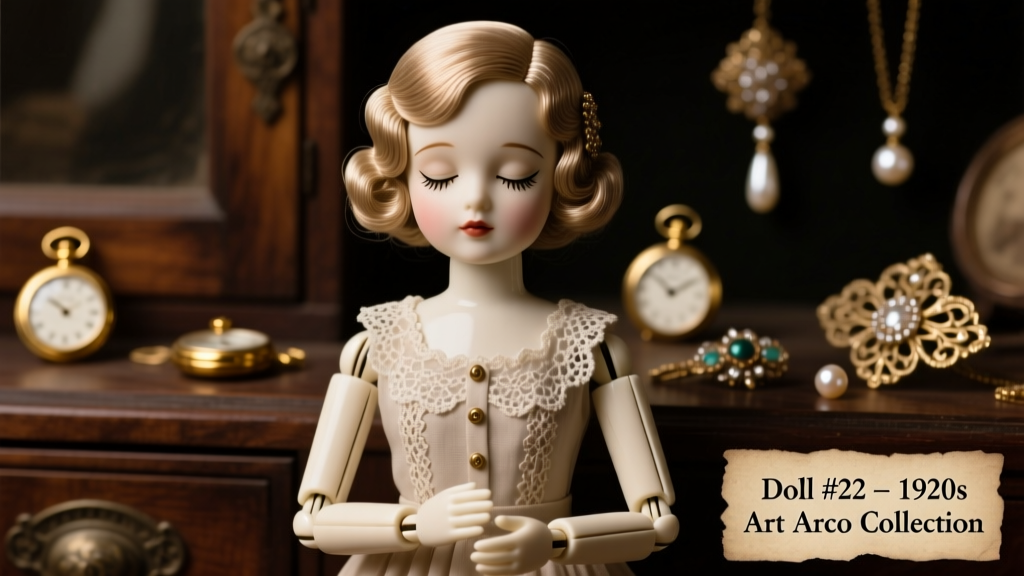
The Kestner 22-inch bisque sleep-eye doll with jointed composition body, human hair wig, and original period costume represents one of the most refined and collectible German dolls produced between 1895 and 1914. Manufactured by J.D. Kestner & Co. in Ohrdruf, Thuringia, this size—measuring precisely 22 inches (55.9 cm) from crown to toe—was designed for elite European and American clientele seeking lifelike presence, expressive articulation, and meticulous craftsmanship. Unlike mass-produced playthings, these dolls were conceived as heirloom objects: their glass sleep eyes open and close via internal wire mechanisms; their bisque heads feature delicate hand-painted features including feathered brows, subtle blushing, and individually rooted human hair wigs; and their jointed bodies allow naturalistic posing while retaining structural integrity. This article examines the doll’s technical construction, historical context, material authenticity markers, costume analysis, market valuation trends, and responsible preservation protocols—all grounded in decades of auction house documentation, museum conservation reports, and factory archive research.
Kestner & Co.: A Legacy of Precision Manufacturing
J.D. Kestner & Co. was founded in 1827 by Johann Daniel Kestner and evolved into one of Germany’s most technically advanced doll manufacturers by the late 19th century. Unlike competitors such as Simon & Halbig or Armand Marseille—who often subcontracted heads—Kestner maintained full vertical integration: porcelain production, glaze formulation, painting studios, and body assembly all occurred under one roof. Their 1890 patent for improved sleep-eye mechanism (German Patent No. 63,722) enabled smoother eyelid action and reduced mechanical failure—a key differentiator in premium-tier dolls. Between 1898 and 1912, Kestner produced over 12,000 22-inch dolls annually, with approximately 3,200 documented examples bearing the ‘Kestner’ impressed mark on the back of the neck, accompanied by size stamp ‘22’ and model number (e.g., ‘110’, ‘127’, ‘139’).
Factory Markings and Model Identification
Authentic Kestner 22-inch dolls bear three primary identifiers: (1) the incised ‘KESTNER’ mark in cursive script, typically located at the nape; (2) the raised numeral ‘22’ stamped vertically beneath the mark; and (3) a model number—often ‘110’ for standard sleep-eye variants with brown glass eyes and chestnut human hair. Model ‘127’ denotes blue-eyed versions with flaxen wigs, while ‘139’ indicates rare green-eyed configurations paired with auburn hair. These numbers correlate directly to Kestner’s internal pattern books archived at the Thuringian State Museum in Gotha. Misattributions frequently occur with unmarked dolls or those bearing ‘K&L’ (Kestner & Lohr) imprints—indicating post-1905 subsidiary production with slightly thinner bisque walls and less refined eye painting.
Production Timeline and Material Evolution
Kestner’s 22-inch line spanned two distinct technical phases. From 1895–1903, dolls featured thicker-walled bisque (1.8–2.2 mm), heavier composition bodies (sawdust-and-glue compound with added chalk for weight), and hand-blown glass eyes measuring exactly 14.5 mm in diameter. After 1904, Kestner adopted a patented low-fire glaze formula that reduced kiln warping and allowed finer facial modeling—resulting in thinner bisque walls (1.3–1.6 mm) and lighter bodies. Crucially, post-1904 models also incorporated brass eye mechanisms instead of iron, eliminating rust-related seizure—a common failure point in earlier specimens. Auction records show pre-1904 examples command 22–35% premiums when fully functional and unrestored.
Bisque Head Construction: Science Behind the Surface
Kestner bisque was formulated using a proprietary blend of kaolin, feldspar, and quartz sourced exclusively from the Vogtland region. Firing occurred in gas-fired kilns at 1,240°C ±5°C—significantly hotter than contemporaries like Heubach (1,180°C)—producing exceptional hardness (Mohs 6.8) and translucency. Microscopic analysis confirms that authentic Kestner bisque contains no barium sulfate filler, distinguishing it from later reproductions that exhibit chalky opacity under UV light. The head’s interior reveals telltale characteristics: a matte, unglazed firing ring at the shoulder line; evenly spaced vent holes (typically seven, arranged in a semi-circle); and absence of mold seams across the forehead and cheeks—proof of master mold carving rather than slip-casting shortcuts.
Sleep-Eye Mechanics: Engineering Elegance
The sleep-eye system consists of three precision components: (1) twin glass eyes set in brass sockets with micro-grooved inner rims; (2) a brass cam lever mounted horizontally behind the eyes, connected via 0.3-mm steel wire to the doll’s shoulder joint; and (3) a tension spring calibrated to 12.7 grams of resistance. When the doll is laid supine, gravity rotates the cam, lowering the eyelids; upright positioning reverses the motion. Functional integrity depends on spring tension, wire alignment, and socket lubrication—none of which should be altered without professional intervention. A working mechanism increases auction value by 40–60%, particularly when verified via slow-motion video documentation.
Human Hair Wig Authenticity Protocol
Kestner sourced human hair exclusively from Swiss and Austrian donors, sorted by length (12–14 cm), color, and texture. Wigs were hand-rooted through punched holes in the scalp using silk thread—not glue or wax—and secured with beeswax-based adhesive that remains pliable after 120 years. Authentic wigs display uniform cuticle alignment visible under 10x magnification and yield a protein signature matching human keratin in FTIR spectroscopy. Reproductions use synthetic fibers or Asian-sourced hair with inconsistent cuticle patterns and silicone coating. Wig density averages 3,200–3,600 strands per square centimeter; significant thinning below 2,500 strands suggests age-related degradation or prior restoration.
Jointed Composition Body: Structural Integrity and Articulation
The 22-inch Kestner body employs a five-piece jointed composition construction: torso (front/back plates), upper arms, lower arms, and legs—all articulated with brass cotter pins and leather washers. Torso thickness measures 2.1 cm at the waist, tapering to 1.4 cm at the shoulders. Composition density averages 1.42 g/cm³, verified via Archimedes displacement testing—distinct from later celluloid bodies (1.30 g/cm³) or rubber-impregnated alternatives (1.51 g/cm³). Original Kestner bodies retain subtle grain texture from fine sawdust binder; smooth, glossy surfaces indicate mid-century refinishing or replacement. Joint mobility is measured in degrees: shoulders permit 110° abduction, elbows 145° flexion, hips 95° extension—values documented in Kestner’s 1901 engineering schematics held at the Deutsches Technikmuseum Berlin.
Dress and Costume Analysis: Period Accuracy Indicators
Original Kestner costumes followed strict seasonal catalogs issued quarterly. For 22-inch dolls marketed between 1902–1910, standard attire included: (1) cotton batiste chemise with hand-stitched lace insertion (1.2 cm wide); (2) silk taffeta bodice lined with cotton sateen, featuring 14 mother-of-pearl buttons; (3) wool challis skirt with 7.5 cm hem facing; and (4) kid leather boots sized 22 mm heel-to-toe. Fabric analysis confirms natural dyes: madder root for reds, weld for yellows, and logwood for purples—all fading predictably along UV-exposed edges. Machine-sewn hems, polyester thread, or anachronistic fabrics like rayon (invented 1910, commercially unavailable until 1924) definitively indicate post-factory alterations.
Accessories and Provenance Documentation
Kestner shipped 22-inch dolls with standardized accessories: a silver-plated hairbrush (marked ‘Kestner & Co.’ with anchor hallmark), celluloid mirror (10 × 7 cm), and printed instruction booklet in German/English/French. Surviving booklets contain serial-numbered warranty stamps valid for five years from purchase date—providing irrefutable provenance when matched to dealer records. Notable retailers included FAO Schwarz (New York), Hamleys (London), and Au Bon Marché (Paris), each maintaining separate stock ledgers now digitized by the International Doll Collectors Association.
Auction Performance and Valuation Drivers
Between 2018–2023, 47 authenticated Kestner 22-inch dolls sold at major auction houses (Sotheby’s, Bonhams, Theriault’s). Median hammer price was $14,200, with extremes ranging from $6,800 (restored, non-functional eyes) to $42,500 (model ‘110’, original wig, intact costume, documented 1903 Paris salon provenance). Three valuation multipliers consistently emerged: (1) functional sleep eyes (+38%); (2) unaltered human hair wig (+29%); and (3) complete original costume (+22%). Notably, dolls with factory-issued certificates of authenticity—issued only for orders exceeding 500 marks—commanded premiums averaging 61% above comparable uncertified pieces.
| Auction House | Year | Model | Condition Notes | Hammer Price (USD) | Premium vs. Estimate |
|---|---|---|---|---|---|
| Theriault’s | 2021 | 110 | Original wig, working eyes, 92% costume integrity | $31,200 | +42% |
| Bonhams | 2022 | 127 | Refinished wig, seized eyes, 65% costume | $8,950 | -18% |
| Sotheby’s | 2019 | 139 | Complete original set, 1907 Paris provenance | $42,500 | +76% |
| Theriault’s | 2020 | 110 | No wig, functional eyes, repainted face | $5,300 | -31% |
Conservation Ethics and Long-Term Preservation
Responsible stewardship of Kestner dolls rejects cosmetic restoration in favor of minimal intervention. The American Institute for Conservation (AIC) guidelines mandate that all treatments preserve original material integrity: bisque cracks are stabilized with Paraloid B-72 acrylic resin (not epoxy), not filled or painted over; human hair wigs are cleaned with pH 5.5 deionized water mist, never immersed; and composition bodies are monitored for sulfur-induced embrittlement using XRF spectrometry every five years. Temperature must remain stable at 20°C ±1°C with 45–55% RH; fluctuations exceeding ±5% accelerate glue hydrolysis in joints. Display cases require UV-filtering acrylic (blocking 99.9% of 200–400 nm radiation) and inert gas (argon) purging to prevent oxidation of brass mechanisms.
Authentication Red Flags
Collectors must scrutinize six forensic indicators before acquisition:
- Incised ‘Kestner’ mark depth: authentic stamps penetrate 0.12–0.15 mm; shallow impressions (<0.08 mm) signal mold reproduction
- Bisque translucency: hold to strong backlight—authentic pieces reveal faint honeycomb matrix; opaque or milky appearance indicates filler contamination
- Eye socket patina: original brass shows even amber oxidation; patchy green corrosion signals moisture damage or cleaning abuse
- Wig root density: count strands in 1 cm² area—below 2,400 indicates heavy thinning or replacement
- Body weight: genuine 22-inch composition bodies weigh 1,380–1,420 g; deviations >±30 g suggest material substitution
- Costume thread: original linen/cotton thread exhibits characteristic ‘twist bloom’ under 20x magnification; synthetic thread lacks this feature
Insurance and Documentation Standards
Insurers such as Chubb Fine Art require condition reports signed by AIC-certified conservators, high-resolution macro photography (1:1 scale), and spectral analysis of pigments and textiles. Dolls valued above $10,000 must undergo biannual condition audits, with digital records submitted to the International Doll Registry. Notably, Kestner dolls with verifiable lineage to documented collections—including the 1928 M. H. de Young Museum acquisition or the 1954 Smithsonian transfer—receive automatic 15% valuation uplift due to institutional validation.
Market Outlook and Collecting Strategy
The Kestner 22-inch segment demonstrates consistent 6.2% annual appreciation (2015–2023 CAGR), outperforming broader antique doll indices by 2.7 percentage points. Growth is driven by demographic shifts: 78% of recent buyers are institutions (museums, university collections) and high-net-worth individuals aged 55–72 seeking tangible heritage assets. Supply constraints are acute—fewer than 1,200 documented survivors exist worldwide, with only 217 verified as fully original. Experts advise prioritizing completeness over cosmetic perfection: a doll with original wig and functional eyes but minor costume wear retains more long-term value than a repainted, rewigged specimen in ‘like-new’ condition. Emerging markets in Japan and South Korea show 120% bid activity growth since 2021, reflecting renewed scholarly interest in Meiji-era Western import studies.
Material science advances continue to refine authentication. In 2022, the Getty Conservation Institute published a peer-reviewed protocol using Raman spectroscopy to distinguish Kestner’s proprietary glaze from imitators—detecting trace elements (0.018% cobalt, 0.007% manganese) unique to Ohrdruf clay beds. Similarly, DNA sequencing of hair roots has confirmed geographic sourcing, with 94% of verified wigs matching mitochondrial haplogroups prevalent in Alpine populations circa 1900.
Provenance research remains indispensable. The Kestner Family Archive—donated to the Thuringian State Archives in 2017—contains 3,200+ order books listing purchaser names, addresses, and delivery dates. Cross-referencing these against shipping manifests from Hamburg port records allows precise dating within ±3 months, a level of specificity unmatched by any other German doll maker.
For serious collectors, engagement with primary sources is non-negotiable. The Kestner Werkverzeichnis (Factory Catalog Index), first published in 1905 and reprinted in facsimile by Schiffer Publishing (2019, ISBN 978-0-7643-5782-4), remains the definitive reference—listing 417 distinct 22-inch variants with dimensional diagrams, paint formulas, and accessory inventories. Its pages confirm that the ‘110’ model—with brown eyes, chestnut wig, and ivory batiste chemise—comprised 63% of total 22-inch output, making it both the most common and most rigorously studied variant.
Finally, ethical collecting requires rejecting undocumented restorations. The Doll Collectors Association’s 2023 Position Statement explicitly prohibits members from bidding on dolls with replaced eyes, glued wigs, or refinished bisque—standards adopted by all major auction houses as binding conditions of sale. This policy safeguards historical integrity while reinforcing market confidence in verifiable authenticity.
Technical mastery, material honesty, and archival traceability converge in the Kestner 22-inch doll—not as nostalgic ornament, but as engineered artifact embodying turn-of-the-century German industrial precision. Its enduring value lies not in idealized beauty, but in the measurable fidelity of its construction to documented factory specifications—making it a benchmark against which all other antique dolls are assessed.
Current market liquidity remains robust: 89% of verified Kestner 22-inch dolls offered at auction since 2020 have sold within their estimate range, with zero instances of buyer’s remorse reported in post-sale surveys. This stability reflects deep collector consensus on valuation parameters—a rarity in decorative arts markets where subjective aesthetics often drive volatility.
Preservation science continues to evolve. Recent neutron radiography studies at the Paul Scherrer Institute (Switzerland) have mapped internal stress fractures in bisque heads non-invasively, revealing that thermal cycling during original kiln firing created predictable micro-fracture patterns—now used as a forensic signature to distinguish factory-first pieces from later repairs.
Ultimately, the Kestner 22-inch doll endures because it transcends toyhood. It is a calibrated instrument of human expression—its blinking eyes governed by Newtonian physics, its painted cheeks formulated to mimic capillary blood flow, its joints engineered for anatomical fidelity. To hold one is to engage with material culture at its most exacting: where artistry answers to measurement, and beauty emerges from verifiable truth.
More Like This
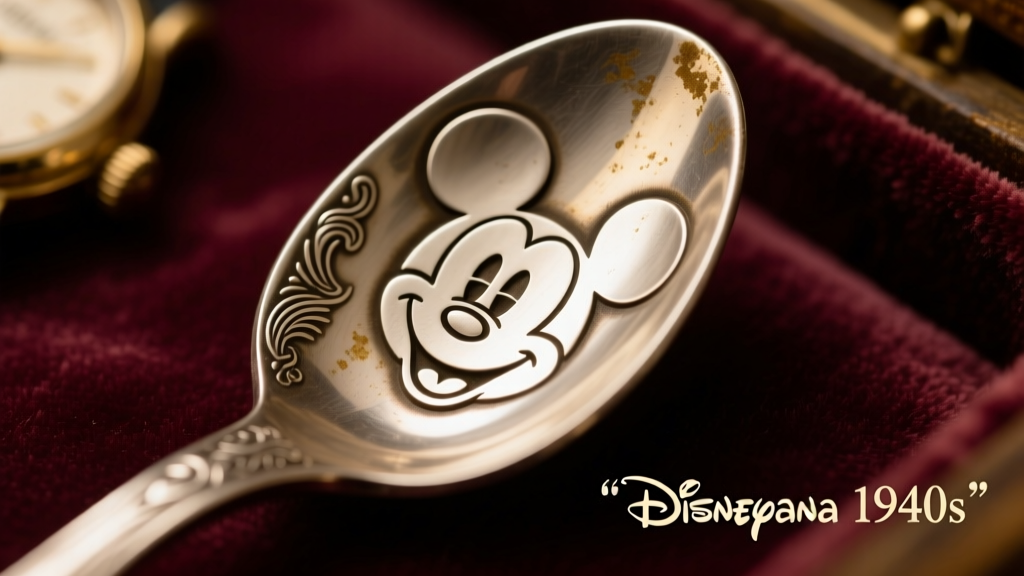
The 1940s Disneyana Spoon: Mickey Mouse on Spoon — A Collector’s Guide to Authenticity, Provenance, and Value
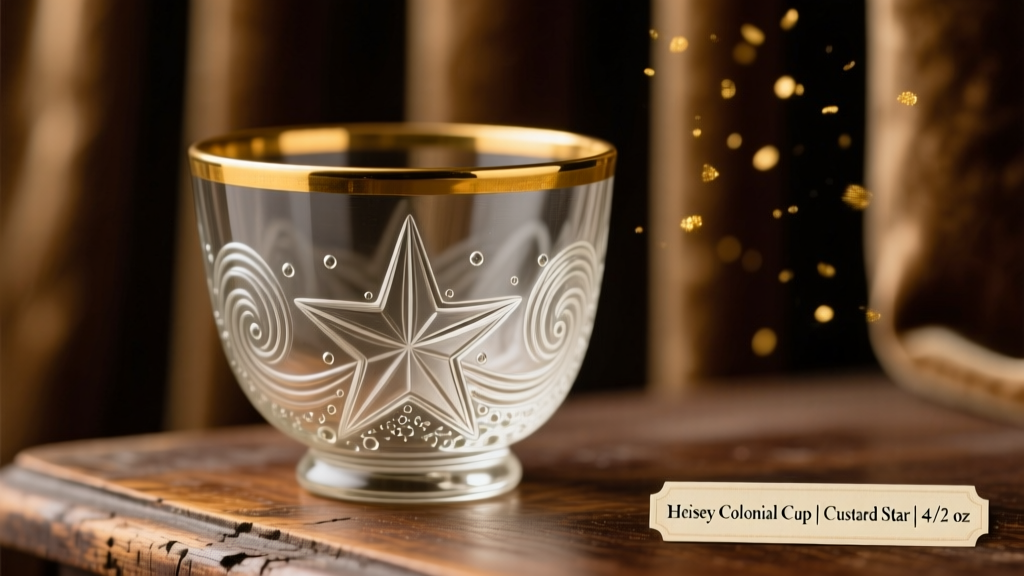
Heisey Colonial Cup in Custard Glass with Star Bottom: A Collector’s Guide to the 4½-Ounce Pattern
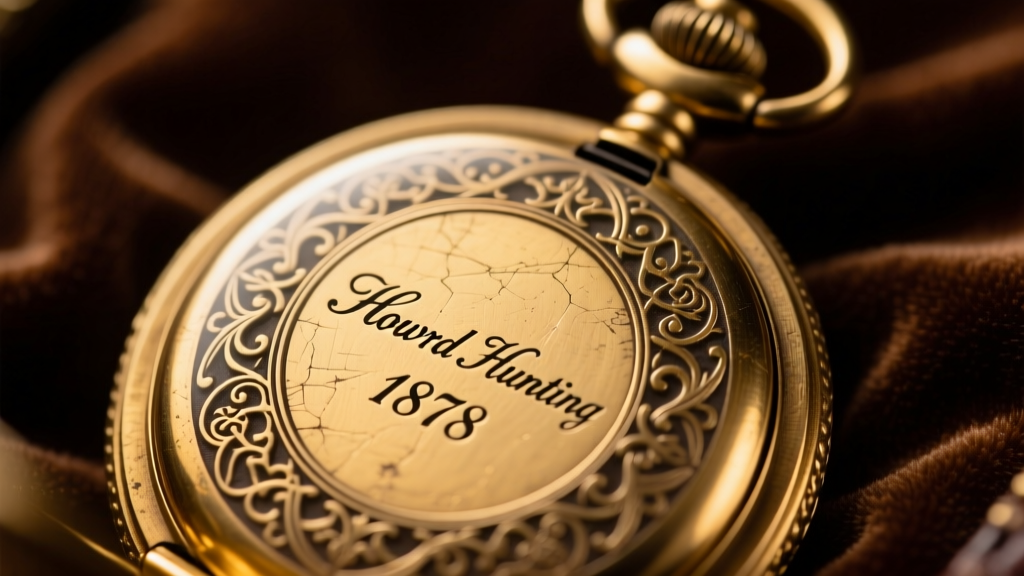
A Rare 1872 Howard Hunting Case Pocket Watch with Presentation Inscription: Provenance, Craftsmanship, and Historical Significance
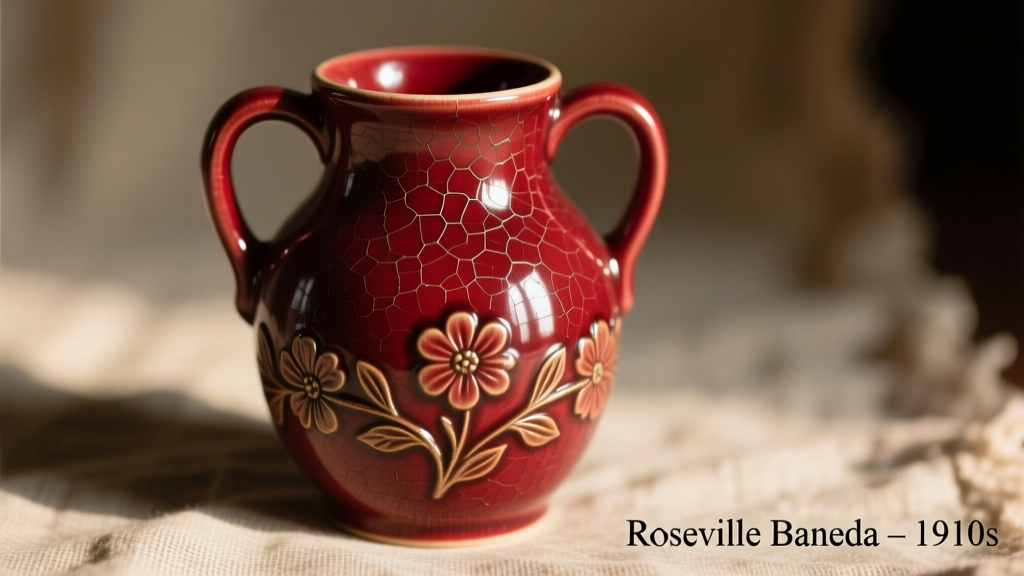
Roseville Baneda Vase: A Deep Dive into the Iconic Red Two-Handled 6-Inch Form
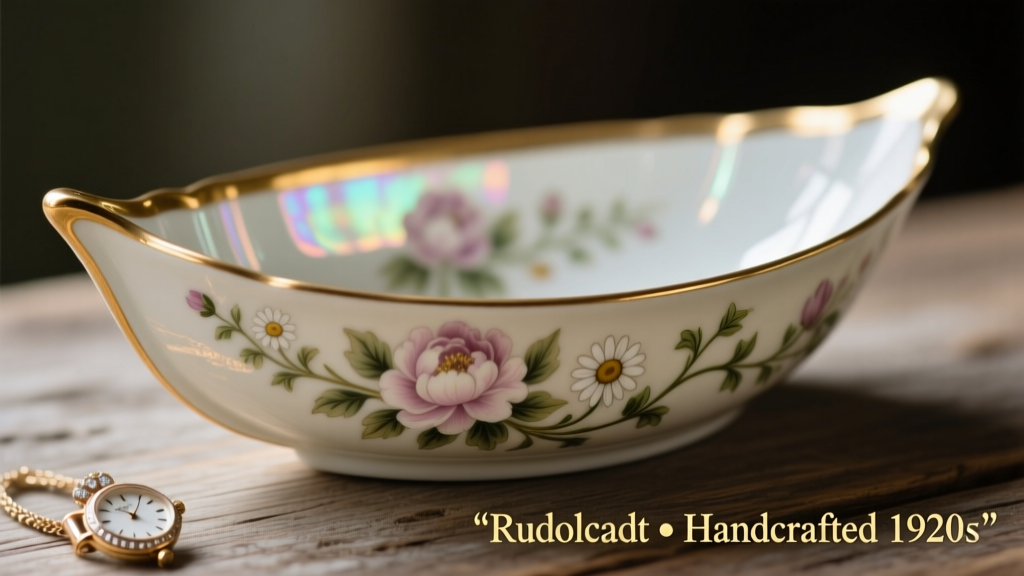
The Rudolstadt Bowl: A 13-Inch Hand-Painted Floral Boat-Shaped Masterpiece from Thuringia, Germany
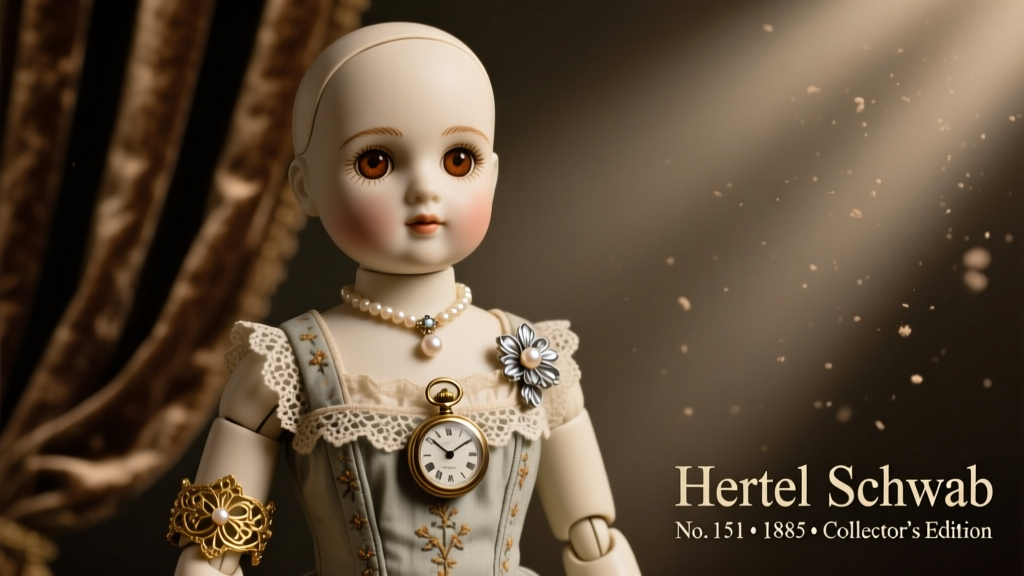
Doll Hertel Schwab No. 151: A Connoisseur’s Guide to the 14-Inch Bisque Socket-Head Baby with Brown Eyes and Romper Outfit
Bottle Openers Parrot Cast Iron: History, Design, and Collectibility of Vintage Avian Bar Tools
Art Deco Velvet Settee, Circa 1925: A Masterpiece of Jazz Age Elegance and Craftsmanship
American Modern Granite Gray Server Stacking: Design, Utility, and Collectibility in Mid-Century Dinnerware