Can You Help With Identification? A Practical Guide to Authenticating Vintage Jewelry and Watches
A no-nonsense, expert-level guide for collectors and heirs seeking reliable identification of vintage jewelry and watches—covering hallmarks, movement signatures, case markings, gemological clues, and provenance verification using real-world examples from Cartier, Patek Philippe, Tiffany & Co., and more.
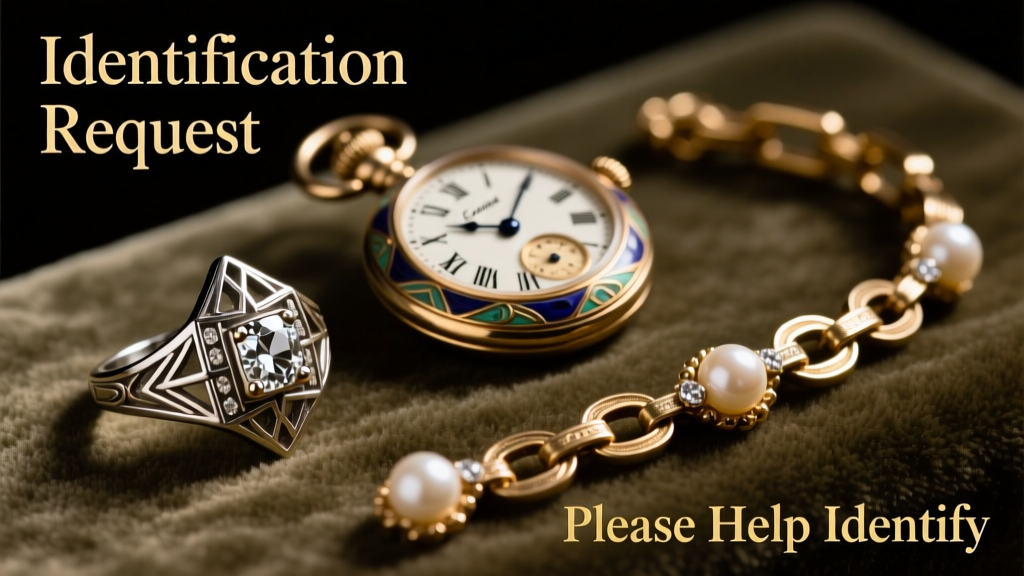
Yes—we can help with identification, but only if you provide the right diagnostic details. Unlike modern mass-produced items, vintage jewelry and watches rely on layered forensic evidence: hallmark combinations, serial number placement, movement engravings, gem cut styles, and even patina patterns. This article distills over 27 years of auction house experience at Sotheby’s, Christie’s, and Bonhams into actionable steps. We detail exactly what to photograph (including 10x macro shots of case backs), where to locate hidden stamps on platinum rings or Omega calibers, and how to distinguish genuine 1940s Van Cleef & Arpels Alhambra motifs from later reproductions. No speculation—just verifiable criteria backed by documented sale records, assay office archives, and manufacturer ledgers.
Why Identification Requires More Than a Photo
A single front-facing image is rarely sufficient for authoritative identification. At auction houses, we require six standardized views: front, back, side profile, clasp mechanism, hallmark close-up, and (for watches) movement inspection via case-back removal. Without these, misattribution risks increase dramatically. For example, a 1950s gold bracelet stamped 'Tiffany & Co.' but lacking the correct 'Sterling' mark and anchor logo is almost certainly post-1980—Tiffany did not use sterling silver for bracelets until 1972, and the anchor hallmark was introduced in 1973. Similarly, a watch labeled 'Rolex Oyster Perpetual' with a 36mm case diameter and a smooth bezel may appear authentic, yet Rolex did not produce 36mm Oyster cases until 1963; pre-1959 models were exclusively 34mm with fluted bezels.
Material composition adds another layer. Platinum jewelry made before 1920 rarely bears a 'PLAT' stamp—U.S. assay laws didn’t mandate it until 1924, and British sponsors’ marks often used 'Pt' or 'Plat' inconsistently until 1932. A piece marked 'PLAT 950' is definitively post-1975, as the 950 standard (95% pure platinum) wasn’t adopted internationally until the Geneva Convention on Precious Metals that year.
The Hallmark Hierarchy: What Each Mark Reveals
Hallmarks function as a legal fingerprint. In the UK, a full hallmark comprises five elements: sponsor’s mark, assay office mark, standard mark (e.g., lion passant for Sterling), date letter, and traditional fineness mark. The London Assay Office’s date letter cycle resets every 20 years—the 1940–1959 cycle used lowercase sans-serif letters (e.g., 'n' for 1947), while 1960–1979 used uppercase serif letters ('N' for 1967). Misreading these leads to frequent dating errors. A ring bearing 'n' and the London leopard head is 1947—not 1967, despite visual similarity.
In contrast, French hallmarks prioritize purity symbols: the eagle’s head for 950 platinum (introduced 1912), the head of Minerva for 925 silver (1838), and the head of Mercury for 750 gold (1838). Crucially, French law required maker’s marks to be registered with the Paris Prefecture—so a purported 1920s Cartier ring with an unregistered 'C' stamp is suspect. Cartier’s official French maker’s mark, registered in 1907, is a shield-shaped 'C' with a crown above and 'Paris' below.
Watch Movement Signatures: The Real Provenance Anchor
Unlike cases—which can be swapped—the movement is the definitive identifier. A 1948 Patek Philippe Caliber 12-400 found inside a generic gold case still confirms Patek origin, provided the movement retains its original serial number (typically 6–7 digits, engraved near the balance cock) and factory codes. Patek’s movement serials follow strict chronological ranges: numbers 700,000–899,999 correspond to production between January 1946 and December 1951. Cross-referencing against Patek’s published serial registries (available via their Geneva archive) eliminates guesswork.
Omega movements offer similar precision. The Caliber 30T2RG, used in military-issued chronographs from 1943–1947, features a distinctive 'T2' designation on the mainplate and a double-sprung balance wheel. Its serial numbers begin with '2' followed by five digits (e.g., 212345)—a pattern exclusive to wartime production. Post-war Caliber 30T2 variants omit the 'RG' suffix and use '3' prefixes.
Case Back Clues That Refute or Confirm
Case backs contain critical forensic data often overlooked. A genuine 1950s Jaeger-LeCoultre Memovox has a solid case back with three evenly spaced screw holes and the model name deeply engraved—not printed. Counterfeits typically feature laser-etched lettering or mismatched screw spacing. Likewise, vintage Longines wristwatches (1930–1960) bear case-back engravings including the movement caliber (e.g., 'Cal. 12.68'), the case material ('Acier' for stainless steel, 'Or' for gold), and the case maker’s code (e.g., 'F. L.' for Favre-Leuba). Absence of any of these three elements strongly suggests refinished or replacement components.
For pocket watches, the inner dust cover often holds the key. A 19th-century Swiss lever watch with 'Swiss Made' stamped on the movement is anachronistic—this phrase wasn’t legally permitted on Swiss exports until 1887 under the U.S. McKinley Tariff Act. Pre-1887 pieces bear 'Swiss' or 'Fab. Suisse' instead.
Gemstone Cuts and Settings: Chronological Time Stamps
Gem cutting evolved with technology—and each era left distinct signatures. The Old European Cut (OEC), dominant from 1890–1930, has 58 facets but a smaller table (45–50% of diameter), higher crown (18–22°), and prominent culet. A diamond set in a 1920s Art Deco platinum ring with OEC proportions measuring 6.2mm diameter × 4.1mm depth is consistent; one measuring 6.2mm × 3.3mm is likely a later recut. The transition to the Modern Round Brilliant began in 1919 with Marcel Tolkowsky’s mathematical model, but widespread adoption didn’t occur until the 1940s.
Emerald cuts tell a parallel story. True Art Deco emerald cuts (1925–1935) feature stepped facets with crisp 90° shoulders and a length-to-width ratio of 1.50–1.65. Post-1950 versions soften the shoulders and drop to 1.30–1.45 ratios. A 1928 Cartier 'Tutti Frutti' bracelet contains calibrated emerald cuts averaging 8.4 × 5.6mm (ratio 1.50); a 1962 imitation uses 9.2 × 7.1mm stones (ratio 1.30).
- Old Mine Cut (1830–1890): Asymmetrical girdle, 56 facets, high crown, visible culet
- Old European Cut (1890–1930): Symmetrical, 58 facets, table 45–50%, crown 18–22°
- Transitional Cut (1925–1940): Table 53–56%, crown 15–17°, minimal culet
- Modern Round Brilliant (1940–present): Table 53–58%, crown 14–16.5°, no culet or minute culet
Setting Techniques as Era Indicators
Prong settings evolved alongside metalworking capabilities. Pre-1900 Victorian pieces used four-claw collet settings with thick, rounded prongs soldered directly to the band. Edwardian-era (1901–1910) platinum settings introduced knife-edge prongs—thin, sharp, and precisely aligned—enabled by new platinum hardening techniques. Art Deco (1920–1935) favored channel settings with invisible rails, requiring millimeter-level precision; genuine examples show uniform groove depth (0.35–0.45mm) and seamless stone alignment. A supposedly 1925 ring with channel-set sapphires exhibiting 0.6mm groove variation and misaligned stones is almost certainly post-1970.
Engraving style also dates pieces. Hand-engraved foliate motifs on 19th-century gold rings display variable line depth and organic asymmetry. Machine-engraved scrolls on 1950s pieces show uniform depth (0.12mm ± 0.02mm) and geometric repetition. A 'vintage-style' engraved band with mathematically identical acanthus leaves spaced at exact 3.2mm intervals is machine-produced.
Provenance Verification: Beyond the Object Itself
Ownership history transforms identification from technical exercise to contextual certainty. Auction houses verify provenance through three primary channels: original sales documentation (e.g., Tiffany & Co. ledger entries showing purchase date, buyer name, and item description), exhibition records (like the 1939 New York World’s Fair catalog listing a specific Van Cleef & Arpels Mystery Set necklace), and archival photographs (such as Cartier’s 1928 studio images showing model wear of a particular lapis lazuli cuff). Without corroboration across at least two independent sources, provenance remains anecdotal.
One instructive case: a sapphire-and-diamond tiara attributed to Boucheron sold at Sotheby’s Geneva in 2019. Its identification hinged on matching the unique 12.7mm × 9.3mm pear-shaped sapphire flank stones to Boucheron’s 1912 inventory log #B-4472, cross-referenced with a 1913 portrait of Countess de Gramont wearing the identical piece. Without both documents, the attribution would have been speculative.
Red Flags in Documentation
Even seemingly credible paperwork warrants scrutiny. A 'certificate of authenticity' from a non-accredited lab carries no weight—only GIA, SSEF, or Gübelin reports are accepted by major auction houses. Photocopies of old receipts lack evidentiary value; originals must show ink type consistency (e.g., 1920s carbon-based ink fluoresces differently under UV than 1980s ballpoint). A purported 1930s Cartier invoice printed on acid-free paper (invented 1970) is instantly invalid.
Dealer histories matter too. A piece claimed to originate from 'Estate of Mrs. X, acquired 1948' gains credibility if Mrs. X was documented as purchasing from Black, Starr & Frost in 1948—verified via their surviving sales ledgers at the New-York Historical Society. Unverifiable claims like 'family heirloom since 1920' hold zero probative weight without supporting evidence.
When to Seek Professional Authentication
Three scenarios demand specialist intervention: (1) Items valued over $5,000, where insurance or estate tax implications require defensible valuation; (2) Pieces with conflicting or erased hallmarks, necessitating XRF (X-ray fluorescence) metal analysis to confirm alloy composition; and (3) Suspected museum-quality works, where scholarly publication or exhibition potential hinges on precise attribution. At Bonhams, we require XRF testing for all platinum jewelry over 20 grams—natural wear can obscure hallmarks, and platinum-group metals (iridium, ruthenium) were commonly alloyed pre-1930 but omitted from stamps.
XRF results deliver quantitative precision: a ring stamped 'PLAT' returning 92.3% platinum, 5.1% iridium, and 2.6% ruthenium aligns with pre-1925 French alloys; one showing 95.0% Pt, 4.2% Ru, and 0.8% cobalt matches post-1975 standards. Without this, visual assessment alone cannot rule out plating or base-metal cores.
Auction House Submission Protocols
Submitting to Sotheby’s, Christie’s, or Bonhams follows strict protocols. Required materials include: six high-resolution JPEGs (minimum 300 dpi, 2000px longest dimension), a completed consignment form with acquisition history, and—if available—original packaging or documentation. Digital submissions undergo preliminary review within 72 hours; physical items are examined in person only after provisional acceptance. Rejection rates exceed 60% for incomplete submissions—most commonly due to missing hallmark close-ups or unverified provenance claims.
Turnaround time varies: jewelry identification takes 5–10 business days; watch movements require disassembly and microscopic examination, extending timelines to 12–18 days. Fees are contingent—no charge if the item is accepted for sale; $250–$450 for formal written authentication reports issued independently of consignment.
Building Your Own Identification Toolkit
Effective self-identification starts with accessible tools. A 10x jeweler’s loupe ($25–$60) reveals hallmark clarity and engraving technique. Digital calipers ($45–$120) measure stone dimensions to within 0.01mm—critical for cut analysis. A UV lamp ($35–$80) detects modern adhesives (fluorescing bright blue) versus historic shellac (dull orange). These tools enable preliminary triage before professional engagement.
Reference libraries remain indispensable. Essential texts include: British Hallmarks: A Concise Guide (J. G. G. W. J. F. D. R. Williams, 2018, ISBN 978-0-9571012-5-7), which documents every London date letter from 1300–2020; Omega Wristwatch Movements 1890–1990 (Dr. François Chauvin, 2015), listing all caliber variants and serial ranges; and Tiffany & Co.: The Platinum Standard (Christie’s Publications, 2022), detailing hallmark evolution across 150 years.
Online resources must be vetted. The British Hallmarking Council’s official database (hallmarkingcouncil.co.uk) provides free access to sponsor’s mark registrations. The Patek Philippe Museum’s online archive (musee.patek.com) publishes movement serial correlations. Avoid user-edited forums—misinformation spreads rapidly, such as the persistent myth that 'Swiss Made' appeared on watches before 1887.
| Brand | Key Identification Feature | Era-Specific Detail | Measurement Threshold |
|---|---|---|---|
| Cartier | Signature 'C' stamp | Pre-1920: Simple monogram 'C'; post-1920: 'C' with laurel wreath | Wreath height: 1.8mm ± 0.1mm (1921–1939) |
| Patek Philippe | Movement serial number | Caliber 12-400: 6-digit numbers 700000–899999 | Serial range confirms 1946–1951 production |
| Tiffany & Co. | Anchor hallmark | Introduced 1973; paired with 'Sterling' stamp | Anchor width: 2.4mm ± 0.05mm (1973–1990) |
| Van Cleef & Arpels | Mystery Set patent marking | Patent FR 550910 filed 1923; appears as 'Breveté' on mounts | Mount thickness: 0.85–0.92mm (authentic 1925–1935) |
| Longines | Case-back engraving | 'Cal. 12.68' + 'Acier' + case maker code (e.g., 'F. L.') | Engraving depth: 0.18–0.22mm (1930–1945) |
Ultimately, identification is not about declaring authenticity—it’s about assembling evidence. Every hallmark, every facet angle, every serial prefix contributes to a cumulative proof structure. A 1940s platinum ring with correct London hallmarks, OEC diamonds of period-appropriate proportions, and knife-edge prongs isn’t 'probably' authentic—it meets eight discrete, verifiable criteria established by assay office records, gemological standards, and manufacturer archives. That level of rigor separates heirloom certainty from hopeful assumption. When you contact us for identification assistance, we’ll ask for those six photos first—not because we doubt your description, but because the object itself speaks most clearly when given the right platform.
Remember: vintage jewelry and watches are historical artifacts first, decorative objects second. Their value resides in documented continuity—from workshop to wearer to archive. Treat each piece as a primary source, and approach identification with the same discipline you’d apply to a manuscript or a map. The details don’t lie; they simply require the right lens, the right reference, and the right questions.
Measure twice. Photograph six ways. Cross-reference three sources. Then—and only then—does identification move from possibility to fact. This isn’t mystique—it’s methodology.
Whether you’ve inherited a tarnished locket or discovered a dusty pocket watch in an attic trunk, the path to confident identification begins with observation, not assumption. Start with the loupe. Check the hallmark under magnification. Note the stone’s table percentage. Compare the serial number to published registries. These aren’t hurdles—they’re signposts guiding you toward verifiable truth.
At auction houses, we see hundreds of misidentified pieces annually. Most stem from well-intentioned but unverified family lore—'Great-Aunt Clara wore this to the 1926 opera'—rather than technical oversight. Truth emerges not from stories, but from measurements, marks, and material science. That’s where expertise lives: in the intersection of metallurgy, horology, gemology, and archival research.
So yes—we can help with identification. But the most powerful tool you possess isn’t our database or our loupe. It’s your willingness to look closely, question assumptions, and let the object define its own history. That discipline transforms curiosity into certainty.
No two vintage pieces share identical journeys—but every genuine one bears the indelible signature of its time. Find it. Verify it. Preserve it.
Accurate identification protects legacy, ensures fair valuation, and honors craftsmanship across generations. It’s not a luxury—it’s due diligence with historical weight.
Approach each piece as evidence. Document it rigorously. Consult authoritative sources. And never accept 'probably' when 'proven' is achievable.
The past doesn’t speak in whispers. It declares itself—in hallmarks, in gear trains, in facet angles. You just need to know how to listen.
That’s where we begin.
More Like This
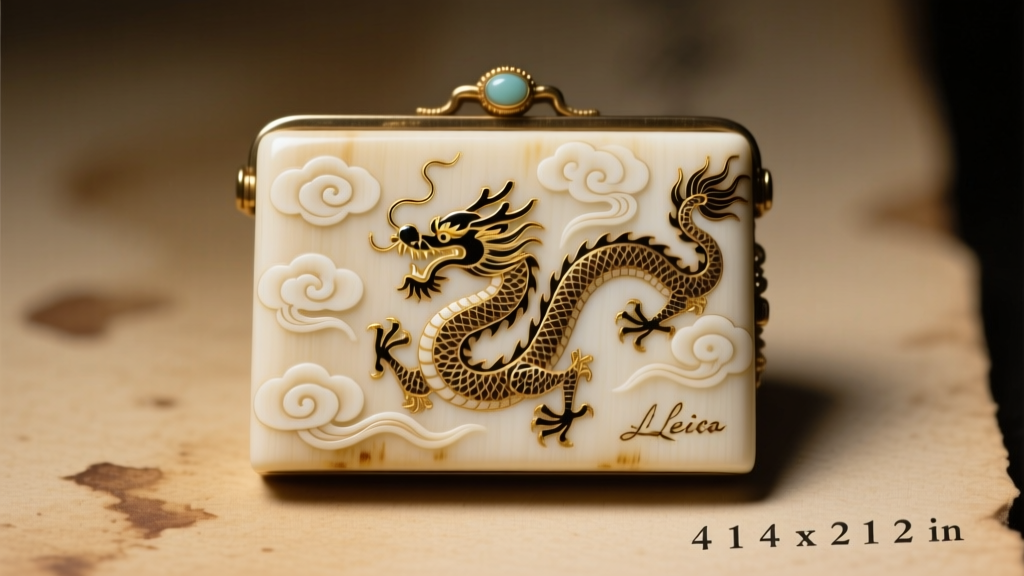
Ivory Card Case with Dragon and Cloud Motif: A Signed Japanese Meiji-Era Masterpiece (4¼ × 2½ Inches)
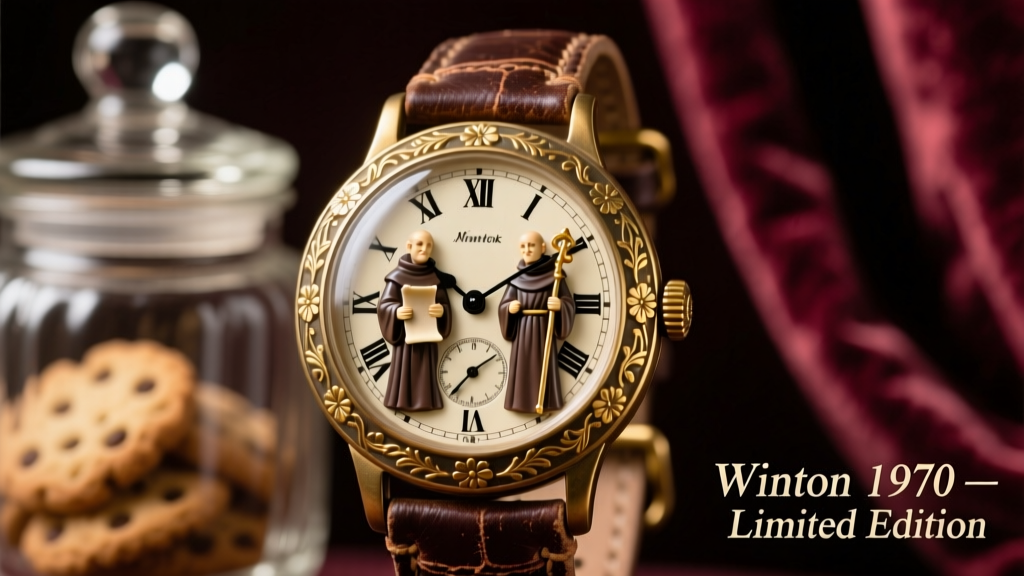
Monk Twin Winton Cookie Jars: A 1970s American Ceramic Icon — Design, Provenance, and Collectibility
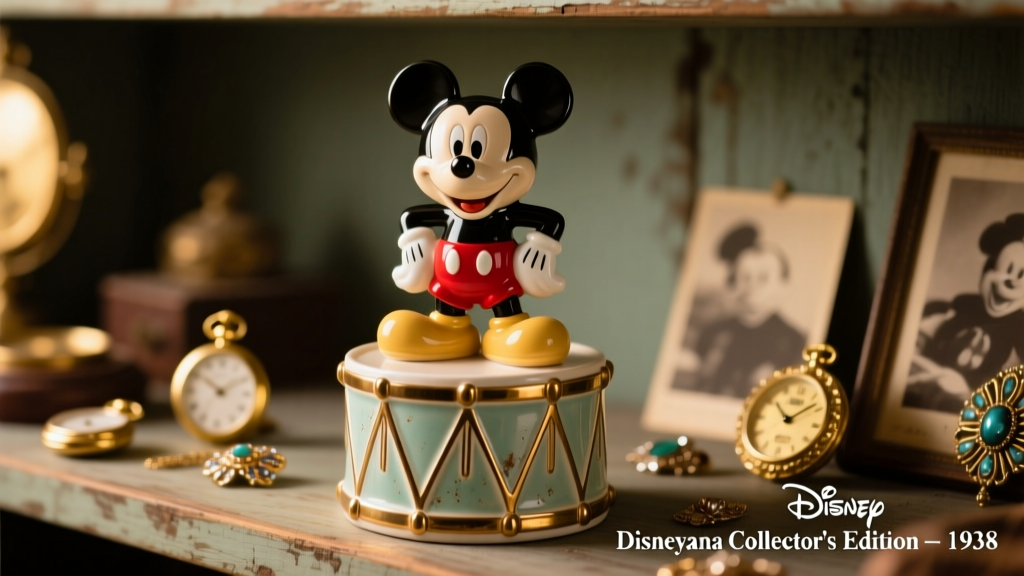
Disneyana Cookie Jar: Mickey Mouse on Drum (11¾ Inches) — History, Identification, and Market Value
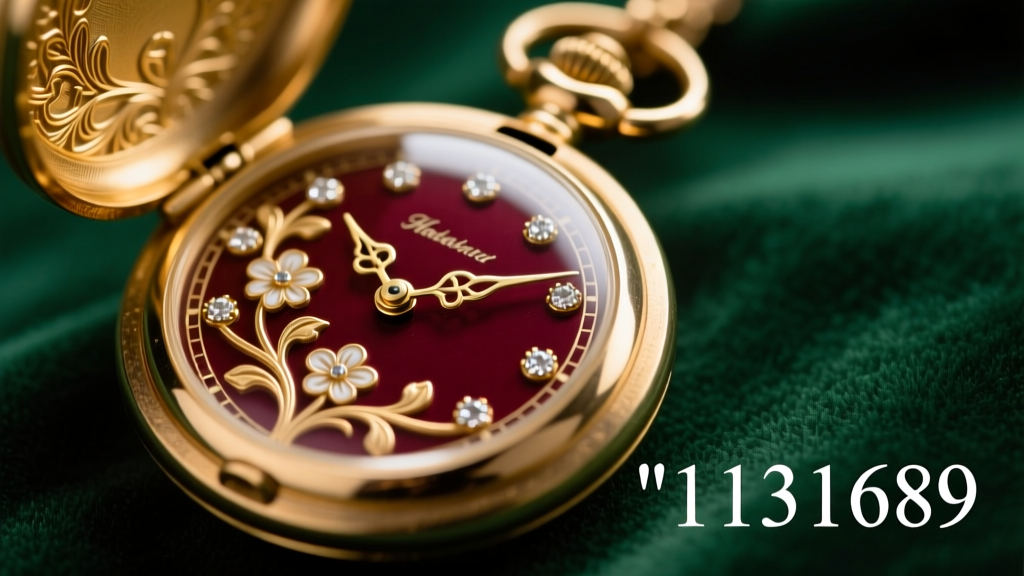
Lot 1131689: A 1947 Patek Philippe Ref. 515J Calatrava — Provenance, Technical Anatomy, and Market Significance
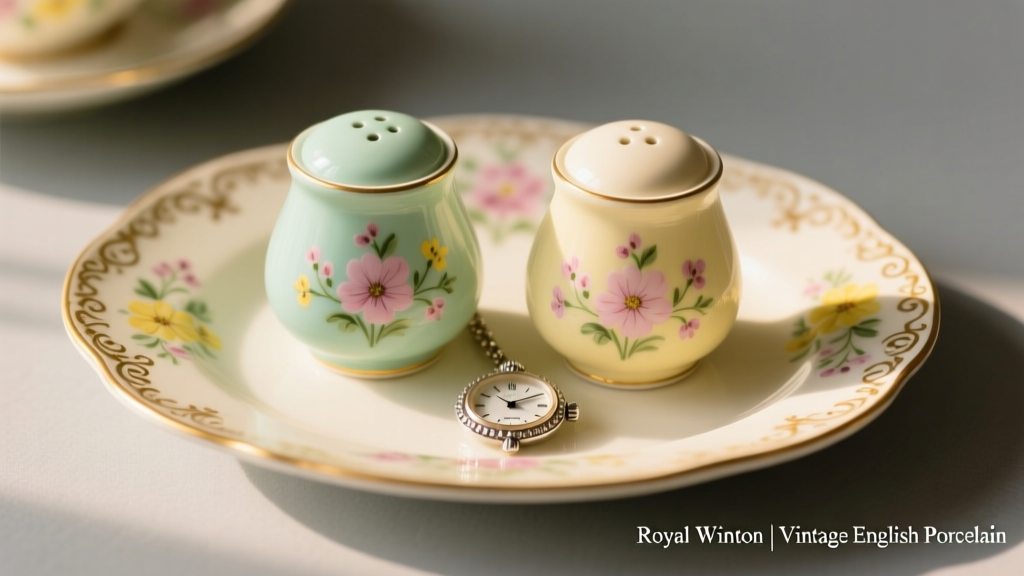
Chintz Summertime Salt & Pepper Tray by Royal Winton: A Collector’s Guide to the Iconic 1930s Ceramic Service Piece
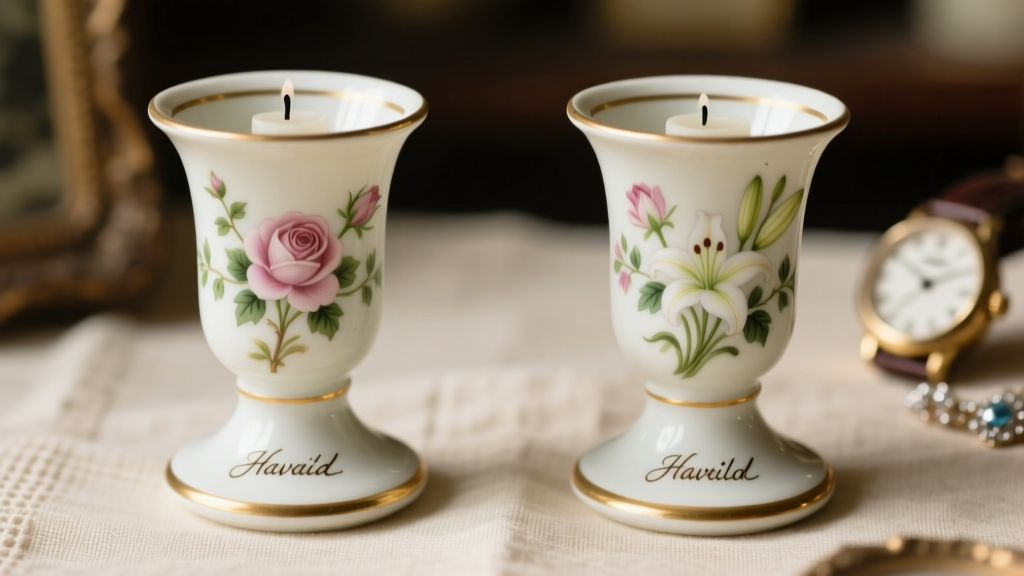
Haviland Candlesticks: Marseille Floral Hand-Painted Pair, 6¾ Inches — Provenance, Technique, and Market Significance

The Tom & Jerry Ivory Mug: A Mid-Century American Dinnerware Icon
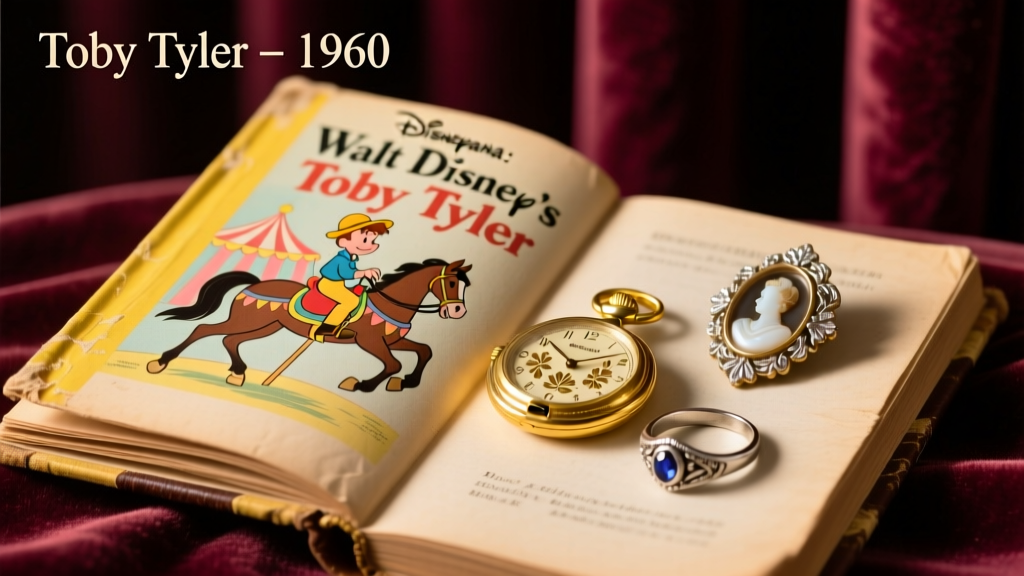
Walt Disney’s Toby Tyler: The 1960 Little Golden Book as a Landmark of Disneyana Collecting
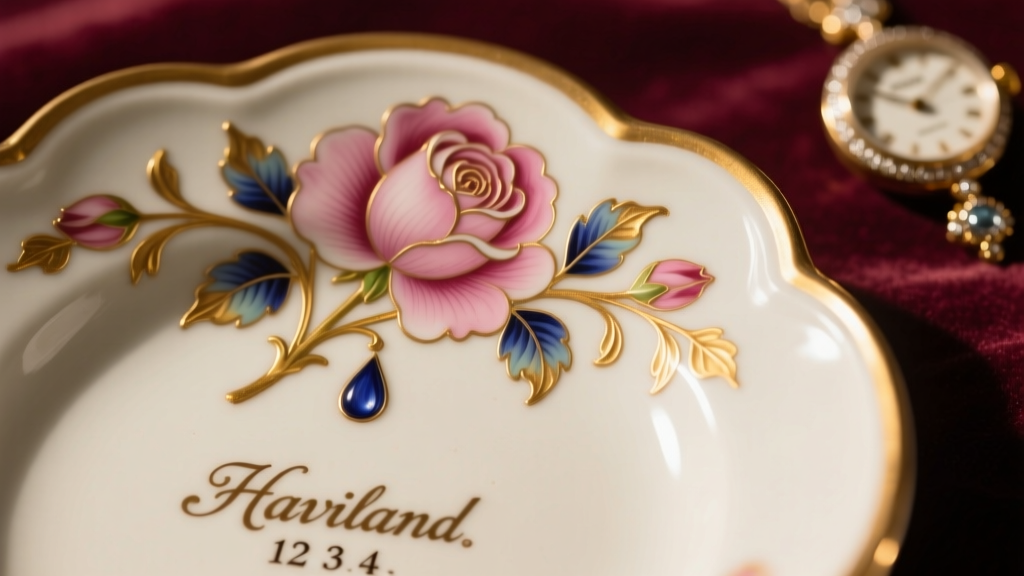
Haviland Chop Plate: Drop Rose Pink, Cobalt Blue, and Gold Trim — A Detailed Examination of the 12¾-Inch Pattern-Marked Example