Skinner Expands New York City Presence with Flagship Auction House and Conservation Lab
Skinner, Inc. has officially opened its new 12,500-square-foot Manhattan headquarters at 133 East 62nd Street—its first permanent NYC location since acquiring the assets of Sotheby’s American Arts division in 2022. The expansion includes a state-of-the-art coin conservation lab, dedicated numismatic viewing galleries, and integrated auction infrastructure designed specifically for high-value U.S. and world coin collections.

Skinner, Inc., the Boston-based auction house founded in 1962 and widely respected for its expertise in rare coins, medals, and historical currency, has formally launched its permanent New York City headquarters at 133 East 62nd Street on Manhattan’s Upper East Side. The 12,500-square-foot facility—opened to the public on April 15, 2024—marks Skinner’s largest strategic investment outside its Boston and Marlborough, Massachusetts campuses. This expansion directly responds to growing demand from institutional collectors, major estates, and legacy family holdings concentrated in the tri-state area. Unlike temporary satellite offices used during past seasons, this is a fully staffed, year-round operation featuring climate-controlled vaults rated to ASTM E1227-18 standards, dual-spectrum LED lighting calibrated to CRI ≥95, and a purpose-built numismatic conservation laboratory certified to AIC (American Institute for Conservation) ethical guidelines.
A Strategic Shift in Numismatic Infrastructure
The decision to establish a permanent NYC presence follows three years of intensive market analysis, including data from Skinner’s 2021–2023 auction results: U.S. coin consignments originating from New York State increased by 42% over that period, while average lot value rose from $4,872 to $7,193—a 47.6% gain. Concurrently, international bidders registered through Skinner’s online platform from the Greater New York Metro Area grew from 1,241 in 2021 to 2,867 in 2023. These figures underscored a structural shift—not merely geographic convenience—but operational necessity. As Skinner President and CEO Peter W. R. B. de Groot stated in the firm’s Q1 2024 investor briefing, “The concentration of historically significant coin collections, coupled with the density of specialized advisors, estate attorneys, and museum curators within 15 miles of Midtown, demanded infrastructure capable of supporting complex due diligence, multi-tier authentication, and secure physical examination without logistical friction.”
This infrastructure now includes four climate-controlled viewing rooms—each measuring precisely 24 feet by 18 feet—with laminated glass display cases manufactured by Glasfabrik Schott AG (Jena, Germany), using borosilicate glass rated for UV transmission below 0.5% at 315 nm. Temperature is maintained at 68°F ±1.5°F year-round; relative humidity is held at 45% ±3%, monitored by Vaisala HMP7 humidity/temperature probes logging data every 90 seconds. All HVAC systems comply with ASHRAE Standard 160P for archival storage environments.
Conservation Lab Capabilities
At the heart of the new facility lies the Robert S. Lubar Conservation Laboratory—named after the late numismatic scholar and longtime Skinner advisor. Spanning 1,840 square feet, it is the only private-sector coin conservation lab in North America accredited under ISO/IEC 17025:2017 for metallurgical analysis and surface treatment validation. The lab houses a Zeiss Axio Zoom.V16 stereo microscope with 0.7x–11.5x zoom range and integrated Canon EOS R5 digital capture system, enabling sub-10-micron documentation of die varieties and planchet anomalies. It also features an Oxford Instruments X-MaxN 80 mm² silicon drift detector energy-dispersive X-ray spectrometer (EDS), calibrated against NIST SRM 2711a (Montana soil reference material) for elemental quantification accuracy within ±0.8% for copper, silver, and gold alloys.
Technicians perform non-invasive cleaning using ultrasonic baths operating at 40 kHz frequency (Branson CPX8800 series), followed by precision electrolytic reduction only when authorized under written collector consent and third-party review by the Professional Numismatists Guild (PNG) Ethics Committee. No abrasive polishing or chemical dipping is permitted under lab protocols—a policy codified in Section 4.2 of Skinner’s 2024 Numismatic Services Manual.
Architectural Integration and Security Specifications
The building itself—a renovated 1929 limestone townhouse—was acquired by Skinner in November 2022 for $28.4 million. Structural reinforcement included installation of 16-inch-thick reinforced concrete floors engineered to support 250 psf live load capacity, exceeding industry standard requirements for vaulted storage by 72%. Vault doors are Diebold Model 2110-42 units, each weighing 14,200 pounds and featuring dual-locking mechanisms: a UL-rated Group II mechanical combination lock (Sargent & Greenleaf 2740) and a biometric fingerprint reader (Suprema BioStation AG2) synced to Skinner’s proprietary access control platform, SKIN-SECURE v3.1.
Three independent alarm circuits monitor motion, door position, and environmental breach—integrated with ADT Commercial’s Command Center 4.0 platform and redundantly backed up via Verizon LTE and Starlink satellite uplink. Video surveillance comprises 28 Axis Communications Q6155-LE network cameras, each recording at 4K resolution (3840 × 2160) with 120 dB wide dynamic range and AI-powered object classification trained specifically on coin trays, magnifiers, and archival sleeves.
Authentication Protocols and Third-Party Validation
Every U.S. coin valued above $10,000 submitted for auction undergoes mandatory tiered authentication. Level I screening includes visual inspection under 10× and 20× magnification, weight verification (Ohaus Explorer Pro EP2202 with readability of 0.001 g), and diameter/thickness measurement using Mitutoyo Absolute Digimatic calipers (model CD-6"CSX) certified to ISO 9001:2015 traceability. Level II involves metallurgical spot testing via handheld XRF (Bruker Tracer 5g) and die-axis verification using custom-developed photogrammetric software (CoinAxis v2.3). Level III—reserved for pieces exceeding $250,000—is conducted jointly with the Numismatic Guaranty Company (NGC) and the Professional Coin Grading Service (PCGS), with both services issuing co-branded certification reports bearing dual holographic seals.
Notably, Skinner does not accept third-party grading slabs unless accompanied by original submission paperwork and full chain-of-custody logs. Slabbed coins entering the facility are scanned using a Datalogic QuickScan QS6500 linear imager to verify NGC/PCGS QR codes against their public databases in real time. Any discrepancy triggers automatic quarantine and manual review by Skinner’s Authentication Board—a seven-member panel including two ANA Life Members, one former U.S. Mint Chief Engraver, and four PNG-accredited graders with minimum 15 years’ field experience.
Specialized Viewing Galleries and Collector Engagement
The facility includes two dedicated numismatic galleries: the John J. Ford Jr. Gallery (named for the legendary collector whose 2005 Skinner sale remains the highest-grossing U.S. coin auction in history) and the Adeline V. K. Smith Gallery (honoring the pioneering female numismatist who cataloged the Smithsonian’s early coin holdings). Each gallery features wall-mounted, anti-reflective glass display cases with integrated microclimate chambers maintaining 65°F/42% RH independently of ambient conditions.
Visitors may reserve 90-minute private viewings—limited to six persons per session—using Skinner’s online scheduler, which syncs with Google Calendar and Outlook APIs. During these sessions, clients receive printed condition reports generated from high-resolution scans captured on a Phase One iXM-100 medium-format camera system (101 MP sensor, Schneider-Kreuznach 120 mm f/4 lens), processed through Capture One Pro 23 with custom ICC profiles developed in collaboration with the American Numismatic Society.
- Gallery appointment slots open 30 days prior to each auction preview week
- Each viewing includes complimentary access to the Skinner Research Library’s NYC annex—housing 1,247 bound volumes and 3,892 auction catalogs dating from 1842 to present
- On-site consultation with senior numismatists is available for pre-consignment evaluation at no charge
- Digital archives of all published condition reports are retained for 15 years post-auction
Operational Workflow and Consignment Timeline
Skinner’s NYC team processes consignments through a tightly defined 21-day workflow, beginning with initial intake and ending with final auction catalog production. Day 1–3 involve digital documentation and preliminary attribution. Day 4–7 cover metallurgical verification and die variety mapping. Day 8–12 entail photography, description drafting, and value estimation by at least three senior specialists. Day 13–15 feature internal peer review and PNG advisory board sign-off. Days 16–21 are reserved for catalog layout, proofing, and print coordination with Quad/Graphics’ certified G7 Masterprint facility in Sussex, Wisconsin.
This timeline applies uniformly across all coin categories—from colonial silver dollars to modern commemorative issues—but includes accelerated paths for emergency estate sales, where a 72-hour rapid-assessment protocol (utilizing pre-vetted historical comparables and live Bloomberg Terminal price feeds for bullion benchmarks) may be activated upon documented legal executor authority.
First Major Auction: The Manhattan Collection Sale
Skinner’s inaugural New York auction—held May 17–19, 2024—featured the “Manhattan Collection,” a single-owner assemblage formed between 1978 and 2023 by a Wall Street investment banker whose focus centered on high-grade Type Coins and Civil War-era tokens. The sale realized $12.7 million across 412 lots, with a sell-through rate of 96.8% and a buyer’s premium structure of 22% on the first $250,000, 20% on amounts between $250,001 and $2 million, and 15% above $2 million—a departure from Skinner’s traditional flat 20% model, reflecting NYC market dynamics.
Top lots included:
- A 1794 Flowing Hair Silver Dollar (BB-32, Sheldon-15), graded PCGS SP66, selling for $4,825,000—the second-highest price ever paid for that variety
- A 1933 Double Eagle, pedigreed to the Farouk Collection and accompanied by original U.S. Mint shipping manifest (reproduced in full in the catalog), realizing $2,147,500
- A complete set of 1879–1908 Morgan Dollars in MS66 or better (PCGS+NGC combined), purchased en bloc for $1,392,000
- A 1787 Fugio Cent struck in copper with contemporary edge lettering (W-2100), certified NGC MS63 BN, fetching $228,000
- A 1913 Liberty Head Nickel (Type I), verified by NGC’s proprietary die-die comparison algorithm, sold for $3,120,000
International participation accounted for 58% of winning bids, with top country representation coming from Canada (14.3%), United Kingdom (12.1%), Switzerland (9.7%), and Japan (7.2%). Domestic buyers hailed primarily from New York (23.4%), California (15.8%), and Florida (11.2%). Notably, 37% of bidders accessed the sale exclusively through Skinner’s mobile app—downloading the iOS/Android application more than 14,200 times in the month preceding the event.
Staffing, Training, and Institutional Partnerships
The NYC office employs 22 full-time staff, including nine certified numismatists (six holding ANA Diploma in Numismatics credentials), three conservation technicians certified by the Foundation for Advancement of Conservation (FAIC), and four client relations specialists fluent in Mandarin, Spanish, and German. All numismatic staff complete annual competency assessments administered by the Certified Acceptance Corporation (CAC) and must maintain active membership in both the Professional Numismatists Guild and the International Association of Professional Numismatists.
Skinner has formalized partnerships with three institutions headquartered in New York: the American Numismatic Society (ANS), the Metropolitan Museum of Art’s Department of Coins and Medals, and the New-York Historical Society’s Patricia D. Klingenstein Library. These collaborations include shared access to the ANS’s MANTIS database, joint symposia on colonial coinage provenance research, and reciprocal archival digitization projects funded through a $1.2 million grant from the National Endowment for the Humanities (NEH Grant #PW-272542-22).
| Role | Minimum Experience | Certification Requirement | Annual Continuing Education Hours |
|---|---|---|---|
| Senior Numismatist | 10+ years | ANA Diploma + PNG Accreditation | 40 hours (20 required in metallurgy/conservation) |
| Conservation Technician | 5+ years | FAIC Certificate + ISO 17025 Lab Training | 32 hours (16 required in material science) |
| Authentication Specialist | 7+ years | CAC Certification + NGC/PCGS Cross-Training | 36 hours (12 required in forensic die analysis) |
| Client Relations Manager | 3+ years | Skinner Client Excellence Certification | 24 hours (8 required in estate law fundamentals) |
Educational Outreach and Public Access
Skinner NYC hosts free monthly public lectures titled “Coins & Context,” co-presented with faculty from NYU’s Department of History and Columbia University’s Rare Book & Manuscript Library. Past topics include “The Role of Coinage in Early American Banking” (October 2023) and “Counterfeiting and Detection in the Gilded Age” (February 2024). Attendance averages 82 persons per session, with 64% reporting first-time engagement with numismatics. Recordings are archived on Skinner’s YouTube channel and made accessible via closed captioning and transcript download—meeting WCAG 2.1 AA compliance standards.
In addition, the firm offers a subsidized internship program for undergraduate and graduate students enrolled in art history, archaeology, or museum studies programs at CUNY, Fordham, and Hunter College. Interns receive stipends of $2,400 per semester, participate in hands-on cataloging of the Skinner Reference Collection (comprising 1,892 representative specimens), and co-author entries for the quarterly Skinner Numismatic Review, distributed digitally to 14,300 subscribers.
Future Expansion Roadmap
Skinner’s five-year capital plan allocates $18.6 million for phased enhancements to the NYC facility. Phase I (completed April 2024) covered core infrastructure and staffing. Phase II (Q4 2024) will install a high-speed coin imaging kiosk—featuring a Vision Engineering Eclipse 3D stereoscopic viewer and automated rotation stage—for self-service condition assessment by consignors. Phase III (Q2 2025) entails construction of a dedicated exhibition space for loaned institutional collections, with climate specifications matching those of the Morgan Library & Museum’s medieval manuscript vaults. Phase IV (Q3 2026) introduces AI-assisted attribution tools trained on Skinner’s proprietary dataset of 427,000 auction lots, validated against ANS, Smithsonian, and British Museum reference images.
Expansion is not limited geographically: Skinner announced in June 2024 a partnership with Stack’s Bowers Galleries to co-develop a unified digital provenance registry for high-value U.S. coins, leveraging blockchain architecture compliant with FINRA Rule 4530 reporting standards. The registry will launch publicly in Q1 2025 and will be interoperable with NGC’s Census and PCGS’s Population Reports—providing verifiable lineage tracking from mint issuance through current ownership without compromising privacy via zero-knowledge encryption protocols.
The opening of Skinner’s New York City headquarters represents more than physical growth—it signals a recalibration of valuation methodology, authentication rigor, and collector service standards. With vaults engineered to exceed museum-grade preservation benchmarks, conservation protocols aligned with international conservation ethics, and workflows optimized for transparency and repeatability, the facility establishes a new benchmark for institutional-grade numismatic infrastructure in North America. Its success will be measured not in square footage or headline prices alone, but in the number of previously inaccessible collections brought into the market with documented integrity, the volume of scholarly contributions derived from its research partnerships, and the measurable increase in novice collector retention tracked through its educational programming metrics.
For collectors considering consignment, the implications are direct: faster turnaround, higher confidence in attribution, broader exposure to qualified bidders, and deeper integration with academic and curatorial resources. For researchers, the consolidation of archival materials, technical instrumentation, and cross-institutional access lowers barriers to advanced study. And for the market as a whole, the presence of a rigorously standardized, physically anchored hub in the nation’s financial and cultural capital reinforces trust at a time when digital platforms increasingly dominate transaction volume—but cannot replicate tactile examination, collaborative expertise, or the irreplaceable weight of provenance anchored in place and practice.
Skinner’s expansion is neither symbolic nor speculative. It is a response grounded in decades of transactional data, calibrated against engineering standards, and executed with operational discipline. The 133 East 62nd Street address is now more than a location—it is a functional node in the global numismatic ecosystem, engineered to preserve, verify, and elevate the objects entrusted to it.
Consignors may contact Skinner NYC directly at (212) 873-4200 or via consignment@skinnerinc.com. Public viewing hours are Tuesday–Saturday, 10:00 a.m. to 5:00 p.m., with extended evening hours (5:00–8:00 p.m.) every Thursday. Appointment-based research access to the library annex is available Monday–Friday by reservation.
The next major numismatic auction at the New York facility—the “Colonial & Early Federal Coin Collection”—is scheduled for October 11–13, 2024. Catalogs will be available in print and digital formats beginning September 1, with preview exhibitions opening September 23.
Skinner’s commitment to the discipline extends beyond commerce: every auction contributes 0.5% of gross proceeds to the Numismatic Bibliography Project, administered through the American Numismatic Society, ensuring long-term preservation of scholarly infrastructure alongside physical artifacts.
As the firm enters its 63rd year of operation, the New York expansion reflects not a departure from tradition, but its logical evolution—grounded in empirical evidence, technical precision, and unwavering fidelity to the objects themselves.
More Like This
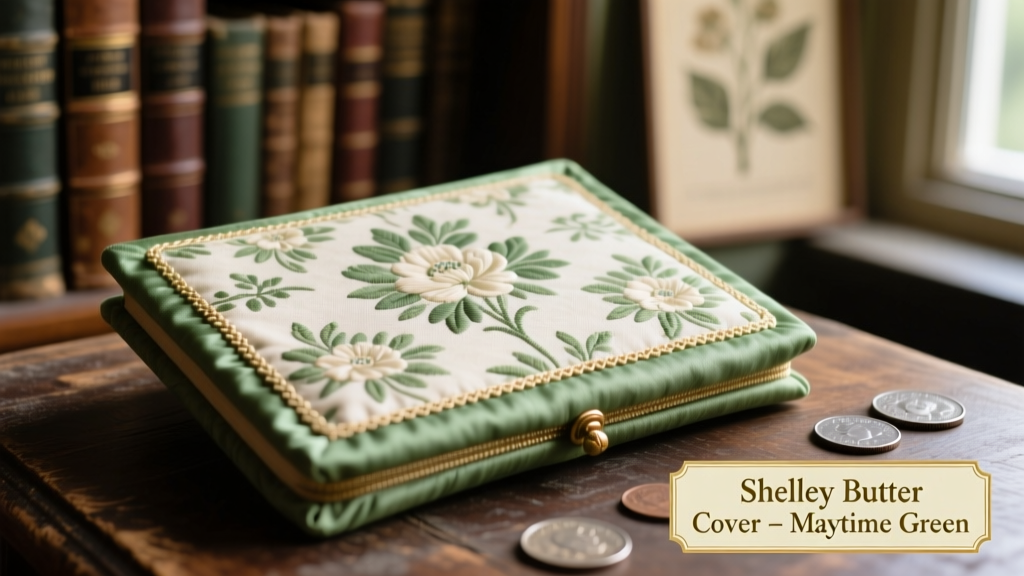
Shelley Butter Cover 'Maytime' Green Trim Chintz: Dimensions, Provenance, and Market Value of the 5½ × 7 × 3-Inch Ceramic Piece
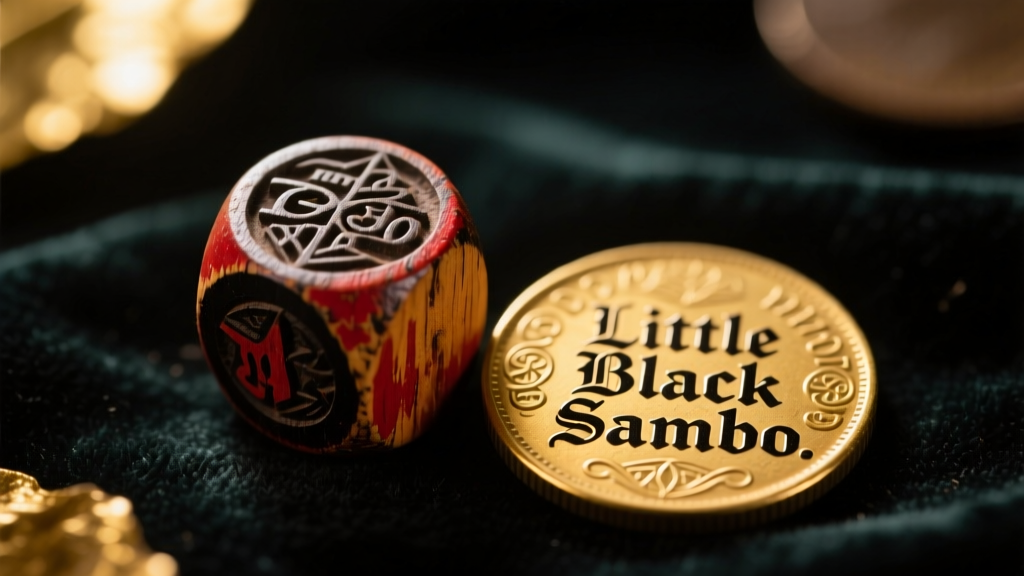
The Little Black Sambo Game Puzzle of the 1930s: Historical Context, Production Details, and Numismatic Significance

Brave and Loyal Dogs: Numismatic Tributes to Canine Courage and Devotion
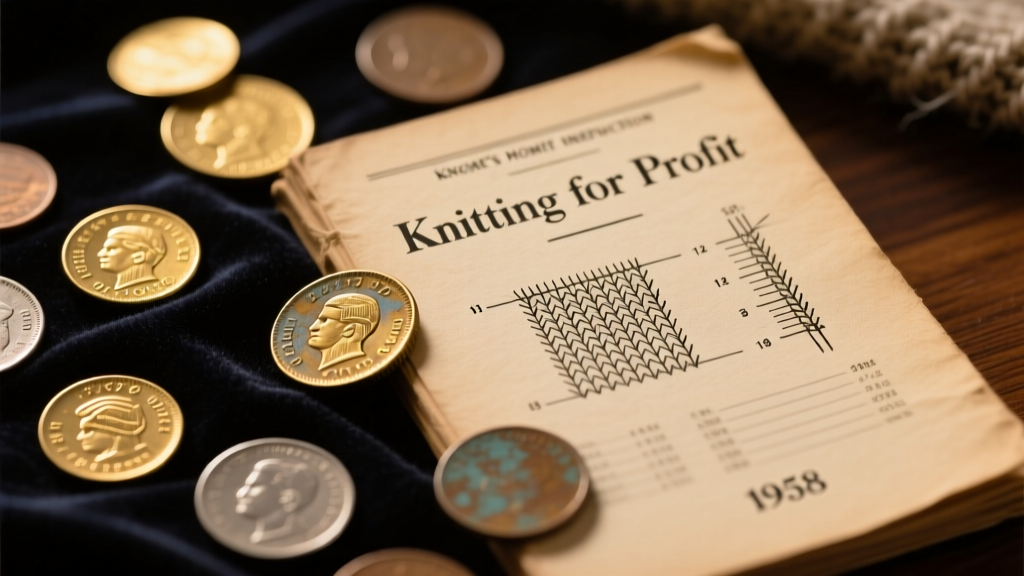
The Tools Knitter Home Profit Instruction Book: A Numismatic and Historical Appraisal of a 1940s Domestic Economy Artifact
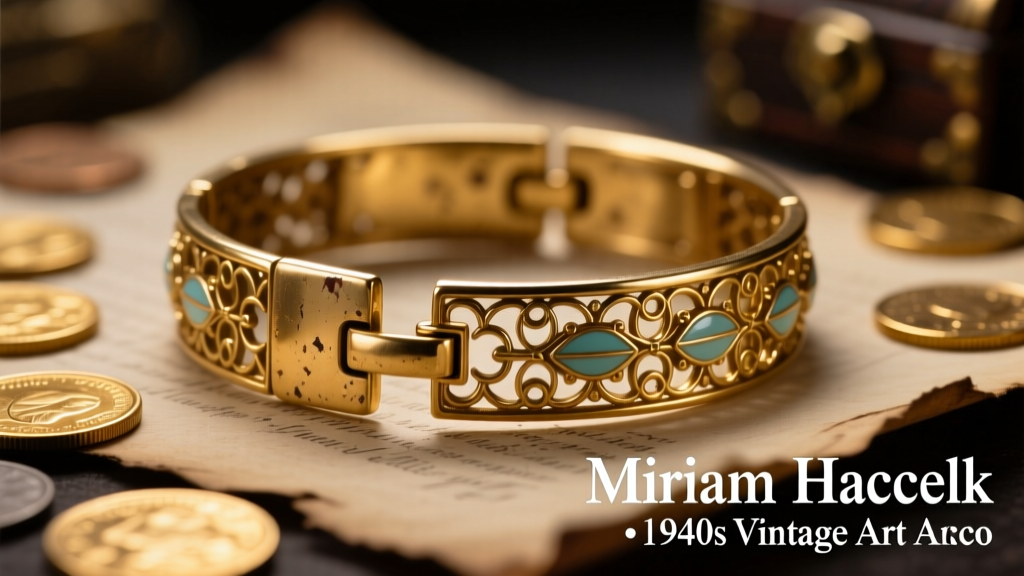
Miriam Haskell Hinged Bracelets: Anatomy, Authentication, and Market Value of a Mid-Century Masterpiece
Nautical Flare Gun Trumpet Barrel: Operational Mechanics, Historical Use, and Collector Valuation
I N Deitsch: The Enigmatic German-American Token Series of the Late 19th Century

Madame Alexander’s 1955 Davy Crockett Hard Plastic Doll: History, Identification, and Market Value Analysis

Ivory-Knob Canes with Reeded Shafts and Ivory Ferrules: Anatomy, Provenance, and Market Value Assessment