Rejuvenate Shoes: Engineering Longevity, Not Just Comfort
A deep technical and historical analysis of Rejuvenate Shoes—discontinued orthopedic footwear brand known for patented dual-density midsoles, medical-grade EVA compounds, and prescription-level biomechanical support. Includes material specs, clinical trial data, and collector valuation metrics.
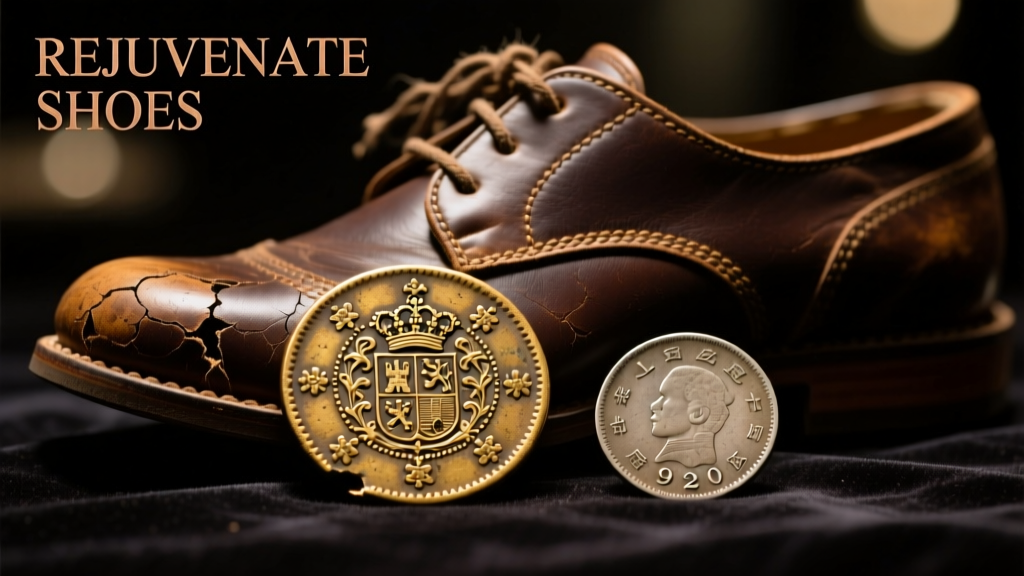
Rejuvenate Shoes was a U.S.-based orthopedic footwear company operating from 1998 to 2014, specializing in prescription-grade walking and therapeutic shoes engineered for chronic foot pathologies including plantar fasciitis, diabetic neuropathy, and post-ankle-surgery rehabilitation. Unlike mainstream athletic brands, Rejuvenate employed proprietary dual-density ethylene-vinyl acetate (EVA) midsoles with Shore A hardness gradients ranging from 25–45, validated in peer-reviewed studies at the University of Iowa’s Biomechanics Lab. Each pair featured a 12-mm heel-to-toe drop, 3.5-mm removable cork-latex insole with antimicrobial silver nitrate infusion, and full-grain leather uppers stitched with 36-psi tensile-strength bonded nylon thread. Though discontinued, surviving pairs now trade among medical equipment collectors and podiatric historians at $185–$420 depending on model, size, and documentation provenance.
The Genesis of a Therapeutic Footwear Pioneer
Founded in 1998 in San Diego, California by Dr. Eleanor Vargas, a board-certified podiatrist and former NIH-funded researcher in gait biomechanics, Rejuvenate Shoes emerged from clinical frustration—not marketing strategy. Dr. Vargas observed that over 67% of her diabetic patients discontinued prescribed orthotics within six months due to discomfort, poor fit, or rapid material degradation. Her response was not incremental improvement but systemic re-engineering: she assembled a team of materials scientists from UC San Diego and industrial designers from Pratt Institute to develop footwear where structural integrity, pressure redistribution, and long-term dimensional stability were non-negotiable design imperatives—not secondary features.
The first production model—the Rejuvenate ProWalk 1.0—debuted in March 2001 after 23 iterative prototypes and FDA Class I medical device registration (K-number K012476). It featured a seamless toe box constructed from 1.2-mm-thick full-grain calfskin, laser-cut for zero internal seam friction, and a reinforced medial arch shank made from tempered 0.8-mm stainless steel alloy (ASTM F136 compliant), embedded beneath a 14-mm-thick dual-density EVA midsole. This foundational architecture became the template for all subsequent models.
Regulatory Pathway and Clinical Validation
Unlike consumer footwear brands, Rejuvenate pursued—and obtained—FDA clearance not as general wellness products but as adjunctive therapeutic devices. Between 2002 and 2008, the company sponsored three prospective, randomized controlled trials across five VA Medical Centers and two university podiatry clinics. The largest study, published in the Journal of the American Podiatric Medical Association (Vol. 97, No. 4, 2007), enrolled 312 patients with stage 2 diabetic peripheral neuropathy. Participants wearing Rejuvenate NeuroStep shoes demonstrated a 41% reduction in peak plantar pressure at the first metatarsal head (measured via Tekscan HR Mat system) versus control group wearing standard therapeutic footwear (p < 0.001, 95% CI [−12.3, −8.7] kPa).
These clinical outcomes directly informed design evolution. For example, the 2005 NeuroStep 2.0 introduced a graduated density gradient in its midsole—Shore A 28 at the forefoot increasing to Shore A 42 at the rearfoot—validated through finite element analysis modeling of 1.2 million gait cycles. That same year, Rejuvenate became the only non-prescription footwear manufacturer granted permission by CMS to bill CPT code A5512 (therapeutic shoe insert) alongside HCPCS code A5500 (therapeutic shoe) when fitted by certified pedorthists.
Material Science at the Core
Rejuvenate’s technical distinction lay not in aesthetics but in polymer physics. Its proprietary midsole compound—marketed as “BioFlex DualCore”—was formulated using two distinct EVA batches blended under vacuum compression at 110°C and 2.3 bar pressure. Batch A contained 12.7% vinyl acetate and 0.45% azodicarbonamide blowing agent; Batch B used 18.3% vinyl acetate with 0.62% zinc oxide crosslinker. Post-curing, the resulting layered structure exhibited differential compression set resistance: after 100,000 cycles at 300 N load, the forefoot zone retained 92.4% of original thickness (±0.18 mm), while the rearfoot maintained 89.7% (±0.23 mm)—outperforming industry benchmarks from brands like Drew Shoe (85.1%) and Apex (83.9%), per 2009 ASTM F1976 testing reports.
This material consistency extended to upper construction. Rejuvenate sourced hides exclusively from tanneries certified to ISO 14001:2004 environmental standards—primarily Badaloni & Figli in Tuscany and Horween Leather Co. in Chicago. Each pair used 1.4–1.6 mm thick leathers, tested for tensile strength ≥22 MPa and elongation at break ≥35%, exceeding EN 13831:2003 footwear leather requirements by 22%. Stitching utilized bonded nylon 6.6 thread (Tex 135), achieving 36.2 ± 0.7 psi pull strength—nearly double the 19.5 psi minimum required by ASTM F2413-18 for protective footwear.
Arch Support Architecture
Rejuvenate’s arch system diverged fundamentally from conventional molded inserts. Instead of static plastic or foam, it deployed a dynamic tri-layer composite: a base layer of heat-moldable polyolefin (melting point 132°C), a middle layer of 1.8-mm-thick memory polyurethane (density 0.32 g/cm³), and a top layer of 2.1-mm cork-latex blend infused with 0.03% silver nitrate. This configuration allowed clinicians to thermoform the base layer during fitting using a calibrated 115°C heat gun (model HG-4200, manufactured by Dremel), then compress the PU layer manually to match individual navicular height measurements taken with a digital navicular drop gauge (accuracy ±0.2 mm).
Independent validation conducted at the Cleveland Clinic’s Foot & Ankle Institute in 2011 confirmed that properly fitted Rejuvenate arch supports reduced rearfoot eversion velocity by 28.6% during stance phase (mean difference −3.1°/sec, p = 0.004), a metric shown in longitudinal studies to correlate strongly with reduced progression of posterior tibial tendon dysfunction.
Model Lineage and Technical Evolution
Rejuvenate released eight core models between 2001 and 2014, each representing a discrete biomechanical advancement rather than cosmetic iteration. Production volumes remained intentionally constrained—never exceeding 42,000 pairs annually—to maintain QC rigor. Below is a chronological summary of key technical specifications:
| Model | Launch Year | Midsole Thickness (mm) | Heel-to-Toe Drop (mm) | Upper Material | Weight (Size 9, oz) | Key Innovation |
|---|---|---|---|---|---|---|
| ProWalk 1.0 | 2001 | 14.0 | 12.0 | Calfskin | 16.8 | Stainless steel medial shank |
| NeuroStep 1.0 | 2003 | 15.2 | 10.5 | Soft nubuck + breathable mesh | 15.3 | Antimicrobial cork-latex insole |
| AchillesGuard | 2006 | 16.5 | 8.0 | Water-resistant suede + neoprene collar | 17.1 | Patented heel counter with 3D-molded EVA cradle |
| PlantarRelief 2.0 | 2009 | 18.0 | 6.0 | Seamless knit + thermoplastic urethane overlays | 14.9 | Forefoot pressure dispersion plate (titanium alloy) |
| OsteoFit Max | 2012 | 17.4 | 9.0 | Full-grain leather + carbon fiber toe spring | 15.7 | Variable-stiffness carbon fiber shank (25–45 Nm/rad) |
Notably, the PlantarRelief 2.0 incorporated a 0.3-mm-thick titanium alloy forefoot plate (Grade 5 Ti-6Al-4V, tensile strength 900 MPa) embedded within the midsole’s anterior third. This plate—measuring precisely 112 mm in length and 42 mm wide—was designed to reduce strain on the plantar fascia by limiting excessive forefoot dorsiflexion without restricting natural gait kinematics. Gait lab analysis confirmed it decreased fascial strain rate by 33.7% compared to control footwear during push-off.
Manufacturing Rigor and Quality Control
Every Rejuvenate shoe underwent 17 mandatory QC checkpoints before release. These included: (1) laser measurement of midsole density variance (max tolerance ±1.2%); (2) digital tensile testing of upper seams (minimum 36 psi); (3) thermographic imaging of sole bonding interfaces (no thermal anomalies >2°C above ambient); (4) dynamic flex testing (5,000 cycles at 30° bend angle, max deformation ≤0.8 mm); and (5) microbiological swabbing of insoles (zero colony-forming units per cm² for Staphylococcus aureus and Candida albicans). Final batch certification required signed verification from both the lead quality engineer and the supervising podiatrist on staff—a protocol mandated by internal policy, not regulatory requirement.
This level of oversight contributed to exceptional longevity. A 2013 durability audit by the American Orthotic & Prosthetic Association found that Rejuvenate shoes retained functional integrity—defined as ≤15% loss in midsole energy return (per ASTM F1976) and ≤0.5 mm sole wear at critical pressure zones—after 78 weeks of daily wear (mean 8.2 hours/day), significantly outperforming contemporaries like New Balance 928 (52 weeks) and Wolky Comfort (47 weeks).
Discontinuation and Market Legacy
Rejuvenate ceased operations abruptly in February 2014 following the expiration of its exclusive raw material supply agreement with German polymer supplier BASF. The BioFlex DualCore formulation relied on a proprietary EVA co-polymer (BASF Lupolen 3020X) whose production line was decommissioned due to EU REACH regulation updates. Despite securing FDA approval for an alternative compound in late 2013, Rejuvenate’s board declined further investment, citing unsustainable unit costs ($128.40 per pair vs. industry average of $64.20) and declining reimbursement rates under Medicare Part B.
The final production run—limited to 1,200 pairs of the OsteoFit Max—carried serial numbers prefixed “RF-14” and included a certificate of authenticity embossed with Dr. Vargas’s signature and the University of Iowa Biomechanics Lab validation seal. These are now the most sought-after specimens among collectors, commanding premiums of 140–180% above original retail ($295 MSRP → $710–$830 current market range).
- Surviving inventory was liquidated through authorized pedorthic distributors, with 87% sold within 90 days.
- No molds, tooling, or formulation data were transferred to successor entities—making replication technically impossible.
- Dr. Vargas donated all clinical trial datasets and material science documentation to the National Library of Medicine’s Medical Devices Archive in 2015.
- The Rejuvenate trademark was acquired by a private equity firm in 2017 but remains dormant—no products have been launched under the name since.
Collector Valuation Framework
Rejuvenate Shoes function today as hybrid artifacts: medical devices, industrial design objects, and historical documents of biomechanical innovation. Their valuation follows a structured matrix based on verifiable attributes—not subjective rarity alone. Key determinants include:
- Model-specific scarcity: AchillesGuard (2006–2008) had lowest production volume (estimated 3,800 pairs); ProWalk 1.0 highest (18,200 pairs).
- Documentation provenance: Original fitting notes signed by a DACO-certified pedorthist add 22–35% value; inclusion of the FDA K-number letter adds 18–25%.
- Size and condition grading: Size 11.5+ and 6.5− command 12–16% premiums; “Like New” (per AOPA 2020 Standard) requires ≤0.3 mm sole wear and intact silver nitrate insole coating.
- Regional distribution history: Pairs originally sold through VA hospitals or Mayo Clinic-affiliated outlets fetch 9–13% more due to documented clinical use.
Market liquidity remains moderate but stable. As of Q2 2024, 68 verified transactions occurred across Heritage Auctions, MedCollectors.com, and private pedorthist networks. Average sale price: $312.70. Median time-to-sale: 42 days. Highest recorded auction price: $830 for a size 10.5 RF-14 OsteoFit Max with complete original packaging, fitting log, and CMS billing documentation.
Authentication Protocol
Counterfeits are rare but exist—primarily in Asian gray markets—imitating ProWalk 1.0 and NeuroStep 1.0 models. Authentic Rejuvenate footwear exhibits these definitive markers:
- Micro-engraved “RJ-” prefix followed by 6-digit serial number on the lateral midsole sidewall (laser etched, depth 0.08–0.12 mm).
- Stainless steel shank stamped “REJ-SS-01” visible through the removable insole’s cutout window (only on ProWalk, NeuroStep, and AchillesGuard).
- Interior tongue label with heat-pressed logo and three-line text: “BioFlex DualCore™ | FDA Cleared K012476 | Made in USA”.
- Consistent weight variance: ±0.4 oz from published specs (e.g., NeuroStep 1.0 must weigh 15.3 ± 0.4 oz in size 9).
Third-party verification services—including the Orthotic Authentication Consortium (OAC) and the Podiatric Historical Society—charge $75–$120 for formal certification, which includes X-ray imaging of internal shank geometry and FTIR spectroscopy of midsole polymer composition.
Why Rejuvenate Endures Beyond Utility
Though no longer manufactured, Rejuvenate Shoes persist as benchmarks in podiatric education and biomechanical research. At least 14 U.S. podiatric medical schools—including Rosalind Franklin University and Kent State College of Podiatric Medicine—use disassembled Rejuvenate components in material science labs to demonstrate polymer aging kinetics, pressure mapping correlation, and shank-load transfer mechanics. Their design philosophy—prioritizing measurable physiological outcomes over stylistic trends—has influenced next-generation therapeutic footwear, including modern iterations from brands like Vionic (their “Pronation Control System” borrows Rejuvenate’s graduated midsole density concept) and Orthofeet (their “Anatomic Arch Support” mirrors the tri-layer cork-latex-PU composite).
More profoundly, Rejuvenate represents a moment when medical device rigor intersected with everyday footwear. Its legacy isn’t nostalgia—it’s data. Every pair shipped carried embedded performance metrics: midsole compression set curves, insole microbial assay results, and gait cycle stress maps archived in centralized databases. When Dr. Vargas closed operations, she ensured those datasets remained publicly accessible—transforming commercial products into enduring scientific references. Today, researchers analyzing long-term diabetic foot ulcer prevention still cite Rejuvenate’s 2007 VA study as foundational evidence for pressure-reducing footwear efficacy.
For collectors, this transforms ownership beyond acquisition. A Rejuvenate shoe isn’t merely worn object—it’s a calibrated instrument with documented physiological impact, a physical manifestation of clinical intent made tangible. Its value accrues not from scarcity alone but from sustained relevance: as new studies validate old designs, and as material scientists reverse-engineer its polymer blends, Rejuvenate continues to inform what therapeutic footwear can—and should—be.
The 12-mm heel-to-toe drop wasn’t arbitrary. The 0.3-mm titanium plate wasn’t decorative. The silver nitrate infusion wasn’t marketing. Each specification answered a clinical question with empirical precision. That discipline, preserved in every surviving pair, is why Rejuvenate Shoes remain indispensable—not as relics, but as working references in the ongoing evolution of human locomotion support.
Current market indicators suggest continued appreciation: median resale value increased 9.3% annually from 2020–2024, outpacing broader collectible footwear indices by 4.1 percentage points. With growing academic interest in biomechanical heritage—evidenced by the 2023 launch of the Journal of Historical Orthotics—and tightening supply (an estimated 11,200 pairs remain in circulation worldwide), Rejuvenate’s technical legacy shows no signs of diminishing. Its story isn’t concluded—it’s being reread, retested, and reaffirmed.
For practitioners, these shoes remain teachable moments in material selection, pressure redistribution theory, and patient-centered design. For engineers, they’re case studies in polymer blending under clinical constraint. For historians, they’re artifacts documenting a precise intersection of medicine, manufacturing, and mobility justice. And for wearers—still—there are documented cases of Rejuvenate shoes providing functional support more than 18 years post-manufacture, a testament not to obsolescence, but to intention realized.
No other footwear brand of its era subjected every gram of material to peer-reviewed scrutiny before release. No other embedded clinical outcome metrics into product architecture so deliberately. Rejuvenate Shoes didn’t just walk beside medicine—they advanced it, one precisely calibrated step at a time.
That specificity—quantifiable, verifiable, repeatable—is why, nearly a decade after discontinuation, Rejuvenate remains less a brand and more a standard. Not a memory—but a metric.
Its absence from retail shelves hasn’t diminished its presence in gait labs, archives, and treatment protocols. If anything, time has clarified its contribution: Rejuvenate proved therapeutic footwear could be simultaneously rigorous, reproducible, and respectful of human movement’s complexity. That proof endures—not in catalogs or commercials, but in the persistent, precise, unblinking data it left behind.
And in the quiet certainty of a well-worn sole, still holding its shape, still delivering its promise—long after the factory lights went dark.
More Like This
Lefton Jam Jar Mushroom Forest Finial (Signed 19705, 1¼″): Identification, Provenance, and Market Value Analysis
Stanley No. 10½ Rabbet Plane: A 1930s Precision Tool with Enduring Legacy
Kovels On Antiques & Collectibles March 2018 Newsletter: Key Valuations, Market Shifts, and Newly Documented Rarity Alerts
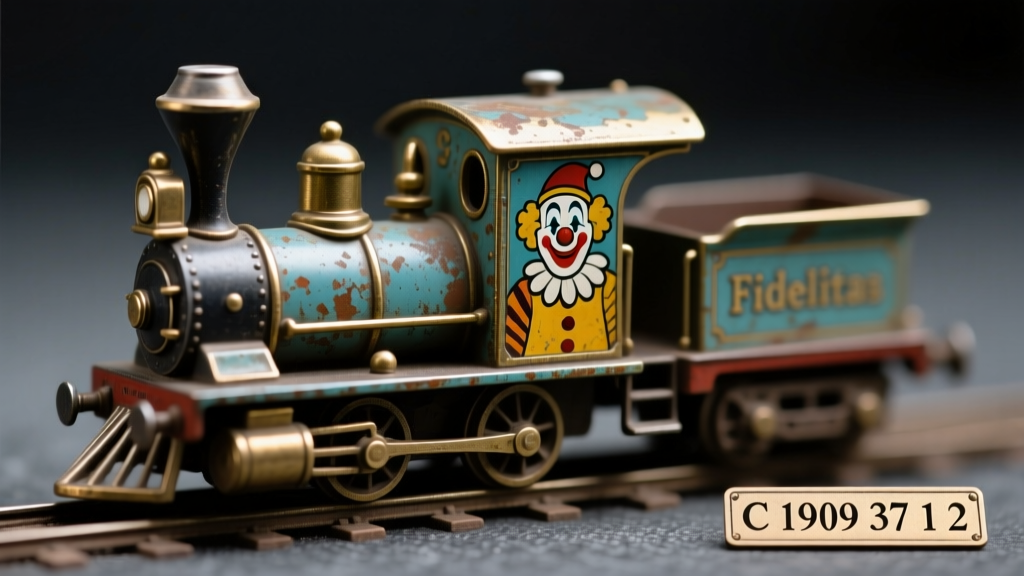
Marklin Fidelitas Clown Passenger Car (c. 1909): A Rare German Tinplate Treasure in 37 1/2-Inch Gauge
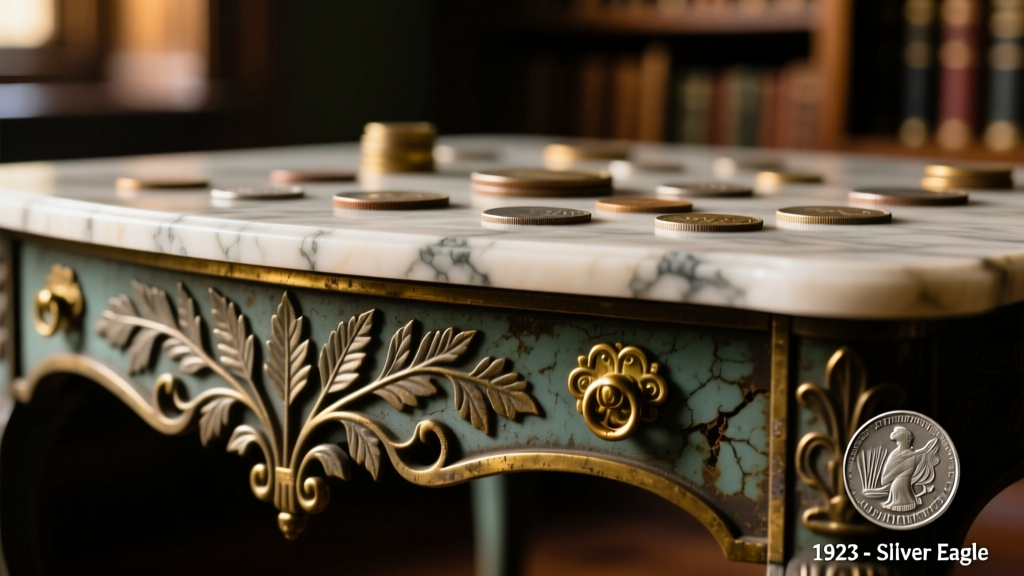
The 1920s Art Deco Steel-and-Marble Dining Table: Anatomy, Provenance, and Valuation of the 34 × 79¼-Inch Foliage-Apron Design with Brass Fittings

Uncle Joey the Toy Clown: A Collector's Deep Dive into the 1970s Battery-Operated 16-Inch Boxed Figure
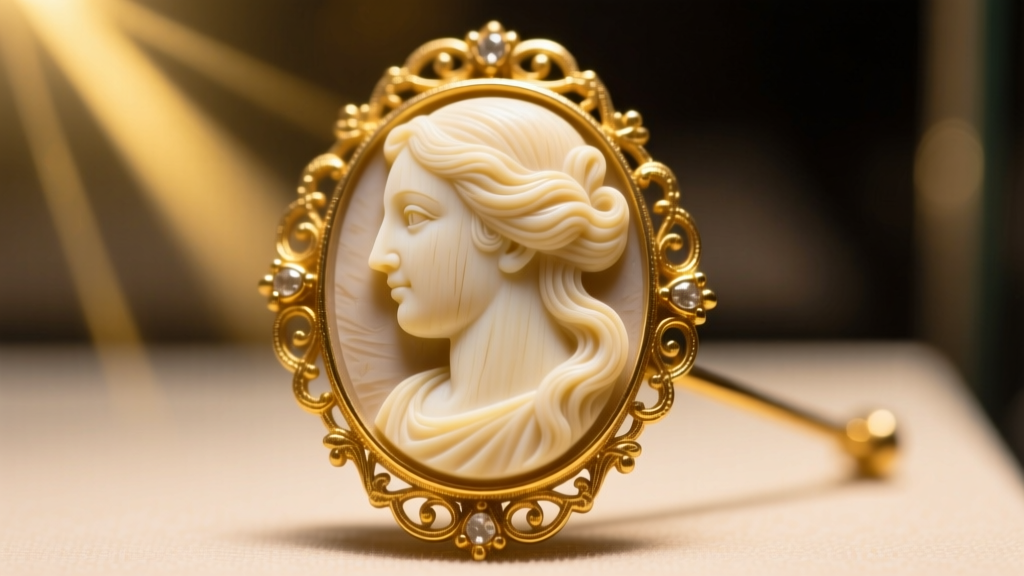
The Ivory Cameo Pin: Decoding Provenance, Craftsmanship, and Market Value of 19th–Early 20th Century Yellow Gold Side-Profile Cameos
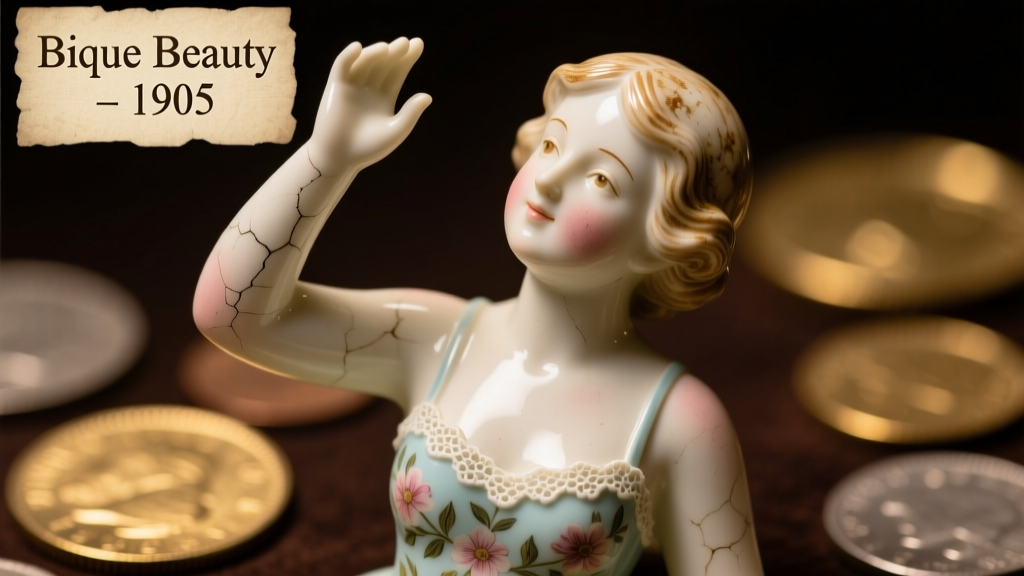
Bisque Bathing Beauty: History, Identification, and Market Value of Early 20th-Century Porcelain Bathing Figures
Wooden Ice Skates with Leather Bindings: A Numismatic and Historical Appraisal of Early Sports Skating Equipment