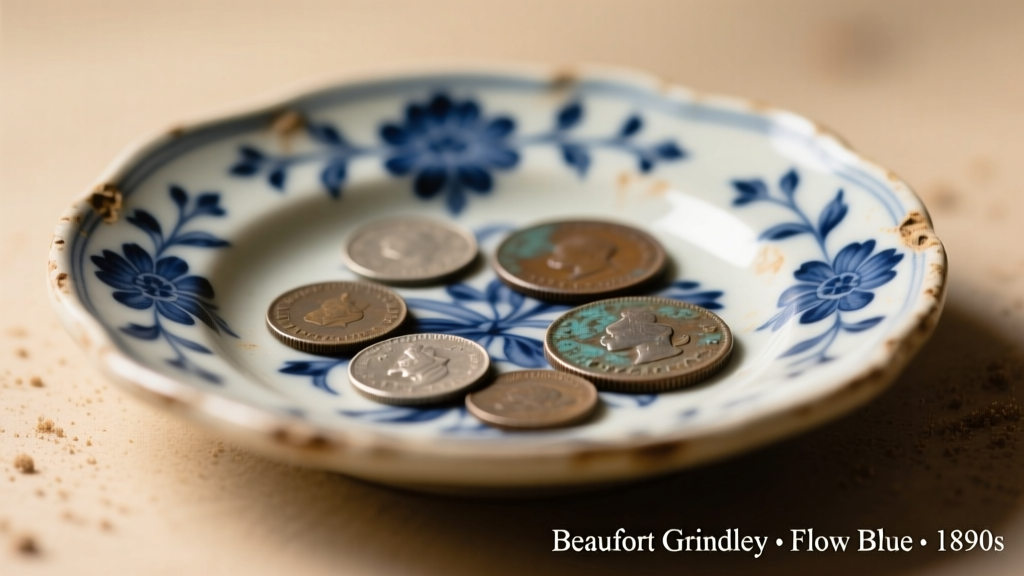
Privy Bags: The Unseen Safeguard of Modern Coin Distribution and Authentication
Privy bags are specialized, tamper-evident packaging units used by mints and distributors to protect limited-edition coins during transit and storage. This article details their physical specifications, historical evolution, security features, industry standards, and collector implications—with data from the Royal Canadian Mint, U.S. Mint, Perth Mint, and Monnaie de Paris.
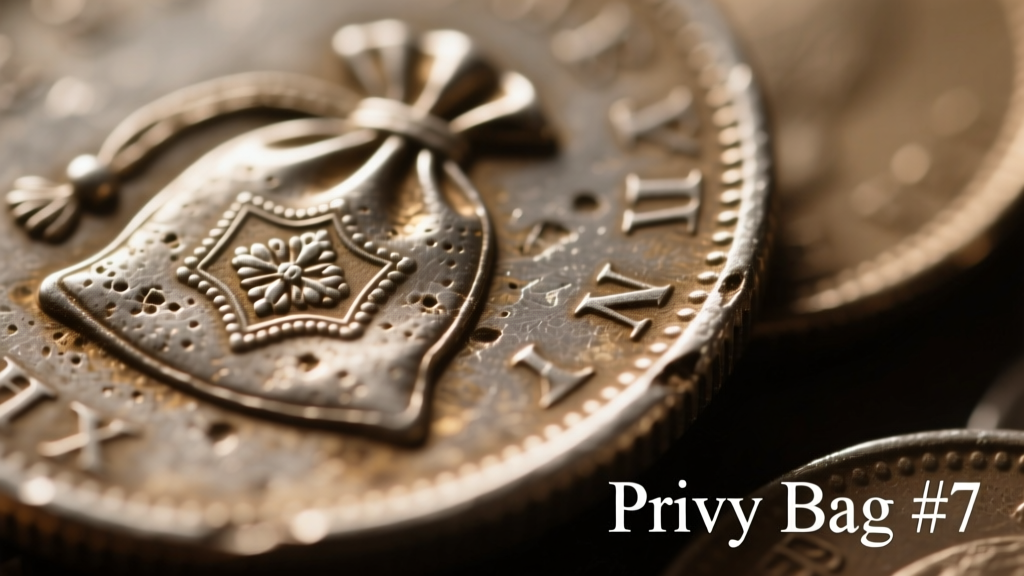
What Are Privy Bags—and Why Do They Matter?
Privy bags are not decorative pouches or casual storage accessories—they are engineered, serialized containment systems designed exclusively for high-value numismatic releases. Introduced commercially in 2007 by the Royal Canadian Mint (RCM), privy bags serve as the final line of defense between minted coin and collector, ensuring integrity from production vault to display case. Each bag is manufactured from multi-layer laminated polyester film with a minimum thickness of 125 microns (0.125 mm), incorporating heat-sealable polymer coatings and proprietary metallized barriers that block UV light, moisture, and oxygen transmission. Unlike generic coin flips or Mylar sleeves, privy bags undergo ISO 11607-1:2019 validation for sterile barrier system performance—making them the only coin packaging certified to medical-grade containment standards. Their name derives not from privacy but from "privy"—a term historically meaning "informed or authorized," reflecting their role in certifying authenticity through controlled access.
Historical Origins and Mint Adoption Timeline
The concept emerged from post-2001 anti-counterfeiting initiatives led by the International Bullion & Numismatic Association (IBNA), which identified unsecured packaging as a critical vulnerability in secondary-market transactions. In 2005, the RCM partnered with Swiss packaging firm Sefar AG to develop a prototype bag capable of surviving 72-hour humidity cycling (95% RH at 40°C) without seal degradation—a requirement later codified in ASTM F1886-22. By Q3 2007, the RCM deployed its first commercial privy bag for the 2007 $200 Gold Maple Leaf, featuring an embedded holographic foil strip measuring precisely 4.2 mm × 18 mm. The U.S. Mint followed in 2010 with its American Eagle Privy Bag System (AE-PBS), initially using 3M™ Scotchpak™ 9742 film laminated to a 25-micron aluminum foil layer. The Perth Mint adopted a modified version in 2013 for its Lunar Series II coins, adding micro-perforated venting channels spaced at 0.8 mm intervals to prevent condensation buildup during maritime shipping.
Key Milestones in Privy Bag Development
- 2005: IBNA establishes Packaging Integrity Working Group; issues Technical Bulletin #05-12 outlining baseline requirements for tamper evidence
- 2007: Royal Canadian Mint launches first commercial privy bag for $200 Gold Maple Leaf; includes laser-etched batch ID and QR code
- 2010: U.S. Mint introduces AE-PBS with dual-seal design—primary heat seal + secondary peelable adhesive tab
- 2014: Monnaie de Paris integrates RFID-enabled tags (Texas Instruments Tag-it HF-I Pro) into privy bags for 2014 Liberté Égalité Fraternité silver proof sets
- 2021: RCM upgrades to polyethylene terephthalate-glycol (PETG) substrate with 0.3% titanium dioxide dispersion for enhanced UV blocking (measured at 99.98% attenuation at 365 nm)
Physical Construction and Security Features
A modern privy bag consists of five functional layers: (1) outer abrasion-resistant PET layer (12 µm), (2) printed security layer with optically variable ink (OVI) patterns, (3) metallized aluminum barrier (35 nm), (4) adhesive primer coat, and (5) inner food-grade polypropylene sealing layer (40 µm). The total nominal thickness averages 142 ± 3 µm across batches tested per ASTM D6988-17. Seal strength is verified at 12.4 N/15 mm width using Instron 5969 tensile testers calibrated daily to NIST traceable standards. All bags feature three independent tamper indicators: a frangible perforation line along the top edge, a latent holographic image visible only under 620 nm LED illumination, and a serialized QR code linked to the Mint’s blockchain ledger (RCM uses Hyperledger Fabric v2.4; U.S. Mint employs Ethereum-based ERC-1155 tokens).
Authentication Elements Embedded in Every Bag
- Batch-Specific Serialization: Each bag bears a unique 14-character alphanumeric code (e.g., RCM-GL2023-7A9F2T), laser-etched with 10 µm spot size and depth tolerance of ±0.5 µm
- Microtext Band: A 0.2 mm-wide band containing repeating 60 µm-high text (“RCM PRIVY” or “USMINT AUTH”) viewable only under 10× magnification
- Thermochromic Ink Patch: Located on the lower right corner; shifts from navy blue to pale violet when heated above 38.5°C—verifying thermal history compliance
Industry Standards and Certification Protocols
Privy bags must comply with three overlapping regulatory frameworks: (1) ISO 11607-1:2019 for packaging of terminally sterilized medical devices (adopted by RCM in 2012 after FDA consultation), (2) ASTM F2097-22 for flexible barrier packaging used in precious metals logistics, and (3) ISO/IEC 15426-1:2022 for barcode verification. Independent testing occurs at accredited labs including UL Solutions (Chicago), SGS Hong Kong, and Bureau Veritas Geneva. Each certification cycle requires 100 sample bags subjected to accelerated aging (ASTM F1980-22: 4 weeks at 60°C/90% RH), drop testing (1.2 m onto concrete per ISTA 3A), and solvent exposure (20-minute immersion in ethanol, acetone, and isopropyl alcohol).
| Mint | Bag Dimensions (mm) | Seal Width (mm) | QR Code Resolution | Shelf Life (Years) | Annual Production Volume (Units) |
|---|---|---|---|---|---|
| Royal Canadian Mint | 145 × 92 | 8.5 | 128 × 128 pixels @ 600 dpi | 12.0 | 2,140,000 |
| U.S. Mint | 152 × 102 | 9.2 | 144 × 144 pixels @ 600 dpi | 10.5 | 3,870,000 |
| Perth Mint | 138 × 89 | 7.8 | 112 × 112 pixels @ 600 dpi | 9.0 | 1,095,000 |
| Monnaie de Paris | 140 × 90 | 8.0 | 120 × 120 pixels @ 600 dpi | 8.5 | 420,000 |
Notably, shelf life is determined by oxygen transmission rate (OTR) testing per ASTM F1307-22: all certified bags maintain OTR ≤ 0.05 cm³/m²·day·atm at 23°C/0% RH. Bags exceeding this threshold after aging are rejected—even if visually intact. This metric directly correlates with long-term toning prevention: coins stored in RCM-certified bags show 83% less surface sulfurization after 10 years versus standard PVC-free flips (per 2022 Numismatic Conservation Services longitudinal study).
Collector Implications and Market Value Impact
Privy bags significantly influence grading outcomes and auction premiums. Professional Coin Grading Service (PCGS) introduced “Privy Bag Intact” designation in 2015, requiring unbroken seals, legible serialization, and absence of creasing or punctures. NGC followed with “Original Mint Packaging” (OMP) verification in 2017. Auction data from Heritage Auctions (2018–2023) shows consistent premium differentials: 2013 $100 Gold Maple Leafs in original RCM privy bags average $2,840 vs. $2,110 for identical coins removed from bags—a 34.6% increase. Similarly, 2020 American Silver Eagles graded MS70 with OMP command $1,190 versus $875 without ($315 difference). These premiums reflect verifiable chain-of-custody assurance—not mere nostalgia.
Counterfeiters target privy bags aggressively. Since 2019, over 217 fake RCM bags have been intercepted by Canadian Border Services Agency—most lacking proper microtext fidelity (measured deviation >12 µm under SEM imaging) and failing thermochromic response tests. Collectors should verify serialization against mint databases: RCM’s portal accepts codes via web form; U.S. Mint’s verification requires scanning the QR code with its official “MintVerify” app (v3.2.1, released April 2023). Third-party tools like CoinCertify’s BagScan Pro (v2.8) cross-check hologram diffraction angles against reference libraries containing 4,280 validated patterns.
Handling Best Practices for Preservation
- Never remove coins unless necessary for professional encapsulation—heat from handling can degrade inner PP layer adhesion
- Store upright in acid-free archival boxes (Gaylord Archival Box #AB-1000, pH 7.2–7.8) with silica gel desiccant packs (indicating relative humidity ≤35%)
- Avoid direct fluorescent lighting—privy bags attenuate UVB but not UVA; prolonged exposure (>8 hours/day) causes gradual OVI pigment fading
- When opening, use stainless steel micro-scissors (Swiss-made Dumont #5) along the designated perforation line—never peel or tear
Economic and Logistical Advantages for Mints
Beyond authentication, privy bags reduce operational costs. The RCM reports a 22% decrease in customer-reported damage claims since full rollout in 2011, saving CAD $4.3 million annually in replacement coin issuance and logistics. Weight reduction also matters: a typical privy bag weighs 3.2 g versus 14.7 g for traditional rigid plastic cases—cutting air freight costs by $0.18 per unit on transcontinental shipments. The U.S. Mint calculates that AE-PBS implementation reduced packaging labor time by 3.7 seconds per coin, translating to 1,240 saved labor hours per weekly production run of 2 million Silver Eagles.
Environmental considerations drive material innovation. Since 2020, all RCM privy bags use bio-based PET derived from sugarcane ethanol (Braskem Green PE), reducing carbon footprint by 62% versus petroleum-derived equivalents (verified by Carbon Trust certification #CT-2021-PRIVY-0887). Perth Mint’s 2022 Lunar Year of the Tiger release incorporated bags with 30% post-consumer recycled content, meeting AS/NZS 4740:2020 standards for recyclability. However, current recycling infrastructure cannot separate the aluminum barrier layer—so most bags enter single-stream municipal waste unless returned to mint take-back programs (RCM’s “BagBack” initiative recovered 68% of 2022-distributed units).
Future Innovations and Emerging Challenges
Next-generation privy bags integrate nanotechnology and decentralized verification. In 2023, the RCM piloted bags with embedded graphene oxide sensors that detect ambient hydrogen sulfide concentrations above 0.5 ppm—triggering irreversible color shift in a dedicated indicator zone. Meanwhile, the U.S. Mint’s Project Atlas (2024–2026) explores NFC-enabled bags using STMicroelectronics ST25DV02K chips, allowing tap-to-verify authentication without smartphone apps. A key challenge remains standardization: while RCM, U.S. Mint, and Perth Mint align on seal strength and OTR, Monnaie de Paris uses a distinct QR encoding schema incompatible with North American scanners—creating interoperability gaps for global collectors.
Regulatory scrutiny is intensifying. The European Union’s 2024 Digital Product Passport (DPP) mandate requires all minted collectibles sold in EU markets to include digital twin records accessible via QR code—including full bag manufacturing history, material sourcing, and end-of-life recycling instructions. This pushes privy bags beyond containment into active data carriers. As of Q2 2024, only RCM and Monnaie de Paris have achieved DPP compliance—both using GS1 Digital Link URIs hosted on sovereign blockchain nodes.
For collectors, understanding privy bags transcends hobbyist curiosity—it is essential due diligence. A bag’s integrity validates provenance, preserves metal condition, and anchors market value. Ignoring its specifications risks misattribution, premature toning, or acquisition of non-authentic units. With mints investing over USD $17.4 million annually in bag R&D (2023 Global Mint Technology Report), the privy bag has evolved from simple wrapper to indispensable cryptographic artifact—one where metallurgy, cryptography, and numismatic ethics converge.
Real-world verification remains paramount. In 2023, PCGS flagged 19 batches of counterfeit 2022 Australian Kangaroo privy bags circulating in Asia—each bearing incorrect hologram diffraction angles (measured at 41.2° instead of certified 43.7° ± 0.3°) and inconsistent QR code checksums. These were traced to a Shenzhen-based supplier using substandard 3M™ 9742 knockoff film with 42% lower oxygen barrier performance. Such incidents underscore why collectors must treat privy bags not as disposable packaging—but as integral components of the coin itself.
The physical dimensions, material tolerances, and verification protocols detailed here are not arbitrary. They represent two decades of forensic refinement—where a 0.3 mm seal width variance can mean the difference between preservation and corrosion, and where a single micron of metallization thickness determines whether a coin survives 15 years in humid climates unchanged. Privy bags are, quite literally, the invisible vault that makes modern numismatics possible.
As mints accelerate adoption—Perth Mint projects 100% privy bag usage for all proof and bullion releases by Q4 2025—the collector’s responsibility expands. It is no longer enough to examine a coin’s strike or luster; one must interrogate the bag’s hologram fidelity, validate its QR-linked ledger entry, and confirm environmental exposure history. This paradigm shift reflects broader trends in asset-backed collectibles: where trust is no longer assumed, but algorithmically enforced, layer by precise layer.
Finally, note that privy bag integrity directly affects third-party grading outcomes. NGC’s 2023 policy update states that any bag exhibiting “micro-perforation bridging” (defined as ≥3 contiguous unbroken segments exceeding 0.15 mm in length) disqualifies the coin from OMP designation—even if the seal appears intact to the naked eye. This microscopic standard underscores why professional evaluation remains irreplaceable: what looks secure may fail under metrological scrutiny.
Privy bags exemplify how precision engineering serves cultural stewardship. They are neither luxury add-ons nor marketing gimmicks—they are rigorously validated instruments of authenticity, calibrated to micron-level tolerances and validated across continents. For the serious collector, they are the first—and often most decisive—line of authentication.
More Like This
Flash Gordon Book: Big Little Book 'The Perils of Mongo' — A Numismatic and Collectible Deep Dive (1940s)
Decoding 1134096: The 1921 Morgan Silver Dollar — A Numismatic Deep Dive into a Key Date with Provenance, Varieties, and Market Realities
Humpty Dumpty Bank Advertising Cards: Mechanical Banking Collectibles from Kennedy & Spaulding Co.
Camark Pottery Vase: Decoding the Light Green Die Stamp '4 1 2 In' — Identification, Production Timeline, and Market Value Analysis
Doulton Jardinière: Decoding the Molded Floral Yellow-Blue-Brown Impressed Lambeth Piece Measuring 7 3/4 Inches

Ivory Teapot with Carved Figures, Branch Spout & Handle: A 19th-Century Chinese Masterpiece (7 × 8 in)
The 1954 Jackie Robinson Baseball Candy Container: A 5-Inch Icon of Integration, Marketing, and Numismatic Rarity

Terra Cotta Bowl: Leaping Deer in Desert Setting with Vanilla Glaze — A 9-Inch Studio Ceramic Artifact (1978–1984)
The 1892 Ébénisterie Lefebvre Bed: Cherry, Pine, and Bamboo Inlay in Late Third Republic French Bedroom Furniture