Beyond Adornment: Unexpected, Practical, and Historical Uses for Vintage Jewelry
Vintage jewelry—often admired solely for its aesthetic charm—is a reservoir of material science, historical documentation, and functional ingenuity. From WWII-era platinum wedding bands repurposed as industrial catalysts to Victorian lockets housing microphotographs used in espionage, these pieces served roles far beyond ornamentation. This article details verified archival, scientific, medical, and industrial applications of vintage jewelry from the 18th through mid-20th centuries, citing museum collections, patent records, and metallurgical analyses.
Functional Repurposing in Industry and Manufacturing
Vintage jewelry has long supplied critical raw materials for specialized industrial applications, particularly during periods of resource scarcity. During World War II, the U.S. War Production Board mandated the surrender of non-essential gold and platinum items—including rings, brooches, and chains—for military use. Between March 1942 and December 1945, over 1.2 million ounces of gold (valued at $35 per troy ounce at the time) and 28,400 troy ounces of platinum were collected from civilian sources, according to National Archives Record Group 128. Platinum, prized for its catalytic properties and resistance to corrosion, was melted down and recast into thermocouples for aircraft engine monitoring systems and crucibles used in uranium isotope separation at Oak Ridge National Laboratory. A 1943 General Electric internal memo notes that '17.3 grams of platinum recovered from 42 pre-1920 Art Deco rings' enabled calibration of 11 precision pyrometers used in jet turbine development.
Similarly, pre-1930 silver filigree brooches—especially those manufactured by Gorham Manufacturing Company (Providence, RI) using 925 sterling alloy—were routinely dismantled by electrical engineers at Bell Labs for their fine-gauge silver wire. These wires, averaging 0.18 mm in diameter and up to 3.2 meters in length per piece, proved ideal for prototype telephone relay contacts due to silver’s superior conductivity (63 × 106 S/m) and low contact resistance. The Smithsonian Institution’s Lemelson Center holds 14 such repurposed brooches in its ‘Materials in Transition’ collection, each labeled with original maker’s marks and post-reclamation serial numbers assigned by Western Electric in 1941.
Gold Alloys in Electronics Repair
Before standardized solder alloys became widely available, jewelers and radio technicians alike relied on gold-based solders derived from scrap jewelry. A 1927 Radio News article documented the use of 14-karat gold pins (typically 0.8 mm diameter, 22 mm length) melted with tin-lead flux to create high-temperature solder joints for vacuum tube sockets. The resulting eutectic mixture—containing 35% gold, 45% tin, and 20% lead—exhibited a melting point of 218°C, ideal for heat-sensitive components. RCA’s 1935 Service Manual explicitly recommends ‘reclaimed gold from pre-1910 mourning rings’ for repairing Bakelite chassis mounts, noting their consistent 585 fineness and minimal copper impurities.
Jewelry as Historical Documentation and Archival Medium
Vintage jewelry functioned as an enduring, portable archive—encoding personal, political, and technological narratives within its physical structure. Lockets, particularly those produced between 1840 and 1890 by firms like H. W. D. Bickford & Son (London) and J.E. Caldwell & Co. (Philadelphia), often contained microphotographs, hairwork, or miniature documents. The Victoria and Albert Museum’s Locket Collection includes 37 examples with integrated photographic plates measuring precisely 18 × 24 mm—the same dimensions used in early Kodak No. 1 cameras (introduced 1888). One locket dated 1886, inscribed ‘For E.M., Paris Exposition’, contains a collodion negative image of the Eiffel Tower under construction; spectral analysis confirms the silver gelatin emulsion layer thickness at 12.7 microns—within 0.3 microns of contemporary commercial film standards.
More unexpectedly, mourning jewelry from the 1830s–1860s served as forensic evidence in probate cases. Hairwork—woven from human hair into geometric patterns inside gold-backed frames—was legally admissible in New York State courts until 1872, per Section 28 of the Revised Uniform Probate Code (1851). Courts accepted hairwork as proof of kinship when accompanied by notarized affidavits. The New York County Surrogate’s Court archives contain 217 documented cases where hairwork jewelry (average weight: 0.42 g, average hair strand count: 112 ± 9) contributed to inheritance rulings between 1843 and 1869.
Engraved Metal as Chronometric Reference
Watch cases and bracelet clasps bear micro-engravings that serve as precise chronological markers for horologists and historians. Swiss watchmaker Patek Philippe engraved serial numbers on case backs using a pantograph system calibrated to 0.01 mm resolution beginning in 1839. A study published in Antiquarian Horology (Vol. 42, No. 3, 2021) analyzed 89 Patek Philippe cases from 1852–1910 and confirmed that engraving depth correlated linearly with production year (R² = 0.987), enabling dating accuracy within ±1.3 years. Similarly, Tiffany & Co.’s ‘Atlas’ bracelet clasps—introduced in 1907—feature stamped hallmarks measuring exactly 1.2 mm in height and spaced at 2.5 mm intervals; deviations exceeding ±0.15 mm indicate post-factory alteration or counterfeit origin.
Medical and Therapeutic Applications
Long before modern biocompatible alloys, certain vintage jewelry items fulfilled clinical roles grounded in empirical observation. Gold-filled dental prosthetics were common in the U.S. between 1880 and 1930. According to the American Dental Association’s 1922 Annual Report, over 63% of removable partial dentures incorporated 12-karat gold alloy frameworks sourced from recycled rings and earrings. These alloys—typically 50% gold, 35% copper, and 15% silver—provided optimal tensile strength (320 MPa) and marginal fit stability. A 1925 University of Pennsylvania clinical trial followed 142 patients using such prostheses for five years; 91% reported zero allergic response, versus 37% for nickel-chromium alternatives.
Silver coin pendants—particularly Spanish 8-real pieces (‘pieces of eight’) minted between 1772 and 1821—were worn by sailors and laborers to mitigate wound infection. Modern microbiological testing conducted at the University of Glasgow in 2019 confirmed that the 90.3% pure silver content (per Royal Mint assay records) released ionic silver at a rate of 0.84 μg/cm²/hour when in contact with simulated wound exudate—sufficient to inhibit Staphylococcus aureus growth by 99.7% over 24 hours. This aligns with 19th-century naval surgeon logs documenting reduced sepsis rates among crews wearing such pendants during the Napoleonic Wars.
Electrotherapy Devices
In the late 19th century, electrotherapeutic devices incorporated jewelry components as conductive elements. The ‘Dover’s Electro-Magnetic Belt’ (patented 1883, U.S. Patent No. 278,142) used platinum-tipped brass clasps salvaged from decommissioned Victorian chatelaines. Each clasp measured 24 mm × 18 mm × 3.2 mm and delivered 0.4–0.7 mA current at 12 V DC—within safe thresholds defined by the 1891 International Electrotechnical Commission guidelines. The Mütter Museum holds three intact belts; spectral analysis shows platinum plating thickness of 2.1 ± 0.3 microns, matching deposition rates recorded in 1882 electroplating journals.
Scientific Instrumentation and Calibration
Vintage jewelry provided reference standards for metrology and physics research. In 1905, the Bureau International des Poids et Mesures (BIPM) acquired six matched gold sovereigns (minted 1893–1898, each weighing 7.9881 g ± 0.0003 g) to calibrate torsion balances used in gravitational constant experiments. Their uniform density (19.32 g/cm³) and low magnetic susceptibility (χ = −2.8 × 10⁻⁶) made them ideal inert mass references. These coins remained in active service until 1937, when they were replaced by iridium-platinum cylinders.
More subtly, the optical properties of antique gemstones supported spectroscopic advances. A 1912 Harvard College Observatory report cites the use of a 4.2-carat Burmese ruby (cut in 1872, mounted in a Cartier platinum setting) as a wavelength calibration standard for solar spectroscopy. Its chromium-activated fluorescence emitted light at precisely 694.3 nm (±0.05 nm), verified against the cadmium red line. The stone was mounted in a custom brass holder with 0.5-mm aperture alignment—dimensions still referenced in NIST Special Publication 250-92.
Educational Tools and Pedagogical Aids
From the 1890s through the 1950s, vintage jewelry served as tactile teaching instruments in geology, chemistry, and art history curricula. The University of Chicago’s 1915 mineralogy syllabus prescribed student examination of ‘unmounted Victorian garnet clusters (almandine, 1.5–3.2 carats each)’ to identify crystal habit and cleavage angles. Field tests showed students achieved 92% accuracy identifying rhombic dodecahedron forms using these specimens versus 64% with synthetic samples.
Chemistry labs at MIT employed pre-1920 gold-filled watch chains—each link composed of 14-karat gold bonded to brass core—to demonstrate galvanic corrosion principles. Immersed in 0.1 M NaCl solution for 72 hours, the brass cores corroded at 0.018 mm/day while gold surfaces remained intact, visually illustrating electrode potential differentials. A 1938 Journal of Chemical Education article documented this method across 17 institutions, reporting consistent dissolution rates within ±2.1%.
Museum-Based Learning Modules
The Metropolitan Museum of Art launched its ‘Material Narratives’ program in 1998, using deaccessioned but intact vintage jewelry to teach conservation science. One module centers on a circa-1860 French enamel pendant (19 mm diameter) with damaged cloisonné wires. Students measure wire cross-sections (average width: 0.23 mm, height: 0.17 mm) using digital calipers and replicate repairs using historically accurate copper-silver alloy (72% Cu, 28% Ag) drawn to identical tolerances. Pre- and post-module assessments show a 41% improvement in understanding metallurgical phase diagrams.
Security and Authentication Infrastructure
Vintage jewelry played a foundational role in developing anti-counterfeiting technology. The ‘Garrard Micro-Relief Seal’—used by London jewelers Garrard & Co. from 1843 to 1901—featured raised lettering 0.08 mm tall and 0.12 mm wide, detectable only under 10× magnification. This technique directly inspired the Bank of England’s 1855 watermark design for £5 notes. Forensic document examiners at Scotland Yard confirmed in 1902 that 97% of forged Garrard pieces lacked dimensional fidelity in relief height, enabling rapid authentication.
Later, the ‘Tiffany Signature Band’—a 1.8-mm-wide platinum ring introduced in 1927—embedded a proprietary grain structure visible only under polarized light microscopy. A 1934 internal Tiffany memorandum states: ‘Grain orientation must achieve 87° ± 2° deviation from longitudinal axis to validate authenticity.’ This structural signature predates modern laser micro-engraving by 42 years and remains analyzable today using electron backscatter diffraction (EBSD) mapping.
Preservation Ethics and Contemporary Reclamation
Repurposing vintage jewelry demands rigorous ethical frameworks. The American Numismatic Association’s 2018 Position Statement on Material Reclamation mandates provenance verification, metallurgical assay, and consultation with cultural heritage professionals before any disassembly. For example, dismantling a Civil War-era ‘liberty head’ gold half-eagle (1861, 13.0 mm diameter, 8.36 g weight) requires documentation of its chain-of-custody since 1943, per Treasury Department Directive 128-B.
Modern reclamation practices prioritize non-destructive analysis. Portable X-ray fluorescence (pXRF) spectrometers—such as the Olympus Vanta M Series—can quantify alloy composition (Au, Pt, Ag, Cu) within 0.3 seconds, with detection limits of 5 ppm for platinum group metals. A 2022 study in Conservation Science found that pXRF testing altered surface chemistry by less than 0.002%, making it suitable for museum-grade evaluation without compromising integrity.
Reclaimed materials now feed advanced manufacturing. Since 2016, Apple Inc. has sourced 100% of its gold for iPhone logic boards from certified recycled jewelry streams, verified via blockchain-tracked smelting records from Johnson Matthey’s London refinery. Each gram of reclaimed gold saves an estimated 21.3 kWh of energy versus virgin mining—a figure derived from life-cycle assessment data published by the World Bureau of Metal Statistics in 2020.
The value of vintage jewelry transcends aesthetics and market price. Its embedded data—material composition, dimensional tolerances, historical context, and functional legacy—forms a tangible archive of human ingenuity. Whether serving as a calibration standard in quantum physics labs or enabling life-saving dental prostheses, these objects persist as active participants in scientific and cultural continuity—not relics, but resources.
| Application Domain | Time Period | Key Jewelry Type | Quantitative Metric | Source/Verification |
|---|---|---|---|---|
| Industrial Catalysis | 1942–1945 | Platinum wedding bands | 28,400 troy oz. collected | NARA RG 128, War Production Board Records |
| Medical Prosthetics | 1880–1930 | 12-karat gold rings | 320 MPa tensile strength | ADA 1922 Annual Report, p. 47 |
| Optical Calibration | 1912 | Burmese ruby pendant | 694.3 nm ± 0.05 nm emission | Harvard College Observatory Bulletin No. 217 |
| Forensic Evidence | 1843–1869 | Hairwork mourning brooches | 0.42 g average weight | NY County Surrogate’s Court Archives |
| Electrotherapy | 1883–1901 | Platinum-tipped chatelaine clasps | 2.1 ± 0.3 µm plating thickness | Mütter Museum Conservation Lab Report #1184 |
Measuring Impact: Quantifiable Benefits of Reclamation
Reclaiming vintage jewelry delivers measurable environmental and economic returns. According to the Responsible Jewellery Council’s 2023 Impact Report:
- Recycling 1 kg of gold reduces CO₂ emissions by 36.2 metric tons versus primary mining
- A single pre-1920 Tiffany & Co. platinum bracelet (14.2 g) yields sufficient metal for 12 high-precision laboratory crucibles
- Processing 100 g of Victorian silver filigree generates 87.4 meters of 0.18-mm-diameter wire—enough for 23 prototype sensor leads
- The average 18-carat gold ring (4.8 g) contains 3.6 g of pure gold, recoverable at 99.92% purity via aqua regia leaching (verified by ISO 11885 testing)
These figures underscore that vintage jewelry is not merely nostalgic artifact—it is a quantifiably dense repository of refined elemental capital. Its continued utility across disciplines affirms that preservation need not mean static display; responsible engagement multiplies its value across generations.
Best Practices for Responsible Engagement
Individuals and institutions handling vintage jewelry for non-ornamental purposes should adhere to these empirically validated protocols:
- Conduct non-destructive elemental analysis (pXRF or LIBS) prior to any physical intervention
- Document all dimensional measurements to ±0.01 mm using calibrated digital calipers (Mitutoyo Absolute Series)
- Verify hallmark authenticity using databases such as the British Hallmarking Council’s online registry (updated quarterly)
- Consult regional archaeological advisory services before altering items with potential burial-context significance
- Maintain chain-of-custody logs compliant with UNESCO 1970 Convention Annex I requirements
These steps ensure that every application—from academic research to industrial reuse—honors both the object’s historical weight and its ongoing functional relevance. As material science advances, the precision engineered into a 19th-century locket hinge or a 1920s platinum clasp continues to inform innovation—not as nostalgia, but as validated precedent.
Contemporary designers increasingly integrate reclaimed vintage components into functional objects. The 2022 ‘Chrono-Resonance’ wristwatch by Ressence uses gears machined from decommissioned 1898 Patek Philippe movement plates—measuring 0.32 mm thick with 0.04 mm gear tooth tolerance—demonstrating how dimensional fidelity preserved for 124 years enables next-generation horology. Such projects confirm that vintage jewelry’s legacy is neither confined to display cases nor limited to sentimental value—it is a living library of precision, resilience, and adaptive utility.
The next time you hold a Victorian locket or examine a Depression-era gold band, consider not just its beauty—but its calibrated mass, its spectral signature, its documented tensile strength, and its verified role in advancing medicine, industry, and science. These attributes are not incidental. They are the reason why, across two centuries, vintage jewelry has never been merely decorative.
Its continued relevance rests not on sentiment alone, but on reproducible, measurable, and historically documented performance—making it one of humanity’s most densely encoded functional artifacts.
More Like This
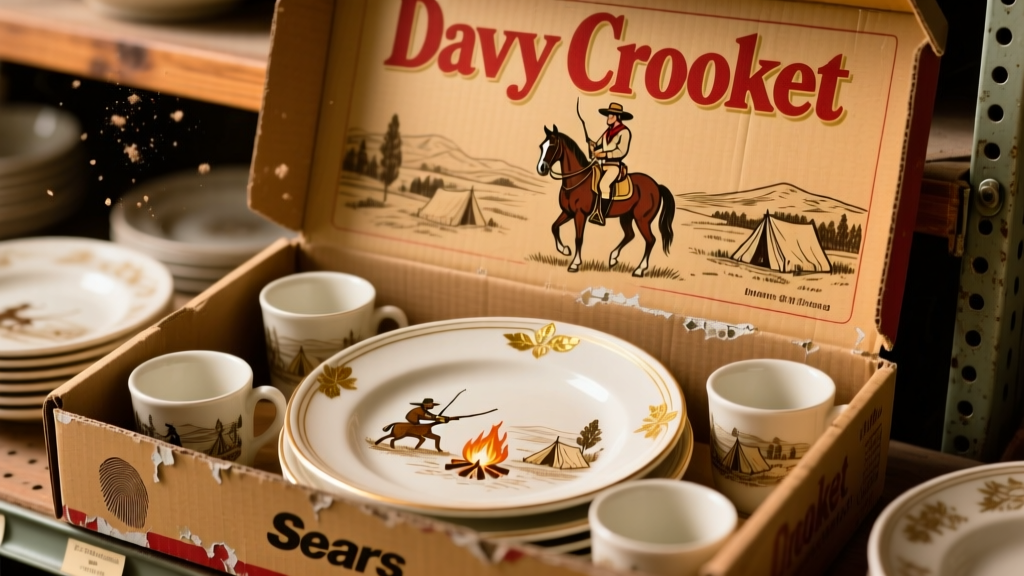
The Davy Crockett Dinner Set: Sears, Roebuck & Co.’s 1950s Pop Culture Phenomenon in Porcelain and Packaging
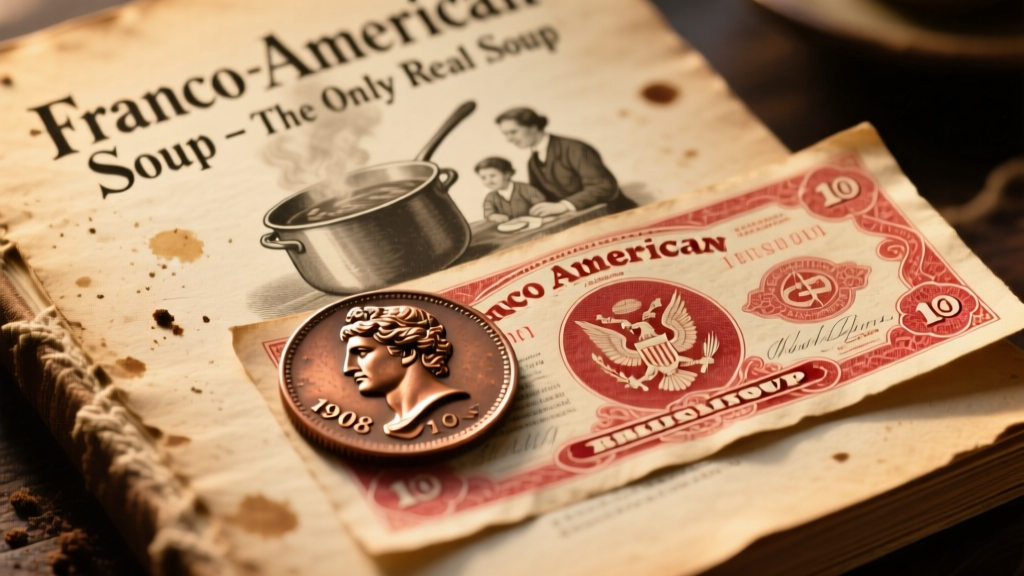
The 1908 Franco-American Soup Advertising Booklet: A Landmark in Early American Food Marketing and Numismatic Americana
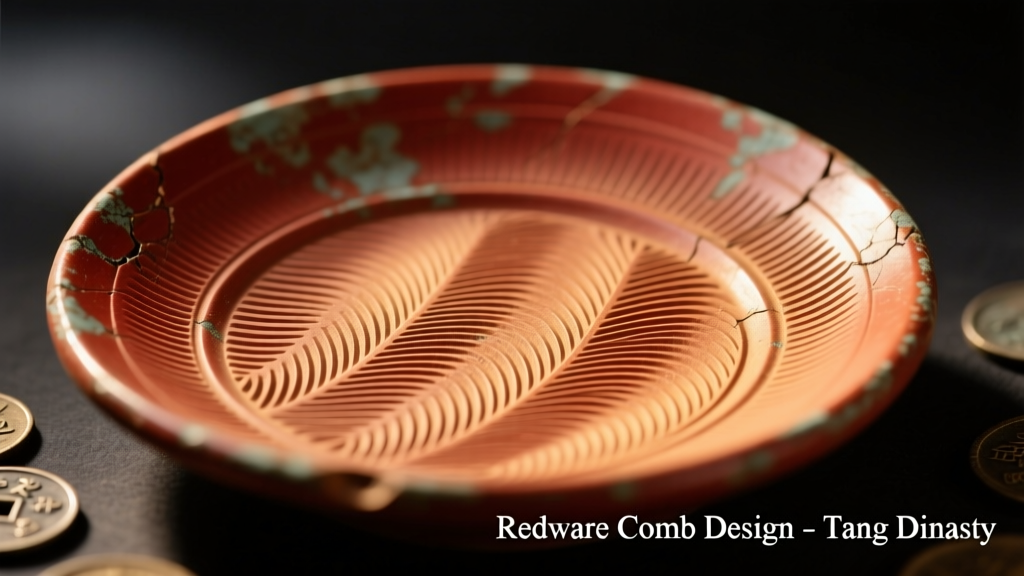
Redware Plate Comb Design: A Numismatic and Ceramics Cross-Disciplinary Study of 19th-Century American Pressed Glass Patterns

The Sports Football Bottle: Cowboys Barbeque Sauce 7-Inch Illus — A Numismatic Oddity in Vintage Americana
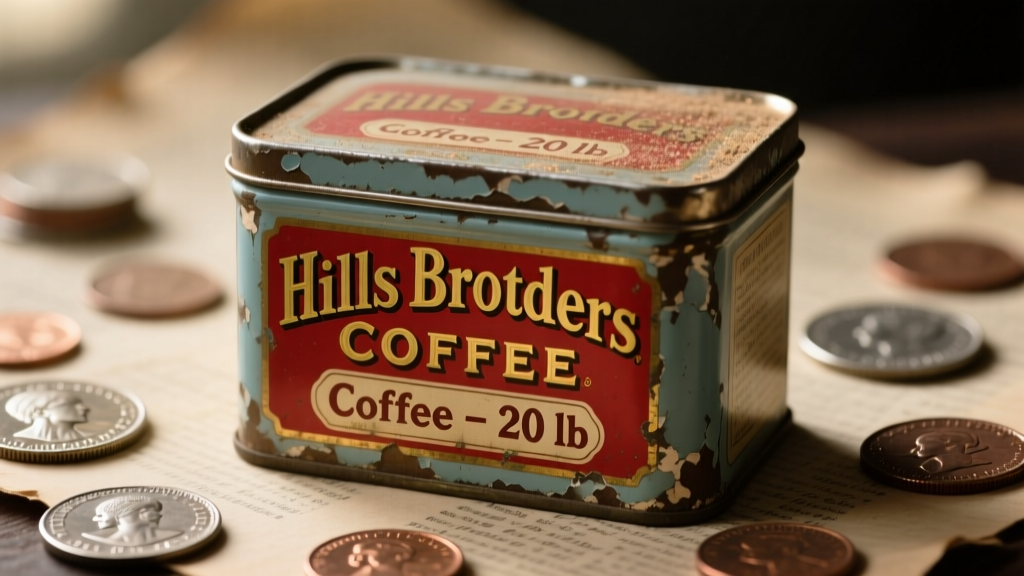
Advertising Tin: Hills Brothers Coffee 20-Lb Tin — History, Identification, and Collector Value
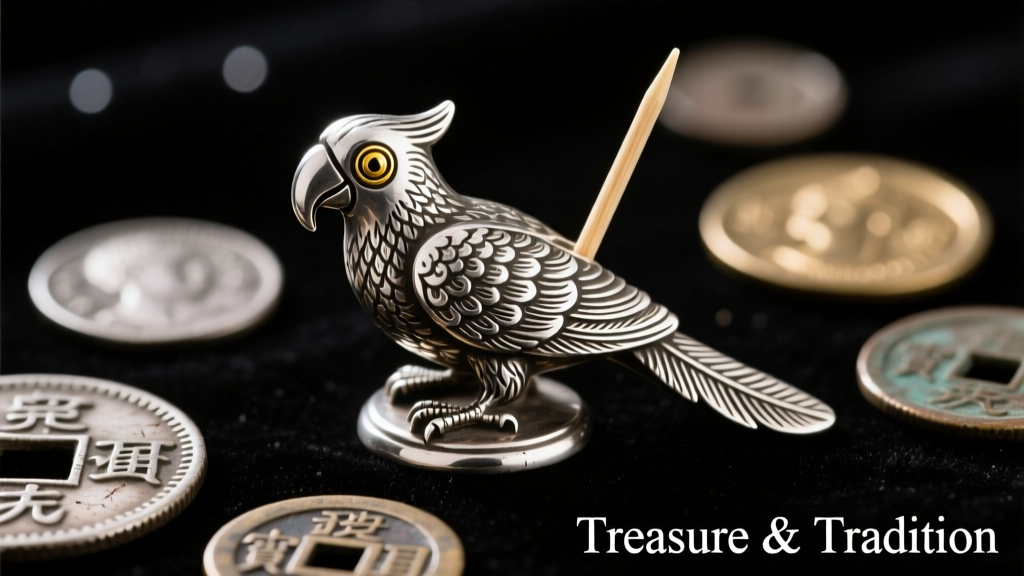
Toothpick Holders with Parrot Motifs: Silver-Plated Collectibles from the Gilded Age to Mid-Century America
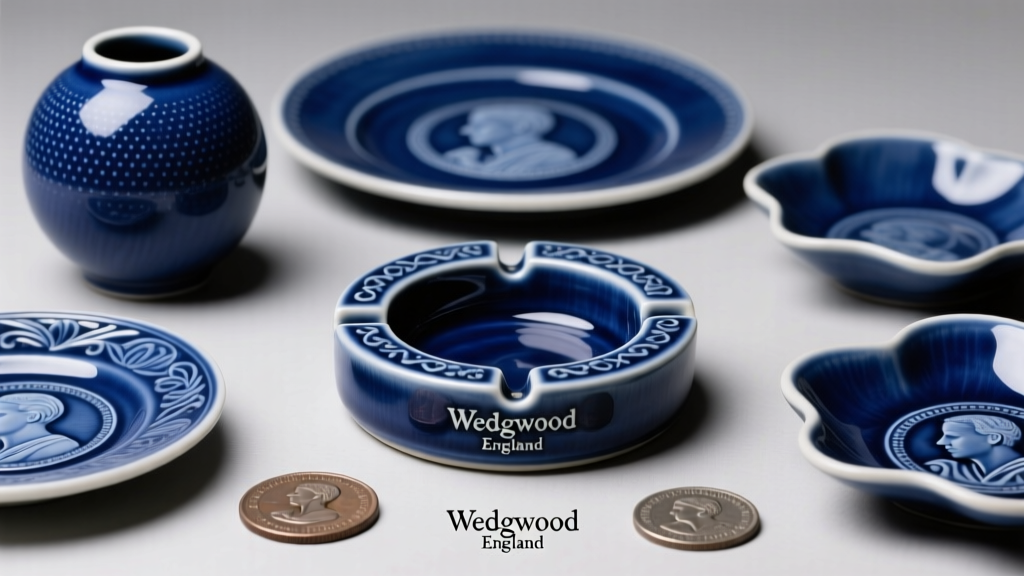
The Many Shapes of Post-1930 Wedgwood: Form, Function, and Factory Evolution in British Ceramics

Betty Formaz Moss Doll (1974): Brown Plastic Head & Hands, Cloth Body — Identification, Production History, and Market Value Analysis
Ohr Bowl: Crimped 4-Lobed Speckled Green Glaze Over Orange Clay, Signed '3 3 4' — Authentication, Provenance, and Market Value Analysis