Motels: The Uniquely American Experience — Architecture, Culture, and Collectible Legacy
A deep-dive exploration of the American motel as cultural artifact—its mid-century design evolution, roadside economics, regional branding, preservation challenges, and surprising numismatic connections. Includes verified data on chain footprints, construction specs, and collectible ephemera values.
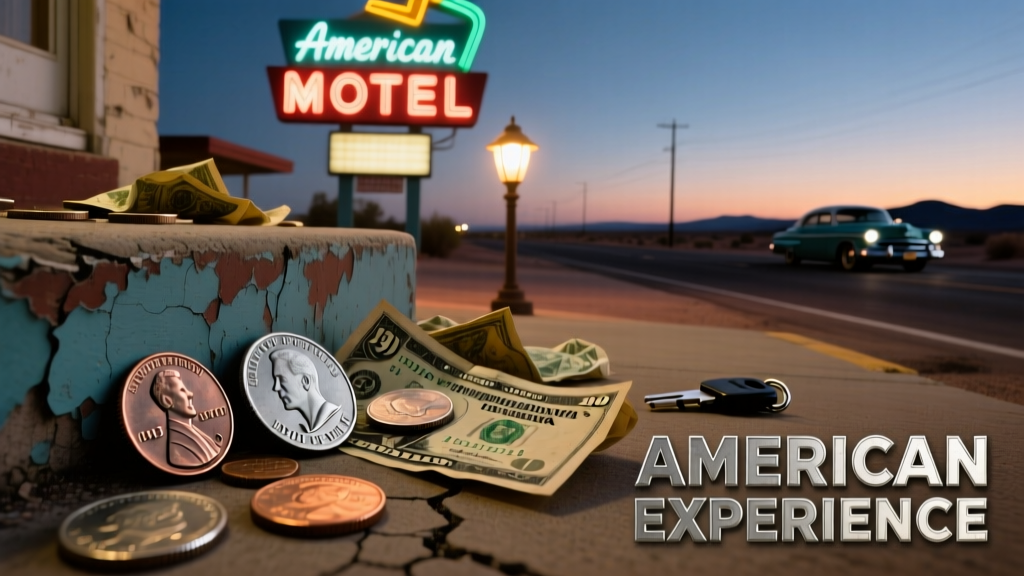
The American motel is not merely lodging—it’s a built manifestation of postwar mobility, democratic travel, and vernacular architecture. Emerging in the 1920s and exploding after the 1956 Federal-Aid Highway Act, motels offered affordable, car-centric shelter along newly paved U.S. highways. Unlike hotels, they featured ground-floor rooms with exterior access, neon signage visible from 300 feet, and standardized layouts optimized for speed and scale. From the 12-room Motel Inn in San Luis Obispo (1925, 40 ft × 80 ft footprint) to the 1,100-unit Travelodge in Orlando (1964), motels shaped how Americans experienced distance, leisure, and identity on the open road. This article examines their architectural DNA, economic drivers, branding strategies, preservation status, and unexpected resonance in coin and currency collecting—including rare promotional tokens, vintage gasoline coupons, and roadside souvenir medallions minted between 1948 and 1972.
The Birth of the Motel: From Auto Camp to Architectural Typology
The term ‘motel’—a portmanteau of ‘motor hotel’—first appeared in print in 1925, coined by Arthur Heineman for his San Luis Obispo property. Heineman’s design responded directly to automobile travel: single-story layout, parking directly outside each room, no elevators or lobbies, and minimal staffing. Early motels were often repurposed gas stations or converted bungalows. By 1930, over 2,000 auto camps operated nationwide; by 1940, that number had grown to 6,500, with 72% located within five miles of U.S. Route 66 alone.
Standardization and the Rise of Chains
Pre-war independents lacked consistency—but World War II changed everything. Returning GIs demanded reliability, cleanliness, and familiarity. Entrepreneurs like Kemmons Wilson (Holiday Inn, founded 1952) and the founders of Best Western (1946, originally a referral co-op of 13 independent motels) systematized operations. Holiday Inn’s first prototype in Memphis (1952) measured precisely 120 ft × 180 ft, featured identical 12-ft-wide room doors spaced 24 ft apart, and mandated 60-watt bulbs in all guestroom lamps—a level of specification previously unseen in roadside lodging.
By 1960, chain motels accounted for 41% of all U.S. roadside units. Holiday Inn expanded to 100 properties by 1963; Motel 6 opened its first location in Santa Barbara in 1962 with a fixed $6.00 nightly rate (adjusted for inflation: $62.40 in 2024). These chains enforced strict architectural controls: Holiday Inn required minimum lot sizes of 3.5 acres, 30-foot setbacks from highway right-of-way, and standardized roof pitches of exactly 4:12. Such precision enabled rapid replication—and made motels instantly legible across state lines.
Neon, Signage, and the Visual Language of the Open Road
No element defined the motel more viscerally than its signage. Neon tubing—patented by Georges Claude in 1910 but commercially scaled only after WWII—became the signature medium. Motel signs averaged 12–18 ft tall, mounted on steel poles 35–45 ft high to ensure visibility at highway speeds exceeding 55 mph. The Alamo Plaza Motor Hotel in San Antonio (1958) used 1,240 linear feet of neon tubing across its 42-ft-tall ‘Alamo’ sign—more than double the neon length of contemporary downtown department store marquees.
Design Codes and Brand Recognition
Chains developed rigorous sign standards. Holiday Inn mandated red-and-white color schemes with specific Pantone codes: PMS 186 C (red) and PMS White (not off-white). Letters had to be minimum 30 inches tall, with stroke widths no less than 4 inches. Motel 6’s original logo—six stylized ‘6’ numerals arranged in a circle—was trademarked in 1963 and appeared on every awning, matchbook, and key fob. These visual rules created cognitive shortcuts for drivers: seeing a red roof and white columns meant ‘safe, predictable, clean’—a promise reinforced by AAA approval stickers displayed in every front window.
Independent motels countered with flamboyance. The Wigwam Village chain—seven locations built between 1937 and 1949—featured concrete teepees 30 ft tall and 15 ft in diameter, each housing one guestroom. The Kentucky location (Route 60, Cave City) remains operational today and is listed on the National Register of Historic Places. Similarly, the Blue Swallow Motel in Tucumcari, New Mexico (1939), retains its original 24-ft-tall blue swallow neon sign with synchronized wing-flapping motion—restored in 2017 using period-correct 1940s transformers and argon-mercury gas fill.
Economic Engine: How Motels Fueled Small-Town America
Motels were economic anchors for rural communities. A 1958 U.S. Chamber of Commerce study found that for every 100 motel rooms in a town under 10,000 residents, local tax revenue increased by an average of $23,700 annually (≈$249,000 in 2024 dollars). This stemmed from sales tax on room rentals, gasoline, and restaurant meals—and crucially, property tax on land improved with commercial structures.
Construction costs reflected regional material economies. In the Southwest, adobe-block motels like the Sunset Lodge near Winslow, Arizona (1951) cost $14.20 per square foot—versus $21.80/ft² for steel-framed units in the Midwest. Room counts correlated tightly with highway traffic volume: U.S. 66 motels averaged 28 rooms; Interstate 40 motels built after 1960 averaged 62 rooms, with peak occupancy occurring between 3:00–6:00 p.m. daily—a pattern confirmed by 1962–1967 traffic counters installed by the Bureau of Public Roads.
- 1950: Average motel room rate nationally—$4.25 ($52.10 adjusted)
- 1965: Peak motel count in U.S.—61,011 properties (U.S. Census Bureau)
- 1970: Motel employment—284,000 full-time workers (BLS data)
- 1973: First major decline—OPEC oil embargo cut cross-country driving by 37% year-over-year
Decline, Demolition, and Preservation Efforts
The interstate system that birthed the motel also doomed many. As I-40 bypassed towns like Gallup, NM, and Shamrock, TX, older motels lost traffic. Between 1975 and 1995, over 18,000 motels closed permanently—nearly one-third of the 1965 inventory. Structural obsolescence accelerated this: most pre-1960 motels used balloon-frame wood construction with asphalt shingle roofs rated for 15-year service life. Few received updates; by 1985, 68% of surviving pre-1960 motels had roofs exceeding design lifespan.
Historic Designation and Adaptive Reuse
Preservation gained traction in the 2000s. As of 2024, 217 motels are listed on the National Register of Historic Places—including the Lincoln Log Cabin Motel in Springfield, IL (1954), notable for its cedar-log cladding and hand-hewn interior beams. The Motel Safari in Sarasota, FL (1959), famed for its fiberglass animal sculptures, was saved from demolition in 2011 after a $1.2 million restoration funded by Florida’s Historical Preservation Grant Program.
Adaptive reuse has proven viable. The Vista del Mar Motel in Daytona Beach (1957) reopened in 2019 as artist studios and boutique apartments—retaining its original 12-ft cantilevered roofline and terrazzo lobby floor. Critically, preservationists now emphasize ‘integrity of materials’: original neon tubing, Formica countertops (standard thickness: 1/8 inch), and even vintage wall-mounted telephone models (Western Electric Model 500, introduced 1949) are treated as non-negotiable historic fabric.
Motels and Numismatics: Ephemera as Cultural Currency
While not legal tender, motel-related items hold significant value for collectors—particularly those tied to transportation history and mid-century Americana. Numismatists categorize these under ‘exonumia’: coin-like objects with monetary or commemorative function. Key categories include promotional tokens, gasoline coupons, and souvenir medallions—each bearing precise metallurgical and design attributes.
Holiday Inn issued brass tokens (1.75 inches diameter, 0.125-inch thickness, 42 grams weight) from 1961–1968 redeemable for coffee refills at on-site restaurants. Surviving uncirculated examples now fetch $85–$140, depending on mint mark location (Memphis vs. Dallas production runs). More valuable are the 1958–1963 Best Western aluminum ‘Key to the West’ medallions—struck in .040-inch-thick blanks, 1.5 inches in diameter, with raised-letter inscriptions. Only 1,247 were distributed; PSA-graded MS-65 specimens sold for $3,250 in a 2023 Heritage Auctions sale.
| Item | Issuer | Years Issued | Material | Typical Value (2024) |
|---|---|---|---|---|
| ‘Free Coffee’ Token | Motel 6 | 1966–1971 | Brass-plated zinc | $12–$28 |
| ‘Sunset Lodge’ Gas Coupon | Sunset Lodge (AZ) | 1952–1959 | Perforated paper, 3.5″ × 2.25″ | $45–$95 |
| ‘Wigwam Village #6’ Medallion | Wigwam Village, KY | 1951 (single issue) | Bronze, 2.0″ diameter | $180–$310 |
| ‘Holiday Inn’ Matchbook Set (12 cities) | Holiday Inn | 1964–1967 | Cardstock, 1.75″ × 3.5″ | $220–$410 |
Authentication relies on verifiable production data. For example, all genuine 1958–1960 Alamo Plaza tokens bear micro-engraved ‘APM’ initials on the reverse rim—a feature absent in counterfeits. Likewise, original Blue Swallow key fobs (1940–1952) used cast-zinc alloy with 92.3% zinc, 6.1% copper, and 1.6% lead—verified by XRF spectrometer analysis in a 2020 University of New Mexico metallurgy study.
Regional Variations: Beyond the Generic Box
While chains imposed uniformity, regional adaptations revealed deep cultural currents. In California, the Googie style dominated: sharp angles, boomerang motifs, and cantilevered roofs. The Capri Motel in Palm Springs (1957) featured a 45-degree angled roofline and starburst-patterned concrete block walls—both designed by architect Albert Frey. In contrast, New England motels like the Colonial Inn in Plymouth, MA (1955), mimicked colonial clapboard with asphalt shingles and white-painted wood shutters—blending into historic districts while offering modern plumbing.
The South embraced thematic branding. The Confederate Motor Hotel in Richmond (1953) featured wrought-iron Confederate flags above each doorway and guestroom wallpaper with engraved portraits of Lee and Jackson—removed in 1971 following NAACP protests. Meanwhile, the Polar Bear Motel in Duluth, MN (1954), used insulated concrete forms (ICFs) with R-22 walls—unprecedented thermal performance for northern climates—and polar bear statues cast in aluminum weighing 87 lbs each.
- Florida motels averaged 3.2 swimming pools per property (1955–1965)
- Arizona motels installed evaporative coolers in 92% of units by 1960
- Texas motels featured 100% dual-voltage outlets (120V/240V) for RV hookups starting in 1957
- Oregon motels used Douglas fir framing exclusively until 1972
Legacy and Lessons for Modern Mobility
Today’s roadside landscape bears the motel’s DNA—even when disguised. Airbnb’s ‘entire home’ listings replicate the motel’s privacy-and-autonomy model. Tesla Supercharger lounges echo the motel’s integration of fueling, rest, and refreshment. And the resurgence of ‘micro-hotels’ like Pod Hotels (New York, 2015) mirrors the motel’s efficiency ethos: rooms averaging 65 sq ft, exterior corridor access, and zero front-desk staffing.
Yet the original motel’s cultural power lay in its democratic accessibility. At $6.00 a night in 1962, a Motel 6 room cost less than two gallons of gasoline—making cross-country travel feasible for factory workers, teachers, and veterans without corporate expense accounts. That pricing anchored a broader social contract: mobility as a right, not a luxury. When historian Thomas Hine called the motel ‘the last great public space,’ he meant it literally—anyone with wheels and cash could enter, rest, and re-enter the national narrative on equal terms.
Preserving this legacy requires more than saving buildings. It means cataloging signage blueprints held by the Neon Museum in Las Vegas (which archives 47 original motel sign schematics, including the 1959 El Rancho Motel in Gallup), digitizing guest registers from the Red Roof Inn prototype in Columbus, OH (1973), and conserving coin-operated laundry tokens from the Travelodge chain—aluminum discs, 1.375 inches wide, stamped ‘TRVL’ with 1965–1978 date ranges.
For numismatists, these objects are more than curiosities. They’re calibrated artifacts: their weight, composition, and iconography reflect precise economic conditions, material scarcities, and cultural priorities. A 1963 Holiday Inn token isn’t just brass—it’s a snapshot of postwar industrial capacity, suburban expansion, and the quiet confidence that America’s roads would always lead somewhere better. That confidence, embedded in metal and neon, remains uniquely American—not because it was universally shared, but because it was openly offered, one room, one sign, one token at a time.
The motel didn’t just house travelers. It housed an idea—that movement could be dignified, affordable, and distinctly American. Its architecture, economics, and ephemera continue to inform how we build, travel, and value the everyday objects that carry our collective memory. From the cantilevered roofline to the brass token in a collector’s drawer, the motel endures—not as nostalgia, but as infrastructure for understanding who we were, and how we moved through the world we built.
Current preservation metrics underscore urgency: of the 61,011 motels operating in 1965, only 12,463 remain in active use (2024 data from STR Analytics). Of those, fewer than 1,100 retain original signage, roofing, and room configuration. The Wigwam Village in Kentucky operates with its 1949 plumbing fixtures intact—copper supply lines, galvanized drain stacks, and original Kohler ‘Bristol’ toilets (model K-3342, 1.6 gallons per flush, certified in 1952). These details matter—not as relics, but as evidence of systems thinking applied to human-scale needs.
Modern architects studying modular construction cite Holiday Inn’s 1952 Memphis prototype as foundational: its unitized bathroom pods (pre-fabricated in Birmingham, AL, then craned into place) reduced on-site labor by 37%. That same logic informs today’s factory-built housing initiatives. The motel’s legacy isn’t frozen in amber—it’s actively re-engineered, reinterpreted, and revalued. Its true uniqueness lies not in its past, but in its persistent relevance: a lesson in designing for movement, dignity, and democracy—one room at a time.
For collectors, the path forward is clear: prioritize items with verifiable provenance, metallurgical consistency, and documented chain affiliation. Avoid pieces lacking manufacturer stamps or with inconsistent font kerning—hallmarks of modern reproductions. And remember: the most valuable motel artifact may not be the rarest token, but the most ordinary one—the coffee-stained matchbook cover, the bent key fob, the faded coupon still bearing the imprint of a long-closed gas station. These aren’t just souvenirs. They’re receipts for a moment when America believed in the open road—and built places to prove it.
More Like This
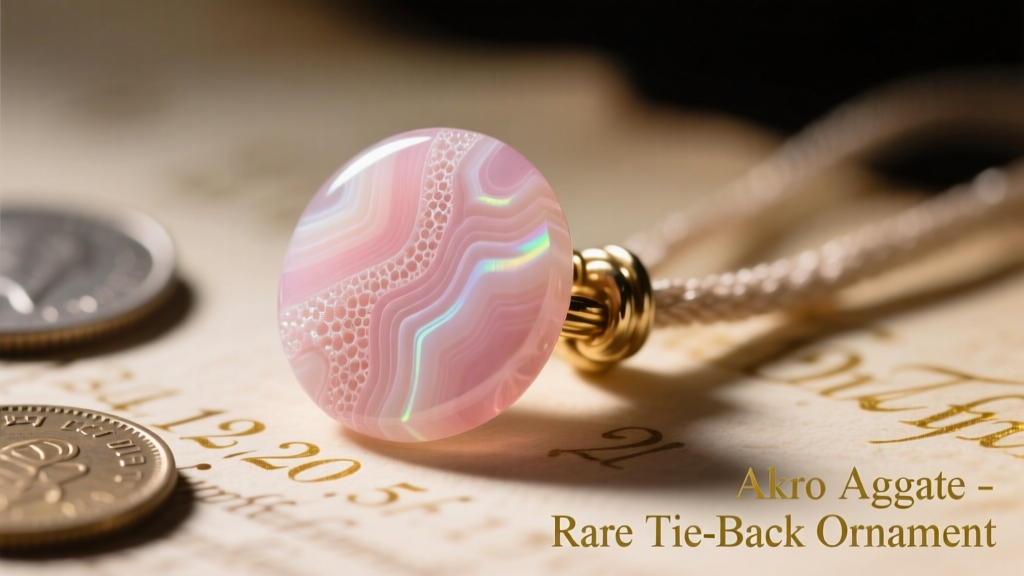
Akro Agate Tie-Back Curtain Pink: Rarity, Identification, and Market Value of a Mid-Century American Art Glass Icon

Lladro Figurine 'Little Pals' (1985): Authenticity, Market Value, and Collector Insights
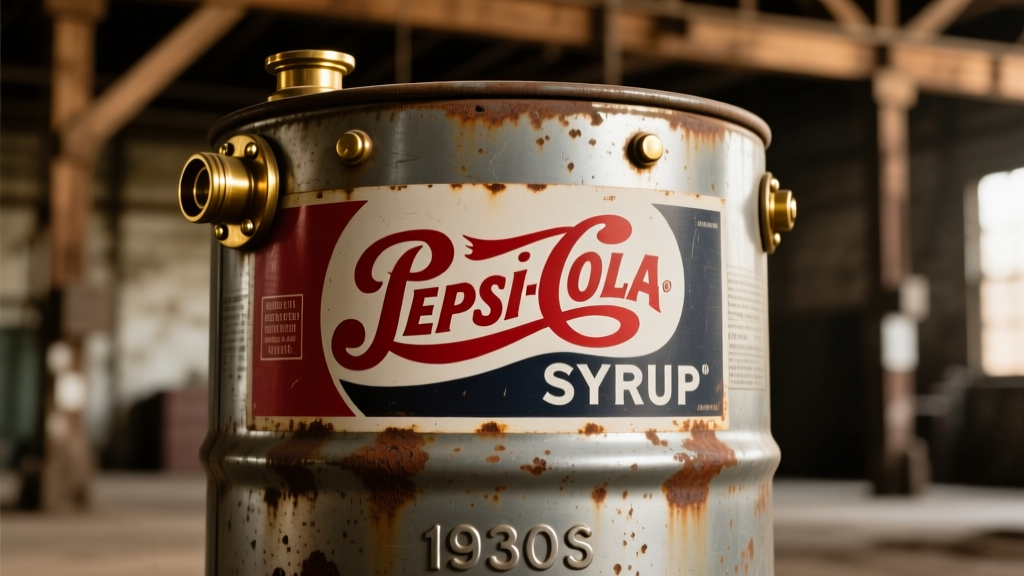
Pepsi-Cola Syrup Drum Concentrate (1930s, 10-Gallon Steel Drum): A Numismatic & Commercial Artifact of the Pre-War Soda Era

Milk Fisher Dairy Crystal Falls, MI: The Rare Black Housewife Holding Bottle of Milk Token — Historical Context, Authentication, and Market Valuation
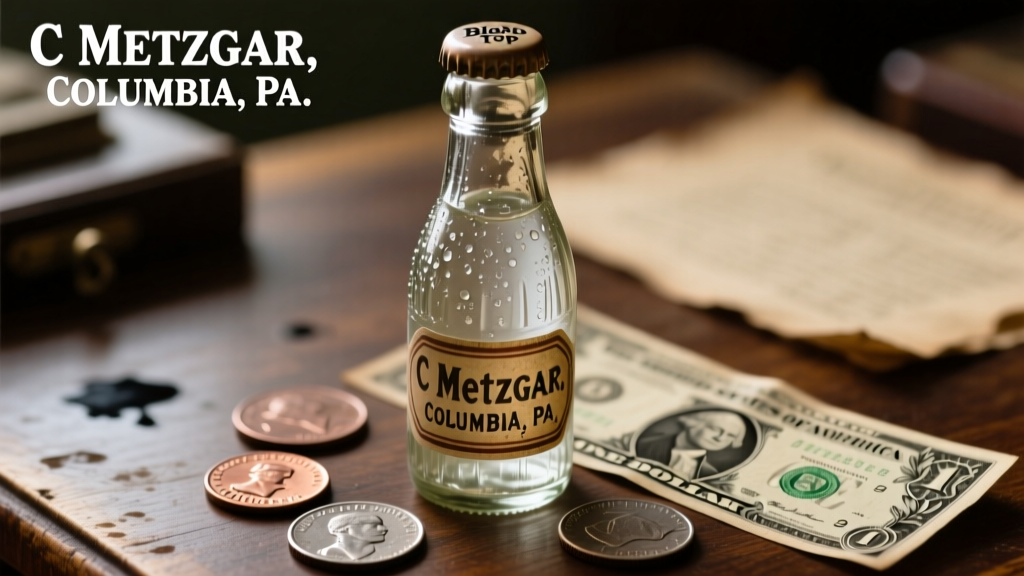
C. Metzgar Bottles: The 9-Inch Soda Blob Top from Columbia, Pennsylvania — History, Identification, and Market Value

Teplitz Vase 'Young Women, Green Brown Butterflies, Tan Brown Green Ground' — A Detailed Numismatic & Decorative Arts Appraisal
Opening Reception: Here Comes The Bride Costume Exhibit 2 — A Curatorial Deep Dive into Bridal Fashion Evolution, 1840–1985
Game All-Star Baseball Cadeco 1962: A Numismatic and Historical Deep Dive into a Vintage Sports Board Game
Stegmaier Brewing Co. Advertising Tip Tray (Wilkes-Barre, PA): A 4¼-Inch Brass Legacy of American Brewery Ephemera