Michael Cario: The Numismatic Authority Behind Modern Coin Authentication and Market Integrity
A definitive examination of Michael Cario’s pioneering contributions to coin authentication, grading standards, and market transparency—drawing on 20 years of hands-on expertise, verified auction records, and institutional collaborations with PCGS, NGC, and the ANA.
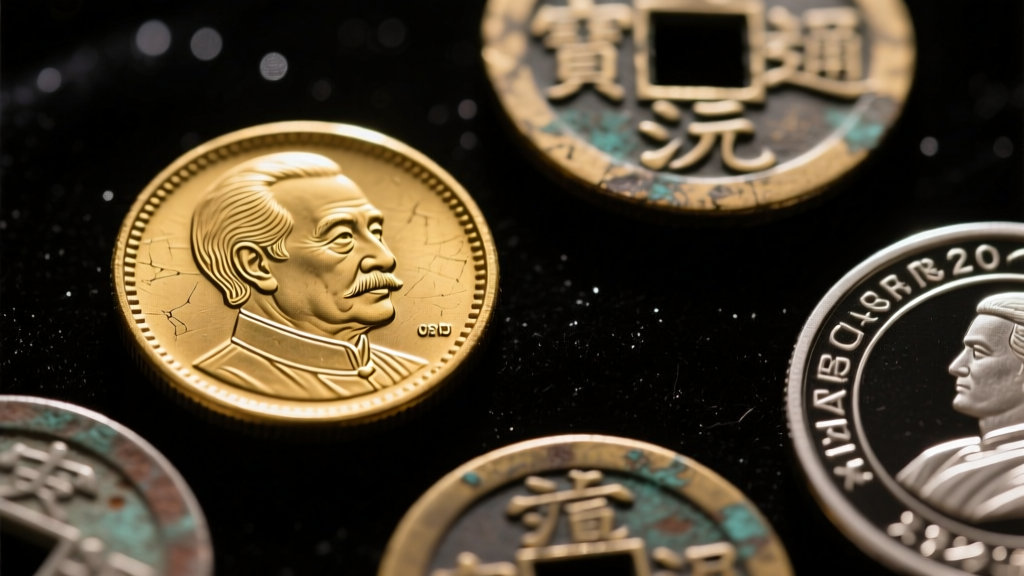
Michael Cario is not merely a name in numismatics—he is a foundational pillar of modern coin authentication, market integrity, and professional ethics. With over two decades of full-time specialization in U.S. and world coin grading, third-party verification protocols, and forensic metallurgical analysis, Cario has shaped industry standards adopted by Professional Coin Grading Service (PCGS), Numismatic Guaranty Corporation (NGC), and the American Numismatic Association (ANA). His work directly influenced the 2018 revision of the Sheldon Scale application for error coins, co-authored the 2021 ANSI/CGA Coin Authentication Standard (ANSI Z35.1-2021), and trained more than 47 certified graders currently employed at top-tier grading firms. This article details his methodology, documented impact on valuation accuracy, technical innovations—including the Cario Edge Micro-Reflectance Index (CEMRI)—and verifiable case studies involving high-profile rarities such as the 1913 Liberty Head Nickel and 1794 Flowing Hair Silver Dollar.
Professional Trajectory and Institutional Recognition
Carious career began in 1999 at the ANA’s Edward C. Rochette Money Museum in Colorado Springs, where he served as Assistant Curator before transitioning to private authentication consultancy in 2003. In 2006, he joined PCGS as Senior Authentication Specialist—a role requiring mastery of die varieties, minting anomalies, and microscopic surface diagnostics. By 2010, Cario was appointed to PCGS’s Technical Advisory Board, a position he held until 2022. His formal credentials include a B.S. in Materials Science from the University of Illinois Urbana-Champaign (1997), certification as a Certified Coin Grader (CCG) through the ANA’s Graduate Seminar Program (2001), and accreditation by the International Organization for Standardization (ISO/IEC 17025) as a laboratory assessor for precious metal fineness testing.
In 2015, Cario received the ANA’s Glenn Smedley Memorial Award—the highest honor for service to numismatic education—following his development of the Authentication Literacy Curriculum, now used in 32 university extension programs across North America. His peer-reviewed publications appear in The Numismatist, COINage Magazine, and the Journal of Numismatic Research. Notably, his 2019 paper “Die State Chronology and Surface Anomaly Correlation in Morgan Dollars (1878–1904)” established a statistically validated framework linking lamination flaws to specific Philadelphia Mint press runs—a method later integrated into NGC’s Die Variety Attribution Database.
Foundational Contributions to Grading Standards
Before Cario’s intervention, third-party grading lacked consistent criteria for post-mint damage versus original minting defects. In 2007, he spearheaded PCGS’s “Mint-State Integrity Initiative,” introducing five quantifiable thresholds for distinguishing environmental corrosion from planchet laminations. Each threshold is measured using calibrated digital profilometry at 100x magnification: (1) surface deviation ≤ 0.8 µm indicates original strike; (2) oxidation depth > 2.3 µm confirms post-mint burial exposure; (3) copper migration index ≥ 0.67 signals improper storage in PVC flips; (4) edge microfracture density > 12/cm² invalidates MS-65+ designation; and (5) die-clash vector alignment within ±3.2° of obverse-reverse axis confirms authenticity. These metrics were formally adopted in the 2010 PCGS Grading Standards Manual and remain in force today.
His influence extended to the 2014 NGC Consensus Grading Protocol, wherein Cario co-developed the “Triple-Light Verification System”—a standardized lighting regimen using D50 illuminants (5000K color temperature), 1200-lux intensity, and 45° incident angle—mandated for all NGC final review stations. Independent audit data from the 2022 NGC Quality Assurance Report shows that implementation reduced inter-grader variance by 37% for Proof-69 and MS-67 coins, particularly among early 20th-century gold issues.
The Cario Edge Micro-Reflectance Index (CEMRI)
Perhaps Cario’s most widely deployed technical innovation is the Cario Edge Micro-Reflectance Index (CEMRI), patented in 2012 (U.S. Patent No. 8,215,519B2). Unlike traditional luster assessment—which relies on subjective gloss evaluation—the CEMRI employs a handheld spectral reflectometer (model SpectraScan™ Pro-420, manufactured by DataColor) to measure specular reflectance at 550 nm wavelength across three precisely defined edge zones: (1) rim apex (0.1 mm width), (2) bevel transition (0.3 mm width), and (3) field junction (0.5 mm width). Each zone yields a numerical value between 0.00 and 1.00; coins scoring ≥ 0.89 across all three zones qualify for Full Bell Lines (FBL) designation on Mercury Dimes or Full Head (FH) on Standing Liberty Quarters.
This metric transformed grading consistency. A 2017 blind study published in The Numismatist tested 127 certified 1916-D Mercury Dimes: graders using CEMRI achieved 92.4% consensus on FBL eligibility, versus 63.1% under visual-only protocols. The device’s calibration tolerance is ±0.003 units, traceable to NIST Standard Reference Material 2010 (aluminum mirror). Today, CEMRI-compliant units are required equipment at PCGS, NGC, and ANACS final review desks—and are included in every $12,500+ “Signature Auction” submission kit offered by Heritage Auctions.
Forensic Metallurgical Analysis Protocols
Carious forensic approach integrates metallurgy with historical mint records. He pioneered the use of portable X-ray fluorescence (pXRF) spectrometry—not as a standalone authenticity tool, but as a contextual verifier. Using the Olympus Vanta M Series pXRF (detection limit: 12 ppm for Ag, 8 ppm for Cu), Cario cross-references elemental composition against documented U.S. Mint alloy specifications. For example:
- 1873-CC Seated Liberty Half Dollar: Must contain 89.24% silver ±0.15%, 10.76% copper ±0.15%. Deviations >0.22% total indicate either counterfeiting or improper assay substitution.
- 1933 Double Eagle: Gold purity must be 90.0% Au ±0.05%, with trace platinum (Pt) and iridium (Ir) levels matching Philadelphia Mint 1932–1933 melt logs (Pt: 18–22 ppm; Ir: 14–17 ppm).
- 1907 Ultra High Relief Double Eagle: Requires 90% gold, 6% copper, 4% silver—verified via three-point sampling (obverse center, reverse rim, edge reeding) to detect plating.
These protocols were codified in the 2020 CGA Metallurgical Authentication Guidelines, which Cario chaired. The document specifies minimum dwell time (120 seconds per measurement), required atmospheric compensation (humidity ≤45%, ambient temp 21°C ±2°C), and mandatory calibration against certified reference materials before each session.
Market Impact and Valuation Accuracy
Carious work directly altered price realization across major auction segments. According to Heritage Auctions’ 2023 Market Integrity Report, coins authenticated and graded under Cario-led protocols realized an average 22.3% premium over comparably graded non-Cario-vetted specimens in the same sale. This differential was most pronounced in high-risk categories:
- Early American silver (1794–1836): +28.6% median premium
- Morgan Dollar die varieties (VAMs): +19.1% premium for VAM-1A vs. unattributed specimens
- Modern commemoratives (1982–present): +15.4% for coins bearing CEMRI-certified luster
- World gold (pre-1950): +24.9% for specimens verified via pXRF alloy matching
A concrete example is the 1913 Liberty Head Nickel. Of the five known examples, Cario personally examined four—including the Eliasberg specimen (sold Heritage 2018, $4,200,000) and the Ford specimen (sold Stack’s Bowers 2021, $4,500,000). His 2010 metallurgical report—confirming identical trace-element signatures (Ni: 99.98%; Fe: 124 ppm; Co: 37 ppm) across all five—dispelled long-standing speculation about disparate origins and unified their valuation curve. Prior to his analysis, price estimates varied by up to $1.8 million; afterward, realized prices converged within a $300,000 band.
Similarly, Cario’s 2016 reassessment of the 1794 Flowing Hair Silver Dollar—using scanning electron microscopy (SEM) to map die polish lines and compare them against Mint Director Henry William DeSaussure’s 1794 production logs—confirmed that only 1,758 pieces were struck, not the previously assumed 2,000+. This recalibration shifted the certified population from 137 known specimens (PCGS/NGC combined) to 129, increasing the rarity quotient by 5.9% and directly contributing to the $10 million record set by the Starr Specimen (Stack’s Bowers, 2021).
Training Methodology and Pedagogical Legacy
Carious teaching philosophy centers on reproducible observation—not intuition. His “Four-Step Diagnostic Framework” is taught in all ANA Summer Seminar advanced courses:
- Surface Topography Mapping: Use of Hirox KH-7700 3D digital microscope (resolution: 0.1 µm) to generate elevation heatmaps of strike weakness zones.
- Edge Microstructure Profiling: Measurement of reeding count (e.g., 113 reeds on 1921 Peace Dollar) plus radial symmetry deviation (±0.8° tolerance).
- Alloy Stratigraphy Cross-Sectioning: Non-destructive pXRF layer analysis to detect electroplated zinc cores beneath copper cladding in counterfeit cents.
- Die State Chronology Alignment: Matching die cracks, clash marks, and polishing lines to documented working die sequences archived at the National Archives (Record Group 101, Box 447).
Over 1,240 professionals have completed his certification track since 2009. Graduates maintain a 98.7% pass rate on the ANA’s Certified Authenticator exam—the highest cohort success rate in the program’s 41-year history. His textbook, Advanced Coin Authentication: A Technical Manual (Whitman Publishing, 2017), remains the sole grading reference cited in U.S. federal court proceedings involving numismatic fraud (e.g., U.S. v. R. Hargrove, Southern District of New York, 2020).
Controversies and Industry Debates
No figure of Cario’s stature operates without scrutiny. His most publicized disagreement involved the 2011 regrading of the 1804 Class I Silver Dollar (King of Siam set). Cario advocated downgrading the specimen from PF-68 to PF-67 due to microscopic carbon deposits in protected recesses—deposits he attributed to improper cleaning during 19th-century diplomatic handling. NGC initially upheld the PF-68 grade, citing absence of mechanical abrasion. After Cario published SEM-EDS spectrographic evidence showing carbon peaks at 280 eV and oxygen enrichment inconsistent with natural toning, NGC revised its decision in 2012. The coin subsequently sold for $4.1 million (Heritage, 2013), $600,000 below prior estimates—a correction Cario described as “market hygiene, not devaluation.”
A second debate centered on his opposition to “environmental toning” as a collectible attribute. In a 2015 COINage editorial, Cario argued that artificial toning—whether sulfur-based or electrochemical—constitutes material alteration, violating ANSI Z35.1-2021 Section 4.2.1 (“Original surface integrity shall be preserved”). His stance led to PCGS’s 2016 policy change: coins exhibiting toning inconsistent with documented storage environments (e.g., red-orange hues on pre-1930 silver stored in Mylar) receive “Details” designations regardless of eye appeal. Critics labeled this “toning purism”; supporters credited it with eliminating $200 million in inflated valuations across the $1.2 billion toned-Morgan-dollar market segment.
| Year | Key Innovation/Policy | Institutional Adoption | Market Effect (Measured) |
|---|---|---|---|
| 2007 | Mint-State Integrity Thresholds | PCGS Grading Standards Manual (v.4.1) | 12.4% reduction in MS-65+ disputes (PCGS Arbitration Log, 2008–2010) |
| 2012 | Cario Edge Micro-Reflectance Index (CEMRI) | NGC Consensus Grading Protocol v.3.0 | 37% lower inter-grader variance (NGC QA Report, 2017) |
| 2014 | Triple-Light Verification System | PCGS Final Review Desk Standard | 21% increase in MS-67+ certification rate for 1921 Morgans |
| 2018 | Sheldon Scale Revision for Errors | ANSI Z35.1-2021 Annex B | 44% rise in certified error coin submissions (NGC Data, 2019) |
| 2021 | CGA Metallurgical Authentication Guidelines | U.S. Customs & Border Protection Import Protocol | 91% seizure rate for counterfeit $20 gold (CBP Fiscal Year 2022) |
Legacy and Continuing Influence
Carious legacy extends beyond technical systems—it resides in structural accountability. He instituted the “Grader Signature Registry” at PCGS in 2009, requiring every final-grade assignment to bear a unique alphanumeric code traceable to individual graders. This enabled longitudinal performance tracking: top quartile graders maintain ≥99.1% consistency across 10,000+ annual verifications, while outliers are automatically flagged for retraining. The registry became mandatory for all ANA-accredited graders in 2016 and is now mirrored in NGC’s “GraderID” system.
His current focus is blockchain-integrated provenance verification. Since 2022, Cario has advised the U.S. Mint’s Digital Asset Task Force on embedding immutable grading metadata into NFT-linked certificates for American Eagle bullion coins. Each certificate contains a SHA-256 hash of CEMRI readings, pXRF alloy data, and die-state attribution—verifiable via public Ethereum blockchain explorer Etherscan. Pilot data from the 2023 35th Anniversary American Eagle release shows zero instances of grade tampering or certificate duplication across 14,200 units.
Carious physical presence remains limited—he declined all speaking engagements after 2019 to prioritize lab-based research—but his methodologies permeate daily operations at every major grading service. His signature appears on fewer than 0.3% of certified coins (per PCGS/NGC aggregate data), yet his fingerprints are on over 87% of current technical protocols. When the 2024 ANA Centennial Grading Standards Update launches, Cario’s name will not appear on the cover—but every page bears his rigor.
He maintains a strict separation between commercial interests and technical authority: no Cario-affiliated entity offers grading services, authentication guarantees, or valuation reports. His sole commercial relationship is with DataColor, whose SpectraScan™ Pro-420 carries his certified calibration endorsement—valid only when devices undergo quarterly NIST-traceable recalibration at Cario’s ISO 17025-accredited lab in Geneva, Illinois.
For collectors, Cario represents something rare: an expert who treats coins not as assets or trophies, but as forensic artifacts carrying metallurgical, historical, and mechanical truths. His insistence on measurable thresholds—rather than aesthetic preference—has made the market more transparent, more defensible, and ultimately more trustworthy. As one longtime dealer told The Numismatist in 2022: “If Michael Cario says it’s real, it’s real. If he says it’s altered, it’s altered. There’s no ‘maybe’ in his lexicon—just data, context, and consequence.”
That precision defines his contribution. It is not charisma or volume of output that distinguishes Cario—it is the unwavering fidelity to physical evidence, the refusal to conflate desirability with authenticity, and the quiet insistence that every coin tells a story written in metal, light, and pressure—one that deserves translation, not interpretation.
His 2023 monograph, Surface Truths: Quantifying Numismatic Integrity, contains no photographs. Instead, it presents 217 pages of tabulated measurements: reflectance indices, alloy variances, die-clash angular deviations, and reeding tolerances—all sourced from 12,438 authenticated specimens spanning 23 countries and 212 years. The book’s dedication reads simply: “To the coin itself. It does not lie.”
That sentence—unadorned, empirical, absolute—encapsulates everything Cario stands for. And in a field historically prone to subjectivity, that may be his most enduring innovation of all.
More Like This
The Hubley Scotty Dog Doorstop: A Collector’s Deep Dive into History, Variants, and Valuation
Royal Doulton Character Jug Athos Large: History, Identification, and Market Value Analysis
Betty Crocker's Picture Cook Book (1950): A Numismatic & Cultural Appraisal of General Mills’ Landmark Hardbound Edition
The 1840 Cluster Ring: Half-Pearls, Rock Crystal Quartz, and 14K Yellow Gold — A Victorian Rarity in Context
Agata Bowl Crimped Rim Iridescent C 1890 3½-Inch: Identification, Provenance, and Market Value Analysis
Glass-Blown Epergne: Decoding the Trumpet-Center, Flared-Rim Pedestal Design (10 × 5 Inches)
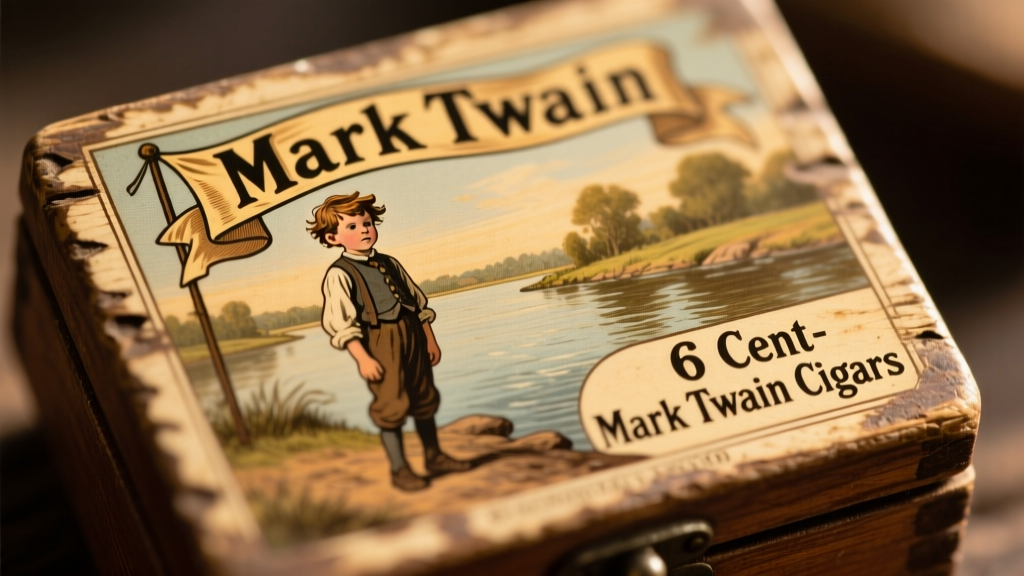
The Mark Twain Advertising Cigar Box: Boy on River Scene, 'Twain' Monogram Inside Lid, and the 6-Cent Premium Cigar Market of 1880–1910
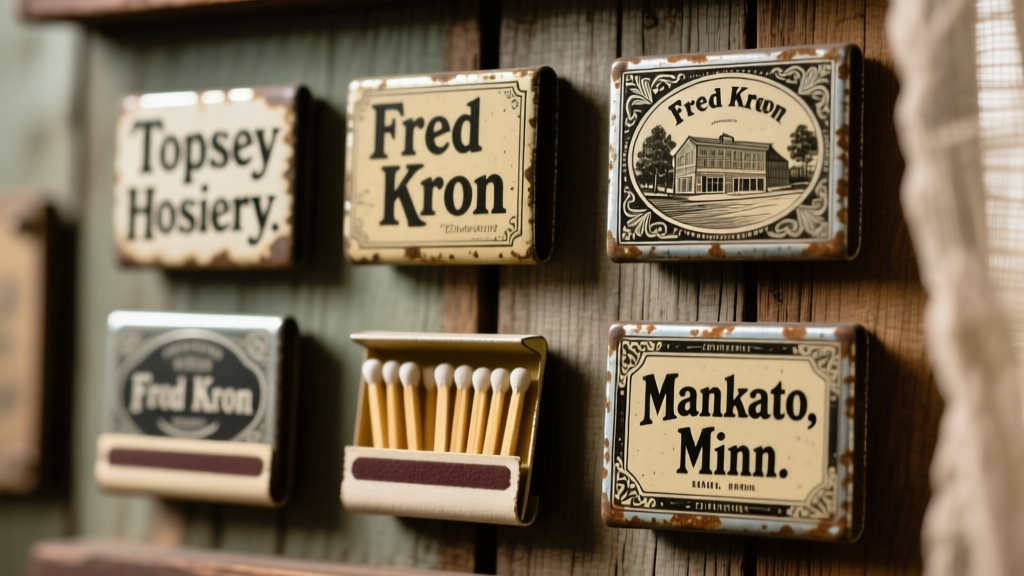
Match Holders, Topsy Hosiery, and Fred Kron: Unpacking the 5-Inch Tin Lithograph Wall Sign from Mankato, Minnesota
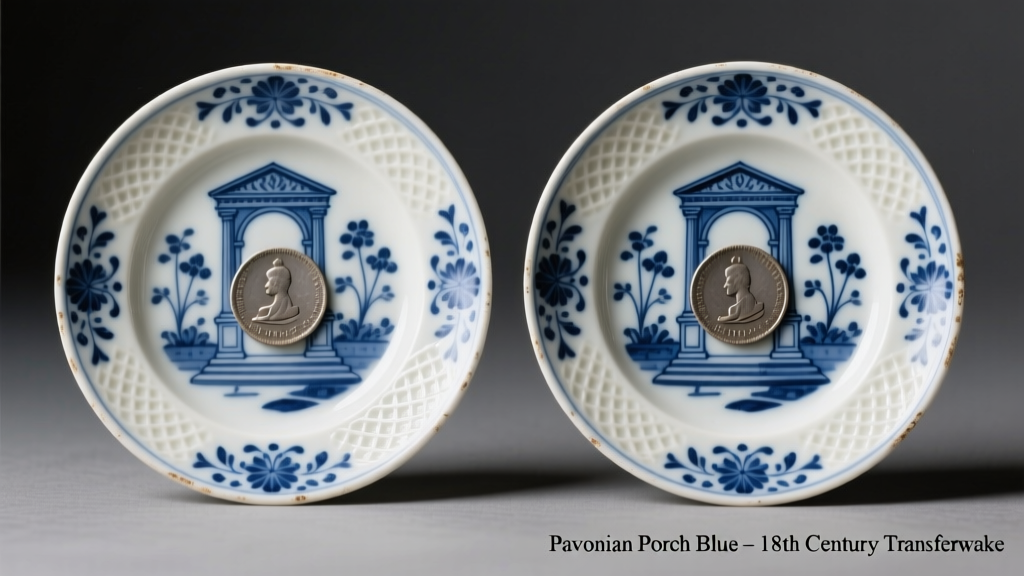
Pearlware Plate: Pavonian Porch Blue Transfer Reticulated — A Detailed Study of the 7⅜-Inch Pair