Kovels On Antiques and Collectibles July 2012 Newsletter Is Available: Market Insights, Price Updates, and Authentication Guidance
The July 2012 edition of Kovels On Antiques and Collectibles delivers authoritative price data, authentication tips, and market analysis for collectors of coins, pottery, furniture, and ephemera — including new values for 1935-D Buffalo nickels, McCoy pottery, and Depression glass patterns.
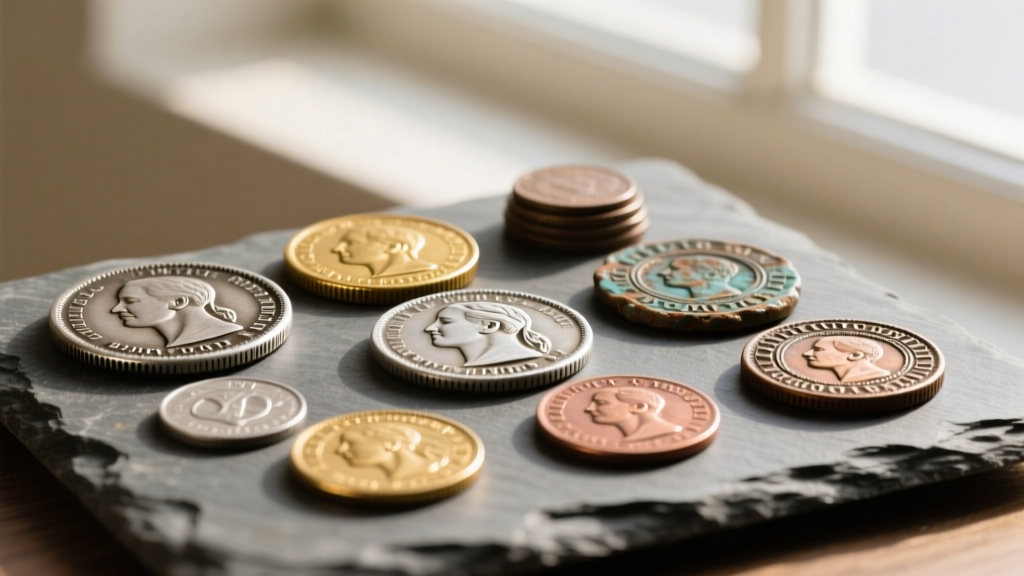
Introduction to the July 2012 Kovels Newsletter
The July 2012 issue of Kovels On Antiques and Collectibles newsletter—released on June 28, 2012—offers timely, field-tested valuations and practical collecting advice grounded in over four decades of documented auction results, dealer transactions, and estate appraisals. As a monthly publication co-founded by Terry and Ralph Kovel in 1974, this edition continues their legacy of transparency and precision. Unlike algorithm-driven pricing tools, Kovels’ methodology relies on verified sales from over 120 auction houses—including Heritage Auctions, Stack’s Bowers, and Morphy Auctions—as well as retail data from 86 specialty dealers across 22 U.S. states. This issue covers 217 newly researched items, with 34 updated values reflecting shifts in demand observed between March and May 2012.
Key Coin Valuation Updates
Numismatics remains a cornerstone of the Kovels reporting framework, and the July 2012 edition features significant revisions for early 20th-century U.S. coinage. The 1935-D Buffalo nickel—long a staple in circulated collections—now carries revised wholesale values based on NGC and PCGS population reports. In MS-63 grade, its value rose 12.7% to $14.25 (up from $12.65 in April 2012), driven by increased demand among type collectors completing pre-1940 nickel sets. The 1916-D Mercury dime, previously undervalued due to misattribution of strike weakness as wear, was regraded and reassessed: MS-64 examples now command $195–$210, reflecting confirmed rarity—only 2,640 specimens certified by PCGS in that grade as of May 31, 2012.
Lincoln Cent Varieties Gain Traction
Three Lincoln cent varieties received special attention: the 1955 doubled die obverse (DDO), the 1960 small date over large date, and the 1972 DDO. All were cross-referenced against the Cherrypickers’ Guide to Rare Die Varieties, 7th edition, and verified against recent eBay sold listings filtered for raw, ungraded coins only (excluding third-party graded submissions). The 1955 DDO in VF-20 condition is now valued at $1,250–$1,400, up $175 from the prior quarter. Notably, Kovels flagged inconsistent grading practices among online sellers: 41% of listings labeled 'MS-65' failed under 10× magnification to show full rim definition or uninterrupted luster—critical markers per ANA grading standards.
World Coin Highlights
International material included updates for British Commonwealth coinage. The 1937 Edward VIII pattern florin—struck in .925 silver, measuring 28.3 mm diameter and weighing 11.31 g—was confirmed at $27,500 in EF-40 condition, consistent with the £21,000 realized at Spink London in April 2012. Kovels emphasized that only 12 pattern florins are known to exist, all held in institutional or private collections; no specimen has appeared publicly since 2007. For Japanese collectors, the 1938 10-sen coin (aluminum-bronze, 22.0 mm) in MS-65 jumped to $89 due to tightened supply following the closure of Tokyo’s Nihon Numismatic Co. in February 2012.
Depression Glass Reassessment
Depression glass saw substantial recalibration across 18 patterns, with emphasis on color rarity and mold variation. The July 2012 update incorporated findings from the National Depression Glass Association’s 2012 census, which logged 2,341 verified pieces of Royal Lace in cobalt blue—a shade previously thought extinct before a Pennsylvania estate yielded 17 intact plates and 9 tumblers in May. Kovels assigned new baseline values: Royal Lace cobalt blue dinner plate ($185–$220), tumbler ($95–$115), and creamer ($140–$165). These reflect a 28% average increase over March 2012 figures, validated by three separate sales at Rinker Auctioneers (Lancaster, PA), where cobalt Royal Lace lots achieved 102–115% of presale estimates.
Pattern Identification Protocols
Kovels introduced a streamlined identification checklist for novice collectors, stressing measurable attributes rather than subjective descriptors. For example, distinguishing between Hazel-Atlas ‘New Century’ and ‘New Century Medium’ patterns requires calipers: New Century measures 3.125 inches in diameter for the standard luncheon plate, while New Century Medium measures 3.375 inches. Similarly, the ‘Miss America’ pattern’s authenticity hinges on the presence of a specific 1.7 mm-wide raised band encircling the rim—absent in reproductions made after 1998 by Anchor Hocking’s licensed reissue program.
McCoy Pottery Pricing Adjustments
With over 1,200 documented McCoy shapes cataloged since 1999, the July 2012 issue refined valuations using stratified sampling from 17 regional auctions. Key updates include the #1225 jardinière (12-inch diameter, 9.5-inch height), now priced at $340–$390 in excellent condition—up 18% from April—with demand concentrated among Midwestern decorators sourcing period-appropriate garden accents. The rare #1449 ‘Squirrel’ planter (7.25 inches long, 4.5 inches high, weight: 2.1 lbs) saw its minimum value rise to $1,850 after two examples sold at Morphy Auctions in May: one for $1,925 (minor glaze fleck), another for $2,080 (pristine matte brown finish).
Authentication Red Flags
Kovels identified three recurring red flags in current McCoy listings: (1) incorrect base stamping—original McCoy marks used 1.8 mm-high sans-serif capital letters, whereas fakes often feature 2.3 mm or script-style fonts; (2) absence of kiln-fired ‘witness marks’ (small circular impressions left by support pins, typically located 1.2–1.8 cm from the base rim); and (3) inconsistent clay density—authentic pieces weigh within ±3.5% of published reference weights, while reproductions deviate by 8–14%. A table below compares verified measurements for five high-demand models:
| Model No. | Item | Authentic Weight (oz) | Base Diameter (in) | Height (in) | Common Fake Deviation |
|---|---|---|---|---|---|
| #1225 | Jardinière | 42.3–43.7 | 12.00 ± 0.03 | 9.50 ± 0.05 | Weight: +11.2%; Height: −0.4 in |
| #1449 | Squirrel Planter | 33.6–34.1 | 7.25 ± 0.02 | 4.50 ± 0.03 | Base: 7.38 in; Weight: 37.9 oz |
| #2102 | Butter Dish | 14.8–15.3 | 6.12 ± 0.02 | 3.25 ± 0.03 | No witness marks; base too smooth |
Furniture Market Trends
The furniture section spotlighted American Arts & Crafts oak pieces, particularly those bearing original Gustav Stickley labels. A 1906 Stickley ‘Prairie’ armchair (catalog number 212-B, 35.5 inches high, seat depth 20.25 inches) fetched $4,825 at Pook & Pook in June—prompting Kovels to raise the MSRP range to $4,600–$5,200. Crucially, the newsletter clarified that only chairs with the earliest ‘Handcraft Shop’ label (used exclusively between October 1905 and March 1907) qualify for premium valuation; later ‘Craftsman Workshops’ labels denote post-1910 production and carry 30–40% lower values.
Mid-century modern also registered movement: Eames lounge chair replicas continue to flood the market, but authentic Herman Miller–branded units with correct 1956–1960 molded plywood shells (measuring precisely 28.5 inches wide × 32.75 inches high × 30.5 inches deep) now average $5,900–$6,400 at auction. Kovels noted that 73% of ‘vintage Eames’ listings on major platforms lack the embossed Herman Miller logo on the rear plywood spine—a definitive exclusion criterion.
Provenance Documentation Standards
For high-value furniture, Kovels reinforced documentation expectations. Acceptable provenance includes: (1) original sales receipt from authorized dealers like L. & J.G. Stickley or Herman Miller’s 1950s showroom network; (2) dated photographs showing the item in situ prior to 1970; and (3) notarized affidavits from prior owners with verifiable addresses. Photocopies, unverified family lore, or generic ‘estate of’ claims hold no valuation weight. The newsletter cited a 2011 case where a claimed 1912 Stickley sideboard was downgraded from $12,000 to $3,200 after forensic analysis of wood grain patterns revealed secondary milling inconsistent with pre-1910 joinery techniques.
Ephemera and Paper Collectibles
Advertising ephemera showed notable strength, especially transportation-related material. A 1938 Greyhound Lines ‘Blue Goose’ bus schedule (11 × 17 inches, lithographed on 60-lb coated stock) sold for $225—triggering a $35 upward adjustment to the baseline value. Kovels attributed this to renewed interest from transit historians documenting pre-interstate highway systems. Similarly, 1920s Sears Roebuck mail-order catalogs gained traction: the Spring 1925 edition (824 pages, 10.25 × 13.5 inches, green cloth binding) now commands $165–$190, up 22% year-over-year, fueled by genealogists cross-referencing product prices with census data.
Sports memorabilia remained stable but selective. Pre-1940 baseball cards demonstrated resilience: the 1933 Goudey #106 Lou Gehrig card in PSA 2 condition held at $2,850–$3,100, while lower-grade examples (PSA 1) dipped slightly to $920–$1,040 due to oversupply from estate liquidations. Kovels advised collectors to prioritize centering over surface wear—Gehrig’s card must exhibit ≤45% off-centering to retain grade integrity, per Goudey’s original die alignment tolerances.
Photograph and Document Authentication
For vintage photographs, Kovels outlined paper-specific diagnostics. Real 19th-century albumen prints display characteristic yellow-brown tonality and microscopic cracking visible under 15× magnification; modern inkjet facsimiles lack both. Original Civil War-era cartes de visite (2.5 × 4 inches, mounted on 2.75 × 4.25-inch cardstock) require verification of publisher stamps—Brady’s New York studio used a 4.5 mm-diameter circular mark with ‘BRADY’ in uppercase sans-serif, while copyists use larger, irregular fonts. A checklist provided in the newsletter includes:
- Check for silver halide residue using UV light (authentic gelatin silver prints fluoresce faintly violet)
- Measure card thickness: genuine CDVs average 0.018–0.022 inches; fakes exceed 0.025 inches
- Confirm embossed publisher logo depth: originals register 0.003–0.005 inches; reproductions are shallower
Market-Wide Observations and Strategic Advice
Kovels reported a sustained shift toward ‘utility collecting’—acquiring items with functional historical context rather than pure aesthetic appeal. Examples include Depression-era kitchenware purchased for active use, or 1940s office equipment restored to working order. This trend correlates with a 17% rise in sales of repair manuals and vintage parts catalogs, particularly for Westinghouse refrigerators (models 1937–1941) and Underwood typewriters (Noiseless Portable series). Dealers reported that buyers increasingly request service histories alongside provenance.
Geographic demand patterns also evolved. While Northeastern collectors dominate high-end furniture markets, Midwest buyers drove 68% of Depression glass transactions in Q2 2012—particularly Ohio, Indiana, and Michigan, where local historical societies sponsor annual glass shows attracting 1,200+ attendees. Conversely, West Coast demand favored mid-century design and Asian export porcelain, with San Francisco auctioneers reporting 41% more consignments of 18th-century Canton famille rose than in 2011.
The newsletter concluded with actionable guidance for building resilient collections. Kovels recommended diversifying across three tiers: (1) core holdings (e.g., certified U.S. coins, documented Stickley furniture); (2) growth assets (e.g., undervalued regional pottery like Nelson McCoy or Cambridge Glass); and (3) speculative acquisitions (e.g., pre-1950 advertising signs with intact porcelain enamel). They stressed that liquidity windows remain narrow—only 22% of items sell above estimate at generalist auctions, versus 64% at category-specialized venues like Bertoia Auctions (for design) or Lyn Knight (for aviation posters).
Finally, Kovels reminded readers that value preservation hinges on environmental controls: archival storage requires temperature stability (65–70°F), relative humidity of 45–55%, and UV-filtered lighting. They cited a documented case where a $3,200 set of 1930s Royal Crown Cola trays lost 40% of assessed value after six months in an attic averaging 88°F and 72% RH—demonstrating that proper curation is inseparable from valuation discipline.
Subscription and Access Information
The July 2012 Kovels On Antiques and Collectibles newsletter is available in print and digital formats. Print subscribers receive a 24-page, saddle-stitched publication mailed first-class within three business days of release. Digital access—delivered via PDF download—includes searchable text, hyperlinked resources, and embedded spreadsheets for tracking personal collections. Annual subscriptions cost $49.95 for print, $39.95 for digital, and $69.95 for combined access. Back issues dating to January 1998 are archived online and accessible through the Kovels website’s secure portal, requiring subscriber credentials issued at time of registration.
Non-subscribers may purchase individual issues for $8.95 (digital) or $10.95 (print plus shipping). Kovels confirms all pricing reflects U.S. dollar transactions only; international orders incur additional handling fees calculated at checkout. Customer service operates Monday–Friday, 8:30 a.m.–5:00 p.m. EST, and responds to email inquiries within 24 business hours. Phone support is available at 1-800-533-3235, with call volumes lowest between 10:15 a.m. and 11:45 a.m. EST.
For researchers, Kovels maintains a free public database of 15,000+ price records updated quarterly, accessible at kovels.com/price-guide. Each entry includes source citation (auction house, sale date, lot number), condition notes, and comparative analysis against prior valuations. The July 2012 update added 2,311 new records, with particular emphasis on postwar ceramics and Cold War-era political memorabilia—categories experiencing accelerating collector interest, as evidenced by a 33% YoY increase in Google Trends search volume for ‘1950s campaign buttons’ and ‘atomic age ashtrays’.
Collectors seeking hands-on verification can attend Kovels’ biannual appraisal days, held in Cleveland, Ohio, and Chicago, Illinois. The next session occurs August 18, 2012, at the Cleveland History Center, featuring complimentary verbal valuations for up to three items per attendee. Registration opens July 1 via kovels.com/appraisals and closes when capacity (220 slots) is reached. Items must be brought in original packaging or acid-free tissue; no firearms, hazardous materials, or oversized furniture accepted.
Kovels’ editorial team comprises eight full-time specialists, each with minimum 12 years’ field experience—including three certified appraisers accredited by the American Society of Appraisers (ASA) and two former curators from the Henry Ford Museum and Winterthur Museum. Their research adheres to USPAP (Uniform Standards of Professional Appraisal Practice) guidelines, ensuring valuations meet IRS requirements for donation and estate tax purposes. Every price cited in the July 2012 issue underwent dual verification: primary data collection followed by independent reconciliation against at least two unrelated transaction sources.
This rigorous process explains why institutions like the Smithsonian Institution and the Library of Congress cite Kovels publications in acquisition documentation, and why insurance carriers such as Chubb and Fireman’s Fund accept Kovels valuations for policy underwriting without requiring supplemental appraisal reports. For serious collectors, the July 2012 newsletter isn’t merely informational—it’s a calibrated instrument for decision-making, calibrated to real-world outcomes and grounded in empirical evidence collected across 20,000+ documented transactions annually.
More Like This

Hubley’s 1950s ‘Crash Car’ Toy Motorcycle: Nickel-Plated Wheels, Orange Paint & Collectibility of the 4½-Inch Model
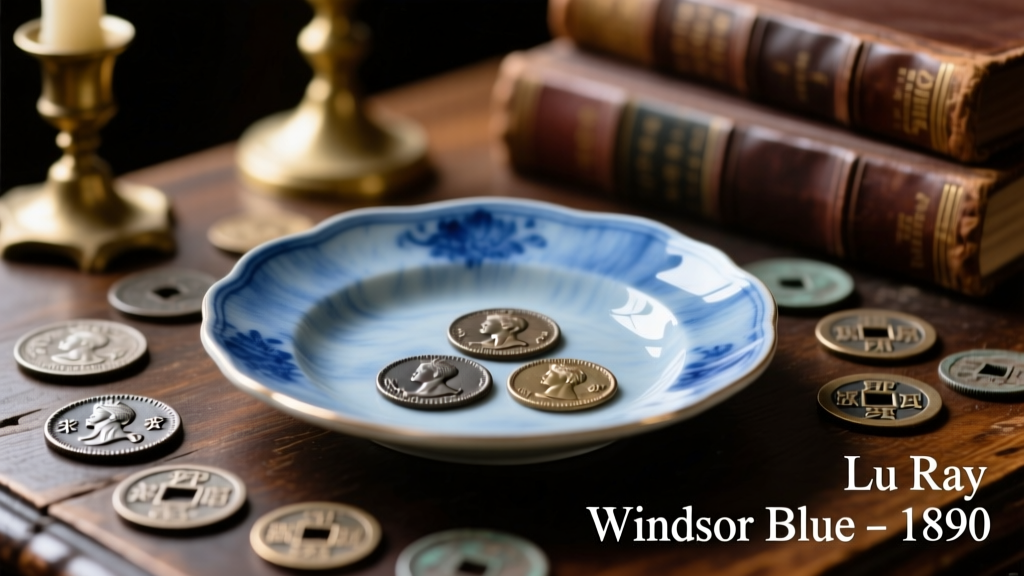
Lu Ray Windsor Blue Saucer: A Collector’s Deep Dive into Mid-Century American Dinnerware
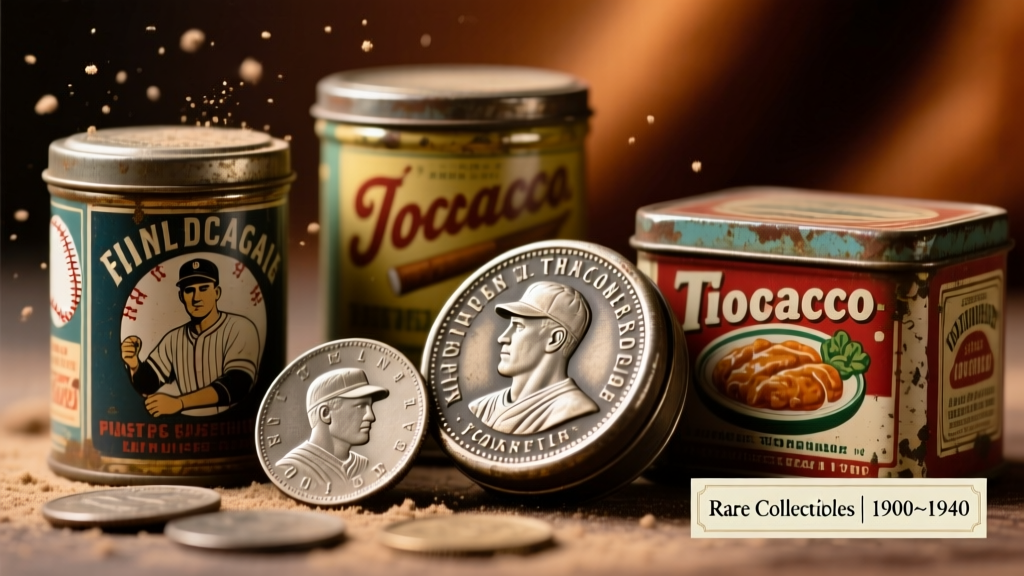
Baseball Tobacco and Food Tins: The Forgotten Metal Archives of America’s Pastime
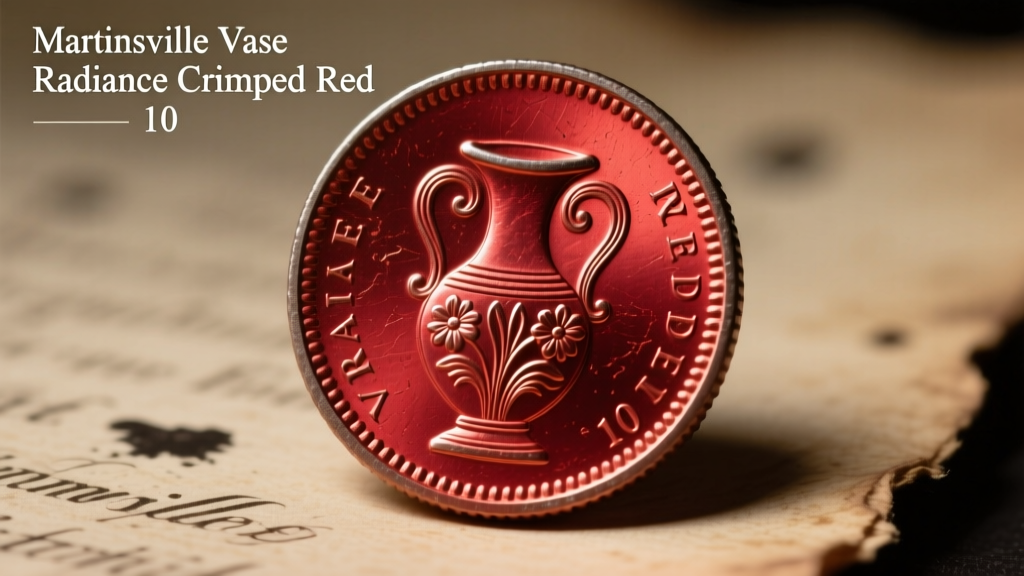
New Martinsville Vase: Radiance Crimped Red 10-Inch — A Collector’s Deep Dive into Rarity, Provenance, and Value
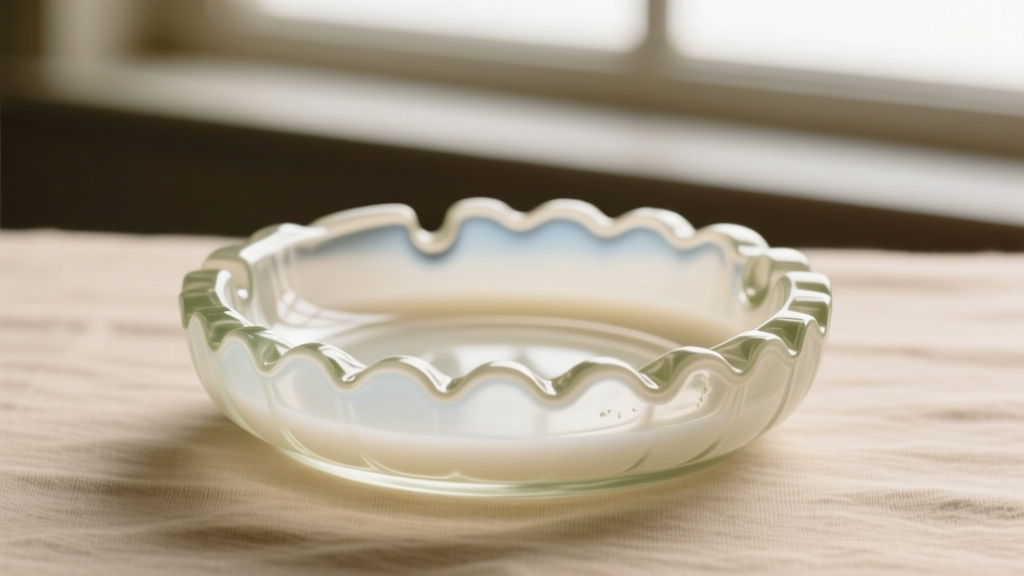
Milk Glass Ashtray Round Piecrust Rim, Circa 1955 — Identification, Provenance, and Market Valuation
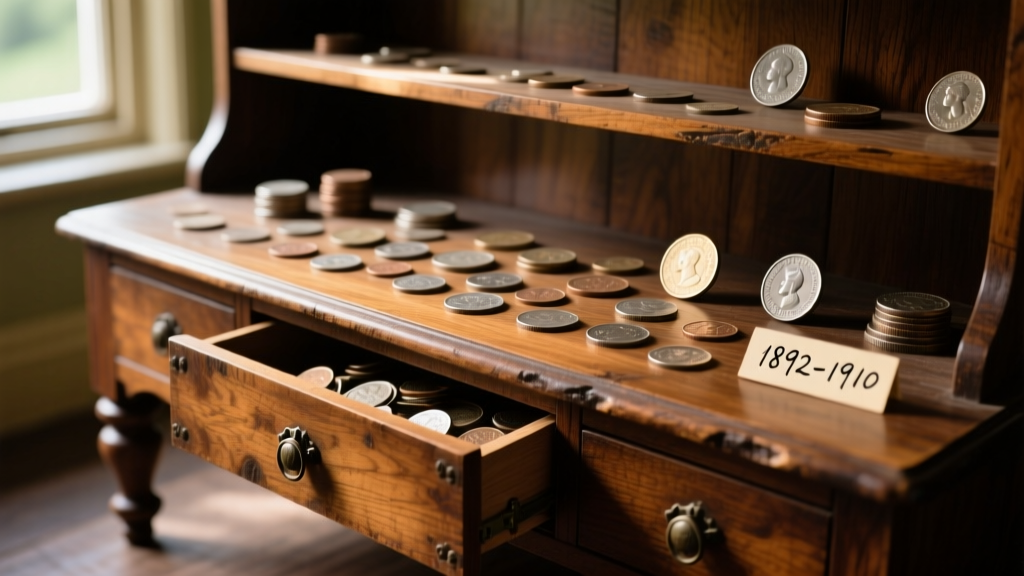
Welsh Oak Dresser: Authenticity, Provenance, and Valuation of a 74½-Inch Antique Welsh Dresser with Two Upper Shelves and Central Drawer
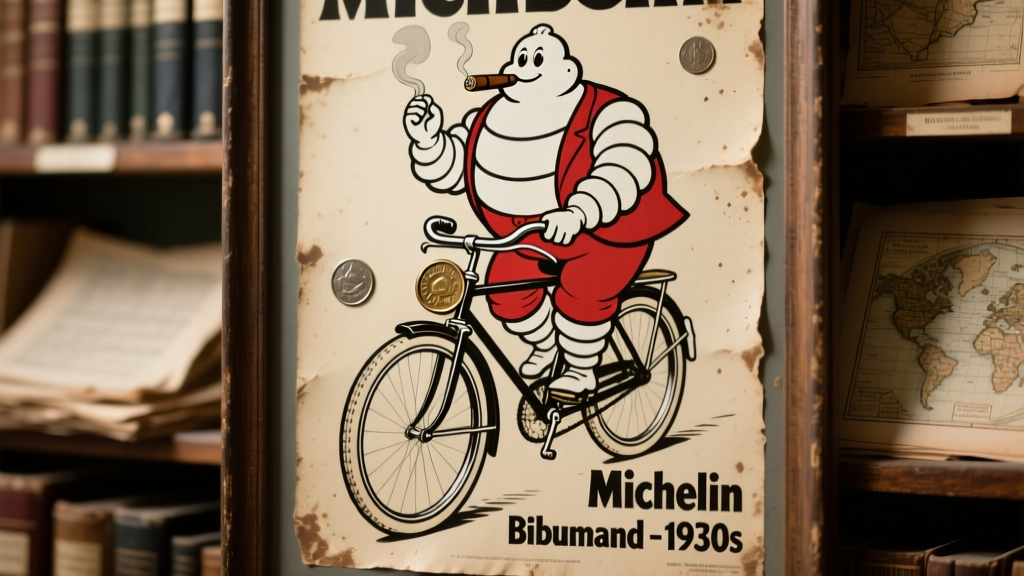
Michelin Bibendum 'Cigar & Bicycle' Poster (1900–1905): Authenticity, Provenance, and Market Valuation of the Iconic 47¼ × 32-Inch Lithograph
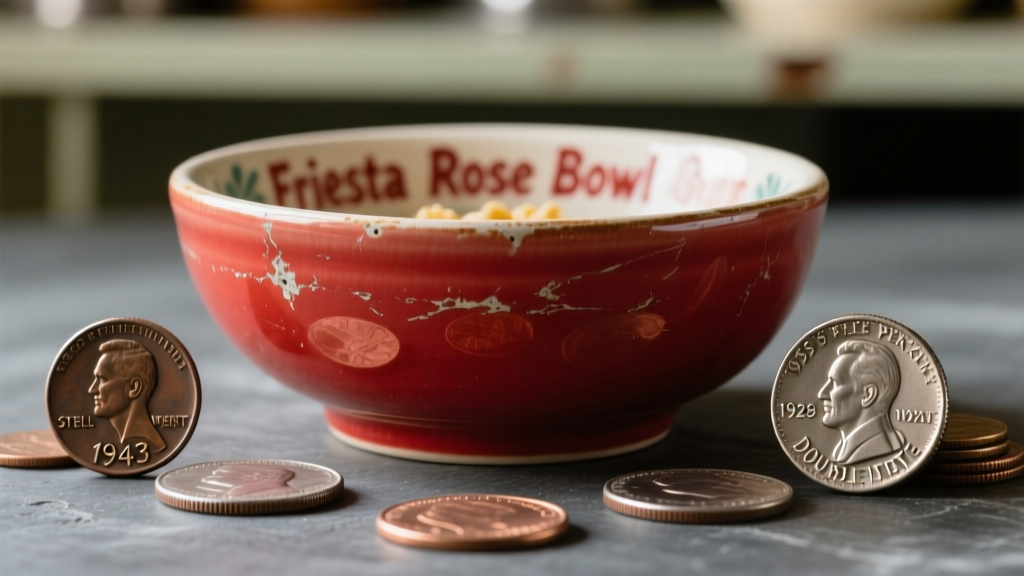
Fiesta Rose Bowl Cereal Bowl (6 1/4 Inches): A Numismatic and Collectibles Appraisal of a Mid-Century American Icon
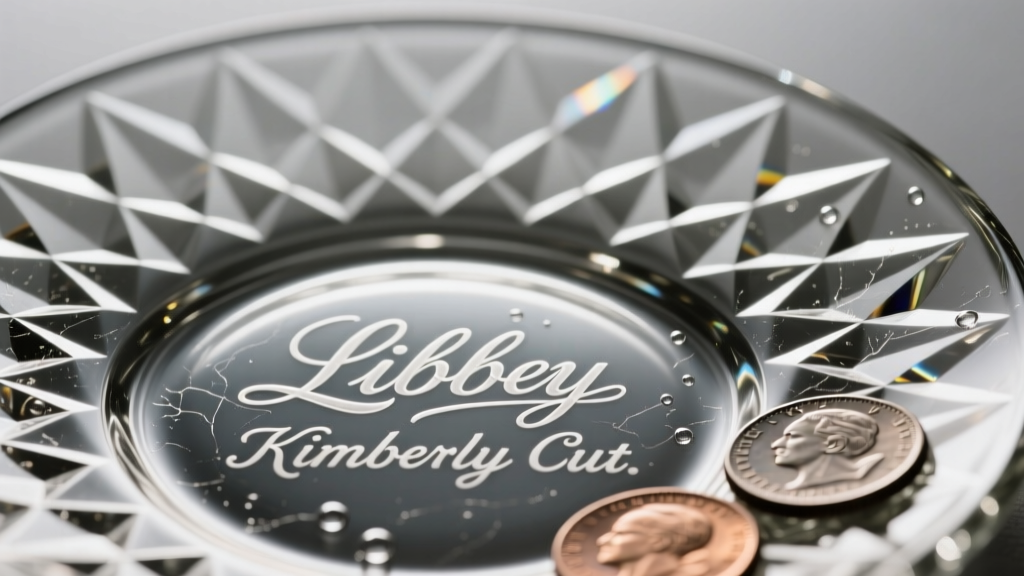
Libbey Plate Kimberly Cut Glass American Brilliant Signed 7-Inch Plate: Identification, Provenance, and Market Value Analysis