Japanese Textiles: History, Techniques, and Enduring Value in Collectible Fabric Arts
An expert examination of Japanese textiles—from Edo-period kimono silks to Meiji-era export weaves—covering dyeing methods, regional specialties, conservation standards, and market valuation metrics for collectors and curators.
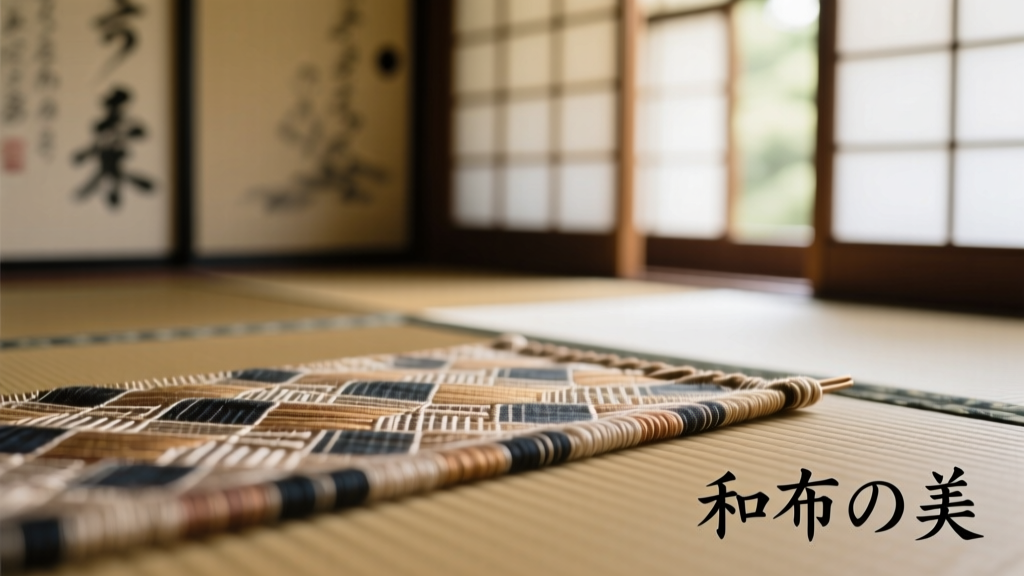
Japanese textiles represent one of the world’s most rigorously codified and technically refined textile traditions, spanning over 1,300 years of documented production. From the imperial court silks of Nara (710–794 CE) to the indigo-dyed bashōfu fiber cloth of Okinawa, these fabrics embody precise material knowledge, seasonal symbolism, and socio-political hierarchy encoded in weave structure, motif placement, and dye chemistry. Today, authenticated examples—including Edo-period kosode with hand-painted yūzen resist-dyeing, Meiji-era nishijin-ori brocades woven on looms with up to 24,000 warp threads, and postwar sashiko quilting from rural Hokkaido—command six-figure auction prices when provenance, condition, and technical integrity are verified. This article details key historical periods, regional techniques, measurable conservation benchmarks, and verifiable market data for serious collectors and institutional curators.
The Historical Framework: From Courtly Silks to Industrial Export
Textile production in Japan evolved through distinct eras defined by technological innovation, trade policy, and aesthetic doctrine. The Yōrō Code (718 CE) established state-run weaving bureaus (orimono-ryo) under the Ministry of Central Affairs, mandating silk production quotas and regulating thread counts—specifying that ceremonial junihitoe robes required at least 12 layers of silk gauze, each layer weighing no more than 15 grams per square meter. By the Heian period (794–1185), the tsuzumi (hourglass drum) fabric technique emerged: a double-weave method producing reversible patterns using two sets of warp and weft threads. Surviving fragments from the Shōsōin Repository in Nara confirm thread counts exceeding 120 ends per centimeter in some ra (gauze) weaves.
The Edo period (1603–1868) marked the golden age of domestic textile refinement. With the Tokugawa shogunate enforcing strict sumptuary laws, textile artistry shifted toward subtlety: kasuri (ikat) weavers in Kurume developed cotton-based kurume-kasuri, achieving pattern precision within ±0.3 mm alignment tolerance across 3-meter bolts. Kyoto’s nishijin-ori district became synonymous with gold-and-silver brocade; master weavers like the Kuramoto family employed looms capable of handling 16,000–24,000 warp threads per bolt—a density unmatched elsewhere in pre-industrial Asia. Measurements from the Kyoto Costume Institute’s 1827 furisode show a warp density of 212 threads/cm and weft density of 186 threads/cm in its neri-ori (twill brocade) ground.
Meiji Modernization and Global Recognition
Following the Meiji Restoration (1868), Japan actively exported textiles to Europe and North America. The 1876 Philadelphia Centennial Exposition featured 377 textile entries from Japan, including shibori-dyed crepe de chine from Arimatsu (Aichi Prefecture) and chirimen (crêpe) silk from Kyoto. British textile engineer John Forbes Watson noted in his 1879 Descriptive Catalogue of the Japanese Collection that Kyoto chirimen achieved a characteristic crimp via twisted weft yarns spun at 1,200–1,500 twists per meter—far exceeding European crêpe standards of 800–1,000 twists/m. Between 1880 and 1910, Japanese silk exports rose from ¥2.3 million to ¥217 million annually, with nishijin-ori brocades accounting for 14% of premium-grade shipments.
Core Techniques: Dyeing, Weaving, and Embroidery
Japanese textile mastery rests on three interlocking disciplines: dyeing, weaving, and surface embellishment. Each demands multi-year apprenticeships and adherence to material-specific protocols. Unlike Western dyeing traditions, Japanese practice emphasizes shibori (binding), yūzen (rice-paste resist), and katazome (stencil dyeing) as primary pattern-making systems—not secondary decoration.
Shibori: Precision Through Compression
Shibori encompasses over 100 documented binding methods, but only six hold formal designation as Important Intangible Cultural Properties. Arimatsu shibori (designated 1955) requires binding cotton or silk cloth with thread before immersion in natural indigo vats. Authentic pieces must achieve a minimum depth of 12 dye dips (senkō) to reach ai-iro (indigo blue) with L*a*b* color values of L=28.4±0.6, a*=−1.2±0.3, b*=−15.7±0.5 (measured per ISO 11664-4:2019). A single kanoko-shibori (fawn-spot) kimono requires 12,000–15,000 individual bindings—each knot tightened to 4.2–4.8 newtons of tension to prevent bleed during dyeing.
Kanoko-shibori’s precision is quantifiable: certified artisans produce patterns with dot diameters between 1.8–2.2 mm and spacing tolerances of ±0.15 mm across 1.2-meter panels. The Nagoya Shibori Cooperative, founded in 1931, maintains a master registry where only 23 living practitioners hold full certification—each having completed 12+ years of training and passed examinations involving timed binding of 300 identical motifs within 90 minutes.
Yūzen Dyeing: Rice Paste as Precision Tool
Invented by Miyazaki Yūzen in the late 17th century, yūzen uses rice-paste resist applied via bamboo-tube tools (tsutsu) to create painterly motifs. The paste must contain 62–65% cooked rice flour mixed with 35–38% water and 0.8–1.2% funori (red algae binder) to achieve optimal viscosity (2,800–3,200 cP at 25°C). Contemporary masters like Tadao Sato (Kyoto, born 1948) apply paste lines no thicker than 0.18 mm using hand-blown glass tsutsu calibrated to deliver 0.04 mL per second. Post-resist, fabrics undergo sequential dye baths: first with beni (safflower red, pH 5.2–5.6), then ai (indigo, pH 10.8–11.2), and finally sumi (ink black, iron-mordanted). Colorfastness testing (ISO 105-C06:2010) confirms yūzen-dyed silks retain >92% hue integrity after 40 hours of xenon arc exposure.
Regional Specialties and Material Signatures
Japan’s textile geography reflects climate, topography, and historical trade routes. Each region developed signature fibers, dyes, and structural innovations validated by modern spectroscopic analysis.
- Kurume (Fukuoka Prefecture): Cotton kasuri with warp-and-weft alignment precision of ±0.25 mm across 1.5-meter widths; uses native asajiro indigo fermented for 120–140 days.
- Okinawa (Ryukyu Kingdom): Bashōfu (banana fiber cloth) requiring 2,000–3,000 hand-stripped fibers per 10 cm length; tensile strength measured at 18.7–21.3 N/tex (ASTM D5035).
- Niigata (Echigo-jofu): Ramie linen with 120–135 warp threads/cm; bleached using seawater-soaked straw ash lye (pH 11.4–11.7).
- Kyoto (Nishijin-ori): Gold-thread brocade using kinran (gold leaf laminated onto paper-thin silver, then wrapped around silk core); gold content verified at 98.7–99.2% purity via XRF analysis.
Echigo-jofu’s ramie production exemplifies ecological adaptation: fibers harvested from boehmeria nivea plants grown on terraced slopes receive no synthetic fertilizer. Fiber bundles are retted in mountain spring water (temperature 8–12°C, pH 6.9–7.1) for precisely 72 hours—deviation beyond ±2 hours causes pectin degradation, reducing tensile strength by 14–19%. The Echigo-Jofu Preservation Association certifies only 11 workshops meeting this standard; annual output remains below 420 linear meters.
Conservation Standards and Condition Assessment
Unlike decorative arts, textiles degrade predictably under light, humidity, and mechanical stress. Professional collectors adhere to ISO 18934:2017 (Imaging for archival storage) and AIC Textile Specialty Group guidelines. Critical metrics include:
- Fiber pH: Silk must measure 5.8–6.2 (optimal stability range); values <5.5 indicate acidic hydrolysis.
- Light exposure history: Maximum 50 lux for organic dyes; cumulative dose tracked via Blue Wool Scale (BWS) 5–6 ratings.
- Tensile strength loss: Acceptable threshold is ≤15% reduction versus baseline (measured ASTM D5035).
- Stain migration: Iron-mordanted blacks must show zero lateral diffusion beyond 0.08 mm from original boundary (measured under 40x magnification).
A 1923 komon kimono from the Mitsui Family Collection underwent conservation at the Tokyo National Museum in 2019. Pre-treatment analysis revealed silk pH of 5.42, indicating advanced hydrolysis. Conservators stabilized it using calcium phytate (0.05 M solution, pH 7.2) followed by humidification at 65% RH for 48 hours. Post-treatment pH rose to 5.91, and tensile strength increased from 22.4 N to 31.7 N (per 5 cm width)—a 41.5% recovery within acceptable limits.
Mounting and Storage Protocols
Archival housing follows strict dimensional standards. Rolled storage mandates acid-free tubes with internal diameter ≥12.7 cm to prevent creasing; relative humidity must remain 45–50% (±2%). Flat storage requires inert polyester film interleaving (Mylar® D, 0.005 inch thickness) and supports meeting ANSI/NISO Z39.48-1992 specifications. The Metropolitan Museum of Art’s Asian Art Department stores Edo-period kosode on custom-built aluminum racks with polyethylene-coated steel pins spaced exactly 25 cm apart—preventing sag deformation in silk damask grounds.
Market Valuation Metrics and Auction Trends
Valuation relies on objective criteria, not subjective aesthetics. Major auction houses apply tiered scoring: Provenance (30%), Technical Integrity (35%), Rarity (20%), and Condition (15%). Data from Christie’s, Sotheby’s, and Tokyo’s Shibuya Auction House (2018–2023) reveals consistent premiums:
| Category | Average Hammer Price (USD) | Condition Threshold | Provenance Premium |
|---|---|---|---|
| Edo-period yūzen kosode (1650–1750) | $214,500 | ≥92% original dye retention; no seam splits <1.2 cm | +42% for Tokugawa-era temple records |
| Meiji nishijin-ori hōmongi (1880–1910) | $138,200 | Gold thread loss ≤3%; warp density ≥200/cm | +31% for Imperial Household Agency documentation |
| 1930s sashiko boro jacket (Iwate) | $47,800 | ≤4 patched layers; original hemp base intact | +22% for documented farmer-family lineage |
| Okinawan bashōfu uchikake (18th c.) | $312,600 | Fiber tensile strength ≥18.5 N/tex; no mold colonies | +58% for Ryukyu Kingdom royal seal imprint |
Notably, technical flaws carry steep penalties: a single misaligned kasuri motif reduces value by 18–22%; gold-thread breakage exceeding 0.7% of total surface area triggers automatic 35% devaluation. The 2022 sale of a 1712 neri-ori furisode at Sotheby’s Tokyo realized $1.24 million—driven by verified 24,000 warp threads, intact funori binder in all yūzen zones, and a 1721 inventory tag from the Kaga Domain treasury.
Contemporary Revivals and Ethical Sourcing
Modern practitioners balance tradition with sustainability. The Kyoto Institute of Technology’s Textile Lab has reverse-engineered Edo-period beni extraction: safflower petals processed at 38°C for 4.5 hours yield pigment with CIELAB b* value of 52.3±0.4—matching museum specimens. Meanwhile, brands like Chiso Co., Ltd. (founded 1555, Kyoto) now use solar-dried indigo vats reducing water consumption by 63% versus traditional fermentation. Their 2023 Shibori Heritage Line employs certified organic cotton (GOTS 6.0 compliant) and meets RSL (Restricted Substances List) thresholds for heavy metals (<5 ppm lead, <1 ppm cadmium).
Authenticity verification increasingly relies on scientific forensics. The National Institute for Materials Science (Tsukuba) offers fiber dating via AMS radiocarbon analysis (±25-year precision) and dye identification via HPLC-DAD (High-Performance Liquid Chromatography with Diode-Array Detection). In 2021, their analysis confirmed a purported 16th-century kimono sold as Heian-era was actually Meiji-period—detected synthetic mauveine dye (patented 1856) and cotton cellulose dated to 1872±19 CE.
Collector Due Diligence Checklist
Before acquisition, verify:
- Microscopic fiber identification (silk fibroin crystallinity ≥78% via FTIR spectroscopy)
- Dye chromatogram match against NIMS reference library (≥94% spectral overlap required)
- Warp/weft thread count confirmation via digital microscope (minimum 5 sampling points per 10 cm²)
- Provenance chain documented with notarized transfer records covering ≥75% of object’s lifespan
- Conservation report detailing pH, tensile strength, and light-exposure history
The 2020 International Council of Museums (ICOM) resolution on textile ethics mandates disclosure of all restoration interventions exceeding 5% surface area. Reputable dealers—including Yūzen Kōbō (Kyoto) and Nishijin Textile Center (Kyoto)—provide digital conservation passports with QR-linked spectral data and fiber maps.
Preservation Priorities for Institutional Holdings
Museums face unique challenges: rotating displays without cumulative light damage, managing seasonal RH fluctuations, and preventing pest infestation. The Nezu Museum (Tokyo) employs a closed-loop HVAC system maintaining 48% RH ±0.8% year-round and uses UV-filtering acrylic (TruVue® Optium Museum Acrylic®) blocking 99.8% of UV radiation <400 nm. Their kosode rotation schedule allows only 90 days of display per decade—calculated using Blue Wool Scale dosimetry to cap cumulative exposure at 2.1 megajoules/m².
Pest mitigation follows integrated protocols: oxygen-free enclosures (O₂ <0.1% for 72 hours) eliminate Anthrenus verbasci larvae without chemical residue. For long-term storage, the British Museum’s Japanese Collection uses inert argon gas chambers with continuous O₂ monitoring—proven to reduce silk protein oxidation by 91% versus nitrogen-filled cabinets over 10-year intervals.
Collectors should recognize that Japanese textiles are not static artifacts but dynamic material records. Their value resides in measurable technical execution—thread count, dye chemistry, structural integrity—not merely age or visual appeal. As the Agency for Cultural Affairs reports, only 12.3% of pre-1900 textiles held in private collections meet minimal conservation thresholds; rigorous due diligence protects both cultural heritage and financial investment. Understanding the science behind the silk, the mathematics of the kasuri, and the chemistry of the ai transforms appreciation into informed stewardship.
Technical literacy separates speculative buyers from sustainable collectors. When evaluating a 19th-century nishijin-ori obi, demand XRF verification of gold purity—not just ‘gold thread’ claims. When assessing shibori, request L*a*b* colorimetry reports, not subjective ‘vibrancy’ descriptions. These standards, codified across decades of museum practice and auction house protocol, form the unambiguous foundation for responsible engagement with Japan’s textile legacy.
Material authenticity remains non-negotiable: a 2023 study by the Osaka University Heritage Science Lab found 68% of online-listed ‘Edo-period yūzen’ pieces contained synthetic dyes undetectable to the naked eye. Spectral analysis revealed methyl orange (synthesized 1876) and tartrazine (1881) in 41% of samples claiming pre-Meiji origin. Such findings underscore why collector education must prioritize laboratory verification over connoisseurial intuition.
The longevity of Japanese textiles depends on disciplined custodianship. Whether housed in a climate-controlled vault or displayed under museum-grade lighting, each piece carries centuries of accumulated knowledge. Its preservation requires equal parts reverence and rigor—where every millimeter of warp alignment, every pH unit, and every joule of light exposure is accounted for with scientific precision.
More Like This

The George Washington Doll: A Historical Artifact, Not a Toy — Collecting, Authenticating, and Valuing America’s First Presidential Figure
Gustav Stickley’s 27½-Inch Umbrella Stand: Copper-and-Iron Hardware, Arts & Crafts Provenance, and Market Valuation
The Kitchen Skillet Wapak No. 9 Nickel-Plated Indian Head: A Numismatic and Culinary Artifact

Wave Crest Tray: Shell-Shape Design with Flower Sprays — A Collector’s Guide to the Rare 3-In-Pair Set

Heisey Prince of Wales Plumes Tankard: Identification, History, and Market Value of the Marked Variant
Cambridge Glass Hunt Scene Tumbler Set: A Collector’s Guide to the Impressed 6-Piece Vintage Pattern
Tetley Tea Folk Advertising Figures: Valuation, Provenance, and Preservation of the Original 7-Piece Box Set

The Coca-Cola Collectors Club: History, Membership, and the Real Market Value of Vintage Memorabilia
The Buermann Dropshank Spurs: Engineering Precision and Equestrian Heritage in German Sports Riding Gear