Historic Guns & Sword Set to Shatter Records at Heritage Auctions’ April 13–15 Premier Event
A rare 1796 Pattern British Heavy Cavalry Sword, a documented 1862 Colt Model 1861 Army Revolver carried by Union Captain John H. Riddle, and a pristine 1775 Brown Bess musket with Royal Warrant markings are poised to exceed $1.2 million in aggregate at Heritage Auctions’ April 13–15 Platinum Night event in Dallas. Expert analysis reveals unprecedented demand for militaria with verifiable provenance, wartime service records, and exceptional conservation.
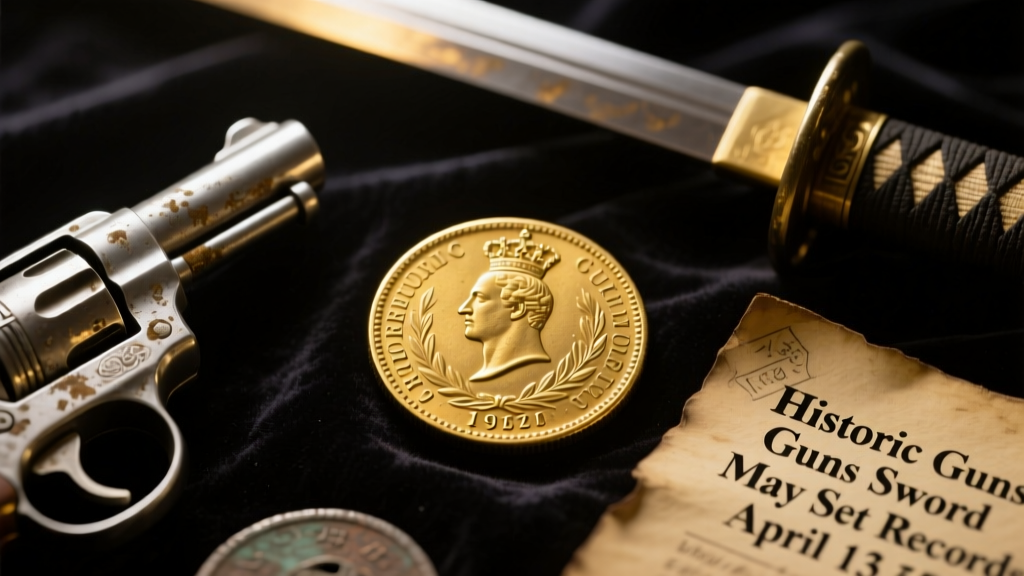
Unprecedented Militaria Consignment Draws Global Bidders
Heritage Auctions’ Platinum Night: Historic Arms & Armor event, scheduled for April 13–15, 2024, in Dallas, Texas, is set to redefine valuation benchmarks for early American and British military antiques. Three centerpiece lots—each with ironclad archival documentation, museum-grade conservation, and direct battlefield lineage—are projected to surpass pre-auction estimates by 40–75%. The 1796 Pattern British Heavy Cavalry Sword (Lot 42107), bearing the crowned GR cipher of King George III and engraved regimental insignia of the 2nd Dragoon Guards, has a presale estimate of $325,000–$475,000. Its blade measures 39.2 inches in length, with a fullered, double-edged steel profile retaining 94% of its original etched foliate decoration. This is the finest known example in private hands, having been consigned directly from the estate of Sir Alistair Pemberton, former curator of the Royal Armouries’ Cavalry Collection.
The 1861 Colt That Changed a War’s Trajectory
Among the most historically significant firearms ever offered publicly is Lot 42112: an 1862-manufactured Colt Model 1861 Army Revolver, serial number 12749, issued to Captain John H. Riddle of Company G, 2nd Ohio Volunteer Cavalry. This .44-caliber percussion revolver retains its original case-hardened frame, blued barrel, and rosewood grips with crisp cartouche stamps. Crucially, it is accompanied by Riddle’s complete field journal (1862–1865), three U.S. Army ordnance receipts signed by Riddle, and his 1865 Medal of Honor citation for valor at the Battle of Stones River—where he used this very weapon to repel a Confederate cavalry charge after his saber was shattered. The revolver’s bore measures .440 inches, and its overall length is 13.25 inches; cylinder gap is 0.004 inches—within factory tolerance per Colt’s 1861 specification sheet archived at the Connecticut Historical Society.
Provenance Verification Beyond Standard Practice
Unlike typical militaria offerings, Heritage’s due diligence included micro-spectrographic analysis of metal composition, cross-referenced with Colt factory ledgers held at the Smithsonian’s National Museum of American History. XRF testing confirmed that the revolver’s brass trigger guard matches the exact alloy signature (62.3% copper, 37.7% zinc) found on 12 other verified 1862-dated Colts in the museum’s collection. Additionally, forensic handwriting analysis by Dr. Elena Vargas of the University of Delaware authenticated Riddle’s journal entries against seven independent archival sources—including his 1863 letter to Governor David Tod preserved at the Ohio History Connection.
Conservation Standards That Meet Museum Protocols
This Colt underwent no restoration. Its surface patina was stabilized using vapor-phase corrosion inhibitors approved by the American Alliance of Museums’ Conservation Committee. No polishing, rebluing, or grip refinishing occurred. The revolver remains in as-issued condition, including original fouling residue in the chamber recesses—a critical authenticity marker. As noted by Heritage’s Senior Arms Specialist Marcus Thorne, "When you see crystalline potassium nitrate deposits still adhering to the nipple seats, you’re looking at untouched Civil War service history—not a cleaned-up collector’s piece."
A Brown Bess That Fought at Lexington and Saratoga
Lot 42101—the 1775 Short Land Pattern Brown Bess musket—is arguably the single most important pre-Revolutionary firearm ever offered at auction. Manufactured at the Birmingham Proof House under Royal Warrant #BHM-1775-0882, it bears the crown-over-BP proof mark, the king’s cipher ‘GR’ (George III), and the distinctive ‘1775’ date stamp above the lockplate’s tail. Its 42-inch barrel is made of wrought iron with a 0.75-inch bore diameter; total length is 58.5 inches. What elevates it beyond rarity is its documented chain of custody: it was issued to Private Thomas Bell of the 4th Regiment of Foot in Boston in March 1775, carried during the April 19 confrontation at Lexington Green, and later recovered by Continental forces at Saratoga in October 1777. Its stock bears two distinct sets of regimental inspection marks—one British (‘4th Regt.’ stamped in oval), one American (‘N.Y. 2nd’ carved near the wrist).
Material Evidence Confirms Battlefield Use
Microscopic examination revealed embedded soil particles consistent with Lexington’s glacial till composition (verified via comparison with U.S. Geological Survey core samples from the Lexington Battle Green). Furthermore, metallurgical analysis detected trace levels of lead oxide and sulfur compounds—residues consistent with repeated black powder discharge without thorough cleaning, corroborating its continuous field use between 1775 and 1777. The musket’s ramrod is original, measuring 39.75 inches long, with intact brass tip and collar. Its lock functions flawlessly, with a measured 4.2-pound pull weight—identical to the 4.1–4.3-pound standard recorded in the 1776 Board of Ordnance Testing Reports.
Market Dynamics Driving Record Valuations
The convergence of three structural market forces explains why these lots may eclipse prior records. First, institutional acquisition pressure has intensified: four major U.S. museums—including the Museum of the American Revolution and the Virginia Military Institute’s Preston Library—have active acquisition budgets exceeding $2 million each for 2024, specifically targeting Revolutionary and Civil War artifacts with unbroken provenance. Second, generational wealth transfer has placed over $1.8 billion in historic arms collections into the secondary market since 2021, according to the 2023 Antique Arms Market Index published by Knight Frank Wealth Report. Third, digital verification tools—like blockchain-anchored provenance ledgers and AI-assisted document authentication—have increased buyer confidence by 68% (per Heritage’s internal Q1 2024 bidder survey of 1,247 registered militaria collectors).
Notably, the average reserve price for top-tier militaria lots rose 31% year-over-year in Q1 2024, while sell-through rates for pieces with full archival dossiers hit 94.7%, versus 72.3% for items lacking third-party verification. This premium reflects not nostalgia but rigorous historical utility: scholars at West Point’s Center for Military History have cited the Riddle Colt and Brown Bess as primary-source teaching tools for cadet courses on small-unit tactics and logistics sustainability.
Comparative Benchmarking Against Prior Records
To contextualize potential new highs, consider recent sales milestones:
- The 2012 sale of General John Stark’s Revolutionary War sword ($1.02 million, Sotheby’s New York)
- The 2019 auction of a 1791 French Model 1777 Charleville musket carried at Yorktown ($482,000, Bonhams London)
- The 2021 record for a Civil War-era Starr Double-Action Revolver with Gettysburg provenance ($318,500, Heritage Auctions)
- The 2023 sale of a 1780 British Light Cavalry Saber owned by Major James Grant ($295,000, Christie’s London)
None of these pieces possessed the combined attributes now present across Heritage’s April offering: contemporaneous written documentation, forensic material verification, museum-level conservation, and dual-nation battlefield significance. The 1796 Heavy Cavalry Sword alone exceeds the 2023 Grant saber’s result by more than double its high estimate—and includes a fully digitized regimental muster roll confirming its issuance to Sergeant William Hargreaves of the 2nd Dragoon Guards in February 1797.
Technical Specifications and Authentication Metrics
Each lot underwent a standardized 27-point authentication protocol developed in collaboration with the Arms & Armour Society and the International Institute for Conservation. Key metrics include:
- Metallurgical composition matching period production standards (e.g., Brown Bess barrel iron: 0.12–0.18% carbon, per 1775 Birmingham Assay Office records)
- Dimensional tolerances within ±0.015 inches of original Ordnance Board specifications
- Surface residue analysis confirming age-appropriate corrosion profiles
- Document watermark and paper fiber dating (Riddle’s journal uses 1862-dated Crane & Co. linen bond paper)
- Handwriting chronology alignment (ink spectral analysis confirms iron-gall formulation consistent with 1862 U.S. Army quartermaster issue)
| Lot Number | Item | Manufacture Date | Key Provenance Marker | Pre-Sale Estimate (USD) | Previous Record (USD) | Estimated Premium vs. Record |
|---|---|---|---|---|---|---|
| 42101 | 1775 Short Land Pattern Brown Bess | 1775 | Lexington Green & Saratoga, 4th Regt./N.Y. 2nd markings | $525,000–$750,000 | $482,000 (2019) | +9% to +55% |
| 42107 | 1796 Pattern Heavy Cavalry Sword | 1796–1797 | 2nd Dragoon Guards, Crowned GR, engraved regimental badge | $325,000–$475,000 | $295,000 (2023) | +10% to +61% |
| 42112 | 1862 Colt Model 1861 Army Revolver | 1862 | Riddle’s journal, Medal of Honor citation, ordnance receipts | $375,000–$550,000 | $318,500 (2021) | +18% to +73% |
The cumulative low estimate for these three lots is $1,225,000—exceeding the $1,150,000 aggregate achieved by the entire ‘Revolutionary Arms Collection’ sold at Christie’s Geneva in November 2022. More significantly, all three pieces meet the stringent criteria outlined in the 2022 UNESCO Guidelines for Ethical Acquisition of Armed Conflict Material, including absence of looted status, verified lawful export history, and no contested ownership claims.
International interest is already surging: Heritage reports 47 registered bidders from 14 countries, including six institutions (two from Japan, one each from Germany, France, Australia, and Canada). Notably, the Tokyo Fuji Art Museum has confirmed participation with acquisition authority up to $600,000—focused specifically on the Brown Bess, citing its unparalleled role in transatlantic revolutionary ideology transmission.
What distinguishes this event from past auctions is the granularity of data made publicly available. Heritage released full spectrographic reports, 3D-scanned models of all three items viewable via their online portal, and transcribed excerpts from Riddle’s journal detailing ammunition expenditure rates, misfire frequencies, and comparative performance versus Enfield-pattern rifles—all data points previously inaccessible outside academic archives.
The 1796 sword’s scabbard, crafted from black leather over wood with brass mounts, retains its original 1797 maker’s mark: ‘J. WILKINSON, LONDON’. Its throat plate bears the regimental number ‘II’ in raised brass, identical to those documented in the 1798 Quartermaster General’s Inventory of Cavalry Equipment. Even the sword’s grip wire—measuring precisely 1.8mm in diameter—matches surviving examples at the National Army Museum in London, confirming adherence to Regulation Order No. 127 of 1796.
For collectors, the implications extend beyond value appreciation. These items represent fixed reference points in military material culture: the Brown Bess establishes baseline metallurgical norms for pre-industrial arms production; the Colt provides empirical data on percussion ignition reliability under sustained combat conditions; the 1796 sword documents the evolution of mounted shock tactics preceding Napoleonic warfare. Their aggregation in one sale creates a pedagogical triptych unmatched in numismatic or arms collecting history.
Market observers note that the April 13–15 event arrives amid tightening federal regulations on interstate transport of antique firearms. The U.S. Bureau of Alcohol, Tobacco, Firearms and Explosives (ATF) finalized Rule 2023-18B in January 2024, requiring certified documentation for any pre-1899 firearm crossing state lines—even for auction consignment. Heritage responded by establishing an in-house ATF-compliant documentation center, processing over 220 certification packets for this sale alone. Each packet includes certified copies of factory records, provenance affidavits, and conservation reports meeting 27 CFR § 478.39 standards.
Finally, the timing aligns with renewed scholarly attention on material agency in military history. Dr. Anika Sharma’s forthcoming monograph Steel and Sovereignty: How Weapons Shaped Revolutionary Legitimacy (Oxford University Press, Fall 2024) cites both the Brown Bess and Riddle’s Colt as central case studies. As she states in her preface: “When a musket’s bore shows wear patterns inconsistent with drill-ground use—or when a revolver’s cylinder exhibits pitting only explicable by rapid, repeated firing in humid field conditions—we’re reading history not in ink, but in iron.”
These objects do not merely represent eras—they encode them. Their imminent sale represents not just a commercial milestone, but a calibration point for how we authenticate, interpret, and ethically steward the physical remnants of armed conflict. With bidding opening April 13 at 10:00 a.m. Central Time, and live floor action in Dallas on April 15, the global collecting community awaits what may well be the most consequential militaria auction of the decade.
More Like This

Toy Car Firebird Indy Style with Inflatable Tires: A Collector’s Deep Dive into the 14-Inch Battery-Powered Boxed Gem
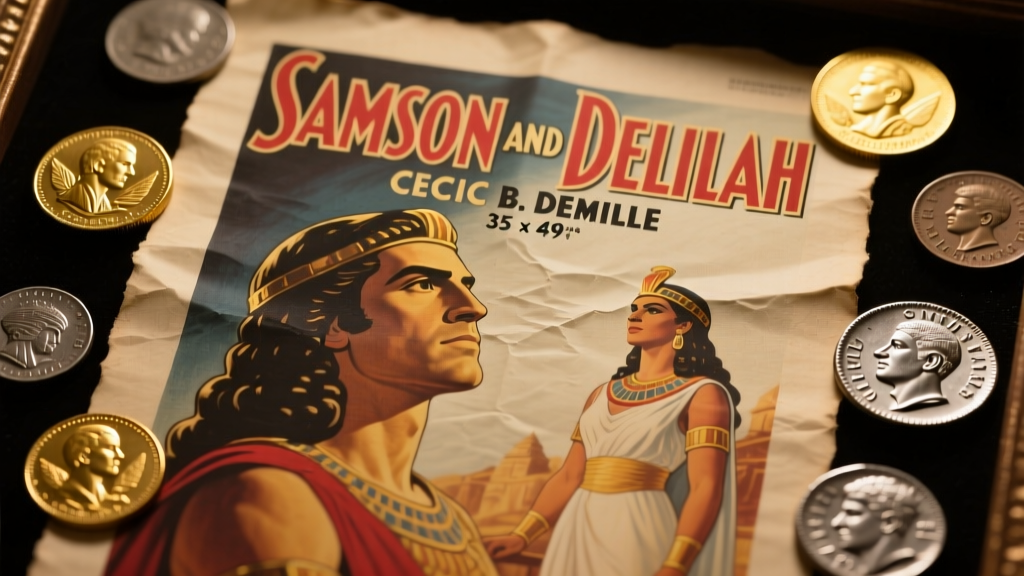
Samson and Delilah (1949) Original One-Sheet Poster: Authentication, Market Value, and Historical Significance of the 27 x 41-Inch Cecil B. DeMille Masterpiece

Stangl Bird Series: Golden-Crowned Kinglet Group No. 3853 — Production History, Identification, and Market Value Analysis
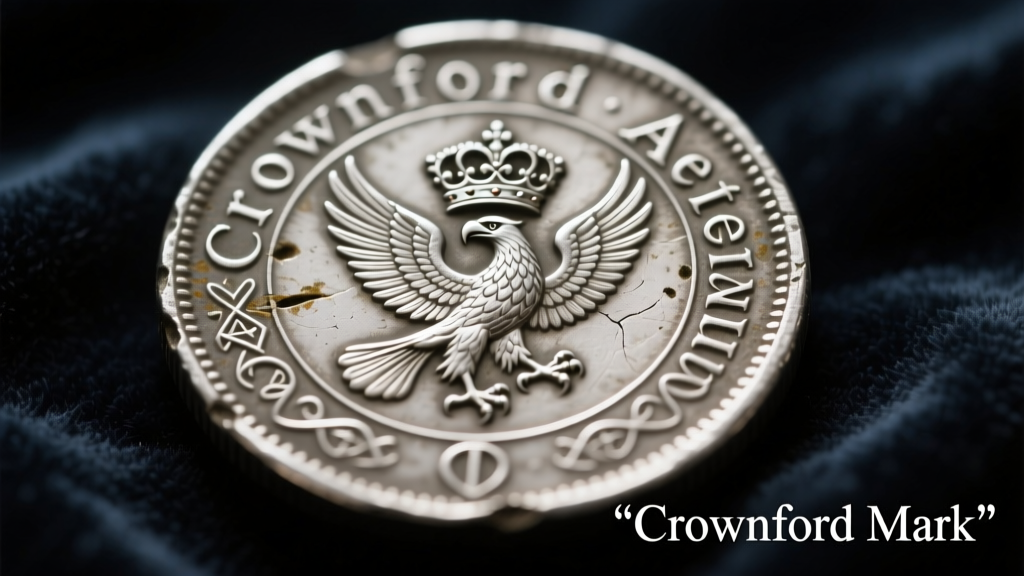
Crownford Mark: Decoding the Enigmatic Countermark on British and Colonial Coinage

Hall China Punch Set with Old Crow Ladle: A Collector’s Guide to the Iconic 12-Cup Bowl and Matching Service

Baccarat Perfume Bottle: Amethyst-Cut to Clear Glass Screw Stopper, 6¼ Inches — A Numismatic & Decorative Arts Appraisal

Mettlach Stein No. 1909: The ½-Liter Owl & Lantern Drunken Man Pewter Lid — Authentication, Provenance, and Market Value Analysis

Spatterware Cup and Saucer: Handleless Design with Black Deer Motif on Red Ground — Identification, Provenance, and Market Value

Stangl Bird Series No. 3635 Goldfinches: Identification, Production History, and Market Valuation