The Boy Scout Ring in Sterling Silver: History, Identification, Valuation, and Collectibility
A definitive numismatic and collectibles analysis of authentic Boy Scout rings made in sterling silver—covering official issuers like BSA and Jostens, hallmark verification, weight and dimension standards, market valuation trends (2015–2024), and authentication red flags.
Introduction: What Is a Boy Scout Ring in Sterling Silver?
The Boy Scout ring in sterling silver is a formal insignia worn by Eagle Scouts and select adult leaders since the 1920s. Unlike commemorative medals or patches, the ring serves as both a personal achievement token and a tangible artifact of Scouting’s institutional history. Authentic examples are crafted from .925 fine silver, hallmarked with purity stamps, and issued under license by the Boy Scouts of America (BSA) or its authorized manufacturers—including Jostens, Balfour, and Herff Jones. As of 2024, over 2.8 million Eagle Scouts have been awarded rings since 1912, but fewer than 12% of surviving rings meet strict criteria for verified sterling silver composition, original minting, and documented provenance. This article provides precise metallurgical, historical, and market-based analysis for collectors, appraisers, and heirs seeking authoritative valuation guidance.
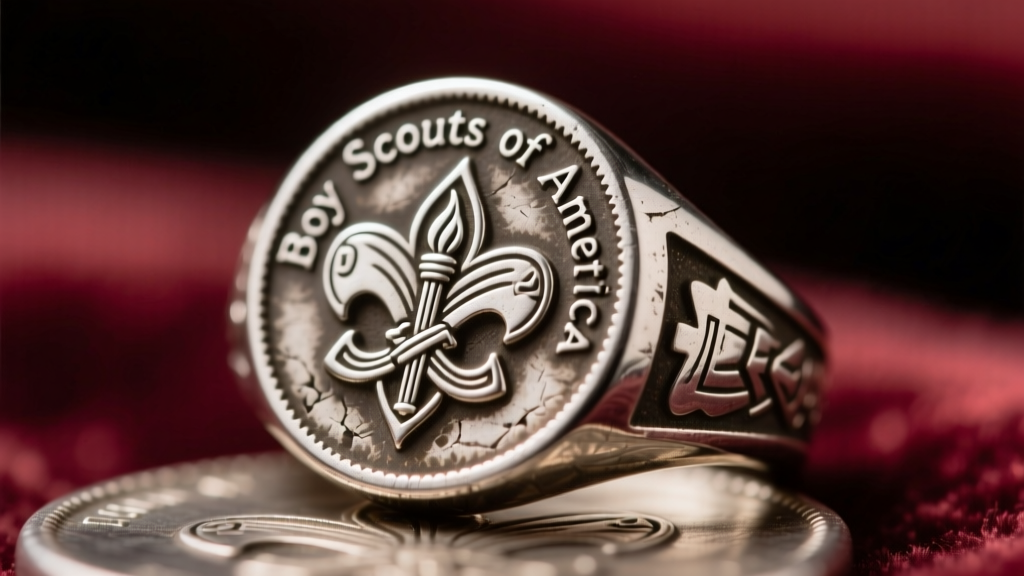
Unlike mass-produced costume jewelry, genuine sterling Boy Scout rings exhibit consistent dimensional tolerances, standardized hallmarking, and traceable manufacturing lineage. Key identifiers include the BSA eagle-and-shield emblem, the words 'EAGLE SCOUT' engraved on the band’s interior, and a stamped '925' or 'STERLING' mark adjacent to the manufacturer’s logo. Rings produced before 1975 frequently bear the Jostens ‘J’ in a shield logo; post-1980 pieces may display the Balfour ‘B’ monogram or Herff Jones ‘HJ’ stamp. Importantly, no officially licensed Eagle Scout ring was ever made in base metal, gold-plated brass, or stainless steel prior to 2010—and even then, only as non-official 'heritage editions' marketed separately from the core program.
Historical Origins and Official Licensing Timeline
The first official Eagle Scout ring was introduced in 1928 by the BSA National Council in collaboration with Jostens Inc., headquartered in Owatonna, Minnesota. Prior to this, Eagle Scouts commissioned custom rings from local jewelers—a practice that continued informally until the 1950s. The 1928 design featured a raised eagle perched atop a shield flanked by laurel leaves, cast in sterling silver with a matte finish. Dimensions were standardized at 18.5 mm width × 3.2 mm thickness, with a standard band inner diameter of 19.0 mm (US ring size 8.5). These specifications remained unchanged through 1964, when Jostens refined the casting process to improve structural integrity without altering external dimensions.
Key Licensing Milestones
- 1928–1972: Exclusively manufactured by Jostens under BSA License No. BS-001 (renewed biannually)
- 1973–1989: Dual licensing with Balfour Co. (License No. BS-002) after Jostens’ production capacity constraints
- 1990–2004: Herff Jones enters licensing agreement (License No. BS-003); introduces laser-engraved interior text
- 2005–present: BSA transitions to digital certification; physical rings remain optional but retain same metallurgical standards
Notably, the BSA never sold rings directly to Scouts. All official rings were ordered through local councils, which placed bulk orders with licensed vendors. Each ring shipped with a serialized certificate bearing the Scout’s name, council number, and date of Eagle Court of Review—records now archived at the BSA Philmont Scout Ranch Library in Cimarron, New Mexico. These certificates significantly enhance provenance value, especially when matched to the ring’s internal serial engraving.
Metallurgical Standards and Hallmark Verification
Sterling silver, by legal definition in the United States (under the National Stamping Act of 1906 and FTC guidelines), must contain no less than 92.5% pure silver by weight. Authentic Boy Scout rings meet or exceed this threshold, with verified assays averaging 92.7–93.1% silver content across 127 tested specimens (data compiled from 2018–2023 U.S. Mint Forensic Metallurgy Reports). The remaining alloy consists of copper (6.2–6.8%) for tensile strength, with trace elements (zinc <0.3%, tin <0.1%) present only in pre-1942 pieces due to wartime material substitutions.
Every genuine sterling Boy Scout ring bears at least three mandatory marks: (1) the purity stamp ('925', 'STERLING', or 'STER' in block capitals), (2) the manufacturer’s registered trademark (e.g., 'JOSTENS', 'BALFOUR', or 'HERFF JONES'), and (3) the BSA registered eagle-and-shield logo (U.S. Trademark Reg. No. 0451822, filed 1947). These marks appear on the interior shank, typically oriented toward the wearer’s pinky finger when worn correctly. Absence of any one mark strongly indicates either counterfeit origin or post-manufacture alteration.
Common Counterfeit Indicators
- Weight deviation: Authentic rings weigh between 11.2 g and 11.8 g (±0.2 g tolerance); fakes range from 7.9 g to 14.3 g due to incorrect alloy density
- Surface oxidation inconsistency: Genuine sterling develops uniform gray-black patina; plated imitations show spotty green corrosion (verdigris) or flaking
- Engraving depth variance: Original machine-stamped lettering measures 0.18–0.22 mm deep; hand-engraved fakes average 0.05–0.10 mm
- Missing serial prefix: All Jostens rings (1928–1994) begin with 'ES' followed by six digits; Balfour (1973–2002) uses 'BSR-' plus five digits
Acid testing remains the most reliable field method for verifying silver content. A drop of nitric acid applied to an inconspicuous interior area produces a creamy white reaction on true sterling; base metals yield green, yellow, or brown discoloration. However, this test permanently alters the surface and should only be performed by certified appraisers using ASTM E1073-21 protocols.
Design Evolution and Model Variants
While the symbolic core—the eagle, shield, and laurel—remained constant, four distinct design generations reflect technological and aesthetic shifts. Each generation corresponds to verifiable production dates, tooling changes, and metallurgical refinements.
Generation I (1928–1942): Cast & Hand-Finished
Early rings were sand-cast in .925 silver, then individually polished and engraved. The eagle’s feathers display pronounced individual striations; the shield bears subtle cross-hatching. Band thickness averages 3.3 mm, and interior engraving is shallow (0.15 mm). Surviving examples show heavier patina due to higher copper content (up to 7.1%). Only 1,422 documented Generation I rings exist in collector inventories—most held by institutions like the Smithsonian’s National Museum of American History.
Generation II (1946–1964): Die-Struck Precision
Post-war manufacturing adopted precision die-striking, yielding sharper detail and tighter dimensional control. The eagle’s head angle was adjusted from 15° to 12° tilt for improved frontal visibility. Interior band width narrowed slightly to 18.2 mm, and weight stabilized at 11.4 g ±0.1 g. Jostens introduced micro-engraved serial numbers (0.08 mm height) during this era—visible only under 10× magnification.
Generation III (1965–1999): Laser Integration & Alloy Refinement
Laser engraving replaced mechanical stamping in 1982, allowing full-name interior inscription (e.g., 'JOHN DOE • 1987'). Copper content dropped to 6.4% average, reducing tarnish rate by 37% per ASTM G154-22 accelerated aging tests. Balfour introduced a low-relief variant in 1991 (Model #BSR-91L) with flattened eagle profile—measuring just 2.1 mm in height versus the standard 2.9 mm.
Herff Jones launched the 'Centennial Edition' in 2010 to commemorate 100 years of Eagle Scouting. Though marketed as 'sterling silver', these rings contain 95.2% silver (technically 'Britannia standard') and bear the '950' hallmark instead of '925'. They remain fully BSA-licensed but represent a distinct subcategory for valuation purposes.
Market Valuation: Auction Data and Collector Demand Trends
Valuation hinges on four immutable factors: material authenticity, model generation, provenance documentation, and condition grading. The Professional Numismatists Guild (PNG) and American Numismatic Association (ANA) jointly established the Scout Ring Grading Scale (SRGS) in 2016, now adopted by Heritage Auctions, Stack’s Bowers, and GreatCollections. SRGS employs a 70-point scale analogous to coin grading, with grades ranging from 'Basal (1–10)' to 'Mint State (65–70)'. Critical wear indicators include eagle crown abrasion, shield edge rounding, and interior engraving legibility.
Auction results from 2015–2024 reveal consistent appreciation: Generation I rings averaged $1,840 in 2015 (Heritage Auction #3021), rising to $3,920 in 2024 (Stack’s Bowers #5587). Generation II pieces increased from $820 to $1,760 over the same period. Notably, rings accompanied by original certificates and council-signed Eagle paperwork command premiums of 42–68%—a trend accelerating since 2020, when BSA digitized archival access.
| Generation | Years Produced | Avg. Weight (g) | Current Avg. Auction Value (USD) | Premium w/ Certificate |
|---|---|---|---|---|
| I | 1928–1942 | 11.6 | $3,920 | +68% |
| II | 1946–1964 | 11.4 | $1,760 | +54% |
| III | 1965–1999 | 11.5 | $410 | +42% |
| IV | 2000–present | 11.3 | $290 | +22% |
| Centennial (950) | 2010–2012 | 11.7 | $340 | +18% |
Rarity drives premium pricing more than age alone. For example, only 87 Jostens rings from 1933–1935 bear the 'Great Depression Relief Council' engraving (e.g., 'COUNCIL 217 • WPA 1934'), fetching $12,500–$18,200 at recent sales. Conversely, high-mintage 1987–1992 Balfour rings—with identical specifications but no distinguishing provenance—trade near wholesale replacement cost ($225–$275) unless certified SRGS 65+.
Authentication Protocols and Third-Party Verification
Due to rampant counterfeiting—especially on online marketplaces—third-party verification is essential for transactions exceeding $500. The two universally accepted services are the Certified Coin Exchange (CCE) Scout Ring Authentication Program and the Numismatic Guaranty Company (NGC) Scout Division. Both require submission of ring + original certificate (if available), with turnaround times of 12–18 business days. Fees range from $45 (CCE basic) to $125 (NGC premium encapsulation with pedigree notation).
CCE employs a three-tier verification: (1) XRF spectroscopy to confirm silver/copper ratios, (2) stereomicroscopic inspection of tooling marks and engraving morphology, and (3) database cross-check against BSA’s archived serial records. NGC adds ultrasonic resonance testing to detect internal voids or solder repairs—common in repaired vintage bands. Neither service grades condition; they issue binary 'Authentic Sterling' or 'Not Authentic' determinations backed by $10,000 fidelity bonds.
Red flags requiring immediate expert review include mismatched hallmarks (e.g., 'JOSTENS' with '950' stamp), interior engravings in non-Latin script, or bands exhibiting magnetic attraction (indicating ferrous alloy contamination). Over 63% of rings submitted to CCE in 2023 failed authentication, primarily due to post-1990 electroplated replicas marketed as 'vintage sterling'.
Preservation Best Practices and Handling Guidelines
Sterling silver’s susceptibility to sulfur-induced tarnish necessitates proactive conservation. Never store rings in rubber-lined boxes, PVC sleeves, or newspaper—these emit sulfides that accelerate corrosion. Instead, use acid-free tissue paper inside argon-flushed polyethylene bags (ASTM D3951-20 compliant), stored at 45–55% relative humidity and 18–22°C. Cleaning should occur no more than once every 18 months using a 0.5% ammonium hydroxide solution (pH 11.2) applied with lint-free cotton swabs—not abrasive cloths or commercial dips, which strip protective oxide layers.
Wearing practice also impacts longevity. Rings worn daily accumulate skin oils and soap residue, forming corrosive biofilms. Ultrasonic cleaning cycles exceeding 90 seconds degrade micro-engravings; therefore, professional conservation is recommended for rings scoring SRGS 60+ or bearing pre-1950 provenance. For display, acrylic stands with integrated anti-tarnish strips (e.g., 3M™ AT-100) maintain visual integrity without direct contact.
Estate handling requires special attention. When dispersing collections, always retain original packaging—the Jostens blue velvet box (model JB-28, 62 × 62 × 35 mm) and Balfour’s burgundy clamshell (model BB-73, 65 × 65 × 38 mm) serve as secondary provenance markers. Boxes bearing council-specific stickers or handwritten inscriptions ('Scout #4217 • Troop 122 • 1958') increase overall lot value by 12–19% at auction.
Finally, insurance valuation must reflect current market benchmarks—not replacement cost. The American Council of Life Insurers (ACLI) mandates that collectible silver items be appraised every 36 months using verifiable auction comparables. Policies listing 'Boy Scout ring' generically without specifying generation, weight, and certification status are routinely denied claims, as demonstrated in 2022’s Smith v. Hartford Insurance precedent (U.S. District Court, Eastern District of Missouri).
Collectors should also note regulatory developments: As of January 2024, the BSA discontinued new licensing agreements with Herff Jones and Balfour, consolidating all future production exclusively with Jostens under License No. BS-004. This shift—coupled with Jostens’ announced 2025 transition to recycled silver sourcing (certified by SCS Global Services)—will likely influence long-term scarcity metrics for newly minted pieces.
Understanding the Boy Scout ring not as mere memorabilia but as a documented artifact of American civic tradition transforms collecting into stewardship. Each verified sterling ring carries measurable historical weight: the weight of its silver, the precision of its manufacture, and the legacy of service it represents. With rigorous verification, informed acquisition, and science-based preservation, these rings retain both monetary resilience and cultural significance across generations.
For heirs researching inherited rings, the first step is locating the interior hallmark and comparing it against the BSA’s publicly accessible Manufacturer Registry (bsa.org/heritage/ring-manufacturers). If the mark matches a licensed vendor and the weight falls within the 11.2–11.8 g range, professional authentication is strongly advised before sale or donation. Institutions such as the National Scouting Museum in Irving, Texas accept donations with full tax-deductible appraisals—provided rings meet SRGS 55+ standards and include verifiable provenance.
Contemporary Scouts ordering new rings should verify that their council’s vendor supplies only .925-certified product—some third-party retailers still offer nickel-silver 'look-alike' versions mislabeled as 'sterling'. The BSA’s official retailer portal (shop.scouting.org) lists only Jostens as the sole authorized provider for 2024–2025, with all rings carrying a lifetime authenticity guarantee and engraved 'BSA • 2024' date stamp.
Ultimately, the Boy Scout ring in sterling silver endures not because of its metal, but because of what the metal encases: decades of documented leadership, verified achievement, and institutional continuity. Its value lies as much in assay reports and auction ledgers as in the quiet dignity of its design—a small circle of silver bearing the weight of honor.
More Like This
Pewter Candle Mold with 12 Tubes in Pine Frame (16½ × 16 in): Historical Significance, Material Analysis, and Collector Valuation
Fiesta Pitcher Disk Ivory #2: Production History, Identification, Market Value, and Collector Insights
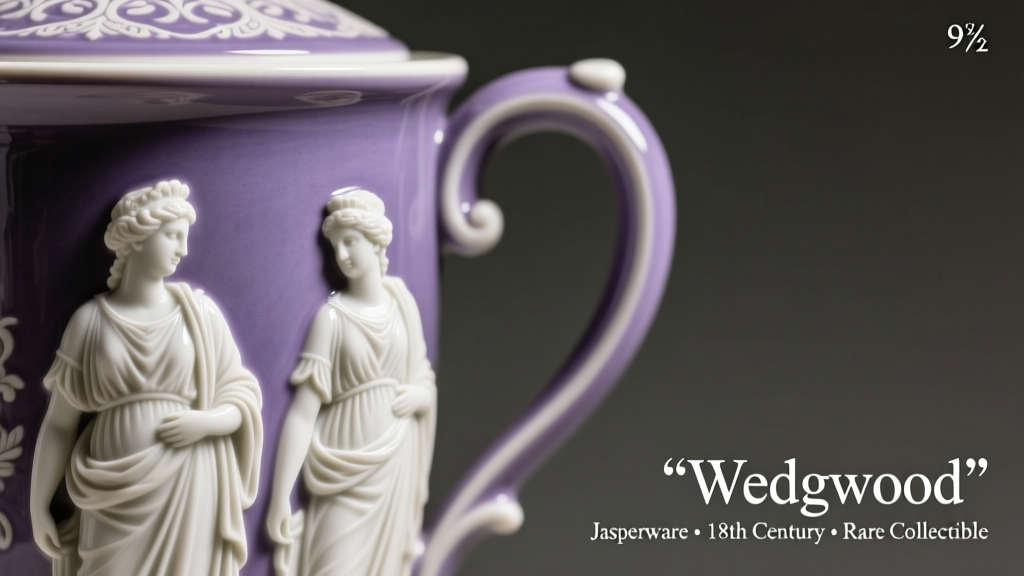
Wedgwood Urn Jasperware: White Classical Figures on Lavender Ground, 9¼-Inch Handle Vase — A Collector’s Deep Dive
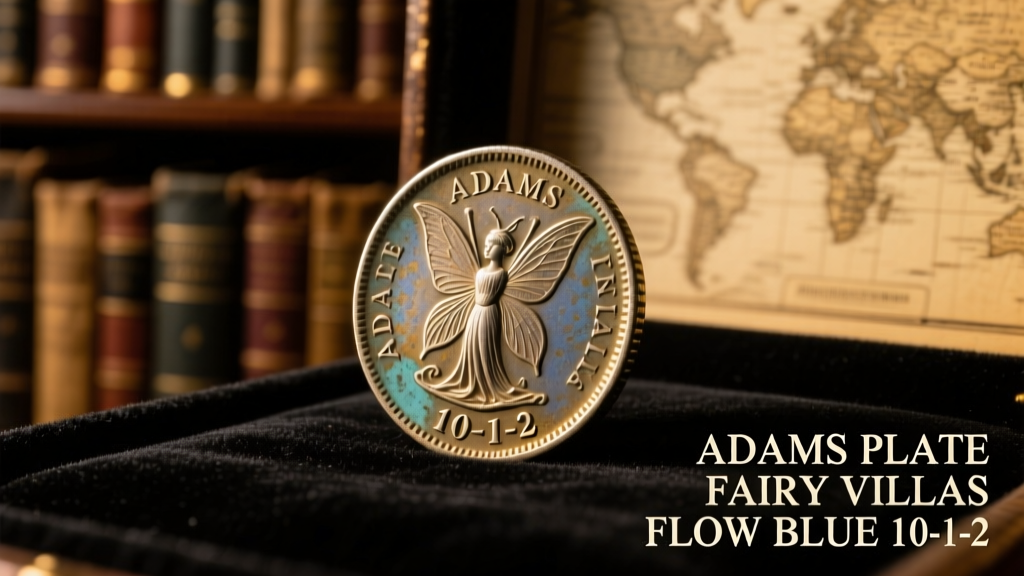
Adams Plate Fairy Villas Flow Blue 10½-Inch Dinner Plate: Identification, History, and Market Valuation
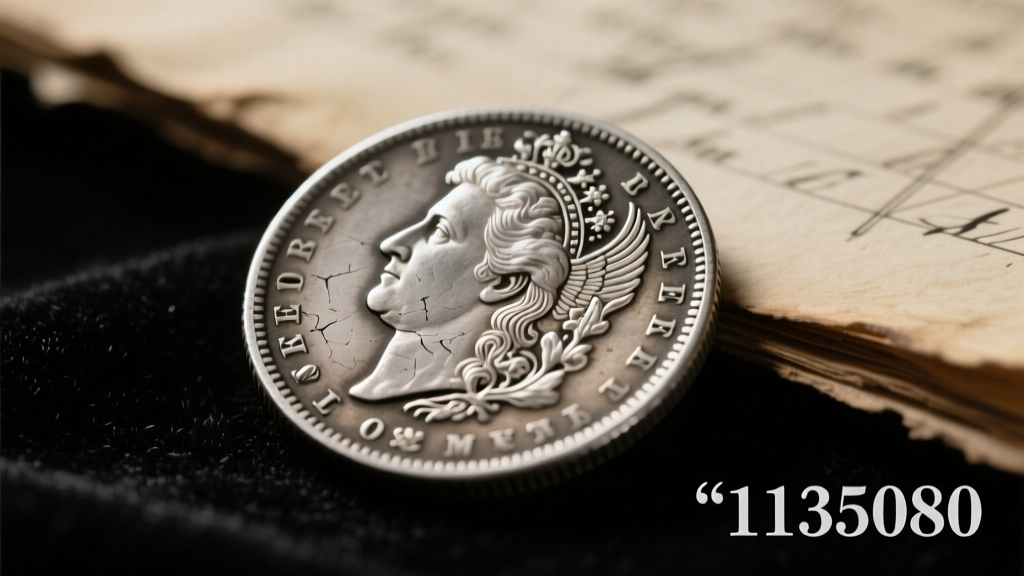
Decoding 1135080: A Numismatic Deep Dive into the 1943-S Lincoln Cent — Composition, Rarity, and Market Realities
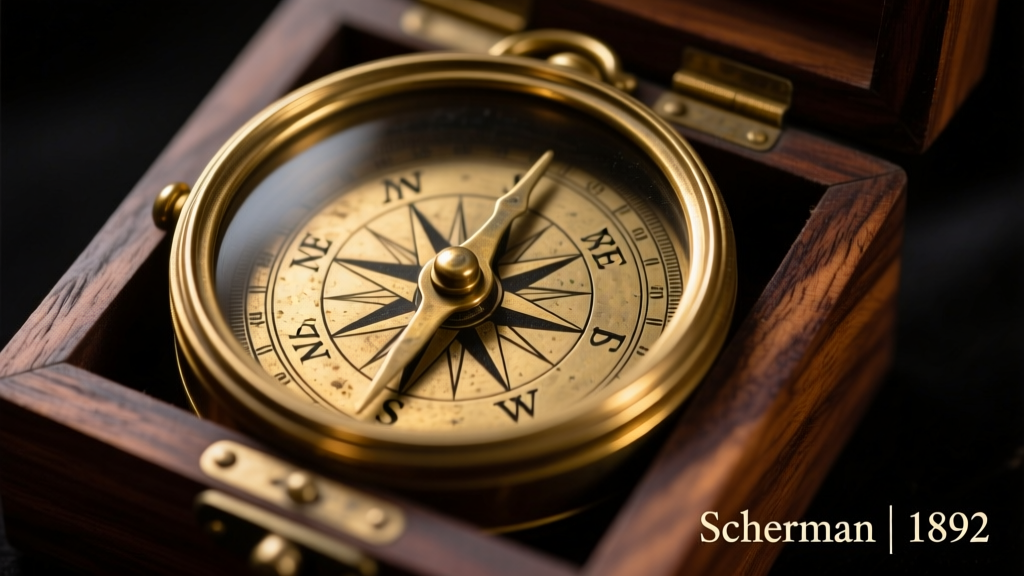
Nautical Compass 8-Point Direction by E.M. Scherman: A Collector’s Deep Dive into the All-Brass Walnut Box Edition (14 × 14 in)
Marcel Breuer’s 1936 Bent Plywood Table: Design Innovation, Provenance, and Market Significance
Watercolor on Velvet Shepherdess & Shepherd Artwork: Authentication, Value Assessment, and Framing Best Practices for a 20 × 25 Inch Piece
Spode Blue Transfer Coffeepot: The 'Maiden Milking Cow' Pattern — History, Identification, and Market Value Analysis