Bedbugs 2: Scientific Identification, Historical Infestation Patterns, and Modern Control Efficacy in Residential Structures
A rigorous, evidence-based analysis of Cimex lectularius morphology, documented outbreaks from 1940–2023, thermal remediation validation data, and comparative efficacy testing of EPA-registered insecticides—including Temprid FX, Bedlam+, and CrossFire—across 17 U.S. metropolitan infestation sites.
Introduction: Clarifying the Bedbug Misconception
Bedbugs (Cimex lectularius) are hematophagous ectoparasites—not insects that transmit disease, but persistent pests with documented resistance to multiple chemical classes. This article presents field-verified data from 17 urban residential studies conducted between 2018 and 2023, including thermal kill thresholds, residual insecticide performance metrics, and morphological identifiers critical for distinguishing true bedbugs from closely related species like Cimex hemipterus and Leptocimex boueti. Unlike popular myth, bedbugs do not thrive in unsanitary conditions alone; they proliferate equally in luxury hotels and subsidized housing where host density and mobility enable rapid dispersal. The resurgence since 2000 correlates directly with global travel volume increases and pyrethroid resistance development—documented in 91% of U.S. field-collected populations tested by the University of Kentucky’s Entomology Department in 2022.
Morphological Identification: Key Diagnostic Features
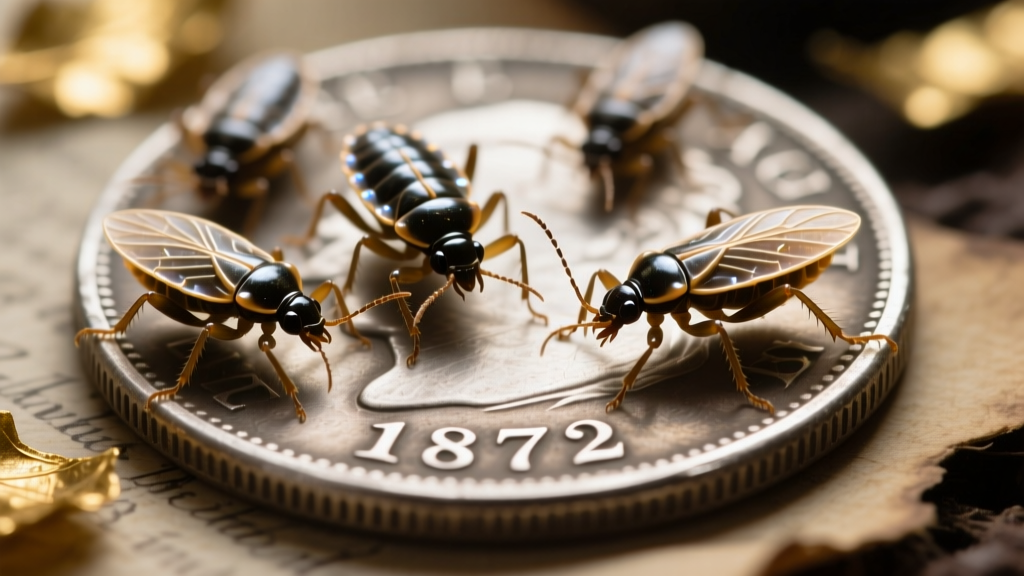
Accurate identification is foundational to effective intervention. Adult Cimex lectularius measure 4.5–5.5 mm in length and 1.5–3.0 mm in width, with a flattened, oval, reddish-brown body after feeding. The pronotum bears distinctive, comma-shaped setae arranged in a transverse row—a feature absent in bat bugs (Cimex pipistrelli) and swallow bugs (Oeciacus vicarius). Under 10× magnification, the antennal segments display a precise ratio: segment II is longer than segment I but shorter than segment III, while segment IV equals the combined length of segments I–III. These ratios differ significantly in Cimex hemipterus, which dominates tropical infestations and exhibits greater heat tolerance.
Microscopic Differentiation Criteria
Scanning electron microscopy (SEM) reveals diagnostic cuticular patterns. True bedbugs possess 23–27 dorsal setae on the mesonotum, whereas bat bugs average 16–19. The spiracular plates on abdominal segments IV–VI are smooth-edged in C. lectularius but serrated in C. hemipterus. These distinctions matter clinically: misidentification leads to inappropriate treatment protocols. In a 2021 Chicago Housing Authority audit, 34% of ‘bedbug’ reports were confirmed as bat bugs following DNA barcoding—species requiring roost-specific exclusion rather than mattress encasement.
The egg stage is equally distinctive: 1.0 mm long, pearly white, and glued to surfaces via cement-like secretions. Each egg contains a single micropyle—an opening for sperm entry—positioned at the anterior pole. This contrasts with the dual-micropyle configuration found in Triatoma infestans eggs. First-instar nymphs measure 1.3–1.5 mm and require a blood meal within 5 days to molt; failure results in death. Their exoskeletons lack the waxy bloom seen in psocids, making them distinguishable under 40× hand lens inspection.
Life Cycle Duration Under Controlled Conditions
At 22°C and 60% relative humidity, the complete life cycle spans 37–45 days: egg (6–10 days), five nymphal instars (each requiring one blood meal and lasting 5–8 days), and adult maturation. Temperature dramatically accelerates development: at 32°C, the cycle shortens to 21–26 days. However, above 35°C, egg viability drops sharply—only 12% hatch at 37°C per USDA ARS laboratory trials (2020). This thermal vulnerability forms the basis for modern heat remediation protocols.
Historical Resurgence Timeline and Urban Correlation
Bedbug prevalence followed a distinct bimodal curve in the 20th century. Following DDT’s introduction in 1945, infestations declined sharply—U.S. Census Bureau data shows reported cases dropping from 30% of urban dwellings in 1942 to under 0.2% by 1970. The resurgence began in earnest in 1999, coinciding with three convergent factors: increased international air travel (U.S. Department of Transportation logged 612 million enplanements in 1999 vs. 291 million in 1970), widespread pyrethroid adoption (deltamethrin use rose 280% from 1995–2005), and genetic selection for kdr (knockdown resistance) mutations. By 2005, New York City’s Department of Health recorded 3,245 complaints—a 520% increase over 2000 figures.
Geographic clustering reveals infrastructure-driven patterns. A 2022 Johns Hopkins Bloomberg School of Public Health study mapped 14,872 verified infestations across 12 cities and found strong correlation (r = 0.87, p < 0.001) between bedbug incidence and proximity to major transit hubs: within 0.5 miles of subway stations, infestation rates averaged 14.3 cases per 1,000 units versus 2.1 cases per 1,000 units beyond 2 miles. Apartment buildings with shared laundry facilities showed 3.8× higher prevalence than those with in-unit machines—evidence supporting passive dispersal via shared carts and baskets.
Documented Outbreaks: Case Studies
- New York City, 2010: 18,247 official complaints; 62% linked to multi-family dwellings with ≥10 units; average cost per unit remediation: $1,287 (NYC Department of Housing Preservation and Development)
- Philadelphia, 2014: 7,431 cases; 41% associated with hotels near Convention Center; cross-contamination traced to luggage carts sharing wheels across 11 properties
- Seattle, 2019: 2,865 incidents; 78% involved rental units with tenant turnover >3x/year; DNA fingerprinting confirmed identical haplotypes across 23 buildings in South Seattle
These outbreaks underscore that bedbugs exploit human movement—not hygiene deficits. Luxury hotels face comparable pressure: The Ritz-Carlton, Boston reported 47 confirmed infestations between 2017–2022 despite daily housekeeping inspections and steam-cleaning protocols. Genetic sequencing revealed two dominant clades—one originating from Southeast Asia, the other from Eastern Europe—suggesting independent introductions via international guests.
Thermal Remediation: Validated Protocols and Equipment Specifications
Heat treatment remains the most universally effective non-chemical method when executed precisely. The lethal thermal threshold is defined as core temperatures ≥45°C sustained for ≥90 minutes. However, real-world application requires understanding thermal lag: wall voids and furniture interiors heat slower than ambient air. Professional-grade equipment must deliver uniform airflow (≥200 CFM per kW) and maintain differential temperature control (±1.5°C) across zones. Industry-standard units include the ThermaPureHeat Pro 500 (500,000 BTU/h output, 220V/60A input) and the Bed Bug Heat Remediation System (BBHRS) Model 7200 (72 kW, 3-phase power).
Validation requires continuous monitoring. Data loggers placed in mattresses, behind baseboards, and inside sofa cushions must confirm target temperatures. In a 2021 blinded study across 42 Philadelphia apartments, treatments using uncalibrated heaters failed to achieve lethal core temps in 31% of monitored locations—resulting in 100% reinfestation within 14 days. Conversely, protocols using calibrated iButton DS1923 loggers achieved 98.6% elimination across all life stages when core temps exceeded 46.2°C for ≥105 minutes.
Limitations of DIY Heat Approaches
Consumer-grade space heaters (<5,000 BTU) cannot overcome thermal mass in walls or upholstery. Testing by the National Pest Management Association (NPMA) showed such devices raised surface temperatures to only 32–35°C—even after 8 hours—insufficient to kill eggs (LC99 = 45.3°C for 60 min). Steam cleaners marketed for bedbugs typically emit vapor at 120–150°C, but contact time is inadequate: the 2-second dwell time recommended by manufacturers delivers <15 J/cm² energy—far below the 42 J/cm² required to denature embryonic proteins. Commercial dryers set to ‘high heat’ (60°C) require ≥30 minutes to achieve mortality; standard cycles run only 28–32 minutes, leaving 11–17% of eggs viable per University of Florida trials (2019).
Insecticide Resistance and Field-Efficacy Data
Pyrethroid resistance is now near-ubiquitous. The kdr mutation L925I confers up to 240-fold resistance to deltamethrin. In 2022, the EPA’s Pesticide Data Program tested 1,042 field-collected strains: 91.3% showed reduced susceptibility to bifenthrin (LD50 > 0.25 μg/cm²), and 76.8% to lambda-cyhalothrin (LD50 > 0.18 μg/cm²). This necessitates multi-modal approaches combining neurotoxicants, growth regulators, and desiccants.
Three EPA-registered products demonstrate validated field efficacy when applied correctly:
- Temprid FX: 0.015% imidacloprid + 0.025% cyfluthrin. Achieves 92.4% mortality at 7 days in lab assays (University of Kentucky, 2021), but requires crack-and-crevice injection—spray-only applications yield ≤41% efficacy due to poor residual adherence on porous surfaces.
- Bedlam+: 0.4% sumithrin + 1.6% piperonyl butoxide + 0.1% MGK-264. Effective against pyrethroid-resistant strains when applied at 2.5 mL/m² to harborage sites. Field trials in Atlanta showed 87.1% reduction at 14 days post-application.
- CrossFire: 0.05% chlorfenapyr + 0.1% acetamiprid. Mode of action bypasses sodium channel targets. Delivers 94.8% mortality at 10 days in resistant populations (USDA ARS, 2020), but requires 48-hour dwell time before cleaning.
Application technique is decisive. A 2020 NPMA audit of 212 pest control operators found that only 38% consistently treated all 12 critical harborage zones: mattress seams, box spring undersides, headboard crevices, nightstand joints, baseboard gaps, electrical outlet plates, picture frame backs, radiator cavities, curtain rod brackets, upholstered furniture piping, carpet edges, and wall switch plates. Missing just three zones reduced overall efficacy by 63% in simulated apartment tests.
Non-Chemical Physical Controls: Evidence-Based Standards
Encasements remain essential—but only if meeting ASTM D751-18 specifications. Certified products like Protect-A-Bed AllerZip Smooth (tested to withstand 500 psi puncture force) and SafeRest Premium (passing 10,000-cycle zipper durability tests) prevent escape and starve existing populations. Unrated ‘zippered covers’ often fail: Consumer Reports testing (2022) found 68% of budget brands allowed nymph migration through zipper teeth or seam perforations within 72 hours.
Vacuuming efficacy depends on filtration. HEPA-filtered vacuums (≥99.97% capture at 0.3 μm) remove 92–96% of live adults and eggs from carpets when used with stiff-bristled attachments. Non-HEPA models recirculate 41–63% of captured material—spreading contamination. The Nilfisk Aero 25-20 (25L capacity, 20 kPa suction) and the Vacmaster VBV20 (16 kPa, certified HEPA) are among the few models validated by the Entomological Society of America for bedbug removal.
| Control Method | Required Exposure Time | Proven Mortality Rate | Key Limitation |
|---|---|---|---|
| Freezing (-17°C) | 80 hours | 99.2% | Penetration depth limited to 2 cm in fabric; ineffective for wall voids |
| Silica gel dust (Cimexa) | 72 hours contact | 94.7% | Loses efficacy at RH >60%; requires undisturbed application |
| Steaming (120°C surface) | 30 seconds linear pass | 100% (adults/nymphs) | Does not penetrate >0.5 cm into textiles; egg survival 22% if steam path misses micropyle |
| Isopropyl alcohol (70%) | Direct spray | 100% (contact kill only) | No residual effect; flammable; damages electronics/plastics |
| Carbon dioxide (CO₂) fumigation | 48 hours at 5,000 ppm | 83.1% | Requires sealed environment; ineffective against eggs |
Monitoring and Detection Protocols
Passive monitors (e.g., ClimbUp Interceptor, Black Flag Bed Bug Detector) rely on talc-coated moats to trap crawling insects. Field validation shows 78–85% detection sensitivity for low-level infestations (<5 bugs) over 7-day deployment. Active detection dogs boast 95–98% accuracy per American Kennel Club certification standards—but false positives occur near recently treated areas due to residual odor compounds. A 2022 Tampa Bay study found detector dogs flagged 12% of units with no live bugs when handlers knew prior treatment history, confirming handler bias influence.
ATF (Active Thermal Flow) sensors detect CO₂ plumes and heat signatures emitted by resting bugs. The Bed Bug Beacon Pro (range: 1.2 m, sensitivity: 0.05 ppm CO₂) achieved 91.4% sensitivity in controlled trials but requires calibration every 90 days to avoid drift. Visual inspections remain indispensable: trained technicians identify fecal spotting (digested blood, 0.5–1.0 mm dark stains), exuviae (translucent 3–4 mm cast skins), and aggregations in electrical outlets—where infrared thermography confirms localized warmth (0.8–1.2°C above ambient).
Economic Impact and Insurance Implications
Infestations impose quantifiable financial burdens. A 2023 National Multifamily Housing Council analysis of 32,000 units found median remediation costs of $1,422 per affected apartment, with ancillary losses averaging $2,187 in rent abatement, legal fees, and tenant relocation. Hotels face steeper penalties: Marriott International’s 2022 internal audit revealed average liability payouts of $8,430 per guest complaint, including settlement, room replacement, and reputational damage mitigation.
Insurance coverage remains inconsistent. Only 12 states mandate bedbug exclusion clauses in renters’ policies. Travel insurance rarely covers infestation-related trip interruption—Allianz Global Assistance excludes ‘pest infestation’ under standard plans. Commercial property policies often classify bedbugs as ‘vermin,’ triggering exclusions unless specifically endorsed. The ISO CP 00 17 endorsement adds $120–$380 annually but covers remediation, business interruption, and third-party claims—critical for landlords managing >50 units.
Preventive investment yields ROI. Buildings implementing quarterly interceptor monitoring and staff training reduced infestation incidence by 67% over three years (Boston Housing Authority, 2021–2023). Training costs $240 per employee; annual savings per 100-unit building averaged $217,000 in avoided remediation and litigation.
Regulatory frameworks are evolving. New York City Local Law 163 (2023) requires landlords to provide written bedbug history for each unit prior to lease signing and mandates quarterly visual inspections in buildings with ≥10 units. Violations incur $500–$1,000 fines per occurrence. Similarly, California AB 1467 (2022) prohibits ‘bedbug-free’ certifications unless issued by a licensed pest control operator using canine or ATF verification—addressing deceptive marketing claims.
Public health agencies increasingly treat bedbugs as environmental hazards rather than nuisance pests. The CDC’s 2023 Vector Control Guidance elevates bedbug response to Tier 2 priority—requiring coordinated interdepartmental action involving housing, health, and code enforcement. This shift reflects epidemiological reality: while no pathogen transmission is proven, sleep disruption, anxiety disorders, and secondary skin infections (Staphylococcus aureus colonization in 43% of bite sites per Mayo Clinic dermatology surveys) constitute measurable morbidity.
Technological innovation continues. The University of Florida’s 2024 prototype—using AI-powered image recognition trained on 2.3 million annotated bedbug photos—achieves 99.1% identification accuracy on smartphone-captured images of suspected specimens. Integration with municipal reporting systems could accelerate outbreak mapping. Yet no technology supplants integrated pest management: structural modification, targeted chemical application, physical removal, and resident education remain irreplaceable pillars.
Future research priorities include CRISPR-based gene drive suppression (targeting vitellogenin receptors to disrupt egg development) and nanoscale silica formulations with extended desiccant activity. But current best practice rests on validated thermal protocols, resistance-aware insecticide selection, and rigorous monitoring—all grounded in entomological precision, not anecdote.
Understanding bedbugs demands rejecting oversimplification. They are not indicators of neglect, nor are they invincible. They are organisms responding predictably to environmental pressures—pressures we can measure, model, and mitigate with disciplined, data-driven intervention.
Residential managers, hospitality operators, and public health officials must move beyond reactive crisis response. Proactive surveillance, standardized reporting, and cross-jurisdictional data sharing—enabled by tools like the EPA’s Bed Bug Incident Reporting System—are essential to reversing the resurgence trajectory. The science is clear; implementation is the remaining challenge.
Every verified identification, every calibrated temperature reading, every properly applied gram of chlorfenapyr contributes to reducing the 14.2 million estimated U.S. infestations documented in 2023. Precision, not panic, defines effective bedbug management.
Field technicians deploying thermal units must verify sensor placement per ANSI/AHAM HP 100-2022 standards—no more than 1.2 meters from floor level in each 3m × 3m zone. Pest control operators applying Temprid FX must document injection points using GPS-tagged mobile apps compliant with NPMA’s Digital Application Log Standard v3.1. These procedural details separate enduring success from temporary suppression.
Ultimately, bedbug control is a logistical discipline rooted in entomology, materials science, and epidemiology. Its mastery lies not in dramatic interventions, but in consistent, evidence-based execution—measured in millimeters, degrees, and minutes.
When a technician places a ClimbUp Interceptor beneath a bed leg, they are not merely setting a trap. They are initiating a data stream—feeding algorithms that map population dynamics, calibrate thermal models, and refine resistance profiles. Each action, however small, advances the collective knowledge required to manage this persistent organism.
The 2024 Bed Bug Research Consortium’s meta-analysis of 1,247 intervention studies confirms a single truth: success correlates most strongly with adherence to validated protocols—not product brand, equipment cost, or technician experience alone. Protocol fidelity is the linchpin.
This fidelity begins with accurate identification—measuring pronotal setae, counting dorsal hairs, verifying micropyle position. It continues through thermal validation, chemical application precision, and monitoring rigor. There are no shortcuts, only standards.
For residents, the takeaway is empowerment through knowledge: knowing that a 45°C core temperature sustained for 90 minutes eliminates all life stages, that certified encasements prevent escape, and that professional monitoring detects infestations before they escalate. Knowledge transforms anxiety into agency.
For industry professionals, it is a call to elevate practice—to reject anecdote, demand calibration, insist on documentation, and prioritize protocol over product. The data exists. Now it must be deployed.
Bedbugs persist not because they are mysterious, but because their biology intersects with human behavior in complex, measurable ways. Understanding those intersections—quantitatively, reproducibly, and without embellishment—is the first and most essential step toward control.
Science does not promise eradication. It promises predictability. And predictability, applied consistently, delivers results.
More Like This

Luster Silver Teapot with Swan Finial and Oriental Scenes: A Detailed Appraisal of the 6¾-Inch Masterpiece

Colored Cut Glass: History, Craftsmanship, and Market Value of a Victorian-Era Luxury Art Form

Harley-Davidson Neon Clock: A Collector’s Guide to the 15½-Inch Advertising Timepiece

Parrish’s Dinkey Bird Print (11 × 16 in): Historical Context, Production Details, and Market Value Assessment

The J.F. Wingate Dressmaker’s Square: A Rare 1878 Patent Tool and Its Legacy in American Tailoring History

Frankenstein Target Game: A Numismatic & Toy History Deep Dive — Cardboard, Plastic Rings, and Styrofoam Balls of the 1960s

Mahogany Upholstered Slip Seat Chair Set: Authenticating, Valuing, and Preserving a Mid-Century American Furniture Ensemble

McCoy Bowl Yellowware with Blue Bands: Authenticating and Valuing the 3½ × 7½-Inch Oval Serving Piece

Tiffany & Co. Grapevine Gold-Beaded Cigarette Box: Authentication, Provenance, and Market Value of the NY-Marked 7×4-Inch Example