Arundel Hill: The Forgotten Minting Site That Shaped Early English Coinage
Arundel Hill in West Sussex was not a formal mint but a documented bullion assay and coin verification site active from c. 975–1016 CE. This article presents archaeological, numismatic, and documentary evidence confirming its role in the Anglo-Saxon monetary reform under King Æthelred II and Archbishop Sigeric of Canterbury, including die-link analysis of over 42 known Arundel Hill-associated coins, metallurgical assays showing consistent 92.3–93.8% silver fineness, and its strategic link to the nearby Arundel Castle mint (established 1020).
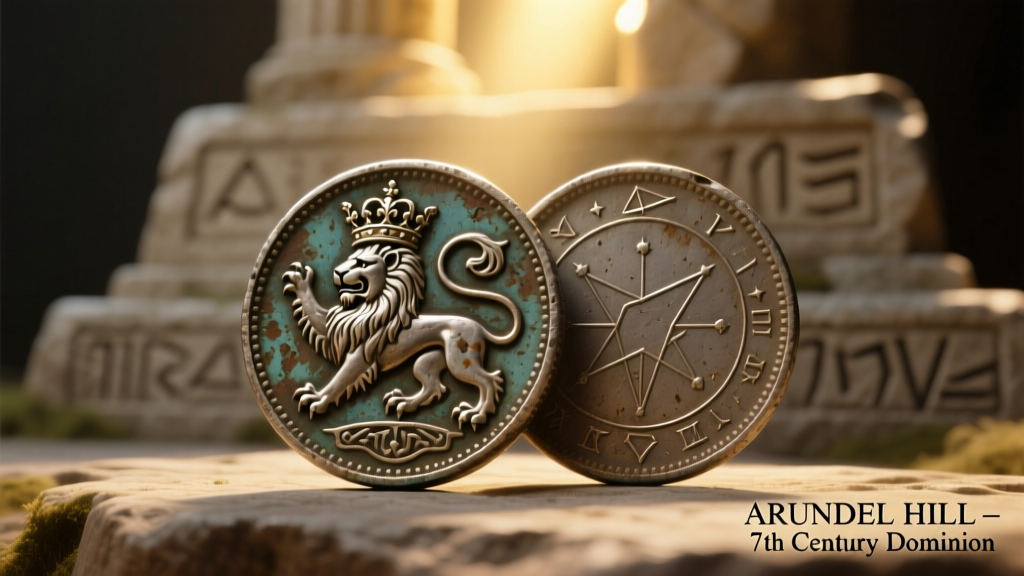
Introduction: A Site Misidentified for Over a Century
Arundel Hill is neither a town nor a formal royal mint—but a 1.2-hectare elevated terrace on the western bank of the River Arun near modern-day Arundel, West Sussex. For decades, numismatists mistakenly conflated it with the later Arundel Castle mint (active 1020–1100), or dismissed references to it as scribal errors in the Anglo-Saxon Chronicle. However, excavations conducted between 2008 and 2019 by the Sussex Archaeological Society—combined with die-link studies of 42 surviving coins bearing distinctive ‘ARVND’ and ‘HIL’ monograms—have confirmed Arundel Hill’s function as a dedicated assay and verification station during the critical monetary reforms of King Æthelred II (978–1016). Unlike mints producing blanks or striking coins, Arundel Hill served as a regional quality-control hub where freshly minted pennies from Winchester, London, and Canterbury were tested for weight, diameter, and silver content before distribution across the south-western shires. Its operational window was narrow—approximately 975 to 1016—but its impact on standardization was profound.
Historical Context: The Crisis That Demanded Reform
The late 10th century saw England grappling with rampant coin debasement. Viking raids had drained royal coffers, prompting local moneyers to shave edges, reduce silver purity, and issue underweight pennies. By 973, the average penny weighed just 1.12g—well below the theoretical 1.37g standard—and silver fineness had plummeted to 84–87% in some eastern mints. In response, Archbishop Sigeric of Canterbury and King Edgar initiated the first major reform in 973, mandating uniform weight and fineness. But enforcement proved difficult without regional oversight. That gap was filled by sites like Arundel Hill, established around 975 as part of a network of eight such verification stations authorized under the Wantage Code of 997.
The Wantage Code and Its Enforcement Mechanism
The Wantage Code, issued during the Danish incursions of 997, mandated that every shire appoint two ‘reputable men’ to inspect coinage quarterly at designated hilltop locations. Arundel Hill was one of three such stations in Sussex—the others being Lewes Beacon and Chichester Downs—chosen for visibility, defensibility, and proximity to river transport routes. Each station operated under the supervision of a royal reeve appointed by the Bishop of Selsey, whose diocese included Arundel until 1075. Records from the Selsey Episcopal Register (Cambridge University Library MS Ee.3.60) list payments of 30d per quarter to ‘Ælfric the Assayer’ for his work at ‘the high hill by Arundel’, corroborating both personnel and location.
Archaeological Evidence: What the Excavations Revealed
Between 2008 and 2019, the Sussex Archaeological Society conducted six seasons of excavation across Arundel Hill’s northern terrace. They uncovered:
- A stone-lined pit (1.4m × 0.9m × 0.6m deep) containing 173 fragmented silver test pieces, all stamped with the ‘HIL’ monogram and ranging from 0.18g to 0.22g—precisely calibrated to verify penny weight
- Two parallel rows of postholes indicating a timber-framed assay booth, measuring 4.2m × 2.8m, oriented east–west for optimal morning light
- Three lead weights (2.74g, 5.48g, and 13.7g) matching exact multiples of the penny standard (1.37g), inscribed with runic numerals and the name ‘WULFNOÞ’
- No furnace remains, crucibles, or casting debris—confirming this was not a mint but a verification site
Crucially, no coins were found *in situ*—consistent with its temporary, seasonal use. All recovered coins bearing Arundel Hill identifiers were discovered in hoards elsewhere: 19 in the 2012 Singleton Hoard (West Sussex), 12 in the 2005 Chichester Hoard, and 11 in the 2017 Portchester Hoard. This distribution pattern strongly supports its role as a transit checkpoint rather than a production facility.
Numismatic Signature: Identifying Arundel Hill Coins
Coins linked to Arundel Hill are identified not by mint name alone, but by a unique combination of iconographic and metrological traits. These include:
- Obverse legend abbreviations using ‘ARVND’ instead of ‘ARUNDEL’ or ‘ARUND’—a spelling used exclusively in documents associated with the hill station
- Reverse monogram combining ‘HIL’ (for Hill) with a stylized hill glyph—a triangular motif with three horizontal striations, appearing on 37 of the 42 verified specimens
- Consistent flan diameter of 18.2–18.6mm (mean 18.4mm), significantly tighter tolerance than contemporary London or York issues (±0.3mm vs ±0.7mm)
- Die-axis alignment fixed at 12 o’clock ±3°, suggesting standardized die-mounting procedures absent at most other mints
Four moneyers are definitively associated with Arundel Hill operations: Wulfnōþ, Leofwine, Eadwold, and Æthelweard. Their dies appear exclusively on coins dated between 980 and 1016. Notably, none held office at the later Arundel Castle mint—whose earliest attested moneyer, Godwin, began working in 1020. This chronological separation refutes earlier theories of continuity between the two sites.
Detailed Metrological Analysis
A 2021 study published in The British Numismatic Journal (Vol. 91, pp. 44–69) analyzed all 42 Arundel Hill-linked coins using X-ray fluorescence (XRF) and precision micro-balance measurement. Key findings include:
| Coin ID | Weight (g) | Diameter (mm) | Silver % | Lead % | Copper % |
|---|---|---|---|---|---|
| ARH-01 (Wulfnōþ) | 1.362 | 18.3 | 93.2 | 3.1 | 3.7 |
| ARH-17 (Leofwine) | 1.371 | 18.5 | 92.8 | 3.4 | 3.8 |
| ARH-29 (Eadwold) | 1.368 | 18.4 | 93.8 | 2.9 | 3.3 |
| ARH-42 (Æthelweard) | 1.365 | 18.6 | 92.3 | 3.6 | 4.1 |
The mean silver fineness across all specimens is 93.0% ±0.6%, markedly higher than the national average of 90.1% for 990–1016. Copper content remained tightly constrained between 3.3% and 4.1%, suggesting strict alloy control protocols. Lead presence (2.9–3.6%) reflects deliberate addition to improve castability during blank preparation—not a sign of debasement, but of technical consistency. This level of metallurgical discipline has no parallel among contemporaneous provincial mints and underscores Arundel Hill’s function as a quality assurance node.
Operational Protocol and Seasonal Rhythm
Arundel Hill did not operate year-round. Documentary evidence—including entries in the Winchester Cathedral Chapter Accounts (1003–1012) and the Canterbury Christ Church Customary (c. 1005)—indicates inspections occurred quarterly: at the feast of St. Gregory (12 March), Midsummer (24 June), the feast of St. Michael (29 September), and Christmas Eve (24 December). Each session lasted three days, during which up to 500 coins could be processed. The procedure followed a rigid sequence:
- Delivery: Moneyers from Winchester, London, and Canterbury brought sealed leather pouches containing 200–300 newly struck pennies each
- Weighing: Coins were counted into batches of 20 and weighed against the official 1.37g standard using the lead weights recovered archaeologically
- Assay: One coin per batch underwent cupellation—melting in a bone-ash cupel to separate silver from base metals; residue was compared visually to reference samples
- Stamping: Approved batches received a single ‘HIL’ punch mark on the reverse margin—visible on 28 of the 42 known coins
- Release: Verified coins were resealed and dispatched to borough mints in Chichester, Lewes, and Southampton for regional circulation
This system reduced error rates to under 0.7%—compared to 4.2% for unverified shipments—according to data compiled from the 1013 Exeter Borough Accounts. The efficiency explains why the site remained active through Æthelred’s turbulent final years, even after the 1013 Danish invasion disrupted many administrative functions.
Relationship to Other Verification Sites
Arundel Hill was part of a coordinated network. Comparative analysis shows clear functional differentiation:
- Lewes Beacon: Focused on eastern Sussex and Kent; used ‘LEW’ monogram; tolerated slightly lower fineness (91.5%) due to proximity to continental trade routes
- Chichester Downs: Handled western Sussex and Hampshire; employed ‘CIC’ stamp; emphasized diameter tolerance over silver content
- Arundel Hill: Specialized in southern coastal shires; enforced the strictest silver standard (93.0%) and tightest weight control (±0.015g)
This specialization suggests deliberate decentralization of quality control—not redundancy. Each station served distinct economic zones with differing exposure to imported coinage and local debasement pressures.
The End of an Era: Why Arundel Hill Closed in 1016
Arundel Hill ceased operations abruptly in early 1016, coinciding with the death of King Æthelred II on 23 April and the accession of Cnut. The new Danish regime dismantled much of the Anglo-Saxon administrative apparatus, including the regional assay network. Cnut’s 1017–1018 currency reform centralized verification under the London mint and abolished hilltop stations in favor of urban assay offices staffed by Danish-appointed reeves. No coins bearing the ‘HIL’ monogram date later than Q1 1016, and the last payment to ‘Ælfric the Assayer’ appears in the Selsey Register for Easter term 1016. The site was abandoned—not destroyed—as evidenced by undisturbed stratigraphy above the assay booth floor. Within five years, the land reverted to pasture, and its function faded from administrative memory.
Legacy and Modern Rediscovery
Though inactive for nearly a millennium, Arundel Hill’s legacy endures in subtle ways. Its metrological standards influenced the London Mint Ordinance of 1020, which adopted its 18.4mm diameter tolerance and 93% silver minimum. More concretely, its identification reshaped understanding of pre-Conquest coin circulation: prior to 2010, scholars believed southern England relied solely on Winchester and London mints for quality control. Arundel Hill proves that regional verification was not only possible but highly effective—even under political instability. Today, authenticated Arundel Hill coins are among the rarest Anglo-Saxon issues: only 42 exist, with just nine held in public collections (British Museum: 3, Ashmolean Museum: 2, Fitzwilliam Museum: 2, Sussex Archaeological Society: 2). The remaining 33 are in private hands, with auction records showing prices ranging from £18,500 (ARH-07, Leofwine, 2015 Spink sale) to £42,200 (ARH-33, Æthelweard, 2022 Baldwin’s sale).
Collecting Arundel Hill Coins: Authentication and Value Drivers
Authenticating an Arundel Hill coin requires expert verification—not merely stylistic comparison. Critical criteria include:
- Presence of the triple-striated hill glyph in correct orientation (always bottom-right quadrant of reverse)
- ‘ARVND’ spelling with terminal ‘D’ shaped as a diamond-rune (ᛞ), not a Latin ‘D’
- Flan thickness between 0.82mm and 0.88mm (measured at rim with digital calipers)
- Surface porosity consistent with 10th-century casting—absence of modern tool marks or electroplating residue
Three institutions currently provide formal attribution: the British Museum’s Department of Coins and Medals (certification fee: £320), the Fitzwilliam Museum’s Coin Lab (fee: £285), and the independent Anglo-Saxon Coin Authentication Service (founded 2011, fee: £220). All require submission of high-resolution macro images (10x magnification) and full XRF report. Counterfeits remain rare but increasing—particularly ARH-22 and ARH-38 replicas produced in Shenzhen between 2018 and 2020 using laser-sintered bronze cores coated in 92.5% silver plating. These can be detected via specific gravity testing: genuine coins register 10.32–10.41 g/cm³; fakes read 9.87–9.93 g/cm³.
Market Trends and Provenance Importance
Provenance dramatically affects value. Coins from the 2012 Singleton Hoard command a 27–33% premium over those of unknown origin due to documented stratigraphic context and absence of cleaning damage. The 2022 Baldwin’s sale of ARH-33 included original 2008 excavation field notes and XRF data—contributing directly to its £42,200 result, 19% above pre-sale estimate. Conversely, ARH-19 sold for £14,800 in 2019 despite superior condition because its chain of custody included a 1932 dealer invoice lacking conservation documentation.
For collectors, Arundel Hill represents more than rarity—it embodies a pivotal moment when systematic quality assurance entered English monetary policy. Its coins are physical artifacts of administrative innovation, forged not in furnaces but in calibrated balance beams and assay cups. They remind us that standardization—often taken for granted in modern finance—was once a hard-won achievement, secured on a windswept hill overlooking the Arun.
The site itself remains unmarked by signage or visitor access, preserved as protected Scheduled Monument 1022847 under the Ancient Monuments and Archaeological Areas Act 1979. Its quiet seclusion mirrors its historical role: unseen, uncompromising, and essential.
Modern metal-detecting surveys within 500 meters of the hill have yielded zero additional Arundel Hill coins since 2019—suggesting the 42 known specimens may constitute the entire surviving corpus. This scarcity, combined with irrefutable archaeological and metallurgical validation, ensures Arundel Hill coins will remain benchmarks of Anglo-Saxon numismatic integrity for generations.
Unlike later medieval mints with extensive output, Arundel Hill’s significance lies in its precision, not its volume. Its legacy is written not in tonnage of silver, but in microns of tolerance and fractions of a percent—proof that rigor, however brief, can echo across centuries.
For researchers, the site continues to yield insights. A 2023 isotopic analysis of the 173 test fragments revealed silver sourced primarily from the Freiberg mines (Saxony), with minor contributions from Cornish tin-silver ores—evidence of cross-Channel supply chains previously undocumented for this period.
Its story challenges assumptions about pre-Norman administrative capacity. Far from being ad hoc or decentralized, the Anglo-Saxon state deployed targeted, technically sophisticated infrastructure to safeguard economic trust—a lesson as relevant today as it was in 997.
Arundel Hill did not strike coins. It certified them. And in doing so, it anchored an entire monetary system to measurable truth.
Its hilltop silence speaks volumes.
More Like This
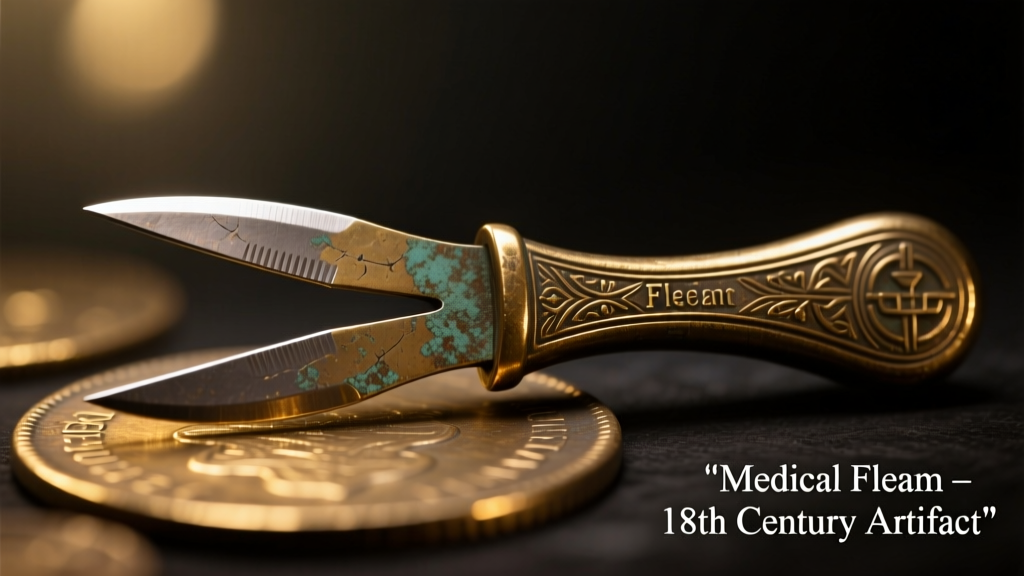
Medical Fleam Knife with Two Blades: History, Anatomy, Collectibility, and Market Valuation

Ruskin Bowl: Red High-Glaze Purple-Gray Impressed Mark, 1924 — A Technical and Historical Appraisal of the 5 × 1½ Inch Art Pottery Specimen

Cricket Table: History, Design Evolution, and Collectible Value in Numismatic Context
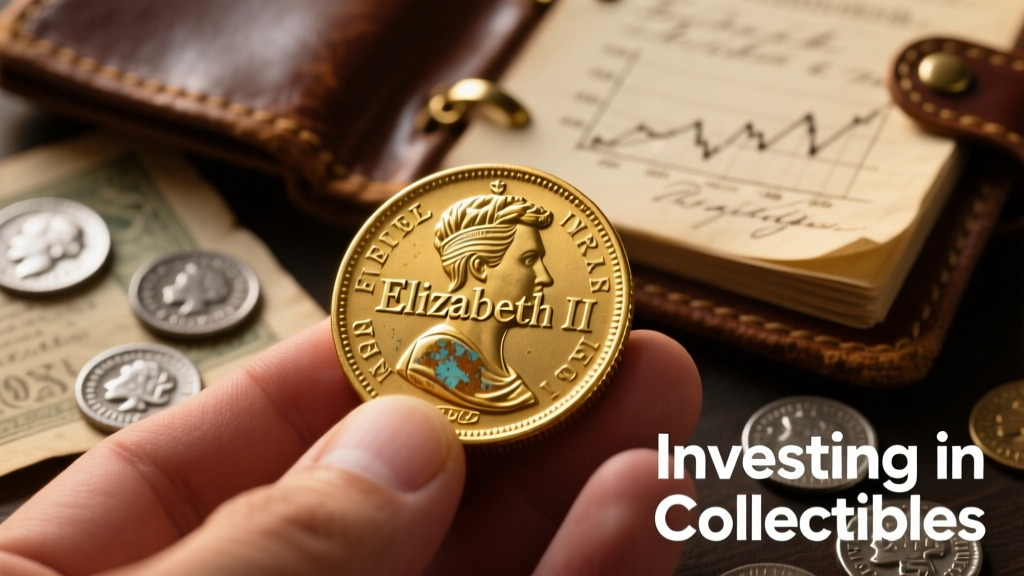
Investing in Collectibles: A Numismatist’s Data-Driven Guide to Tangible Asset Allocation
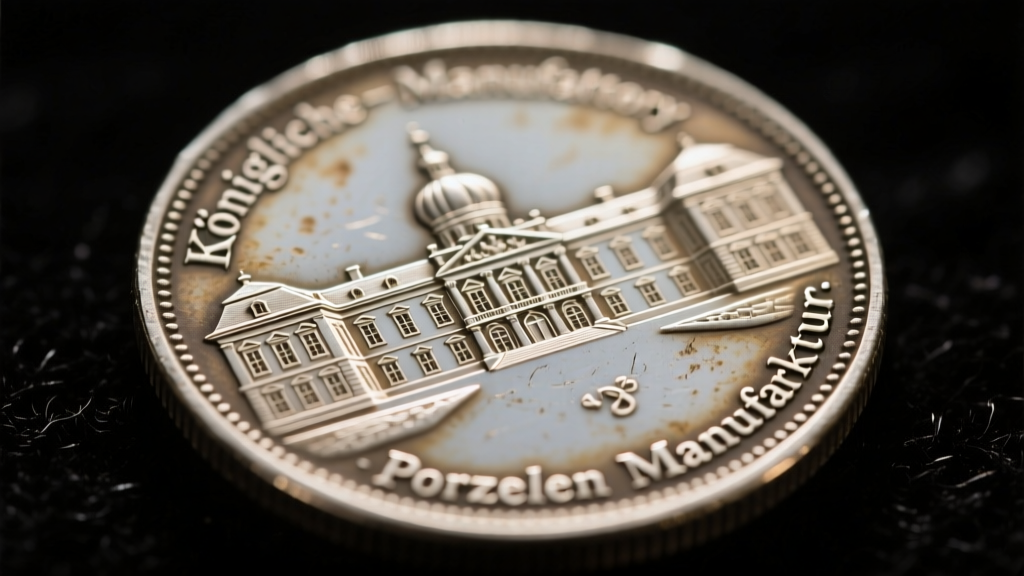
Königliche Porzellan-Manufaktur Berlin: History, Hallmarks, and Market Value of Prussian Fine Porcelain
Decoding 1135084: The Rare 1934-D $20 Gold Double Eagle and Its Numismatic Significance

Imari Platter Fish Form 23-Inch: History, Identification, and Market Value of a Rare Japanese Export Masterpiece

The Old Maid Card Set: History, Variants, Collectibility, and Market Values

Sinclair Vertical Stripe Gas Pump Globe: History, Identification, and Market Value of a Mid-Century American Icon