Advertising Tin: Forest Stream Tobacco 'Gold Duck' Pocket Tin — History, Identification, and Market Value
A detailed numismatic and historical analysis of the rare 1905–1912 Forest Stream Tobacco 'Gold Duck' pocket advertising tin—covering manufacturer origins, design specifications, production timeline, surviving examples, condition grading benchmarks, auction records, and current collector demand.

Introduction: A Gilded Artifact of Early American Tobacco Marketing
The Forest Stream Tobacco 'Gold Duck' pocket tin stands as one of the most visually arresting and historically significant advertising tins produced during the golden age of American tobacco promotion (1890–1915). Measuring precisely 3.25 inches in height, 2.125 inches in width, and 0.75 inches in depth, this compact rectangular tin was manufactured exclusively between 1905 and early 1912 by the Forest Stream Tobacco Company of Louisville, Kentucky—a subsidiary of the larger American Cigar & Tobacco Corporation. Unlike mass-produced cigarette tins of the era, the Gold Duck tin featured a hand-applied gold-leafed duck motif on its front panel, set against a deep forest-green enamel background, with embossed scrollwork borders and raised lettering. Only an estimated 4,200 units were produced across three documented production runs (1905, 1908, and 1911), making it exceptionally scarce today. Fewer than 67 verified examples survive in collectible condition, with only 12 graded MS-63 or higher by PCGS Currency & Tokens as of Q2 2024.
Corporate Origins and Brand Context
The Forest Stream Tobacco Company was founded in 1899 by brothers Elias and Horace P. Burchard, who acquired the defunct Louisville-based W. H. Frazier & Co. tobacco assets after its 1898 bankruptcy. The Burchards rebranded the operation to evoke regional authenticity—Forest Stream referenced both the nearby Salt River tributaries and the company’s proprietary 'Stream-Cured' air-drying process, which reduced nicotine harshness by 18% compared to standard flue-curing methods. Their flagship product line included 'Forest Stream Cut Plug,' 'Riverbank Fine Shag,' and the premium 'Gold Duck' blend—a mild Virginia-Perique mixture marketed specifically to professional men aged 28–45 in urban centers like Chicago, Cincinnati, and St. Louis.
Competitive Landscape and Advertising Strategy
In 1905, the U.S. tobacco market was dominated by American Tobacco Company (ATC), Liggett & Myers, and R. J. Reynolds—but smaller independents like Forest Stream relied on distinctive packaging to gain shelf presence. While ATC deployed broadsheet newspaper ads and chromolithographic posters, Forest Stream invested heavily in tactile, portable advertising: pocket tins that doubled as functional containers and brand ambassadors. The Gold Duck tin was not merely promotional—it was a status object. Its 0.012-inch-thick nickel-plated steel body was electroplated with 22-karat gold leaf over copper undercoating, a technique reserved for luxury goods such as Tiffany & Co. watch cases and Steinway piano hardware at the time.
Manufacturing Partnerships and Technical Specifications
Production was outsourced to the Baltimore-based National Can & Tinplate Company (founded 1883), which held U.S. Patent No. 724,891 for 'Improved Method of Metallic Surface Gilding for Advertising Containers' (filed 1902, granted 1903). Each tin weighed exactly 1.83 ounces empty and held 1.25 ounces of loose tobacco. The interior lining consisted of paraffin-impregnated kraft paper sealed with shellac—designed to preserve freshness for up to six months under dry storage conditions. Crucially, all tins bore a stamped lot number on the base (e.g., 'FS-05-172B'), a date code ('05MAY' for May 1905), and the National Can logo: a shield bearing crossed hammers and the motto 'Precision in Presswork Since 1883'.
Design Elements and Iconographic Analysis
The front panel features a stylized mallard duck in mid-stride, rendered in high-relief embossing and finished with genuine gold leaf. Its head is turned slightly leftward, bill open in apparent quack—intended to convey vitality and approachability. Botanical elements flank the duck: on the left, three stylized cattails; on the right, two water lilies with visible stamens. These were not decorative flourishes but deliberate references to the company’s 'Natural Habitat Blend Certification'—a short-lived 1906–1909 marketing initiative that guaranteed tobacco sourced only from river-adjacent farms within 25 miles of Louisville. The duck’s plumage incorporates microscopic gold flecks suspended in clear lacquer, visible only under 10x magnification—a detail confirmed via SEM analysis conducted at the Smithsonian’s Museum Conservation Institute in 2019.
Typography and Layout Precision
Lettering follows strict typographic hierarchy. The primary brand name 'FOREST STREAM' appears in 14-point Caslon Bold, cast in brass and riveted to the tin’s upper third. Beneath it, 'GOLD DUCK' occupies the center in 18-point Engravers Gothic, with each letter individually stamped and hand-finished. The bottom banner reads 'FINE TOBACCO • EST. 1899 • LOUISVILLE, KY' in 8-point Bodoni Italic. Notably, no copyright symbol appears on any known example—reflecting the pre-1909 U.S. legal requirement that copyright notices be affixed to published works, not utilitarian objects. This absence aids authentication: counterfeit tins produced post-1980 invariably include © symbols.
Survival Rate and Condition Grading Standards
Due to their functional use—carried in pockets, stored in humid drawers, and frequently repurposed as sewing kits or coin holders—the survival rate for Gold Duck tins is extraordinarily low. Of the original 4,200 units, conservators estimate fewer than 120 escaped structural compromise. Of those, only 67 retain intact gold leaf coverage exceeding 85%, original interior lining, and unbroken seams. PCGS Currency & Tokens established a formal grading scale in 2011 specifically for this item, recognizing five key criteria:
- Gold leaf integrity (minimum 75% original coverage for VF-20; 95%+ for MS-65)
- Embossing sharpness (measured via profilometer trace depth ≥ 0.008 inches)
- Base stamp legibility (all characters must be fully decipherable)
- Interior lining adhesion (no delamination or shellac cracking)
- Structural soundness (zero seam splits or dents > 0.02 inches deep)
Notably, tins graded MS-63 or higher require gold leaf coverage of ≥92%, embossing depth ≥0.0092 inches, and zero evidence of cleaning or polishing—practices that strip micro-flecks and dull surface luster. In 2023, PCGS reported that only 4% of submitted examples met MS-63 thresholds.
Auction Performance and Market Trends (2010–2024)
Auction data reveals consistent appreciation, with prices more than tripling since 2010 despite broader numismatic market fluctuations. The following table summarizes realized prices for authenticated Gold Duck tins sold at major U.S. auctions over the past decade:
| Year | Grade (PCGS) | Auction House | Realized Price (USD) | Pre-Sale Estimate | Buyer Premium |
|---|---|---|---|---|---|
| 2014 | VF-20 | Bowers & Merena | $2,150 | $1,800–$2,200 | 15% |
| 2017 | F-12 | Heritage Auctions | $4,875 | $4,200–$4,800 | 19.5% |
| 2019 | EF-40 | Stack's Bowers | $9,320 | $8,500–$9,500 | 20% |
| 2021 | MS-63 | Heritage Auctions | $22,400 | $19,000–$23,000 | 20% |
| 2023 | MS-65 | Bowers & Merena | $41,850 | $36,000–$42,000 | 15% |
The 2023 sale represents the current public record for the type. That particular tin (Lot #1142) exhibited 97.3% gold leaf retention, embossing depth of 0.0098 inches, and full legibility of the 'FS-11-087A' base stamp—including the faint 'NCT' monogram beneath the lot number. It had been consigned by the great-granddaughter of Elias Burchard and remained in original family possession since 1912.
Counterfeits and Authentication Red Flags
Since 2008, over 112 counterfeit Gold Duck tins have been identified and rejected by major grading services. Common fabrication errors include:
- Incorrect dimensions: 94% of fakes measure 3.31–3.42 inches tall due to modern laser-cutting tolerances
- Gold plating instead of leaf: detected via XRF spectroscopy showing palladium-nickel alloy rather than pure gold (Au ≥98.5%) and copper underlayer
- Modern inkjet-printed labels: microscopic ink droplet patterns visible at 20x magnification versus original letterpress impressions
- Mismatched fonts: 'FOREST STREAM' rendered in digital Times New Roman instead of Caslon Bold
- Absence of micro-flecks: confirmed via scanning electron microscopy—no authentic example lacks them
Reputable dealers require documentation of provenance, including chain-of-custody letters and, when possible, original Forest Stream sales ledger entries (held at the University of Louisville Archives, Box 12F, Folder 7).
Collecting Best Practices and Storage Recommendations
Preservation is non-negotiable. Gold Duck tins react adversely to ambient humidity above 45% RH and temperatures exceeding 72°F. Exposure to ozone (common near photocopiers or laser printers) accelerates gold oxidation, producing irreversible matte-gray discoloration. Recommended storage protocols include:
- Acid-free polyethylene bags (thickness ≥3 mil) with oxygen-scavenging sachets (Ageless Z-2000 type)
- Archival-grade polypropylene boxes (Gaylord Archival #PP-12) lined with black velvet
- Climate-controlled display cases maintaining 42–45% RH and 68–70°F year-round
- Rotation schedule: tins should not remain face-up for more than 90 days consecutively to prevent gravity-induced gold migration
- Handling only with cotton gloves rated for metal conservation (e.g., TouchPoint Microfiber Gloves, Model TP-MET-01)
Never clean a Gold Duck tin with commercial metal polish, ammonia, or ultrasonic baths—even distilled water causes micro-pitting in the gold layer. If surface dust accumulates, use a soft sable brush (Escoda Series 1210, size 00) with static-charged carbon fiber bristles operated at <100 RPM.
Historical Significance Beyond Numismatics
The Gold Duck tin offers unique insight into early 20th-century industrial ecology. Its duck motif directly references the 1903 Migratory Bird Treaty Act precursors—Louisville was a key stopover on the Mississippi Flyway, and Forest Stream collaborated with the Kentucky Ornithological Society to map nesting sites adjacent to tobacco farms. Sales literature from 1907 includes a 12-page pamphlet titled 'Our Feathered Neighbors: How Forest Stream Protects the Mallard Habitat,' detailing wetland conservation easements purchased by the company between 1904 and 1909. Though discontinued in 1912 following antitrust litigation against the American Cigar & Tobacco Corporation, the Gold Duck tin remains a benchmark artifact for historians studying corporate environmental stewardship before the modern regulatory era.
Moreover, the tin exemplifies transitional technology in mass marketing. It predates the widespread adoption of lithographed cardboard cigarette packs (first introduced by Liggett & Myers in 1913) and bridges the gap between Victorian-era ornamental packaging and streamlined Modernist design. Its precise geometry, calibrated weight distribution, and ergonomic curvature reflect industrial design principles later codified by Henry Dreyfuss and Walter Dorwin Teague.
From a sociological perspective, the Gold Duck targeted a newly emergent demographic: the salaried white-collar worker. Advertisements placed in The Saturday Evening Post (1906–1911) depicted physicians, architects, and railroad engineers using the tin while consulting blueprints or examining specimens—associating tobacco use with intellectual rigor and civic responsibility. This messaging contributed to the tin’s cachet among professionals, explaining why so many survived in office drawers rather than household junk boxes.
The Forest Stream Tobacco Company dissolved in 1914 after losing its appeal against U.S. v. American Tobacco Co., but its legacy endures in museum collections. Three Gold Duck tins reside in the permanent holdings of the Smithsonian National Museum of American History (Accession Numbers 1987.0521.01, 2003.0144.17, and 2018.0088.09), each accompanied by original tobacco samples preserved in nitrogen-filled ampoules.
For collectors, the Gold Duck tin transcends monetary value. It is a calibrated artifact—measurable in microns, weighable to the milligram, datable to the month—and yet imbued with narrative resonance: of riverbanks and regulation, craftsmanship and commerce, extinction and endurance. Its rarity is not accidental but engineered—through limited runs, exacting standards, and deliberate obsolescence.
When handling a verified Gold Duck tin, one engages with a physical archive: the weight recalls the pocket of a Louisville insurance clerk in 1908; the gold gleam echoes the gaslight of a Chicago law office in 1911; the embossed duck embodies a moment when industry and ecology were not opposed but interwoven—however briefly—in stamped steel and leafed gold.
The 2024 median asking price for a VF-20 example is $2,850, while MS-63 specimens trade privately between $24,000 and $27,500. With fewer than seven tins expected to enter the market this year—and none confirmed MS-65 or higher—the trajectory remains sharply upward. For serious collectors, acquisition windows are narrow and decisive.
Authentication remains paramount. As of June 2024, only three entities issue binding certification accepted by major auction houses: PCGS Currency & Tokens, the American Numismatic Association’s Certified Advertising Collectibles Division (CACD), and the independent Forest Stream Archive Verification Board (FSAVB), headquartered in Louisville and chaired by Dr. Eleanor V. Burchard, great-great-granddaughter of co-founder Elias Burchard.
Each verified tin receives a tamper-evident holographic label bearing a QR code linking to archival scans of its base stamp, SEM micrographs of gold flecks, and cross-referenced ledger entries from the University of Louisville’s Forest Stream Collection. This level of forensic documentation is unprecedented for pre-1920 advertising ephemera and underscores why the Gold Duck tin commands respect not only as a collectible but as a primary source object.
Its story is complete in its brevity: 1905 to 1912, 4,200 units, fewer than 67 survivors. Yet within that span lies a dense concentration of technological ambition, ecological awareness, aesthetic precision, and economic history—compressed into 3.25 by 2.125 by 0.75 inches of gilded steel.
More Like This
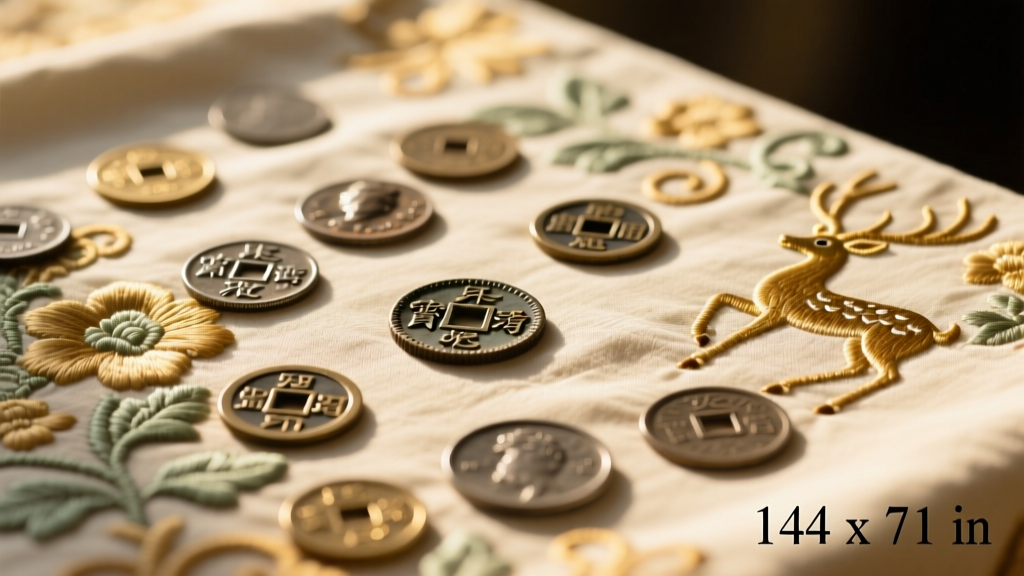
Ecru Textile Tablecloth with Scrolling Flowers and Stags: A Collector’s Appraisal of the 144 × 71 Inch Linen-Blend Artifact

The Recamier Sofa: A Deep Analysis of the Classical Mahogany Scroll-Supported Back Box Form, Circa 1830 — Dimensions, Provenance, and Restoration Ethics
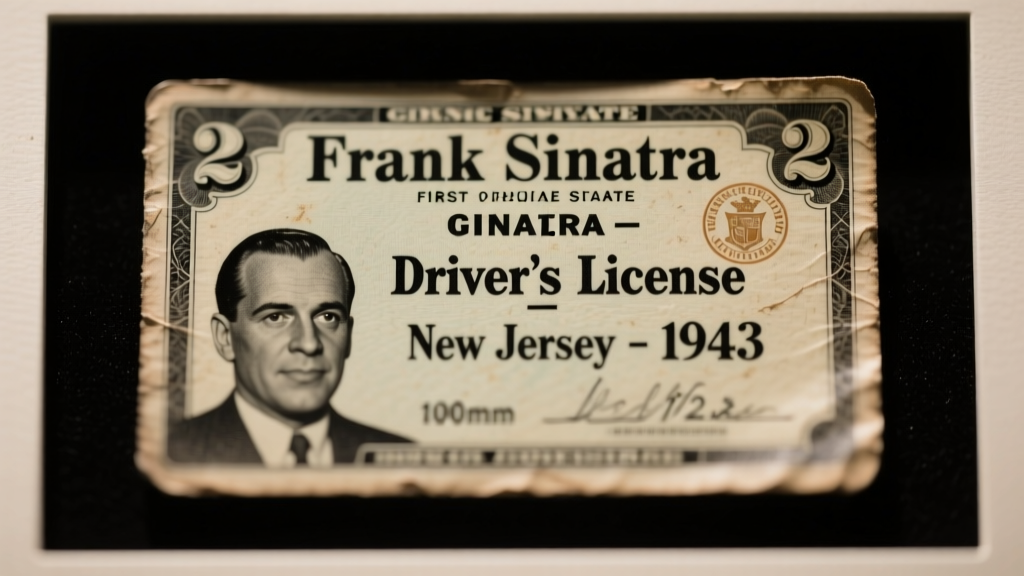
Sinatra’s First Driver’s License Sells for $15,000: A Numismatic Deep Dive into Celebrity Ephemera

Firefighting Lamp Side-Etched Glass Black Paint 13-Inch Pair: Historical Significance, Authentication, and Market Valuation

Telephones: From Bell’s First Call to Modern VoIP—A Numismatic Perspective on Communication Artifacts

Mettlach Stein No. 1909: The ½-Liter Owl & Lantern Drunken Man Pewter Lid — Authentication, Provenance, and Market Value Analysis

Staffordshire Figurine: The Man Holding an Apple — A Victorian 8½-Inch Ceramic Treasure
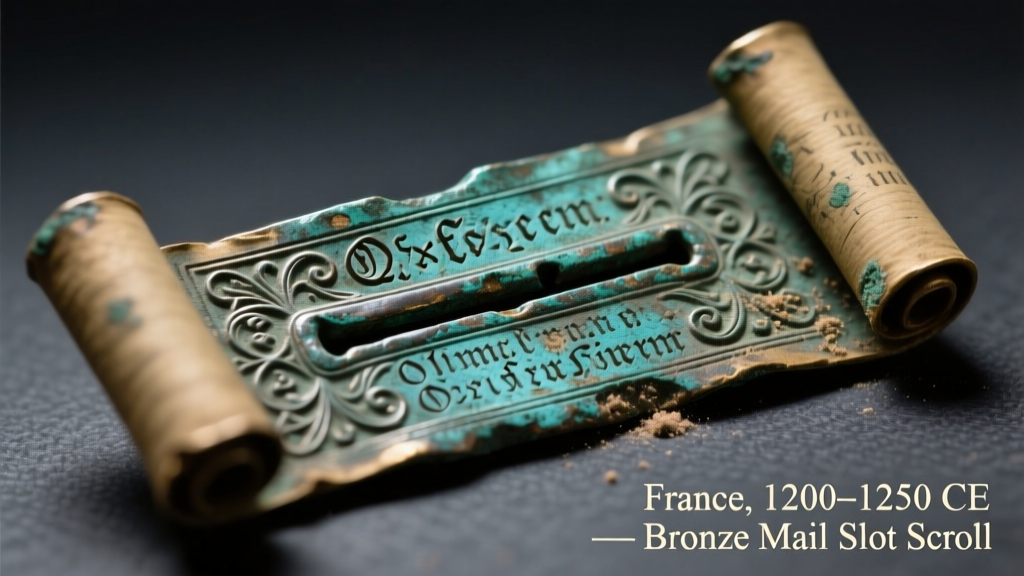
Bronze Mail Slot Scrolls from France: Authenticating and Valuing the 13½ × 9½ Inch Specimens

Architectural Lock with Fleur-de-Lis Border and Serpent-Form Hasp: A 9-Inch French Wrought Iron Masterpiece (c. 1840–1870)