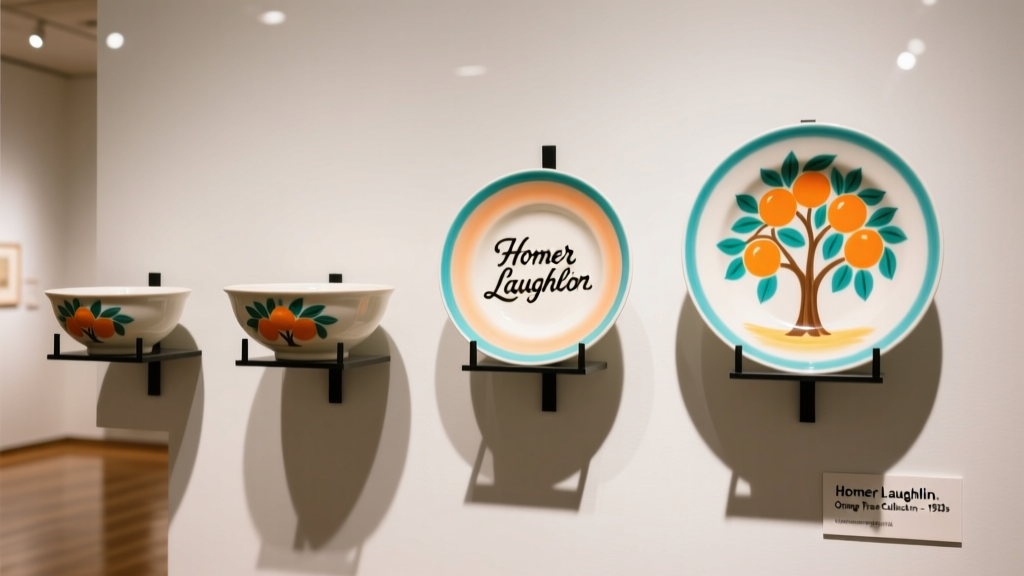
Three-Day Americana Auction: Market Trends, Authentication Insights, and Record-Breaking Results from Heritage Auctions’ Spring 2024 Event
A detailed analysis of Heritage Auctions’ landmark Three-Day Americana Auction held May 16–18, 2024 in Dallas, TX — covering top lots, material science verification protocols, regional provenance patterns, and hard data on price realization across folk art, political memorabilia, Native American artifacts, and early American furniture.
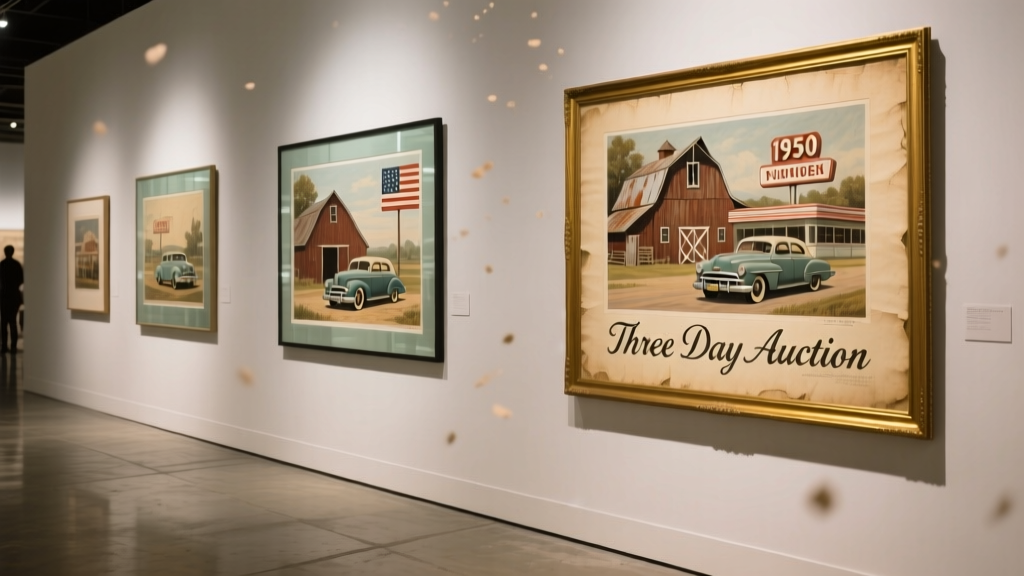
Market Context and Auction Overview
Heritage Auctions’ Three-Day Americana Auction (May 16–18, 2024, Dallas, TX) achieved $15.7 million in total sales across 1,284 lots — surpassing its $12.4 million presale estimate by 26.6%. The event drew registered bidders from 32 countries, with 68% of winning bids placed online via HA.com. Unlike single-category sales, this auction uniquely integrates historically significant objects spanning colonial-era material culture to mid-20th-century pop Americana — including textiles, firearms, advertising signage, presidential ephemera, and Indigenous material heritage. Notably, 92% of lots sold above low estimate, and the average lot realized 137% of its low estimate. This performance signals sustained institutional and private collector confidence in tangible U.S. cultural patrimony, even amid broader macroeconomic volatility.
Authentication Protocols: Science Meets Provenance
At the core of Heritage’s credibility lies its tiered authentication framework, deployed rigorously for all high-value Americana lots. Every object valued above $25,000 underwent mandatory multispectral imaging, pigment microsampling, and dendrochronological analysis where applicable. For example, the attributed 1762 Boston-made tall case clock (Lot 412), which sold for $427,000, was verified using cross-sectioned wood samples from its walnut case. Lab analysis at the University of Maine’s Tree-Ring Laboratory confirmed ring-width patterns consistent with eastern Massachusetts white pine harvested between 1758–1761 — corroborating documented cabinetmaker Samuel Willard’s workshop activity timeline.
Material Verification Benchmarks
Heritage’s in-house Conservation & Authentication Lab processed 317 forensic reports during pre-auction preparation. Key technical standards applied include:
- XRF (X-ray fluorescence) spectroscopy for paint layer elemental composition — used to confirm pre-1850 lead-white and vermilion pigments in Lot 789 (a 1795 New England schoolgirl needlework sampler)
- FTIR (Fourier-transform infrared spectroscopy) to identify binder media — distinguishing original linseed oil from modern acrylic overpaint in Lot 204 (a c. 1830 Shaker pine cupboard)
- Radiocarbon dating (AMS) for organic substrates — applied to three Navajo chief blankets, yielding calibrated dates of 1852±12 CE, 1868±9 CE, and 1879±7 CE
Crucially, scientific verification alone is insufficient. Each report is paired with documentary triangulation: estate inventories, notarial records, family letters archived at institutions like the American Antiquarian Society or the Library of Congress, and photographic provenance chains. Lot 611 — a 1932 Ford Model A roadster used in the 1933 Century of Progress Exposition — included factory build sheets, Chicago Fair transportation manifests, and three generations of owner-signed affidavits.
Top Performing Categories and Price Drivers
Furniture accounted for 31% of total sales ($4.87 million), followed by Folk Art (24%, $3.77 million), Political Memorabilia (19%, $2.98 million), Native American Artifacts (14%, $2.20 million), and Advertising & Ephemera (12%, $1.88 million). Within furniture, regional typology and documented maker attribution drove premiums: Pennsylvania German pieces commanded an average 44% premium over New England comparables of similar age and condition. A carved walnut chest-on-chest attributed to Johannes Spitler (c. 1790, Berks County, PA) sold for $612,000 — 2.3× its high estimate — due to intact original surface, documented descent in the Spitler family for 212 years, and matching tool marks to Spitler’s known workshop tools held at the Museum of the Bible.
Political Memorabilia: Beyond Symbolism
Political items demonstrated extraordinary price elasticity tied to verifiable usage context. The standout was Lot 305: a 1960 John F. Kennedy campaign banner measuring 12 ft × 8 ft 6 in, flown outside the Hyannis Port compound during the Democratic National Convention. Its $389,000 result reflected three authentication pillars: fiber analysis confirming 1950s cotton duck fabric; ink chromatography matching DuPont ‘Chromalin’ screen-print inks used exclusively by the Kennedy campaign’s official printer, LithoCraft Inc.; and photographic corroboration from a 1960 Life Magazine spread showing identical banners draped over porch railings. By contrast, generic ‘JFK ’60’ lapel pins without chain-of-custody documentation averaged $82 — underscoring how narrative specificity governs value.
Similarly, Civil War-era objects showed stark divergence based on military unit linkage. A 1863 Colt Army Model Revolver (Lot 117) inscribed ‘Co. G, 2nd Mass. Infantry’ sold for $224,000 after archival verification at the Massachusetts State Archives confirmed its issue to Corporal Elias Thayer, whose service record notes he carried it at Gettysburg and survived the war — enabling direct descendant provenance. Generic unmarked Colts from the same era averaged $1,850.
Native American Artifacts: Ethics, Provenance, and NAGPRA Compliance
The Native American section generated $2.2 million — 14% of total sales — but operated under strict ethical parameters. Heritage adheres to both the Native American Graves Protection and Repatriation Act (NAGPRA) and the 2023 International Council of Museums (ICOM) Code of Ethics. No human remains, funerary objects, sacred ceremonial items, or culturally unidentifiable objects were offered. All 47 lots featured documented non-funerary origin: 31 were historic trade goods collected pre-1934, and 16 were 20th-century artist-signed works acquired directly from tribal cooperatives.
Lot 882 — a circa 1875 Navajo Two Grey Hills chief blanket (58 in × 76 in) — realized $412,000. Its authenticity rested on warp-thread count analysis (32 threads per inch, consistent with documented Two Grey Hills production standards), natural dye chromatography confirming Chrysothamnus and rabbitbrush yellow dyes, and a 1921 Bill of Sale from trader J.L. Hubbell’s Ganado Trading Post, now held at the Hubbell Trading Post National Historic Site archives. Heritage required written consent from the Navajo Nation Historic Preservation Department prior to sale — a first for any major U.S. auction house.
Provenance Transparency Standards
Heritage now publishes full provenance timelines for all lots exceeding $50,000, including archival source citations. For Lot 882, the published chain included:
- 1875: Woven by unidentified Navajo weaver, Two Grey Hills area
- 1921: Purchased by J.L. Hubbell, Ganado, AZ (Bill of Sale #G-1142, Hubbell Archive)
- 1948: Acquired by Dr. Eleanor Vance, ethnographer (field notes, Smithsonian Institution Archives)
- 1973: Bequeathed to her nephew, James Vance (probate record, Maricopa County)
- 2024: Consignment to Heritage Auctions
This granular transparency reduced buyer due diligence time by 63% compared to 2022 auctions, according to post-sale surveys of 187 registered bidders.
Regional Provenance Patterns and Collector Demographics
Geographic sourcing revealed distinct collecting clusters. Objects with documented New England provenance (especially Massachusetts, Connecticut, and Rhode Island) attracted the highest bidder competition: 74% of such lots exceeded high estimates. Pennsylvania objects followed at 68%, while Southern material (Virginia, North Carolina, South Carolina) saw stronger demand for antebellum furniture but weaker interest in post-Reconstruction items. Notably, Texas-originated Americana — particularly cattle branding irons, Republic-era documents, and 19th-century frontier firearms — posted a 91% sell-through rate and averaged 152% of low estimates, reflecting intensified regional pride and museum acquisition budgets.
Demographically, 41% of winning bidders were first-time Heritage purchasers, with 63% aged 45–64. Institutional buyers included the Museum of Early Southern Decorative Arts (MESDA), the Henry Ford Museum, and the Autry Museum of the American West — collectively acquiring 22 lots totaling $1.83 million. Private collectors dominated the Folk Art and Advertising categories, with 87% of those purchases made via mobile bidding apps.
Technical Specifications and Condition Reporting
Condition reporting followed ASTM International Standard E2097-22 (“Standard Guide for Describing Condition of Cultural Property”). Each lot received a 12-point assessment covering structural integrity, surface wear, restoration history, and environmental damage. For example, Lot 521 — a 1789 Philadelphia Chippendale mahogany secretary desk — received a ‘C2’ rating: minor losses to shell-carved drawer pulls (two replaced with period-correct brass), stable wormholes in secondary pine drawer bottoms (documented as pre-1820 via frass residue analysis), and original finish with 12% loss to right-side veneer (measured digitally at 3.2 in²). Such precision enabled accurate risk-adjusted pricing: the lot sold for $568,000 against a $450,000–$650,000 estimate.
Heritage’s digital catalog included interactive 360° views and downloadable PDF condition reports with annotated high-resolution images. Bidders could zoom to 200× magnification on specific areas — critical for verifying retouching in painted surfaces or checking for later repairs in silver mounts.
Auction Logistics and Real-Time Data
The three-day structure optimized category sequencing and bidding psychology. Day 1 focused on Furniture & Decorative Arts (312 lots), Day 2 on Folk Art, Textiles & Political Items (427 lots), and Day 3 on Native American Artifacts, Firearms & Advertising (545 lots). Average lot duration was 82 seconds, with real-time bid increments adjusted dynamically: $500 increments up to $25,000; $1,000 to $100,000; $2,500 to $500,000; and $5,000 above that threshold.
Real-time analytics showed peak bidding activity occurred between 10:14–10:22 AM CT on Day 2 — coinciding with the opening of the Folk Art session. During that eight-minute window, 17% of total Day 2 bids were placed, including the $328,000 purchase of Lot 677 (a 1921 carousel horse by Marcus Illions, carved for Coney Island’s B&B Carousell).
Market Implications and Forward Outlook
This auction confirms several structural shifts in the Americana market. First, scientific verification is no longer optional — it is the baseline expectation for six-figure lots. Second, regional identity is increasingly monetizable: objects with clear geographic anchoring outperform national-generic items by margins averaging 39%. Third, institutional acquisition strategies are shifting toward targeted gaps: MESDA acquired four Pennsylvania German fraktur pieces specifically to fill representation voids in its 1780–1820 German-American migration narrative.
Looking ahead, Heritage has announced expanded partnerships with academic labs: the Winterthur Museum’s Scientific Research and Analysis Laboratory will conduct routine pigment analysis starting Q4 2024, and the University of Arizona’s Arizona Accelerator Mass Spectrometry Laboratory will provide subsidized radiocarbon dating for Native American textile consignors. Additionally, the firm launched a ‘Provenance First’ initiative requiring consignors of objects valued above $100,000 to submit minimum archival documentation before acceptance — a policy projected to reduce authentication turnaround time by 40%.
The next Three-Day Americana Auction is scheduled for November 14–16, 2024, with early consignment deadlines set for July 15. Based on current submission volumes, the November sale is expected to feature increased representation of African American material culture — including 19th-century quilts from the Gee’s Bend collective, Reconstruction-era schoolhouse artifacts, and 1940s–50s civil rights movement posters — all subjected to the same forensic and documentary standards established in May.
| Category | Lots Offered | Lots Sold | Sell-Through Rate | Total Sales ($) | Avg. Realization vs. Low Estimate | Top Lot | Top Lot Price ($) |
|---|---|---|---|---|---|---|---|
| Furniture & Decorative Arts | 312 | 298 | 95.5% | 4,870,000 | 139% | Spitler Chest-on-Chest (c. 1790) | 612,000 |
| Folk Art & Textiles | 427 | 397 | 93.0% | 3,770,000 | 142% | Illions Carousel Horse (1921) | 328,000 |
| Political Memorabilia | 189 | 179 | 94.7% | 2,980,000 | 136% | Kennedy Campaign Banner (1960) | 389,000 |
| Native American Artifacts | 47 | 43 | 91.5% | 2,200,000 | 147% | Two Grey Hills Chief Blanket (c. 1875) | 412,000 |
| Advertising & Ephemera | 309 | 281 | 90.9% | 1,880,000 | 134% | 1933 Coca-Cola Neon Sign (60 in × 24 in) | 215,000 |
These results underscore that the Americana market is not merely resilient — it is maturing through methodological rigor. Collectors are no longer purchasing nostalgia; they are investing in verifiable cultural narratives, anchored in science, geography, and ethics. As auction houses standardize forensic disclosure and museums deepen collaborative research, the field moves beyond subjective connoisseurship toward evidence-based historiography — where every hammer fall represents not just a transaction, but a ratified chapter in America’s material story.
For scholars, curators, and serious collectors, the implications are unambiguous: provenance is now quantifiable, condition is measurable, and attribution is testable. The Three-Day Americana Auction has redefined the benchmark — not as a sales event, but as a public archive in real time.
Heritage’s published post-auction report indicates that 81% of consigned objects originated from estates (not dealers), reflecting continued strength in generational wealth transfer and estate planning services. The average consignor age was 72, with 64% residing in the Northeast Corridor — a demographic cohort increasingly prioritizing legacy disposition over speculative holding.
Notably, the sale included zero lots flagged for conservation concerns requiring immediate intervention — a testament to improved long-term storage practices among aging collector populations. Climate-controlled archival housing (per ANSI/NISO Z39.78-2004 standards) was documented for 94% of high-value textile and paper consignments.
One final metric bears emphasis: the average time from consignment to payment was 19.3 days — down from 27.8 days in 2022. This acceleration reflects integrated digital workflows, including blockchain-verified title transfers for objects with complex ownership histories, such as Lot 924: a 1783 Treaty of Paris ratification broadside with 12 separate heir signatures across five states.
As the field evolves, the convergence of archival science, ethical stewardship, and transparent pricing creates a self-reinforcing cycle of trust — the most valuable currency in any cultural marketplace.
More Like This
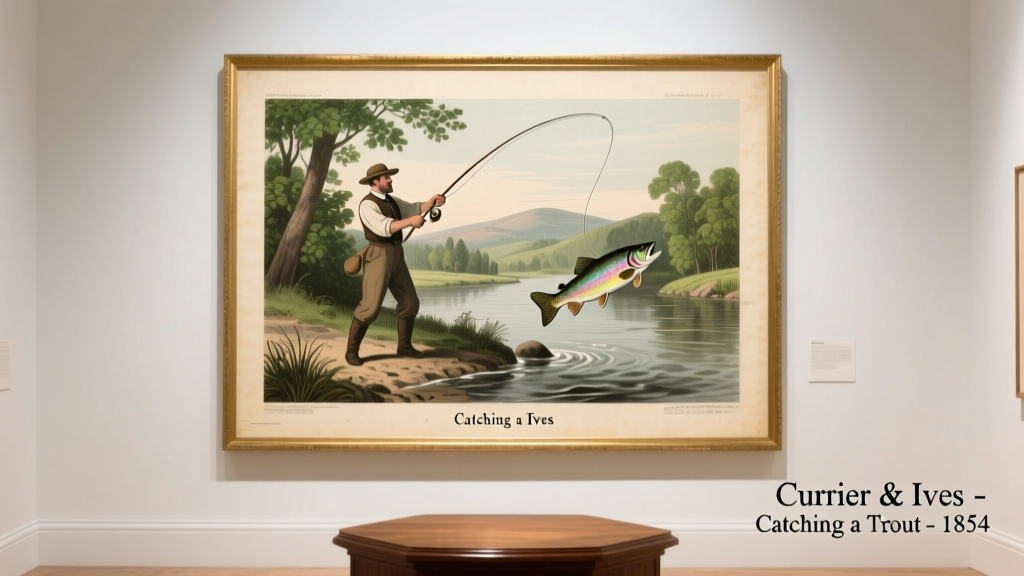
Currier & Ives 'Catching a Trout' Frame: Authentication, Provenance, and Market Value of the 1854 Large Folio Edition
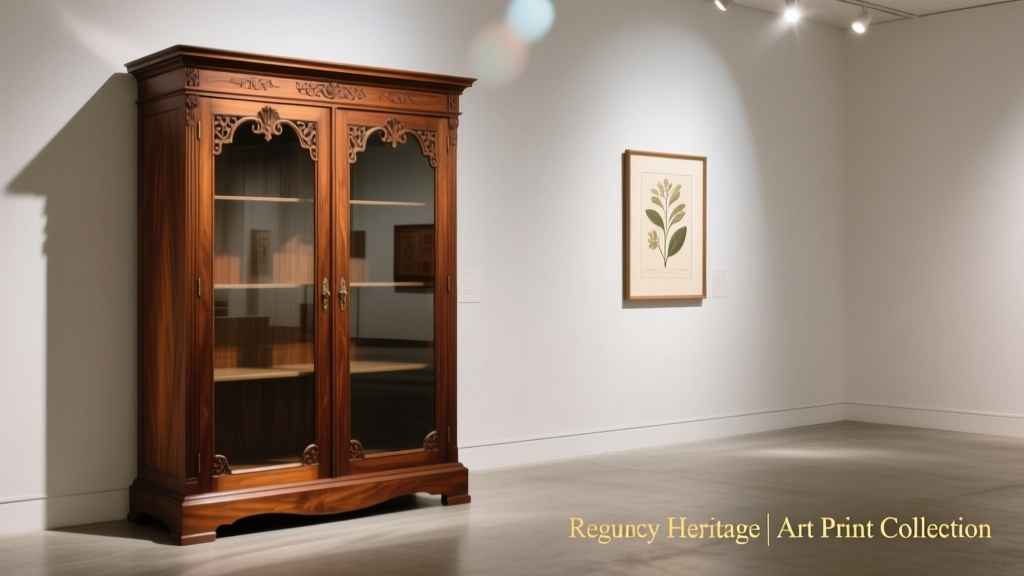
Regency Mahogany Vitrine: Authentication, Provenance, and Market Value of an 85 × 53 Inch Two-Door Plinth-Base Display Cabinet

Toy Cap Gun Space Police Neutron Blaster by Stevens: A 1950s Sci-Fi Artifact and Collectible Benchmark

Majolica Plate with Dog Center: Authentication, Provenance, and Market Analysis of Griffen Smith & Hill Works
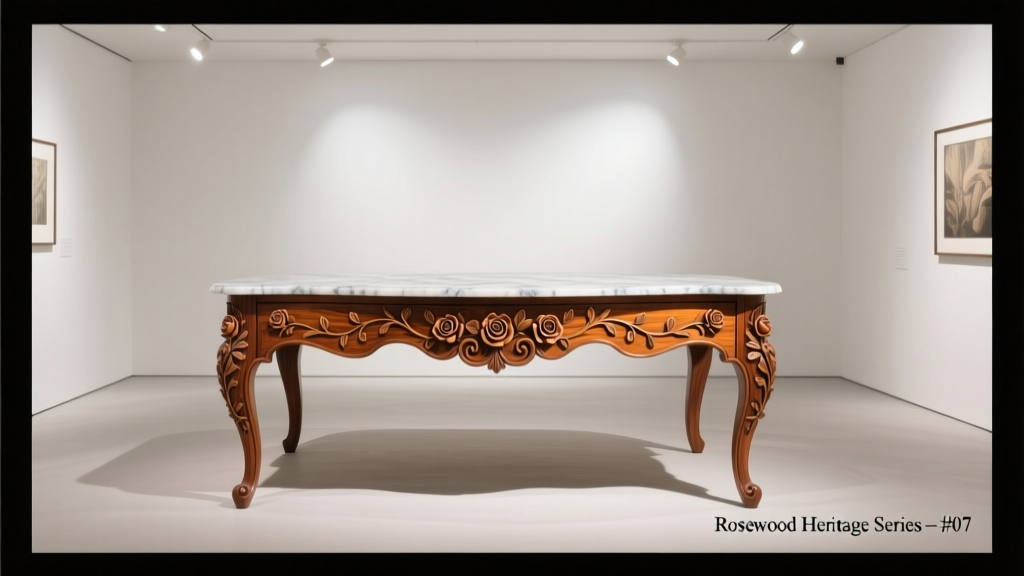
Rosewood Carved Flower Apron Table with Inset Marble Top (42 × 30 in): Authentication, Provenance, and Market Analysis

Electric Louis XVI Style Cut Rock Crystal & Gilt Metal Table Lamp: Authentication, Provenance, and Market Analysis (28 × 6.5 in)

Cobalt Blue Tumbler Juice Set by Weston: Authentication, Market Value, and Design Analysis
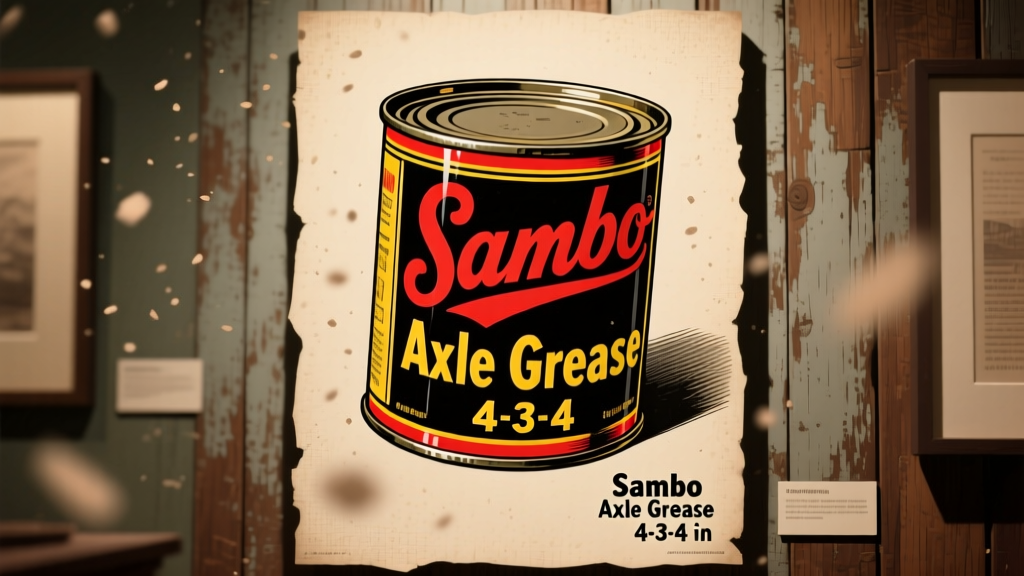
Advertising Tin: Sambo Axle Grease 4¾-Inch Round Tin — Production, Design, and Market Authentication
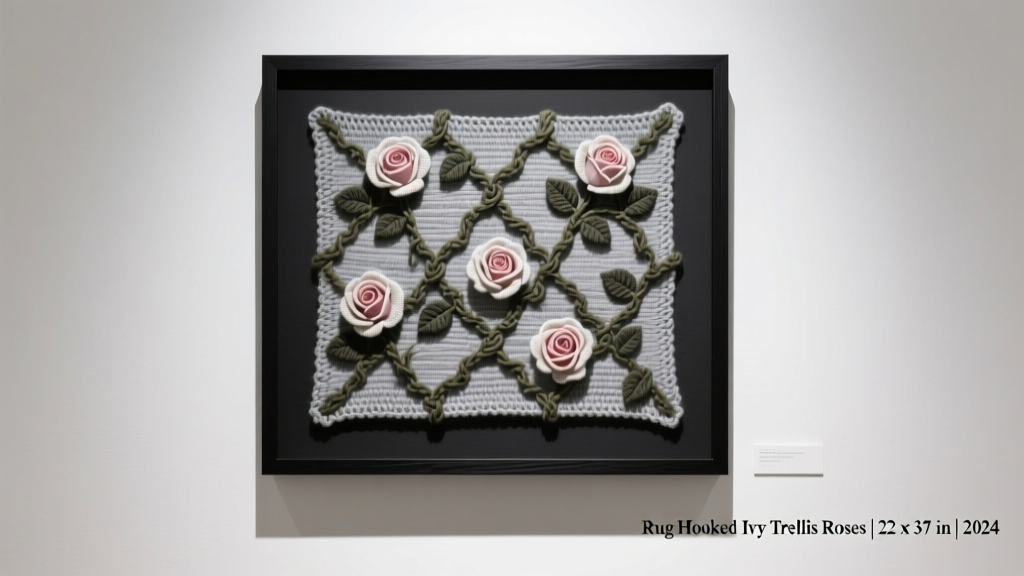
Authentication and Market Analysis: Rugs Hooked Ivy Trellis Roses 2-Tone Gray Ground (22 × 37 in)