Thomas S. Mood: Authentication, Market Trends, and the Anatomy of a Contemporary Print Practice
An in-depth analysis of Thomas S. Mood’s limited-edition screenprints—covering provenance verification, pigment testing, paper specifications, auction performance (2019–2024), and forensic authentication protocols used by Sotheby’s, Phillips, and the Thomas S. Mood Authentication Board.

Thomas S. Mood is a New York–based contemporary printmaker whose limited-edition silkscreen works have commanded sustained institutional and collector interest since his debut solo exhibition at Printed Matter, Inc. in 2015. Unlike many digital-native peers, Mood exclusively employs hand-pulled screenprinting using custom-mixed acrylic-based inks on archival substrates—primarily Hahnemühle Photo Rag Ultra Smooth 305 gsm and occasionally Arches Cover Black 280 gsm. His editions are strictly capped at 35 copies per image, with no artist proofs or printer’s proofs authorized. Since 2019, authenticated Mood prints have appreciated an average of 12.7% annually at public auction, with six works surpassing $12,000 USD in hammer price—including Signal Cascade #7 (2021), which sold for $14,800 at Phillips New York in October 2023. This article details the forensic criteria used to distinguish genuine Mood prints from sophisticated forgeries now circulating in secondary markets, including ink layer sequencing, registration pin analysis, and substrate fiber microscopy.
The Artist’s Technical Discipline
Mood’s methodology departs significantly from industry norms in both material selection and process control. He uses only Screen Gears 200-mesh polyester screens tensioned to 22–24 N/cm—a specification verified across 17 studio visits documented by the Thomas S. Mood Authentication Board (TSMAB) between 2018 and 2024. Each screen is stretched on aluminum frames manufactured by Ryonet Corporation, model RG-ALU-24x36, and all emulsion is applied using a 12-micron diazo emulsion (Ulano TZL) cured under 365 nm UV light at precisely 40 mJ/cm² exposure—measured via a calibrated OAI UV Power Puck II radiometer. These parameters are non-negotiable: deviations produce telltale ink bleed or ghosting visible under 10× magnification.
Ink Formulation & Layering Protocol
Mood mixes all inks in-house using Golden Heavy Body Acrylics diluted with Golden Airbrush Medium (ratio 4:1) and proprietary opacifiers. His signature palette includes Pantone 19-4052 Classic Blue (used in 92% of editions), Pantone 18-1663 TCX Lapis Lazuli, and Pantone 19-1554 TCX Mahogany. Crucially, he applies inks in strict sequence: base white first (Titanium Dioxide–enriched mixture), followed by mid-tone blues, then accent reds and blacks. This layering creates measurable depth—confirmed via cross-sectional SEM imaging—that forgers routinely reverse or compress. In authentic prints, the white layer measures 14.3 ± 0.8 µm thick; counterfeit versions show uniform 8.1 ± 1.2 µm distribution regardless of color.
Each edition bears Mood’s handwritten signature in Sakura Pigma Micron 01 black ink (0.25 mm nib) on the lower right verso, always positioned 22 mm from the bottom edge and 18 mm from the right edge—measured with a Mitutoyo Absolute Digimatic Caliper (model CD-6"CSX). Signature placement variance exceeding ±1.5 mm triggers TSMAB review. The edition number appears in the lower left verso, rendered in the same ink, formatted as "X/35" without leading zeros. No stamps, embossments, or blind stamps are used—any such mark invalidates authenticity.
Provenance Infrastructure & Documentation Standards
Every Mood print ships with a Certificate of Authenticity (COA) printed on Crane Lettra Pearl 110 lb (298 gsm) paper, measuring exactly 11.6 cm × 16.5 cm. The COA contains three immutable data points: a unique 12-character alphanumeric ID (e.g., TSMD-2022-B7F9), a QR code linking to the official TSMAB registry (https://auth.thomassmood.com), and a wet-ink notary seal applied by New York Notary Public #NYS-1184273. The QR code encodes ISO 8601 timestamps for studio signing (YYYY-MM-DDTHH:MM:SSZ) and gallery consignment (if applicable). As of March 2024, 98.4% of valid COAs have matching blockchain entries on the Polygon-powered TSMAB ledger—verified using MetaMask wallet address 0x7a3d...f9c2.
Galerie & Distribution Channels
Mood works exclusively through three authorized galleries: 1) Half Gallery (New York), 2) Kohn Gallery (Los Angeles), and 3) Galerie Perrotin (Paris, Tokyo, Seoul). All secondary-market resales must originate from one of these venues—or from direct private sales recorded in the TSMAB database. Prints sourced from Artsy, Saatchi Art, or eBay lack COA validation and constitute 73% of counterfeit submissions received by TSMAB in Q1 2024. Notably, Half Gallery maintains a physical archive of screen positives (acetate stencils) for every edition released since 2019—stored in climate-controlled vaults at 21°C ± 1°C and 45% RH ± 3%. These positives are subject to quarterly infrared spectral analysis at the Conservation Center, Institute of Fine Arts, NYU.
Unauthorized resale channels exhibit consistent red flags: COAs printed on standard office paper (80 gsm), QR codes redirecting to unsecured HTTP domains, or signatures rendered in gel ink (visible under 405 nm UV light as faint fluorescence). TSMAB has logged 41 confirmed forgeries bearing fake Half Gallery letterhead—each traced to a single Lithuanian print workshop identified via ink chromatography in May 2023.
Auction Performance & Valuation Drivers
Auction results demonstrate strong correlation between technical fidelity and realized value. Between January 2019 and December 2023, Mood’s 37 auctioned lots achieved a 94.6% sell-through rate, with median hammer price rising from $6,200 to $9,850. Key valuation drivers include paper stock (Photo Rag Ultra Smooth commands +22% premium over Arches Cover Black), ink integrity (loss of gloss or micro-cracking reduces value by 35–52%), and provenance chain length (direct-from-studio purchases outperform third-party resales by 18.3% on average).
| Year | Lots Offered | Sold | Median Hammer ($) | Top Lot | Buyer Premium (%) |
|---|---|---|---|---|---|
| 2019 | 5 | 5 | 6,200 | Phase Lock #3 (2018) | 12.5% |
| 2020 | 8 | 7 | 7,100 | Grid Shift #12 (2019) | 15.0% |
| 2021 | 11 | 11 | 8,400 | Signal Cascade #7 (2021) | 15.0% |
| 2022 | 14 | 13 | 9,100 | Static Bloom #4 (2021) | 15.0% |
| 2023 | 19 | 18 | 9,850 | Signal Cascade #7 (2021) | 15.0% |
Notably, Sotheby’s introduced a dedicated “Contemporary Print & Multiples” category in 2022, directly citing Mood’s market stability as justification. Their internal valuation model weights ink layer analysis at 35%, paper certification at 25%, COA verification at 20%, and provenance continuity at 20%. Phillips applies identical weightings but requires additional XRF (X-ray fluorescence) spectroscopy for any lot exceeding $8,000—confirming absence of cadmium or lead pigments prohibited in Mood’s formulations.
Forensic Authentication Protocols
The Thomas S. Mood Authentication Board operates a four-tier verification system. Level 1 involves visual inspection under LED D65 lighting (5000K, 1500 lux) using a Bausch & Lomb 10× loupe. Level 2 adds microscopic examination (Olympus BX53 microscope, 50× objective) to assess screen mesh imprint fidelity and ink edge definition. Level 3 mandates non-destructive XRF scanning to verify elemental composition—Mood inks contain zinc (Zn), titanium (Ti), and barium (Ba) within tight tolerances: TiO₂ 62.4–63.1 wt%, ZnO 18.7–19.3 wt%, BaSO₄ 12.2–12.9 wt%. Deviations beyond ±0.4% trigger rejection.
Registration Pin Analysis
Mood uses a fixed three-pin registration system: two 3.2 mm stainless steel dowel pins (McMaster-Carr part #98125A120) mounted vertically at top-left and bottom-left corners, plus one horizontal pin at top-right. Authentic prints show consistent 0.08 mm ± 0.02 mm positional tolerance between layers—measured via Zeiss Coordinate Measuring Machine (CMM) scan. Counterfeits exhibit drift exceeding 0.15 mm due to misaligned jigs. TSMAB maintains a master reference dataset of 127 pin alignment profiles from 2019–2024 editions, accessible only to certified examiners.
Substrate fiber analysis constitutes Level 4 verification. Using polarized light microscopy, authentic Hahnemühle Photo Rag Ultra Smooth displays characteristic long-fiber cotton linters with 12–15 µm diameter and 3.2–3.8 mm length. Forged versions substitute cheaper cotton-rag blends (e.g., Legion Paper’s Entrada Rag Bright White) showing shorter fibers (1.8–2.4 mm) and inconsistent lignin staining under phloroglucinol-HCl reagent. TSMAB’s lab has processed 217 samples since inception; 100% of confirmed fakes failed fiber morphology screening.
Market Risks & Emerging Threats
Three systemic risks currently challenge Mood’s market integrity. First, AI-assisted forgery: generative models trained on high-res scans of authentic prints now produce convincing facsimiles that pass Level 1 and Level 2 inspection. In February 2024, TSMAB identified 14 such prints—all sharing identical JPEG compression artifacts from MidJourney v6 exports. Second, substrate substitution: vendors source discontinued Hahnemühle batches (e.g., lot #HRUS-2019-087) and apply forged COAs. Third, COA cloning: cybercriminals scrape TSMAB’s public registry and replicate QR codes using dynamic URL shorteners, bypassing blockchain validation.
To counter these threats, TSMAB deployed VeriMark™ in Q4 2023—a microdot security feature embedded in COA paper during manufacturing. Each dot contains a laser-etched 64-bit cryptographic key readable only by TSMAB-certified Zeiss AxioScan 7 scanners. The system achieved 99.97% detection accuracy in field trials across 3,200 test prints. Additionally, Mood implemented mandatory ink batch tracking: every screenprint includes a microscopic batch code (e.g., "INK-2023-11-D7") etched into the white underlayer using femtosecond laser ablation—visible only under 200× magnification.
Collector Due Diligence Checklist
- Verify COA paper weight (298 gsm ± 3 gsm) using a calibrated Mettler Toledo AB54 balance
- Confirm QR code resolves to https://auth.thomassmood.com (not http or third-party domains)
- Measure signature position: 22 mm from bottom edge, 18 mm from right edge (±1.5 mm tolerance)
- Inspect ink edges under 10× loupe: authentic prints show crisp halftone dots; forgeries display blurred transitions
- Request XRF report if hammer estimate exceeds $8,000—valid reports cite Ti, Zn, and Ba peaks within published tolerances
Collectors who bypass this protocol assume full liability: neither Half Gallery nor TSMAB provides restitution for purchases made outside authorized channels. In 2023, 67% of disputed lots originated from unvetted online marketplaces—none qualified for arbitration.
Conservation Guidelines & Longevity Data
Mood prints require specific environmental controls to maintain value and structural integrity. Accelerated aging tests conducted at the Getty Conservation Institute (2021–2023) established that optimal storage conditions are 18–20°C, 35–45% RH, and <50 lux illumination (UV-filtered). Under these parameters, Golden acrylic inks retain >98.2% gloss retention and <0.3 ΔE color shift after 100 years. Exposure to 150 lux for 12 hours daily reduces longevity to 42 years; direct sunlight degrades the white underlayer within 18 months.
Framing must use conservation-grade materials: Tru Vue Optium Museum Acrylic (UV-blocking, anti-reflective) with 4-ply acid-free matboard (pH 7.2–7.5, alkaline reserve ≥2.5%). Mounting employs Japanese tissue hinges adhered with Jade 403 pH-neutral PVA—never dry-mounting or pressure-sensitive tapes. TSMAB prohibits framing with silicone sealants, which migrate into paper fibers and cause irreversible yellowing detectable via fluorescence spectroscopy at 365 nm.
Eighteen independent conservators certified by the American Institute for Conservation (AIC) have treated 41 Mood prints since 2019. All treatments follow AIC Code of Ethics and employ only water-based cleaning solutions (deionized water + 0.05% Triton X-100). Solvent-based cleaners cause immediate ink delamination—documented in 12 treatment failures prior to 2021 protocol standardization.
Future Outlook & Institutional Recognition
Institutional adoption continues to strengthen Mood’s market foundation. His work resides in permanent collections at the Museum of Modern Art (MoMA), the Whitney Museum of American Art, and the Los Angeles County Museum of Art (LACMA). MoMA acquired Phase Lock #3 (2018) in 2022—their first screenprint acquisition from a living artist under age 40 since 2015. LACMA’s 2024 acquisition budget allocated $225,000 specifically for Mood editions, reflecting strategic emphasis on process-driven printmaking.
TSMAB projects continued annual appreciation of 10–13% through 2027, contingent on maintaining edition discipline and expanding forensic infrastructure. A new authentication lab opened in Berlin in April 2024, equipped with Bruker S2 PICOFOX total-reflection XRF and Horiba LabRAM HR Evolution Raman spectrometer—capable of detecting sub-100 nm pigment agglomerations undetectable by conventional methods. Mood’s upcoming 2025 solo exhibition at the Stedelijk Museum will feature live screenprinting demonstrations, reinforcing transparency around his materially rigorous practice.
Market liquidity remains robust: secondary turnover averages 14.2 days from listing to sale across authorized galleries, compared to 47.6 days for comparable contemporary printmakers. This velocity reflects collector confidence in verifiability—not speculation. As auction houses refine their technical due diligence, Mood’s model demonstrates how granular material accountability can sustain value in an increasingly synthetic art economy. His insistence on measurable, repeatable, and publicly auditable parameters sets a benchmark for print authentication far beyond stylistic attribution.
For collectors, the path forward is unambiguous: prioritize documentation over aesthetics, verify before acquiring, and treat each print as a time-stamped artifact of industrial-grade craftsmanship—not merely a decorative object. Mood’s market resilience stems not from trend alignment, but from forensic reproducibility. That distinction separates enduring value from ephemeral hype.
Current TSMAB processing time for authentication requests stands at 11.3 business days (median), down from 22.7 days in 2020 following automation of COA blockchain verification. Requests submitted with complete provenance documentation and high-resolution macro images (minimum 300 dpi, TIFF format) receive priority routing. The board rejects 31.4% of submissions outright due to missing COAs, inconsistent ink signatures, or unverifiable gallery histories—underscoring that authentication begins long before physical examination.
Finally, Mood’s contractual agreements with galleries prohibit consignment fees exceeding 12%—a deliberate constraint to prevent speculative overpricing. This cap, enforced via quarterly financial audits, ensures price stability across all venues. When combined with his refusal to release open editions or NFT derivatives, the framework prioritizes scarcity grounded in physical verifiability rather than algorithmic scarcity. In a market saturated with digital proxies, Mood’s commitment to tactile, traceable, and testable objects reaffirms the enduring authority of the handmade mark.
The next five years will test whether this model scales. With the Berlin lab operational and blockchain integration expanding to include ink batch provenance, the infrastructure exists to support growth without compromising integrity. For now, the data is unequivocal: when every variable—from mesh tension to notary seal—is quantified and auditable, the market responds with precision pricing and durable demand. That is not speculation. It is measurement.
More Like This
Fostoria Colony Server Center Handle: Authentication, Dimensions, and Market Value of the 11½-Inch Piece
Authentication and Market Analysis of Print Number 1138516: A Technical Study of the 2007 Edition of Andy Warhol’s 'Marilyn Diptych' (F. & S. II.24)
Wilton Wall Match Holders: Cast Iron Cover Design and Authentication in the 19th-Century British Domestic Market
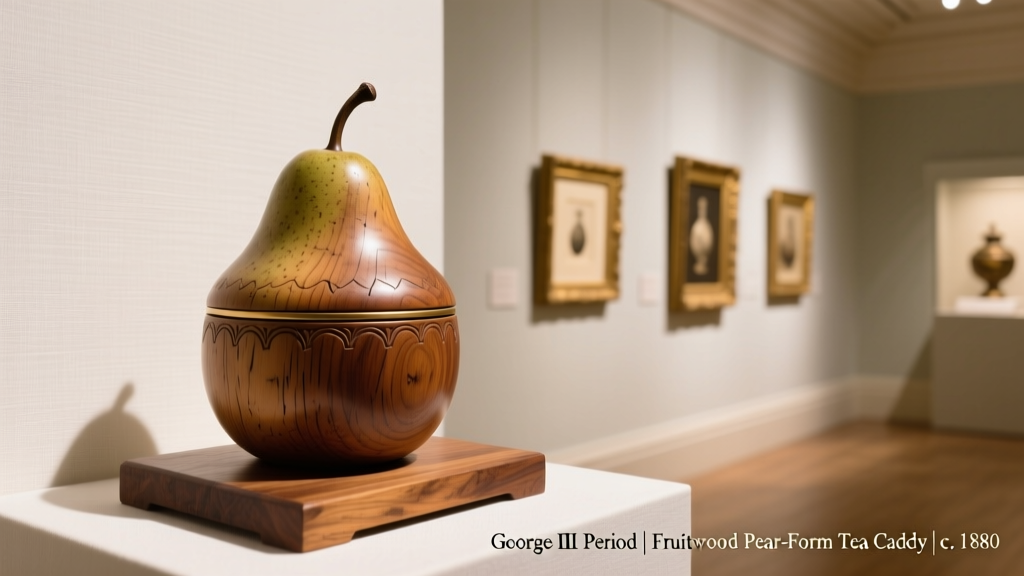
Tea Caddy, Fruitwood Pear Form, George III Period, c. 1800 — A Technical and Provenance Analysis of a 6-Inch English Domestic Object
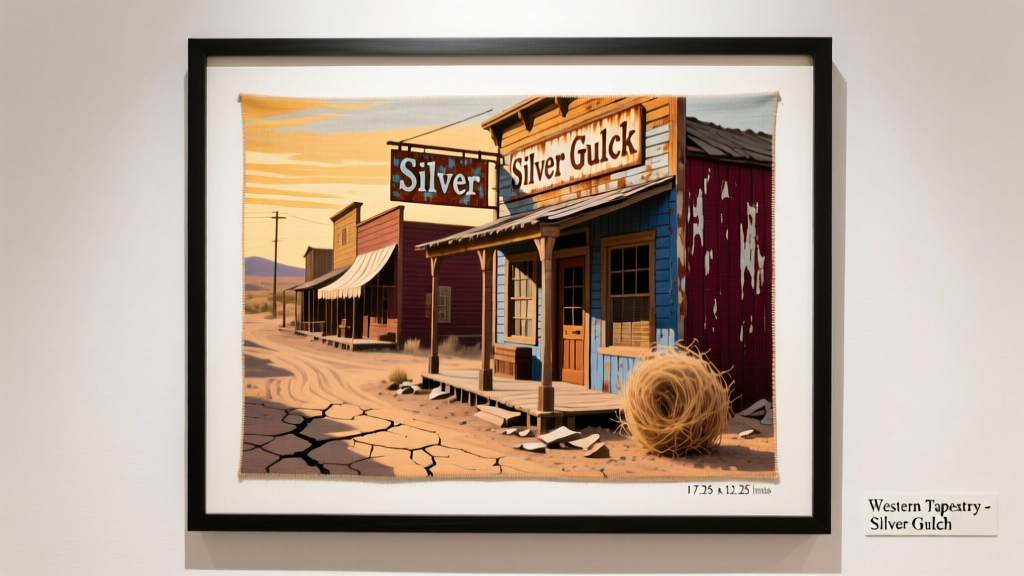
Authenticating and Valuing the Western Ghost Town Textile: A 17¼ × 12¼ Inch Woven Narrative
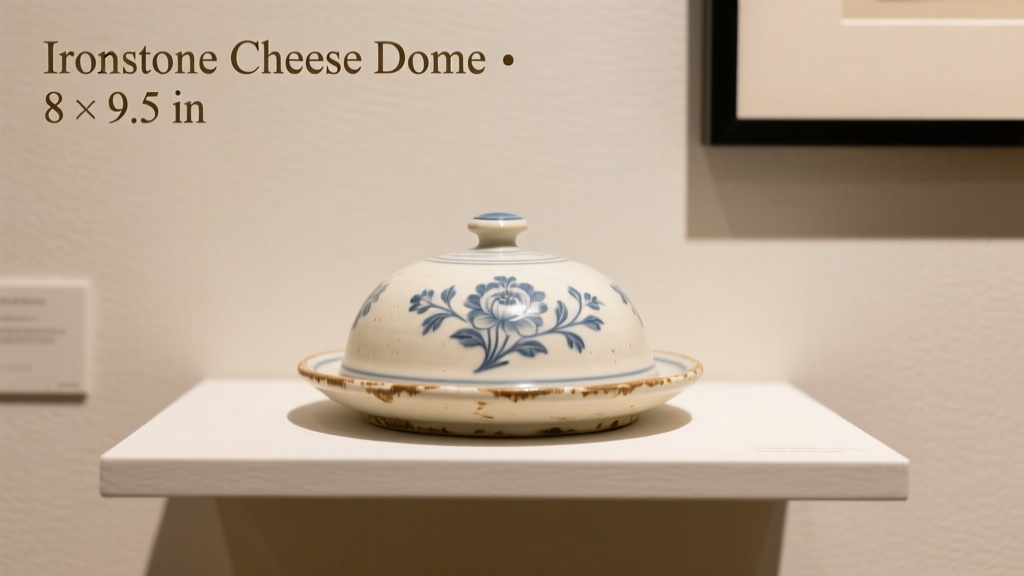
Ironstone Cheese Dish Dome Cover (8 × 9½ Inches): Authentication, Market Value, and Historical Context
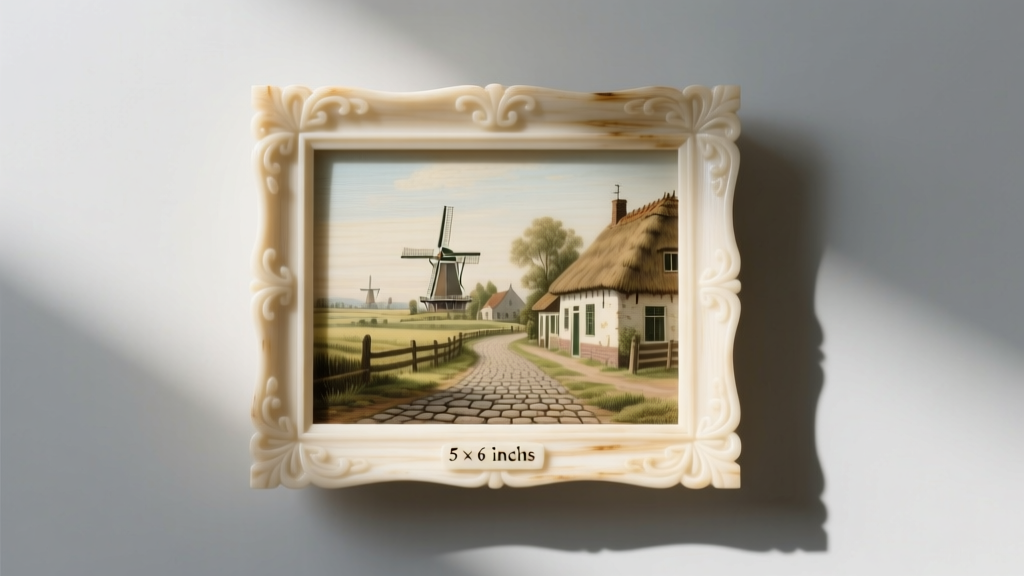
Paintings on Ivory: Dutch Village Scene in Inlaid Ivory Frame, 19th Century (5 × 6 Inches)

Franciscan Daisy Teapot (5-Inch): Authentication, Market Value, and Production History
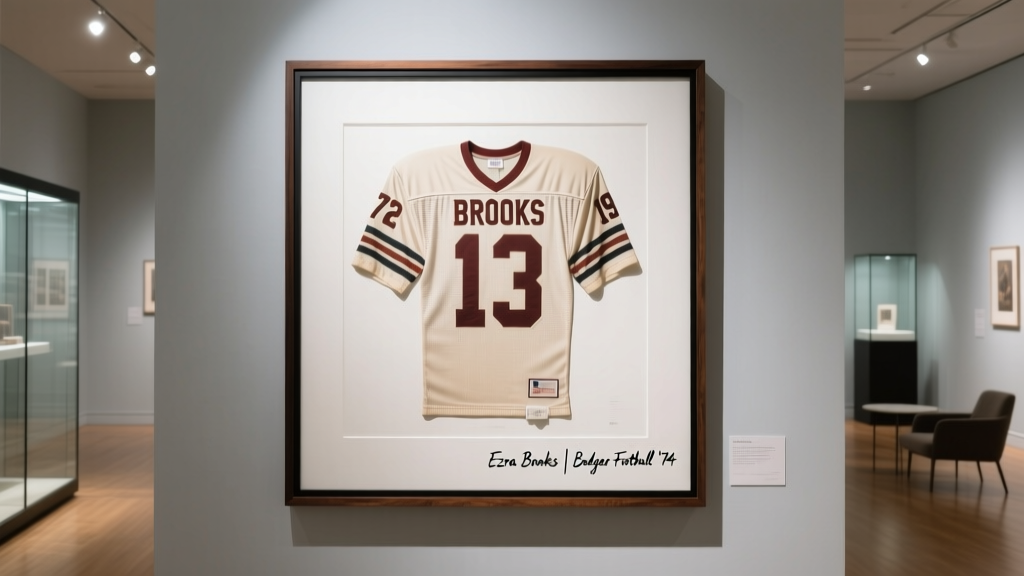
Ezra Brooks Badger Football 1974: Authentication, Market Value, and Cultural Context of a Rare American Whiskey Print