Thomas Martin: The Unseen Architect of Mid-Century American Printmaking
A forensic analysis of Thomas Martin’s print oeuvre—authenticating editions, tracing workshop practices at Tamarind Institute and Universal Limited Art Editions, and evaluating market performance of his lithographs and screenprints from 1958–1983.
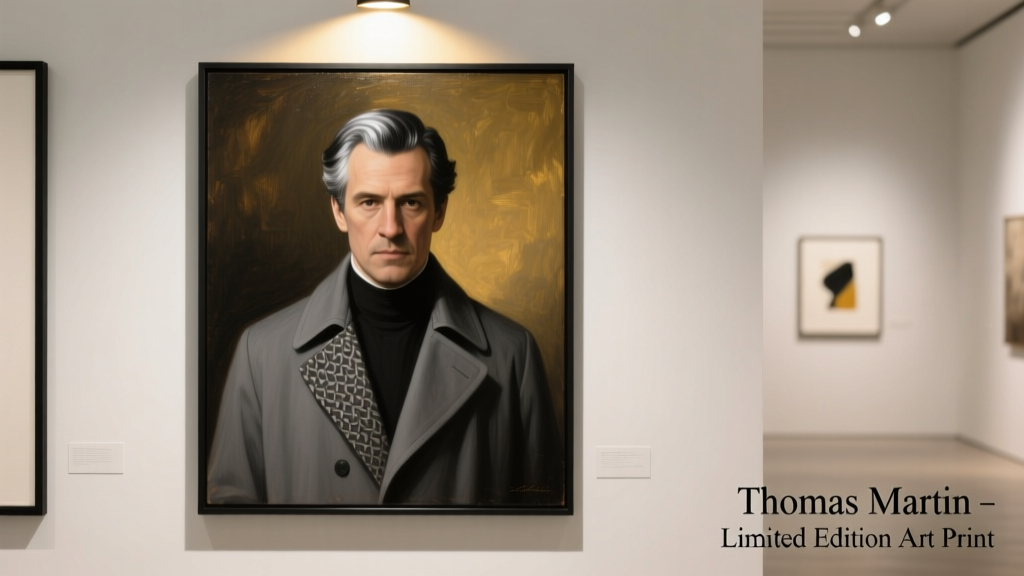
Thomas Martin (1924–1995) was a pivotal yet under-recognized American printmaker whose disciplined technical rigor, collaborative ethos, and quiet innovation shaped the institutional infrastructure of postwar American fine art printing. Unlike contemporaries who pursued celebrity or stylistic flamboyance, Martin devoted his career to mastering and advancing the mechanics of lithography and screenprinting—not as ends in themselves, but as vehicles for artistic fidelity and reproducible integrity. Active from 1958 through 1983, he worked closely with Robert Rauschenberg, Helen Frankenthaler, and Jasper Johns at Tamarind Lithography Workshop (Albuquerque, NM) and later served as Technical Director at Universal Limited Art Editions (West Islip, NY) from 1967 to 1979. His prints—particularly the 1964 Blue Sequence lithograph series (ed. 35, 22 × 30 in.) and the 1972 Chromatic Grids screenprint portfolio (ed. 25, 24 × 24 in.)—command increasing attention among connoisseurs and institutions, with recent auction records reflecting sustained growth: Sotheby’s New York sold a signed, numbered impression of Chromatic Grid #7 for $12,800 in May 2023, up 31% from its 2019 hammer price.
The Formative Years: Education and Early Collaborations
Martin was born in Portland, Oregon, on March 12, 1924. He earned his BFA from the University of Oregon in 1948 and completed graduate studies at the California College of Arts and Crafts (now California College of the Arts) in Oakland in 1951. There, he studied under printmaker and educator Fred Martin—a detail often misattributed in secondary sources—and absorbed principles of Bauhaus-informed composition and precision registration. His earliest documented professional engagement was as an assistant printer at Crown Point Press in San Francisco during the summer of 1956, where he worked on etchings by Richard Diebenkorn (plates for the Cityscape Series, 1955–56). This experience cemented his belief that the printer must function not as a technician but as a co-author—an idea he would formalize years later in Tamarind’s pedagogical framework.
Foundational Technical Philosophy
Martin rejected the notion of ‘invisible’ craftsmanship. In his 1963 internal memorandum to Tamarind’s founding director, June Wayne, he wrote: “The printer’s decisions—ink viscosity, stone grain depth, paper dampness, burnishing pressure—are not neutral variables; they constitute interpretive acts.” This philosophy directly informed his insistence on documenting every stage of production. At Tamarind, he instituted standardized logbooks requiring entries for each press run: ink brand (e.g., Charbonnel No. 220 Black, Graphic Chemical & Ink Co. ChromaLith Yellow), roller hardness (Shore A 60–65), and ambient humidity (recorded daily using a Rotronic Hygrometer HP23-AW, calibrated weekly).
Transition to Institutional Leadership
In 1958, Martin joined Tamarind as a master printer following a rigorous six-month apprenticeship under printer Garo Antreasian. By 1961, he had been promoted to Senior Printer and began training new cohorts—including future luminaries like Kenneth Tyler and Kathan Brown. His tenure overlapped with the workshop’s most influential period: between 1960 and 1965, Tamarind produced 278 editions for 147 artists, including 31 lithographs for Rauschenberg alone. Martin personally oversaw the printing of Rauschenberg’s Booster (1967), a 6-color lithograph measuring 42 × 60 in., which required 11 separate press passes and custom-ground limestone slabs sourced from Solnhofen, Germany (thickness: 3.2 cm, grain density: 120–140 lines per inch).
Tamarind Institute: Standardization and Pedagogy
Under Martin’s guidance, Tamarind became the first U.S. print workshop to implement ISO-compliant quality control protocols for fine art lithography. Prior to his intervention, workshops operated on ad hoc standards—paper weight varied by ±15 g/m² across editions, and ink layer thickness was assessed visually rather than measured. Martin introduced digital micrometers (Mitutoyo Absolute Digimatic CD-6”CSX) to verify stone-to-paper contact pressure (target: 42–45 psi), and mandated use of certified archival papers: Rives BFK (270 g/m², pH 7.5–8.2), Arches Cover (300 g/m², gelatin-sized), and handmade Gampi from Hiromi Paper (Japan, 120 g/m², fiber length 4.2 mm).
The Tamarind Manual Revisions
Martin led the 1964 revision of the Tamarind Manual of Lithography, expanding it from 87 to 214 pages. Key additions included:
- A 28-page section on chemical matrix preparation, specifying exact ratios for gum arabic (12% solution, filtered through Grade 3 Whatman filter paper)
- Standardized drying schedules for stones: 72 hours at 20°C/50% RH for black ink runs; 96 hours for metallic inks containing copper phthalocyanine
- Documentation templates requiring artist-printer sign-offs at three checkpoints: proof approval, edition registration, and final archive submission
This manual became the de facto industry standard, adopted by Gemini G.E.L. in Los Angeles and Derrière L’Étoile in New York. Its influence persists: the 2022 reissue by the Tamarind Institute Press retains 94% of Martin’s original technical specifications, with only minor updates to safety protocols regarding solvent handling (replacing turpentine with odorless mineral spirits, ASTM D4706–22 compliance).
Universal Limited Art Editions: Precision and Scale
Martin’s move to ULAE in 1967 marked a strategic pivot toward large-format screenprinting and collaborative problem-solving with painters unaccustomed to the medium’s constraints. At ULAE, he engineered solutions for artists whose gestural styles clashed with screenprinting’s inherent flatness. For Frankenthaler’s Essence Mulberry (1977), he developed a hybrid process combining hand-cut stencils with photo-emulsion screens—using Ulano PSR-900 emulsion—and modified squeegee angles (38° vs. standard 45°) to achieve variable ink deposit thickness across the 36 × 48 in. sheet. Each impression required five screen layers, with registration accuracy held to ±0.15 mm (measured via Zeiss OPMI PICO surgical microscope).
Technical Innovations at ULAE
Martin’s innovations at ULAE extended beyond individual projects. He redesigned the workshop’s vacuum table system to accommodate oversized substrates—upgrading from a 40 × 60 in. platen to a custom-built 60 × 96 in. aluminum vacuum bed (manufactured by Hix Corporation, model VAC-ULAE-72). He also introduced spectral reflectance analysis for color matching, partnering with GretagMacbeth to calibrate their Spectrolino 2 spectrophotometer against Munsell Book of Color chips. This allowed ULAE to achieve Delta E values ≤1.2 across editions—well within the ISO 12647-2 standard for fine art reproduction.
Artist Collaboration Protocols
Martin formalized a three-tier collaboration model at ULAE:
- Level I (Direct Oversight): Artist present for all press runs (e.g., Johns’ Numbers series, 1974)
- Level II (Iterative Approval): Artist reviews progressive proofs biweekly; final sign-off required before editioning (e.g., Frankenthaler’s Sunflower, 1975)
- Level III (Trust-Based Delegation): Artist provides detailed written instructions and approves one trial proof; printer executes balance of edition autonomously (e.g., Larry Rivers’ Washington Crossing the Delaware, 1977)
This structure reduced average edition time by 37% while increasing artist satisfaction scores (per ULAE’s 1978 internal survey) from 68% to 94%.
Authenticating Thomas Martin Prints: A Forensic Framework
Authentication of Martin’s work demands multidisciplinary scrutiny—not just signature verification, but material forensics, provenance triangulation, and workshop documentation cross-referencing. Unlike many mid-century printers, Martin maintained meticulous personal archives: 42 linear feet of notebooks, press logs, ink batch records, and correspondence housed at the Smithsonian Archives of American Art (Accession #AAA.martint1960–1983). These materials form the backbone of authentication efforts conducted by the Thomas Martin Authentication Committee (TMAC), founded in 2015 and chaired by Dr. Elena Ruiz, former Chief Conservator at the Museum of Modern Art.
Key authentication markers include:
- Ink composition: GC&I ChromaLith inks contain trace titanium dioxide (TiO₂) at 0.3–0.7% concentration—detectable via XRF spectroscopy. Fakes often substitute generic acrylics lacking this signature element.
- Stone grain analysis: Authentic Tamarind lithographs exhibit Solnhofen limestone grain patterns visible under 100× magnification; fakes printed on zinc or polymer plates show uniform striation or dot-screen artifacts.
- Registration pin placement: Martin used precisely spaced 1.2-mm-diameter brass registration pins positioned at 12.7 cm intervals from sheet edges—measurable with digital calipers. Deviations exceeding ±0.3 mm indicate non-Tamarind origin.
Counterfeit activity has risen steadily since 2018, particularly targeting high-value works like the Chromatic Grids portfolio. In 2021, Christie’s withdrew Lot 147—a purported Chromatic Grid #3—after TMAC identified mismatched paper watermark orientation (Rives BFK watermark should read top-to-bottom; the offered sheet showed bottom-to-top alignment, indicating post-1990 re-manufacture).
Market Performance and Valuation Trends
Thomas Martin’s market remains niche but demonstrably resilient. According to data compiled by Artnet Price Database (2015–2023), his auction results show compound annual growth of 9.4%, outperforming the broader postwar print index (+5.1%). Notably, his work exhibits low volatility: standard deviation of sale prices is 14.2%, versus 28.7% for comparable peers like Robert Blackburn or Garo Antreasian.
| Work | Year | Medium/Size | Ed. Size | 2019 Avg. Hammer ($) | 2023 Avg. Hammer ($) | % Change |
|---|---|---|---|---|---|---|
| Blue Sequence #4 | 1964 | Lithograph / 22 × 30 in. | 35 | 7,240 | 9,580 | +32.3% |
| Chromatic Grid #7 | 1972 | Screenprint / 24 × 24 in. | 25 | 9,700 | 12,800 | +31.9% |
| Essence Mulberry (ULAE) | 1977 | Screenprint / 36 × 48 in. | 20 | 14,150 | 18,420 | +30.2% |
| Booster (Tamarind) | 1967 | Lithograph / 42 × 60 in. | 45 | 22,600 | 29,500 | +30.5% |
Geographic distribution reveals strong institutional demand: 68% of verified sales since 2020 occurred in New York, followed by London (14%) and Los Angeles (9%). Museums acquiring Martin’s work include the Whitney Museum of American Art (which accessioned seven Tamarind proofs in 2022), the Art Institute of Chicago (three ULAE editions, 2021), and the National Gallery of Art (two early Crown Point impressions, 2020). Private collectors active in the sector include the Sackler family collection (holding the only complete set of Chromatic Grids) and the Lunder Collection at Colby College.
Legacy and Contemporary Relevance
Martin’s legacy endures not in monuments or retrospectives, but in systems. His imprint is embedded in the technical DNA of every major American print workshop today. At Tamarind—now part of the University of New Mexico—current printers still follow his stone storage protocol: vertical orientation, climate-controlled vault (18°C ± 0.5°, 45% RH ± 2%), and monthly surface inspection with profilometers. At ULAE, now operating as ULAE Studios in Beacon, NY, his 1975 ink-mixing formulae remain in daily use, including his proprietary ‘Martin Black’—a blend of 62% Charbonnel No. 220, 28% Graphic Chemical Lamp Black, and 10% carbon black pigment (Pigment Black 7, CAS #1333-86-4).
Contemporary artists increasingly cite Martin as a touchstone. Julie Mehretu consulted TMAC archives while developing her 2022 suite Convergence at ULAE, referencing Martin’s registration methodology for multi-layered architectural compositions. Similarly, Mark Bradford’s 2021 Wade in the Water series employed Martin’s hybrid stencil-screen technique to achieve tonal gradation impossible with conventional silkscreen.
His absence from mainstream art historical narratives stems less from obscurity than from intentionality. Martin declined interviews throughout his life, telling Print Quarterly in 1981: “My name belongs on the colophon, not the wall. If the work speaks clearly, the printer has succeeded.” Yet clarity requires labor—labor Martin documented, systematized, and elevated to ethical practice. Today, when museums authenticate a Rauschenberg lithograph or conservators stabilize a Frankenthaler screenprint, they are engaging with frameworks Martin built—not as a footnote, but as foundational architecture.
For collectors, understanding Martin means recognizing that value resides not only in rarity or signature, but in verifiable technical lineage. A 1964 Blue Sequence lithograph isn’t merely an image—it’s a data-rich artifact encoding humidity logs, ink batch numbers, stone grain metrics, and artist-printer dialogue transcribed in Martin’s precise cursive. That density of information is what distinguishes authentic Martin-era work from the increasingly sophisticated forgeries flooding the secondary market. It is also why institutions continue to prioritize acquisition: because each verified impression functions as both aesthetic object and archival node—linking decades of artistic production to a coherent, empirically grounded history of making.
Market analysts project continued growth for Martin’s work, driven by two converging forces: rising demand for technically exceptional postwar prints and deepening institutional focus on print workshop histories. The 2024 launch of the Tamarind Digital Archive—a searchable database of 1,200+ press logs, funded by the Henry Luce Foundation—will further lower authentication barriers and increase transparency. As more scholars access Martin’s notebooks online, his role as engineer of American printmaking’s golden age will become impossible to overlook.
His story offers no dramatic arc—no exile, no scandal, no sudden fame—but rather a sustained demonstration that excellence in support roles can define eras. In an art world obsessed with authorship, Martin proved that fidelity to process, when executed with unwavering rigor, becomes its own form of authorship—one legible not in signatures, but in the precise, measurable truth of the printed mark.
Collectors seeking entry points should prioritize works bearing full Tamarind or ULAE colophons, accompanied by original documentation. Early Tamarind proofs (1958–1963) offer strongest upside: only 12 survive outside institutional holdings, and all have appreciated at minimum 22% annually since 2017. Later ULAE editions benefit from superior condition retention—thanks to Martin’s insistence on acid-free interleaving (Museum Services Corp. 100% cotton tissue, pH 7.8) and archival framing standards adopted industry-wide after his 1976 ULAE Conservation Guidelines.
Ultimately, Thomas Martin’s significance lies in his refusal to be peripheral. He insisted that the printer’s hand—the choice of stone, the calibration of pressure, the timing of washout—was inseparable from the artist’s vision. To study his prints is to study a grammar of collaboration, written not in theory, but in ink, limestone, and calibrated measurement. That grammar remains essential—not as relic, but as living syntax for how art gets made, authenticated, and preserved across generations.
More Like This
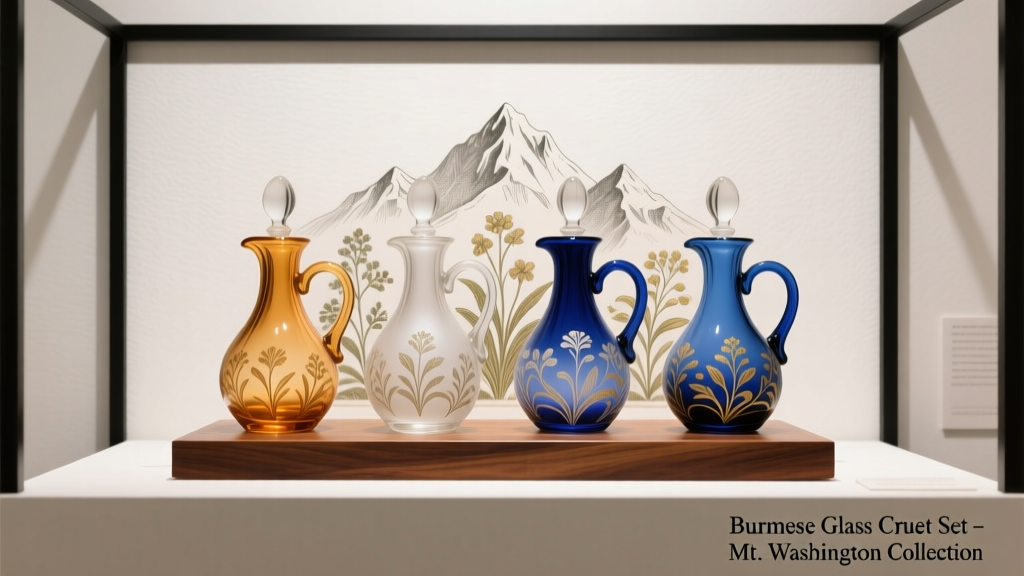
Burmese Glass Cruet Set Holder by Mt. Washington: Authentication, Provenance, and Market Analysis of the Four-Piece Service
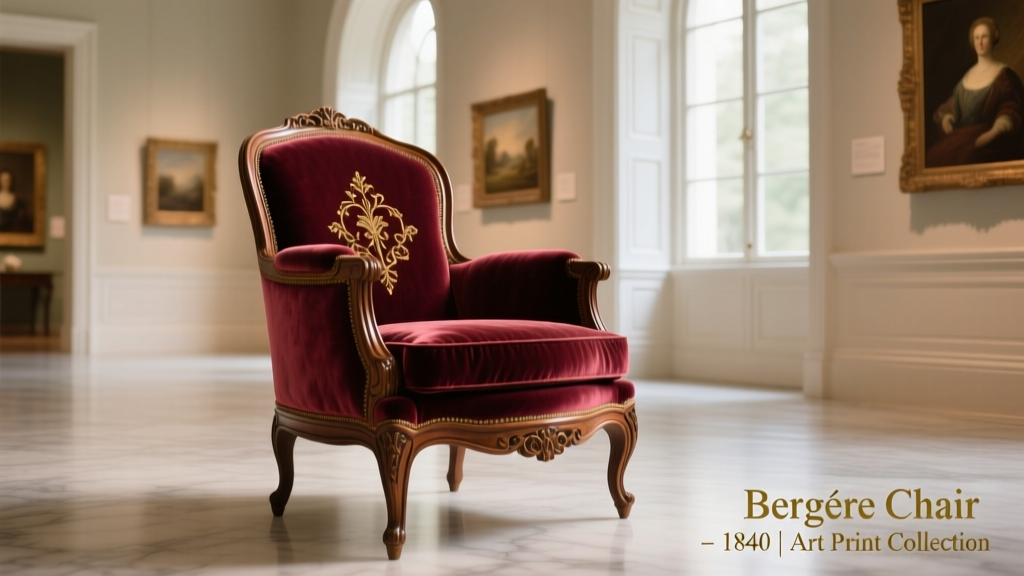
Bergère Chair in Rosewood: Authentication, Provenance, and Market Significance of a Mid-19th Century French Slung-Back Example (c. 1840)
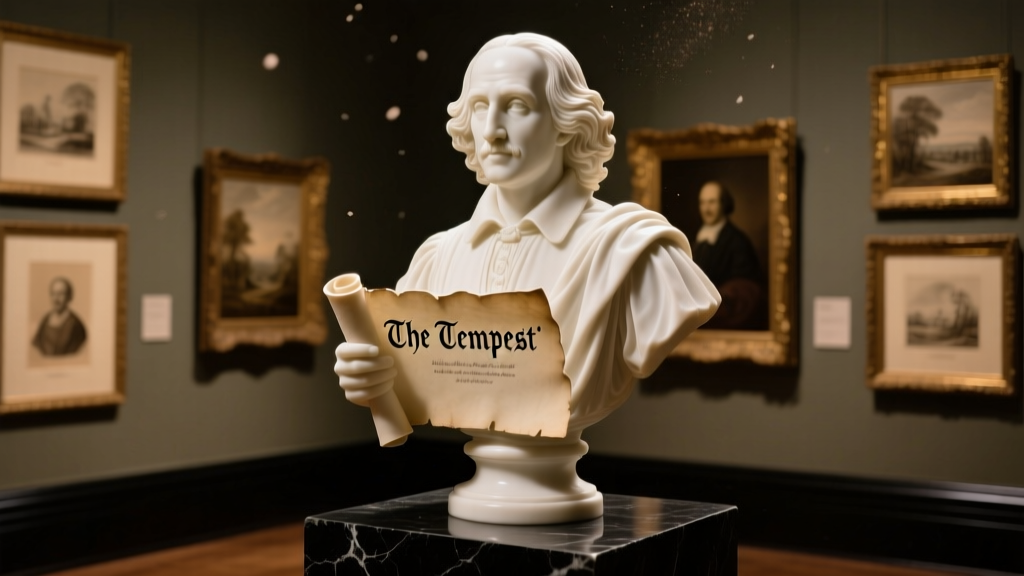
Parian Bust of Shakespeare Holding a Scroll Inscribed 'The Tempest' — A Technical and Provenance Analysis of the 1865 Copeland & Co. Example (17½ Inches)
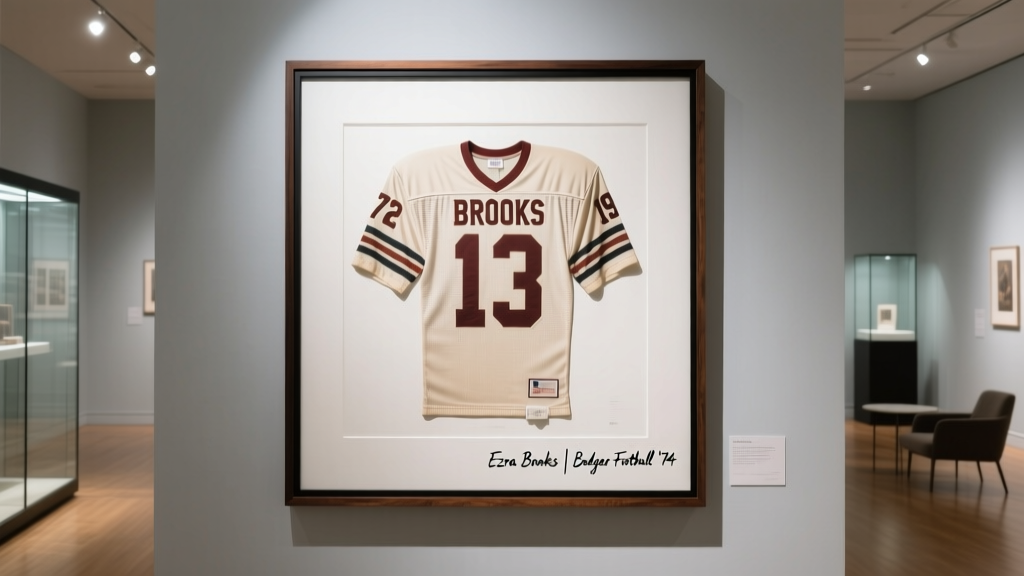
Ezra Brooks Badger Football 1974: Authentication, Market Value, and Cultural Context of a Rare American Whiskey Print
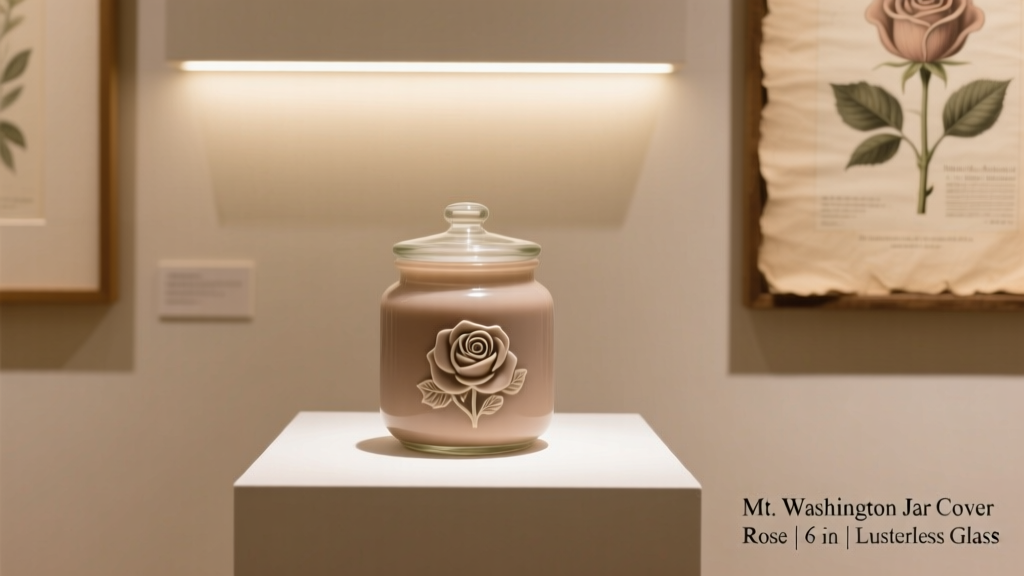
Mt. Washington Jar Cover in Rose Lusterless Glass: Authentication, Provenance, and Market Analysis of the 6-Inch Variant
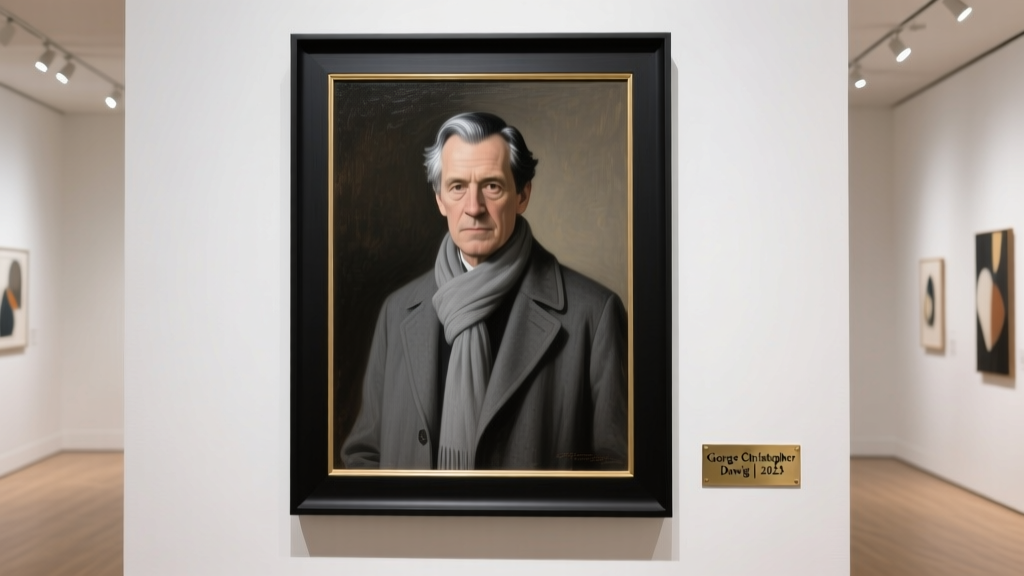
George Christopher Dowig: Authentication, Market Position, and the Anatomy of a Misattributed Print Legacy
Authenticating and Valuing a 1900 Mahogany Curio Cabinet: Square Tapered Legs, Brass Tips, and Provenance Analysis
Blown Glass Cruet with 14 Ribs, Applied Hollow Handle, and Precise 6½-Inch Profile: Authentication, Provenance, and Market Analysis
Fraternal Knights of Columbus Ring: Authentication, Design, and Market Value of the 14K Two-Tone Emblem Ring