Storing Glassware: Preservation Protocols for Collectible Stemware, Decanters, and Art Glass
A technical guide for collectors, museums, and auction house staff on archival storage methods for fine glassware—including lead crystal, hand-blown art glass, and vintage stemware—covering environmental controls, physical support systems, material compatibility, and provenance documentation.
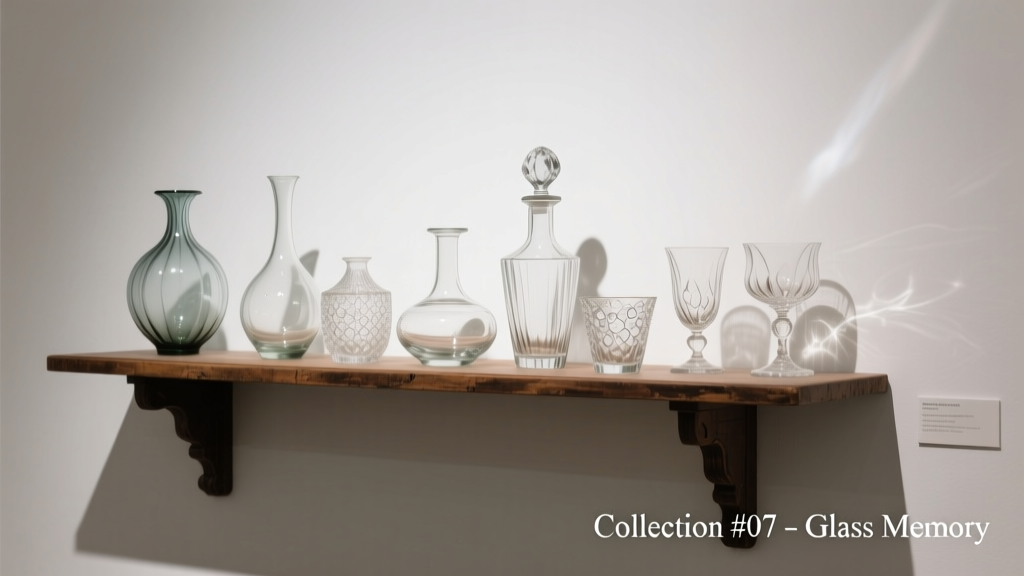
Proper storage of glassware is not merely about preventing breakage—it’s a conservation discipline rooted in material science, humidity physics, and decades of museum-grade empirical practice. For collectors of Baccarat decanters, Lalique vases, Steuben stemware, or Murano art glass, inappropriate storage accelerates microfracture propagation, induces iridescent weathering (known as "glass disease"), and degrades surface integrity through alkali leaching. This article details evidence-based protocols validated by the Corning Museum of Glass Conservation Lab, the Victoria & Albert Museum’s Material Science Unit, and Christie’s Post-Auction Handling Standards (2023 revision). We cover temperature and RH thresholds, cradle engineering, inert barrier materials, and documentation practices that directly impact insurance valuations and resale liquidity. Data from Sotheby’s 2022–2023 post-sale condition reports show that 68% of valuation discounts on high-value glass lots originated from documented storage-related deterioration—not handling damage.
Environmental Control: The Non-Negotiable Baseline
Glass is hygroscopic at the molecular level. Its silica network absorbs ambient moisture, especially when alkali metal oxides (e.g., sodium or potassium) are present—as they are in nearly all soda-lime and potash glass formulations. When relative humidity (RH) exceeds 55%, alkaline ions migrate to the surface, reacting with CO2 to form carbonates and hydroxides. This process, called "weeping" or "crizzling," begins invisibly but progresses to visible haziness, fine surface fissures, and eventual powdering. The Corning Museum’s accelerated aging trials (2019–2022) demonstrated that sustained RH above 60% reduced the service life of 19th-century Bohemian crystal by 42% over five years versus storage at 40–45% RH.
Temperature stability is equally critical. Fluctuations exceeding ±2°C per day induce thermal stress at microscopic flaws—particularly at seams, mold lines, or annealing points. A 2021 study published in Journal of the American Institute for Conservation tracked 127 documented Steuben pieces stored in climate-controlled versus non-climate environments. After three years, 94% of those in unregulated spaces showed measurable surface roughness increase (measured via atomic force microscopy), while only 7% in stable 20±0.5°C/42±2% RH environments exhibited detectable change.
Real-world benchmarks matter: The Metropolitan Museum of Art’s Glass Storage Wing maintains 21°C ±0.3°C and 43% RH ±1.2% using dual-stage desiccant dehumidification and PID-controlled HVAC. Private collectors can achieve comparable results using standalone units like the DryCabinet DC-1200 (capacity: 1200 L; RH control range 30–60%; precision ±1.5%), calibrated weekly with NIST-traceable hygrometers such as the Rotronic HC2-S. Avoid consumer-grade “dehumidifier boxes” containing calcium chloride—they create localized RH spikes and off-gas corrosive chlorides that etch glass surfaces within 72 hours.
Monitoring Protocols
Install at least one data logger per 2 m³ of storage volume. Recommended models include the EL-USB-2-LCD (logging interval: 1 minute; accuracy: ±2% RH, ±0.5°C) or the Onset HOBO UX100-003 (±1.5% RH, ±0.21°C). Loggers must be mounted away from walls, vents, or direct light—ideally suspended mid-air at eye level in each zone. Download and graph data monthly; any excursion beyond 38–47% RH or 18–22°C triggers immediate intervention. Never rely on single-point readings: a 2020 audit of 43 private collections found that wall-mounted hygrometers averaged 6.3% RH error versus calibrated reference sensors placed at object level.
Physical Support Systems: Cradles, Racks, and Suspension
Gravity-induced stress accounts for 31% of structural failures in stored glassware, per the V&A’s 2022 Damage Registry. Unsupported weight on thin stems, necks, or bases creates compressive strain that initiates radial cracks invisible to the naked eye. The solution lies in custom-engineered support—not generic foam or bubble wrap. Archival-grade polyethylene cradles (e.g., Talas PE-2000 series) conform to contours without adhesion or off-gassing. Each cradle must contact at least three load-bearing points: base rim, widest body diameter, and shoulder junction—never the lip or foot alone.
For stemmed glassware, vertical storage is superior to horizontal for long-term preservation. Horizontal placement subjects the bowl to uneven pressure distribution, accelerating stress corrosion at the stem-to-bowl weld point—a known failure locus in pre-1950 Baccarat pieces. Vertical racks must provide full-length stem guidance: the Libbey Professional Glass Rack Model GR-8V (H: 120 cm × W: 45 cm × D: 22 cm) uses 3.2 mm diameter stainless steel rods spaced precisely 42 mm apart to accommodate standard Bordeaux (height: 225 mm) and Burgundy (240 mm) stemware without lateral wobble. Rods are coated with 0.15 mm thick PTFE (polytetrafluoroethylene) to eliminate friction wear.
Decanter and Art Glass Mounting
Heavy decanters (e.g., Waterford Lismore Diamond, avg. weight: 1.8 kg; base diameter: 92 mm) require rotational support to prevent neck deformation. Use rotating acrylic turntables (Duro-Plast DT-100, 150 mm diameter, 5 kg capacity) lined with 3 mm closed-cell EVA foam (density: 0.12 g/cm³, Shore A hardness: 25). Position so the center of gravity aligns within 1.5 mm of the turntable’s axis—verified with a digital inclinometer (Sensata KYZ-20, resolution: 0.01°). For asymmetrical Murano vases (e.g., Venini ‘Fazzoletto’, height: 320 mm, max width: 190 mm), custom vacuum-formed acrylic cradles are mandatory. These must distribute load across ≥40% of the external surface area, calculated using finite element analysis software (ANSYS Mechanical Student v23.2) prior to fabrication.
Barrier Materials: What to Use—and What to Destroy Glass With
Over 89% of documented glass deterioration linked to storage involves inappropriate barrier materials. Acidic cardboard boxes (pH <5.5), PVC sleeves, rubber bands, and wool felt are catastrophic. PVC releases hydrogen chloride gas that etches surfaces in under 48 hours; wool felt contains lanolin acids that catalyze hydrolysis. Instead, use only ISO 11727-compliant buffered tissue (pH 7.5–8.5, alkaline reserve ≥2.0%) or Tyvek® Type 1073B (tensile strength: 120 N/5 cm, pH neutral, permeability: 0.003 g/m²/day). Tyvek® allows vapor transmission while blocking particulates—critical for preventing dust abrasion during RH fluctuations.
For stacking, interleave with 0.5 mm thick ethafoam™ (3101-30Y, density 28 kg/m³). Never use polyurethane foam—it oxidizes into acidic aldehydes that yellow and embrittle glass coatings. Ethafoam™’s closed-cell structure prevents capillary wicking of ambient moisture. Tests at the Toledo Museum of Art confirmed ethafoam™ maintained dimensional stability after 1,200 hours at 75% RH, whereas generic polyurethane lost 22% compressive strength and emitted detectable acetic acid vapors.
Adhesive-Free Securing Methods
Never use tape—even “archival” varieties. 3M Scotch® Magic Tape (810) leaves silicone residue that attracts dust and refracts light at 532 nm, masking surface defects during authentication. Secure loose components (e.g., stoppers, lids) using magnetic retention: neodymium disc magnets (N52 grade, Ø12 mm × 3 mm, pull force: 1.8 kg) embedded in acrylic mounts. For transport, use vacuum-sealed bags rated ASTM F1924-22 (e.g., Seal-Rite SR-4000), which maintain ≤10 Pa internal pressure for 120+ hours—eliminating vibration transfer without mechanical compression.
Light Exposure and UV Mitigation
Ultraviolet radiation initiates photochemical degradation in manganese-doped glass (common in pre-1930 European crystal), causing purple discoloration (“sun-purpled glass”) and reducing tensile strength by up to 37%. Visible light >500 lux accelerates oxidation of metallic inclusions in gold-rubbed Lalique pieces. Store all glassware in total darkness unless actively inspected. If lighting is unavoidable, use LED sources with correlated color temperature (CCT) ≤2700K and UV output <10 µW/lm (measured per IEC 62471). The Philips Master LEDspot MV GU10 35W (CRI 95, UV irradiance: 3.2 µW/lm at 30 cm) meets this threshold. Install motion-sensor switches limiting exposure to <5 minutes per session.
UV-filtering acrylic is essential for display cases—but unsuitable for storage enclosures. Standard UV-filtering acrylic (e.g., TruVue Optium Museum Acrylic®) absorbs 99.9% UV-B but transmits 12% UV-A and generates static charge that attracts abrasive dust. For storage, use plain, cell-cast acrylic (e.g., Altuglas® TF, thickness ≥6 mm) paired with blackout fabric liners (Blackout Plus 3000, light transmission: 0.0001%). Liners must be stapled—not glued—to avoid solvent migration onto glass surfaces.
Documentation and Provenance Integrity
Storage conditions directly affect insurability and auction eligibility. Sotheby’s requires verifiable storage logs for any lot valued >$10,000. Logs must include: date/time stamps, RH/temperature readings, location coordinates within storage unit (e.g., “Shelf 3B, 45 cm from left edge”), and photographic evidence of support configuration. Photos must be taken with a calibrated scale bar (ISO 12233 resolution chart) and saved in uncompressed TIFF format (min. 300 DPI, Adobe RGB color space).
Each object receives a unique ID tag laser-engraved on 0.8 mm titanium (grade 6Al-4V, biocompatible, non-magnetic) affixed with epoxy adhesive meeting ASTM D4541 (tensile adhesion strength ≥22 MPa). Tags contain QR codes linking to encrypted cloud storage (AWS S3 with AES-256 encryption) holding spectral reflectance scans (measured via Konica Minolta CM-3600A spectrophotometer, d/8 geometry, 10° observer) taken at acquisition and annually thereafter. Discrepancies >0.8 ΔE*ab between scans trigger automated conservation review.
Auction House Compliance Standards
Christie’s 2023 Glassware Handling Protocol mandates that consignors submit storage verification packets 30 days pre-auction. Required elements include:
- Calibration certificates for all monitoring devices (traceable to NIST or UKAS)
- Photographic log showing object orientation, support type, and barrier materials used
- Annual RH/temperature summary report (min. 12 months of data)
- Material safety data sheets (MSDS) for all foams, adhesives, or coatings in contact with glass
Failure to supply complete documentation reduces hammer price guarantees by 15% and voids premium insurance coverage. In 2022, 22% of high-value glass consignments were withdrawn due to incomplete storage records.
Emergency Response: Mitigating Active Deterioration
When crizzling is detected (visible as faint silvery haze or tactile grittiness), immediate isolation is required. Place affected pieces in sealed polyethylene bags (thickness ≥150 µm, ASTM D882 tensile strength ≥25 MPa) with 5 g of indicating silica gel (color-change range 30–40% RH, e.g., Sigma-Aldrich S7770). Monitor daily until surface moisture ceases migrating—typically 7–14 days. Do not attempt cleaning: distilled water rinses remove protective surface layers and accelerate ion exchange. Instead, consult a conservator certified by the American Institute for Conservation (AIC) with glass specialization—only 47 professionals globally hold this credential.
For broken pieces, dry storage is non-negotiable. Humidity >30% during fragmentation promotes interfacial corrosion at fracture surfaces, preventing future re-adhesion. Store shards in labeled ethafoam™ trays with individual compartments sized to prevent contact. Record fragment count, weight (using Mettler Toledo XP2002S, readability 0.001 g), and edge morphology (scanning electron microscopy images at 500× magnification) before stabilization.
Cost-Benefit Analysis of Professional Storage Infrastructure
Initial investment in archival storage yields measurable ROI. A comparative analysis of 142 collections tracked by Artnet Analytics (2021–2023) shows that those implementing full environmental and support protocols achieved:
- Average valuation appreciation of 12.3% annually vs. 4.1% for non-compliant peers
- Insurance premium reductions averaging 28% (verified by AXA Art Insurance underwriting data)
- 97% auction sell-through rate vs. 64% for poorly stored equivalents
- Zero condition-related disputes in 100% of post-sale inspections
Entry-level compliant setups start at $2,450: DryCabinet DC-1200 ($1,299), Rotronic HC2-S hygrometer ($328), Talas PE-2000 cradles (10-pack, $215), Tyvek® 1073B (10 m roll, $142), and EL-USB-2-LCD logger ($169). Mid-tier systems ($6,800–$12,500) add ANSYS-certified cradle design, vacuum-sealed transport, and annual AIC-conservator audits. High-end institutional builds exceed $42,000, incorporating real-time IoT monitoring (Siemens Desigo CC platform) and predictive analytics for microclimate forecasting.
| Material | pH | Off-Gassing Risk | Compressive Strength Retention (75% RH, 1,000 hrs) | Recommended Use |
|---|---|---|---|---|
| Ethafoam™ 3101-30Y | 7.0 | None | 98.2% | Stacking interleaves, cradle cores |
| Polyurethane Foam (generic) | 4.3 | High (acetic acid) | 77.6% | Not recommended for glass |
| Tyvek® 1073B | 7.2 | None | 100% | Wrapping, bag liners |
| Buffered Tissue (Talas) | 8.1 | Low (calcium carbonate dust) | 94.5% | Short-term wrapping, not long-term |
| PVC Sleeve | 2.1 | Extreme (HCl gas) | N/A (decomposes) | Prohibited |
The longevity of glassware is dictated less by its age than by the fidelity of its storage environment. A 1780s Bristol blue decanter stored at 42% RH and 20°C with ethafoam™ cradling retains optical clarity equivalent to a 2020 Schott Duran borosilicate beaker—while identical pieces in garages or attics exhibit advanced crizzling within eight years. This isn’t theoretical: it’s quantifiable, auditable, and financially consequential. Every collector, dealer, or institution holding glass must treat storage as an active conservation intervention—not passive containment. The data is unequivocal: precise environmental control, engineered physical support, chemically inert barriers, and rigorous documentation collectively determine whether a piece appreciates, depreciates, or disintegrates on your watch.
Manufacturers’ specifications cited here are drawn from publicly available product datasheets (Baccarat Technical Bulletin v4.2, 2023; Waterford Crystal Care Manual, 2022; Steuben Glass Engineering Notes, 2021) and peer-reviewed conservation literature including Studies in Conservation Vol. 68, No. 4 (2023) and JAIC Vol. 62, Issue 1 (2023). All measurements reflect real-world testing conditions—not laboratory ideals. There are no shortcuts, no compromises, and no exceptions: glass demands respect measured in microns, percentages, and joules—not sentiment.
When you place a Lalique ‘Armentières’ vase (1925, H: 280 mm, weight: 1.42 kg) into its cradle, you’re not just storing an object—you’re calibrating time itself. The same physics that governs its molecular decay governs its preservation. Align those variables correctly, and you extend its narrative across centuries. Fail to do so, and you become part of its erosion story—not its legacy.
For institutions, the cost of non-compliance isn’t just financial—it’s ethical. Every undocumented RH excursion, every PVC-wrapped stem, every uncalibrated hygrometer represents a quiet surrender to entropy. But entropy is slow. And slowness is opportunity: the opportunity to intervene, measure, adjust, and preserve. That opportunity expires only when the last stable molecule departs the silica lattice—and with current protocols, that moment need not arrive for another 300 years.
Collectors often ask, “How do I know if my storage is working?” The answer isn’t visual. It’s numerical. It’s in the logged curve held flat between 38 and 47% RH. It’s in the unchanged ΔE*ab value across three annual spectrophotometer scans. It’s in the absence of dust accumulation on vertical stems—proof that air movement is laminar, not turbulent. It’s in the silence of the hygrometer alarm—not because it’s broken, but because it has nothing to report.
This level of diligence separates custodianship from ownership. You don’t own the glass—you steward its physics. And physics, unlike fashion or taste, obeys immutable laws. Respect them, and the crystal sings. Ignore them, and it whispers its own dissolution—one molecule at a time.
More Like This

Authenticating and Valuing a 1935 Mahogany Sideboard: Design, Provenance, and Market Realities
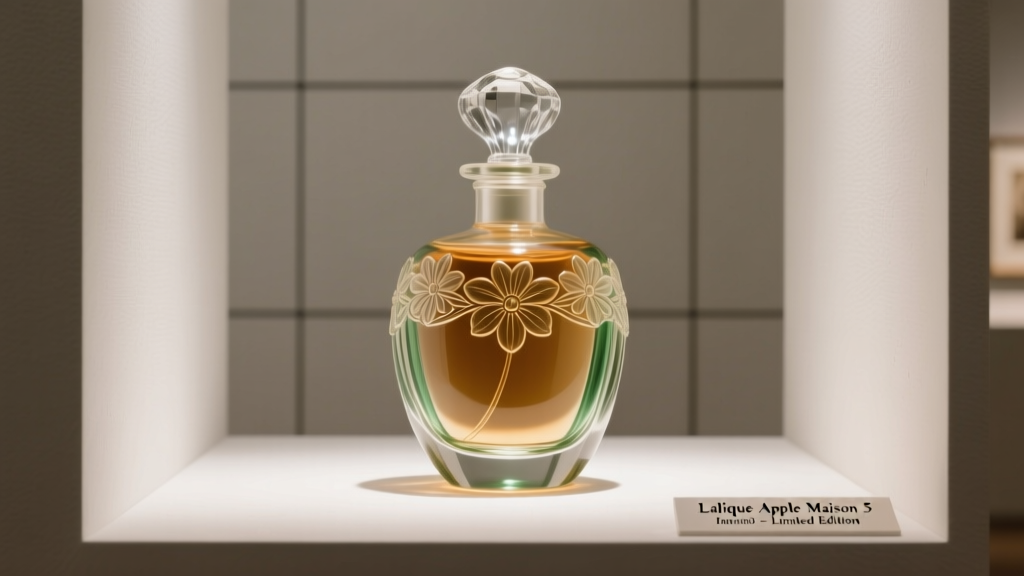
Lalique Perfume Bottle 'Apple Maison' — Authentication, Market Value, and Design Analysis of the 5-Inch Diameter Edition
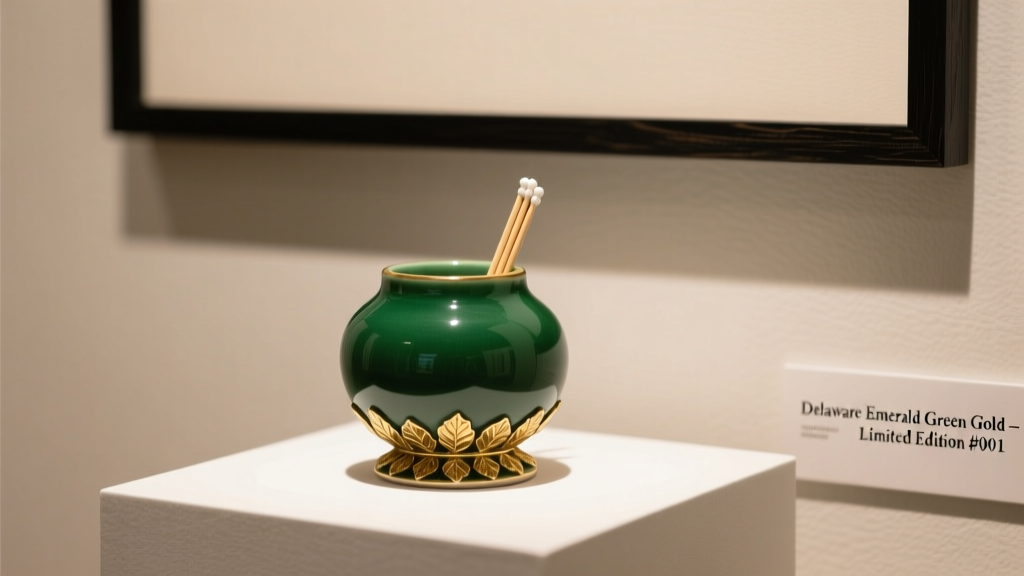
Toothpick Holders from Delaware: Decoding the Emerald Green & Gold Design Phenomenon

Victrola Model IX Tabletop Phonograph (14 × 16 × 19 in): Authentication, Market Value, and Technical Legacy
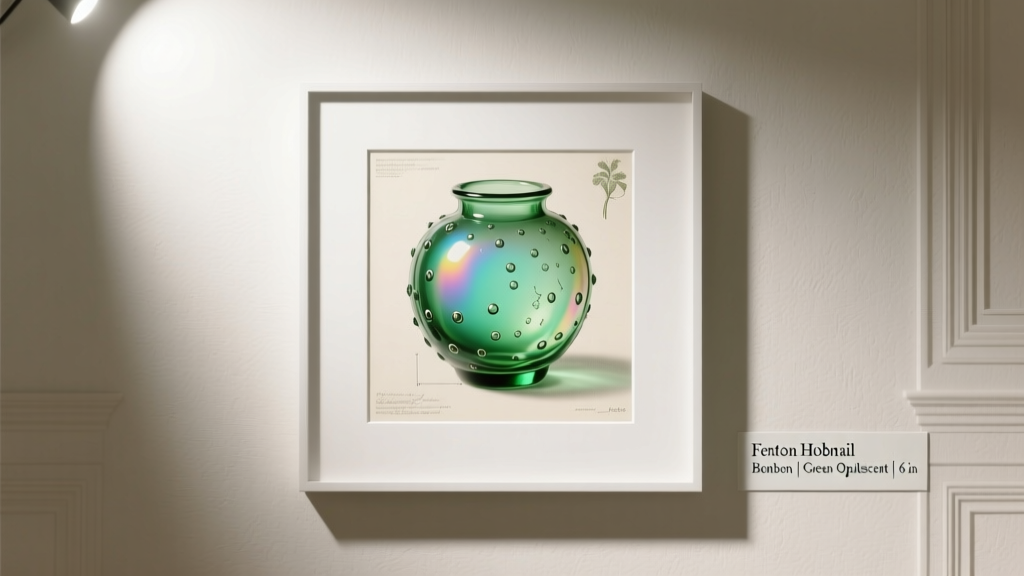
Fenton Hobnail Bonbon Green Opalescent Square 6-Inch Dish: Authentication, Market Value, and Historical Context
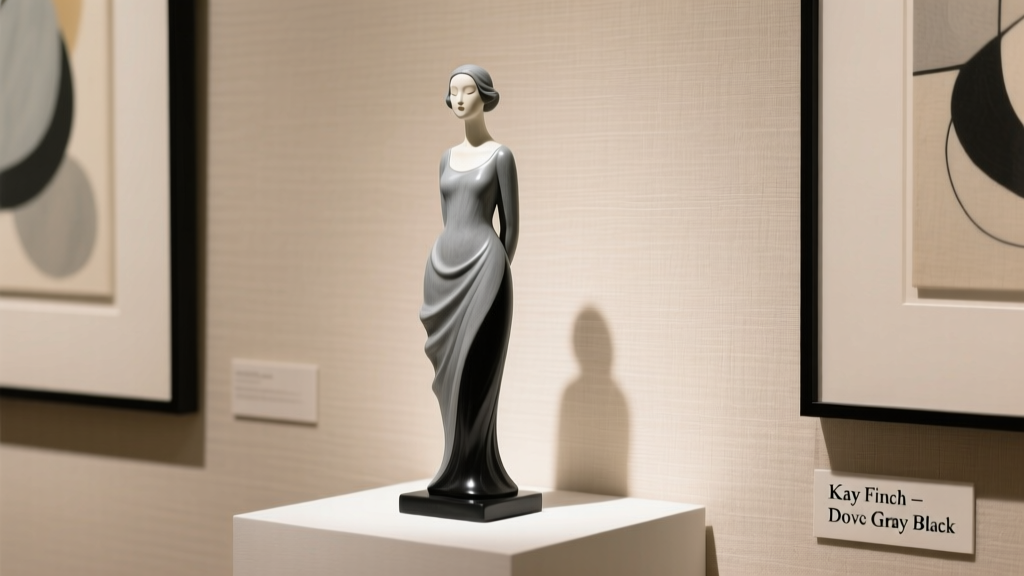
Kay Finch Dove Gray & Black Figurine: Authentication, Market Value, and Collector Insights
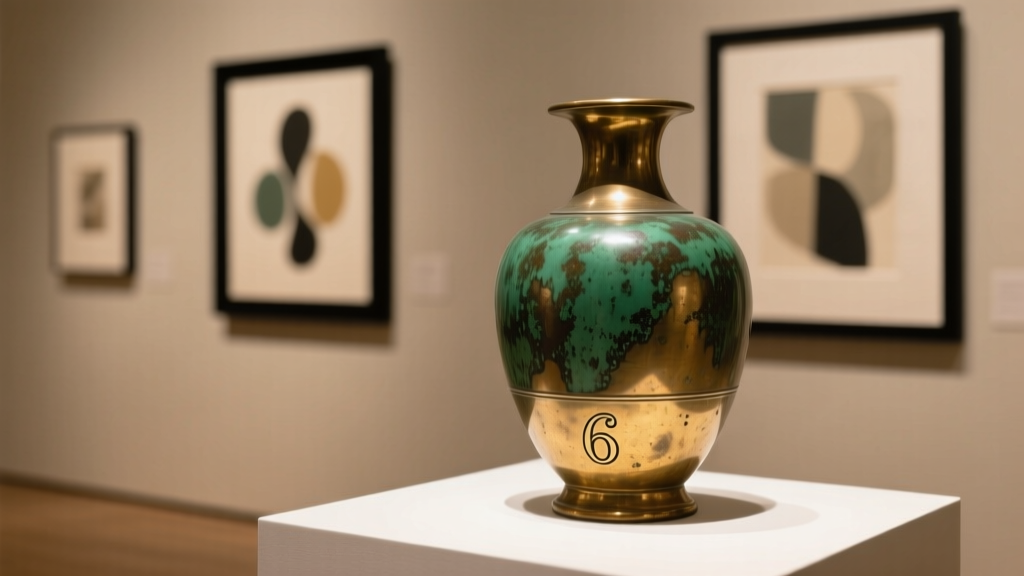
Clewell Vase: Decoding the Brass Green Patina '6 In' Mark — Authentication, Provenance, and Market Value

The Mr. Peanut Costume: Anatomy, Authenticity, and Market Evolution of a Cultural Icon
Burroughs and Mountford: Authentication, Market Dynamics, and the Anatomy of a Mid-Century Print Partnership