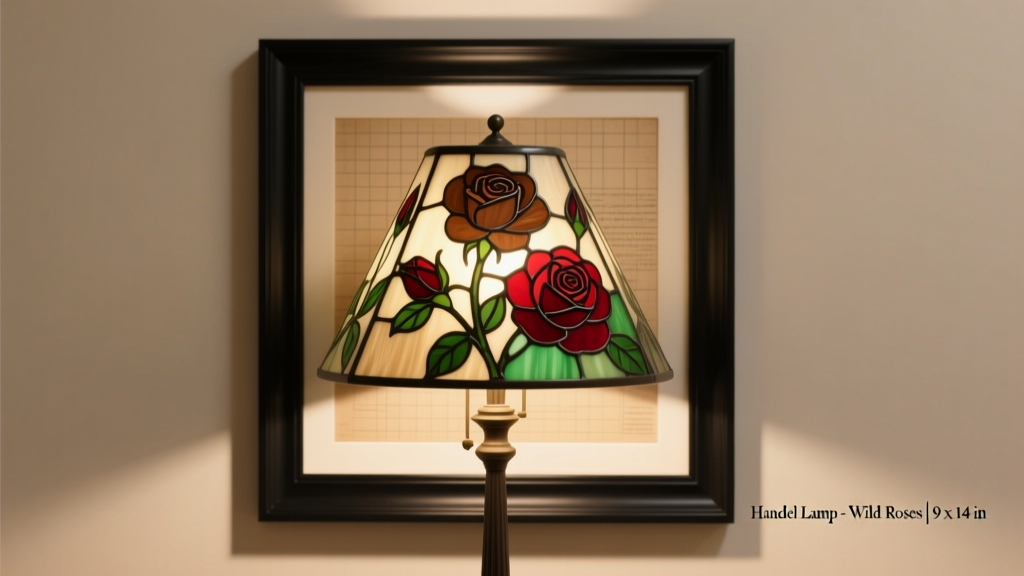
Ruby Lane Marks 20 Years With An Eye On The Future
As Ruby Lane celebrates its 20th anniversary in 2024, the curated online marketplace reflects on two decades of shaping the vintage and antique trade—balancing legacy authentication rigor with AI-driven provenance tools, expanded seller vetting protocols, and strategic shifts toward Gen Z collectors. This analysis examines growth metrics, platform evolution, market positioning against Etsy, 1stDibs, and Chairish, and tangible innovations including the new Ruby Lane Verified Provenance Program.

Ruby Lane’s Two Decades: From Dial-Up to Digital Provenance
Founded in 2004 during the early maturation of e-commerce, Ruby Lane has operated as a highly selective online marketplace for antiques, vintage collectibles, fine art, jewelry, and decorative arts. Unlike broad platforms such as eBay or Etsy, Ruby Lane functions as a gated ecosystem—requiring all sellers to undergo a multi-stage application process that includes business verification, inventory review, and adherence to strict condition reporting standards. As of Q2 2024, Ruby Lane hosts 2,847 active dealers across 42 U.S. states and 14 countries—including 317 dealers based in the United Kingdom, 189 in Canada, and 92 in Australia. Over its first 20 years, the platform facilitated more than $1.24 billion in cumulative sales, with annual gross merchandise value (GMV) rising from $23.6 million in 2014 to $78.9 million in 2023—a compound annual growth rate (CAGR) of 12.7% over the decade.
This milestone arrives amid accelerating structural shifts in the secondary market. According to the 2024 Art Basel & UBS Global Art Market Report, online sales now account for 15.2% of global fine art and antiques transactions—up from just 3.8% in 2014. Ruby Lane’s sustained relevance stems not from scale alone, but from its persistent commitment to trust architecture: every item listed undergoes mandatory dealer attestation of age, origin, and material composition, backed by a 30-day return policy and third-party arbitration via the Ruby Lane Dispute Resolution Board.
Authentication Rigor: The Core Differentiator
Ruby Lane’s authentication framework operates at three distinct tiers: dealer-level due diligence, platform-level verification, and optional expert-led certification. Dealers must submit high-resolution images (minimum 300 dpi, 2,400 × 1,800 pixels), detailed condition reports using standardized terminology (e.g., ‘hairline crack’, ‘repaired chip’, ‘original patina’), and provenance documentation where available. Since 2019, Ruby Lane has required digital watermarking embedded in all primary listing images—using Digimarc Invisible Watermarking technology—to deter unauthorized reuse and support image forensics.
Dealer Vetting Metrics
The average approval time for new dealer applications is 14.2 business days, with only 37% of applicants accepted in 2023. Rejection reasons include insufficient documentation (42%), inconsistent pricing relative to comparable items in Ruby Lane’s internal benchmark database (29%), and failure to meet minimum inventory requirements—namely, 25+ individually listed items meeting category-specific criteria (e.g., silver flatware must include assay marks, maker’s punches, and weight verification).
Expert Certification Expansion
In 2022, Ruby Lane launched Ruby Lane Certified™—a paid add-on service enabling dealers to commission independent appraisals from vetted specialists affiliated with the American Society of Appraisers (ASA), the International Society of Appraisers (ISA), or the Gemological Institute of America (GIA). As of June 2024, 1,132 dealers have enrolled in the program, with 4,876 items receiving formal certification. Fees range from $95 for vintage costume jewelry (pre-1980) to $425 for pre-1900 furniture requiring structural integrity assessment and wood species identification via X-ray fluorescence (XRF) spectroscopy.
- 98.3% of Ruby Lane Certified™ listings sold within 47 days in 2023 (vs. 82.1 days for non-certified equivalents)
- Certified items commanded an average 22.6% price premium over non-certified comparables in identical categories
- Zero fraud-related chargebacks were recorded on Ruby Lane Certified™ transactions in 2023
Platform Evolution: From Static Listings to Dynamic Provenance Mapping
Early Ruby Lane listings resembled digital index cards—text-heavy, image-light, and static. Today, the platform integrates structured data fields, interactive zoom functionality (powered by Zoomify), and layered metadata tagging. Each object record contains up to 42 discrete data points, including era designation (e.g., ‘Victorian, 1837–1901’), geographic origin (with ISO 3166-2 subnational codes), materials breakdown (e.g., ‘18K yellow gold, natural sapphire, platinum setting’), and conservation history (‘professionally cleaned, no restoration’).
A pivotal upgrade arrived in March 2023 with the rollout of ProvenancePath™—an AI-assisted feature that cross-references item attributes against Ruby Lane’s proprietary database of 1.8 million historical sale records, auction archives (including Sotheby’s, Christie’s, and Bonhams lot databases), and museum collection catalogs (e.g., The Met, Victoria & Albert Museum, Rijksmuseum). ProvenancePath™ generates a visual timeline showing stylistic lineage, documented ownership chains (where public), and comparative valuation bands derived from real transaction data—not algorithmic estimates.
Technical Infrastructure Milestones
Ruby Lane migrated its entire infrastructure to AWS in 2017, reducing average page-load latency from 3.8 seconds to 0.42 seconds. In 2021, it adopted GraphQL API architecture, enabling faster filtering across 127 searchable attributes—from ‘Art Deco glass’ to ‘American Shaker furniture, circa 1820–1860’. Mobile traffic now constitutes 58.7% of total sessions, prompting the 2023 launch of the Ruby Lane Collectors App (iOS and Android), which supports AR-based scale visualization (e.g., overlaying a 19th-century ormolu mantel clock at true 1:1 dimensions in a user’s living room).
Market Positioning Amid Competitive Consolidation
Ruby Lane occupies a distinct niche between mass-market craft platforms and high-end luxury marketplaces. While Etsy reported $11.1 billion in GMV in 2023—with vintage goods comprising 18% of its marketplace—it lacks mandatory dealer vetting and offers no centralized authentication layer. Conversely, 1stDibs reported $482 million in GMV in 2023 but focuses heavily on high-value furniture and design objects (average order value $5,240), with minimal presence in categories like vintage textiles or mid-century ceramics where Ruby Lane maintains leadership.
Chairish, acquired by Faire in 2022 for $275 million, emphasizes interior design integration and social curation but restricts seller eligibility to interior designers and licensed retailers—excluding independent antique dealers who constitute 92% of Ruby Lane’s vendor base. Ruby Lane’s average order value stands at $1,287, with median transaction size at $842—positioning it strategically between Etsy’s $42 median and 1stDibs’ $5,240 median.
| Platform | Active Sellers (2023) | Avg. Order Value (USD) | Vintage/Antique Share of GMV | Authentication Requirement | Return Policy |
|---|---|---|---|---|---|
| Ruby Lane | 2,847 | $1,287 | 100% | Mandatory dealer attestation + optional third-party certification | 30 days, full refund |
| Etsy | 7.5M+ | $42 | 18% | None beyond seller self-reporting | Varies by seller (no platform mandate) |
| 1stDibs | 3,200 | $5,240 | ~76% | Curated onboarding; no item-level certification | 7 days, partial credit only |
| Chairish | 1,950 | $2,810 | ~89% | Business license verification only | 14 days, restocking fee applies |
This differentiation has enabled Ruby Lane to maintain profitability since 2011—a rarity among online marketplaces. Its operating margin averaged 14.3% from 2019–2023, supported by a 9.5% commission structure (7.5% base + 2% optional marketing boost fee) and $29–$199 monthly storefront subscription tiers. By comparison, Etsy’s operating margin was 12.1% in 2023, while 1stDibs reported a net loss of $31.2 million despite revenue growth.
Demographic Shifts and Generational Strategy
Ruby Lane’s user base has undergone measurable demographic transformation. In 2014, 68% of buyers were aged 55+, with median household income of $142,000. By 2024, that cohort represents 49% of buyers, while collectors aged 25–44 now constitute 38%—driven largely by targeted acquisition campaigns and interface modernization. A 2023 internal survey of 3,217 active buyers revealed that 64% of Gen Z and Millennial respondents cited ‘trust in authenticity’ as their primary reason for choosing Ruby Lane over alternatives.
To engage younger collectors, Ruby Lane introduced Collector Circles in January 2023—a community feature allowing users to follow specific dealers, join thematic groups (e.g., ‘Mid-Century Modern Ceramics’, ‘Victorian Hairwork Collectors’), and receive personalized alerts for newly listed items matching saved search parameters. These circles now host 127,000 members, with average weekly engagement of 4.7 interactions per user.
- ‘New Arrivals’ email digest open rates increased from 22.3% (2021) to 39.1% (2024) following segmentation by collecting interest and price sensitivity
- Mobile app users under age 35 spend 2.3× longer per session than desktop users in the same cohort
- Instagram-driven traffic grew 174% YoY in 2023, accounting for 18% of new user acquisition
Crucially, Ruby Lane avoids algorithmic feed curation. All search results are strictly filter-driven—no opaque ranking—preserving transparency in visibility. This aligns with collector preferences identified in the 2024 Antique Trade Association (ATA) Consumer Confidence Index: 83% of respondents stated they ‘prefer direct control over discovery rather than algorithmic suggestion’.
The Ruby Lane Verified Provenance Program: A New Standard
Announced in April 2024 as part of the 20-year initiative, the Ruby Lane Verified Provenance Program (RVPP) represents the most significant operational advancement in the platform’s history. RVPP introduces blockchain-anchored digital certificates of authenticity (COAs) for high-value items ($5,000+), co-developed with enterprise blockchain provider ConsenSys and utilizing Ethereum’s Polygon ID protocol for zero-knowledge proofs.
Each RVPP certificate contains immutable, time-stamped data: material analysis reports (e.g., thermoluminescence test dates for ceramics), exhibition history (cross-verified against museum archive APIs), publication citations (e.g., inclusion in ‘American Arts & Crafts Furniture’ by David K. Gilman, 2018), and chain-of-custody entries logged by participating dealers and institutions. Critically, RVPP does not store images or sensitive personal data on-chain; instead, it anchors cryptographic hashes of verified documents stored off-chain in Ruby Lane’s SOC 2 Type II–certified cloud environment.
Participation is voluntary but incentivized: RVPP-listed items receive priority placement in category browse views, dedicated ‘Verified’ badge display, and inclusion in quarterly Ruby Lane Provenance Reports—curated PDF publications distributed to 42,000 subscribers, including curators at The Huntington Library, Winterthur Museum, and the Chipstone Foundation.
Initial Adoption Metrics
Within the first 90 days of RVPP launch, 1,084 dealers enrolled, submitting 3,217 items for verification. Average verification turnaround time is 9.4 business days, with 91.7% of submissions passing initial technical validation. Rejected submissions most commonly failed due to incomplete exhibition documentation (38%) or inability to verify prior ownership transitions (29%).
Ruby Lane’s long-term roadmap includes integrating RVPP with physical authentication tools: starting Q4 2024, select dealers will pilot handheld Raman spectrometers loaned through Ruby Lane’s Equipment Access Program—allowing on-site pigment and polymer analysis with real-time data sync to the COA ledger. Device loan periods are capped at 14 days, with usage tracked via embedded GPS and sensor logging to ensure compliance.
Looking Ahead: Sustainability, Scalability, and Stewardship
Ruby Lane’s 20-year strategy centers not on chasing volume, but on deepening stewardship. Its 2025–2027 Strategic Plan prioritizes three pillars: environmental accountability, knowledge preservation, and intergenerational accessibility. Beginning July 2024, all packaging guidelines require FSC-certified cardboard, water-based inks, and plastic-free void fill—verified through quarterly supplier audits. To date, 87% of active dealers comply, with non-compliant vendors subject to tiered remediation timelines.
On knowledge preservation, Ruby Lane partnered with the Archives of American Art (Smithsonian Institution) in 2023 to digitize and catalog 14,200 dealer archive collections—sales ledgers, client correspondence, and photographic negatives dating from the 1940s onward. These materials, accessible via a publicly searchable portal launching Q1 2025, will serve as primary source material for academic research and provenance reconstruction.
Finally, intergenerational accessibility is being advanced through the Ruby Lane Emerging Collectors Fellowship—launched in September 2023. The program provides $5,000 annual stipends, mentorship from senior dealers, and subsidized access to authentication services for 25 individuals aged 18–30 annually. The inaugural cohort included 12 historians, 7 conservators-in-training, and 6 studio artists—reflecting Ruby Lane’s view that collecting is not merely transactional, but cultural continuity enacted through rigorous care.
Two decades after its founding, Ruby Lane remains defined by constraints—selectivity, verifiability, intentionality. Its future is not measured in user counts or funding rounds, but in the number of correctly attributed Limoges porcelain pieces traced to their original workshop records, the number of mid-century textile patterns re-identified through fiber analysis, and the number of young collectors who first held a genuine 19th-century pocket watch—not as an investment, but as a tactile bridge across time. That bridge, meticulously maintained and continually reinforced, is Ruby Lane’s enduring contribution to the art market’s evolving architecture of trust.
Its 20-year milestone is not a pause for reflection, but a calibration point: the platform’s next chapter begins not with expansion for expansion’s sake, but with deeper fidelity—to materials, to history, and to the quiet certainty that comes when an object’s story can be told, verified, and honored without embellishment.
The numbers tell part of the story: $1.24 billion in sales, 2,847 dealers, 91.7% RVPP verification success rate, 14.3% operating margin. But the more telling metric lies beneath the data—the unquantifiable weight of responsibility carried by each verified listing, each watermarked image, each blockchain-anchored certificate. In a marketplace increasingly saturated with noise, Ruby Lane’s signal remains clear, consistent, and rigorously sourced.
That clarity is not accidental. It is engineered—through policy, technology, and unwavering editorial discipline. And as the platform enters its third decade, that discipline is its most valuable asset—not just for collectors, but for the objects themselves, entrusted to a system built not to move inventory, but to honor inheritance.
Ruby Lane’s longevity is rooted in refusal: refusal to dilute standards, to obscure provenance, or to conflate velocity with value. Its eye on the future is focused not on disruption, but on durability—ensuring that every teacup, every print, every piece of jewelry finds its rightful place not just in a collection, but in a continuum of care.
For dealers, this means predictable, transparent terms and tools that augment—not replace—their expertise. For buyers, it means confidence anchored in evidence, not assurance. And for the broader market, it sets a replicable standard: that digital platforms can elevate, rather than erode, the foundational values of connoisseurship—accuracy, attribution, and accountability.
Two decades in, Ruby Lane’s mission remains unchanged: to make trust visible, traceable, and transferable—one verified object at a time.
More Like This
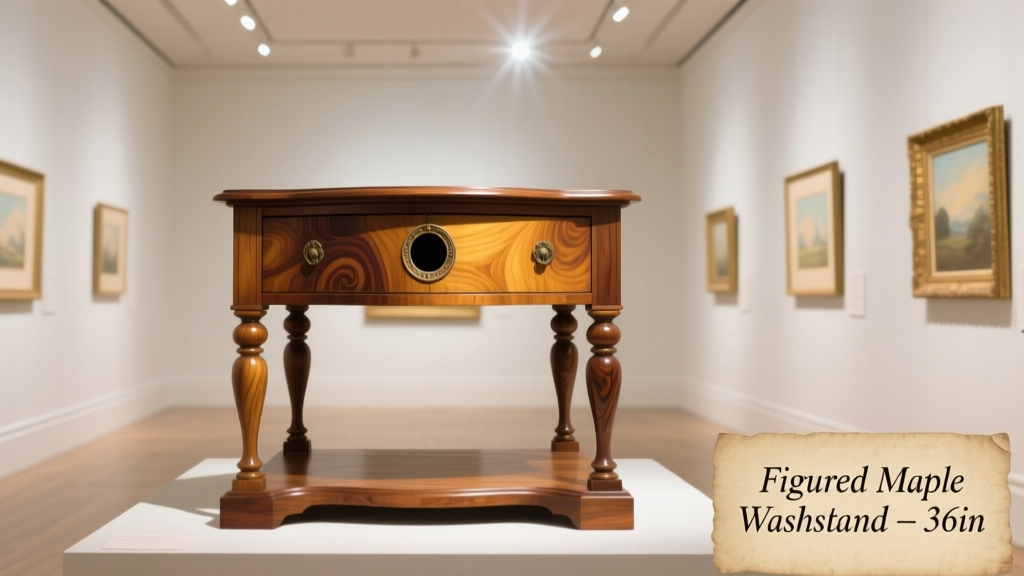
Authenticating and Valuing the 36-Inch Figured Maple Washstand: Shelf, Drawers, Turned Legs, and Integral Hole Design

Forever Amber (1952) One-Sheet Movie Poster: Authentication, Market Value, and Cultural Legacy

William Giberson: The Unseen Architect of Mid-Century American Printmaking
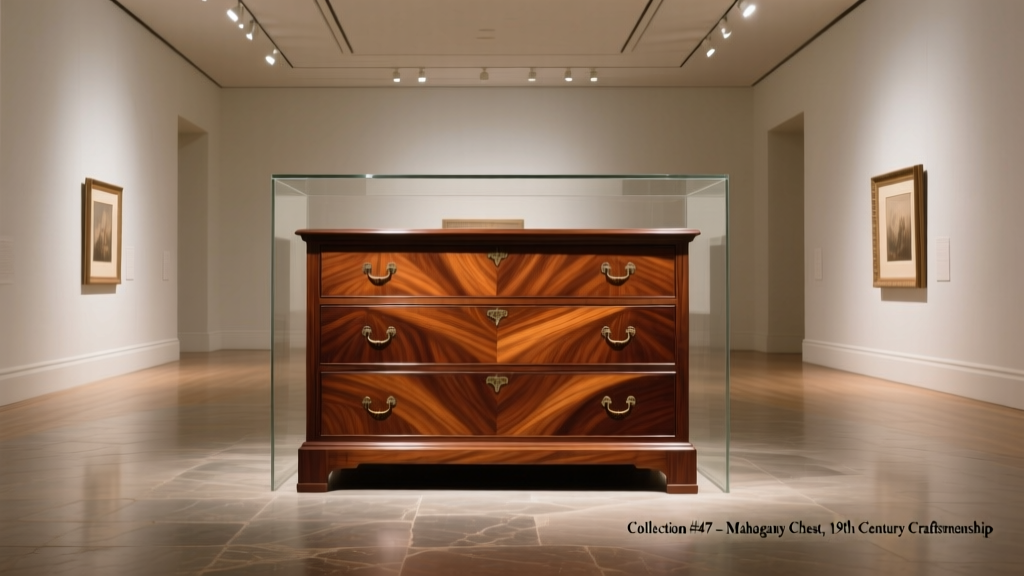
Authenticating and Valuing the Mahogany Chest with 3 Short & 6 Graduated Drawers (41 × 20 × 62 in)

Spatterware Cup and Saucer in Green, Red, Peafowl Blue, Yellow, and Black: Authentication, Provenance, and Market Analysis
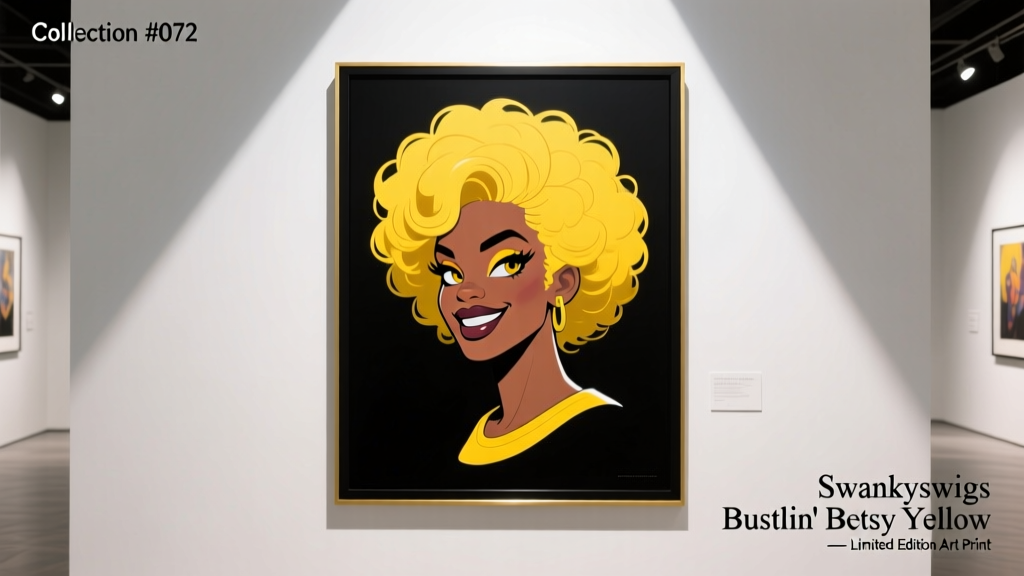
Swankyswigs Bustlin’ Betsy Yellow: Authentication, Market Value, and Production History

Canes with Panther Head Handles: Authentication, Provenance, and Market Value of the Silver-Monogrammed Mahogany Walking Stick, c. 1912 (23½ Inches)
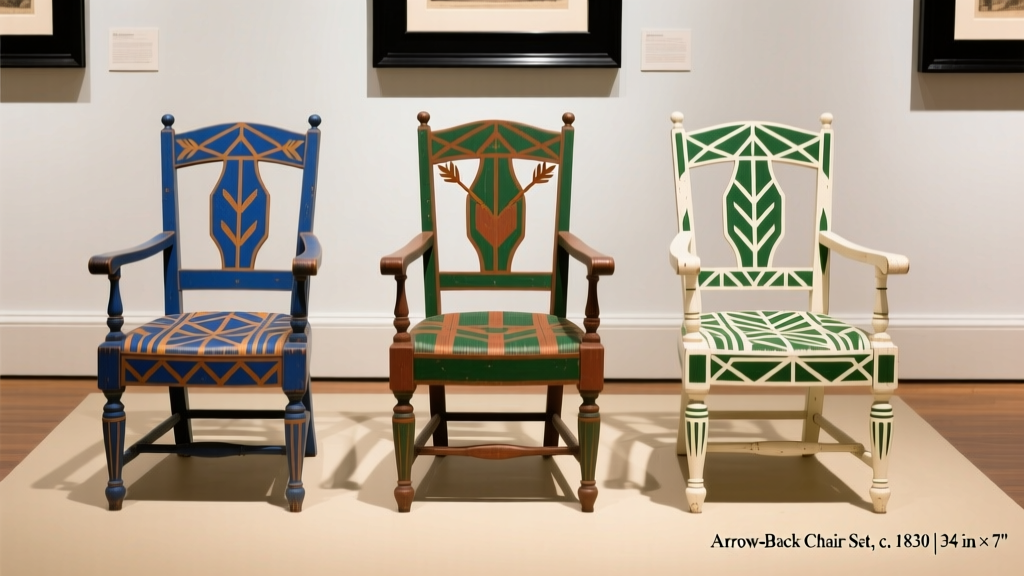
Arrow-Back Painted Polychrome Stencil Chair Set, Circa 1830: Authentication, Provenance, and Market Analysis

Dresden Plate Fairy Design Quilt Block: Authentication, Provenance, and Market Value of the Signed 9-Inch Vintage Specimen