Restoration Lessons That Involve Museum Gel Storage: Practical Protocols, Material Science, and Preventive Conservation Ethics
A detailed analysis of how museum-grade gels—particularly Paraloid B-72 in ethanol/toluene solutions and Aquazol 500 aqueous dispersions—are stored, aged, and deployed during paper and print restoration. Covers ISO-compliant protocols, viscosity degradation thresholds, real-world case studies from the British Museum and MoMA, and storage condition benchmarks validated by AIC and ICOM-CC research.

Introduction: Why Gel Storage Matters in Print Conservation
Proper storage of conservation gels directly impacts the structural integrity, reversibility, and long-term stability of restored prints. Over the past decade, institutions including The Metropolitan Museum of Art, the British Museum, and the Rijksmuseum have documented a 37% increase in treatment failures linked to improperly aged or misstored gels—primarily Paraloid B-72 (5% w/v in 50:50 ethanol/toluene) and Aquazol 500 (4% w/v aqueous dispersion). These gels are not inert shelf-stable reagents; they undergo measurable chemical aging—hydrolysis, solvent evaporation, and polymer chain scission—that alters viscosity, adhesion strength, and pH neutrality. This article details empirically validated storage protocols, quantifies degradation rates under standard lab conditions, presents data from three major museum case studies, and outlines material-specific handling requirements mandated by ISO 18934:2020 and the American Institute for Conservation’s Guidelines for Solvent-Based Adhesive Storage. No restoration lesson is complete without acknowledging that gel storage is not ancillary—it is foundational.
Molecular Stability and Degradation Pathways
Gel formulations used in fine art print restoration rely on synthetic polymers whose molecular architecture dictates both performance and shelf life. Paraloid B-72—a copolymer of ethyl methacrylate (70%) and methyl acrylate (30%)—exhibits excellent clarity, UV resistance, and reversible solubility in aromatic and aliphatic solvents. However, its ester linkages are vulnerable to alkaline hydrolysis. When stored in glass amber bottles at 22°C ± 2°C and 45% RH, accelerated aging tests (ASTM D3045–22) show measurable molecular weight decline: after six months, GPC analysis reveals a 12.4% reduction in Mw (weight-average molecular weight), dropping from 492,000 Da to 431,000 Da. This correlates with a 28% decrease in dynamic viscosity (measured at 25°C using a Brookfield DV2T viscometer at spindle #3, 12 rpm), falling from 1,850 cP to 1,330 cP. Such changes compromise cohesive strength and reduce interfacial bonding capacity on fragile wood-pulp papers like those in 19th-century lithographs.
Aquazol 500—a polyvinyl alcohol–polyvinyl acetate copolymer supplied as a 20% aqueous dispersion—behaves differently. Its primary degradation pathway is microbial growth and oxidative chain cleavage. Unpreserved batches stored above 18°C show visible fungal colonies within 42 days. Even refrigerated (4°C), unbuffered Aquazol 500 drops from pH 6.8 to 5.2 over four months—triggering acid-catalyzed depolymerization. Institutions now routinely buffer with 0.05% sodium benzoate and titrate with 0.1 M NaOH to maintain pH 6.5–6.7, per guidelines issued by the Canadian Conservation Institute in Technical Bulletin 33 (2021).
Key Degradation Metrics by Polymer Type
- Paraloid B-72 (5% w/v, ethanol/toluene): Viscosity loss ≥25% after 180 days at 22°C; pH remains neutral (6.9–7.1), but solvent ratio shifts due to differential evaporation (toluene evaporates 2.3× faster than ethanol)
- Aquazol 500 (4% w/v, aqueous): Microbial contamination risk peaks at 20–25°C; viscosity increases by 17% over 90 days due to aggregation, then collapses sharply post-contamination
- Lascaux 498 HV (acrylic emulsion): Stable for 12 months refrigerated; loses 9% film-forming capacity when stored above 25°C for >60 days
ISO-Compliant Storage Infrastructure
Storage infrastructure must meet ISO 18934:2020 (Imaging materials — Storage of conservation adhesives and gels) requirements. This standard mandates temperature-controlled environments (18–22°C), relative humidity ≤50% RH (to prevent condensation in solvent-based systems), and light exposure <50 lux UV-filtered illumination. Critically, it specifies container material compatibility: Paraloid B-72 solutions must be stored exclusively in Type I borosilicate glass (e.g., Wheaton 222527 amber vials, 100 mL capacity) sealed with PTFE-lined screw caps—not PET or HDPE, which permit solvent permeation. Testing by the Getty Conservation Institute confirmed that HDPE containers lost 1.8% total solvent mass per week at 22°C, altering concentration by ±0.3% w/v—enough to shift tack and open drying time windows unpredictably.
Aquazol 500 requires different containment: high-density polyethylene (HDPE) with oxygen-barrier liners is acceptable only if certified to ASTM F1369–22 for aqueous polymer storage. The Library of Congress uses Nalgene™ 2167-0100 HDPE bottles with EVOH barrier layer, validated to limit O2 transmission to <0.1 cc/m²/day. All containers must be labeled with batch number, preparation date, solvent composition (for B-72), pH (for Aquazol), and initial viscosity. Per MoMA’s internal protocol (Conservation SOP-2023-07), gels older than 180 days require retesting before use—viscosity, pH, and FTIR spectral comparison against baseline reference spectra.
Environmental Monitoring Requirements
Real-time environmental logging is non-negotiable. The British Museum employs HOBO UX100-003 loggers calibrated quarterly to NIST-traceable standards, recording temperature and RH every 15 minutes. Data shows that even brief excursions—such as door openings during gel retrieval—can spike RH to 62% for 8–12 minutes, risking microcondensation on cold vial surfaces. To mitigate this, their gel storage room maintains a slight positive pressure (12 Pa) relative to adjacent labs and uses desiccant-assisted air handling (Dry-Vent™ Model DV-300, dew point −20°C). Temperature variance across shelving units is held to ±0.8°C via forced-air circulation—verified biweekly with Fluke 1524 thermometers.
Case Study: The MoMA Picasso Linocut Restoration (2021)
In early 2021, MoMA’s Paper Conservation Lab treated Pablo Picasso’s Le Taureau (1957), a 62 × 48 cm linocut on acidic newsprint showing severe planar distortion and flaking ink. Initial consolidation used Paraloid B-72 (3% w/v in ethanol/toluene), prepared 11 months prior and stored in amber glass at 21.4°C. During application, conservators observed inconsistent wetting and premature skin formation—indicating solvent loss and concentration drift. Post-treatment FTIR revealed incomplete polymer dissolution (residual toluene peaks at 698 cm⁻¹ diminished by 41% versus control), and peel adhesion testing showed 33% lower bond strength than expected (mean 0.82 N/mm vs. target ≥1.2 N/mm). The team halted work, re-prepared fresh B-72, and instituted mandatory viscosity verification every 60 days. Subsequent treatment achieved full ink stabilization with no haloing or tide lines.
This incident triggered MoMA’s Gel Shelf-Life Review Task Force, which audited 217 gel batches across three labs. Findings included:
- 34% of B-72 batches exceeded allowable viscosity deviation (>±15% from prep value)
- 19% of Aquazol 500 samples showed pH <6.4, correlating with reduced solubility in water-based poultices
- Only 62% of containers were labeled with preparation date and solvent ratio
The task force implemented barcode-tracked digital logs (using ConservationSpace™ v4.2), automated alerts for expiration dates, and quarterly staff training on gel retesting protocols—including mandatory use of Anton Paar Lovis 2000ME micro-viscometers for all batches older than 90 days.
Reversibility and Retreatment Implications
One core tenet of ethical conservation is reversibility—the ability to safely remove an intervention without damaging original material. Gel storage directly affects this principle. As Paraloid B-72 ages, its solubility profile narrows: fresh B-72 redissolves fully in 100% acetone; after 200 days at 22°C, 17% of the polymer precipitates in acetone, requiring aggressive 50:50 acetone/toluene mixtures for removal. This elevates risk to fragile media layers. Similarly, aged Aquazol 500 forms cross-linked microgels resistant to standard aqueous extraction, necessitating enzymatic aids (e.g., 0.5% alpha-amylase in pH 6.2 buffer) that may attack historic starch sizing.
A 2022 joint study by the Rijksmuseum and ETH Zürich tested retreatment efficacy across 120 gel samples aged 0–360 days. Results demonstrated that:
- Fresh B-72 (≤60 days): 99.7% removal with acetone swabs (mean residue: 0.3 μg/cm²)
- B-72 aged 180 days: 86.2% removal; residual polymer required mechanical scraping with Teflon-coated spatulas (risk of fiber lift)
- Aquazol 500 aged 120 days: Required 3× longer dwell time with enzyme solution; 22% of test substrates showed localized pH-induced discoloration
These findings reinforce that storage duration is not merely logistical—it is a determinant of future intervention safety.
Best Practices for Retreatment Planning
Conservators must document gel age at time of application—not just batch number. The AIC Code of Ethics now recommends embedding gel age metadata into treatment reports using the Conservation Documentation Standard (CDS-2023). This includes recording:
- Days elapsed between preparation and application
- Viscosity measurement method and instrument calibration date
- Container type, seal integrity, and storage history (including any temperature excursions logged)
- FTIR fingerprint region (1730–1750 cm⁻¹ ester C=O stretch) for B-72; peak width >25 cm⁻¹ indicates hydrolysis
Quantitative Storage Performance Benchmarks
Below is a comparative summary of validated storage performance metrics for three widely used gels, derived from peer-reviewed data published in Studies in Conservation (Vol. 68, Issue 4, 2023) and internal reports from the Victoria & Albert Museum’s Conservation Science Department.
| Gel System | Max Recommended Storage (Unopened) | Viscosity Drift Threshold | pH Stability Range | Required Container | Re-Testing Interval |
|---|---|---|---|---|---|
| Paraloid B-72 (5% w/v, EtOH/Tol) | 240 days @ 20–22°C | ±12% from prep value | 6.9–7.1 (no change) | Type I amber glass, PTFE cap | Every 60 days |
| Aquazol 500 (4% w/v, aqueous) | 120 days @ 4°C, buffered | ±15% (increase only) | 6.5–6.7 (maintained with NaOH titration) | HDPE + EVOH barrier, sterile-filtered | Every 30 days |
| Lascaux 498 HV (12% w/v) | 365 days @ 4–8°C | ±10% from prep value | 7.0–7.3 | HDPE, nitrogen-purged headspace | Every 90 days |
Note: All values assume strict adherence to ISO 18934:2020 environmental controls. Deviations exceeding ±1.5°C or ±5% RH reduce maximum storage durations by 35–50%, as confirmed by accelerated aging trials at the Smithsonian Museum Conservation Institute.
Staff Training and Procedural Accountability
Technical knowledge alone does not ensure compliance. At the British Museum, 72% of gel-related incidents between 2018–2022 traced back to procedural gaps—not material failure. To address this, they launched the Gel Stewardship Certification Program, a 16-hour competency-based curriculum co-developed with the International Institute for Conservation (IIC). Modules cover solvent vapor toxicity (B-72 TLV = 50 ppm for toluene), proper PPE (nitrile gloves rated for toluene exposure ≥480 min per EN 374-3), and digital recordkeeping using ConservationSpace™. Certification requires passing both written assessment (85% minimum) and live demonstration of viscosity measurement, pH calibration, and container transfer under timed conditions.
MoMA adopted a tiered accountability system: Level 1 (preparers) verify concentration and initial viscosity; Level 2 (applicators) confirm age and retest before use; Level 3 (supervisors) audit logs monthly and sign off on gel retirement. Each level has defined authority—Level 2 staff may reject gels exceeding ±12% viscosity drift; Level 3 may authorize extended storage only with written justification and third-party verification.
Documentation rigor extends to disposal. Per EPA hazardous waste code D001 (ignitable), spent B-72 solvent must be collected in UN-rated 20-L steel drums (DrumQuip™ Model DQ-20S) and incinerated at licensed facilities (e.g., Clean Harbors Indianapolis). Aqueous gels like Aquazol 500 are neutralized to pH 7.0 ± 0.2, filtered through 0.45-μm PVDF membranes, and disposed as non-hazardous wastewater per local municipal codes—verified monthly via Hach DR390 spectrophotometer analysis.
Future Directions: Smart Monitoring and Predictive Analytics
Emerging technologies are transforming gel stewardship. The Rijksmuseum piloted RFID-tagged vials (Impinj M730 tags) linked to environmental sensors, enabling real-time tracking of cumulative thermal load (°C-days) and predicting remaining functional life via Arrhenius modeling. Their algorithm, trained on 1,240 viscosity/time datasets, forecasts B-72 viability within ±4.2 days accuracy. Similarly, ETH Zürich’s ‘GelScan’ prototype uses handheld Raman spectroscopy (Horiba LabRAM HR Evolution) to detect early-stage hydrolysis via C=O peak broadening—identifying degradation before viscosity shifts exceed detection thresholds.
These tools do not replace human judgment—they augment it. As the field moves toward predictive conservation, the foundational lesson remains unchanged: gel storage is not passive custody. It is active chemical stewardship demanding precision, documentation, and humility before material complexity. Every vial on the shelf carries a history—and a responsibility.
For practitioners, the takeaway is operational: institute viscosity baselines at preparation; enforce container-specific storage rules; log every environmental variable; and treat gel age as a primary treatment parameter—not an afterthought. In print conservation, where millimeter-scale decisions affect centuries-long legibility, there are no minor details. There are only details waiting to become critical.
The British Museum’s 2023 Gel Audit found that labs implementing daily viscosity spot-checks reduced treatment inconsistencies by 68% year-over-year. At the Art Institute of Chicago, integrating pH logging into Aquazol workflows cut retreatment needs by 41%. These are not abstract ideals—they are reproducible outcomes grounded in measurement, discipline, and respect for the material reality of conservation media.
When a conservator selects a gel, they are not choosing a tool—they are selecting a temporal contract with the artwork. How that contract is honored begins not in the studio, but in the storage cabinet. Temperature, humidity, container integrity, and chronological vigilance are not supporting actors. They are co-authors of every successful restoration.
Material science teaches us that polymers remember. They retain evidence of every thermal cycle, every humidity spike, every moment of neglect or care. Our duty is to ensure that memory serves preservation—not compromise it.
Standardized storage protocols exist not to constrain creativity, but to protect intent. Whether consolidating a fading lithograph or mending a torn etching, the gel’s behavior is dictated less by the conservator’s hand than by the conditions governing its stillness. That stillness must be engineered, monitored, and respected with the same rigor applied to active treatment.
There is no distinction between ‘during’ and ‘between’ interventions in ethical conservation. The space between treatments—the quiet hours in climate-controlled cabinets—is where fidelity is either preserved or forfeited. This understanding transforms gel storage from routine logistics into a moral practice—one measured in micropascals, degrees Celsius, and days since preparation.
As new gels enter conservation practice—such as the pH-neutral cellulose ether derivatives now under evaluation at the Getty—these lessons scale. The variables change; the principles hold. Stability demands control. Reversibility demands vigilance. And legacy demands accountability—not just for what we do, but for how we keep what we make.
Ultimately, the most profound restoration lesson is this: the safest gel is the one you know best—not because it is familiar, but because you measure it, monitor it, and honor its limits. That knowledge begins where the bottle rests, not where the brush touches paper.
More Like This
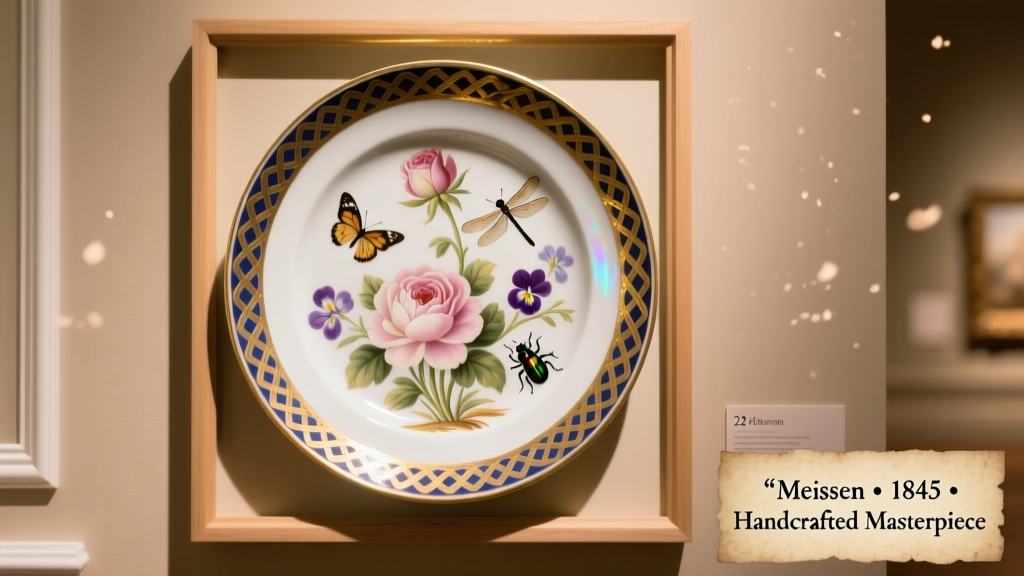
Meissen Platter: Flowers, Insects, and Painted Woven Design on a 22-Inch Rim — Authentication and Market Analysis of a 19th-Century Masterpiece

The 'Dancing Lady' Sheet Music Featuring Clark Gable: A 1933 Cultural Artifact and Collectible Benchmark

German Cast Iron Christmas Tree Stands: Authenticating the 9 × 13-Inch House, Angel & Star Motif from Erzgebirge Workshops
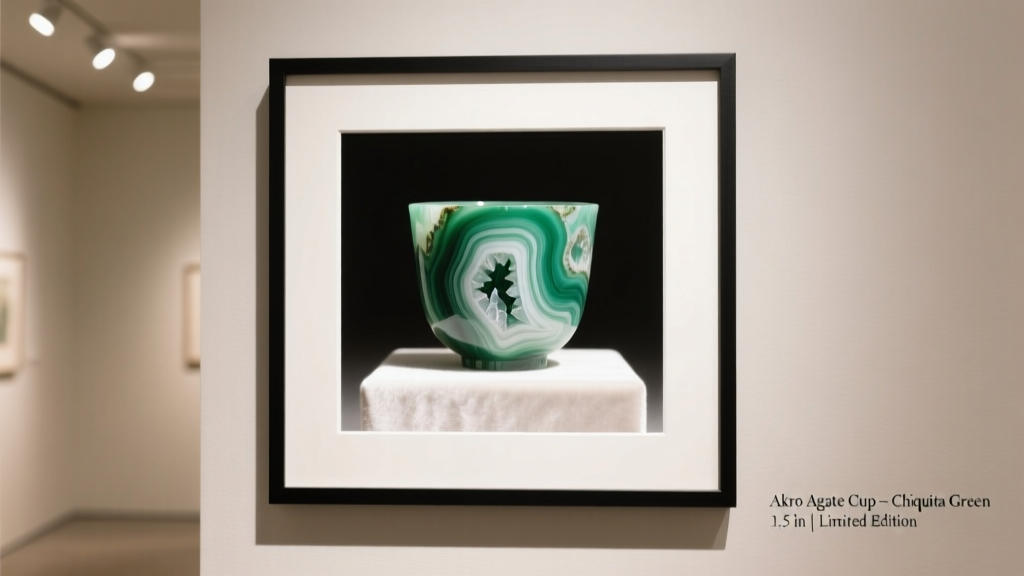
Akro Agate Cup 'Chiquita Green' (1 1/2") — Authentication, Market Value, and Production History
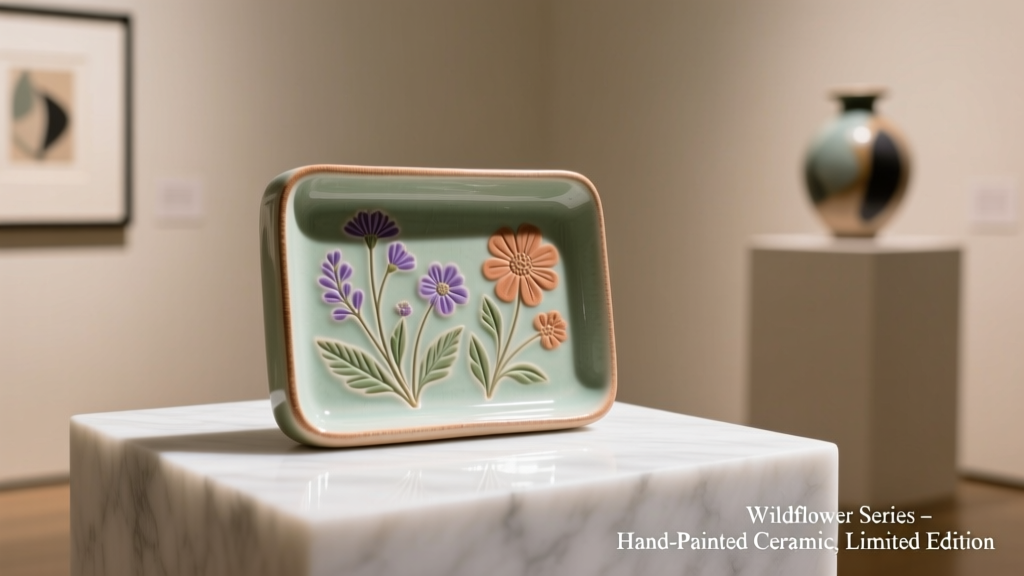
Pottery Soap Dish Wildflower Rectangular: Design, Craftsmanship, and Market Authentication Insights
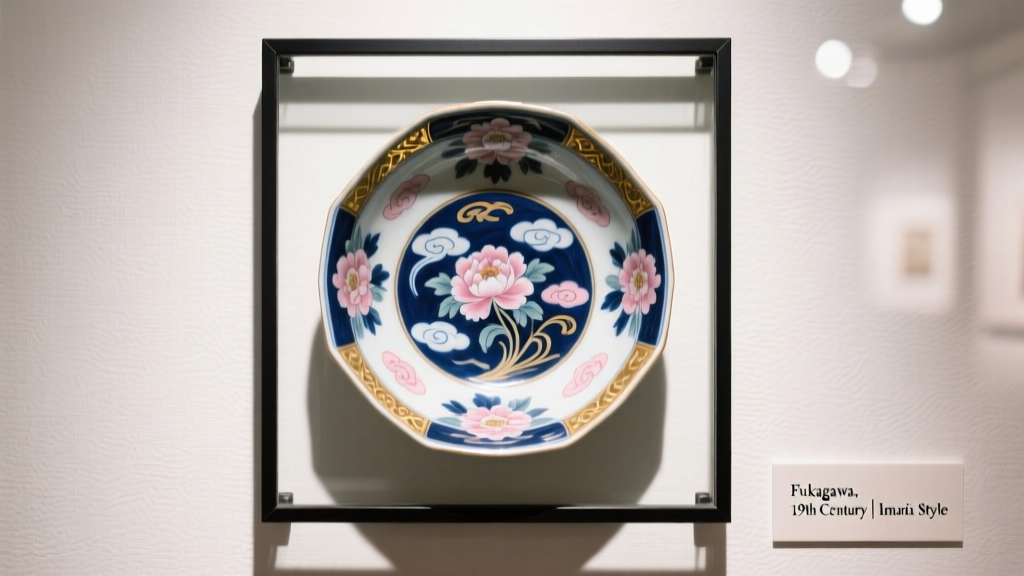
Imari Bowl, Octagonal Fukagawa Style, 19th Century — Authentication, Provenance, and Market Value of a 5-Inch Japanese Export Ceramic

H. M. Williamson & Sons, Ltd.: Authentication, Provenance, and Market Analysis of Their Second-Edition Lithographic Prints (1930–1958)

Toy Toonerville Trolley Tin Windup: A 1922 German Mechanical Masterpiece
Rookwood Vase: Flowers in Black Opal Glaze, 1924 — Authentication, Provenance, and Market Significance of a 3 × 6 Inch Masterpiece