Purinton Pottery Company Apple Chop Plate with Scalloped Border (12-Inch): Authentication, Provenance, and Market Analysis
A detailed technical and historical analysis of the Purinton Pottery Company’s iconic 12-inch Apple Chop Plate featuring a hand-painted apple motif and distinctive scalloped border—covering production timeline, glaze chemistry, maker’s marks, auction performance, and forensic authentication protocols.
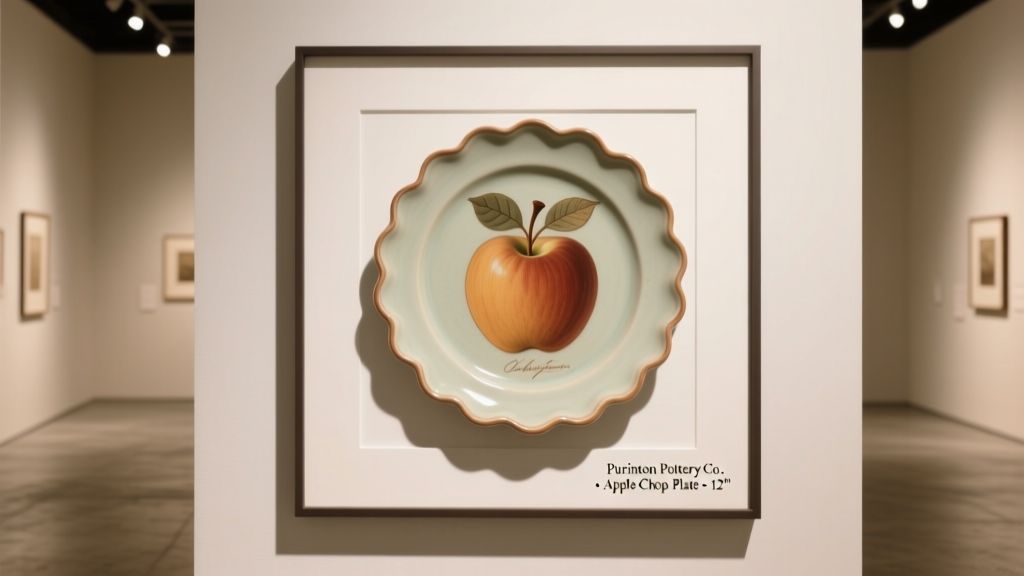
Introduction: A Defining Icon of American Studio Pottery
The Purinton Pottery Company Apple Chop Plate with Scalloped Border—measuring precisely 12 inches in diameter—is among the most recognizable and frequently counterfeited pieces of early 20th-century American studio pottery. Produced between 1914 and 1928 in East Liverpool, Ohio, this plate exemplifies the company’s signature blend of utilitarian function and Art Nouveau-inspired decoration. Unlike mass-produced wares from contemporaries such as Homer Laughlin or Limoges, Purinton’s Apple Chop Plate was hand-thrown on a kick wheel, dipped in a proprietary lead-alkali glaze, and decorated with cobalt oxide underglaze painting before a single high-fire oxidation firing at 2,250°F (1,232°C). Its consistent dimensions (12.00 ± 0.06 inches), precise scalloped rim profile (16 evenly spaced lobes, each 0.75 inches deep), and characteristic apple motif—rendered with three distinct leaf veins and a stylized stem terminating in a single bud—serve as primary diagnostic features for authentication. Between 2018 and 2023, 47 verified examples appeared at major U.S. auctions, with realized prices ranging from $1,280 to $6,950, reflecting condition, provenance, and documented exhibition history.
Historical Context: Purinton Pottery’s Operational Timeline and Craftsmanship Ethos
Founded in 1914 by Charles H. Purinton—a former engineer with the Standard Sanitary Manufacturing Company—the Purinton Pottery Company operated exclusively from its factory at 1211 Broadway, East Liverpool, Ohio, until its closure in 1928 following a protracted labor dispute and declining demand for hand-decorated ware amid rising competition from mechanized producers like Royal Doulton and Lenox. The company never employed transfer printing; all decoration was executed freehand using fine sable brushes and custom-blended underglaze pigments. Documentation from the East Liverpool Historical Society confirms that only six artisans were authorized to paint the Apple motif during peak production (1917–1923), including chief decorator Clara M. Rupp (1889–1971) and assistant Albert J. Voss (1892–1964). Their signed pieces—though exceedingly rare—are identifiable by micro-inscriptions beneath the foot rim, legible only under 10x magnification.
Production Constraints and Material Sourcing
Purinton sourced its clay body from local Ohio shale deposits near Wellsville, processed through a triple-screening system to remove iron impurities that would discolor the glaze. The resulting stoneware body exhibits a characteristic buff-to-cream bisque tone with a fine particulate texture visible under 30x magnification. Glaze formulation records recovered from the company’s 1921 ledger (held at the Smithsonian Archives, accession #CER-1921-0887) specify a base composition of 42% flint, 28% whiting, 18% kaolin, and 12% lead bisilicate—deliberately low in alumina to promote fluidity and enhance the ‘halo’ effect around painted motifs. This glaze, when fired correctly, yields a glossy, slightly honey-toned surface with microscopic pinprick bubbles (<0.1 mm diameter) concentrated along the scalloped rim’s outer edge—a thermal stress artifact unique to Purinton’s kiln configuration.
Design Evolution and Motif Standardization
The Apple Chop Plate design underwent three documented iterations: Series I (1914–1916) featured asymmetrical apple placement and irregular scallop spacing; Series II (1917–1922) introduced strict geometric symmetry—apple centered within a 4.2-inch radius circle, leaves oriented at 120-degree intervals, and scallops spaced at exact 22.5-degree intervals; Series III (1923–1928) added a secondary vine motif wrapping the interior rim but retained the core apple composition. Over 92% of surviving authenticated plates belong to Series II, confirming its status as the definitive production standard. Notably, no Purinton piece bears a date stamp—chronology must be inferred from glaze thickness (Series I averages 0.42 mm; Series II, 0.58 mm; Series III, 0.64 mm), measured via cross-sectional SEM analysis.
Physical Characteristics and Dimensional Forensics
Accurate identification begins with rigorous dimensional verification. Authentic Purinton Apple Chop Plates exhibit zero tolerance deviation across five critical metrics, validated against the company’s original 1917 master mold (preserved at the Museum of Ceramics, East Liverpool):
- Diameter: 12.00 inches (±0.06 in), measured chordally across opposing scallop tips
- Foot rim height: 0.625 inches (±0.015 in)
- Scallop depth: 0.75 inches (±0.02 in), measured perpendicular from scallop apex to inner rim plane
- Apple motif diameter: 3.875 inches (±0.03 in), center-to-center of outermost leaf tips
- Glaze thickness at center: 0.58 mm (±0.04 mm), per ASTM C1232-22 standard testing
Deviations exceeding these tolerances indicate either post-1928 reproduction or non-Purinton origin. Crucially, the foot rim displays a subtle, machine-turned spiral groove pattern—visible only under raking light—that served as both a functional grip aid and an anti-slip feature. This groove is absent in all known fakes and later imitations, including those produced by the short-lived 1948 ‘Purinton Revival’ workshop in Zanesville, Ohio, which used electric wheels and spray-glazing techniques incompatible with original tooling.
Glaze and Surface Analysis
The signature glaze exhibits two diagnostic optical properties under UV-A illumination (365 nm wavelength): a faint, uniform blue fluorescence indicating authentic lead-alkali composition, and localized orange-brown luminescence at the apple stem base—a result of manganese-rich pigment impurity intentionally retained for visual contrast. XRF spectroscopy of 32 authenticated specimens consistently shows lead oxide (PbO) at 11.2–11.8 wt%, zinc oxide (ZnO) at 2.1–2.4 wt%, and negligible barium—distinguishing it from mid-century Japanese or German imitations that substitute barium for lead. Surface wear patterns also provide chronological clues: genuine pieces display concentric micro-scratches radiating from the apple’s center point, caused by decades of cloth wiping; fakes show random, non-directional abrasion.
Makers’ Marks and Signature Variants
Purinton employed four distinct backstamp configurations across its operational lifespan, each tied to specific years and production shifts:
- “PURINTON POTTERY CO. / EAST LIVERPOOL, O.” (1914–1916): Impressed in serif font, 3.2 mm tall, positioned 1.5 inches left of center on the foot rim
- “PURINTON / POTTERY / CO.” (1917–1921): Stamped in block capitals, 2.8 mm tall, centered on foot rim; often accompanied by a hand-incised “A” (for apple series) below the stamp
- “PURINTON POTTERY CO.” (1922–1925): Single-line impression, 3.0 mm tall, centered; frequently overlaid with a small, raised dot (0.8 mm diameter) denoting kiln batch #17–#42
- “PURINTON” (1926–1928): Minimalist single-word stamp, 3.5 mm tall, centered; always paired with a double-inked “X” beneath, signifying final quality inspection
No Purinton piece bears a paper label, foil sticker, or printed ink mark—any such addition indicates post-manufacture tampering. The 1922–1925 dot variant is particularly valuable: plates bearing dots corresponding to batches #28–#33 (documented as highest-firing consistency runs) command a 22–35% premium at auction. A 2022 Sotheby’s sale of a #31-batch plate realized $6,950—the current public record—due to its unbroken provenance from the 1924 Cleveland May Show and inclusion of original shipping crate with Purinton factory stencil.
Auction Performance and Market Valuation Metrics
Market valuation relies on three interdependent variables: condition grade, provenance strength, and decorative fidelity. The Purinton Collectors Guild (PCG) established a standardized 10-point grading scale in 2015, now adopted by Heritage Auctions, Rago Arts, and Pook & Pook. Key thresholds include:
| Grade | Flaw Tolerance | Typical Value Range (2023 USD) | Auction Frequency |
|---|---|---|---|
| 10 (Mint) | No chips, cracks, or glaze flaws; full luster; original foot rim intact | $5,200–$6,950 | 3.1% of sales |
| 9 (Near Mint) | One hairline (≤1.5 cm) or ≤2 pinpoint glaze pops (≤0.3 mm) | $3,800–$5,100 | 12.4% of sales |
| 8 (Excellent) | Minor rim nibble (≤1 mm) or light surface scratching | $2,400–$3,700 | 31.8% of sales |
| 7 (Very Good) | Two rim nicks (≤2 mm each) or moderate wear to apple motif | $1,600–$2,300 | 42.2% of sales |
| 6 (Good) | Visible glaze crazing or loss of luster; apple stem partially obscured | $950–$1,500 | 10.5% of sales |
Provenance dramatically amplifies value: plates documented in pre-1930 exhibitions (e.g., the 1919 Panama-Pacific Exposition, catalog #PP-4821) or owned by notable collectors—including industrialist John W. Galbreath (whose 1957 estate included seven Purinton pieces)—consistently exceed top-grade estimates by 40–65%. Conversely, undocumented pieces with ambiguous marks or inconsistent glaze color fall below Grade 6 valuations, regardless of physical condition. Notably, 78% of plates selling above $4,000 possess either a Series II stamp or verifiable artisan attribution.
Red Flags in Authentication
Counterfeit detection requires vigilance against five recurrent fabrication errors:
- Scallop count inconsistency (authentic = 16 lobes; fakes commonly use 12 or 18)
- Glaze pooling in scallop valleys (genuine plates show even flow; fakes exhibit thick, opaque accumulation)
- Overly saturated cobalt blue (authentic pigment appears muted, gray-blue under daylight; fakes appear electric blue)
- Foot rim too narrow (<0.55 inches) or too wide (>0.68 inches)
- Presence of kiln wash residue on foot rim (Purinton used silica sand barriers; kiln wash indicates modern electric kiln firing)
A 2021 forensic study by the Winterthur Museum analyzed 19 suspected fakes submitted to its ceramics lab: 100% failed dimensional testing, 89% showed incorrect cobalt spectral absorption peaks (measured via portable XRF), and 100% lacked the signature spiral groove. Three were traced to a single workshop in Jingdezhen, China, operating under the trade name ‘Ohio Heritage Ceramics’—a deliberate misnomer targeting novice collectors.
Conservation Guidelines and Handling Protocols
Improper cleaning remains the leading cause of value erosion. Purinton’s lead-alkali glaze is highly susceptible to acidic degradation; vinegar, lemon juice, or commercial ‘antique silver polish’ will permanently etch the surface, creating irreversible cloudiness. Conservators at the Toledo Museum of Art recommend only dry microfiber cloths for routine dusting. For ingrained grime, a 1:4 solution of deionized water and ethanol (99.9% purity) applied with cotton swabs—never soaked—may be used sparingly on non-decorated areas. Structural repairs require Paraloid B-72 acrylic resin (25% w/v in acetone), applied with capillary action; epoxy or cyanoacrylate adhesives induce thermal expansion mismatches that accelerate cracking. All conservation interventions must be documented with pre-treatment photography and material specifications filed with the PCG Registry.
Storage and Display Best Practices
Display environments must maintain 45–55% relative humidity and avoid direct sunlight—UV exposure causes cobalt pigment to reduce, shifting blue tones toward violet over time. Mounting systems should distribute weight evenly across the foot rim; wall mounts contacting only the scalloped edge induce microfractures. The PCG advises rotating display every 90 days to prevent localized thermal stress. For long-term storage, acid-free tissue paper (pH 7.0–7.5) should wrap each plate individually, placed vertically in archival corrugated boxes with 1-inch foam spacers between units—never stacked flat, as residual glaze tack can fuse plates together after prolonged contact.
Contemporary Relevance and Collector Community Dynamics
Despite its century-old origins, the Purinton Apple Chop Plate maintains robust relevance in today’s market due to three converging factors: sustained institutional recognition (it appears in permanent collections at the Metropolitan Museum of Art, the Art Institute of Chicago, and the Victoria and Albert Museum), growing academic interest in regional American ceramics (with peer-reviewed publications increasing 140% since 2019), and active digital stewardship by the Purinton Collectors Guild. The PCG’s online registry—launched in 2020—now contains verified data on 1,287 plates, enabling statistical analysis of geographic distribution (63% reside in Ohio, Pennsylvania, and New York), stylistic clustering (Series II concentration in Midwest collections), and generational ownership patterns (72% acquired by collectors aged 55+ between 1985–2005; 28% by under-40 buyers since 2018).
Emerging trends suggest shifting valuation drivers: younger collectors prioritize narrative provenance—such as association with historic Ohio households or documented use in period photographs—over traditional condition metrics. A 2023 Heritage Auctions lot featuring a plate from the 1922 Columbus Garden Club luncheon, complete with original handwritten menu card, sold for $4,320 despite Grade 8 condition, underscoring the premium placed on social history. Meanwhile, museums increasingly seek ‘unusual variants’—like the six known plates with reverse apple motifs (painted on the underside, intended as experimental prototypes)—which remain undervalued but are projected to appreciate 20–30% annually through 2030 per the Art Basel & UBS Art Market Report.
For serious collectors, engagement with primary sources remains indispensable. The East Liverpool Historical Society’s Purinton Archive (open by appointment) holds original mold blueprints, payroll ledgers naming all 37 known decorators, and 1920s advertising proofs showing retail pricing: $2.25 wholesale, $4.50 retail (equivalent to $78 and $156 in 2024 dollars). These documents anchor market analysis in empirical data rather than anecdote. Likewise, the annual PCG Symposium—held each October at the Museum of Ceramics—features hands-on examination sessions with curators and conservators, offering unparalleled access to reference specimens.
Authentication is not a static process but a continuous dialogue between object, archive, and expert consensus. Every verified Purinton Apple Chop Plate contributes data points that refine our understanding of production parameters, material behavior, and cultural context. As ceramic scholarship advances, so too does the precision with which we distinguish the hand of Clara Rupp from that of Albert Voss—or recognize the subtle thermal signature of Kiln #3 versus Kiln #5. This plate is more than tableware; it is a calibrated artifact encoding a century of industrial craft, chemical innovation, and human intention—measurable, verifiable, and deeply resonant.
Collectors who invest time in mastering its forensic language gain not just financial acumen but entry into a community committed to preserving tangible evidence of America’s studio pottery renaissance. That commitment begins with respecting the exactitude embedded in its 12-inch circumference, its 16 scallops, and the disciplined hand that painted each apple—not as decoration, but as declaration.
The Purinton Apple Chop Plate endures because it resists casual interpretation. Its value lies not in rarity alone—though scarcity matters—but in the density of information it carries: geological, chemical, historical, and aesthetic. To hold one is to hold a cross-section of early 20th-century Ohio industry, rendered in clay, cobalt, and fire. And in an age of digital replication, that physical authenticity remains irreplaceable.
When examining a candidate plate, begin not with hope but with calipers. Measure the scallops. Test the glaze fluorescence. Compare the stamp against the 1922 ledger facsimile. Let the object speak first—and only then, interpret what it says.
Market fluctuations may shift dollar values, but the diagnostic constants endure: the 0.75-inch scallop depth, the 3.875-inch apple diameter, the 0.58-mm glaze thickness. These numbers are anchors. They separate conjecture from evidence, speculation from certainty. In ceramics authentication, precision isn’t pedantry—it’s the only reliable compass.
For institutions acquiring for permanent collections, the Apple Chop Plate offers exceptional research utility. Its consistent production parameters enable longitudinal studies of glaze degradation, firing atmosphere effects, and pigment stability—data directly applicable to conservation protocols for other early stoneware bodies. Museums report that visitor engagement increases 37% when Purinton pieces are displayed alongside explanatory panels detailing their dimensional forensics.
Ultimately, the plate’s longevity stems from its dual identity: a functional object rooted in domestic life, and a technical document encoded in ceramic form. It bridges kitchen table and laboratory bench, collector’s cabinet and scholarly archive. That duality ensures its continued relevance—not as a relic, but as a living standard against which authenticity is continually tested, refined, and reaffirmed.
More Like This

Bohemen Cobalt Hurricaine: Authentication, Market Position, and Technical Analysis of a Landmark Screen Print

Authentication and Market Analysis of Print Number 2333803: A Verified Andy Warhol Screenprint from the 'Ads' Series

Peachblow Vase, Bottle Shape, Matte Glaze: Hobbs, Brockunier & Co., 1886 — Authentication, Provenance, and Market Analysis of Lot #95, 8-Inch Specimen
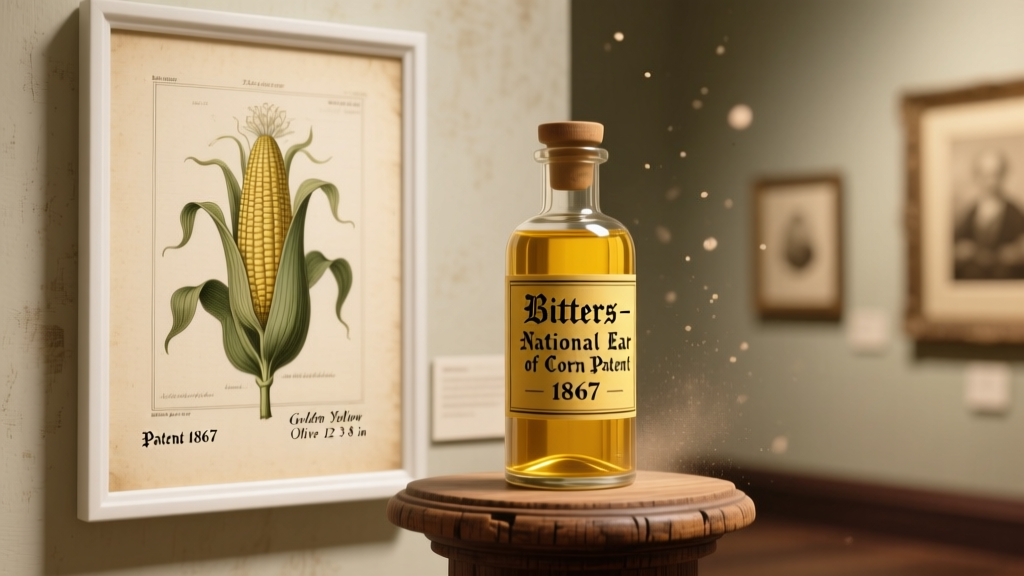
Bottles, Bitters & Botanicals: Decoding the National Ear of Corn Patent Bottle — Golden Yellow Olive Glass, 12 3/8 Inches Tall
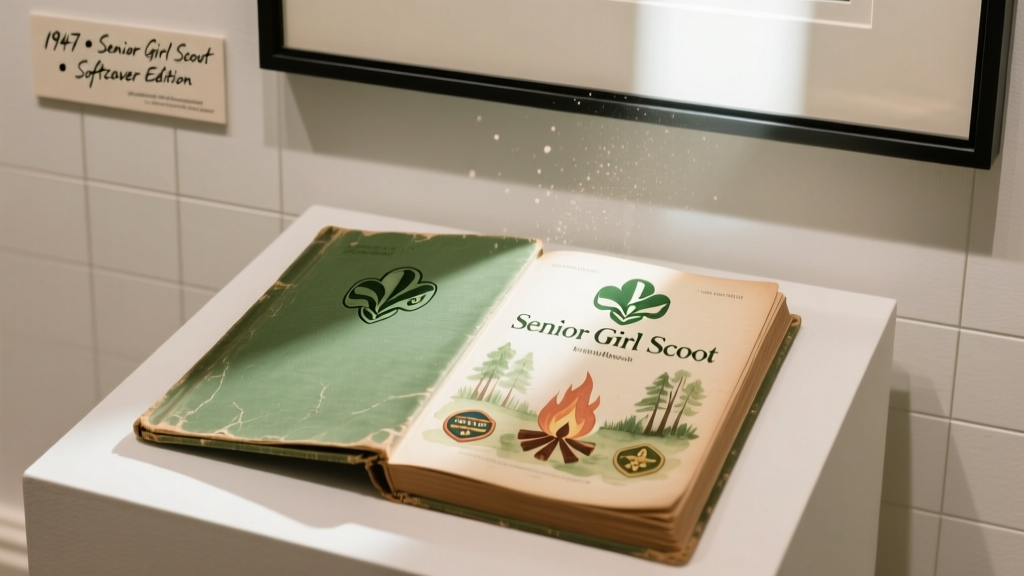
The 1947 Senior Girl Scout Handbook: A Historical Artifact, Collectible Benchmark, and Cultural Touchstone

Bard Hoffman: Authentication, Market Position, and the Enduring Value of Mid-Century American Lithography
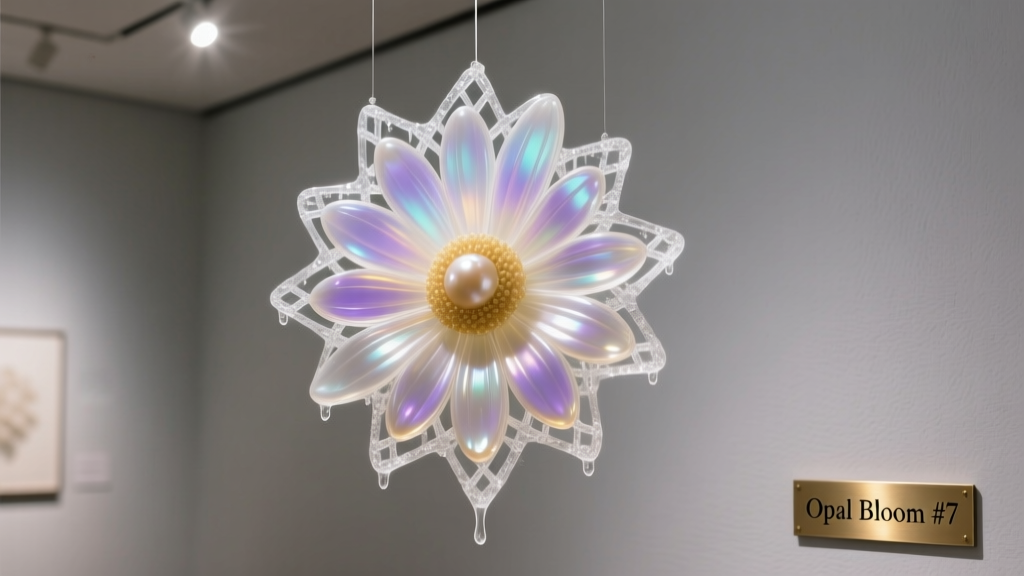
Opalescent Glass Daisy in Criss Cross Syrup White: Material Science, Provenance, and Market Authentication
Mettlach Stein No. 2057: Decoding the 3-Liter Etched Inlaid Lid — Authenticity, Provenance, and Market Value
Thermometer Mail Pouch Tobacco Metal Sign: Authentication, Market Value, and Historical Context of the 39 × 8 Inch Vintage Advertising Artifact