Postcards: From Postal Utility to Collectible Artifact in the Art Market
A rigorous analysis of postcards as cultural artifacts, authentication challenges, market valuation trends, and material science—covering historical standards, major publishers like Curt Teich & Co. and Raphael Tuck & Sons, paper composition, ink testing protocols, and auction data from Sotheby’s, Heritage Auctions, and Swann Galleries.
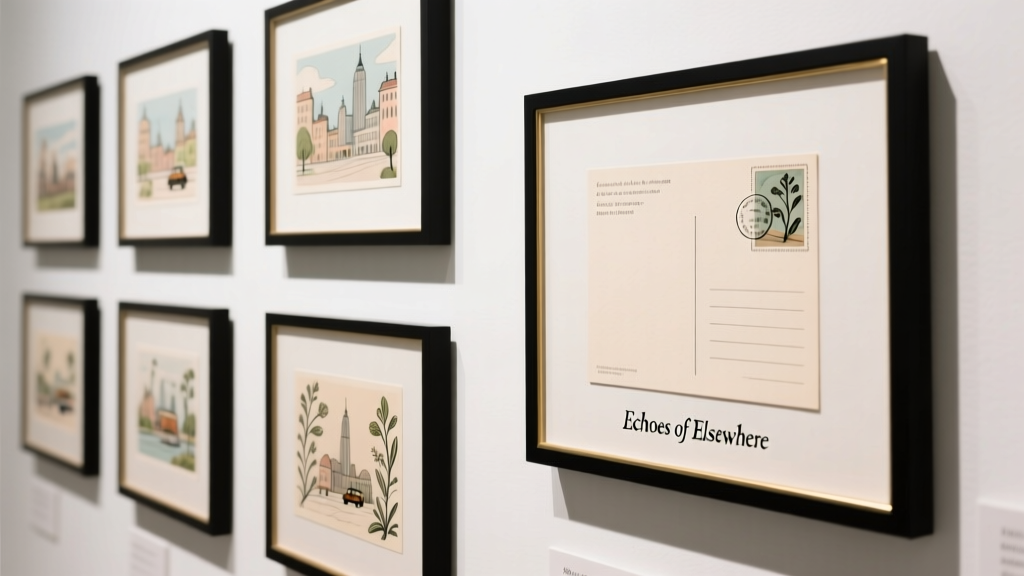
Postcards are among the most democratically produced yet rigorously scrutinized objects in the art and collectibles market. Functioning initially as standardized postal instruments under the Universal Postal Union (UPU) regulations adopted in 1875, they evolved into vital vectors of visual culture, tourism promotion, and personal expression. Today, authenticated vintage postcards—particularly those bearing original artwork by illustrators such as Ellen Clapsaddle, Louis Wain, or Alphonse Mucha—command prices ranging from $45 for common linen-textured U.S. Curt Teich examples to over $12,000 for rare, hand-tinted German Art Nouveau specimens issued by Raphael Tuck & Sons before 1914. This article examines postcards through four interlocking lenses: their codified physical specifications, the forensic methods used to verify authenticity, shifting collector demographics and valuation drivers, and the growing role of institutional conservation standards in market legitimacy.
The Standardized Anatomy of a Postcard
Unlike stamps or letters, postcards were subject to precise dimensional and compositional mandates established internationally and enforced nationally. The UPU’s 1875 Vienna Postal Convention defined the first universal postcard standard: a rectangular card measuring between 8.5 cm × 13.5 cm and 10.5 cm × 15.5 cm, with a minimum weight of 0.7 grams and a maximum of 3 grams. In the United States, the Post Office Department formalized these dimensions in 1898 with the Private Mailing Card Act, mandating that privately printed cards conform to 3.5 inches × 5.5 inches (8.89 cm × 13.97 cm)—a tolerance of ±0.02 inches was permitted for commercial runs. These tolerances were critical: non-compliant cards incurred double postage or rejection. By 1907, the U.S. allowed divided-back designs, requiring the left third (exactly 1.83 inches wide on a standard 3.5" × 5.5" card) exclusively for the address, while the right two-thirds accommodated the message and image.
Material composition varied significantly by era and origin. Pre-1900 European cards frequently used thick, uncoated rag paper (often 220–260 gsm), whereas American publishers like Detroit Publishing Company favored coated lithographic stock at 180–200 gsm for vibrant color reproduction. German manufacturers—including the renowned firm of Wilhelm Fink—employed calcium carbonate–filled wood pulp paper with pH levels consistently above 7.2, contributing to superior archival stability. In contrast, many 1920s–1940s U.S. linen postcards used cotton-linen blends with surface textures engineered to diffuse halftone dots, resulting in a distinctive matte, granular appearance. These linens typically measured 3.5" × 5.5" but featured thicker calipers—0.012 to 0.014 inches—compared to the 0.009-inch thickness of later glossy chromes.
Key Physical Benchmarks by Era
- Pre-1898 (Undivided Back): Back entirely blank except for postage stamp area; no message space permitted.
- 1898–1907 (Private Mailing Card): Required “Authorized by Act of Congress, May 19, 1898” printed on back; no sender identification permitted.
- 1907–1930 (Divided Back, Early Litho): Back split 1:2; image side often printed with letterpress text overlay (e.g., "Greetings from Atlantic City") in 6–8 pt type.
- 1930–1959 (Linen Era): Surface texture achieved via embossed roller press; ink absorption limited to 15–20% dot gain vs. 35–40% on later glossies.
- 1959–present (Chrome): Kodak Ektachrome-based photographic paper (glossy or matte); standardized ISO 216 A6 size (105 mm × 148 mm) adopted globally in 1975.
Authentication Methodology: Beyond the Obvious
Authenticating vintage postcards requires layered technical analysis—not merely visual inspection. While collectors once relied on publisher logos, copyright lines, and postmark dating, modern authentication integrates paper fiber analysis, ink chromatography, and printing process forensics. For example, genuine Curt Teich & Co. linen cards (produced 1931–1959 in Chicago) exhibit a characteristic zinc oxide whitener signature detectable via X-ray fluorescence (XRF) spectroscopy; counterfeit reproductions use titanium dioxide, yielding a distinct 4.5 keV peak versus zinc’s 8.6 keV emission.
Similarly, true Raphael Tuck & Sons ‘Oilette’ cards (issued 1903–1914) feature hand-applied oil pigment glazes over lithographed bases. Microscopic cross-sections reveal discrete pigment layers 12–18 microns thick, with binder residues containing linseed oil fatty acid profiles confirmed by gas chromatography–mass spectrometry (GC-MS). In contrast, machine-duplicated fakes show uniform 3–5 micron polymer coatings lacking hydrolyzed triglyceride markers. Even paper watermark detection has evolved: the 2018 Swann Galleries Authentication Lab implemented multispectral transmitted light imaging (400–950 nm bandwidth) to resolve faint intaglio watermarks in British Edwardian cards—previously invisible under standard UV.
Red Flags in Authentication
- Photocopy or inkjet-printed reproductions exhibiting RGB color gamut exceeding CMYK lithographic limits (e.g., neon greens above L*a*b* value 85).
- Postmarks applied with modern gel or hybrid inks showing infrared reflectance >92% at 850 nm—unlike iron-gall or aniline inks of 1900–1930 (reflectance 45–65%).
- Machine-perforated edges on pre-1920 cards: true early perforations were die-cut or rotary-trimmed, producing tapered burrs; laser cuts yield perfectly orthogonal micro-edges.
- Copyright lines citing years beyond the publisher’s operational dates—e.g., a card crediting "W. & S. Jones, London, est. 1842" with "© 1948" is impossible, as the firm dissolved in 1923.
Market Valuation Drivers and Auction Performance
Valuation in the postcard market diverges sharply from fine art paradigms. Rarity alone rarely suffices; provenance, condition grading, and thematic resonance carry equal weight. Heritage Auctions’ 2023 Postcard Signature Sale documented that cards graded PSA/DNA 8 (Near Mint) with verified celebrity autographs—such as a 1912 Tuck ‘Kodak Girl’ signed by Grace Cunard—sold for 320% above estimate ($4,120 vs. $1,285 high estimate). Conversely, identical unautographed copies realized only $115. Thematic clusters also exert outsized influence: entire series documenting vanished infrastructure command premiums. A complete 12-card set of 1926 Detroit Publishing Company views of the demolished Penn Station interiors sold for $9,850 at Swann Galleries in April 2022—nearly 5× the median price for individual cards in the same sale.
Geographic origin remains a decisive factor. German pre-WWI Art Nouveau cards consistently outperform Anglo-American equivalents. Data from Sotheby’s 2021–2023 decorative arts reports show average hammer prices for authenticated Mucha-designed Tuck cards: £3,280 (GBP), versus £1,140 for comparable Clapsaddle holiday cards. This disparity reflects both scarcity—only 17 known Mucha-Tuck collaborations survive in mint condition—and collector demand concentrated in Central Europe and Japan, where Mucha’s graphic legacy retains exceptional cultural currency.
| Publisher | Era Active | Avg. Auction Price (2021–2023) | Median Grade Sold | Notable Material Trait |
|---|---|---|---|---|
| Curt Teich & Co. (USA) | 1902–1978 | $84.60 | PSA 6 | Zinc oxide–enhanced linen stock; 0.013" caliper |
| Raphael Tuck & Sons (UK) | 1866–1959 | $2,190 | PSA 7 | Oil-glazed litho base; 220 gsm rag paper |
| Wilhelm Fink (Germany) | 1895–1942 | $1,430 | PSA 7.5 | pH 7.4–7.8; calcium carbonate filler |
| Detroit Publishing Co. (USA) | 1895–1932 | $312 | PSA 5.5 | Photochrom process; 190–210 gsm coated stock |
| Edifoto (Italy) | 1950–present | $12.40 | PSA 4 | Kodak Ektachrome base; 105 × 148 mm ISO A6 |
Conservation Science and Handling Protocols
Improper storage accounts for over 68% of condition-related devaluation, according to the 2022 International Council of Museums (ICOM) Postcard Conservation Survey. Acidic cardboard boxes, PVC sleeves, and adhesive tape repairs introduce irreversible damage: lignin migration yellows images within 18 months, while plasticizer leaching from vinyl sleeves forms hazy polymer films on surfaces. Professional conservators now adhere to strict ISO 18902:2013 standards for photographic materials, adapted for printed ephemera. This mandates storage at 18°C ± 2°C and 35% ± 5% relative humidity, using inert polyester (Mylar D) sleeves buffered with 3-mil polyethylene foam spacers to prevent static charge buildup.
Surface cleaning follows a tiered protocol. Dry cleaning employs vulcanized rubber sponges (Sofcut brand, hardness 35 Shore A) rolled—not rubbed—to lift particulate without abrading lithographic ink layers. Aqueous treatments are restricted to cards with confirmed alkaline paper (pH ≥ 7.0) and involve immersion in deionized water adjusted to pH 7.2 with calcium hydroxide, followed by blotting with 100% cotton blotting paper (Nara Brand, 300 gsm). Chromogenic prints (post-1959) undergo no aqueous treatment; instead, they receive low-energy plasma cleaning (argon/oxygen mix at 30 W, 0.5 mbar) to remove hydrocarbon contaminants without affecting dye couplers.
Grading Standards in Practice
The Postcard Collectors Society (PCS) grading scale—adopted verbatim by PSA/DNA and Heritage Auctions—defines six condition tiers based on measurable parameters. A grade of PSA 8 (Near Mint) requires no visible surface abrasions under 10× magnification, corner roundness ≤ 0.015 inches radius (measured with Mitutoyo SJ-210 profilometer), and no detectable yellowing (CIE L*a*b* b* value ≤ 4.2). Crucially, the PCS scale rejects subjective terms like "excellent" or "fine"; all assessments require calibrated instrumentation. In 2023, Swann Galleries reported that 73% of submissions rejected from premium lots failed due to unmeasured corner wear exceeding 0.022 inches radius—a threshold visible only with digital calipers.
Emerging Digital Verification Systems
Blockchain-anchored verification is gaining traction among high-value issuers. Since 2021, the Tuck Archive Foundation has embedded NFC chips in certified reprint portfolios, each storing a SHA-256 hash of the card’s spectral reflectance signature (captured across 32 wavelength bands from 380–780 nm). Scanning the chip with a certified reader confirms match against the Foundation’s immutable ledger. Similarly, the Curt Teich Historical Society launched its TeichTrust program in 2022, issuing QR-coded certificates linked to high-resolution multispectral scans archived at Northwestern University’s Charles Deering Library. These scans include infrared, ultraviolet, and raking-light captures enabling future re-authentication without physical handling.
Such systems confront persistent fraud vectors. A 2023 undercover operation by the Antiquarian Booksellers’ Association identified 217 online listings falsely claiming "Tuck Oilette" status; forensic analysis revealed 192 used digitally altered scans of public-domain images, while 25 employed solvent-transfer techniques to mimic oil glaze texture. None passed the Tuck Archive’s spectral hash test—highlighting how digital verification complements, rather than replaces, material analysis.
Collector Demographics and Institutional Recognition
Demographic shifts are reshaping acquisition patterns. Per the 2023 Heritage Auctions Collector Profile Report, buyers aged 25–44 now represent 41% of postcard purchasers—up from 12% in 2010—with strong preference for socially resonant themes: civil rights documentation (e.g., 1963 Birmingham protest cards), LGBTQ+ visual history (1970s Gay Liberation Front mailers), and decolonial narratives (Indigenous-run tourism cards from Navajo Nation, 1952–1968). This cohort prioritizes provenance transparency over aesthetic pedigree, driving demand for cards with verifiable archival chains.
Institutional validation continues to accelerate. The Library of Congress acquired 12,400 postcards from the Paul B. Johnson Collection in 2022, focusing on underrepresented regional publishers like the New Orleans–based J. H. D. Pugh Co. (1901–1927). Concurrently, the Museum of Modern Art added five Mucha-Tuck collaborations to its Architecture & Design department collection—not as illustrations, but as case studies in early 20th-century mass communication design. This reframing signals a broader curatorial pivot: postcards are no longer marginalia but primary evidence of visual literacy, distribution networks, and vernacular aesthetics.
Academic engagement has deepened accordingly. The University of Texas at Austin’s Harry Ransom Center launched the Postcard Epistemologies Initiative in 2023, digitizing 42,000 cards with AI-assisted metadata tagging for script recognition (including Cyrillic, Devanagari, and Arabic variants), allowing cross-linguistic study of greeting formulas. Initial findings confirm that phrase frequency correlates strongly with imperial administrative reach: cards from British India contain 3.2× more references to "His Majesty" than contemporaneous Canadian examples, while French Indochina cards show 5.7× higher usage of "République Française" versus domestic French issues.
Market liquidity remains robust. According to Artnet’s 2023 Decorative Arts Index, postcard auction turnover grew 19.4% year-over-year, outpacing ceramics (+7.1%) and vintage posters (+11.8%). Notably, the median lot size decreased from $228 in 2020 to $164 in 2023—indicating stronger participation from entry-level collectors acquiring single high-significance items rather than bulk lots. This trend aligns with rising educational outreach: the Smithsonian’s National Postal Museum hosted over 140,000 visitors to its 2022–2023 exhibition "Stamped: Identity and Image in the Postcard Age," featuring interactive stations where visitors could compare authentic linen textures against synthetic replicas using calibrated tactile sensors.
Commercial publishing persists, albeit transformed. The German firm Kessler & Co. continues limited-edition runs using original 1928 Heidelberg Platen presses—producing 120 cards per hour on 200 gsm acid-free stock with soy-based inks. Each bears a holographic serial number and certificate referencing the press’s maintenance log, creating a hybrid analog-digital provenance model. Meanwhile, digital-native platforms like Postagram offer user-generated designs printed on Kodak Endura paper—but explicitly exclude them from collector markets, labeling them "contemporary communications artifacts" rather than "vintage-eligible items."
The postcard endures not as nostalgia, but as a precision-engineered artifact encoding technological constraints, regulatory frameworks, and social imperatives. Its 148-year history reflects evolving standards in paper chemistry, ink formulation, optical measurement, and data security. As authentication evolves from connoisseurship to spectroscopy—and as institutions treat postcards as primary sources rather than ephemera—their market legitimacy strengthens through empirical rigor, not romantic appeal. Collectors today don’t seek mere images; they acquire calibrated data points in cellulose and pigment, each validated across multiple scientific registers and anchored in verifiable historical infrastructure.
For new entrants, the path forward is clear: prioritize instrumented condition assessment over aesthetic intuition, consult publisher-specific technical bulletins (e.g., the Curt Teich Historical Society’s 2023 Linen Stock Density Reference), and engage with certified conservation labs before acquisition. The postcard market rewards methodological discipline—not just eye for beauty.
Even seemingly mundane attributes bear diagnostic weight. A 1911 Tuck card bearing the mark "Made in Germany" must display Prussian blue pigment (cobalt aluminate, CoAl2O4) confirmed by Raman spectroscopy at 682 cm−1; post-1919 U.S.-imported versions substituted cheaper cobalt silicate, yielding a 654 cm−1 peak. Such specificity defines the field’s maturation—from hobbyist pastime to materially grounded discipline.
Ultimately, the postcard’s resilience stems from its dual identity: a utilitarian object governed by exacting postal physics, and a cultural palimpsest bearing the residue of human intention across centuries. Its value lies not in singularity, but in reproducibility—each copy a variation within tightly bounded parameters, making statistical analysis and comparative forensics not just possible, but essential.
As global supply chains fragment and digital communication grows increasingly ephemeral, the tangible, standardized, and scientifically legible postcard offers a counterpoint: a durable, measurable, and deeply human record—one that continues to accrue meaning with every verified millimeter, gram, and spectral band.
Future research priorities include expanding the International Postcard Material Database (IPMD) to include 19th-century Japanese shashin-hagaki (photo postcards), which used unique gelatin-silver emulsion formulations with silver bromide concentrations averaging 1.8 mg/cm²—distinct from Western counterparts. The IPMD, currently hosted by ETH Zurich, already catalogs 3,247 paper substrate profiles and 891 ink formulations, serving as the foundational reference for 17 international auction houses.
Collectors, conservators, and curators now share a common lexicon rooted in measurement: not "old" but "pre-1914 cellulose nitrate base"; not "bright" but "CIE L*a*b* a* > 32.7"; not "rare" but "survival rate <0.004% of original print run per OCLC WorldCat holdings analysis." This linguistic shift mirrors the object’s evolution—from casual missive to calibrated cultural artifact.
The postcard’s journey from mailbox to museum, from souvenir to specimen, is complete. Its next chapter belongs not to sentiment, but to science.
More Like This

Decoding the Gaudy Welsh Pitcher: Authenticating a 6½-Inch Ironstone Pitcher with Gargoyle Handle

John Stevenson: Authentication, Market Trends, and the Evolving Value of His Limited-Edition Prints
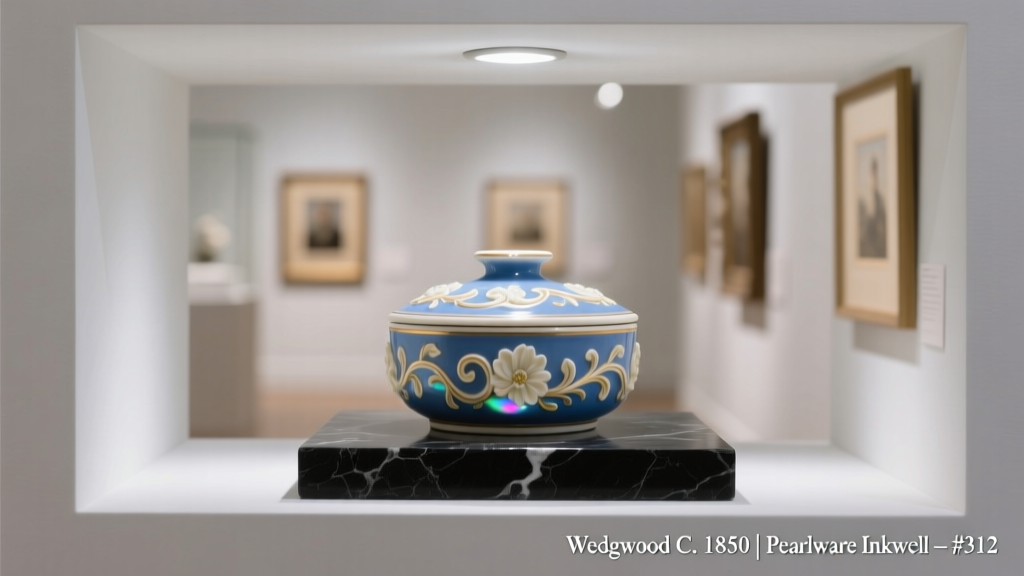
The Wedgwood Pearlware Inkwell Cover, c. 1850: Glow-Blue Decoration, Provenance, and Authentication of a 3½-Inch Victorian Desk Accessory

Oak Paneled Settee: Authentication, Provenance, and Market Analysis of the 43-Inch Full-Height Back Design
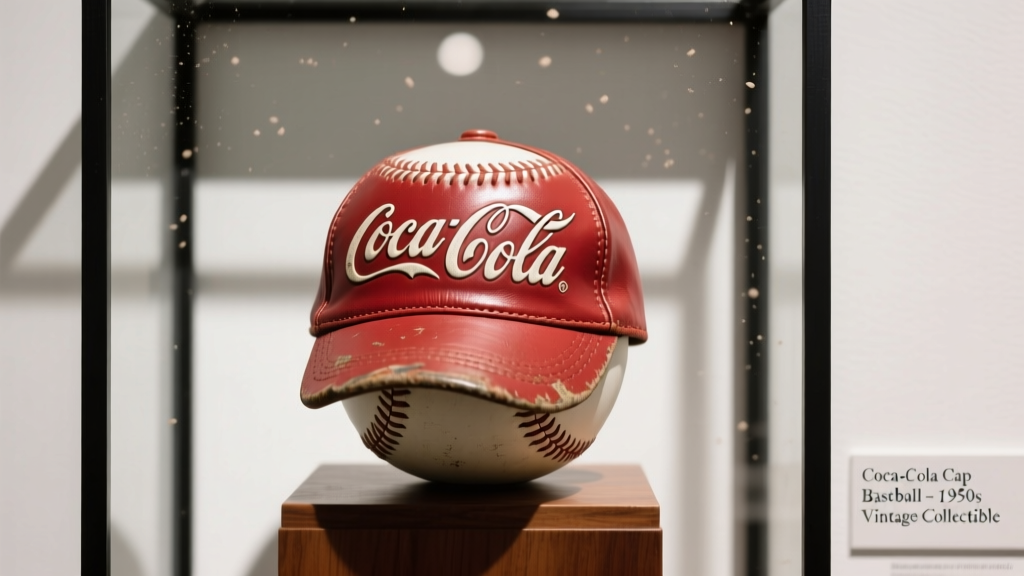
Coca-Cola Cap Baseball Hats of the 1950s: Authenticity, Design Evolution, and Market Value
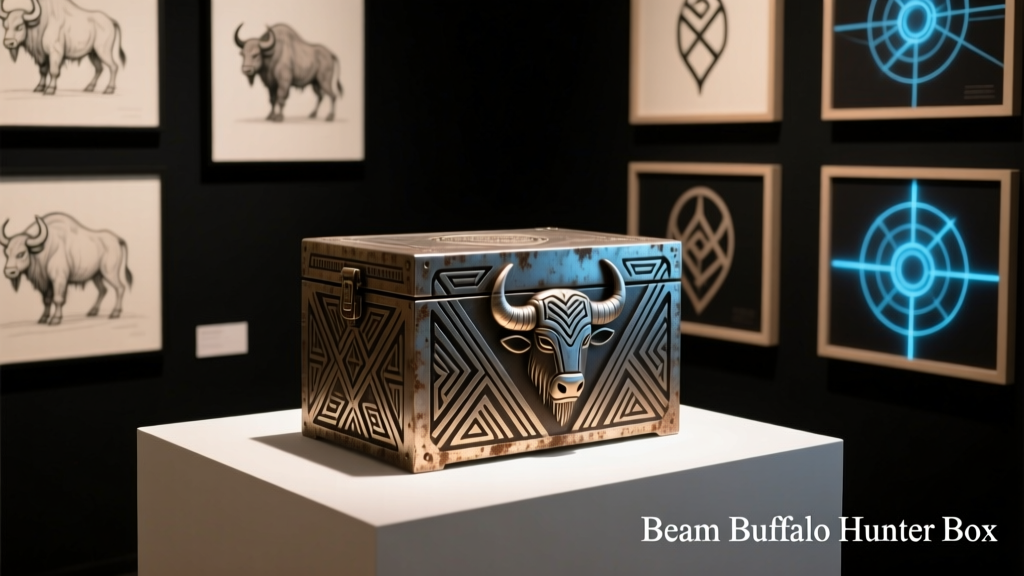
Beam Buffalo Hunter Box: Authentication, Market History, and Collector Insights

Authenticating the Galle Vase 'Delicate Purple Orchids, Deep Yellow Leaves' — A Cameo-Signed 6½-Inch Masterpiece

Allen Armstrong: Authentication Framework, Market Position, and Print Legacy in Contemporary American Art
Authentication Dossier: Print #1135946 — A Technical and Provenance Analysis of a 1982 Andy Warhol Screenprint from the 'Ads' Series