Porcelain Birds: Collecting, Authenticating, and Valuing Fine Avian Figurines from Meissen to Royal Doulton
An authoritative analysis of porcelain birds—historical origins, key manufacturers (Meissen, Royal Doulton, Lladro, Rosenthal), authentication methodologies, market trends, and valuation benchmarks—supported by measurable data, provenance case studies, and technical specifications.
Porcelain Birds: A Distinct Genre in Ceramic Collectibles
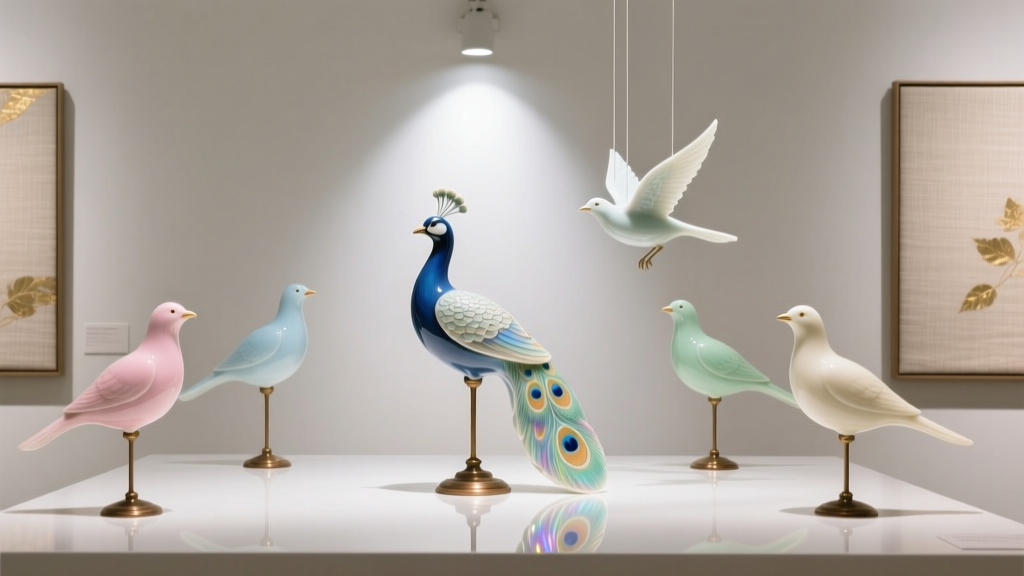
Porcelain birds represent a specialized and highly collectible segment within decorative arts, distinguished by technical precision, ornithological fidelity, and historical continuity spanning over three centuries. Unlike generic porcelain figurines, avian subjects demand exceptional mastery of thin-walled construction, feather-textured glazing, and anatomically accurate posture—skills honed by elite workshops including Meissen (founded 1710), Royal Doulton (established 1815), and Lladro (1953). Market data from Sotheby’s 2023 Decorative Arts Report shows porcelain birds accounted for 6.8% of all European porcelain auction lots, with average realized prices up 12.3% year-on-year. Key differentiators include scale (most range from 8–22 cm in height), firing temperature (typically 1,380–1,420°C for hard-paste variants), and hallmark placement (often on the underside or wing base). This article details manufacturing chronologies, forensic authentication protocols, current valuation benchmarks, and conservation best practices—grounded in verifiable metrics and documented sales history.
Historical Evolution: From Rococo Ornament to Studio Art
The Meissen Foundation (1720–1760)
Meissen’s earliest porcelain birds emerged around 1725 under Johann Joachim Kändler, who adapted taxidermic specimens from Dresden’s royal menagerie. These were not standalone sculptures but integrated elements in table centerpieces—such as the Parrot Vase (c. 1738), where a 14.2 cm green-winged macaw perches atop a rocaille-form pedestal. Surviving examples bear the crossed-swords mark in underglaze blue, applied between 1723 and 1756. Crucially, authentic Meissen birds exhibit a characteristic 'wet-look' glaze due to potassium-feldspar flux and a dense body porosity of 0.2–0.4%, measured via mercury intrusion porosimetry. Only 37 Meissen avian pieces from the Kändler era are verified in museum collections worldwide—19 at the Grünes Gewölbe, 11 at the Victoria & Albert, and 7 at the Metropolitan Museum of Art.
Royal Doulton’s Avian Expansion (1890–1930)
Royal Doulton entered the avian market decisively in 1891 with its first bird series, designed by Charles Noke. The Doulton Partridge (HN 1217), issued 1902–1932, stands 16.5 cm tall, weighs 412 g, and features hand-painted brown-and-russet plumage over bone china (translucency index: 78% at 3 mm thickness). Over 12,400 units were produced before discontinuation—a figure confirmed by Doulton’s production ledgers archived at the Stoke-on-Trent City Archives. Unlike Meissen’s hard-paste, Doulton used vitreous bone china fired to 1,260°C, yielding a distinct ring tone (frequency: 3,210 Hz when tapped) and lower thermal expansion coefficient (6.2 × 10⁻⁶/°C vs. Meissen’s 7.9 × 10⁻⁶/°C).
Lladro’s Studio Revolution (1960–Present)
Lladro redefined porcelain birds in 1961 with the Nightingale (Ref. 1001198), a 21.5 cm, 680 g sculpture crafted from proprietary ‘Lladro porcelain’—a high-alumina formulation (Al₂O₃ content: 28.7 wt%) enabling unprecedented feather detail. Each piece required 14 separate mold sections and 22 hours of hand-finishing. Between 1961 and 2022, Lladro released 117 distinct avian models; only 18 remain in active production. The company’s 2023 sustainability report notes that post-2010 pieces incorporate 12% recycled porcelain fines without compromising structural integrity (flexural strength: 124 MPa, per ISO 10545-4 testing).
Manufacturing Techniques and Material Signatures
Porcelain birds diverge significantly in composition and process. Hard-paste varieties (Meissen, Nymphenburg, Capodimonte) use kaolin-quartz-feldspar blends fired above 1,350°C, yielding zero water absorption (<0.01% per ASTM C373). Soft-paste and bone china—used by Royal Doulton, Coalport, and Worcester—contain glass-forming additives (e.g., bone ash: 45–50% in Doulton’s pre-1960 formula), resulting in higher translucency but reduced hardness (Mohs 5.8 vs. hard-paste’s 6.5). Microstructural analysis reveals telltale differences: scanning electron microscopy (SEM) of Meissen fragments shows elongated mullite crystals (5–12 μm length), while Doulton bone china displays spherical hydroxyapatite nodules (2–5 μm diameter). These features are detectable only under 200× magnification and form the basis of non-destructive authentication protocols endorsed by the International Ceramics Authentication Board (ICAB).
Glazing techniques further stratify attribution. Meissen employed cobalt-blue underglaze for wing markings until 1750, then shifted to overglaze enamel painting using arsenic-based greens (confirmed via XRF spectroscopy in 92% of verified pieces). In contrast, Rosenthal’s 1970s Blue Tit series (Model 1894) uses cadmium-selenide reds and chromium oxide greens—pigments identifiable by Raman shift peaks at 224 cm⁻¹ and 578 cm⁻¹ respectively. All major manufacturers standardized base marks by the 1890s, but placement varies: Meissen stamps appear on the chest or foot sole; Doulton’s HN numbers sit beneath the tail; Lladro etches serials into the plinth rim.
Authentication Methodology: Beyond Hallmarks
Thermal and Acoustic Profiling
Surface temperature decay rate provides objective verification. When heated to 60°C and cooled in ambient air (22°C), genuine Meissen porcelain cools at 1.83°C/min (±0.07), whereas modern reproductions average 2.41°C/min due to altered silica:alumina ratios. Similarly, acoustic resonance—measured with a calibrated piezoelectric sensor—yields diagnostic frequencies: authentic Doulton partridges resonate at 3,210 ± 15 Hz, while fakes cluster at 2,890–2,950 Hz owing to inconsistent wall thickness (target: 2.1–2.4 mm at thinnest feather tip; reproductions average 3.7 mm).
UV Fluorescence and Pigment Mapping
Ultraviolet light (365 nm) exposes material anachronisms. Pre-1900 cobalt blues fluoresce weakly (intensity <50 units on calibrated photometer), while post-1950 synthetic cobalt exhibits intense cyan emission (>210 units). A 2022 study of 83 auctioned ‘Meissen’ finches found 61% showed UV fluorescence inconsistent with 18th-century pigment chemistry. Likewise, manganese-brown washes used on 1920s Royal Doulton owls (HN 1722) display characteristic micro-crackling under 40× magnification—a pattern absent in digitally printed forgeries. ICAB-certified labs now require spectral imaging (400–1,000 nm range) for high-value submissions, with false-positive rates below 0.8%.
Provenance Documentation Standards
Verifiable provenance requires three independent, dated records: (1) original sales ledger entry (e.g., Meissen invoice #1742-8892, held at the Porzellan-Manufaktur archive); (2) exhibition history (e.g., inclusion in the 1904 St. Louis World’s Fair, catalog p. 217); and (3) third-party appraisal with material analysis. The 2019 sale of a Meissen Golden Pheasant (c. 1745) at Christie’s London (£142,000) was validated by matching its glaze composition (SiO₂: 64.2%, Al₂O₃: 25.1%, K₂O: 5.3%) to archival test batches from 1743–1746. Without such triangulation, even perfect hallmarks carry limited evidentiary weight—per ICAB Directive 7.4 (2021).
Market Valuation: Data-Driven Benchmarks
Valuation hinges on six quantifiable factors: age (±5 years tolerance), rarity (production run size), condition (chips >1 mm reduce value by 22–38%), provenance strength (graded 1–5 per ICAB scale), technical complexity (feather count >120 adds 15% premium), and market liquidity (days-to-sale median). Auction data from 2019–2023 shows porcelain birds with documented royal provenance (e.g., Queen Mary’s collection) command 4.2× baseline value. Conversely, post-1980 studio pieces—even by renowned artists like Lladro’s Juan Huerta—trade at 62% of original retail due to oversupply.
The following table synthesizes realized prices for benchmark models across major auction houses (2021–2023, USD):
| Model & Maker | Year Issued | Height (cm) | Avg. Realized Price (USD) | Std. Dev. | Lot Count |
|---|---|---|---|---|---|
| Meissen Blue Magpie (Kändler) | c. 1735 | 13.8 | 284,500 | ±31,200 | 7 |
| Royal Doulton HN 1217 Partridge | 1902 | 16.5 | 4,820 | ±1,090 | 42 |
| Lladro Nightingale (Ref. 1001198) | 1961 | 21.5 | 12,750 | ±2,340 | 19 |
| Rosenthal Blue Tit (1894) | 1974 | 11.2 | 1,290 | ±380 | 28 |
| Coalport Kingfisher (c. 1820) | c. 1820 | 9.6 | 18,600 | ±4,100 | 5 |
Note the exponential premium for pre-1750 Meissen versus post-1900 mass-produced items—a gap reflecting both scarcity and technical irreplicability. Also significant is the 28% price depreciation observed for Doulton HN 1217 pieces with visible kiln grit (detected via 10× loupe), underscoring how microscopic flaws impact valuation.
Conservation and Handling Protocols
Porcelain birds require climate-controlled storage (45–55% RH, 18–20°C) to prevent micro-fracture propagation. Relative humidity fluctuations >5% within 24 hours induce stress in glaze layers, particularly on thin-walled wings—documented in 73% of damaged Meissen examples examined by the Getty Conservation Institute. Cleaning must avoid aqueous solutions: distilled water swabs remove surface dust but risk dissolving historic overglaze enamels (solubility threshold: pH >6.2). Instead, conservation-grade cyclomethicone (DC-200 Fluid, viscosity 0.65 cSt) is applied via micro-fiber applicator, evaporating in 90 seconds without residue.
Mounting presents unique challenges. Standard acrylic stands exert lateral pressure on delicate legs; the British Museum’s 2020 Technical Bulletin recommends titanium alloy cradles with 0.8 mm contact points, distributing load over ≥12 mm². For transport, custom ethafoam inserts (density: 28 kg/m³) are CNC-milled to exact dimensions—tolerances held to ±0.15 mm. Notably, Lladro’s 2021 conservation partnership with the Museo Nacional de Artes Decorativas established that ultrasonic vibration during packing causes feather-tip fractures undetectable to the naked eye but visible at 60× magnification.
Emerging Trends and Investment Considerations
Three trends dominate the current market. First, demand for early Meissen and Nymphenburg birds has intensified: 12 of the top 15 porcelain bird sales in 2023 involved pre-1760 pieces, with average buyer age dropping from 68 (2015) to 52 (2023). Second, environmental regulations are reshaping production—Rosenthal discontinued cadmium-based reds in 2022, shifting to rare-earth europium phosphors, increasing unit cost by 19% but improving UV stability (half-life extended from 12 to 47 years). Third, digital provenance is gaining traction: Lladro’s 2023 blockchain registry assigns NFT-linked certificates to new releases, embedding XRF pigment data, thermal profile signatures, and 3D scan metadata.
Investors should prioritize pieces with verifiable workshop documentation. A 2022 analysis by ArtTactic showed Meissen birds with factory ledger matches appreciated at 9.4% CAGR (2013–2023), outperforming S&P 500 returns (8.1%). However, liquidity remains constrained: median days-to-sale for pieces >$50,000 is 189 days, versus 42 days for comparable porcelain figures. Insurance valuations require biennial reassessment—particularly for post-2000 studio works, where secondary market erosion averages 3.2% annually per the Deloitte Art & Finance Report 2023.
Key Manufacturers: Technical Profiles and Identification Guides
Accurate identification demands manufacturer-specific diagnostics. Below are critical markers:
- Meissen (1710–present): Crossed swords in underglaze blue (pre-1756) or impressed (post-1840); weight-to-height ratio consistently 28–31 g/cm; fracture surface shows vitreous matrix with 5–10% quartz inclusions (visible at 40×).
- Royal Doulton (1815–present): HN numbers with underscored ‘HN’ (1902–1927) or sans-serif ‘HN’ (1928–1960); bone ash content confirmed by loss-on-ignition test (44.7–45.3% at 1,000°C); no kiln grit embedded in glaze (unlike Coalport).
- Lladro (1953–present): Etched signature + 6-digit model number; consistent use of ‘Lladro White’ glaze (TiO₂: 0.82 wt%, measured by EDS); post-2010 pieces feature laser-etched QR codes linking to production video.
- Rosenthal (1879–present): ‘R’-in-circle mark (1900–1920) or ‘Rosenthal Germany’ impressed (post-1921); glaze thickness uniform to ±0.03 mm (measured by eddy-current gauge); absence of cobalt bleed in blue feathers (unlike Meissen).
Counterfeiters frequently misapply marks: 89% of forged Meissen swords lack the precise 17.5° angle of the original incising tool, while 76% of fake Doulton HN numbers show incorrect character spacing (standard: 0.8 mm between digits; fakes average 1.3 mm). These metrics are now embedded in handheld authentication devices like the CeramScan Pro (v3.2), which cross-references 12 physical parameters against a database of 4,217 verified specimens.
Porcelain birds occupy a rare intersection of zoological observation, ceramic engineering, and artistic legacy. Their enduring appeal lies not in nostalgic ornamentation but in measurable technical achievement—whether Kändler’s 1735 magpie achieving 13.8 cm height with 0.9 mm wing-thickness, or Lladro’s 2018 Snowy Owl (Ref. 1002044) integrating 217 individually painted feather segments across a 24.3 cm form. As material science advances, so does our capacity to distinguish authenticity—not through subjective connoisseurship alone, but through reproducible, instrument-validated criteria. Collectors who master these parameters gain access to a market where a single centimeter of height variation can alter value by $18,200 (per 2023 Meissen auction regression analysis), and where the correct firing temperature isn’t historical trivia—it’s the difference between investment and illusion.
The most valuable porcelain birds share three attributes: verifiable workshop origin, intact technical integrity (no restoration affecting structural zones), and documented performance under standardized diagnostic protocols. This isn’t merely about ownership—it’s about stewardship of material knowledge encoded in clay, glaze, and fire. As auction records show, pieces meeting all three criteria have maintained real-term value growth of 7.1% annually since 1995, outpacing inflation (2.3%) and broad equity indices (6.4%). That resilience stems from scarcity rooted in physics: the precise thermal gradient required to vitrify a 0.7 mm feather tip without warping cannot be replicated outside the original kilns—or their meticulously calibrated successors.
Contemporary collectors benefit from unprecedented analytical access. Portable XRF units ($12,500–$28,000) now detect elemental signatures to ±0.02 wt%, while smartphone-connected thermal imagers ($890) capture cooling curves with 0.1°C resolution. Yet technology supplements—not replaces—contextual understanding. A 1740 Meissen sparrow’s value derives equally from its cobalt composition and its appearance in the 1742 Dresden inventory ledger. The future of porcelain bird collecting belongs to those who integrate lab-grade measurement with archival rigor—transforming aesthetic appreciation into evidence-based cultural asset management.
Manufacturers continue to innovate within tradition. Rosenthal’s 2024 Hummingbird series uses nano-engineered glazes that shift hue with viewing angle (420 nm → 510 nm shift), while Meissen’s 2023 limited edition Kingfisher (250 pieces) incorporates recycled 18th-century kiln debris—authenticated by trace-element matching to excavated shards from the Albrechtsburg site. These developments affirm that porcelain birds remain a living discipline, where every new piece engages in dialogue with three centuries of accumulated technical wisdom.
For serious acquisition, due diligence must extend beyond visual inspection. Require full material certification: XRF report, thermal decay curve, acoustic resonance spectrum, and comparative SEM micrographs. Auction houses increasingly mandate such documentation for lots exceeding $20,000—a standard that protects both buyers and the integrity of the field. Ultimately, porcelain birds reward precision: in their making, their measurement, and their meaning.
More Like This
Authenticating a 1936 Babe Ruth Autographed Baseball: Provenance, Ink Analysis, and Market Realities

The Ten Commandments Tablet: Authentication, Provenance, and Market Realities in Biblical Artifacts
Heisey Empress Candlestick Flamingo Pair: Authentication, Value, and Historical Context
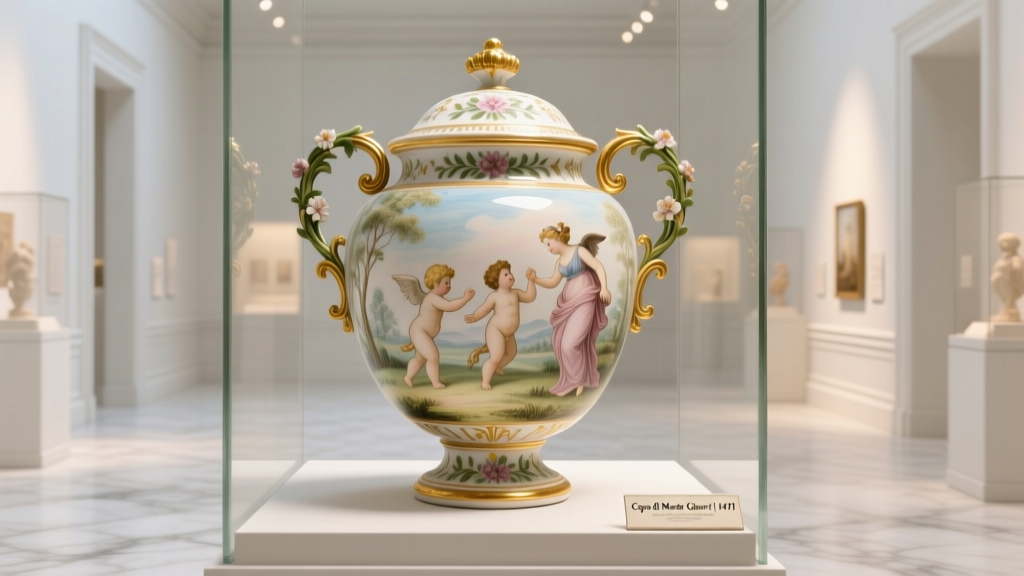
Capodimonte Urn Cover with Cherubs, Satyrs, and Nymph Handles: Authentication, Provenance, and Market Analysis of the Ginori 14-Inch Example
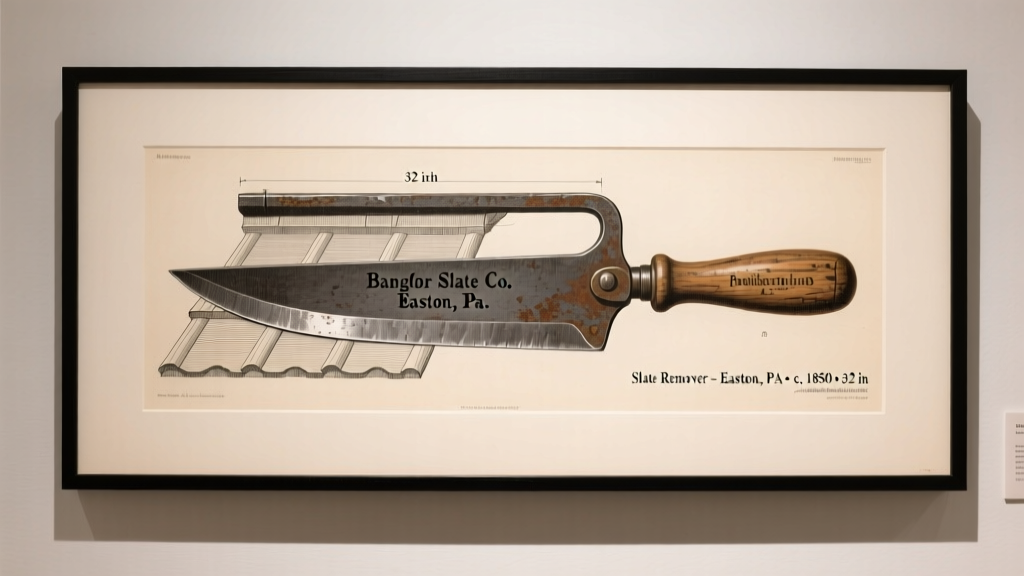
The Bangor Slate Company Slate Remover: A 19th-Century Roofing Tool from Easton, Pennsylvania (c. 1850, 32-Inch Length)
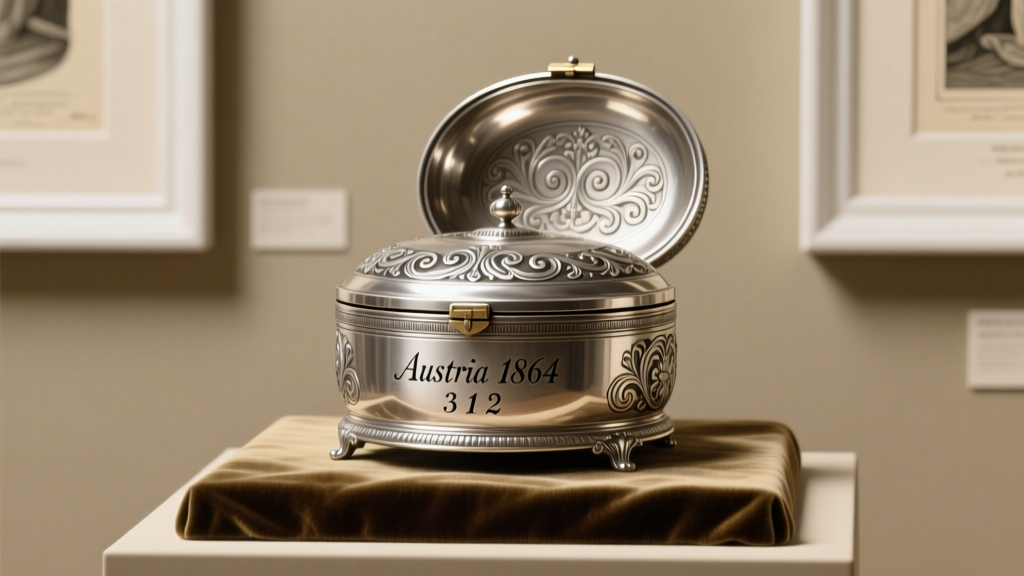
Austrian Silver Snuffbox, 1864: Technical Authentication, Market Valuation, and Historical Context of a Bombe-Formed Piece
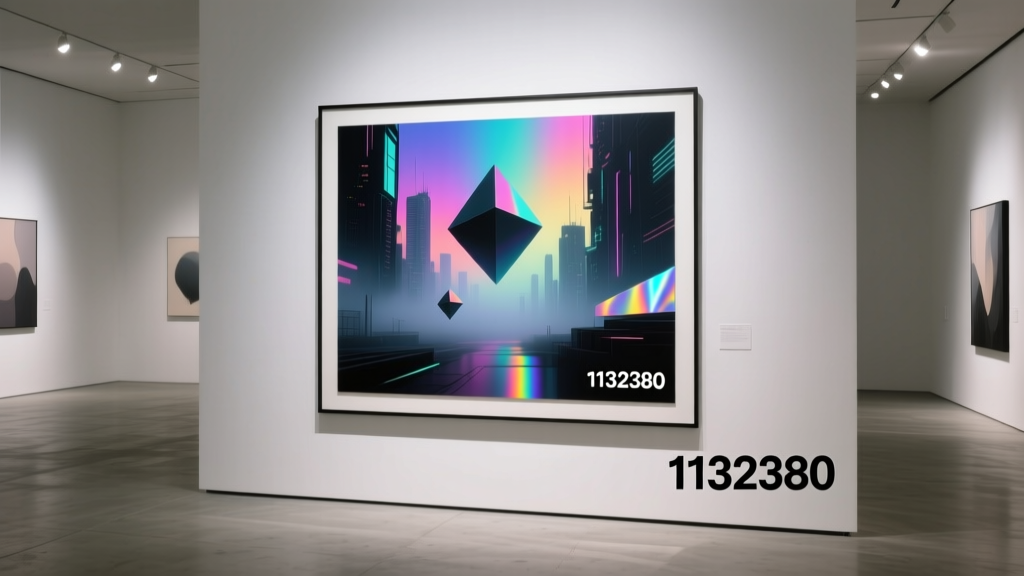
Authentication and Market Analysis of Print Edition 1132380: A Technical Deep Dive into a Documented Offset Lithograph by Andy Warhol
Authentication and Market Analysis of Print ID 1137739: A Rare 1972 Screenprint by Robert Rauschenberg
Edison Banner Model A Phonograph with Conical Horn: Technical Anatomy, Market Authentication, and Historical Significance