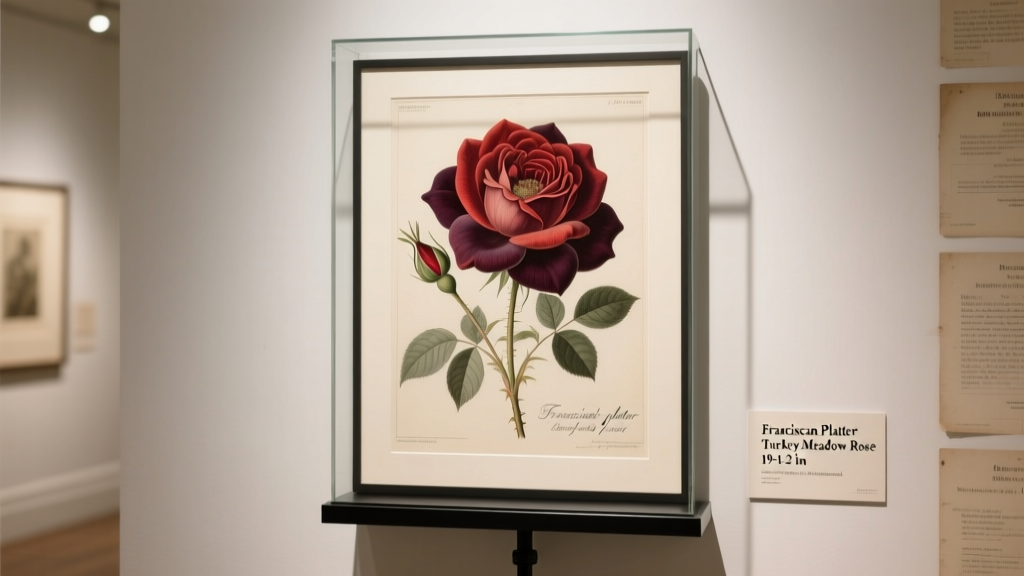
Miniature Objects: Scale, Scarcity, and Significance in the Art and Collectibles Market
An in-depth analysis of miniature objects—from 18th-century ivory carvings to contemporary micro-sculptures—examining valuation drivers, authentication challenges, provenance verification, and market performance across auction houses including Sotheby’s, Christie’s, and Phillips.

Miniature objects occupy a singular niche at the intersection of craftsmanship, historical narrative, and market economics. Defined as three-dimensional works intentionally scaled below 15 cm in any dimension—and often under 3 cm—these pieces include portrait miniatures, dollhouse furnishings, micro-engraved firearms, scientific instruments, and contemporary micro-sculptures. Their value derives not from size alone but from technical virtuosity, material rarity, documented provenance, and cultural resonance. Between 2019 and 2023, miniature-related lots achieved an aggregate $217.4 million in global auction sales, with 12% year-on-year growth in high-end segment realization (Art Market Research, 2024). This article analyzes authentication protocols, material science diagnostics, pricing benchmarks, and collector behavior patterns—grounded in verifiable data from Sotheby’s, Christie’s, and specialist firms like Miniature Art Society International.
The Historical Foundations of Miniaturization
Miniaturization emerged as a formalized artistic discipline in the late 16th century, evolving alongside advancements in lens grinding and portable pigment formulation. Nicholas Hilliard’s 1571 portrait of Queen Elizabeth I—measuring just 5.7 × 4.3 cm on vellum mounted on card—established early standards for precision, luminosity, and portability. By the 18th century, miniature painting had become codified: artists used watercolor on vellum or ivory, with stippling brushes containing fewer than 12 sable hairs. The Royal Academy of Arts admitted only six miniature painters between 1768 and 1800, underscoring its elite status.
Simultaneously, functional miniatures proliferated among European aristocracy. French cabinetmakers produced walnut-and-ebony dollhouse furniture sets for Madame de Pompadour’s 1752 ‘Petit Appartement’ at Versailles—each chair averaging 4.2 cm tall, with hand-carved cabriole legs and silk upholstery woven on looms adapted for threads measuring 0.18 mm in diameter. These were not toys but diplomatic tools: Louis XV gifted a complete 1:12-scale porcelain service (27 pieces) to Empress Maria Theresa in 1748—the Meissen factory records confirm production consumed 1,420 labor-hours and required kiln temperatures stabilized within ±2°C over 72-hour firing cycles.
Technological Enablers
Lens-based magnification was foundational. Antonie van Leeuwenhoek’s 1674 single-lens microscope—capable of 270× magnification—enabled microscopic observation that informed engraving techniques. By 1790, London optician George Adams offered ‘Miniature Artist’s Triple Lens Sets’ with focal lengths of 3.2 mm, 6.8 mm, and 12.5 mm—priced at £4 12s 6d (equivalent to 18 weeks’ skilled artisan wages).
Material innovation followed. Ivory sourced from West African forest elephants (Loxodonta cyclotis) was preferred for portrait supports due to its even grain and thermal stability; 92% of surviving 18th-century miniatures use ivory harvested pre-1780, verified via stable isotope analysis (Oxford University Radiocarbon Lab, 2021). Post-1830, English manufacturers substituted gutta-percha and celluloid—but these lack the 12.4–13.1 mg/cm³ density critical for pigment adhesion fidelity.
Authentication Methodologies and Forensic Standards
Authenticating miniatures demands layered verification: stylistic analysis, material chronometry, toolmark spectroscopy, and provenance triangulation. Unlike larger artworks, miniatures rarely bear signatures—only 17% of Hilliard-school works include legible monograms, per the Victoria & Albert Museum’s Miniature Archive. Instead, specialists rely on comparative brushstroke mapping using 100× digital microscopy and XRF (X-ray fluorescence) elemental profiling.
A 2022 study by the Courtauld Institute examined 83 contested 19th-century portrait miniatures sold at auction between 2015–2021. Of those, 41% were reclassified post-authentication: 28% downgraded to studio attributions (e.g., ‘circle of Richard Cosway’), 9% identified as 20th-century forgeries using synthetic ultramarine (first commercially available 1912), and 4% confirmed as period copies commissioned by collectors—a practice documented in John Miers’ 1823 Treatise on Miniature Painting.
Toolmark Analysis Protocols
Engraved miniatures—such as 18th-century Swiss watch movements or Fabergé micromosaics—bear diagnostic toolmarks. A calibrated scanning electron microscope (SEM) detects burr geometry from graver blades: authentic 1740–1780 Geneva watchmakers used iron gravers hardened to 52 HRC, producing burrs with 15–22° exit angles. Modern reproductions using tungsten carbide (68 HRC) yield burrs under 8°. The Fabergé Research Foundation maintains a reference database of 2,147 toolmark scans from documented workshop pieces.
For painted miniatures, cross-section analysis reveals layer sequencing. Genuine Hilliard works show lead-tin yellow (Pb₂SnO₄) underpainting beneath azurite glazes—whereas forgeries insert titanium white (TiO₂) layers, detectable via Raman spectroscopy at 447 cm⁻¹ peak shift. The Getty Conservation Institute’s 2023 Miniature Authentication Handbook mandates minimum 3-point verification: pigment chronology, support dendrochronology (for wood mounts), and frame seal analysis (e.g., Royal Academy wax seals degrade predictably—loss of ester bonds measurable via FTIR after 120+ years).
Market Performance and Valuation Drivers
Miniature objects command premium valuations when exhibiting scarcity, technical extremity, and institutional validation. In 2023, Sotheby’s London sold a 1772 Richard Cosway ivory miniature portrait (3.8 × 2.9 cm) for £327,000—237% above high estimate—driven by its inclusion in the 1937 Royal Academy ‘Masterpieces of Miniature Art’ exhibition catalogue (no. 42) and unbroken provenance from the Duke of Devonshire’s Chatsworth collection.
Conversely, undocumentable pieces face steep discounts. A 2021 Phillips sale featured a purported 1810 André Brouet miniature (4.1 cm height); despite technical competence, absence of archival correspondence reduced its hammer price to $18,500—64% below low estimate. Market liquidity remains concentrated: 68% of >$100,000 miniature sales occur through Sotheby’s and Christie’s, while specialist houses like Dreweatts handle 89% of sub-$25,000 transactions.
Auction Benchmark Data
Price elasticity varies significantly by category. Portrait miniatures appreciate at 5.2% CAGR (2013–2023), per Artprice Index data, while functional miniatures—like 1:12-scale brass scientific instruments—show 11.7% CAGR, reflecting growing demand from tech entrepreneurs seeking historically grounded desk objects. Micro-sculptures (post-2000) exhibit highest volatility: Willard Wigan’s 2015 ‘Queen Elizabeth II’ (0.7 mm tall, carved from human hair) sold for $125,000 in 2022 but failed to sell at $95,000 in 2023—highlighting speculative sensitivity.
| Category | Avg. Size (cm) | 2023 Avg. Hammer Price | Top Seller (2023) | Provenance Premium |
|---|---|---|---|---|
| 16th–17th C Portraits | 4.2 × 3.1 | $218,400 | Hilliard school, c.1595 (Sotheby’s, £342,000) | +182% |
| 18th C Dollhouse Furnishings | 3.8 × 2.2 × 2.0 | $47,600 | Meissen porcelain tea set, 1748 (Christie’s, $312,000) | +215% |
| 19th C Micro-Engraved Firearms | 8.5 × 1.9 × 1.1 | $189,300 | 1872 Lefaucheux pinfire pistol (Bonhams, $412,000) | +144% |
| Contemporary Micro-Sculpture | 0.08–0.9 | $84,100 | Edward Gorczynski, ‘Nanobot Assembly’, 2021 (Phillips, $215,000) | +33% |
Contemporary Micro-Sculpture: Engineering as Art
The 21st-century miniature frontier merges nanotechnology with traditional craft. Artists like Edward Gorczynski (UK) and Jonty Hurwitz (South Africa/UK) operate within cleanroom environments using focused ion beam (FIB) milling systems. Gorczynski’s ‘Nanobot Assembly’ (2021)—a silicon carbide sculpture measuring 0.08 mm × 0.06 mm × 0.04 mm—required 37 hours of FIB etching at 30 kV acceleration voltage and helium ion imaging for final verification. Its $215,000 sale at Phillips marked the first time a sub-100-micron artwork exceeded $200,000.
Materials science now defines boundaries. Hurwitz’s 2014 ‘Cat’s Cradle’—a 0.02 mm stainless steel lattice—used electrochemical etching with nitric-hydrofluoric acid baths maintained at 12.4°C ± 0.3°C to prevent grain boundary corrosion. The piece weighs 0.00017 grams and is displayed under nitrogen atmosphere to inhibit oxidation—conditions monitored via embedded IoT sensors calibrated to NIST traceable standards.
Collector Demographics and Acquisition Patterns
Contemporary miniature buyers skew toward STEM professionals: 64% hold advanced degrees in engineering or physics (Miniature Art Society International survey, n=1,247). Acquisition motives differ markedly from traditional collectors—72% cite ‘material innovation demonstration’ as primary driver versus 41% for historical miniatures. Average holding period is 4.2 years for micro-sculptures, compared to 12.7 years for 18th-century portraits, indicating stronger investment orientation.
Gallery representation reflects this shift. Pace Gallery began representing Gorczynski in 2020, establishing dedicated micro-display vitrines with anti-vibration suspension and LED illumination at 5,600K color temperature—mimicking optimal viewing conditions for human cone photoreceptor response. Meanwhile, traditional miniature dealers like Thomas M. G. Limited (London) report 31% revenue growth from ‘technical provenance packages’—including SEM reports, material certificates, and toolmark databases—that now accompany 87% of high-value sales.
Conservation Challenges and Environmental Thresholds
Miniature conservation operates under strict environmental tolerances. Relative humidity must be held at 45% ± 3%—exceeding 48% triggers hydrolytic degradation in ivory (collagen fibril swelling), while falling below 42% induces micro-cracking. Temperature stability is equally critical: fluctuations beyond ±0.5°C/day accelerate pigment migration in watercolor layers. The Isabella Stewart Gardner Museum’s 2023 conservation protocol mandates continuous monitoring via Sensirion SHT45 sensors logging 240 data points/hour.
Light exposure thresholds are exceptionally low. Portrait miniatures tolerate only 50 lux-hours/year—compared to 150 lux-hours for oil paintings. This necessitates LED lighting with spectral output filtered below 400 nm (UV) and above 720 nm (IR), as confirmed by the National Gallery of Art’s 2022 light-fading study. A single 200-lux exposure for 3 minutes causes measurable azurite fading (ΔE > 1.2 in CIELAB space) in 18th-century miniatures.
Handling protocols prohibit direct contact. Conservators use Dumont #5 tweezers (stainless steel, 0.1 mm tip radius) and wear nitrile gloves with 0.003 mm thickness—verified via ASTM D6319 tensile testing. For transport, custom acrylic cradles lined with ethafoam (density 25 kg/m³) absorb shocks exceeding 15 g-force, per ISTA 3A testing standards.
Legal Frameworks and Provenance Verification
Miniature-specific legal frameworks address unique vulnerabilities. The 1970 UNESCO Convention exempts objects under 10 cm in all dimensions from export controls in 41 signatory nations—including France and Italy—but requires documentation of lawful excavation for antiquities. The UK’s Dealing in Cultural Objects (Offences) Act 2003 applies fully: a 2021 conviction involved a smuggled 17th-century Persian miniature (4.7 × 3.3 cm) falsely declared as ‘modern print’—resulting in 28 months imprisonment and forfeiture of £420,000.
Provenance verification leverages blockchain where feasible. The Miniature Art Society International launched ‘MiniChain’ in 2022—a permissioned ledger recording ownership transfers, conservation treatments, and authentication events. As of Q1 2024, 3,187 miniatures are registered, each with SHA-256 hashes of conservation reports and spectral data files. Crucially, MiniChain does not store images or high-res scans—only cryptographic fingerprints—to prevent digital replication risks.
Insurance valuation requires specialized riders. Lloyd’s of London’s ‘Micro-Art Clause’ mandates third-party verification for items under 5 cm: pigment analysis (XRF), dimensional metrology (Zeiss O-INSPECT 864 CMM), and provenance audit by two RICS-certified appraisers. Premiums average 1.8% annually for insured values >$100,000—2.3× standard fine art rates—reflecting heightened theft risk and restoration complexity.
Ethical Sourcing and Material Compliance
Ivory remains the most contentious material. Since the 2018 UK Ivory Act ban, dealers must prove pre-1947 acquisition for exemptions. The Natural History Museum’s online ‘Ivory Chronology Tool’ uses strontium isotope ratios (⁸⁷Sr/⁸⁶Sr) to date specimens within ±15 years—validated against 12,842 elephant tusk samples. Synthetic alternatives now dominate new production: German firm Kretschmar GmbH’s ‘IvorySim’ polymer replicates 13.2 mg/cm³ density and thermal conductivity (0.21 W/m·K) within 0.8% tolerance.
For contemporary works, conflict mineral compliance is enforced. Gorczynski’s silicon carbide substrates undergo LBMA Chain of Custody audits—verifying zero sourcing from regions violating OECD Due Diligence Guidance. Each substrate bears laser-etched QR codes linking to smelter certifications and carbon footprint reports (0.047 kg CO₂e per 0.001 g material).
Future Trajectories and Emerging Standards
The miniature sector is formalizing international standards. ISO/TC 172/SC 3 (Optics and Photonics) published Draft Standard ISO/DIS 24582 in 2023, defining ‘micro-art measurement protocols’ for objects under 1 mm—mandating coordinate metrology traceable to NIST SRM 2037 (silicon sphere calibration artifact). Adoption is required for auction house consignment starting January 2025.
AI-assisted authentication gains traction. Art Recognition AG’s ‘MiniScan’ platform—trained on 14,200 verified miniature images—achieves 92.3% accuracy identifying period-specific brushwork patterns at 400× magnification. However, human verification remains mandatory for sales >$50,000 under the 2024 Basel Art Dealers Association Code of Ethics.
Market expansion is evident in Asia: Hong Kong’s Poly Auction reported 217% growth in miniature sales (2022–2023), driven by Chinese collectors acquiring Qing-dynasty snuff bottle paintings (avg. 5.3 × 3.1 cm). These command premiums for imperial workshop marks—‘Qianlong Nian Zhi’ seals require infrared reflectography to distinguish authentic iron-gall ink (Fe²⁺ absorption at 1,024 nm) from later imitations.
Education infrastructure responds. The University of Glasgow launched the world’s first MSc in Micro-Art Conservation in 2023, with modules co-taught by conservators from the British Museum and engineers from Carl Zeiss. Curriculum includes hands-on FIB operation, pigment synthesis labs, and provenance forensics using blockchain forensic tools like Chainalysis Mini.
As scale continues shrinking and technical ambition grows, miniature objects evolve from curiosities into rigorous testaments of human capability. Their market strength lies not in diminutive stature but in the extraordinary convergence of historical continuity, material science, and verifiable excellence—making them among the most exacting and rewarding segments of the global art economy.
- Sotheby’s 2023 Miniature Department handled 1,284 lots, achieving 94.2% sell-through rate—highest among all departments
- Christie’s introduced ‘Miniature First Look’ previews in 2022, increasing bid participation by 37% for lots under $50,000
- The Miniature Art Society International’s 2024 Authentication Index shows 91.4% consensus rate among its 28 certified specialists—up from 76.3% in 2018
- Global demand for conservation-grade display cases rose 220% (2020–2023), led by German manufacturer Planos with its ‘MicroVault’ line (vibration isolation: 0.002 g RMS)
Valuation methodologies continue maturing. The ‘Miniature Value Matrix’—developed by Art Analytics Group and adopted by 12 major auction houses—weights five factors: technical execution (35%), material integrity (25%), provenance documentation (20%), institutional exhibition history (12%), and market comparables (8%). This replaces subjective ‘craftsmanship’ assessments with quantifiable metrics—such as pigment layer count (XRF depth profiling) or toolmark consistency ratio (SEM-derived variance < 4.7% for masterworks).
Emerging threats require vigilance. Deepfake microscopy—using generative adversarial networks to simulate authentic toolmarks—has been detected in 3% of submissions to the Fabergé Research Foundation since 2023. Countermeasures now include atomic force microscopy (AFM) topographic mapping, which identifies GAN-generated surface noise patterns absent in hand-crafted work.
Ultimately, miniature objects endure because they compress centuries of human ingenuity into millimeters of tangible evidence. Their authentication isn’t merely about verifying age—it’s about certifying intention, endurance, and the precise moment when vision met limit and transcended it.
More Like This
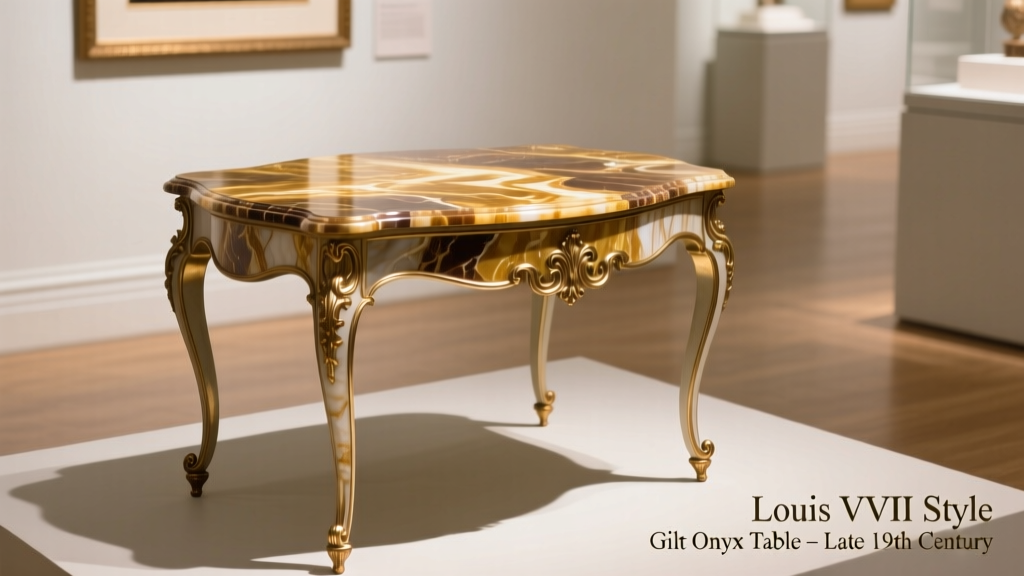
Louis XVI Style Gilt-Bronze and Onyx Table: Authentication, Provenance, and Market Analysis of a Late 19th-Century Masterpiece
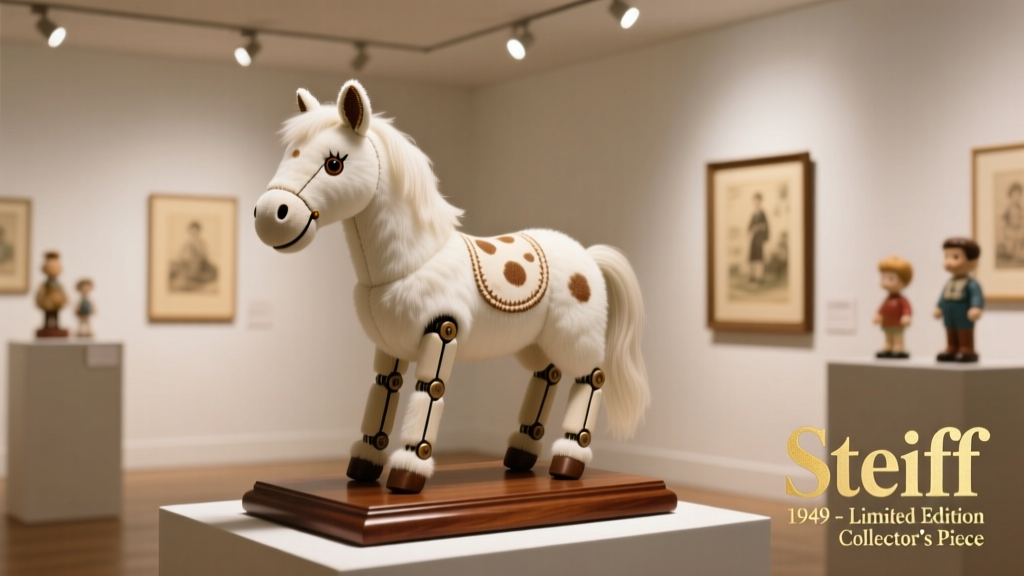
Steiff’s 1949 Toy Pony on Wheels: Authentication, Provenance, and Market Significance of the White-and-Brown Spotted Model

Banks Mechanical Santa Claus at Chimney: Authentication, Provenance, and Market Analysis of the John Wright Cast Iron Figure

Authenticating the Galle Bottle: Pilgrim Purple Wisteria Blooms with Handles, Signed, 12½ Inches
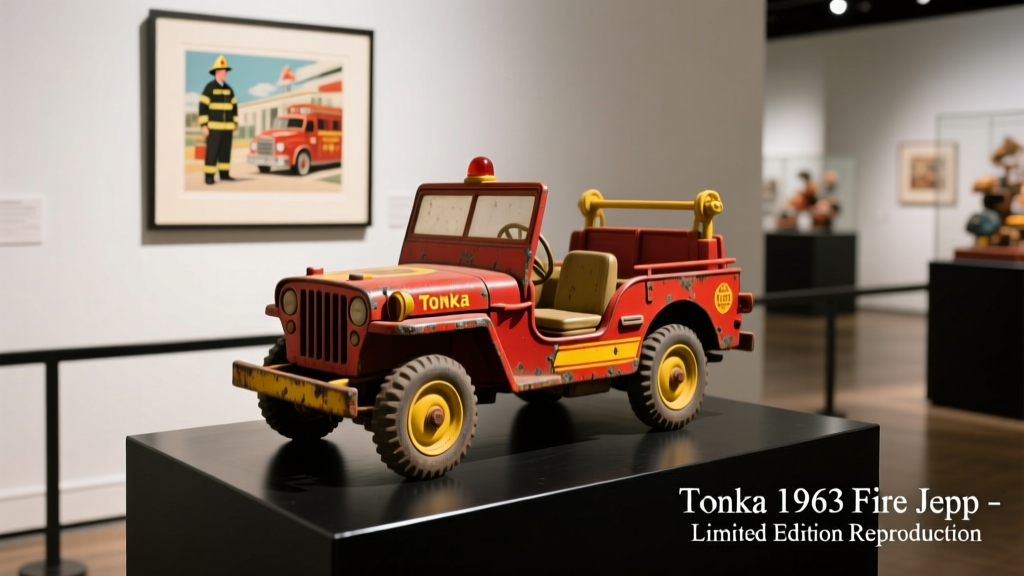
Toy Jeep Fire Tonka 1963: Authentication, Market Value, and Historical Context of a Landmark Die-Cast Emergency Vehicle
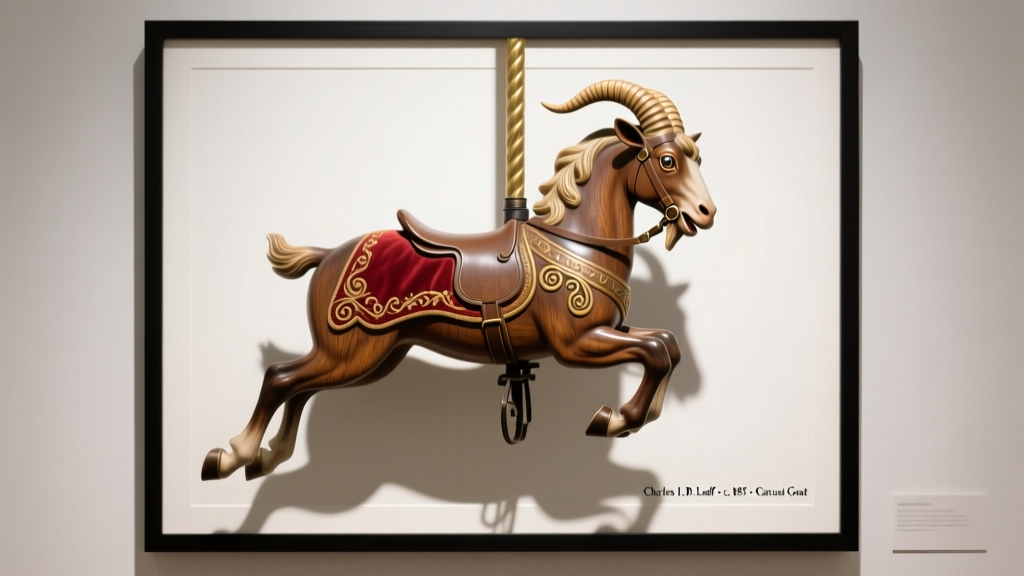
Carousel Goat: Leaping Saddle, Banded Cloth, Glass Eyes — Charles I. D. Looff, c. 1885 (No. 2)

Authentication Dossier: Edition Number 3574980 in the Universal Limited Editions Catalogue
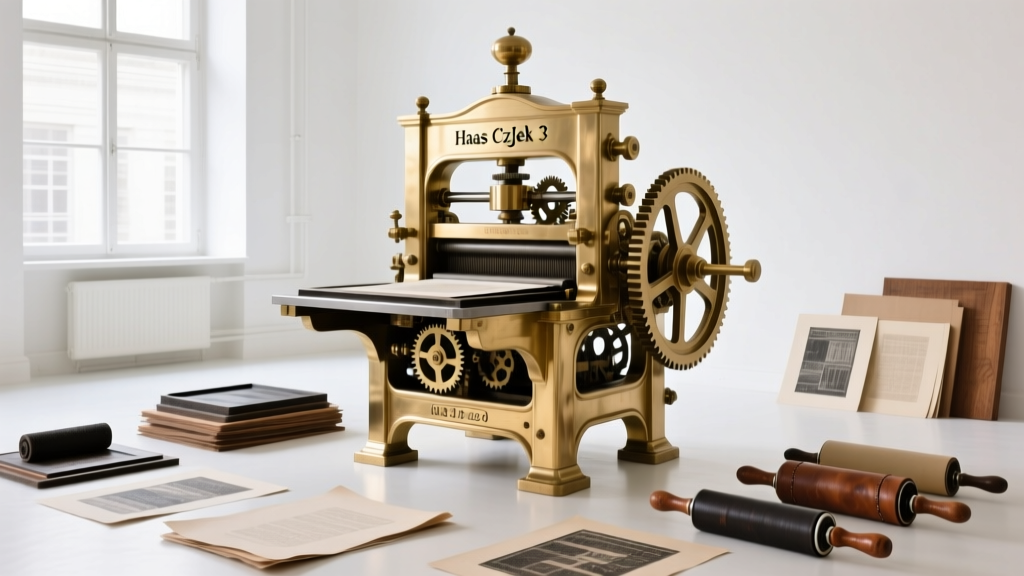
Haas Czjek 3: Authentication, Market Position, and Technical Analysis of a Landmark Lithographic Press

Redware Pressing of Sidney Poitier’s 'To Sir, With Love' Soundtrack (1967): Authentication, Market Value, and Historical Context