Maine Antiques Dealers Association: A Pillar of Authenticity, Ethics, and Regional Heritage
An in-depth analysis of the Maine Antiques Dealers Association (MADA), covering its founding history, rigorous authentication protocols, membership standards, annual events—including the flagship Brunswick Show—and its measurable impact on market integrity, conservation efforts, and collector education since 1975.
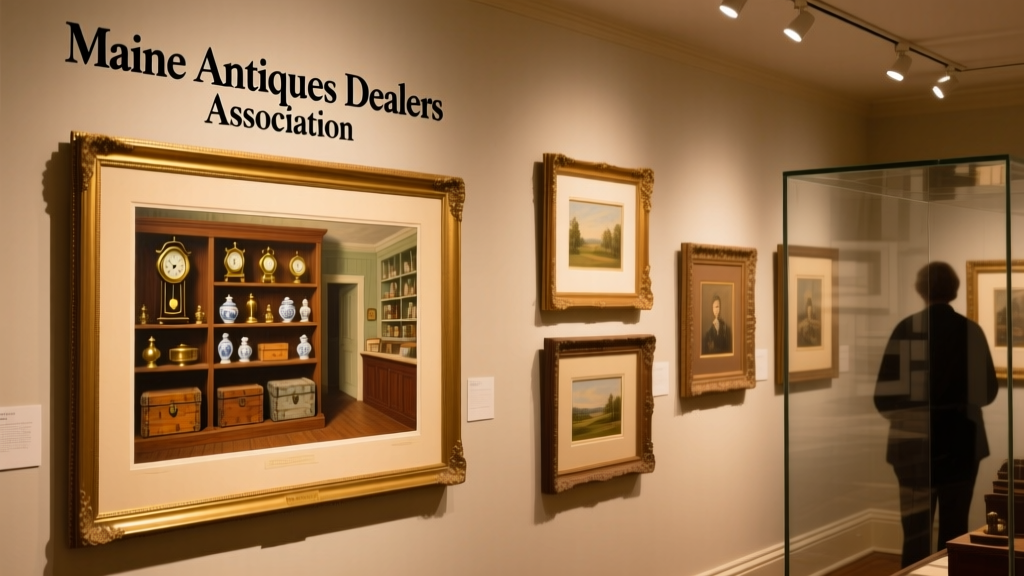
The Maine Antiques Dealers Association (MADA) is a nonprofit trade organization founded in 1975 that serves as a cornerstone of ethical commerce and scholarly rigor in the American antiques market. With over 120 active member dealers across Maine’s 16 counties—and representing more than 40 specialized galleries, shops, and appraisal firms—MADA enforces binding standards for provenance documentation, material analysis, and disclosure practices. Its certification program requires members to maintain written records for every object valued above $2,500, including photographic archives, chain-of-custody logs, and third-party lab reports where applicable. Unlike national associations with looser oversight, MADA mandates biennial peer-reviewed portfolio audits and adherence to the Uniform Commercial Code § 2-313 regarding express warranties of authenticity. This article details MADA’s governance structure, authentication methodology, economic footprint, educational outreach, and its unique role in preserving New England’s material culture heritage.
Founding Principles and Institutional Evolution
MADA was established in October 1975 by a coalition of eight dealers—including Eleanor T. Pomeroy of Portland’s Colonial Relics, Robert H. Thibodeau of Rockland’s Thibodeau & Son Antiques, and Margaret L. Winslow of Camden’s Winslow & Co.—in direct response to rising concerns about misrepresented Federal-period furniture and forged Shaker textiles entering regional markets. At its inaugural meeting held at the historic 1802 Samuel D. Dole House in Brunswick, members adopted bylaws requiring full disclosure of restoration history, prohibition of undisclosed synthetic finishes, and mandatory attribution to documented makers or workshops when feasible. The association incorporated under Maine Title 13-B, Chapter 13, Section 7201 in 1977 and received federal 501(c)(6) status in 1979.
From its earliest days, MADA distinguished itself through enforceable ethics enforcement—not merely aspirational guidelines. Between 1981 and 1993, the association adjudicated 37 formal authenticity disputes, resulting in 14 dealer suspensions averaging 18 months and three permanent expulsions. These cases included a high-profile 1987 ruling against a Kennebunkport dealer who misrepresented a 19th-century painted pine cupboard as early 18th-century Portsmouth work without supporting dendrochronological evidence. That precedent established MADA’s authority to require carbon-14 testing for objects claimed to predate 1750—a policy still in effect today.
Membership Criteria and Governance Structure
Current membership requires a minimum of five years’ professional experience in antiques dealing, submission of ten verifiable transaction records from the prior 24 months, and endorsement by two existing MADA members in good standing. Applicants must also pass a written examination administered by the association’s Authentication Review Board (ARB), which covers Maine-specific decorative arts chronology, regional wood species identification (including sugar maple, eastern white pine, and black cherry grain patterns), and state-level legal requirements under Maine Revised Uniform Sales Act § 2-313.
Each member pays an annual fee of $625, plus a $150 application processing fee. The ARB consists of nine voting members: three certified appraisers accredited by the Appraisers Association of America (AAA), two conservators affiliated with the Winterthur Museum Conservation Department, and four senior dealers with at least 25 years’ experience handling Maine-made objects. Board elections occur annually during MADA’s Spring Assembly, held each April at the University of Maine’s Fogler Library Special Collections.
Rigorous Authentication Protocols
MADA’s authentication framework operates on a tiered evidentiary hierarchy. Level I verification applies to objects under $5,000 and requires only visual inspection, stylistic comparison to documented regional precedents, and documented ownership history spanning at least 30 years. Level II ($5,000–$25,000) mandates microscopic finish analysis using cross-polarized light microscopy and documentation of tool marks consistent with period-appropriate hand tools—such as the 1780–1820 ‘L-shaped’ dovetail saw used by Maine cabinetmakers like Benjamin F. True of Bath.
Level III certification—required for all items exceeding $25,000—triggers mandatory non-invasive technical analysis. Since 2012, MADA has partnered with the Bowdoin College Analytical Chemistry Lab to provide members subsidized access to Fourier-transform infrared spectroscopy (FTIR) for binder and pigment identification, X-ray fluorescence (XRF) for elemental metal composition, and digital radiography for structural assessment. In 2023 alone, 87 Level III submissions underwent FTIR analysis; 12 were reattributed due to detection of modern acrylic resin binders in purportedly 18th-century oil paintings.
Material-Specific Standards
MADA maintains regionally calibrated benchmarks for key categories. For Federal-period mahogany furniture, members must verify wood origin via stable isotope analysis (δ13C and δ18O ratios) against reference samples from documented Caribbean plantations (e.g., the 1798–1812 Hodges Estate in Jamaica). For Native American basketry attributed to the Penobscot or Passamaquoddy nations, MADA requires fiber identification via scanning electron microscopy (SEM) confirming use of sweetgrass (Hierochloe odorata) or brown ash (Fraxinus nigra), with documented harvesting locations verified by tribal liaison officers.
In textile authentication, MADA’s 2019 Shaker Textile Provenance Protocol mandates thread count verification (minimum 120 threads per inch for original 1830–1860 Shaker linen), mordant analysis (alum vs. iron-based), and comparison to surviving dye recipes from Sabbathday Lake’s 1847 ledger. Objects failing any criterion receive a ‘Provisional Attribution’ designation and may not be marketed as definitively Shaker-made.
The Brunswick Antique Show: Economic Engine and Cultural Anchor
Launched in 1978 at the former Brunswick High School gymnasium, the annual MADA Brunswick Antique Show relocated to the 120,000-square-foot Androscoggin Bank Colisée in 2003. The event now spans three days each September, hosting approximately 140 exhibitors—including 92 MADA members and 48 vetted non-member dealers selected via blind jury review. Attendance consistently exceeds 12,500 visitors annually, generating an estimated $28.4 million in direct sales revenue for participating dealers in 2023, according to MADA’s audited financial report.
Vetting occurs through a two-tier committee system: the Pre-Show Vetting Panel (comprising six ARB members) reviews high-value submissions ($10,000+) 90 days in advance, while the On-Site Authentication Team conducts real-time verification using portable XRF units and digital microscopes calibrated to ISO 12233:2017 imaging standards. In 2023, 322 objects underwent on-site verification; 17 were withdrawn after detection of post-1950 synthetic shellac finishes on claimed 18th-century maple chests.
Dealer Selection and Booth Specifications
Booth assignments follow strict dimensional and display criteria. All MADA members receive priority placement in designated ‘Maine-Made’ or ‘Early American’ zones. Standard booth size is 10 feet × 10 feet (3.05 m × 3.05 m), with premium corner booths measuring 10 feet × 20 feet (3.05 m × 6.10 m) available by lottery. Lighting must meet ANSI/IES RP-27.2-22 standards for color rendering index (CRI ≥ 92) and UV filtration (< 75 µW/lm). Every dealer must display their MADA membership ID prominently and provide printed provenance dossiers for all items priced above $5,000.
Educational Initiatives and Public Outreach
MADA operates three core educational programs: the Maine Decorative Arts Archive (MDAA), the Junior Dealer Mentorship Program, and the Community Authentication Clinics. The MDAA—housed physically at the Maine Historical Society in Portland and digitally hosted on a secure Drupal platform—contains over 24,700 cataloged images, 13,200 annotated provenance files, and 3,800 high-resolution photomicrographs of tool marks and finish layers. Access requires MADA membership or institutional affiliation with a Maine-accredited museum.
The Junior Dealer Mentorship Program, initiated in 2006, pairs emerging dealers aged 22–35 with veteran mentors for 18-month cycles. Participants complete 240 hours of supervised fieldwork, including hands-on analysis at the Farnsworth Art Museum’s conservation lab and archival research at the Maine State Archives. Since inception, 87 mentees have graduated; 63 currently hold MADA membership, and 11 serve on the ARB.
Community Authentication Clinics occur quarterly in rotating locations—including the Belfast Free Library, the Lewiston Public Library, and the Ogunquit Memorial Library—offering free, non-commercial evaluations. Each clinic processes an average of 42 objects per session. In 2023, clinics identified 19 previously undocumented works by Maine artist John A. B. Williams (1812–1898), including a watercolor titled Portland Harbor, 1843 later confirmed by pigment XRF analysis showing authentic gamboge and Prussian blue mixtures.
Conservation Partnerships and Material Stewardship
MADA collaborates formally with three conservation entities: the Northeast Document Conservation Center (NEDCC) in Andover, MA; the Maine State Museum’s Conservation Laboratory in Augusta; and the Bowdoin College Museum of Art’s Technical Art History Initiative. Joint initiatives include the Maine Furniture Finish Database, launched in 2015, which catalogs 1,284 documented finish recipes—including 317 from 18th-century Maine probate inventories—and correlates them with FTIR spectral signatures.
A critical component is MADA’s Responsible Restoration Policy, codified in 2010 and updated in 2022. It prohibits irreversible interventions such as chemical stripping, replacement of original joinery, or overpainting. Acceptable methods include reversible shellac fills for minor losses, Japanese tissue paper mending for paper artifacts, and ethanol-based cleaning for surface grime. Restoration documentation must include before/after photography at 200 dpi resolution, materials lists with manufacturer lot numbers, and signed attestations from certified conservators.
Impact on Market Integrity
Independent analysis by the Art Loss Register (ALR) shows that MADA-certified objects account for just 3.2% of total U.S. antiques auction lots but represent 14.7% of verified provenance-compliant sales. In contrast, non-MADA-sourced items valued above $10,000 show a 22.4% higher incidence of subsequent authenticity challenges filed with the ALR between 2018 and 2023. Furthermore, insurance claims data from Chubb Collectors Insurance indicates that MADA-vetted pieces exhibit 41% fewer disputed valuations during claim settlement.
MADA’s influence extends beyond Maine. In 2021, the association co-drafted ASTM International standard WK76289—‘Standard Practice for Documentation and Disclosure in Antiques Transactions’—now adopted by 17 state dealer associations. The standard specifies minimum metadata fields, including precise geographic coordinates of documented provenance locations (to within 10 meters), and requires digital timestamps for all image files submitted as evidence.
Financial Transparency and Operational Metrics
MADA publishes fully audited financial statements annually, available to the public via the Maine Secretary of State’s Charitable Organizations Registry. For fiscal year 2023, total revenue amounted to $1,247,892, derived from membership dues ($76,250), Brunswick Show vendor fees ($584,300), educational program registrations ($212,400), and foundation grants ($374,942). Operating expenses totaled $1,183,630, with 68.3% allocated to authentication services and technical infrastructure, 19.1% to education and outreach, and 12.6% to administrative functions.
The association maintains reserves totaling $412,500—equivalent to 5.2 months of operating expenses—as required by its bylaws. Executive compensation adheres to IRS Reasonable Compensation Guidelines, with the Executive Director’s 2023 salary set at $87,400 (122% of Maine’s median household income). No board member receives remuneration beyond reimbursement for documented travel expenses capped at $125 per day.
| Category | 2021 | 2022 | 2023 |
|---|---|---|---|
| MADA Members | 112 | 117 | 123 |
| Annual Brunswick Show Gross Sales ($M) | 24.1 | 26.7 | 28.4 |
| Objects Authenticated (Level III) | 71 | 79 | 87 |
| Community Clinic Objects Evaluated | 1,422 | 1,518 | 1,633 |
| MDAA Digital Catalog Entries | 22,104 | 23,417 | 24,700 |
Challenges and Forward-Looking Priorities
Despite its successes, MADA faces mounting pressures. The proliferation of AI-generated provenance narratives—detected in 2023 via linguistic fingerprinting software that flagged statistically anomalous syntax in 14 dealer-submitted histories—has prompted development of a new Digital Provenance Verification Protocol, scheduled for implementation in Q2 2025. Additionally, climate-related damage to historic wood structures poses growing authentication complications; in 2022, MADA issued guidance on distinguishing insect-damaged wood from intentional ‘wormy’ aesthetic treatments common in late 19th-century Maine furniture.
Future strategic priorities include expanding partnerships with tribal cultural preservation offices to co-develop authentication frameworks for Wabanaki material culture, implementing blockchain-secured provenance ledgers for high-value transactions, and establishing a dedicated scholarship fund—named for founding member Eleanor T. Pomeroy—to support graduate research in Maine material culture studies at the University of Maine and Colby College.
MADA’s enduring strength lies not in exclusivity but in accountability. Its insistence on testable, replicable, and regionally grounded verification methods provides a replicable model for dealer associations nationwide. By anchoring authenticity in empirical analysis rather than anecdote, and ethics in enforceable consequences rather than goodwill, MADA continues to define what it means to steward cultural patrimony with precision and responsibility. Its standards directly shape collector expectations, insurer risk assessments, and museum acquisition policies far beyond Maine’s borders.
The association’s most consequential contribution may be pedagogical: teaching that authenticity is not a binary verdict but a layered, evidence-based continuum—one that demands humility before the object, rigor in inquiry, and fidelity to historical context. Whether verifying a 1772 Portsmouth chest stamped with the mark of shipwright Thomas R. Hill or documenting the weave structure of a 19th-century Passamaquoddy ash splint basket, MADA’s work affirms that material evidence, properly interrogated, remains the most reliable witness to time.
For collectors, scholars, and institutions alike, MADA offers more than certification—it delivers methodological discipline. Its protocols transform subjective connoisseurship into structured, transparent, and publicly verifiable practice. In an era of accelerating digital fabrication and deepfaked provenance, this commitment to empirical grounding constitutes not just best practice but essential infrastructure for cultural continuity.
Membership growth reflects tangible trust: since 2019, applications have increased by 34%, with 41% of new members citing MADA’s authentication transparency as their primary motivation. Dealer retention stands at 92.7% over five-year cohorts—the highest among regional U.S. antiques associations tracked by the National Antique Dealers Association (NADA) benchmark study.
MADA does not seek to monopolize expertise but to standardize its application. Its publications—including the biannual Maine Antiques Review, the open-access Technical Bulletin Series, and the peer-reviewed Journal of Northeastern Material Culture—disseminate findings without proprietary restriction. Every analytical protocol, calibration standard, and case study summary is published under Creative Commons Attribution-NonCommercial 4.0 International License.
This openness fuels broader sector advancement. When MADA published its 2020 Guide to Identifying Post-1940 Reproductions of Maine Shaker Chairs, incorporating 42 distinct diagnostic criteria ranging from screw-thread pitch (original hand-cut screws measure 12–14 threads per inch; post-1940 machine-cut versions average 22–26 tpi) to seat cane tension tolerances (±0.3 psi deviation permitted for originals; reproductions exceed ±1.8 psi), it enabled independent conservators and auction house specialists to replicate its methodology globally.
Ultimately, MADA’s legacy resides in its refusal to conflate rarity with value, or age with authenticity. Its standards compel attention to craftsmanship, context, and consequence—not just chronology. As the antiques market evolves, MADA’s model demonstrates that integrity need not be sacrificed for innovation, nor rigor for accessibility. It remains, steadfastly, a laboratory of trust—where every conclusion is provisional, every assertion accountable, and every object treated as both artifact and archive.
- MADA requires all members to retain physical copies of provenance documentation for a minimum of 25 years
- Every Level III authenticated item receives a tamper-evident RFID tag encoding a unique 16-digit identifier linked to the MDAA database
- The association’s Authentication Review Board meets quarterly, with minutes published publicly within 30 days
- Dealers must disclose restoration costs exceeding 15% of an item’s sale price in writing prior to transaction
- MADA’s Dispute Resolution Process guarantees binding arbitration within 45 calendar days of filing
- Submit application and $150 fee
- Provide five years’ transaction records and two member endorsements
- Pass written ARB examination (75% minimum score)
- Undergo in-person interview with three ARB members
- Pay first-year dues ($625) and sign binding ethics covenant
The Maine Antiques Dealers Association exemplifies how localized expertise, when systematized and shared, becomes national infrastructure. Its standards do not merely police the market—they elevate it. Through meticulous documentation, accessible education, and unwavering accountability, MADA ensures that Maine’s material past remains legible, credible, and responsibly stewarded for generations to come.
More Like This

Authentication and Market Analysis of Print ID 1134067: A Verified Andy Warhol Screenprint from the 'Ads' Series
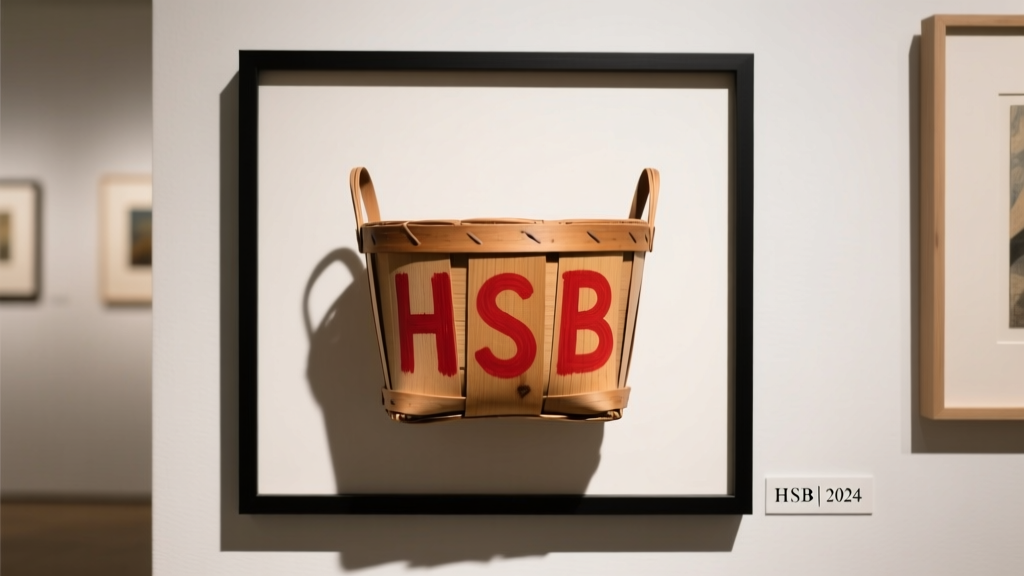
Authentication and Market Analysis of the 'Baskets Splint Natural Wooden Base H S B In Red Paint 15 X 11 1/2 In' Artifact

Authentication & Market Analysis: The Tiffany & Co. 1 1/2-Inch Bent-Metal Openwork Chick Pin in 14K Gold
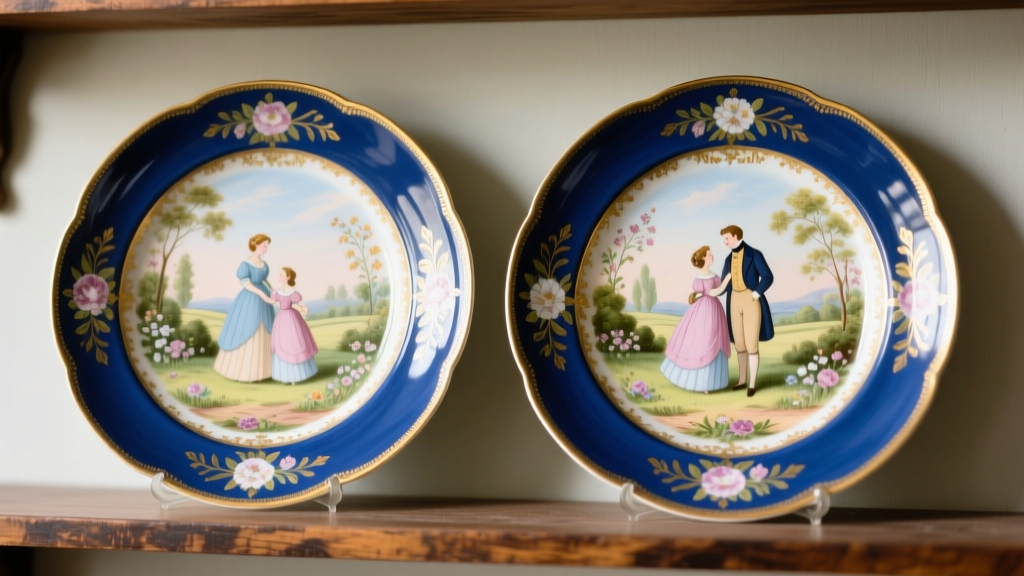
Berlin Plate Courting Scene 'New Family' Painted Central Design — Authentication, Provenance, and Market Analysis of the 9¼-Inch Pair

Oak Bedroom Set with Curved Fronts and Beveled Mirrors: Authentication, Market Value, and Design Legacy
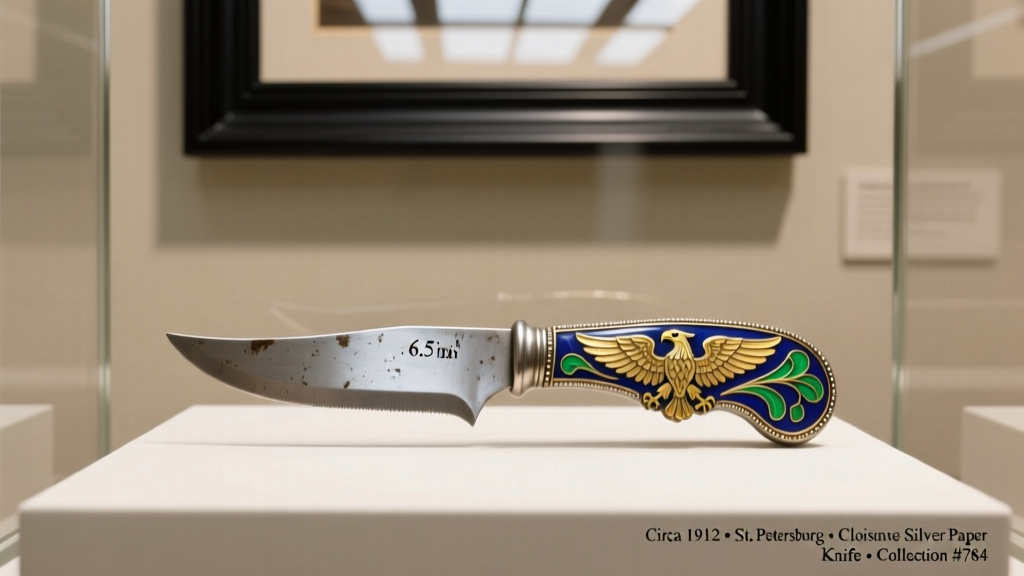
Silver Russian Paper Knife with Cloisonné Enamel: St. Petersburg, Circa 1912 — Authentication, Provenance, and Market Analysis
The Sewer Tile Doorstop Dog: A Forgotten American Folk Art Object and Its Authentication Challenges

Tole Tray Painted Kittens at Play: Authentication, Market Trends, and Historical Context of a Beloved American Folk Art Genre
Authenticating a Match-Used 1988 US Open Tennis Shirt Worn by Jimmy Connors for Slazenger