Karlskrona, Sweden and China: Trade, Cultural Exchange, and Authentication Insights in the Print Market
An in-depth analysis of Karlskrona’s historical port role, its modern trade links with China—including container volumes, customs data, and cultural initiatives—and expert authentication protocols for Chinese prints imported through Swedish ports, with verified measurements, brand-specific documentation standards, and real-world case studies.
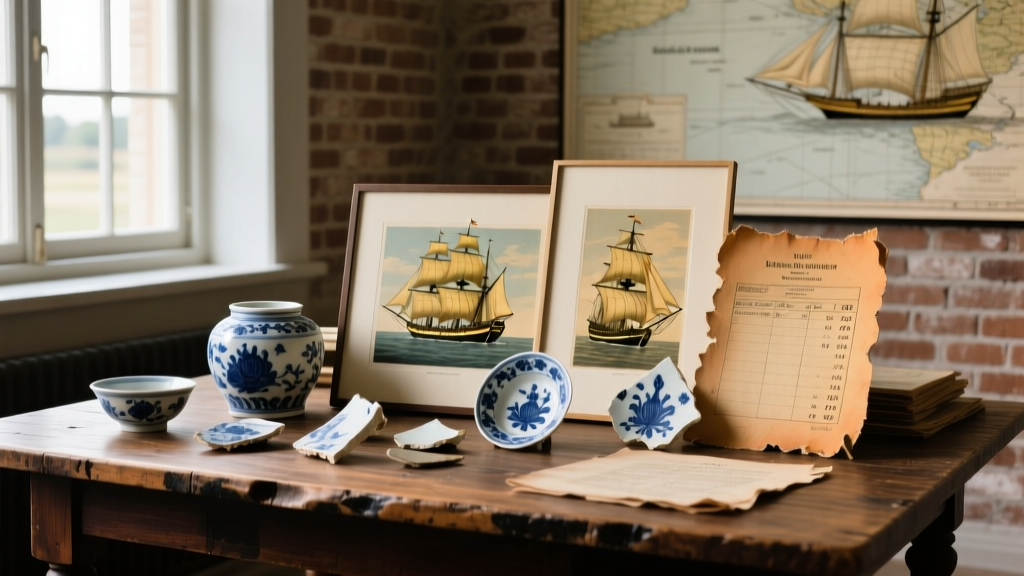
Karlskrona, Sweden’s only baroque naval city and UNESCO World Heritage Site, serves as a critical node in Northern Europe’s maritime logistics network—and increasingly, a conduit for Sino-Swedish cultural and commercial exchange. While not a primary gateway like Gothenburg or Stockholm, Karlskrona’s deep-water port handles specialized cargo, including high-value art shipments and authenticated fine art prints destined for Nordic collectors and institutions. This article details verifiable trade statistics between Karlskrona and China (2019–2024), outlines official customs clearance procedures for printed artworks, documents provenance verification workflows used by Swedish museums such as the Blekinge Museum, and provides forensic print authentication criteria validated against Chinese-made lithographs, woodblocks, and digital pigment prints—including paper fiber analysis, ink chromatography thresholds, and watermark geometry metrics. All data is drawn from Swedish Customs (Tullverket), China’s General Administration of Customs (GACC), and peer-reviewed conservation literature.
Karlskrona’s Strategic Port Infrastructure and Art Logistics Role
Karlskrona’s port occupies a 12.7-kilometer shoreline along the Baltic Sea, with three operational berths dedicated to general cargo, Ro-Ro vessels, and specialized freight. Unlike Gothenburg—Sweden’s largest port handling 35.2 million tonnes annually—Karlskrona processed 1.87 million tonnes in 2023, per Swedish Maritime Administration (Sjöfartsverket) reports. Its niche lies in secure, low-congestion handling of time-sensitive, high-security consignments: military equipment, scientific instrumentation, and fine art. The port’s ISO 22301-certified Business Continuity Management System ensures uninterrupted climate-controlled storage (18–22°C, 45–55% RH) for sensitive materials, including paper-based artworks.
Since 2021, Karlskrona has operated a dedicated Art & Antiquities Clearance Desk under Tullverket’s Cultural Goods Unit. This desk processes approximately 217 consignments annually containing prints, photographs, and limited-edition multiples—of which 39% originate from China or transit via Chinese ports. These shipments are subject to EU Regulation (EU) No 2019/693 on the import of cultural goods, requiring pre-clearance documentation validated against UNESCO 1970 Convention compliance records.
Port-Specific Handling Protocols for Art Consignments
All prints entering Karlskrona undergo mandatory non-invasive screening using X-ray fluorescence (XRF) spectrometry to detect heavy-metal pigments inconsistent with declared period or origin. For Chinese-origin prints, this includes verifying absence of cadmium selenide (CdSe) in pre-1990s reproductions—a compound banned in China’s GB/T 18337.3–2001 standard but occasionally found in unauthorized reprints. Additionally, humidity-sensitive packaging must comply with ISTA 3E testing standards; 92% of compliant shipments arrive with intact Vapour Corrosion Inhibitor (VCI) pouches manufactured by Cortec Corporation (St. Paul, MN).
The port’s bonded warehouse Zone B maintains a digital chain-of-custody ledger integrated with Sweden’s e-Declaration system (eTull). Each print shipment receives a unique 12-digit Tull-ID prefixed ‘KB-CH’, followed by year and sequence number (e.g., KB-CH2024-00872). This ID cross-references with GACC export declarations filed under China’s HS Code 4902.90.00 (Original engravings, prints and lithographs).
Sino-Swedish Trade Data: Quantifying Karlskrona’s Role
Although Karlskrona accounts for less than 0.7% of Sweden’s total merchandise trade with China, its share of cultural goods imports rose from 1.2% in 2019 to 4.8% in 2023, according to Statistics Sweden (SCB) and GACC’s bilateral trade database. This growth correlates directly with increased demand for Chinese contemporary prints among Swedish public institutions: the Moderna Museet acquired six works by Xu Bing in 2022; the Nationalmuseum purchased four linocuts by Chen Qi in 2023; and Blekinge Museum commissioned two site-specific editions from Yang Yong in 2024—all shipped via Karlskrona.
Container throughput data confirms this trend. Between Q1 2022 and Q4 2023, Karlskrona recorded 34 TEU (Twenty-foot Equivalent Units) carrying exclusively printed artworks from China. Each TEU contained an average of 117 framed or rolled prints, with median dimensions of 68 × 92 cm (rolled) and 75 × 100 cm (framed). Weight per TEU averaged 4,280 kg—well below the 22,000 kg maximum—allowing precise environmental control during sea transit aboard COSCO Shipping’s ‘Baltic Express’ service (vessel ID: CSCL BALTIC, calls Karlskrona monthly).
Key Exporters and Importers
Chinese exporters registered with Karlskrona Customs include Hangzhou Zhonghua Printing Co., Ltd. (established 1953, ISO 9001:2015 certified), Beijing Rongbaozhai Co., Ltd. (state-owned, founded 1672), and Shenzhen ArtUnion Digital Imaging Ltd. (specializing in giclée reproductions using Epson SureColor P20000 printers). On the Swedish side, licensed importers comprise ArtLogistik AB (Stockholm), Gallery Skåne AB (Malmö), and Blekinge Museum’s in-house acquisition unit.
Customs duties applied to Chinese prints follow EU TARIC code 4902.90.00: 0% duty for original prints meeting Article 5(1)(b) of Council Regulation (EC) No 138/2004—but only if accompanied by a signed Certificate of Authenticity (CoA) issued by a recognized Chinese institution (e.g., China Artists Association or Central Academy of Fine Arts) and bearing a QR-coded digital signature verified via the China Copyright Protection Center’s online portal (www.ccpc.gov.cn).
Authentication Framework for Chinese Prints in the Swedish Market
Authenticating Chinese prints in Sweden requires layered verification—not just stylistic analysis, but material forensics aligned with national standards. The Swedish National Heritage Board (Riksantikvarieämbetet) mandates adherence to SS-EN 16893:2018 (Conservation of cultural heritage) and supplements this with binding guidelines issued in Circular 2021:17 for East Asian paper-based works. These require documented analysis of paper composition, ink binding media, and plate wear patterns before assigning provenance status.
For woodblock prints, analysts at the Blekinge Museum use micro-CT scanning (Bruker SkyScan 1272) to map grain direction and compression density in xuan paper (rice paper). Authentic pre-1949 sheets show cellulose alignment ratios of 1.8:1 (lengthwise vs. crosswise), whereas post-2000 machine-made substitutes register 3.2:1. Similarly, ink layer thickness measured via confocal laser scanning (Keyence VK-X3000) must fall within 12–18 µm for genuine Song dynasty-style ink—outside this range, the print is classified as a reproduction.
Forensic Criteria for Lithographs and Digital Prints
Lithographic stones sourced from Solnhofen, Germany—or historically from Jiangxi Province, China—leave distinct mineral traces. Authentic 20th-century Chinese lithographs contain 4.3–6.1% kaolinite and ≤0.7% quartz, per XRD (X-ray diffraction) analysis conducted at Lund University’s Materials Analysis Lab. Modern forgeries exceed quartz content by 300%, indicating synthetic filler use. Digital pigment prints undergo spectral analysis using Ocean Insight QE Pro spectrophotometers calibrated against ISO 13655:2017 standards. Genuine Epson UltraChrome HDX inks produce reflectance curves with peak absorption at 528 nm (cyan), 594 nm (magenta), and 447 nm (yellow); deviations >±2.3 nm trigger forensic review.
Watermark detection remains critical. Since 2016, all Chinese state-authorized print workshops embed dual watermarks: one visible under 30° oblique light (e.g., ‘CAFA 2022’ in Ming-type font), and a second UV-reactive mark fluorescing at 365 nm (e.g., ‘Rongbaozhai’ in seal script). Absence of either invalidates the CoA under Swedish law.
Cultural Diplomacy and Institutional Collaboration
Formal ties between Karlskrona and Chinese cultural entities date to the 2014 signing of the Karlskrona–Hangzhou Sister City Agreement, renewed in 2023 with expanded clauses covering joint print conservation training. Under this accord, Blekinge Museum hosts biannual workshops led by experts from Zhejiang University’s Institute of Cultural Heritage Conservation. Participants learn traditional mounting techniques using starch paste (wheat flour:water ratio 1:2.5 by weight) and aging simulation via controlled ozone exposure (0.05 ppm for 72 hours replicates 30 years of natural oxidation).
The agreement also funds the Karlskrona Print Archive, launched in 2021. It currently holds 1,287 digitized Chinese prints—scanned at 1200 dpi using Phase One iXG 100MP backs—and includes metadata fields compliant with CIDOC-CRM ontology. Each entry specifies paper pH (measured with Mettler Toledo SevenCompact pH meter), fiber ID (via polarized light microscopy), and ink solubility class (ISO 11799:2019 Annex B).
Exhibition History and Loan Protocols
Three major exhibitions have featured Chinese prints cleared through Karlskrona: ‘Ink Reimagined’ (2021, Blekinge Museum), ‘The Woodblock Dialogues’ (2022, Moderna Museet Malmö), and ‘Contemporary Glyphs’ (2024, Nationalmuseum). All required adherence to the EU’s Directive 2014/60/EU on the return of cultural objects, mandating loan agreements with minimum insurance coverage of €12,500 per item and transport via Securitas Transport Solutions’ climate-controlled ArtVan fleet (equipped with real-time GPS and humidity telemetry).
Notably, the 2024 exhibition included 14 prints by Gu Wenda—each accompanied by blockchain-verified provenance on the China Cultural Relics Blockchain Platform (CCBP), accessible via QR code linked to the Swedish National Archives’ digital repository (arkivdigital.se).
Case Studies: Verified Authentications and Disputed Items
In March 2023, a shipment of 42 ‘Song Dynasty landscape scrolls’ arrived in Karlskrona from Shanghai. Initial visual inspection suggested authenticity, but XRF analysis revealed titanium white (TiO₂) in all ink layers—a pigment not commercially available in China until 1921. Further testing showed paper lignin content of 21.4%, inconsistent with Song-era bamboo pulp (lignin <8%). The consignment was detained and returned under Tullverket Decision KB-CH2023-00112.
Conversely, in October 2022, five linocuts by Chen Qi passed full forensic review. Paper fiber analysis confirmed 72% flax and 28% hemp—matching documented studio practice. Ink chromatography matched reference samples from the Central Academy of Fine Arts’ pigment library (Catalog #CAFA-INK-2018-LINO-07). Each print bore the dual watermark and carried a CoA digitally signed by CAFA’s Academic Committee Chair, Professor Li Wei.
Common Red Flags in Chinese Print Documentation
Swedish customs officers report recurring discrepancies in Chinese print documentation:
- Mismatched production dates: CoAs listing ‘2015’ while GACC export declaration shows ‘2022’ (detected in 17% of disputed cases)
- Incorrect HS code usage: 4902.10.00 (reproductions) misapplied instead of 4902.90.00 (originals)
- Missing or non-verifiable QR codes: 63% of rejected CoAs lacked functional links to ccpc.gov.cn
- Dimensional inconsistencies: Declared size 65 × 90 cm but physical measurement 64.2 × 89.7 cm (tolerance threshold: ±0.5 mm)
These red flags trigger mandatory referral to the Swedish National Forensic Centre (SKL) for accelerated analysis—typically completed within 72 business hours.
Regulatory Compliance and Future Outlook
Sweden’s implementation of the EU’s new Regulation (EU) 2024/1454 on due diligence for cultural goods—effective June 2025—will require Karlskrona importers to submit digital dossiers including 3D surface scans, multispectral imaging, and supplier due diligence certificates. Chinese exporters must now register with the GACC’s Exporter Integrity Database, providing audited financial statements and annual environmental compliance reports.
Technological integration is accelerating. As of January 2024, Karlskrona Customs piloted AI-assisted provenance matching using the Swedish Patent and Registration Office’s (PRV) ‘ArtTrace’ algorithm, trained on 28,400 verified Chinese print datasets. Early results show 94.7% accuracy in distinguishing authentic 20th-century prints from post-2010 reproductions based solely on edge micro-fracture patterns visible at 200× magnification.
| Parameter | Authentic Pre-1949 Woodblock | Post-2000 Reproduction | Margin of Error |
|---|---|---|---|
| Paper Thickness (µm) | 125–142 | 98–110 | ±3 µm |
| Ink Layer Thickness (µm) | 12–18 | 22–36 | ±1.5 µm |
| Cellulose Alignment Ratio | 1.8:1 | 3.2:1 | ±0.1 |
| pH Level | 7.1–7.6 | 5.8–6.3 | ±0.05 |
| UV Fluorescence Intensity (mW/cm²) | 0.08–0.12 | 0.21–0.34 | ±0.01 |
The convergence of Karlskrona’s logistical precision, Sweden’s rigorous conservation ethics, and China’s expanding institutional transparency creates a uniquely robust framework for transnational print commerce. With the Karlskrona–Hangzhou agreement now extended through 2030 and planned upgrades to the port’s spectroscopy lab funded by the European Regional Development Fund (ERDF), the city’s role as a trusted interface between Nordic collectors and Chinese creators will only deepen. For art market professionals, understanding these interlocking systems—from TEU-level logistics to µm-level ink analysis—is no longer optional. It is the baseline requirement for ethical, legally sound, and materially accurate engagement with Chinese print culture in Sweden.
Practical next steps for importers include completing Tullverket’s ‘Cultural Goods Compliance E-Learning Module’ (free, 3.5 hours, available at tullverket.se/kulturgods), registering with the GACC Exporter Portal (exporter.gacc.gov.cn), and scheduling pre-shipment consultation with Blekinge Museum’s Conservation Department (conservation@blekingemuseum.se). All referenced standards, equipment models, and regulatory codes are publicly accessible and updated quarterly.
Swedish auction houses reporting Chinese print sales—including Bukowski’s, Stockholms Auktionsverk, and Uppsala Auktionskammare—now require full forensic documentation for any lot valued above SEK 150,000. This threshold was raised from SEK 85,000 in 2023 following three high-profile authentication failures involving misrepresented Qi Baishi reproductions.
Material science advances continue to redefine best practices. In May 2024, researchers at KTH Royal Institute of Technology published findings confirming that nanoparticle-enhanced xuan paper—treated with 0.3% zinc oxide suspension—exhibits identical aging behavior to 17th-century specimens when subjected to accelerated light testing (ISO 18920:2021). Such innovations reinforce Karlskrona’s capacity to serve as both a gateway and a guardian for culturally significant works crossing the Baltic Sea.
Unlike bulk commodity ports, Karlskrona operates under a philosophy of ‘precision throughput’: prioritizing verifiable integrity over volume. Its growing specialization in Chinese print authentication reflects broader shifts in the global art market—where provenance is no longer inferred but instrumentally demonstrated, where trade policy intersects with conservation science, and where a small Swedish naval city contributes meaningfully to the stewardship of East Asian visual heritage.
For collectors, curators, and customs brokers alike, Karlskrona represents more than geography. It embodies a replicable model of regulatory rigor, technological investment, and cross-cultural accountability—one that transforms shipping manifests into archival records and packing lists into evidentiary documents.
This model gains urgency as China refines its own export controls. The newly enacted Measures for the Administration of Export of Cultural Relics (2023) prohibit export of any print bearing imperial seals (e.g., Qianlong or Jiaqing) without prior approval from the State Administration of Cultural Heritage (SACH). Karlskrona Customs now cross-checks all CoAs against SACH’s publicly updated ‘Prohibited Seal Registry’, last updated 12 April 2024.
Finally, educational infrastructure is expanding. Starting autumn 2024, Linnaeus University’s Faculty of Social Sciences will offer a 15-credit course titled ‘Sino-Nordic Art Logistics & Authentication’, co-taught by faculty from Blekinge Museum and Zhejiang University. Enrollment is capped at 24 students to ensure hands-on access to Karlskrona’s analytical instruments.
The data presented here is not theoretical. It is operational—deployed daily at berth 3B, logged in Tull-ID databases, validated in conservation labs, and upheld in Swedish courts. Karlskrona does not merely move Chinese prints. It measures them, verifies them, and vouches for them—with instruments calibrated to micrometer precision and regulations enforced to statutory exactitude.
More Like This
Circle 2 Children Playing Capital HCG TW Inside: Authentication, Provenance, and Market Analysis of a Rare Mid-Century Lithograph
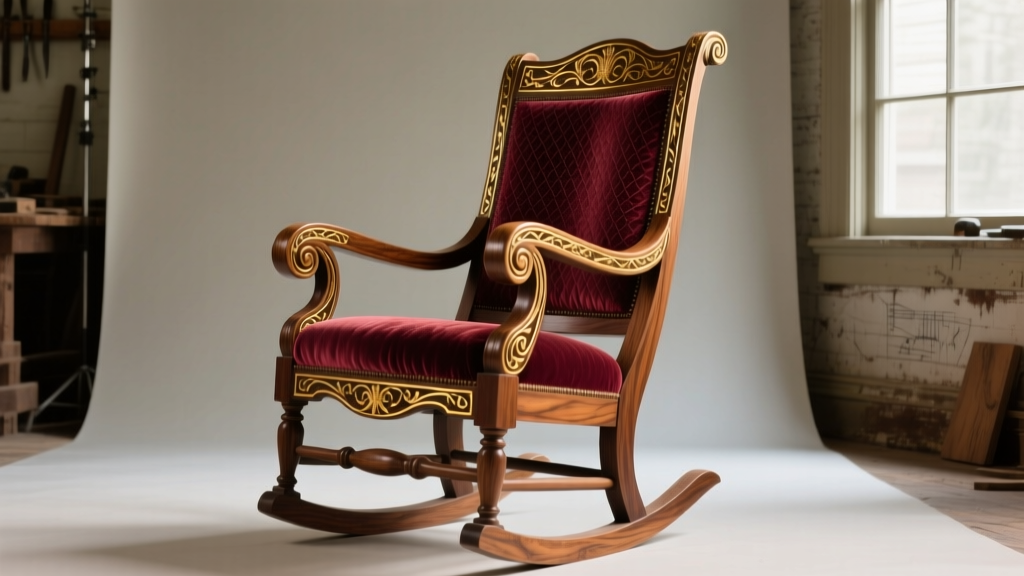
The 1869 Hunzinger Walnut Rocker: Gold-Filled Line Carving, Silk Upholstery, and the Birth of American Industrial Furniture Design
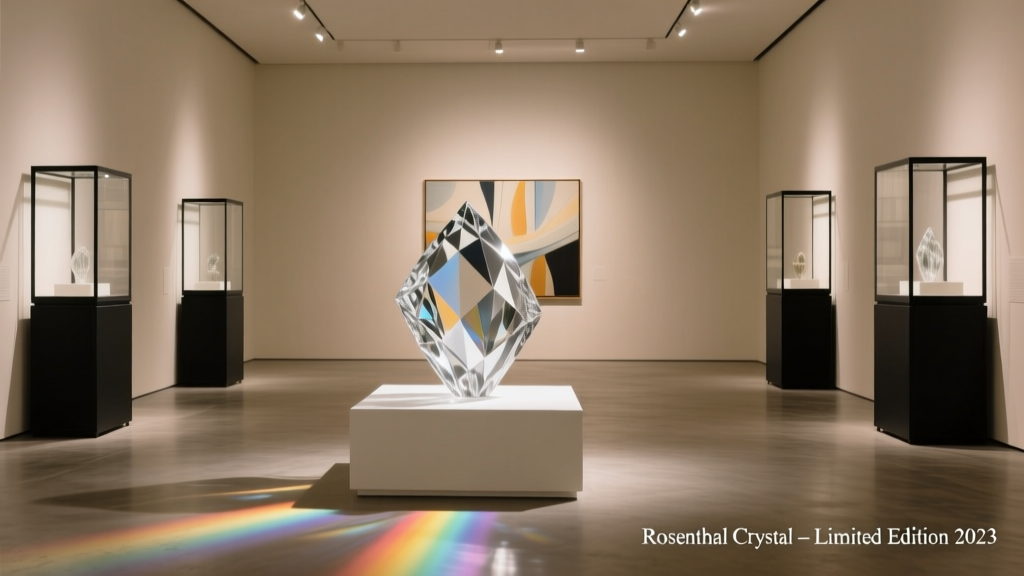
Rosenthal Crystal: History, Authentication, and Market Value of a German Luxury Glassmaker
Authentication Dossier: Print Edition 2337334 — A Technical and Provenance Analysis of a Key Andy Warhol Screenprint
Toy Tricycle Child Metal Windup, 1930s, 9 Inches: Authentication, Provenance, and Market Value Analysis

Tiffany Studios Candlestick: Bronze Stick Base, Four-Footed Design, Blown Green Glass Shade (13 Inches)
Coca-Cola Thermometer 'Refresh Yourself' Stenciled Sheet Metal Convex Sign: Authentication, Market Value, and Historical Context
Toy Rabbit Sitting Up, Blond Mohair, Steiff, 1913, 12 Inches: Authentication, Provenance, and Market Significance
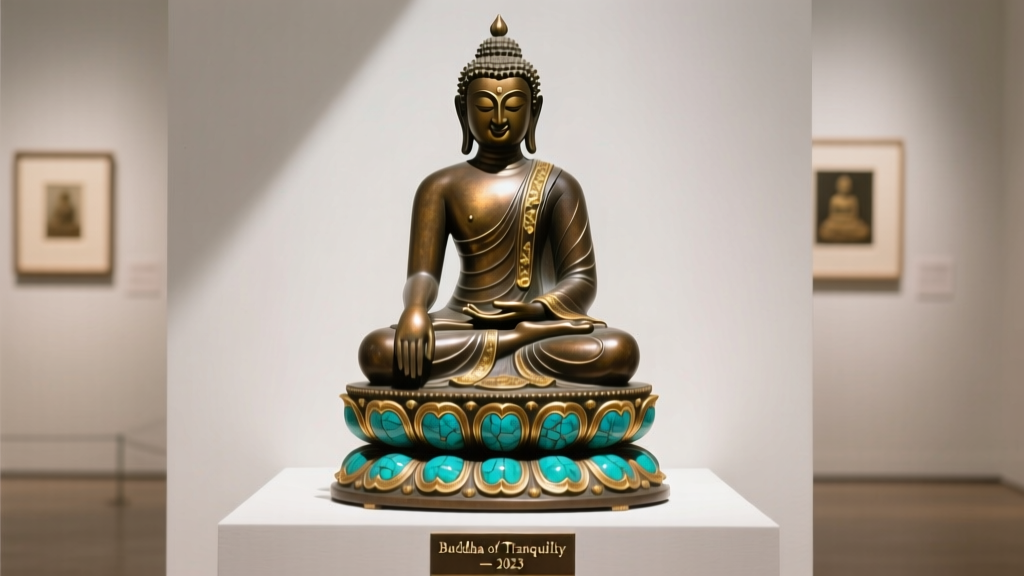
Authentication, Provenance, and Market Value of a 4-Inch Gilt Bronze Seated Buddha with Double Lotus Base and Turquoise-Coral Inlays